By Sirena Cordova | Plan Writer
89 million.
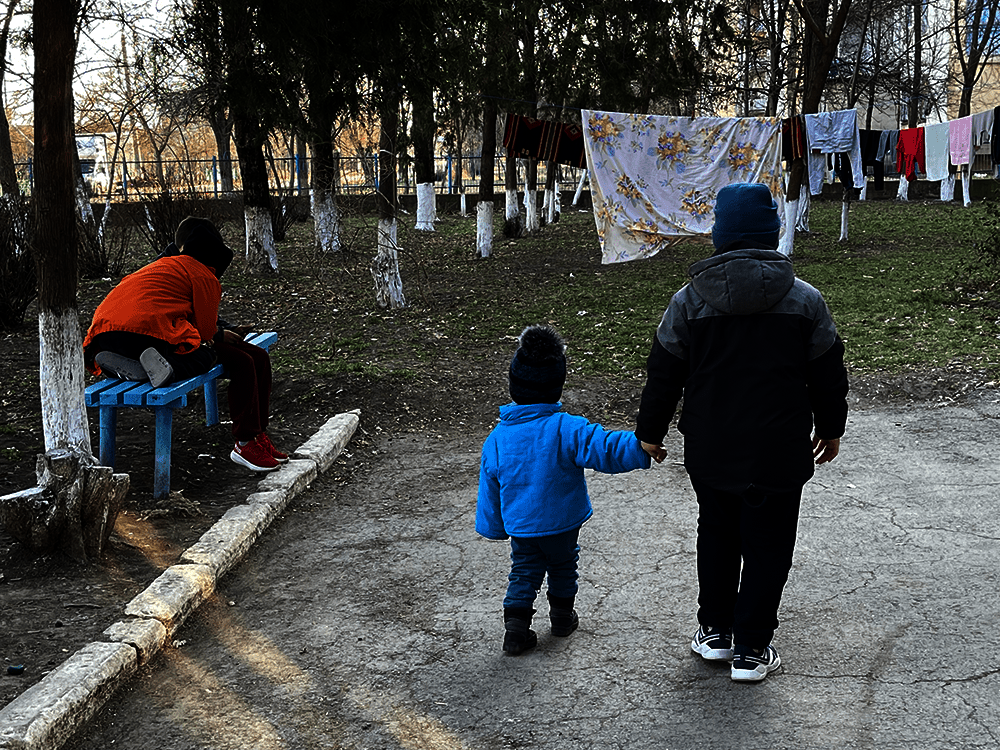
That’s how many people around the world were forced from their homes, due to conflict, disaster or persecution by 2021. And, since the war in Ukraine began in February 2022, this number has climbed to over 100 million.
Close to 70% of displaced people (including internally displaced people, asylum seekers and refugees) are women and children. Whether they settle in a different region of their country or end up in an entirely new one, the challenges they face are enormous. Language barriers, uncertainty of their legal status and financial insecurity are just a few factors that put intense strain on refugees’ safety and well-being.
And, given that most refugees settle in neighboring or other low-income countries, vital health services are inadequate, if available at all.
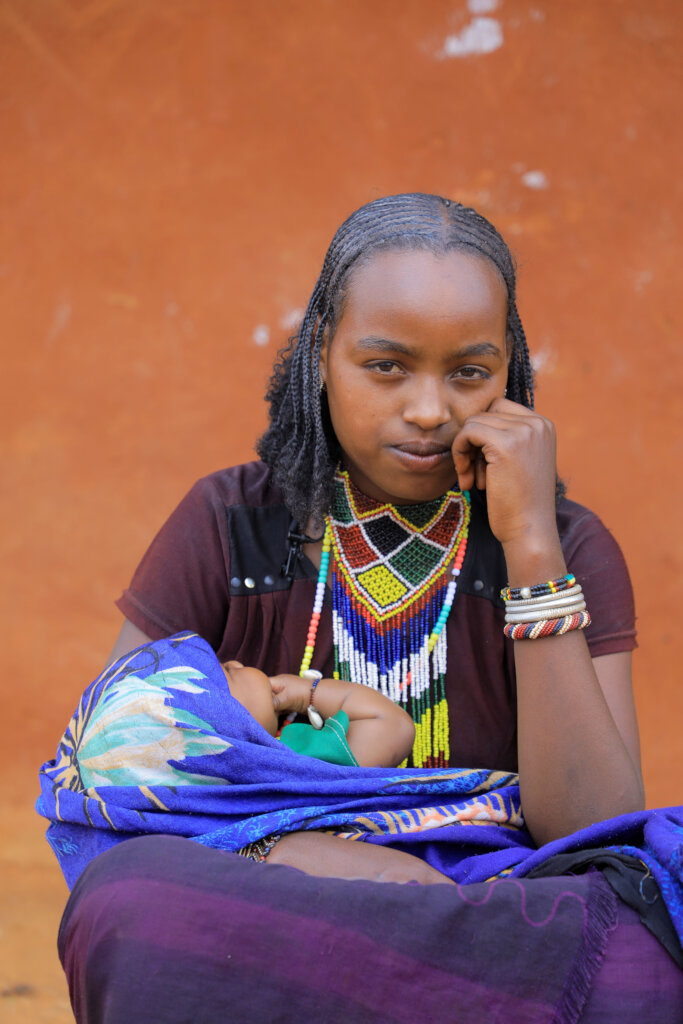
This is especially dangerous for pregnant women and girls, and those who recently gave birth. Pre- and post-natal care (including mental health support) is important for both a mother and her baby, but between underfunded facilities and a lack of trained professionals, maternal care worldwide is in an abysmal state. For people fleeing to new places, this vulnerability and stress is also intensified when mothers don’t know how or even if they can access care.
“From our past experiences of emergencies, we know that in times of crises, childbirth can be a life-threatening experience, instead of a life-changing one. Women and girls can be forced to give birth in extremely dangerous conditions, without help from skilled health care providers in the safety of a health facility." — Alexandra Parnebjork, Gender in Emergencies Advisor, Plan International
In sub-Saharan Africa and Southern Asia, where a large portion of refugees settle, a lack of health care resources and devastating hunger crisis are contributing to the regions’ exceptionally high maternal mortality rates.
On top of the insufficient care for the physical health of pregnant refugee girls and women, accessing mental health care is equally difficult. The events that pushed refugees from their homes to begin with are often traumatizing, and end up triggering or worsening conditions like depression, anxiety and PTSD.
In many countries, not only is there a lack of services impacted by the same underfunding and understaffing issues as natal care, but there’s added stigma associated with seeking mental health care. Refugees already struggle with cultural barriers and a lack of knowledge about what services are available to them. For some, feeling like a burden or as if their problems aren’t real or legitimate is an additional barrier.
For pregnant girls and women struggling with conditions like prenatal and post-partum depression, the stakes are especially high.
To address these needs, Plan is implementing projects to support displaced people and host communities in places like Ethiopia, where 4.2 million internally displaced people and nearly 1 million refugees and asylum seekers live.
In addition to food assistance and medical care for pregnant adolescent girls and women, mobile health teams are deployed to treat informal communities of refugees and displaced people.
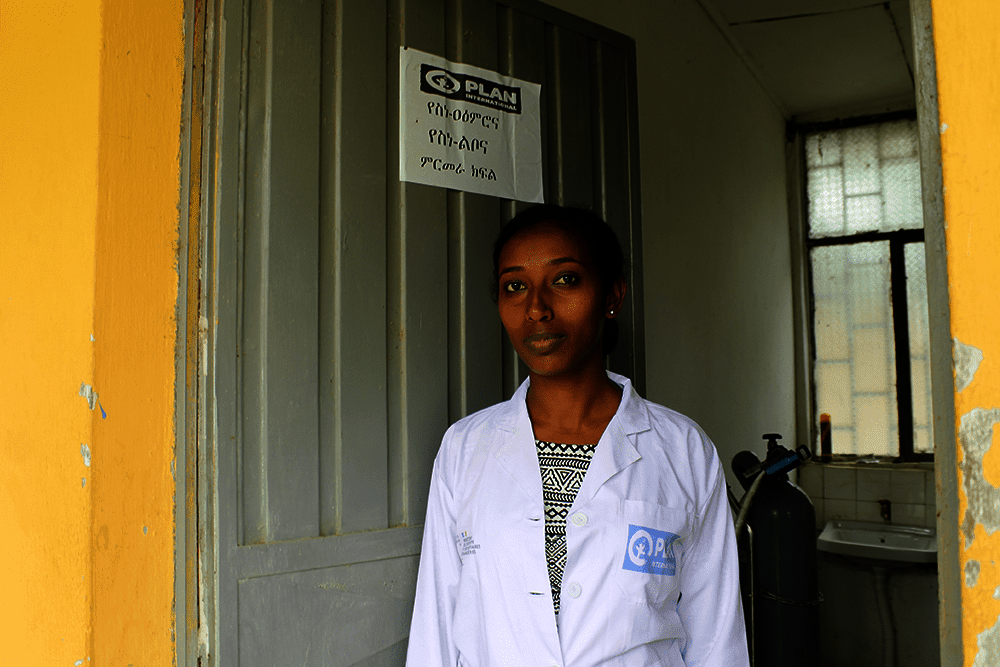
The mobile teams help patients access the immediate care they need or get referrals to local hospitals if specialized care is necessary. And because we know displaced mothers and pregnant women are especially vulnerable with regard to their mental health, the teams organize group therapy sessions as well so women in the community can support each other.
“First, we screen them, and if their cases are mild, we invite them to take part in group therapy sessions,” Bemenet, one of the teams’ counsellors, says. “We discuss a variety of issues with the women in group therapy and encourage them to speak about their circumstances. We make plans, set clear goals and handle the women’s issues, such as [post-partum] depression, based on the concerns they raise.”
Staff also educate and raise awareness about health and gender equality issues by offering other members of these communities group therapy sessions.
“The elders and fathers have discussions on gender-based violence, mental health issues, education and malnutrition,” Bemenet says. “We believe that involving men in addressing the issues that women face is quite crucial.”
Inequality doesn’t know borders, and in the response to humanitarian crises, girls’ and women’s needs are often buried. We can’t control when an emergency happens, but we can make sure the health care needs of displaced people are met.
Project reports on GlobalGiving are posted directly to globalgiving.org by Project Leaders as they are completed, generally every 3-4 months. To protect the integrity of these documents, GlobalGiving does not alter them; therefore you may find some language or formatting issues.
If you donate to this project or have donated to this project, you can receive an email when this project posts a report. You can also subscribe for reports without donating.



Support this important cause by creating a personalized fundraising page.
Start a Fundraiser