By Tricia Curtis | Wild Futures Team
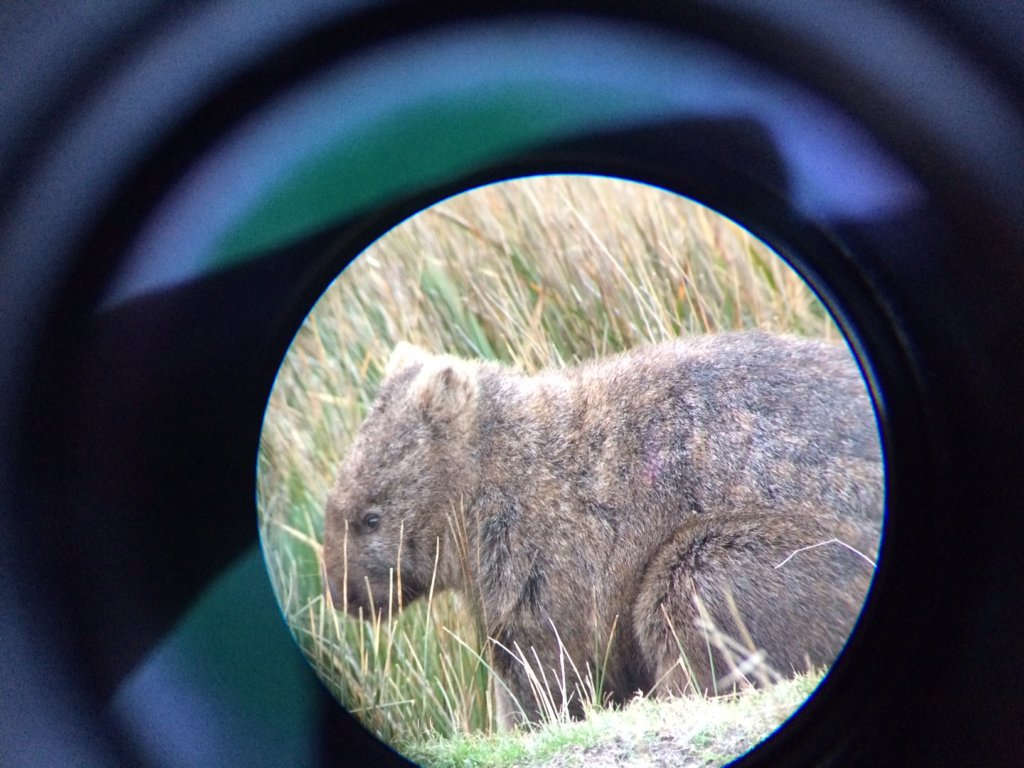
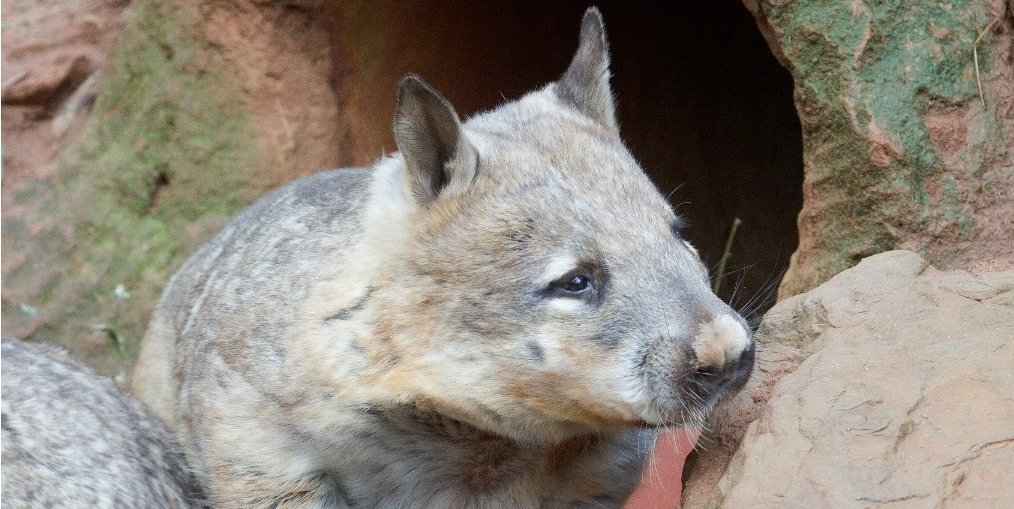
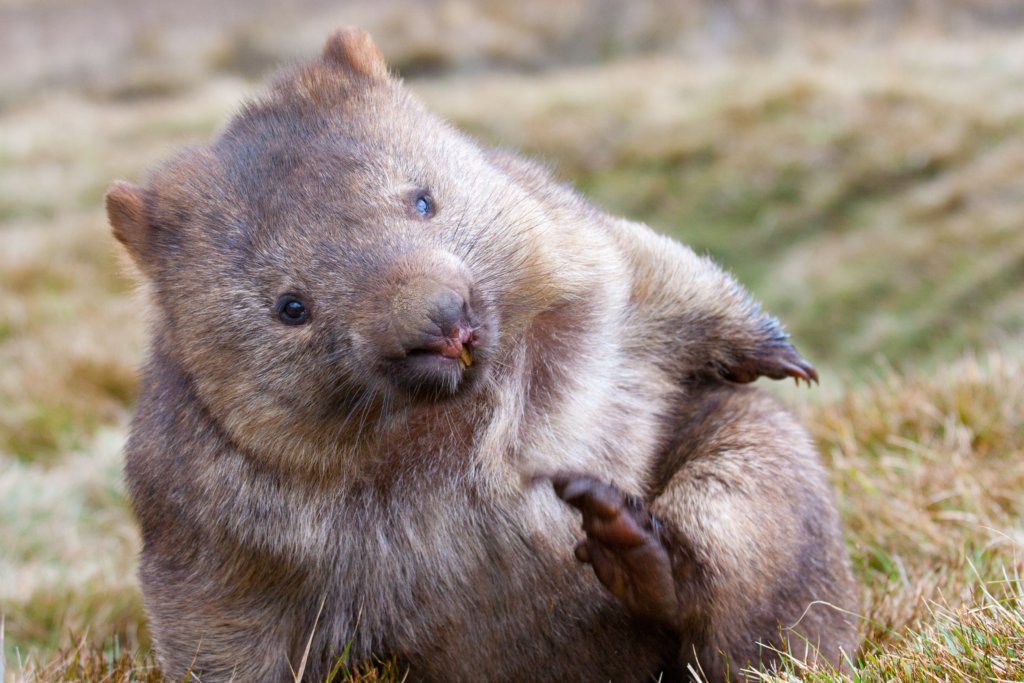
With a small amount of rain and some sunny weather, it is amazing how the landscape can respond with new growth on vegetation, plants flowering and wildlife on the move. Although we are still struggling to get a good supply of Austrostipa (native grass) for the Southern Hairy-nosed Wombat to feast on, we have had some excellent results in collecting its seed from surrounding areas. This is in anticipation of creating a seed orchard which will secure future seed source and increase this preferred food for the Southern Hairy-nosed Wombat across the Park.
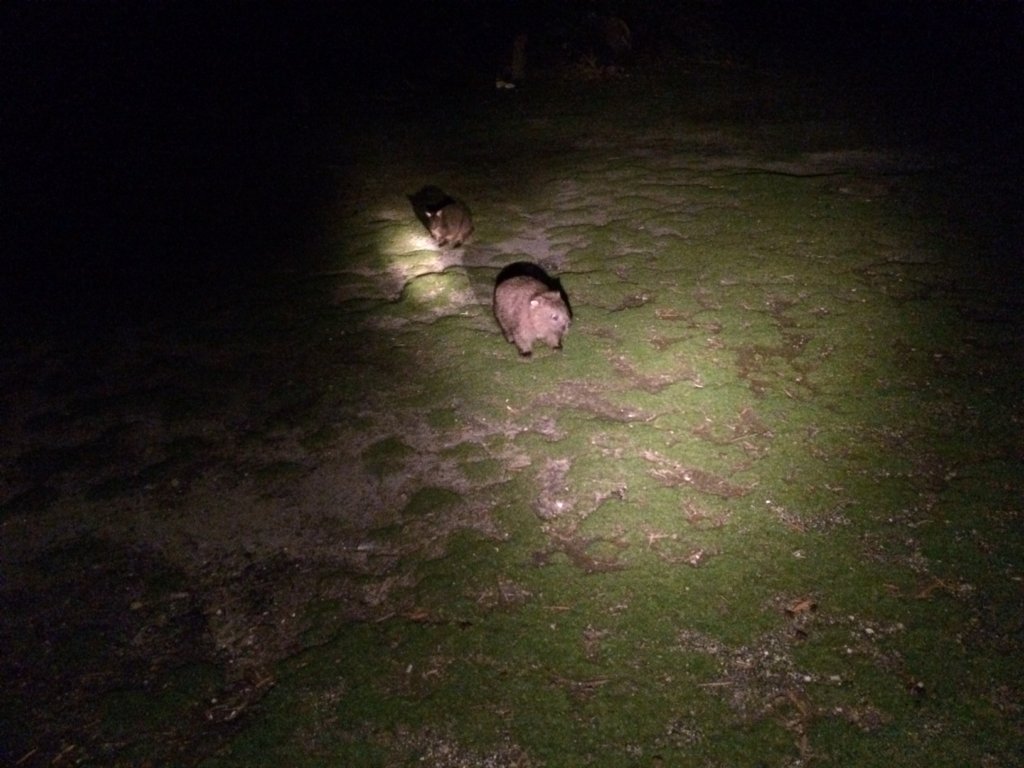
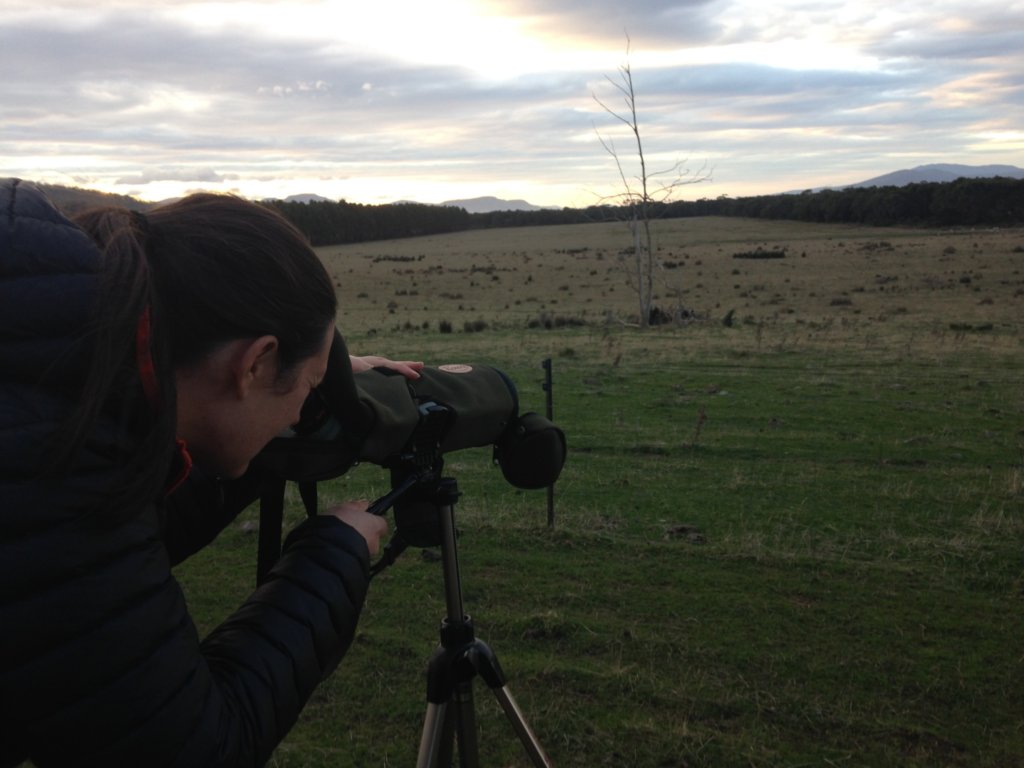
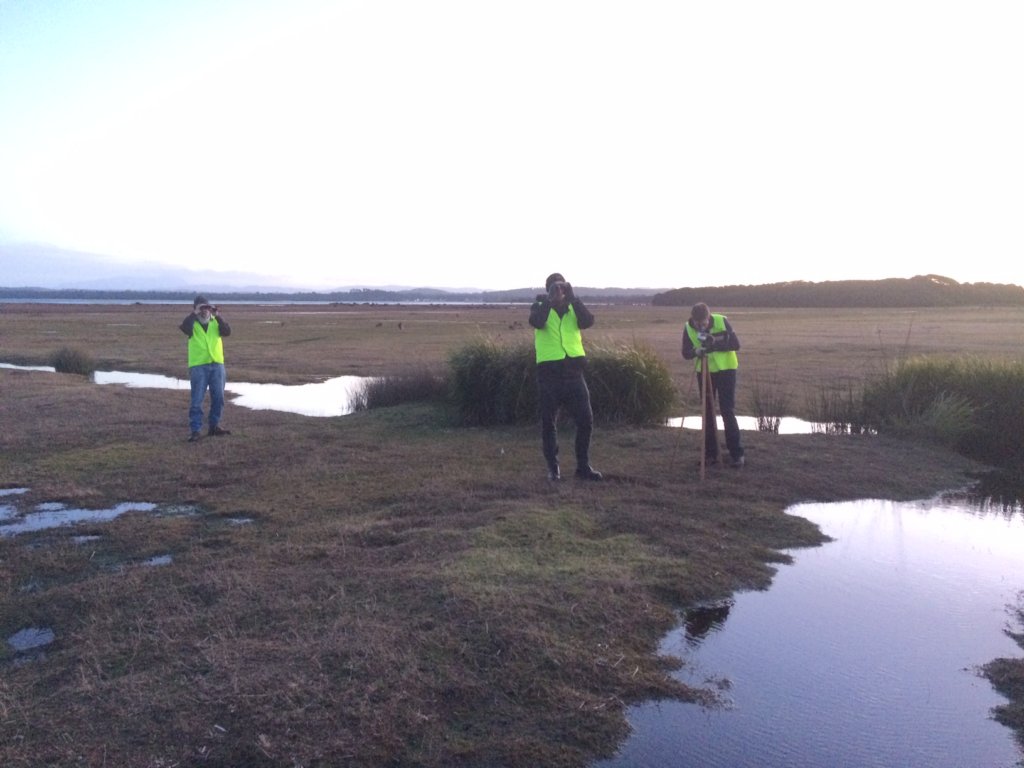
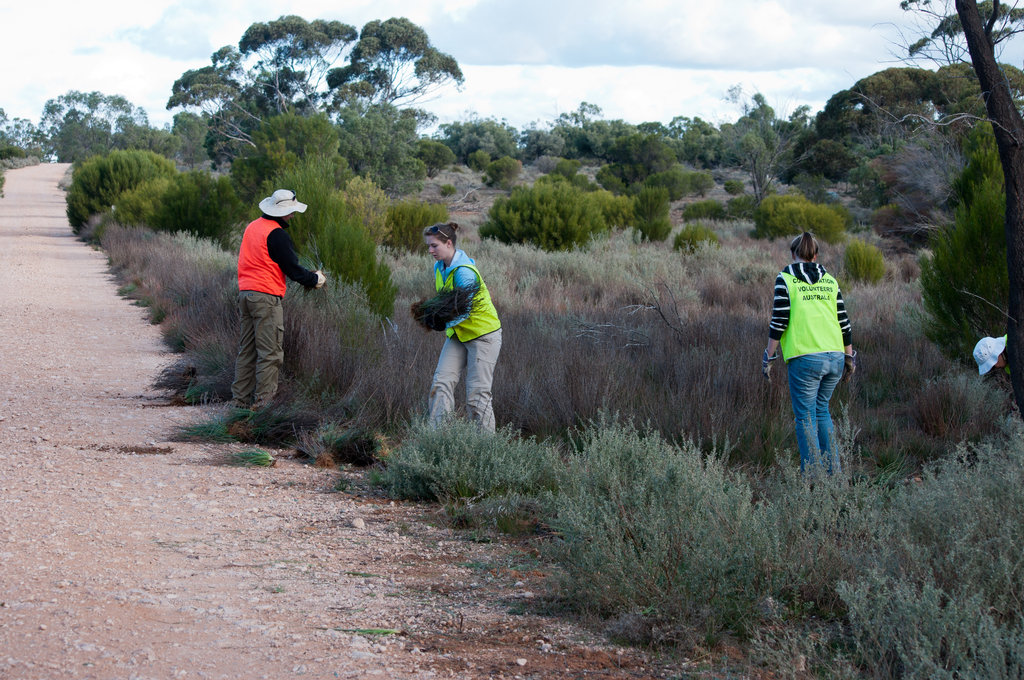
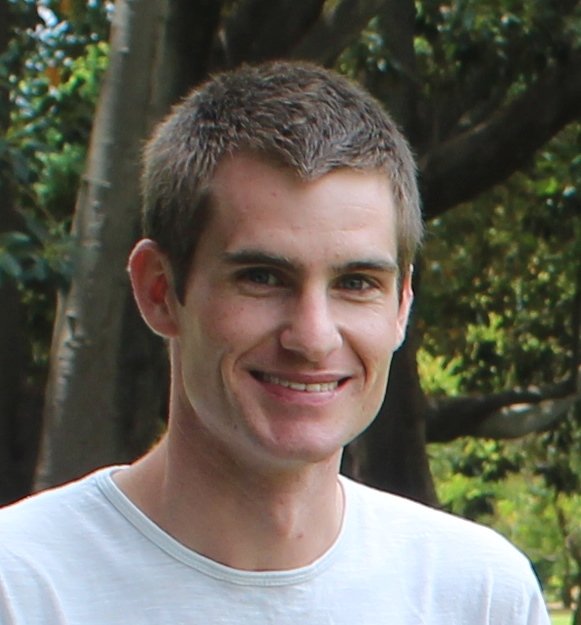
Over 300 volunteer days have been spent on ground in the past few months. Volunteers have been removing heavily infested areas of weeds, clearing the way for our native plants to re-establish themselves. Adelaide volunteer Tom says, “It’s one of the satisfying parts of volunteering – knowing you are having a real impact on weeds and ultimately the survival of the wombat. I thought it would be hard going but to spend a day in this fantastic place – nothing could be further from the truth!”. Volunteers have also undertaken eight days of wombat warren surveys, adding to the crucial data collection that takes us that little bit closer to finding out what the population is in the region. Wildlife Researcher, Dr Mark Lethbridge has been collating this data and said we are very close to having enough information to start getting some results. “Just a few more surveys on wombat warrens and vegetation surveys around the warrens is all we need. Then we can start extrapolating information that will help guide us in the management of the Southern Hairy-nosed Wombat and improve its chances of survival in this region.”
As we move into 2015, we have set the dates for vegetation surveys and wombat warren surveys and eager for people to continue to support this critical program – there’s still much to do!
Thank you again for donating to the Southern Hairy-nosed Wombat appeal this year. Your contribution is directly supporting the management and survival of this unique and much loved animal. We look forward to keeping you up-to-date with our progress throughout 2015.
Links:
Project reports on GlobalGiving are posted directly to globalgiving.org by Project Leaders as they are completed, generally every 3-4 months. To protect the integrity of these documents, GlobalGiving does not alter them; therefore you may find some language or formatting issues.
If you donate to this project or have donated to this project, you can receive an email when this project posts a report. You can also subscribe for reports without donating.