By Tricia Curtis | Wild Futures Team
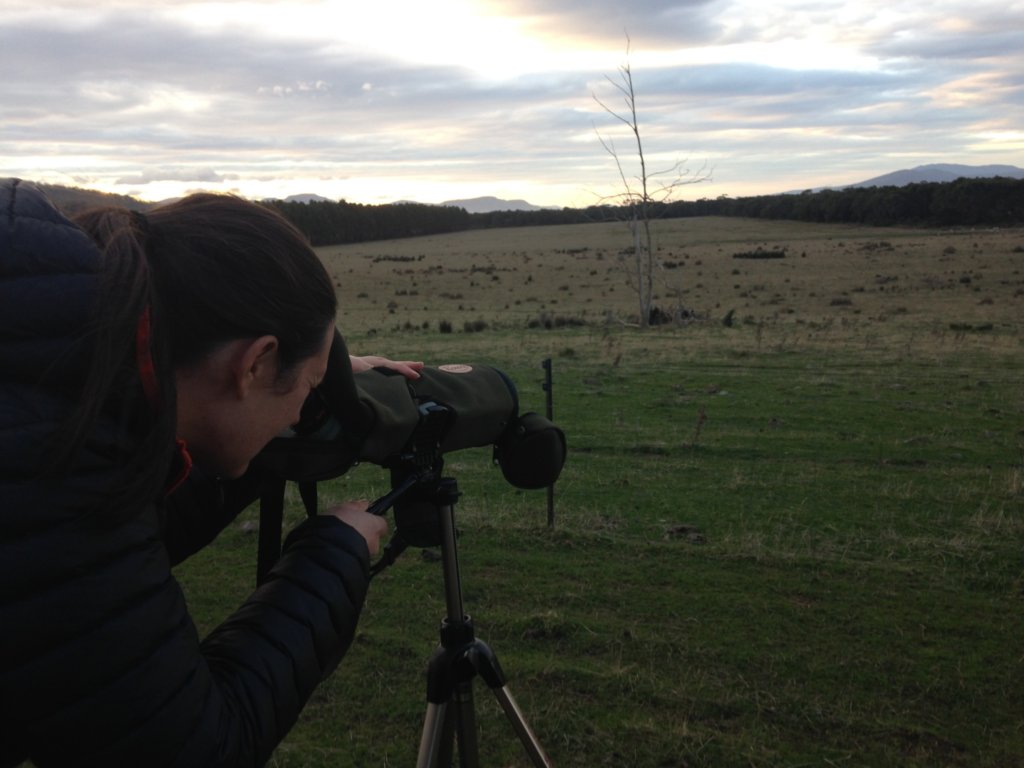
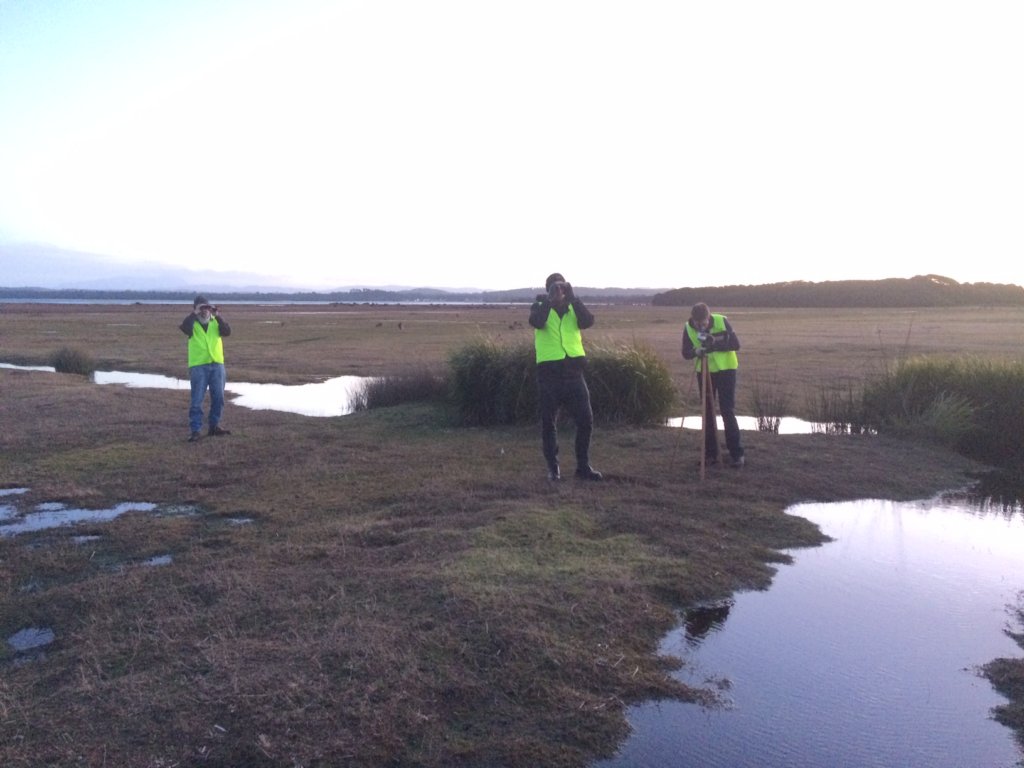
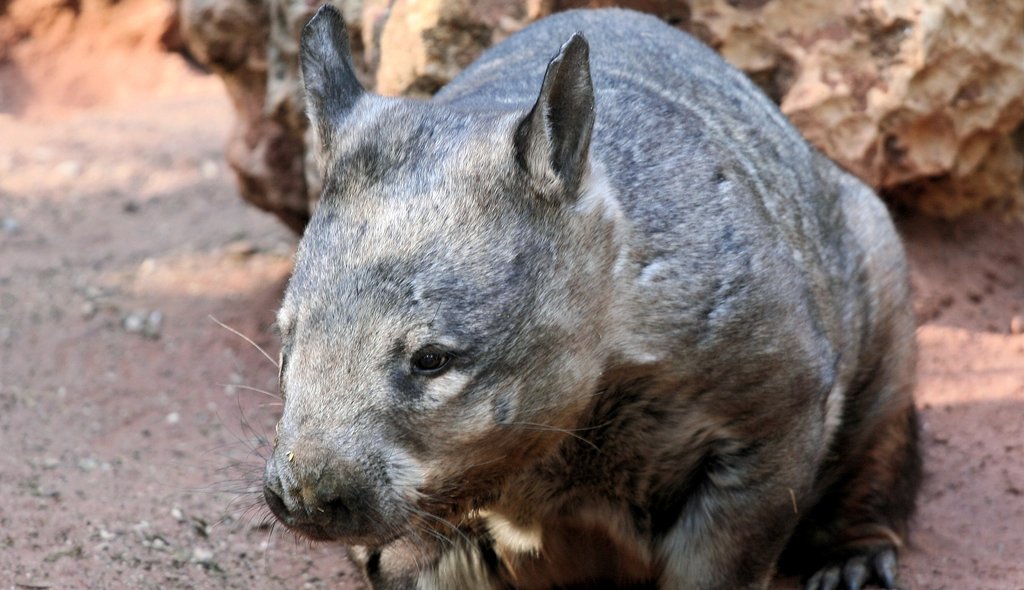
We have just had a very long spell with low rainfall at Brookfield Conservation Park and this has had quite an impact on the vegetation, particularly native grasses. As such, there is even more urgency to establish the Native Grass trial plots at Brookfield. This will help us identify the best methods of rehabilitating critical habitat for Southern Hairy-nosed Wombats and to better understand how to manage total grazing pressure in the Park. Our volunteers and the Friends of Brookfield Conservation Park are helping to drive this project. Seed has been collected from the park and is about to be propagated and planted into fenced and unfenced demonstration plots. Volunteers and researchers will also be experimentally distributing seed directly into plots and will then monitor what happens over the next few years. Monitoring is another critical task for volunteers who are interested some of the more technical and scientific activities we undertake, and a great opportunity for those that can commit to projects like this for the longer term. In the semi-arid region that Brookfield is located in, environmental conditions are so variable that it takes a long time to understand the implications of management action.
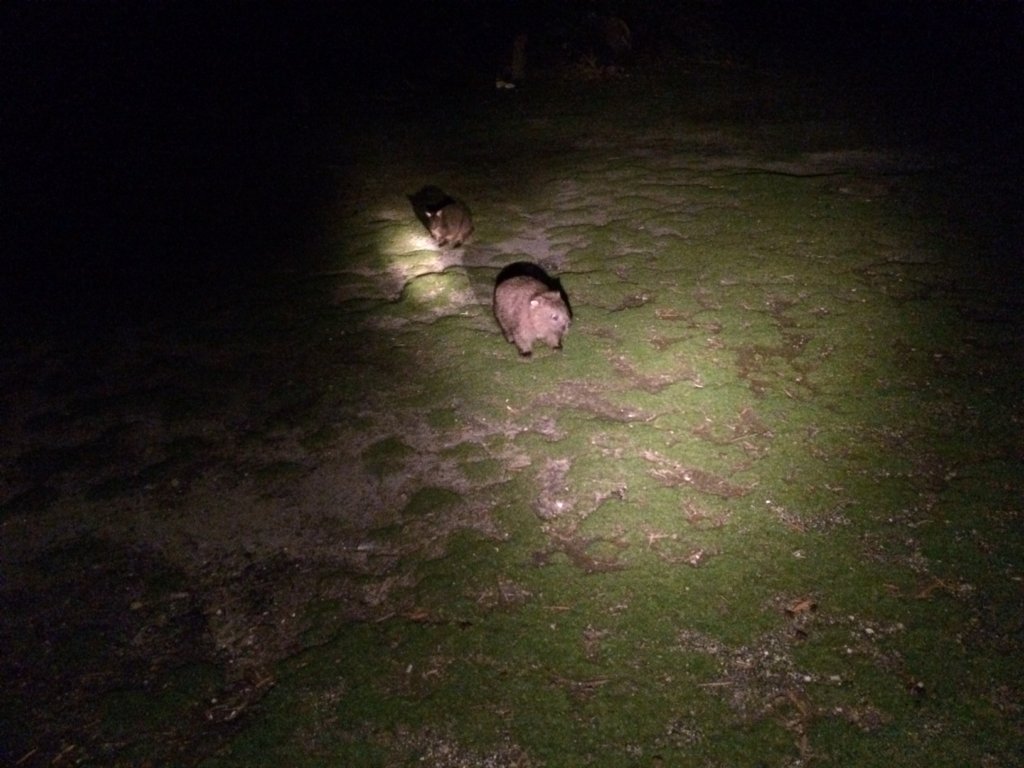
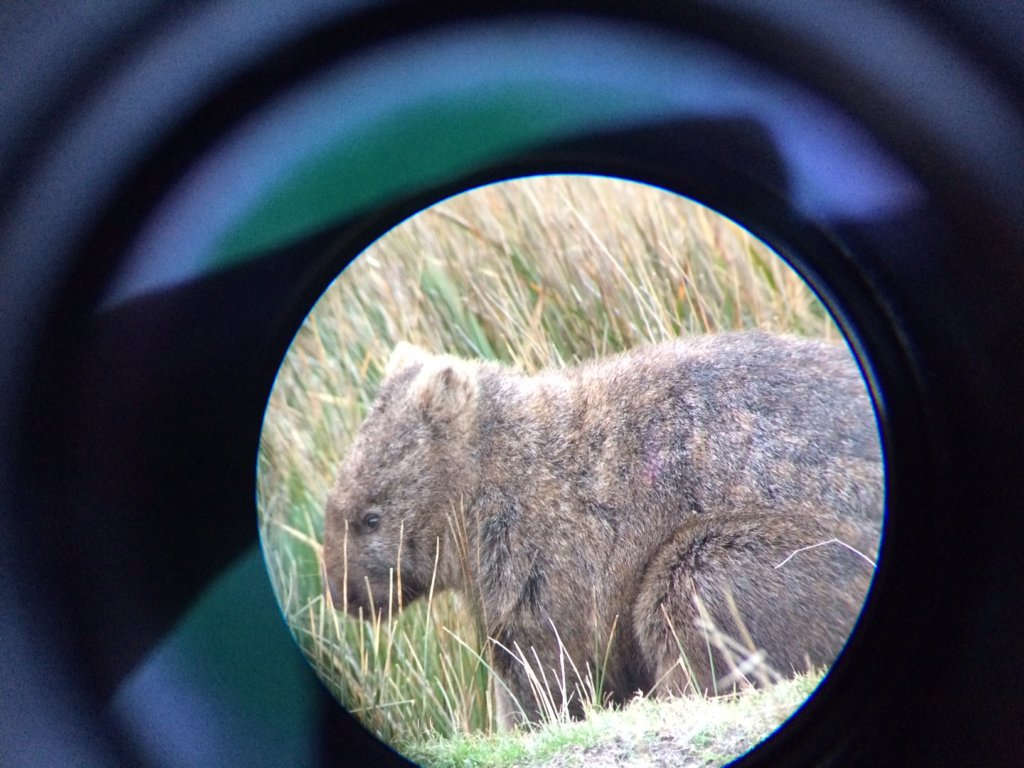
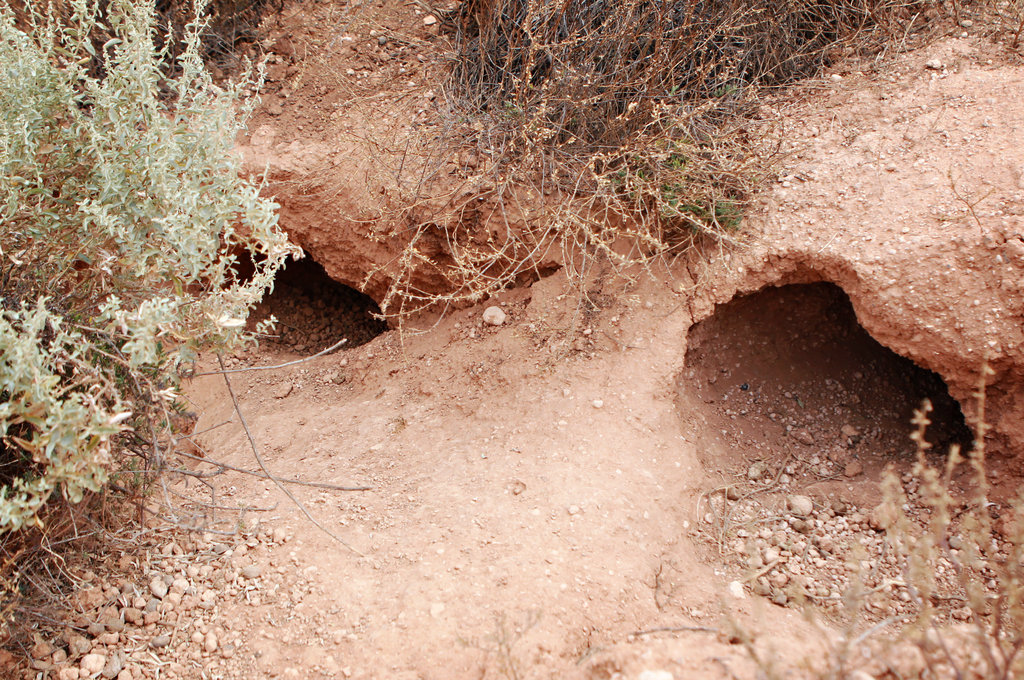
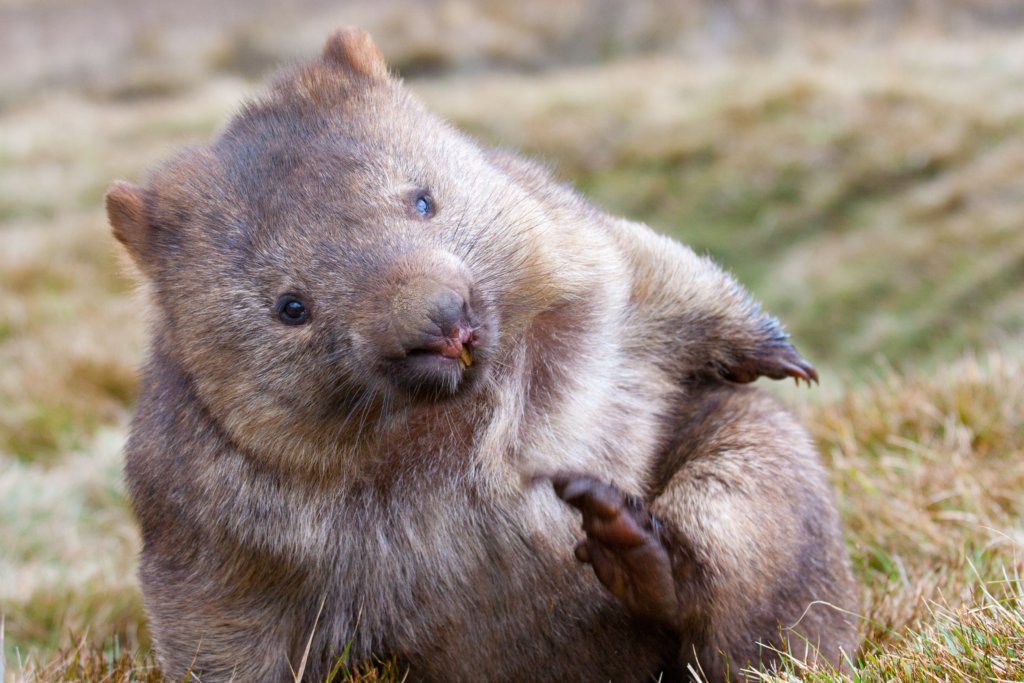
A reminder as to why native vegetation is so important – because wombats love native grasses, especially Austrostipa species, which are the equivalent of ice cream to them! Stef Williams from the Friends of Brookfield Conservation Park explains: “Southern Hairy-nosed Wombats tend not venture too far from their burrows when looking for food but lately, the native grasses have been scarce. Therefore the wombats are having to use more energy to go searching. If a wombat has already lost condition through lack of suitable food, this can mean the loss of particularly young and older individuals. Our task is to increase native grasses not just in the Park but across the landscape so we can have a healthy population of these animals in the Mallee regions of South Australia.”
This is a critical project as we have seen the consequences of unhealthy wombats in the Mallee. The funds that donors have contributed have been vital in the implementation of the exclosures and will continue to be essential to the success of the project. We are at the beginning of a critical conservation activity that relies on both funds and volunteer support and, as such, we are so very grateful for your ongoing support.
Links:
Project reports on GlobalGiving are posted directly to globalgiving.org by Project Leaders as they are completed, generally every 3-4 months. To protect the integrity of these documents, GlobalGiving does not alter them; therefore you may find some language or formatting issues.
If you donate to this project or have donated to this project, you can receive an email when this project posts a report. You can also subscribe for reports without donating.