By our Brookfield Conservation Park | Regional Manager
Dear friends in Conservation,
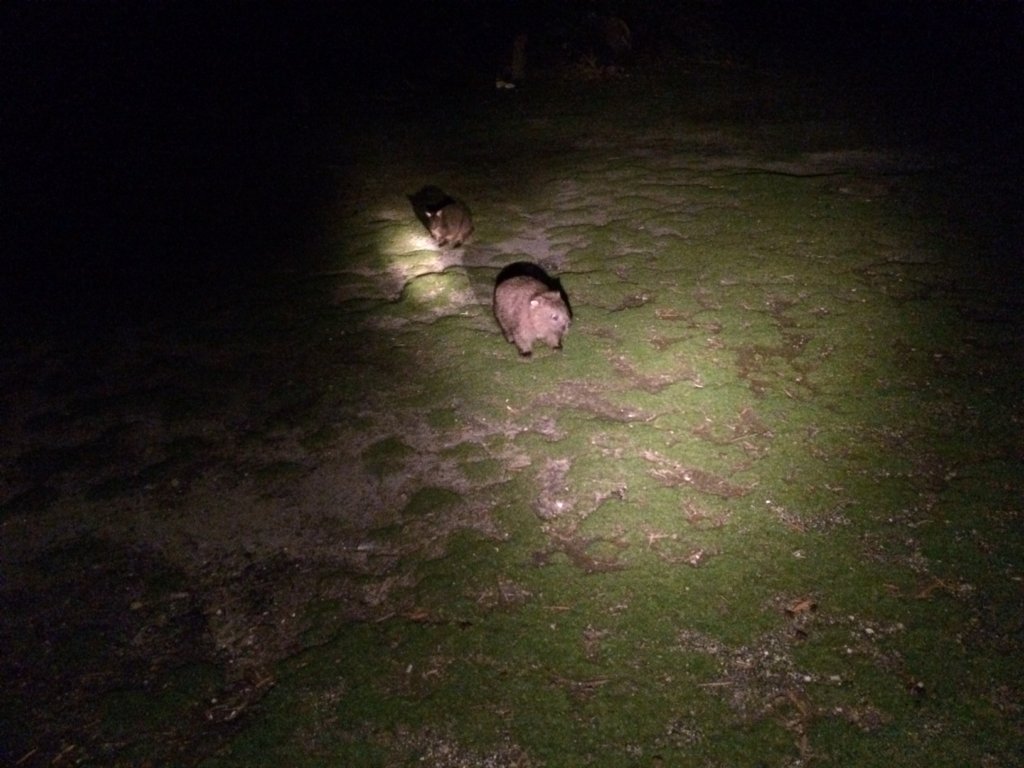
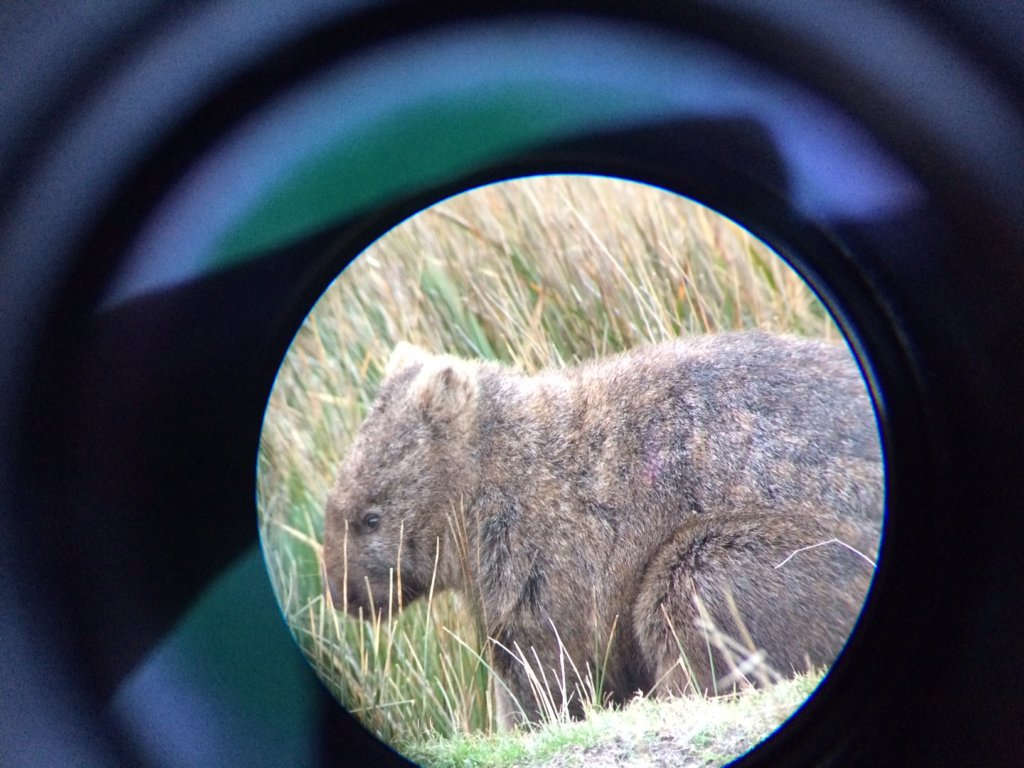
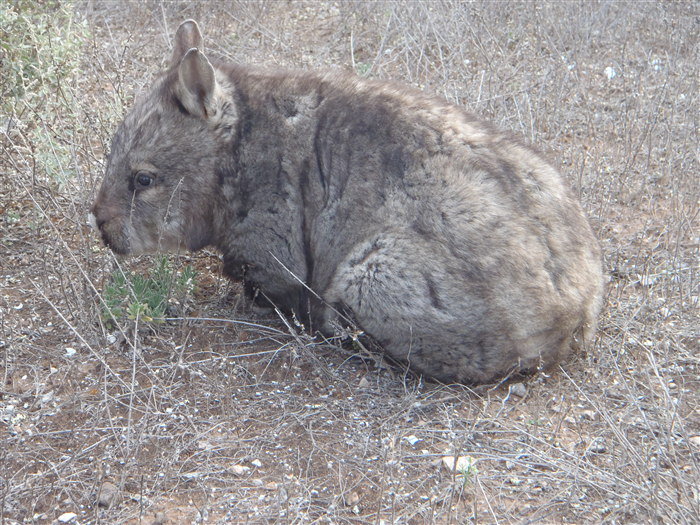
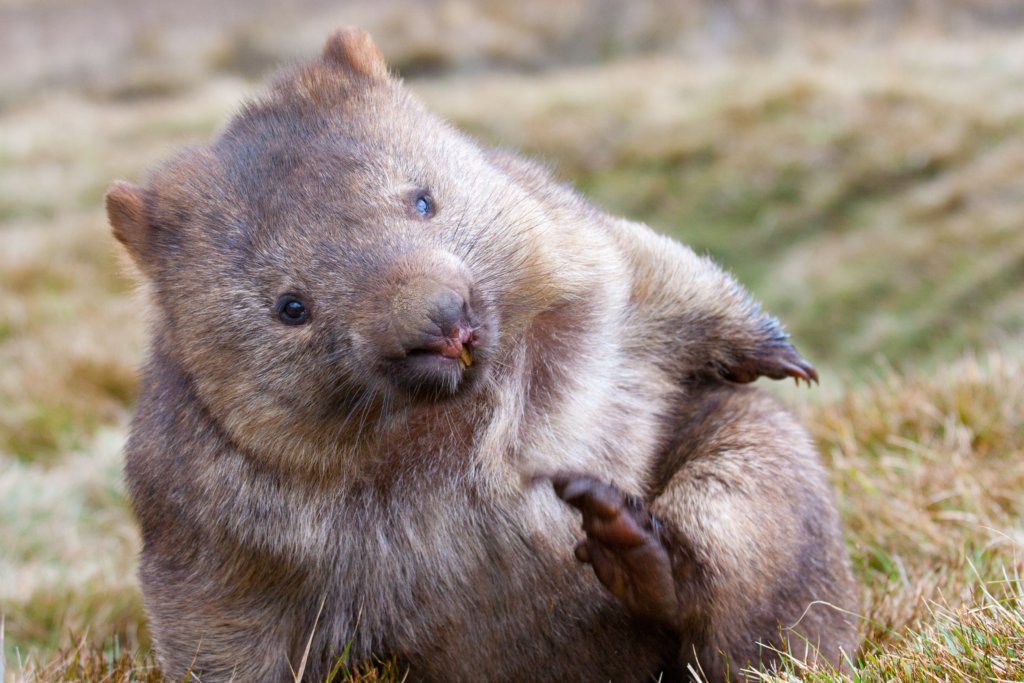
Did you know that the Southern Hairy-nosed Wombat (Lasiorhinus latifrons) is one of three wombat species? It’s the smallest of the three species, weighing in at up to 32 kilograms and standing up to 35cm tall. They are also surprisingly fast, able to run at speeds of up to 40km per hour! It’s habitat is limited, with human activity and agriculture contributing to their decline, along with environmental threats such as the introduced rabbits, which compete for grass. Invasive weeds are also a problem – when these become widespread, it affects the wombats’ diet and they cannot get enough nutrition to thrive.
The harsh climate brings droughts, which also impact on the species – it can be difficult for young animals to survive through periods of extremely low rainfall. Overall during this past summer, rainfall in South Australia was close to average according to the Australian Bureau of Meteorology, however they also noted that there were extended periods of days without rain that resulted in some sites having their lowest total summer rainfall for at least 20 years. Meanwhile, South Australia's overall mean temperature for summer was more than 1 °C above the long-term average. The mean maximum temperature for South Australia was in the top ten warmest ever recorded.
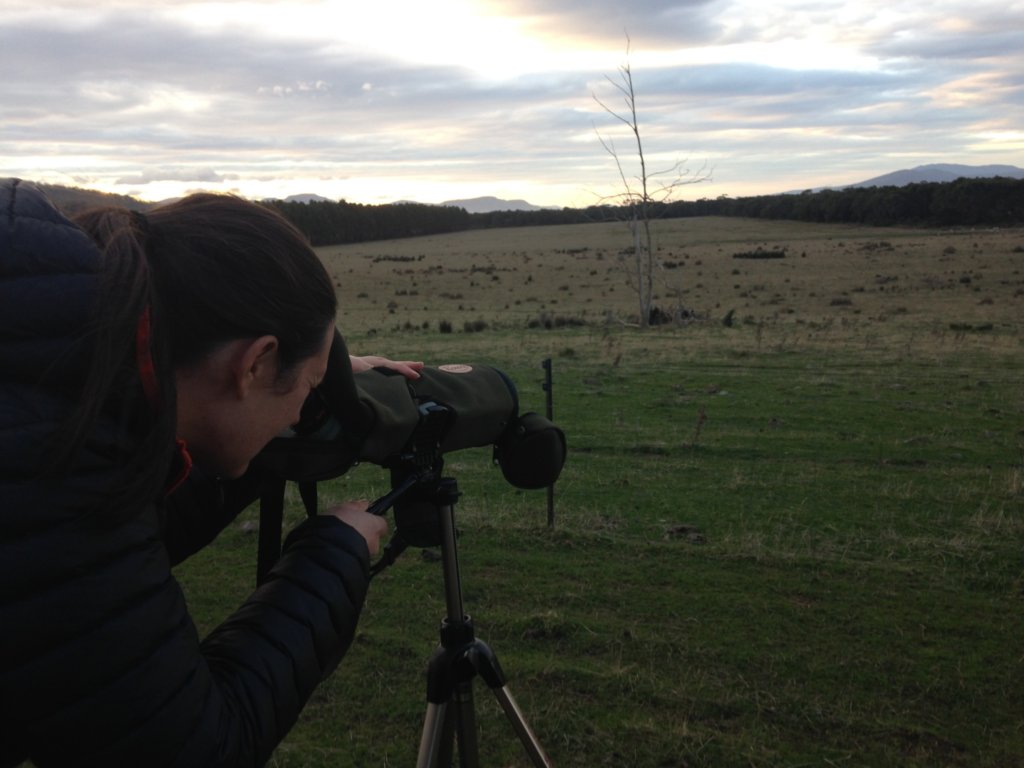
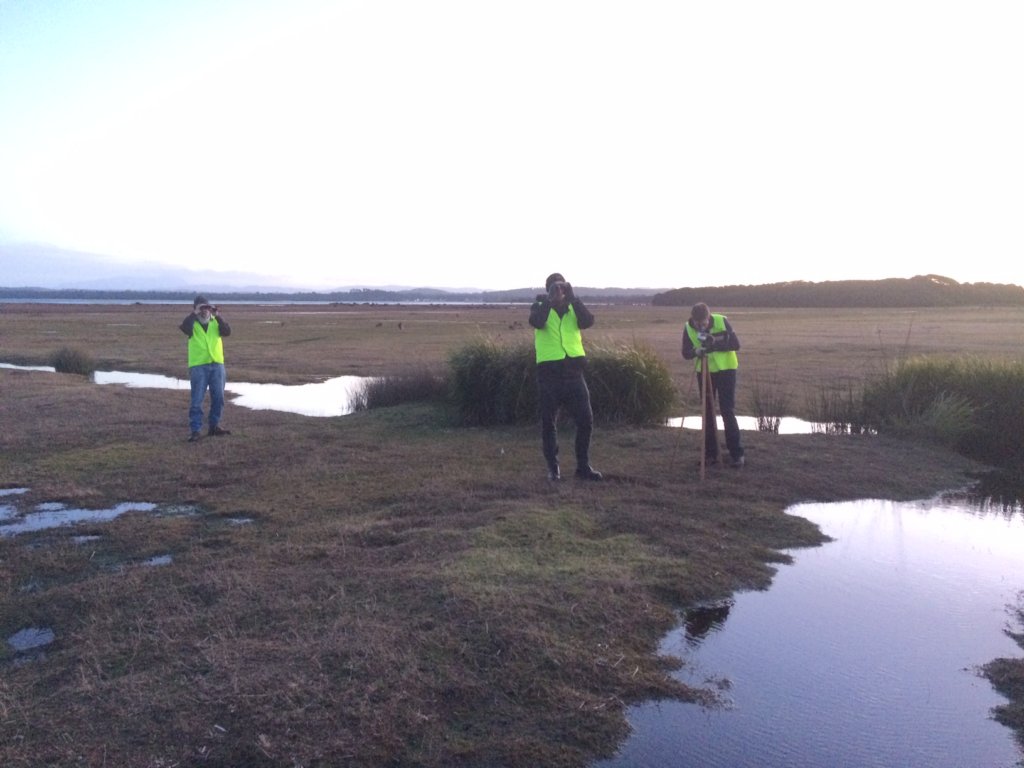
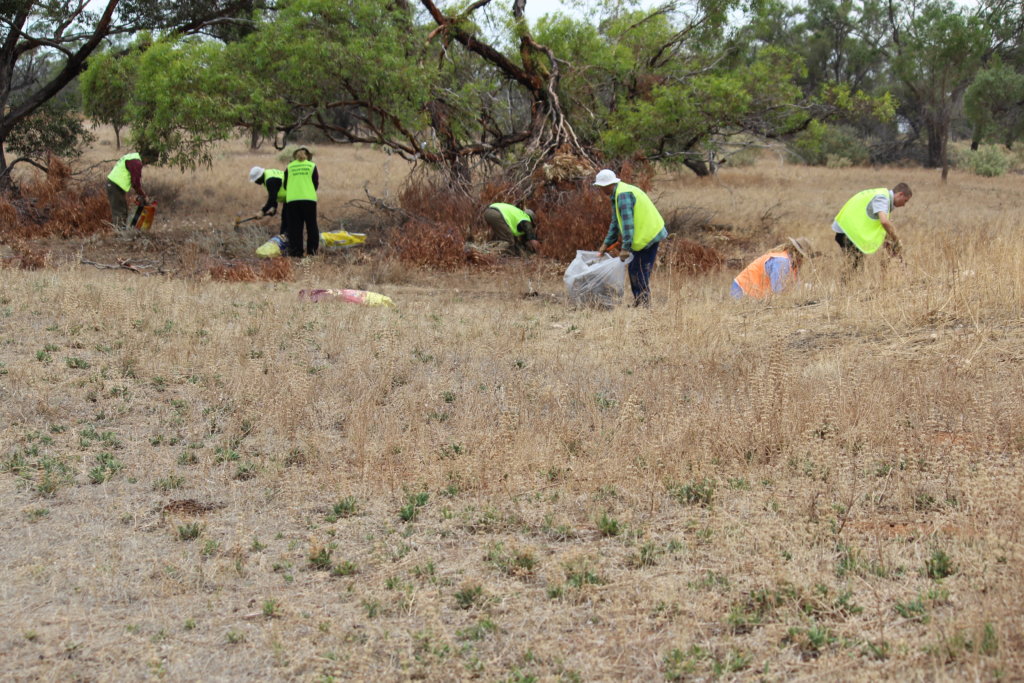
These harsh conditions mean the Southern Hairy-nosed Wombats need our help now, more than ever. As we move into the Australian autumn, our plans for the coming year include removing pest plants that compete with native grasses and reduce food sources for the wombats. Regional Manager, Tricia Curtis has been monitoring the pest plant spread across the Park. “With such long dry spells across the region we have started to make headway with the weeds. Recently we received some very welcome rain – but this has seen the weeds re-emerging rapidly! Extra person power would be very timely right now.” Some weeds, such as Horehound are relatively easy to remove. The most environmentally friendly way to do it is to pull out the Horehound by hand or using small hand tools. This minimises disturbance to the habitat and cuts down on the need for chemical weed control.
To do this, we have willing volunteers ready to give their time to help the Southern Hairy-nosed Wombat, and with the ongoing support of Globval Giving donors, we’ll be able to send teams managed by our staff to Brookfield Conservation Park, to continue this important project. Please continue to show your support through donating to our Southern Hairy-nosed Wombat project, as we battle the extremes in temperature and limited food supply early in 2016.
Links:
Project reports on GlobalGiving are posted directly to globalgiving.org by Project Leaders as they are completed, generally every 3-4 months. To protect the integrity of these documents, GlobalGiving does not alter them; therefore you may find some language or formatting issues.
If you donate to this project or have donated to this project, you can receive an email when this project posts a report. You can also subscribe for reports without donating.