By Tricia Curtis | Regional Manager
Dear Friends in Wombat Conservation,
It has been a very healing winter in South Australia, with above average rainfall being experienced across the state. The result has seen landscapes that we have become used to seeing dry and dusty, being transformed with new green growth. This has been particularly exciting at Brookfield Conservation Park with native grasslands becoming re-established in areas that had been the focus of intense maintenance and weed removal efforts by teams of volunteers over the last couple of years.
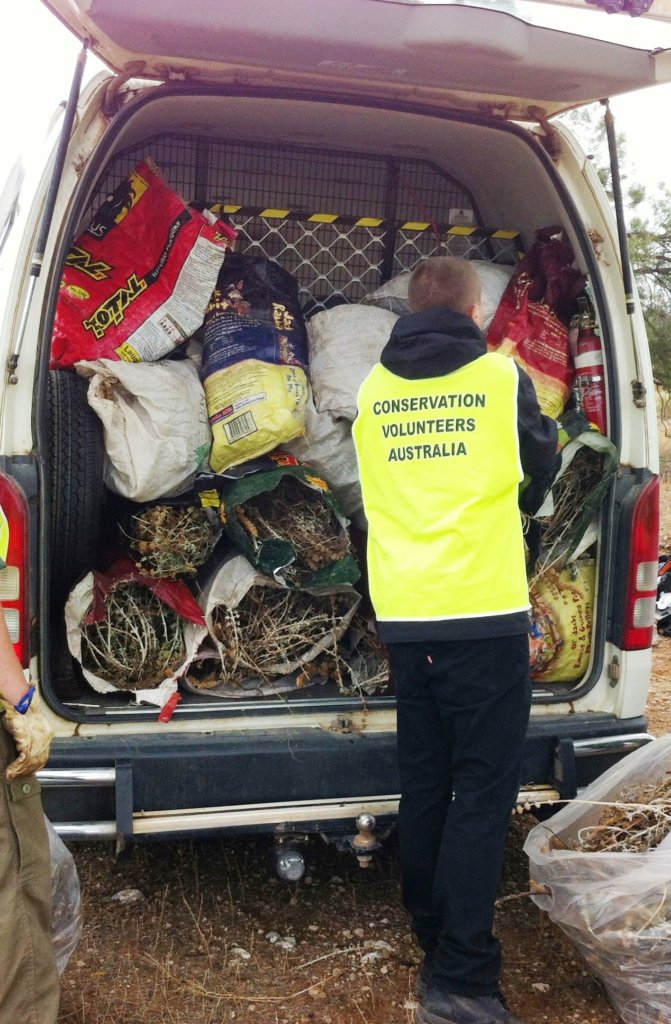
However, the rain has also obviously been beneficial for the growth of the invasive weeds that were still present on the property. Invasive species are incredibly detrimental because they are able to out-compete native species and can result in native animals becoming very ill, and potentially starving, as they are unable to obtain the nutrients that they require from these foreign plants. With the memory of the dramatic decline in the health of the local wombat populations last year, which was attributed to the reduction in the number of native grasslands, still very fresh in our minds, it was imperative to get as many volunteer teams as possible to Brookfield to undertake another large weed removal effort, before these plants had the chance to seed and continue their relentless invasion of the Conservation Park.
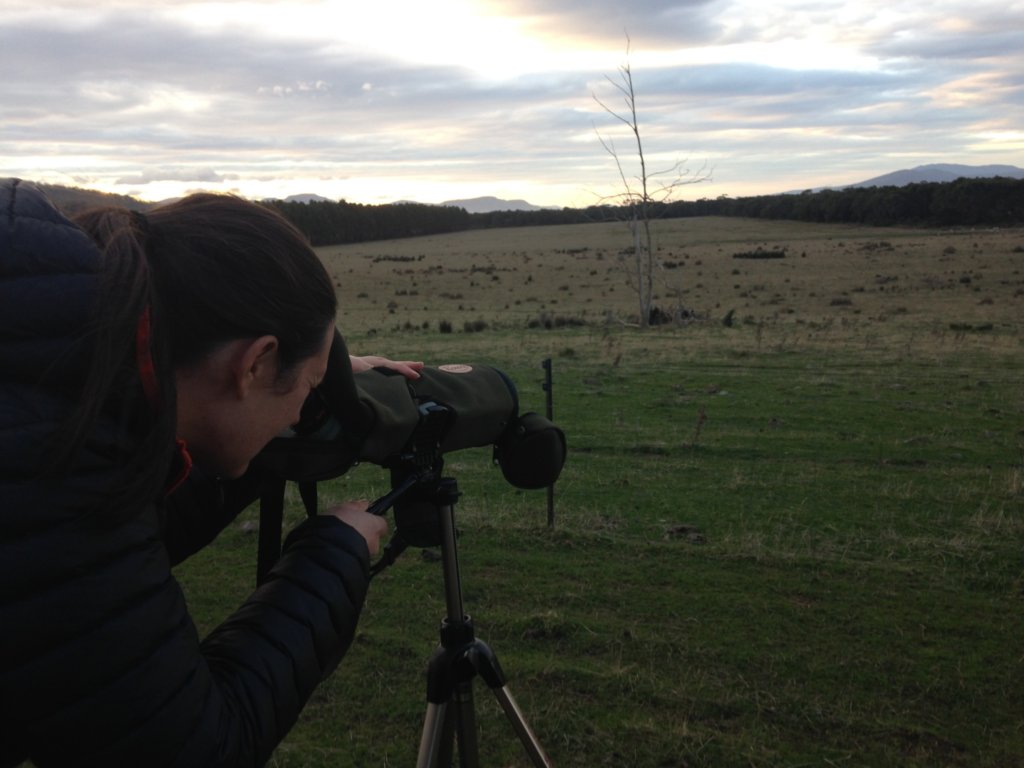
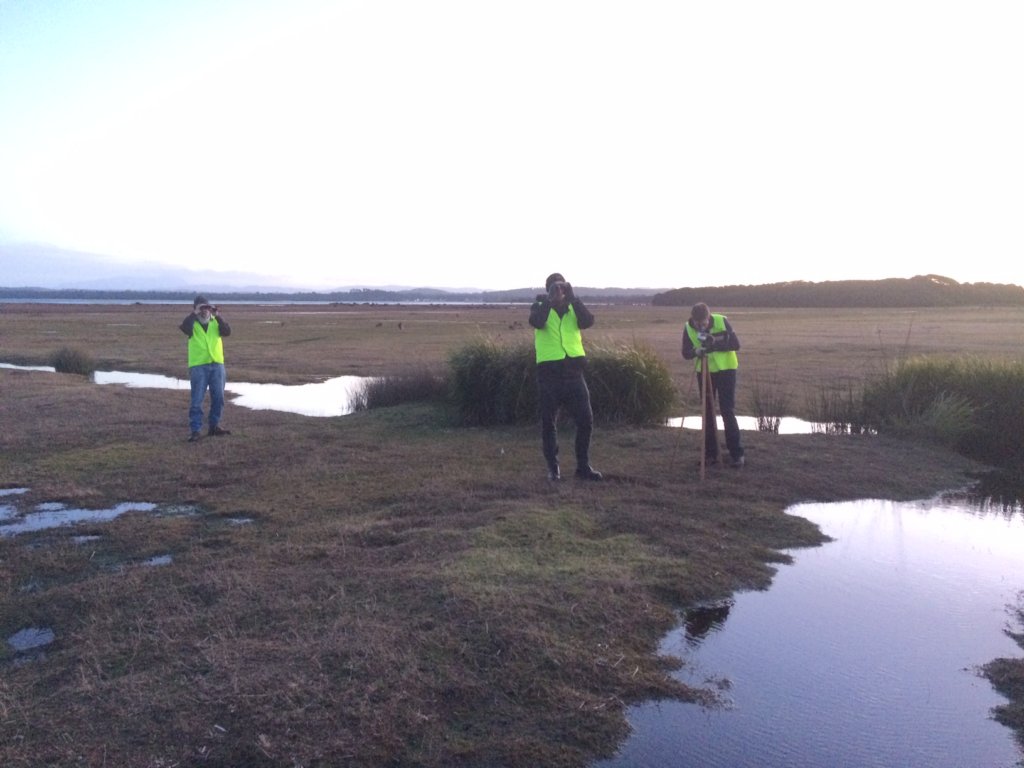
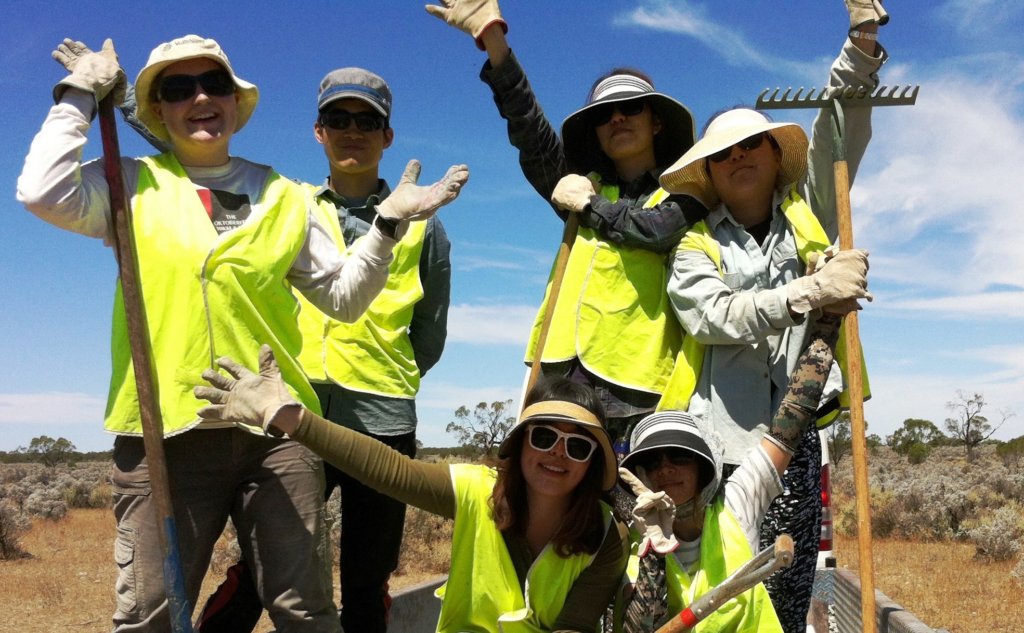
Thank you to the amazing support that had been provided by our Global Giving donors we were able to send seven teams to Brookfield over the winter months, equating to over 200 hours of weed removal being undertaken!
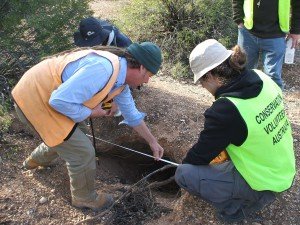
While the teams were on location they also focused on trail maintenance to improve the human-nature interactions are Brookfield. The existence of visible and accessible walking trails are essential to encourage the general public to visit the Conservation Park, and even more importantly, persuade them to remain on the walking tracks and to not ‘go bush’ where, even their footprints, have the potential to disrupt the incredibly sensitive habitat that is present in the Park. One team of volunteers also had to re-direct a couple of sections of the trail as two wombats were unknowingly extending their warrens closer and closer to the path. If the warren was allowed to be dug under the trail, both the wombats and members of the public could be at risk if the ground caved-in.
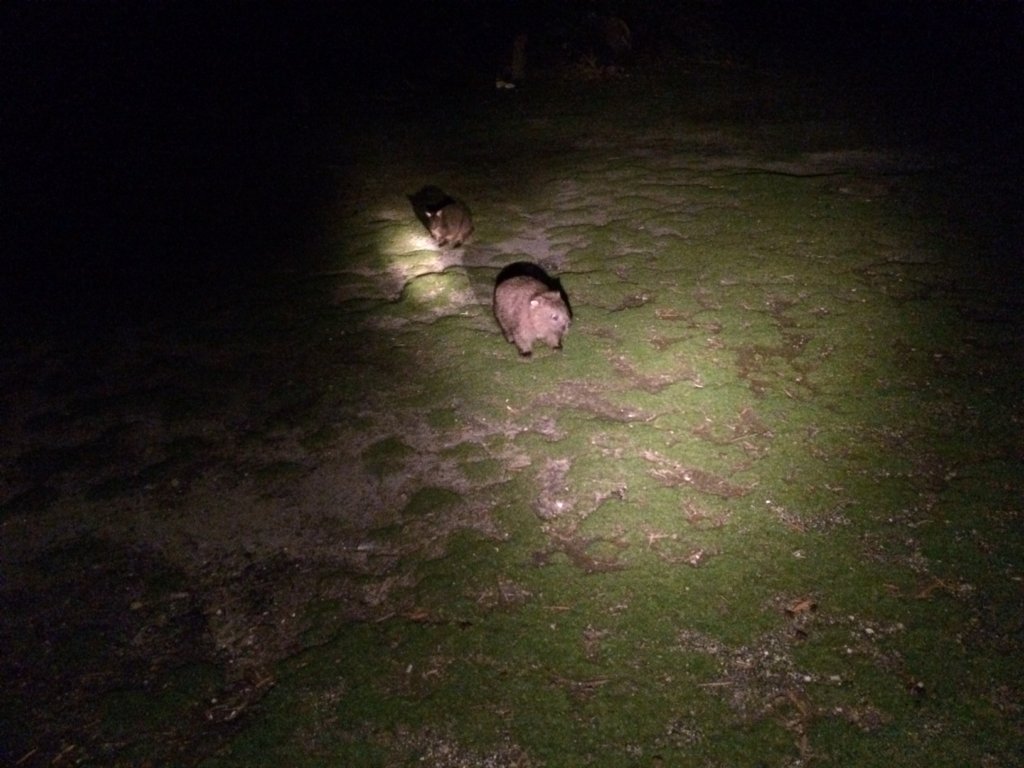
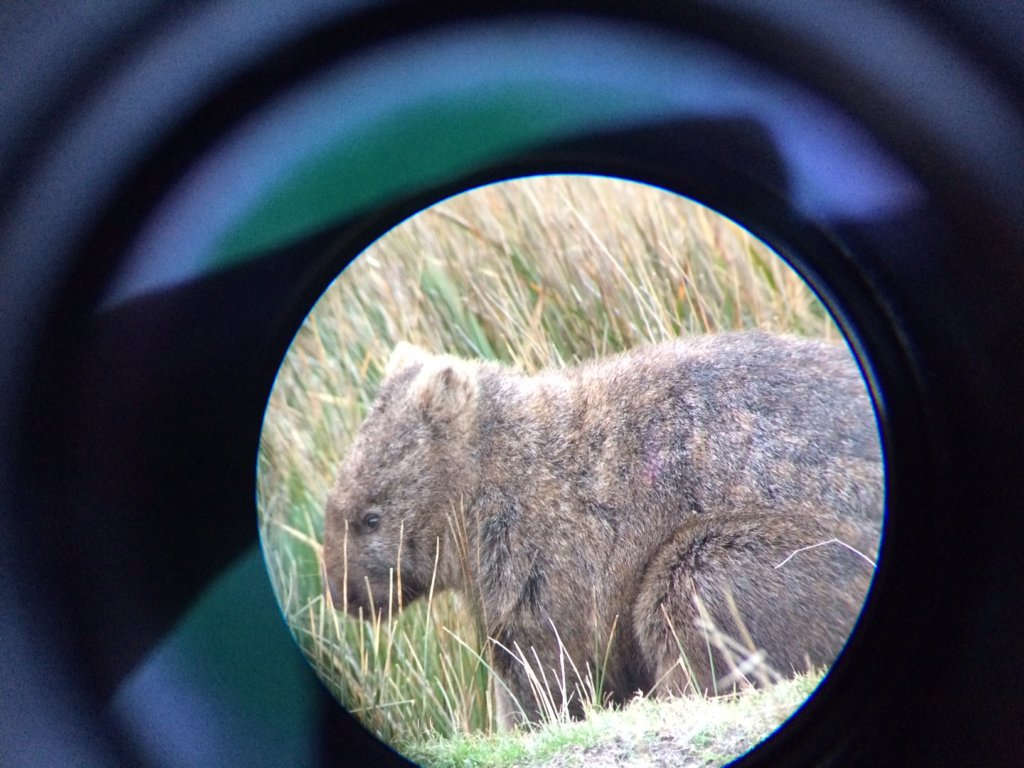
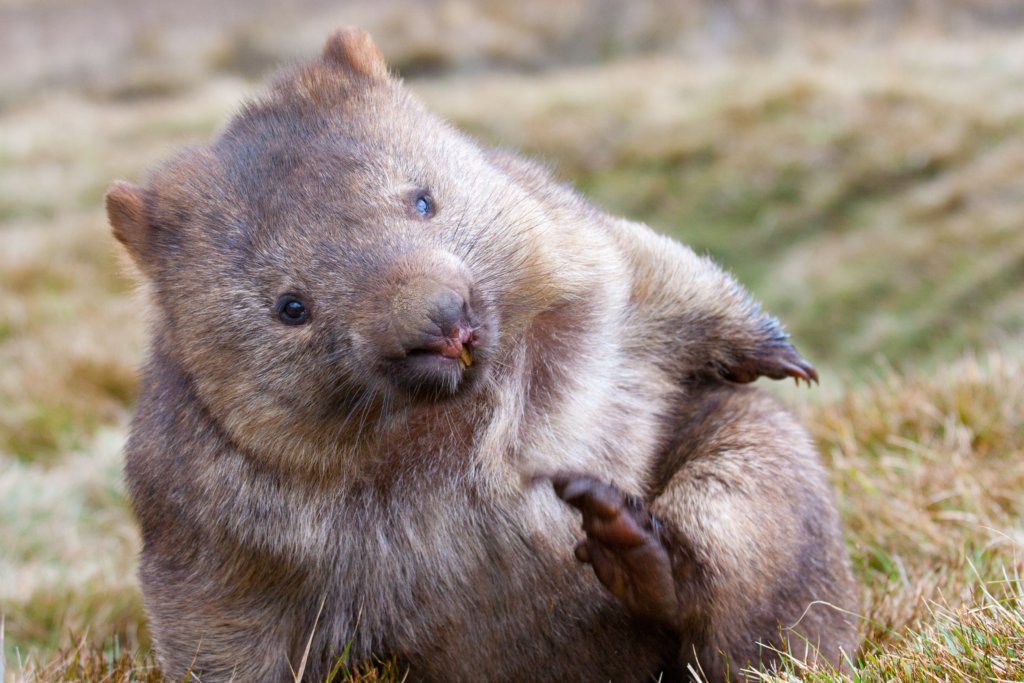
These activities highlight the importance of a continued volunteer presence to assist with the management of this important habitat for the long-term conservation of all the native animals at Brookfield – including the Parks star, everyone’s favourite, the Southern Hairy-nosed Wombat.
We could not have undertaken this timely assault on the introduced species without the support of our Global Giving donors, and while our efforts have assisted in creating a more secure future for the wombats, our ongoing exclosure trials and research is essential to remain ahead of future threats that face these wombat populations – particularly as a result of climate change.
We and our wombats thank you for your continued support!
Links:
Project reports on GlobalGiving are posted directly to globalgiving.org by Project Leaders as they are completed, generally every 3-4 months. To protect the integrity of these documents, GlobalGiving does not alter them; therefore you may find some language or formatting issues.
If you donate to this project or have donated to this project, you can receive an email when this project posts a report. You can also subscribe for reports without donating.