By Tricia Curtis | Regional Manager
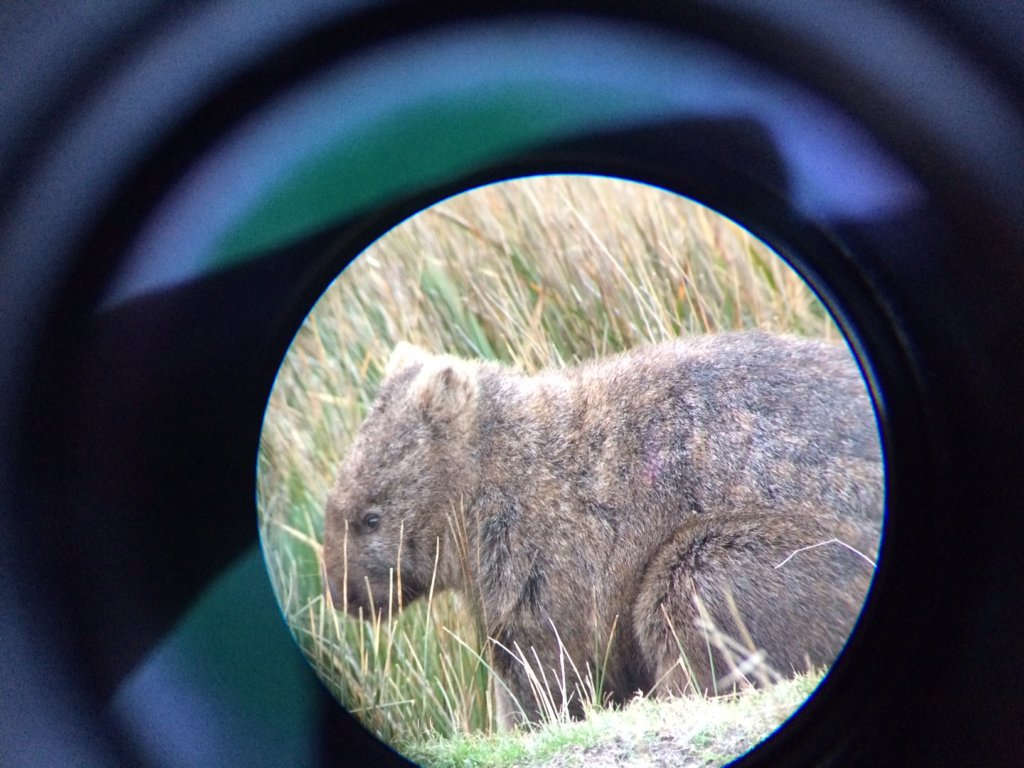
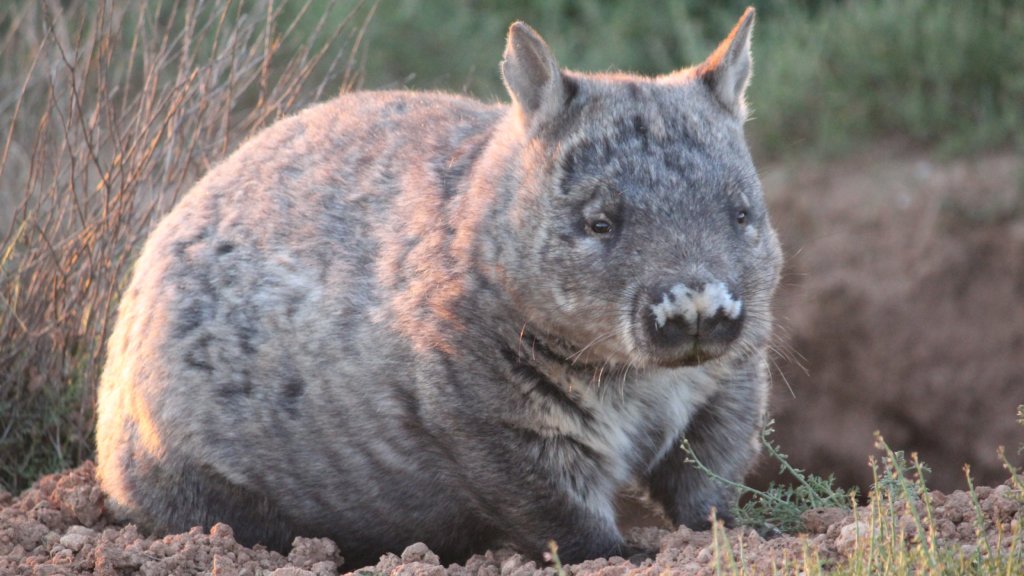
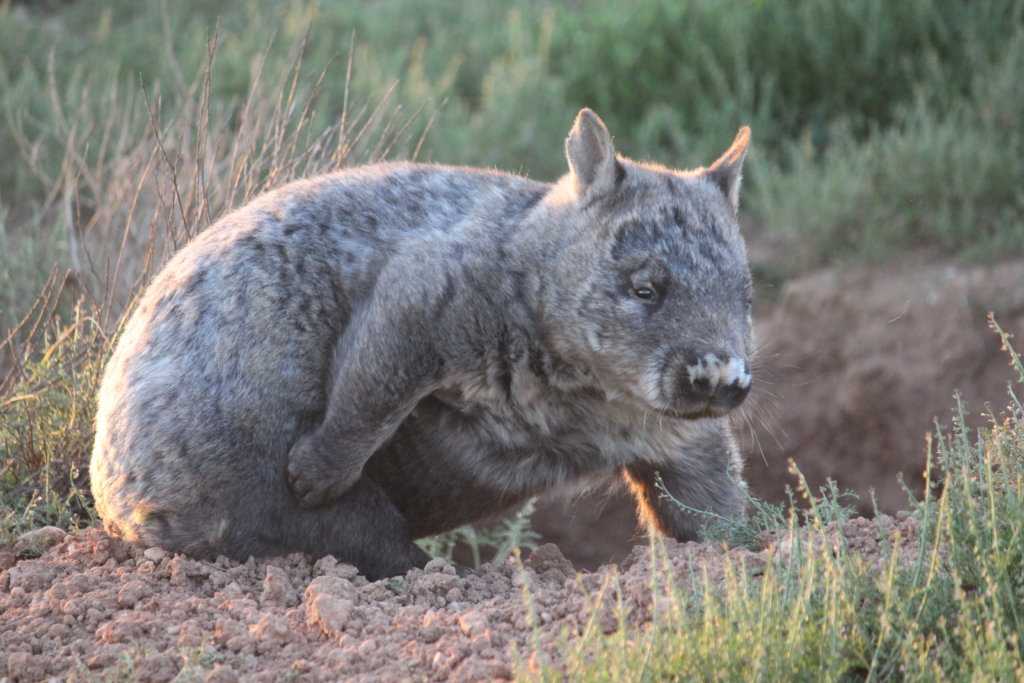
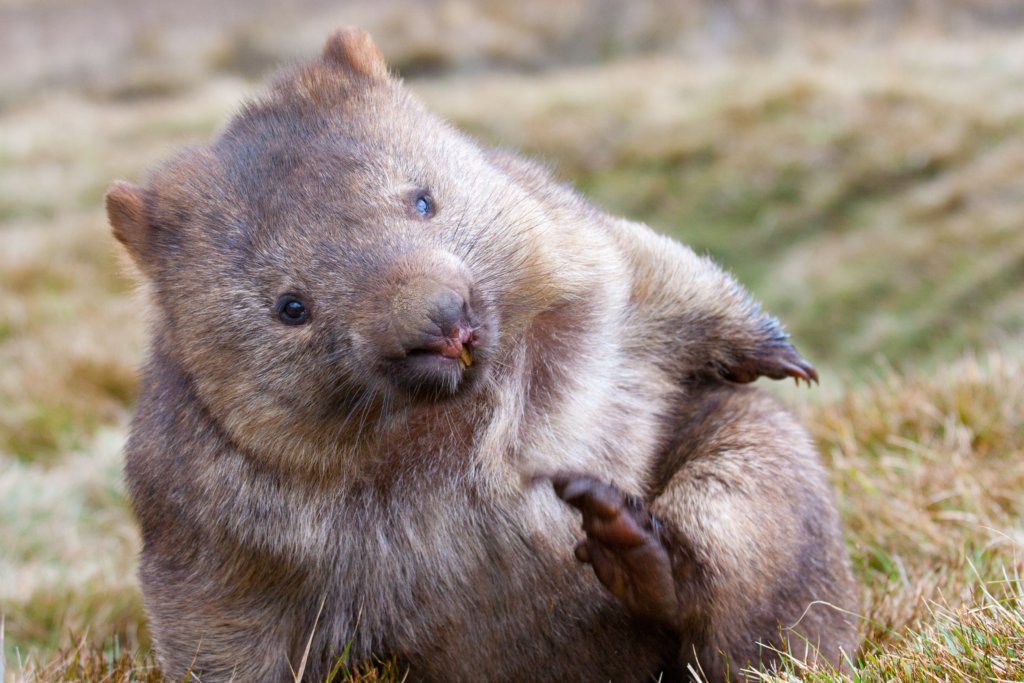
Mother Nature has been very kind this past 3 months with plenty of rain falling on the Murray Mallee and in particular Brookfield Conservation Park. This has encouraged the growth of the much favoured native grasses for the Southern Hairy-nosed Wombat – the Park is looking pretty good!
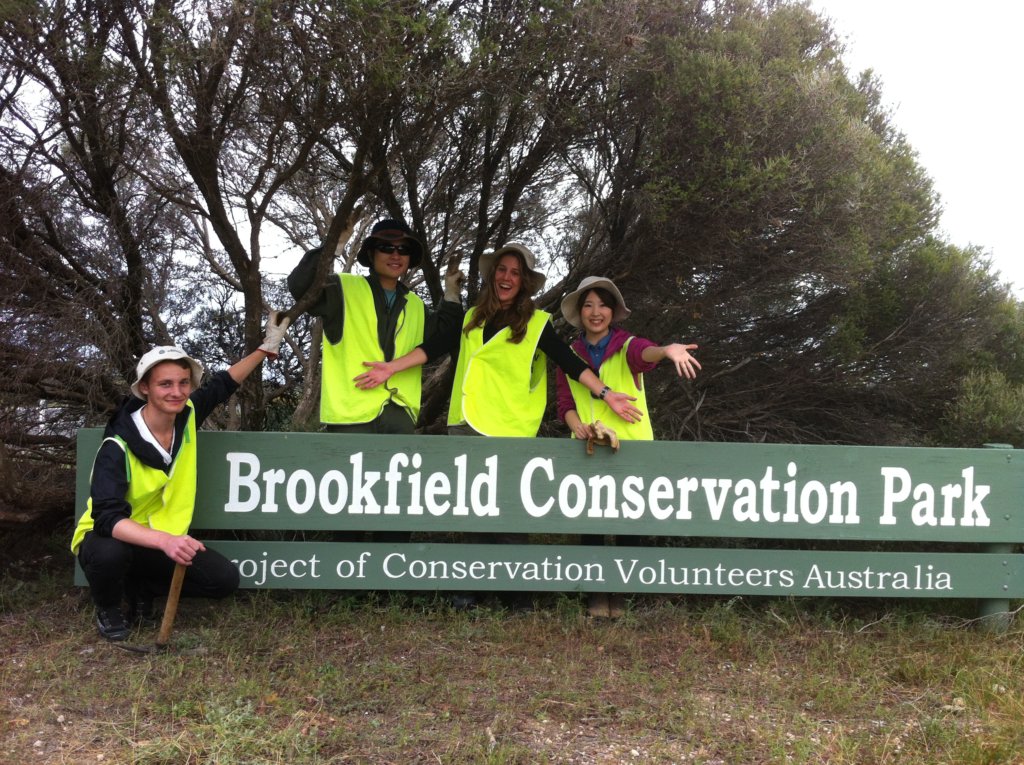
Funds generously donated recently enabled volunteers to undertake maintenance on the grassland exclosures and collect data on the browsing pressure on existing vegetation. We are discovering from this site and older exclosures that this is a long term program – it appears that we need to wait a minimum of two years for any of the seeds to germinate and then the vegetation needs to be monitored. One of the many benefits of undertaking projects like these at Brookfield is our long term presence here and the commitment of long term volunteers.
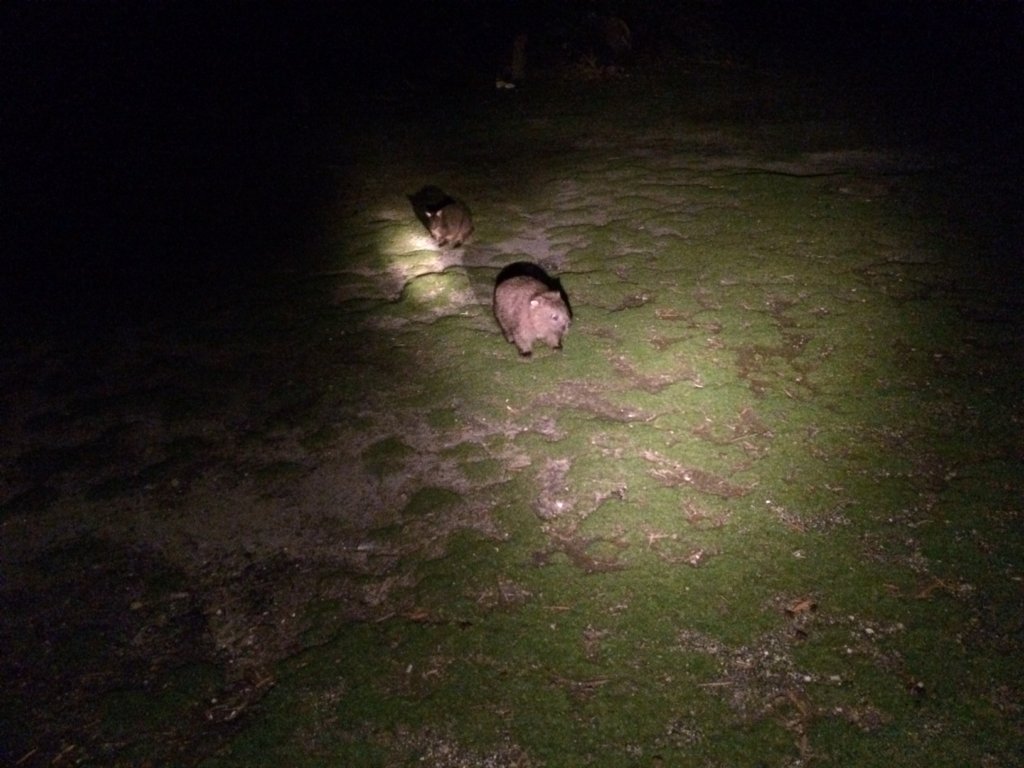
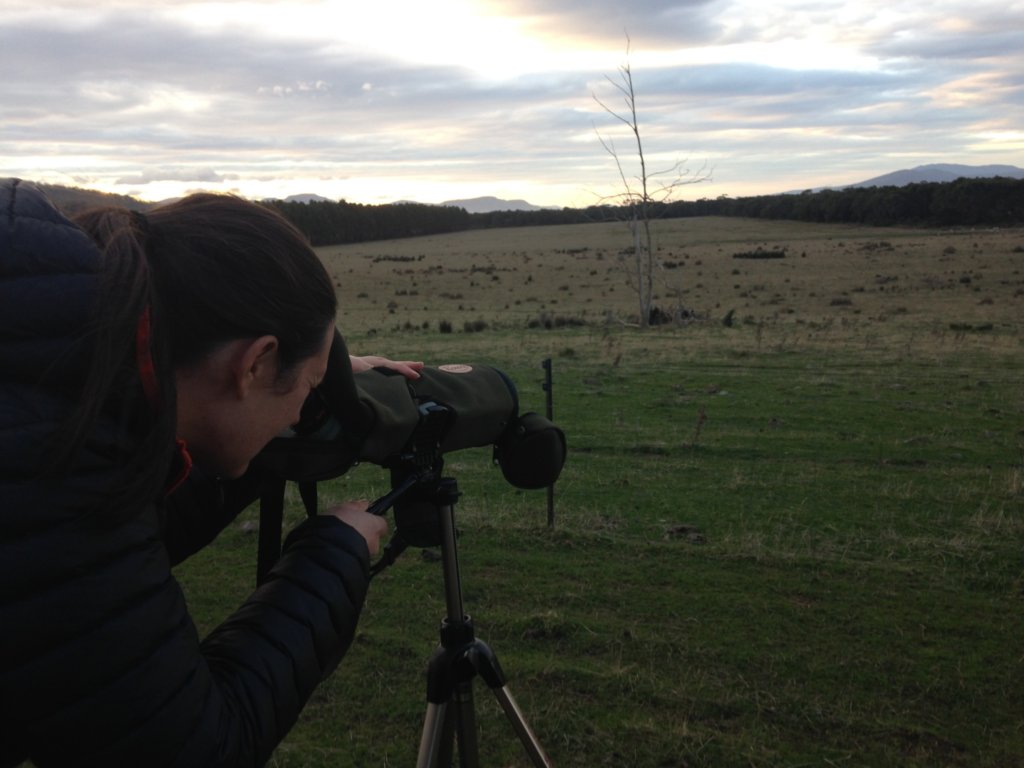
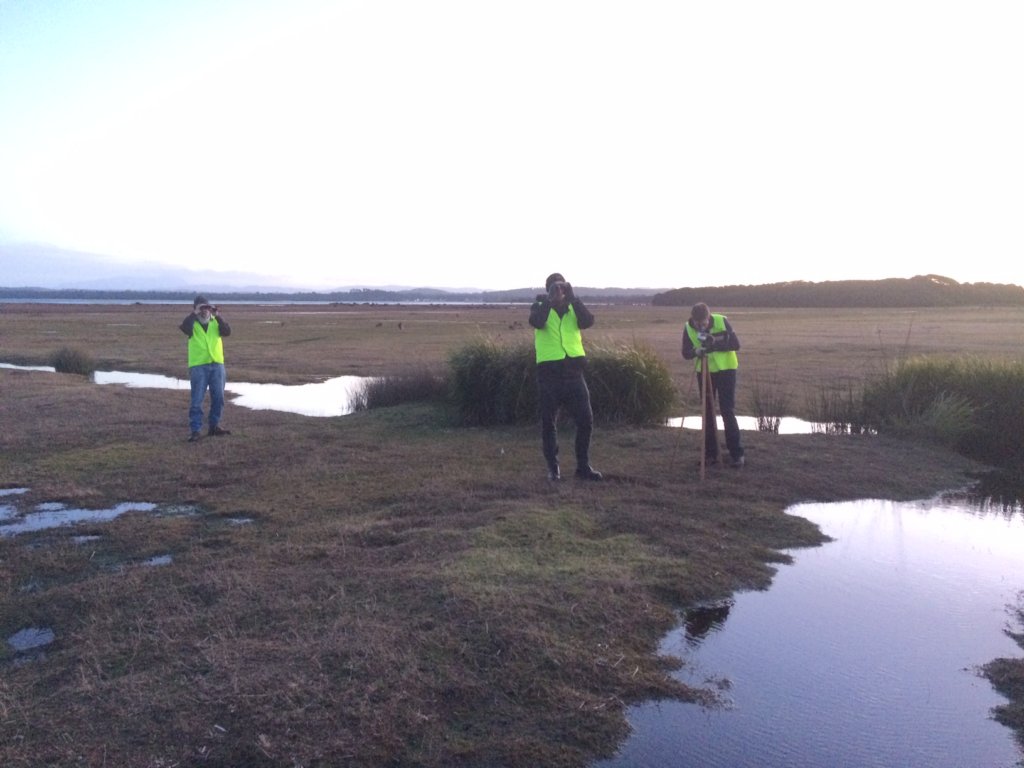
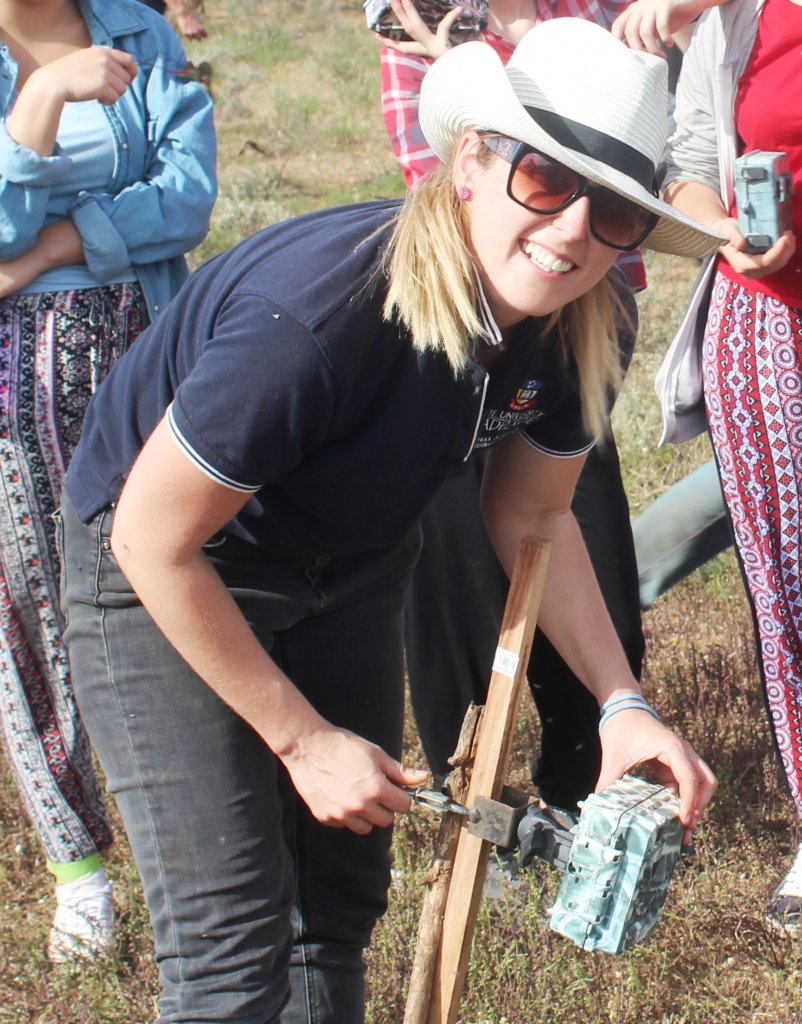
A major coup is the successful collaborative grant – Ecology and Management of the Southern Hairy-nosed Wombat. Alongside the University of Adelaide, Flinders University and the state government and others, Conservation Volunteers Australia (CVA) will be part of this project that will develop a comprehensive understanding of the interactions between Southern Hairy-nosed wombats and environmental conditions, and evaluate innovative spatial technologies for long-term species conservation in the light of changing climate and socio-economic pressures. Our volunteers will play a significant role in assisting researchers with the collection of this priority data. Regional Manager, Tricia, reports “We recently hosted students from Waldorf Willunga High who surveyed the active wombat warrens, set up remote sensor cameras and trialled using a drone over the park to collect footage – a very exciting time for us all!”
So far with your support, we have been able to implement our weed strategy program, preventing further outbreaks of toxic weeds that were affecting the nutritional balance of the Southern Hairy-nosed Wombat. Ingestion of these toxic weeds was affecting the wombat’s kidneys and liver, leading to emaciation and death. We’re pleased to report we have had no new outbreaks. This is a time to celebrate but also a time to ensure our implementation plan is adhered to – our next step is to schedule regular events to keep on top of the weeds and ensure no new outbreaks occur. It also means that we are able to look beyond this health issue and implement other positive programs, ensuring the Southern Hairy-nosed Wombat population at Brookfield stays healthy, despite its fragmentation from other populations. We are also trialling new ways to prevent over grazing of native vegetation and supporting wombat research.
As the year comes to a close, we thank you again for your ongoing support and generosity. We hope you have a happy and safe holiday season, and look forward to keeping you up-to-date on our wombats in 2017.
Links:
Project reports on GlobalGiving are posted directly to globalgiving.org by Project Leaders as they are completed, generally every 3-4 months. To protect the integrity of these documents, GlobalGiving does not alter them; therefore you may find some language or formatting issues.
If you donate to this project or have donated to this project, you can receive an email when this project posts a report. You can also subscribe for reports without donating.