By Madeline Townsend | Manager Community Enagement
Conservation Volunteers Australia together with the community has been managing Brookfield Conservation Park in partnership with the Department of Environment Water and Natural Resources since 2008. Our work has included a strong focus on supporting conservation and research of the Southern Hairy-nosed Wombat, and we couldn’t have done it without your support.
We’re proud of the conservation and community outcomes achieved at the park over the past 8 years. We have welcomed more than 500 community members to engage in hands on conservation activities through the management of Brookfield. We’d like to thank you for your generosity, which has enabled regular wombat monitoring and research to be undertaken, pest plants and animals to be controlled, partnerships with adjacent land managers established and numerous schools and students educated about the values of Brookfield Conservation Park. Brookfield will now return to full-time management by the Department of Environment Water and Natural Resources.
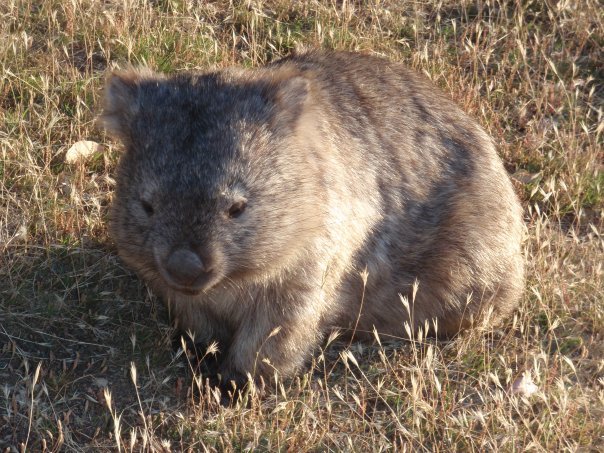
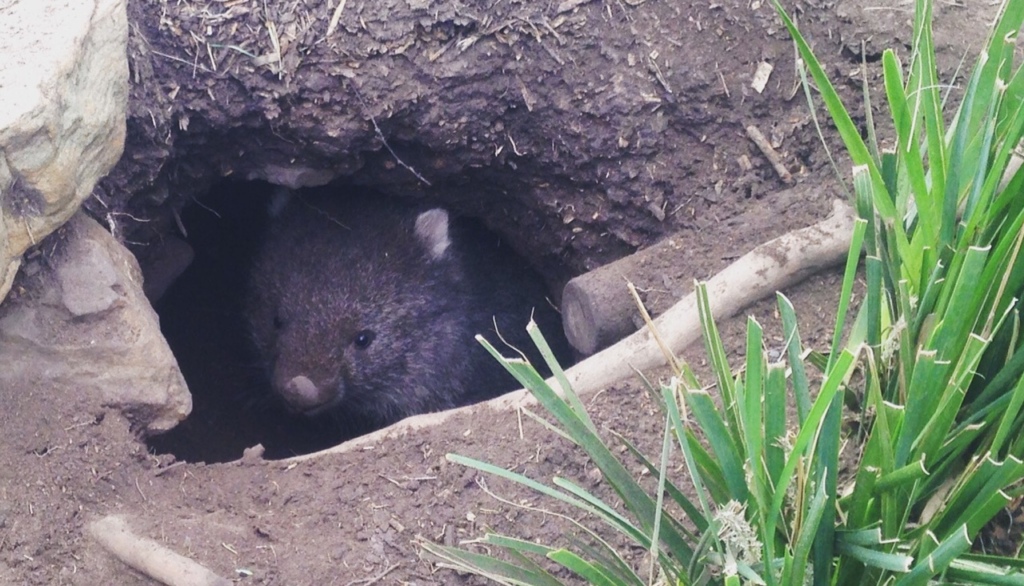
Our focus now will shift to wombat programs in Tasmania, where we have already started on projects to help address the issues caused by wombat mange. An outbreak of mange in 2006 following a severe drought has resulted in a substantial reduction in wombat numbers in some areas.
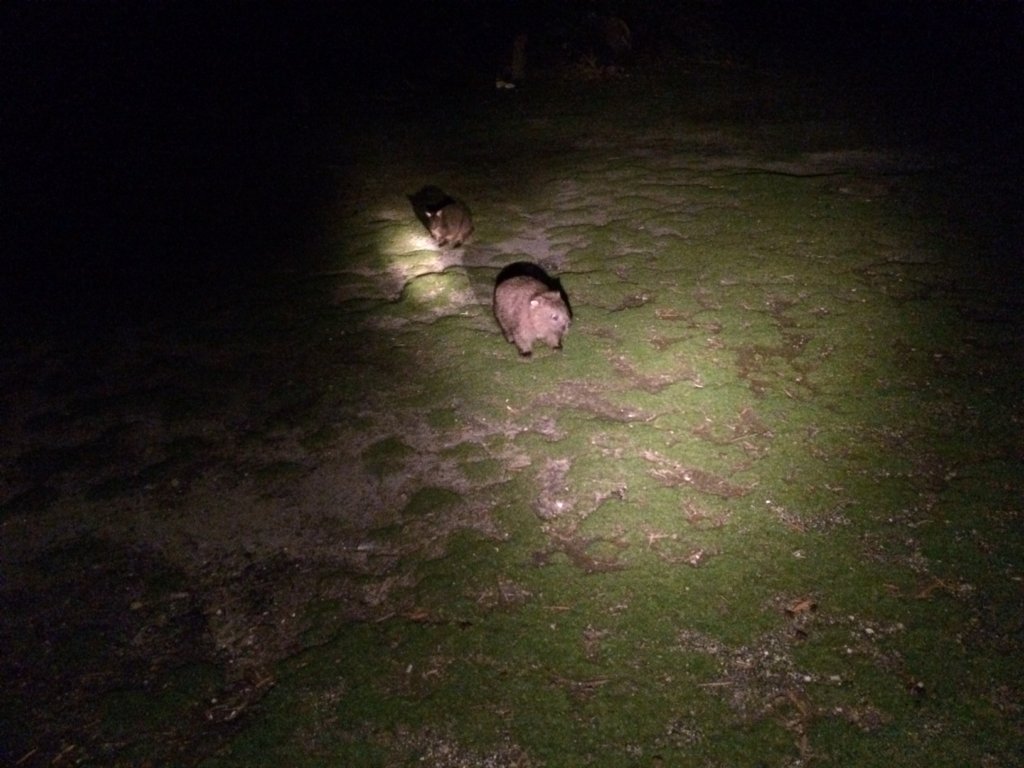
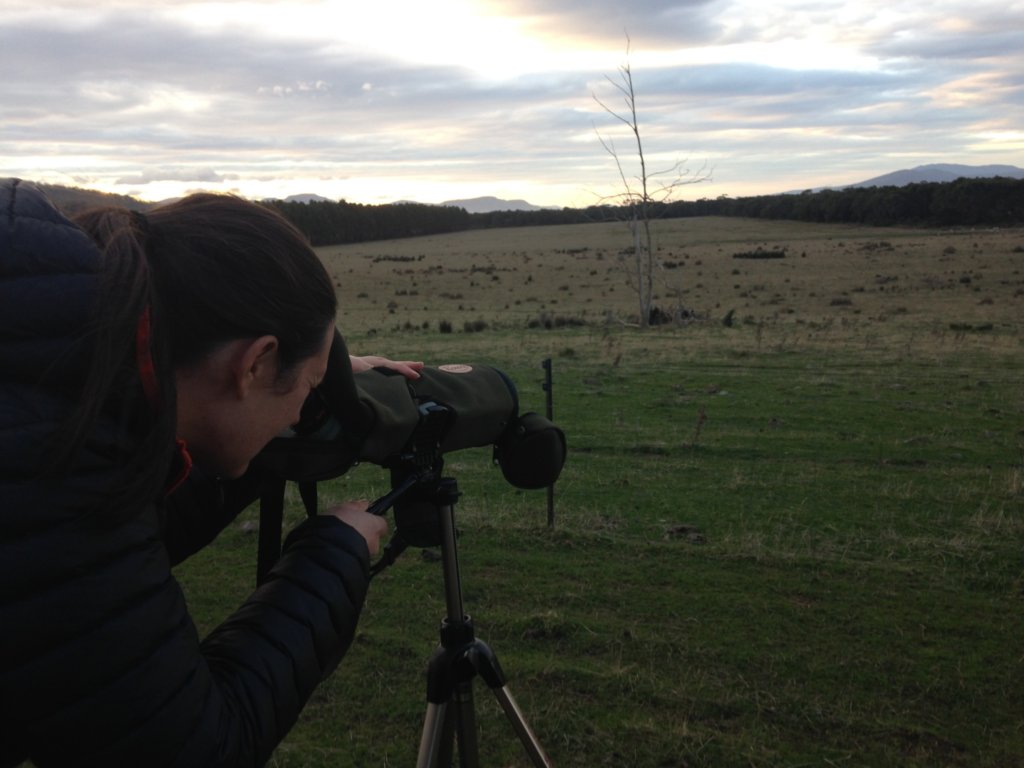
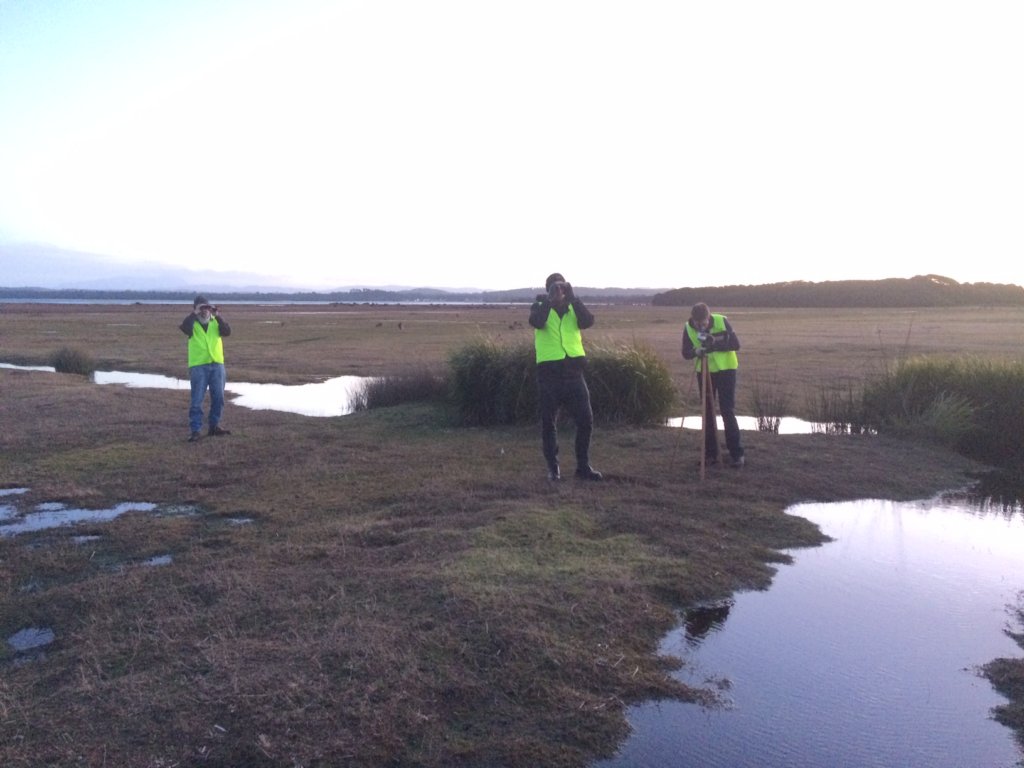
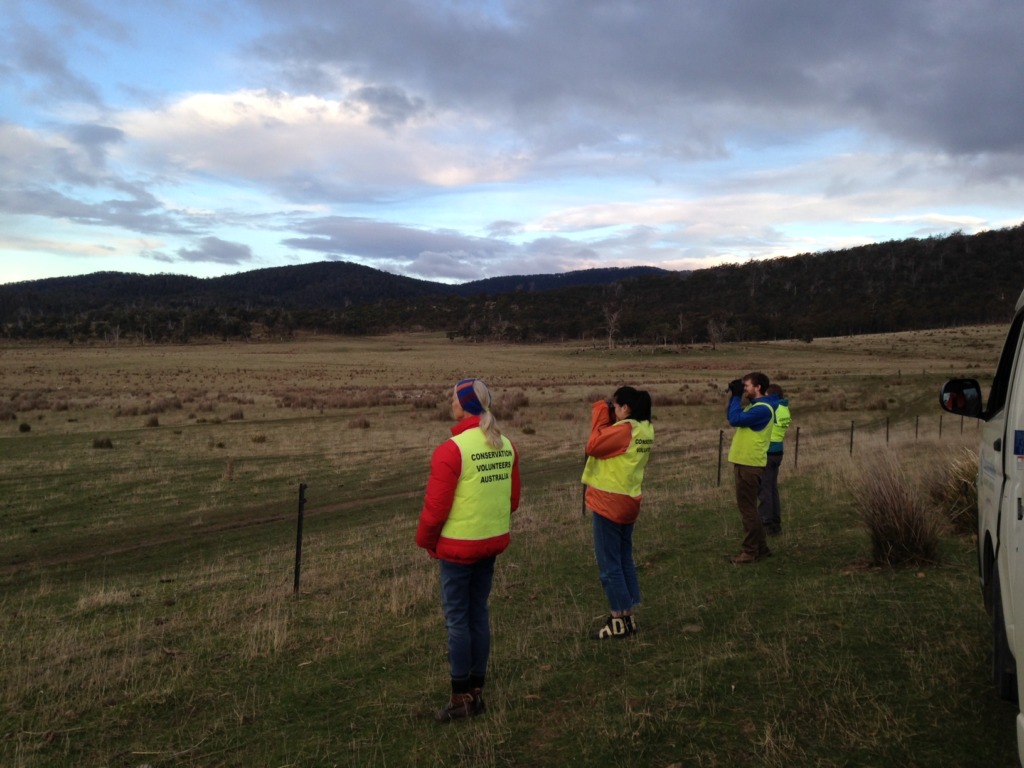
In early 2017, we formed a partnership with the University of Tasmania (UTAS) and Department of Primary Industries, Parks, Water and the Environment (DPIPWE) to tackle the issue of mange in Tasmania’s wombat population. We are undertaking wombat surveys twice a year, at 7 key locations across the state, to help get a better understanding of mange prevalence at a population level. Surveys are carried out over 3 days and are done pre dusk and are repeated in the dark. Volunteers are also collecting samples of scats, which will be analysed to see if DNA has any impact on a wombat's susceptibility to contracting mange. The information obtained as part of this project will help determine best practice mange management across the state.
While we’re out monitoring, UTAS researches are carrying out safety trials on a new treatment method that is hoped to provide effective treatment for mange, for up to 3 months with a single dose. When the safety trials are complete, we will be getting teams of volunteers out on the ground to help treat mange affected wombats.
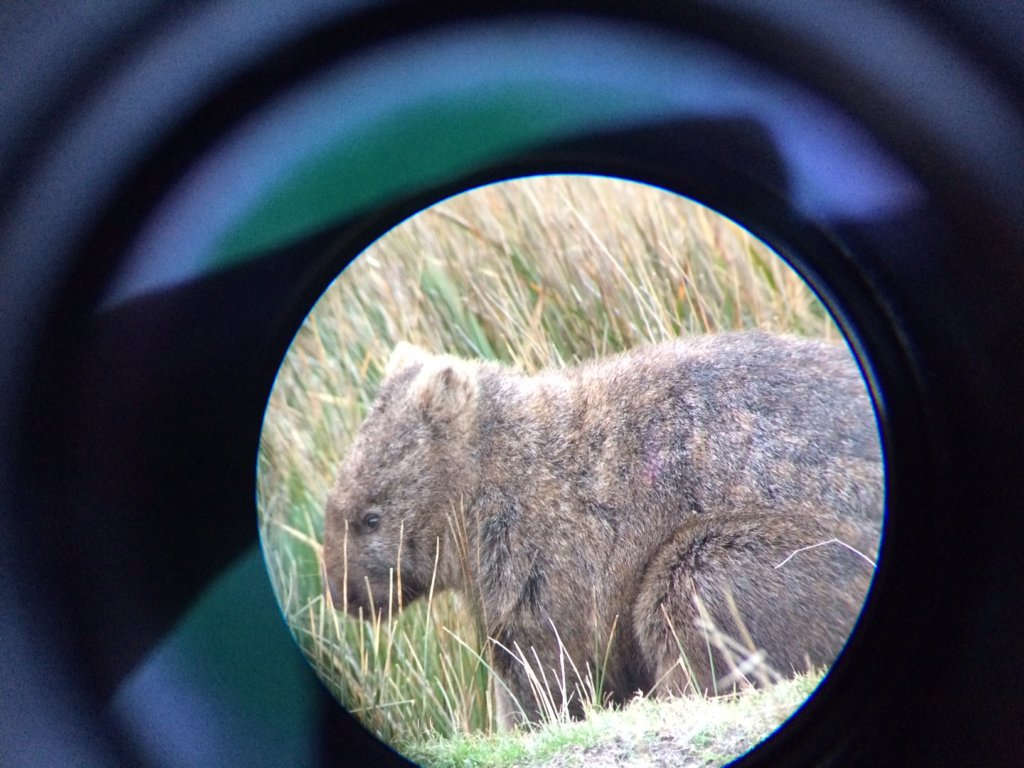
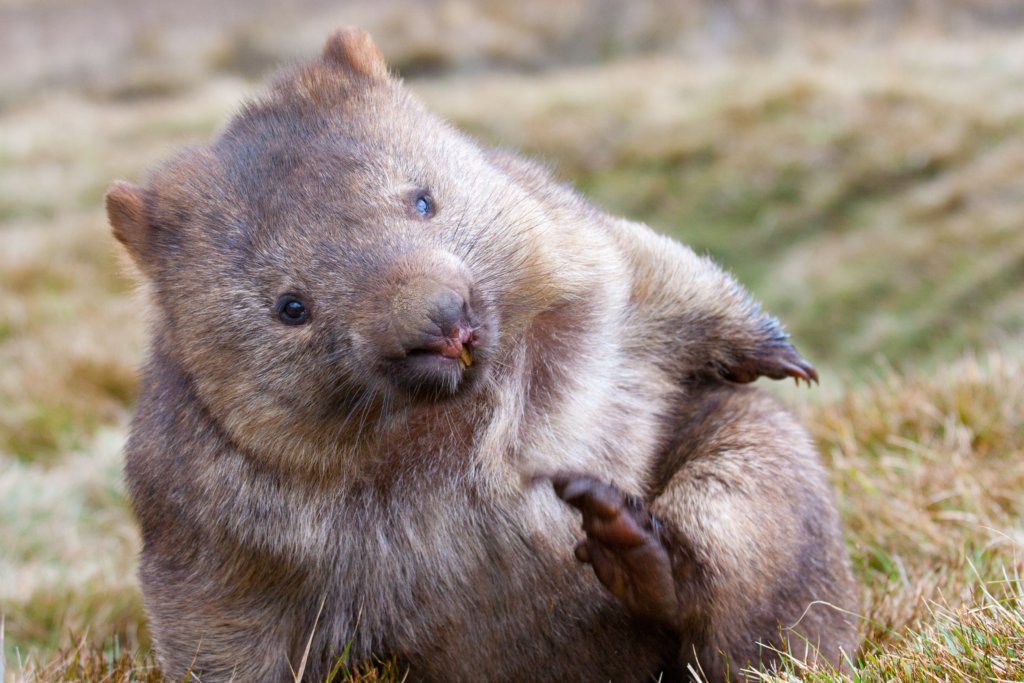
Thank you again for caring for Southern Hairy-nosed Wombats, and for helping us to achieve excellent results – we’re leaving Brookfield in safe care, and we hope you will join us on our next stage of wombat recovery with the charming Common Wombats (Vombatus ursinus tasmanicus) of Tasmania!
Project reports on GlobalGiving are posted directly to globalgiving.org by Project Leaders as they are completed, generally every 3-4 months. To protect the integrity of these documents, GlobalGiving does not alter them; therefore you may find some language or formatting issues.
If you donate to this project or have donated to this project, you can receive an email when this project posts a report. You can also subscribe for reports without donating.