By Libby Henrickson | Global Conservation Program Coordinator
Dear Friends,
It's been a few months since we announced our partnership in the Sundarbans, India, so I thought it was time to share a few updates! Since the beginning of the project in March, Simran and her project partners have experienced a blooming of confidence, knowledge, and love for nature.
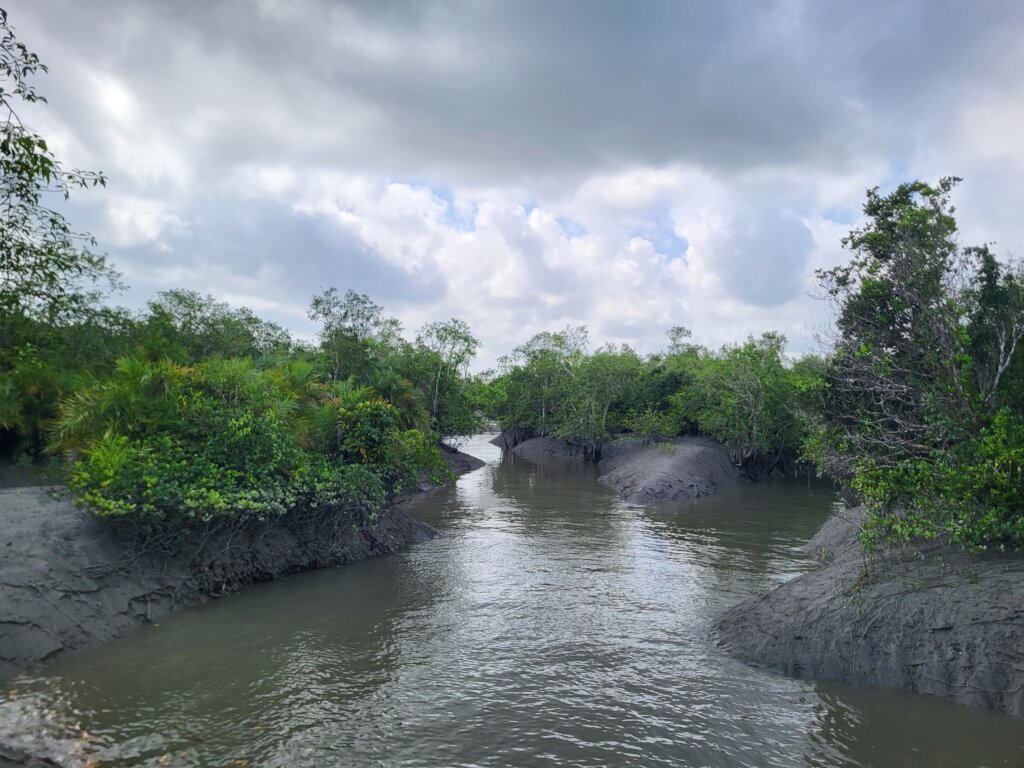
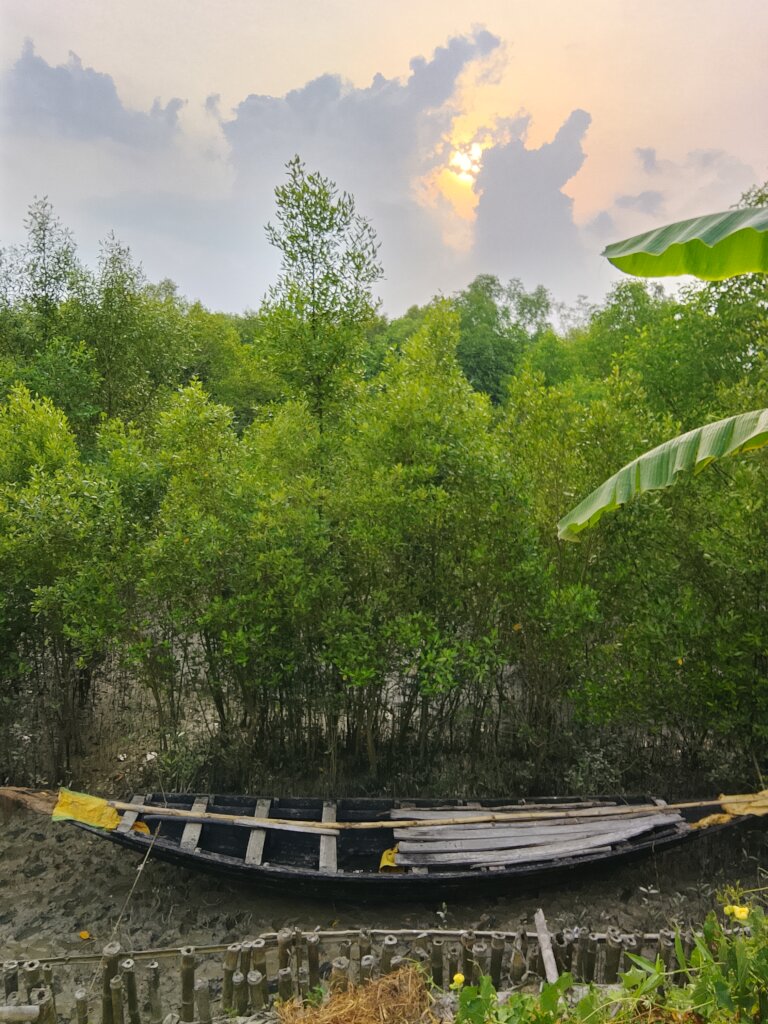
The Sundarbans is an incredibly biodiverse and complex ecosystem where 10,000 km2 of mangrove forest, humans, and wildlife live side-by-side. The forest is a vibrant and abundant place, but it is also threatened by human land use, climate change, and pollution.
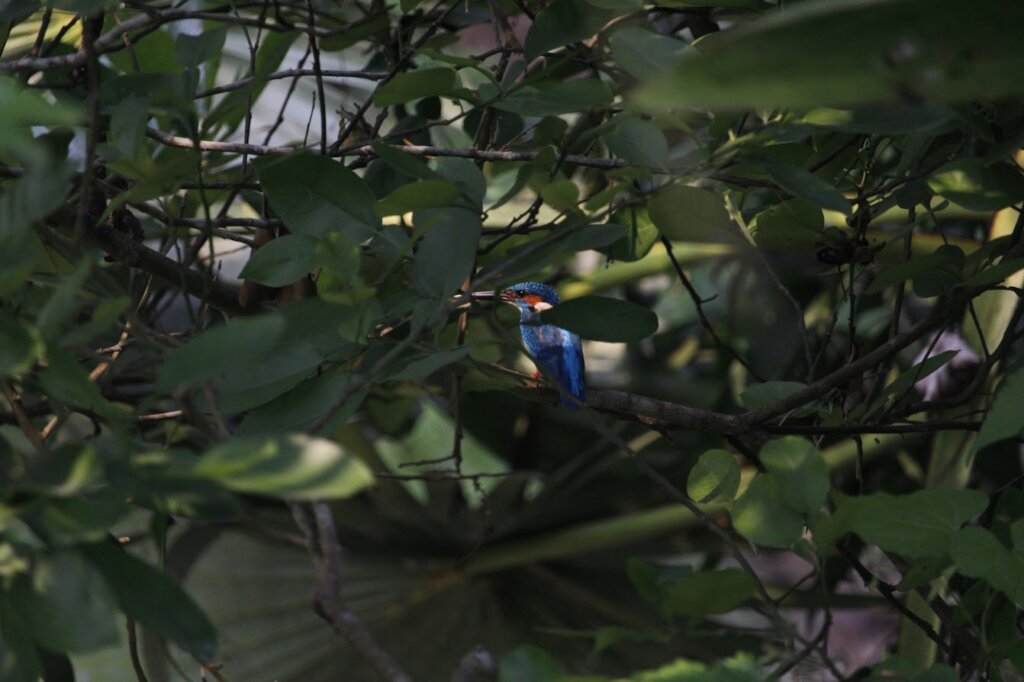
Scientists estimate that with no immediate action, 42-80% of the Sundarbans could be submerged underwater by the end of the century, displacing millions of people and animals. Royal Bengal Tigers, Ganges and Irrawaddy dolphins, crocodiles, kingfishers, and Steppe eagles are only a few of the species that will lose their homes.
Mangroves have a powerful role in fighting this problem. Their long, questing roots anchor the soil and prevent erosion. They trap pollutants, cleaning the water. Their leaves are extremely efficient at sequestering carbon — up to four times more efficient than other tropical trees. They are home to millions of young aquatic organisms, protecting the next generation of fish, crustaceans, mollusks and more from predators. But, they are disappearing day by day as humans clear the land for development and the water becomes too polluted to live in.
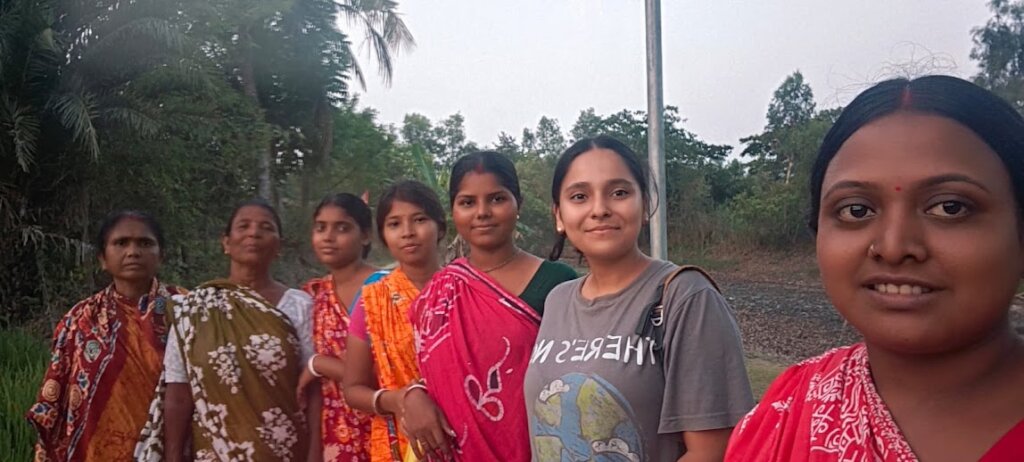
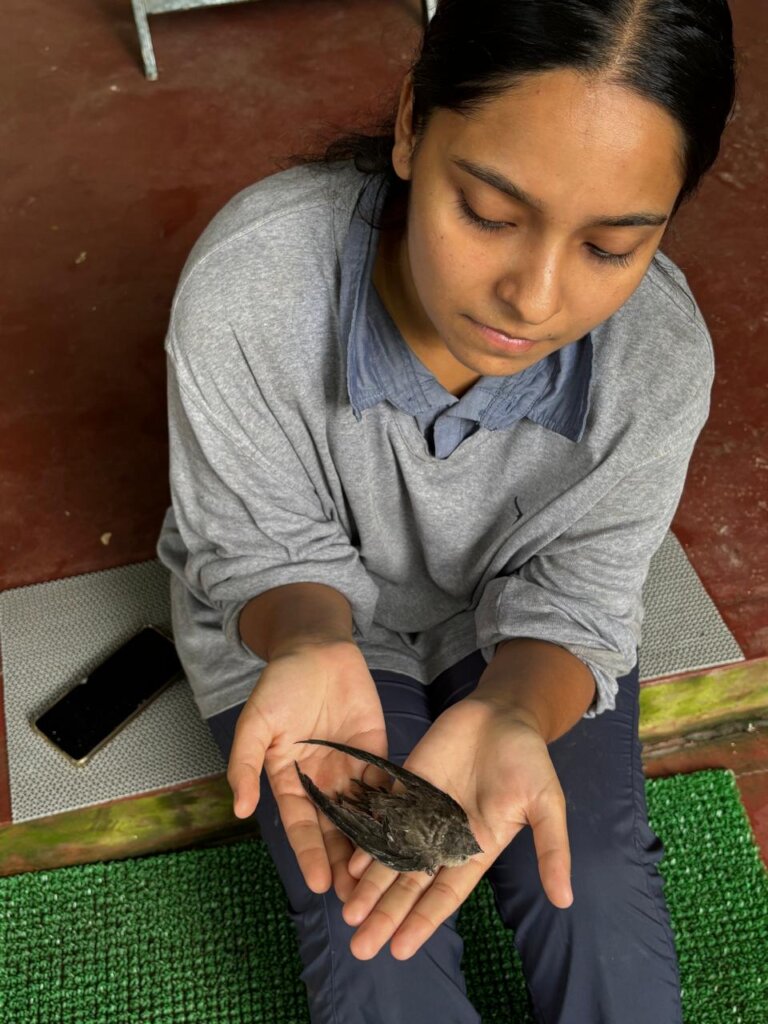
This is what Simran, our local partner, and her team of 6 women are trying to change. They have been observing and documenting their surroundings, identifying areas where the forest has been damaged and exploring ways to heal it.
Phase 1: Introducing the project and establishing the cohort.
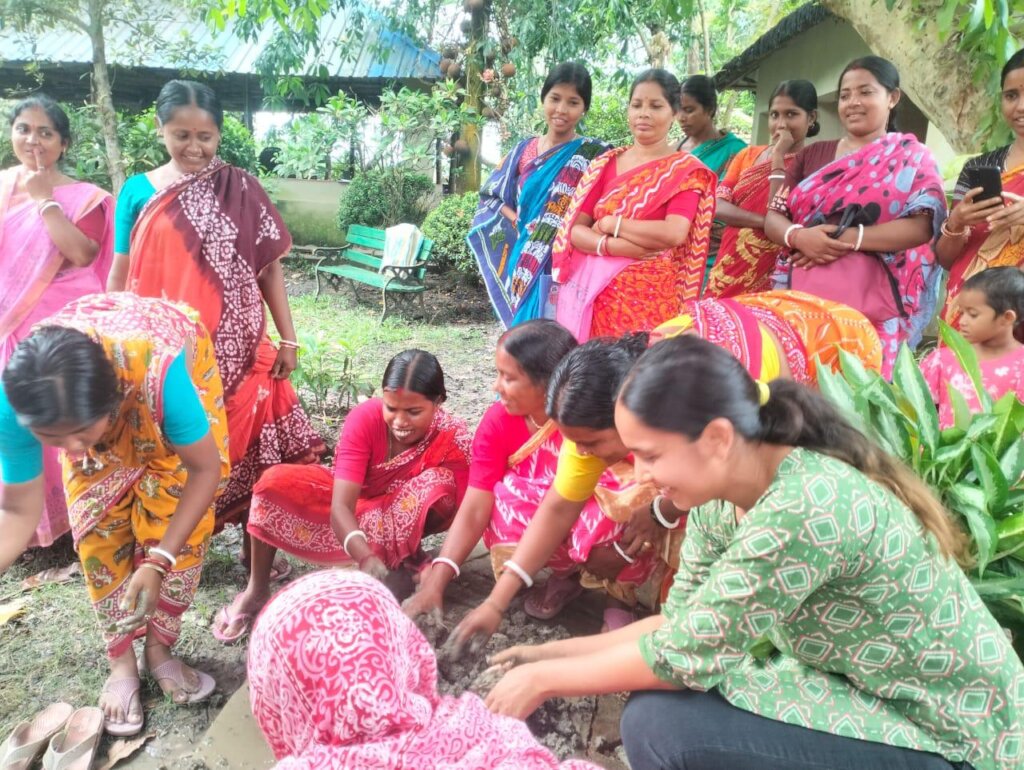
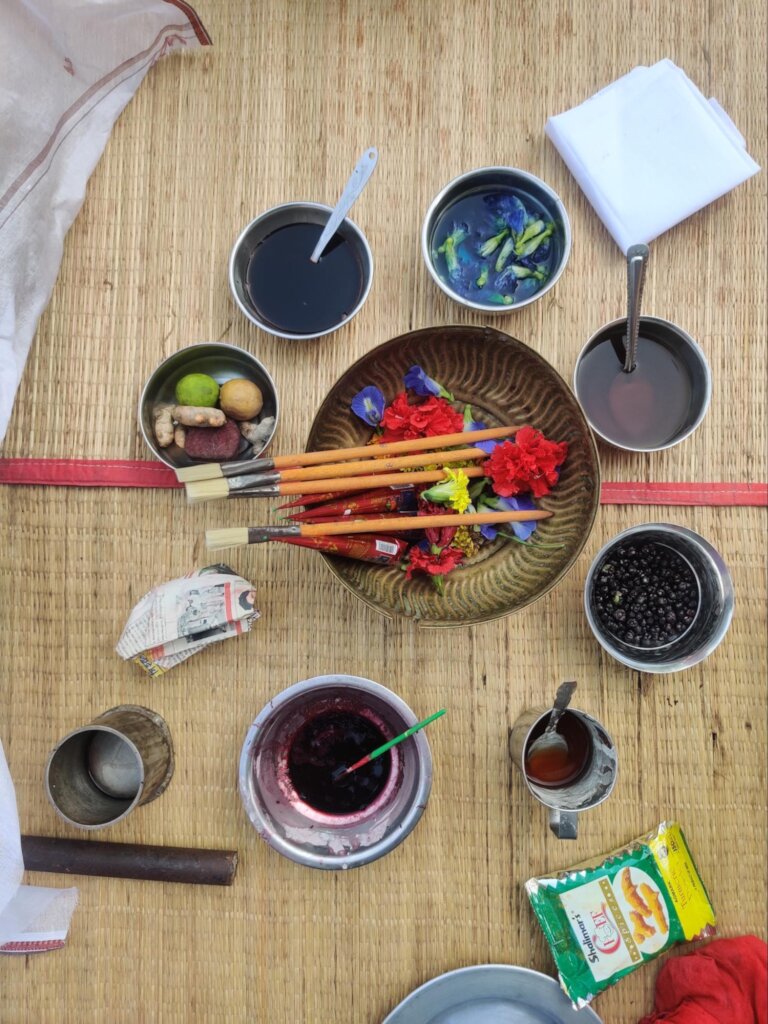
The project began with an orientation, establishing the cohort and introducing the project to the community through village walks and workshops. This phase required trust building and listening; Simran reached out to over 50 women to gauge interest, and narrowed the group down to 6 who were able to make a long-term commitment. For their first activity, the women gathered to make homemade paints from flowers, berries, and roots they found in their backyards. While it may seem unremarkable, this activity was unprecedented. Typically, women don’t gather together and chat over a shared activity like men often do over a cigarette. Making art from natural materials became a way to connect with nature, with one another, and step away from traditional gender norms.
Phase 2: Ecosystem immersion
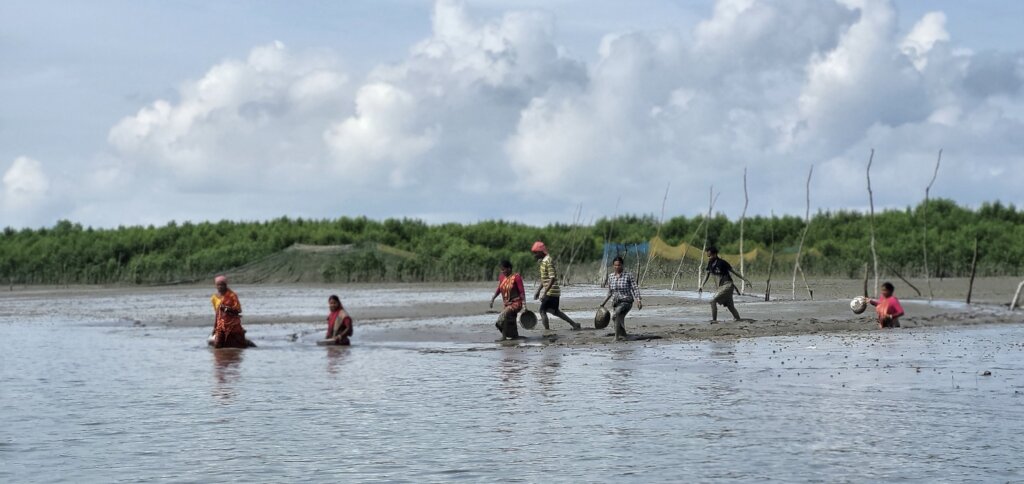
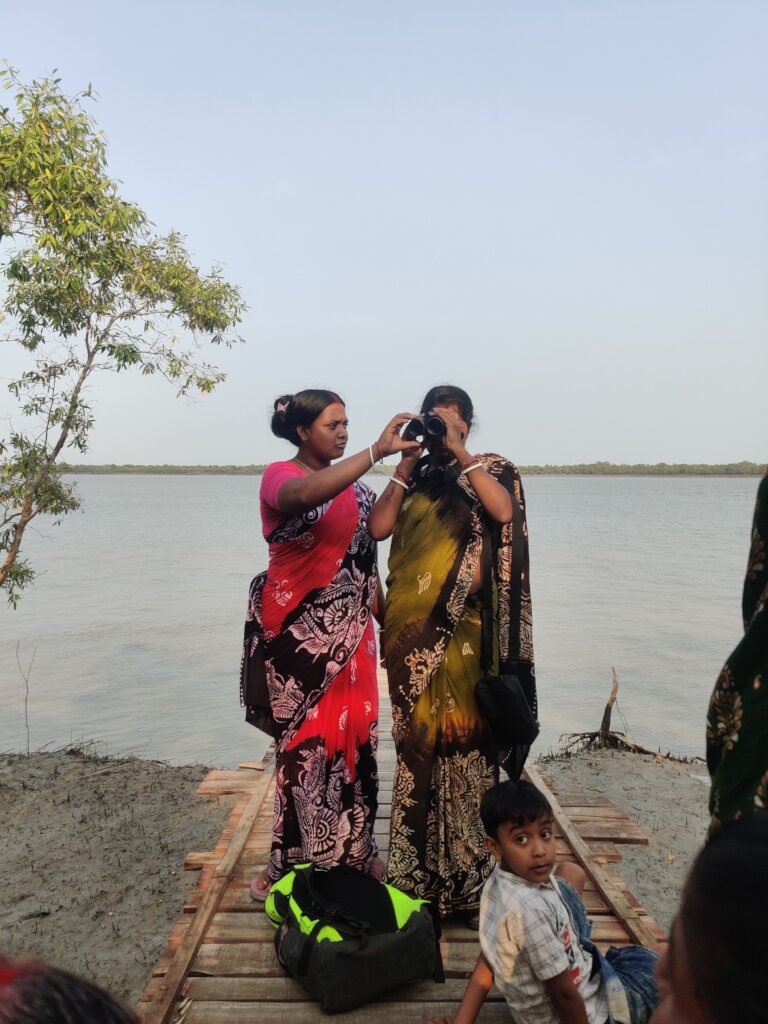
In phase two, the group immersed themselves in the surrounding ecosystem. They made observations using cameras and binoculars. These tools became more than objects — they became a bridge between each woman and nature. They were an invitation to pause and look closer at what was happening around them. As they observed, they gathered knowledge learned from everyday interactions with the forest and questions about things they could explore deeper, laying a foundation for problem solving. They mapped ecosystem functions to understand how humans, plants, and wildlife are intertwined. This activity also helped the women build an understanding of scientific vocabulary and concepts like the food web and how carbon dioxide contributes to global warming.
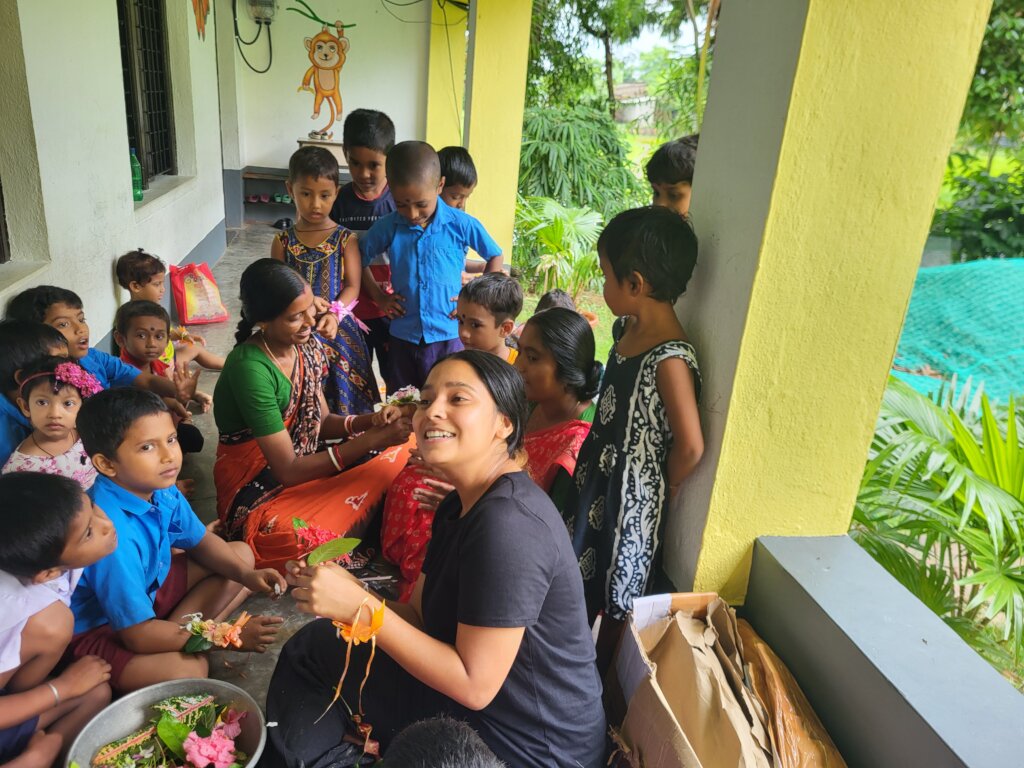
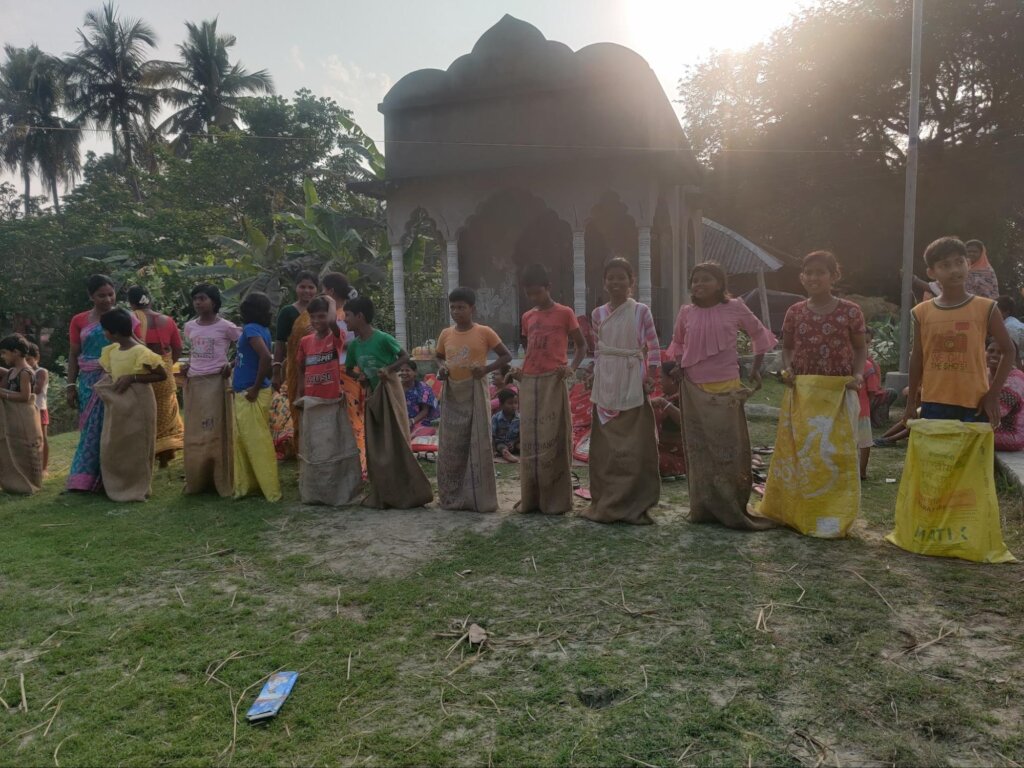
In April, they organized a community event called Play for Nature – 4 hours of outdoor games incorporating environmental education. Over 50 people ended up attending as news spread around town through word-of-mouth. Women, men, and children participated in games like Mangrove Quiz and Ecosystem Relay Race designed by the cohort. The event was an approachable and fun way to bring environmental education to the wider community, reaching many different age groups.
Phase 3: Problem mapping
Phase three focused on identifying threats to mangroves. The group selected a nearby site where all vegetation had been lost, leaving patches of grass and bare ground by a tidal creek. They talked with locals to explore the history of the area: what it used to look like, what the land was used for, and observations about the local ecology. They identified their project focus: water quality. The water at their project site is polluted with plastic waste, invasive water hyacinth plants, and agricultural runoff, causing unhealthy water conditions that inhibit mangrove growth. By improving the water quality, they hope to restore the ecosystem health enough for mangroves to thrive.
Phase 4: Prototyping solutions
Phase four will involve gathering observations and learnings collected through research and conversations with the community to develop a solution to the problem of poor water quality. The cohort will design and test solutions that target water pollution and invasive plants to reduce threats, improve ecosystem health, and help mangrove populations reestablish. Follow along with us over the next few months to hear about the women’s findings!
Developing deeply rooted impact
Over the short life of this project, each woman has experienced profound transformation. Their experiences are reflected in the following quotes:
The cohort represents a range in ages and lived experiences, and many of the women have not had the opportunity to research and be so immersed in their natural surroundings before. This project has opened new doors for them; they are building confidence in themselves and learning to use practical knowledge they already have to make powerful changes in the world around them. They are becoming more comfortable with technology, a lifelong skill. They are gaining financial independence, some for the first time in their lives. And, crucially, they are building deep-rooted reciprocal relationships with their home, the Sundarbans, helping nature grow stronger and flourish. To protect the millions of plants, animals, and humans that together create this magnificent forest, we need more projects that inspire genuine change, led by the local community — like this one.
Thank you for your generous support for this project. You have an essential role in this project, just as important as our team on the ground. Your donations make this work a reality! Let's keep uplifting women to create change in the most critical ecosystems on earth — together.
With gratitude,
The Women for Conservation Team
Links:
Project reports on GlobalGiving are posted directly to globalgiving.org by Project Leaders as they are completed, generally every 3-4 months. To protect the integrity of these documents, GlobalGiving does not alter them; therefore you may find some language or formatting issues.
If you donate to this project or have donated to this project, you can receive an email when this project posts a report. You can also subscribe for reports without donating.



Support this important cause by creating a personalized fundraising page.
Start a Fundraiser