By Lalaina Raharindimby | Director of Women's Programs
SEPALI, Madagascar - 2/19/2015
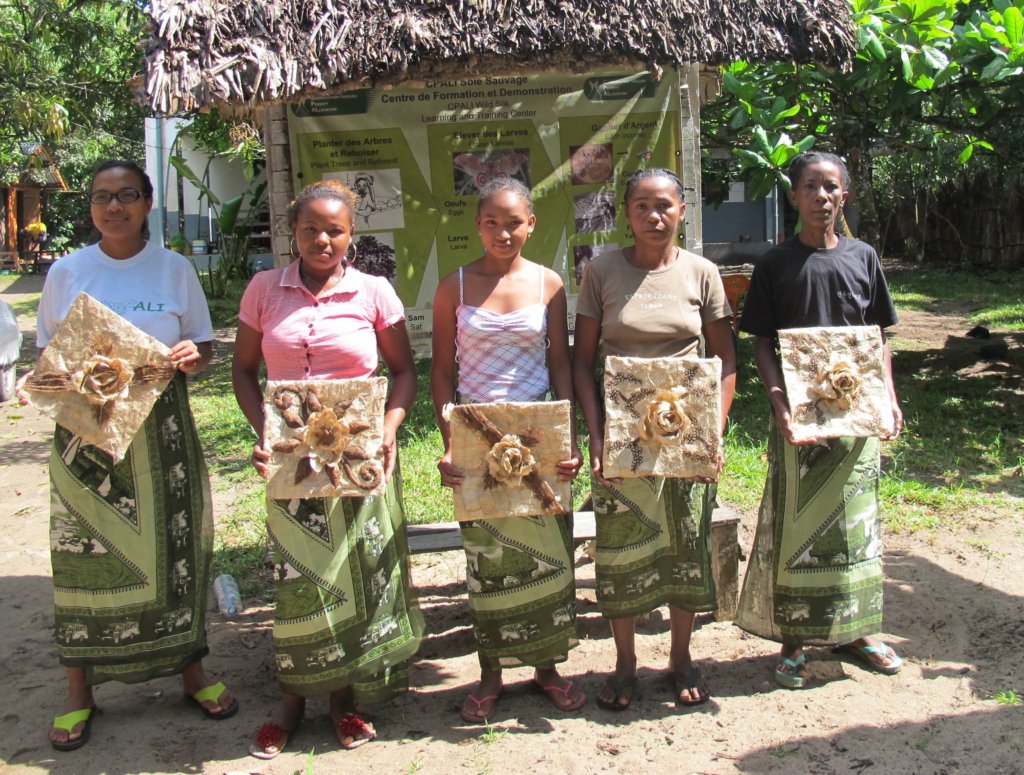
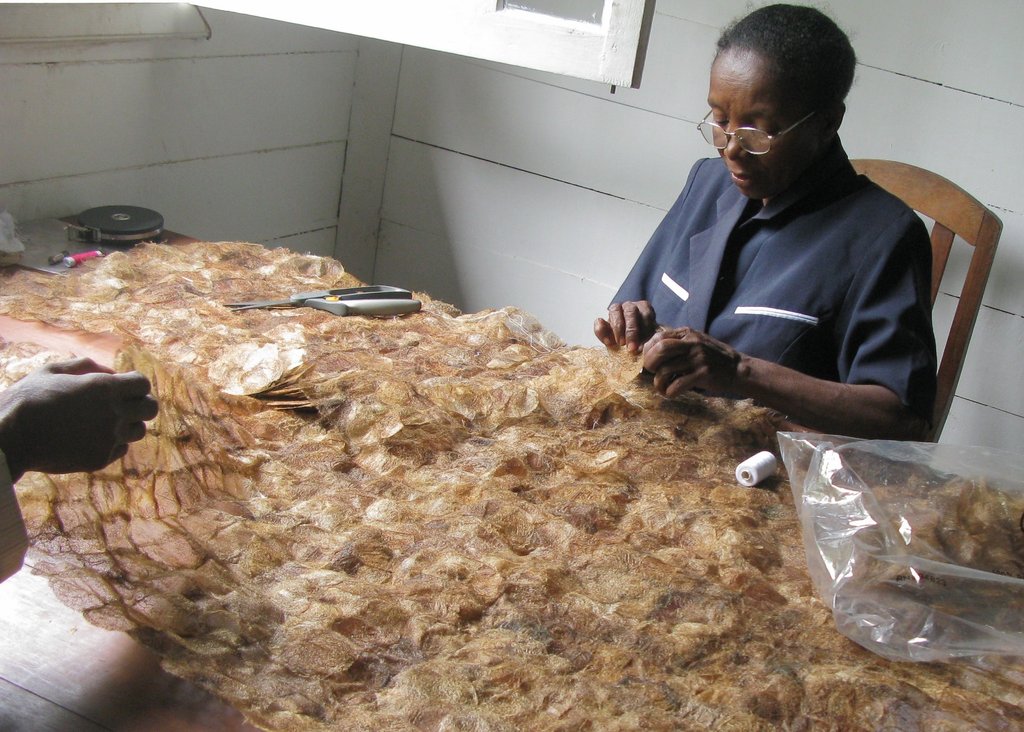
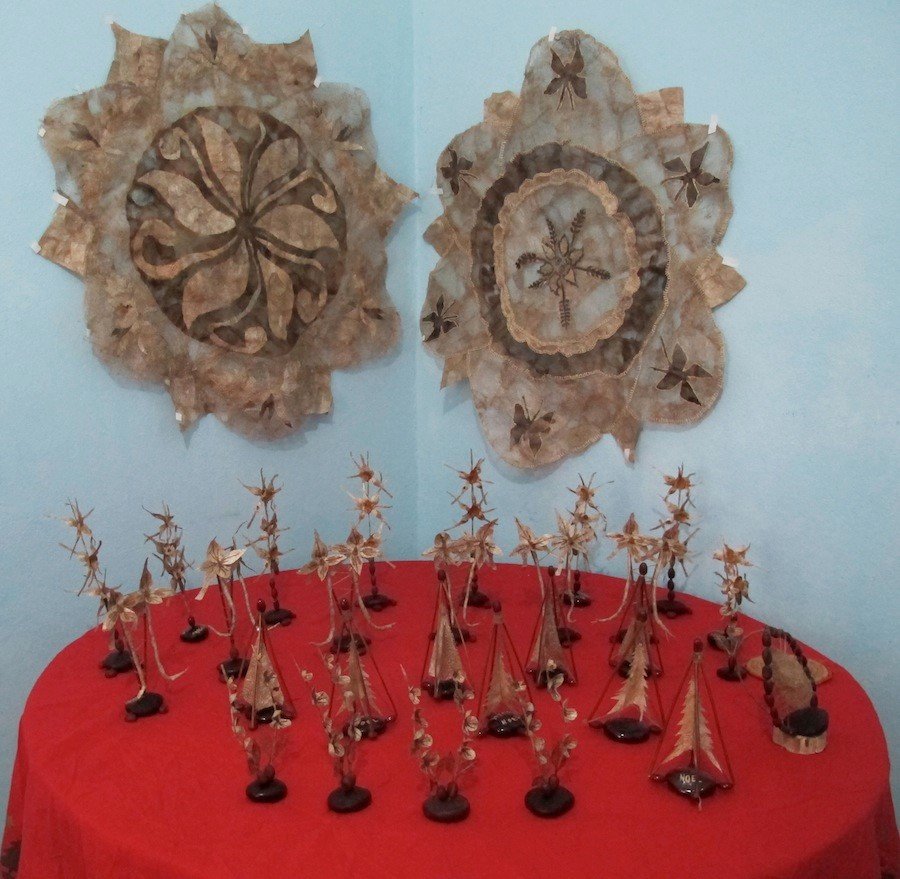
When processing the raw cocoons into non-spun textile, there are many pieces of cocoons left over, so the SEPALI team decided to use those pieces to make a new design such as orchid flowers inspired by the Malagasy Orchids. Also, we are gluing and sewing some pieces to design flowers to illustrate the table cloth that you can see in the picture attached.
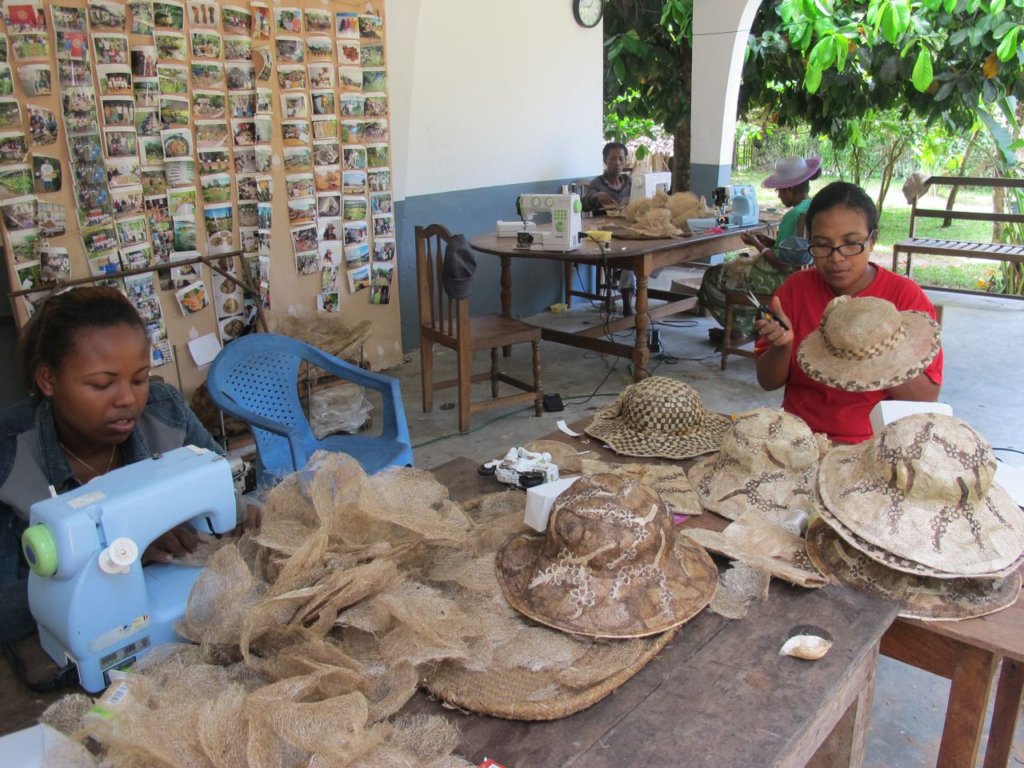
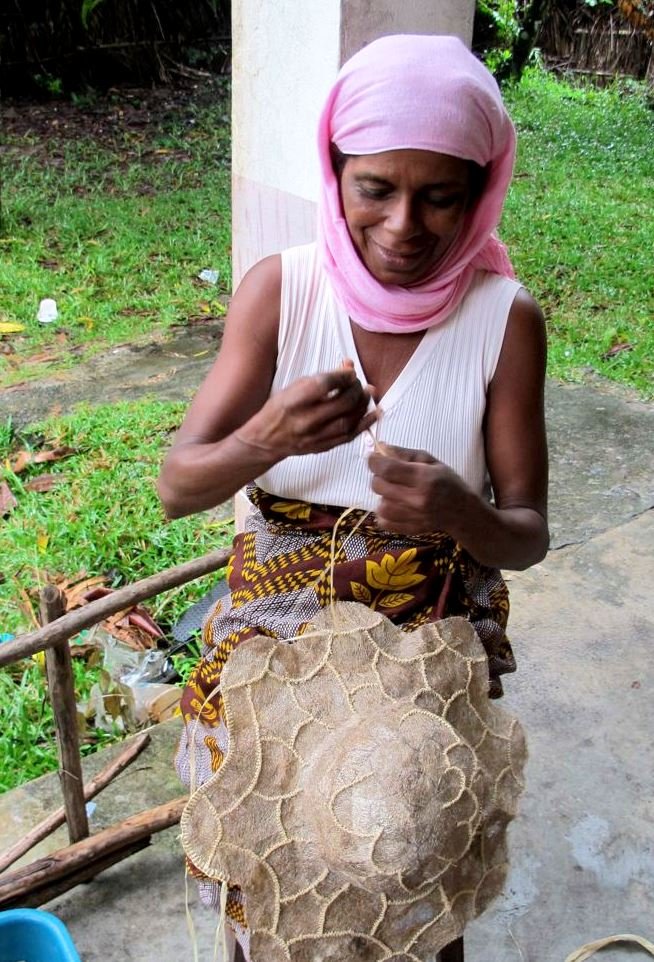
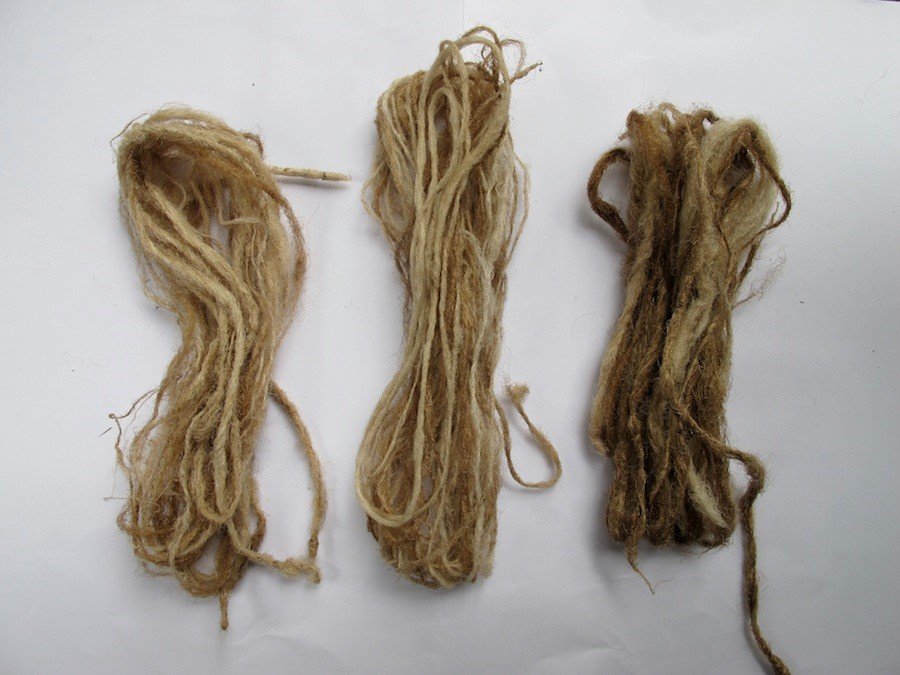
This year in 2015, SEPALI and the women’s cooperative have decided to extend our research of new product designs. So we are doing lots of experiments about spinning silk from Ceranchia, suraka and Hypsoides cocoons. The women will use more manual techniques to process silk without electricity. Spinning cocoons into yarn can be done by the women locally so they will save time by staying in their villages instead of coming to the training center to sew.
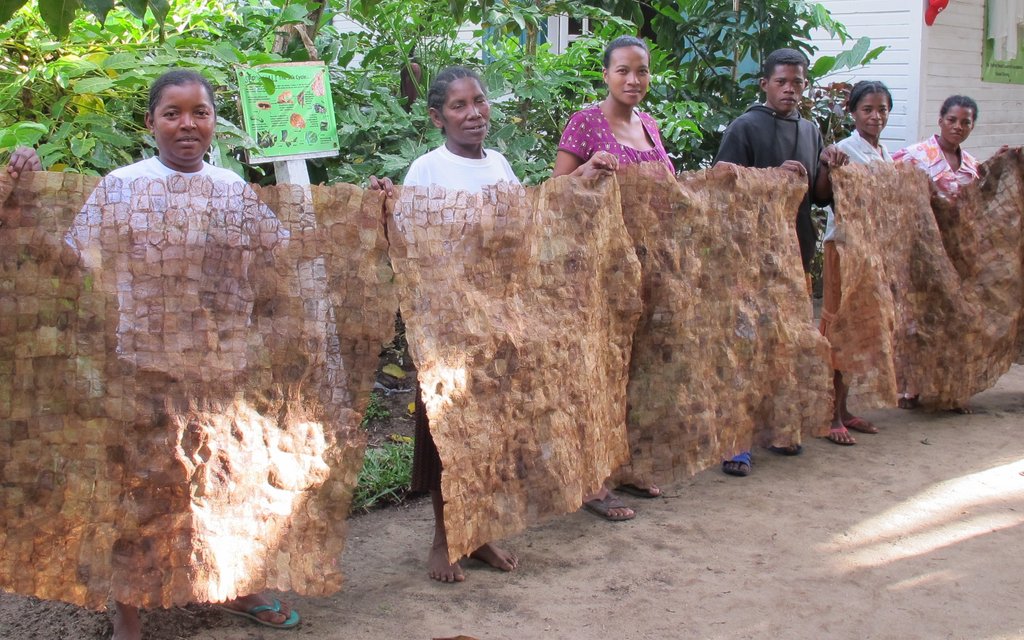
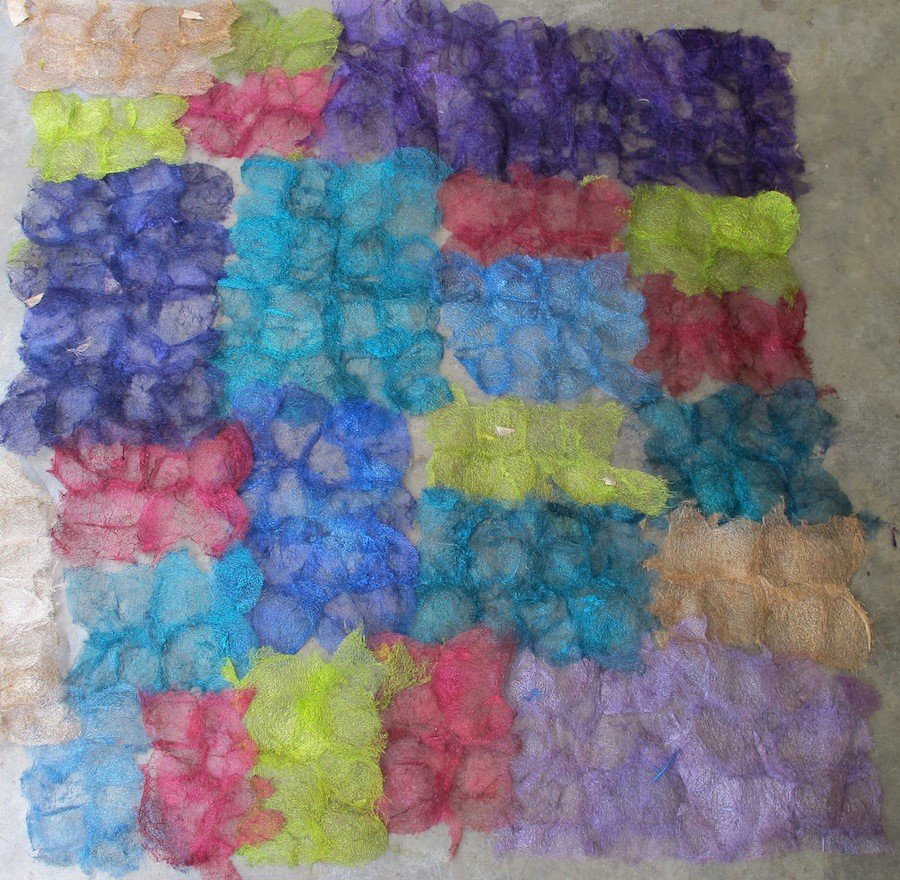
In addition to spinning, SEPALI is exploring dyes in order to make varieties of color for the non-spun textile. Now, the team members are working on it and will teach the women artisans about the dyeing process. The study is based on how the women villagers dye their rafia products. Hopefully, by June 2015, the SEPALI women’s groups will be able to produce colored textile.
Our third and most recent activity is weaving. We know that weaving is complicated, but we have a couple of women who already weave raffia and they will help us. Weaving activities are beginning to disappear in the Maroantsetra communities so we are thinking that it is time to revitalize this process. SEPALI is partnering with another local NGO to exchange knowledge about how to weave wild silk.
Project reports on GlobalGiving are posted directly to globalgiving.org by Project Leaders as they are completed, generally every 3-4 months. To protect the integrity of these documents, GlobalGiving does not alter them; therefore you may find some language or formatting issues.
If you donate to this project or have donated to this project, you can receive an email when this project posts a report. You can also subscribe for reports without donating.