By Kerry O'Neill | Assistant Director
Donors and Supporters, Happy Thanksgiving!
Before we get started, we'd like to take a moment to thank the people who make this project possible.
A look back:
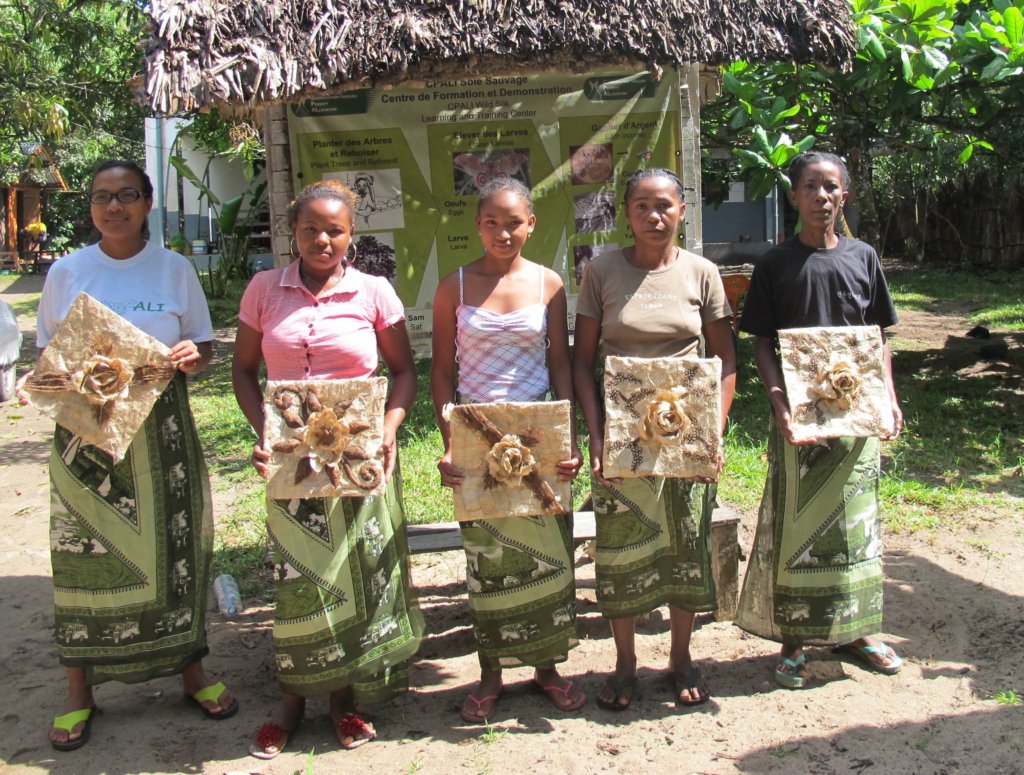
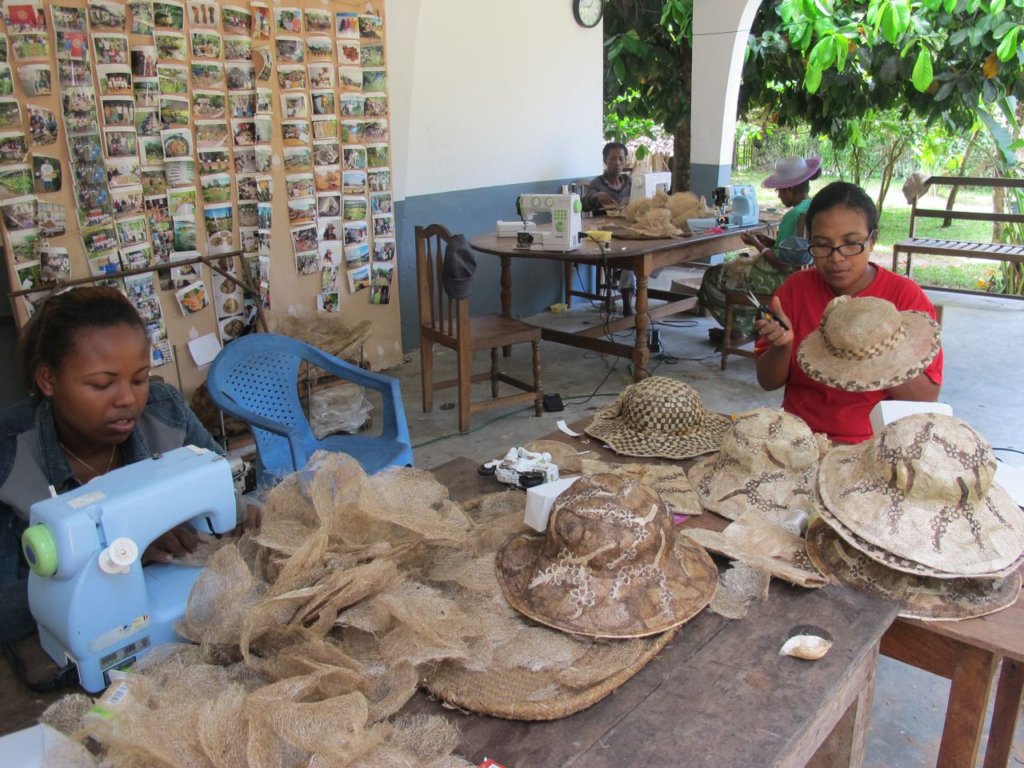
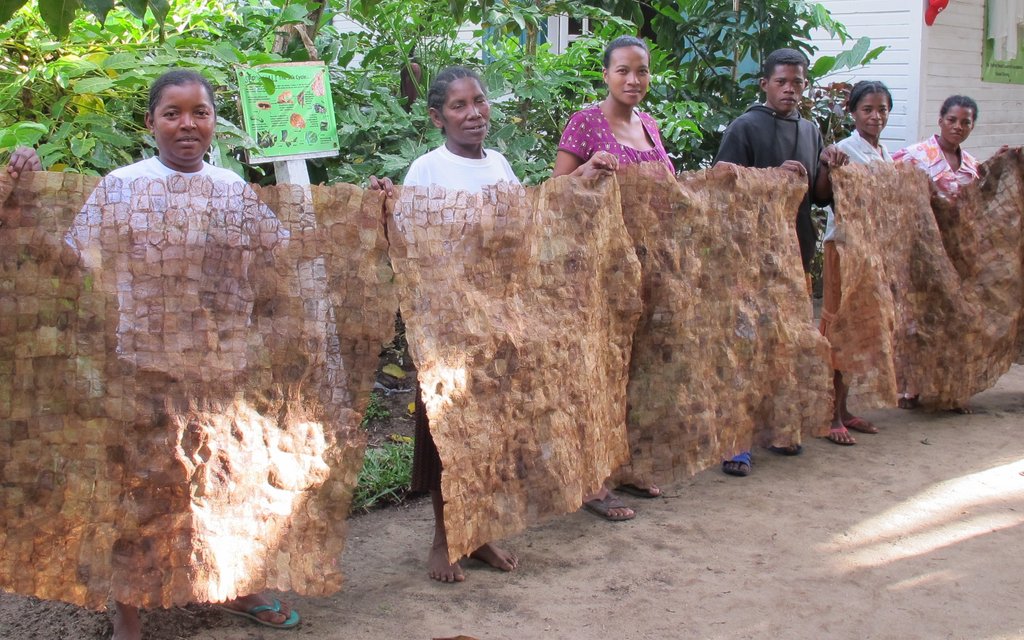
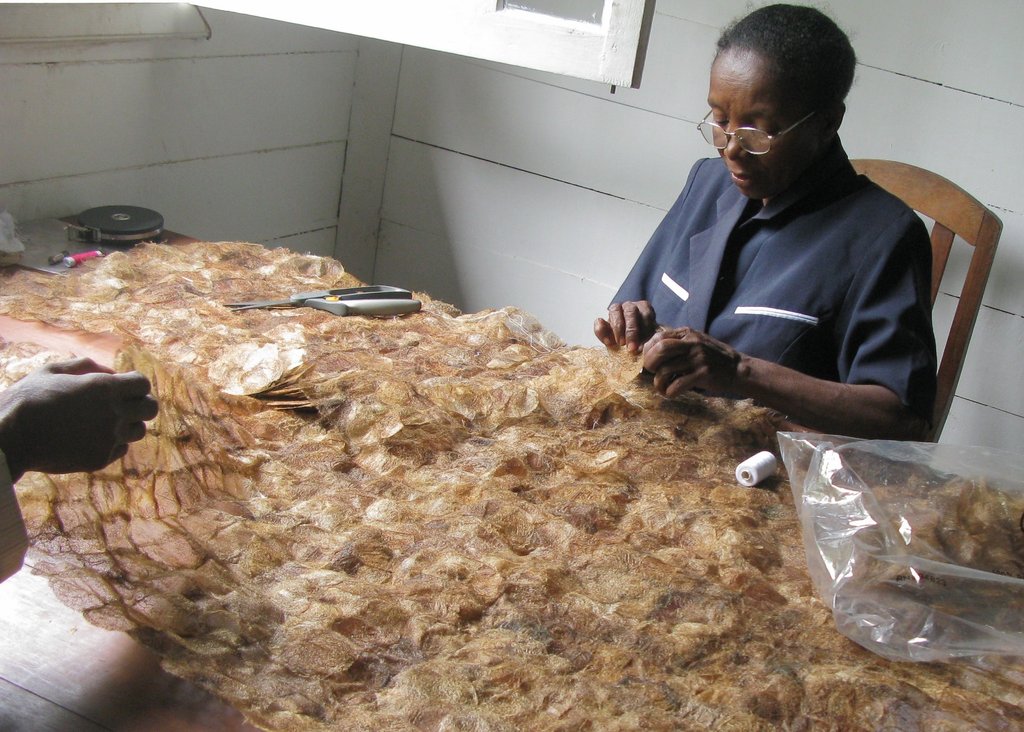
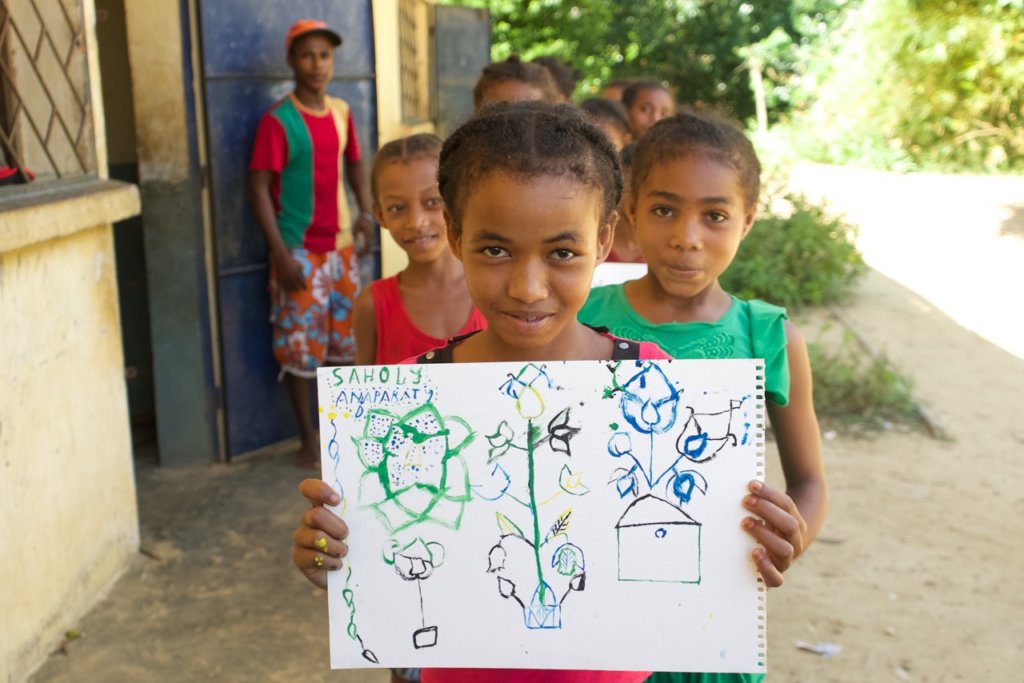
This year brought significant growth for our project. We brought in full-time artisans, providing steady work and steady income for their families. We added two new team members to our staff. We grew our product line more than three-fold, including product designs, colors and inspiration from Docey Lewis. We invested in professional training for our artisans, built confidence, skills and a wider repertoire. We assisted with education programs for children in our communities, including an art-program with Rogue Gallery and a children’s book by Tim Barclay published in Malagasy. SEPALI farmers also became our ambassadors, expanding our network to three new Ceranchia apollina silk communities in Mandritsara, Antsakabary and Matsoandakana.
Work yet to do:
While we are encouraged to see the work at the Maroantsetra office going strong, the project is designed to reach rural communities as well. The Ceranchia apollina silk program certainly achieves that and continues to thrive and expand in the satellite communities around Makira where the habitat is suitable for that species. As market pressures continue to favor Ceranchia apollina over Antherina suraka, however, the original farmers in the Maroantsetra district have seen demand for their suraka silk dwindle and have had to start investing in other parts of our project (insects for protein and silk processing) in order to stay involved.
Solutions and investments for 2017:
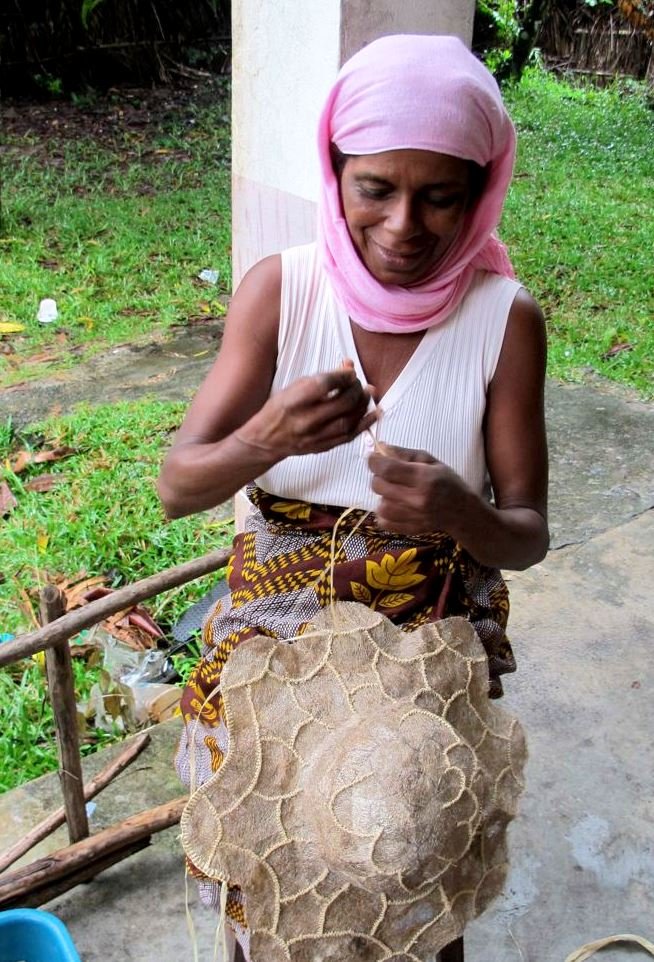
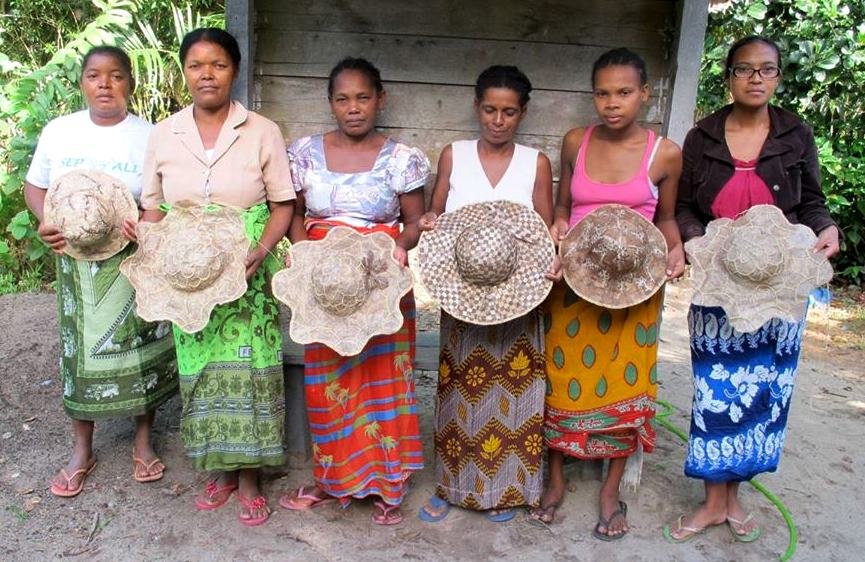
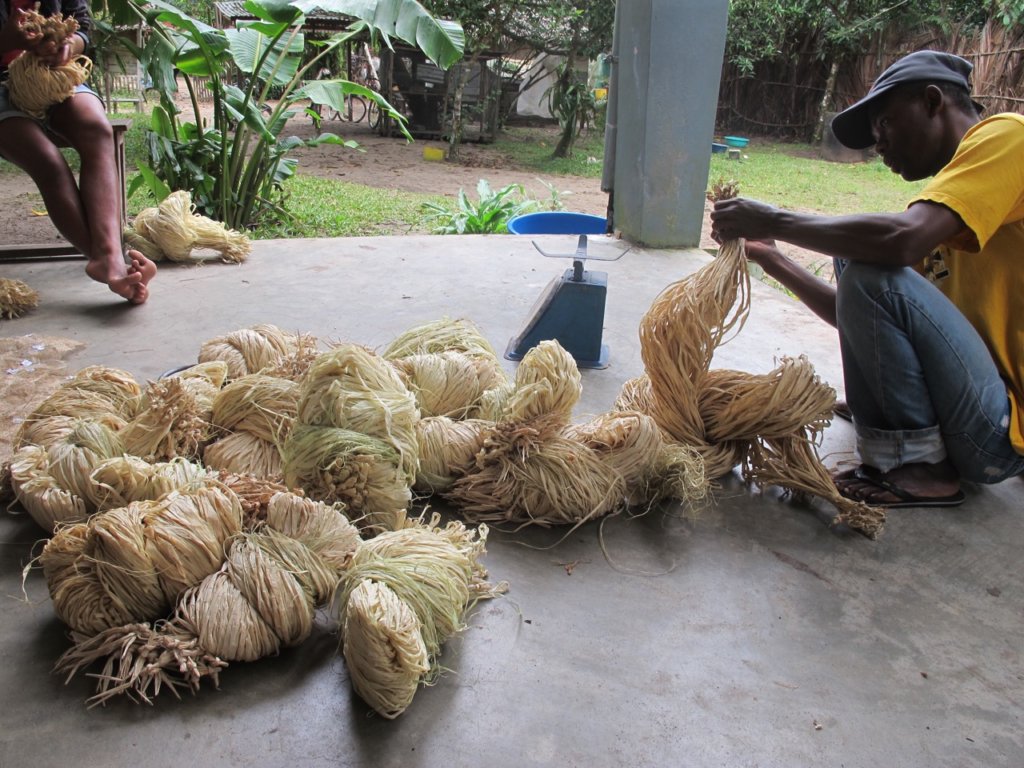
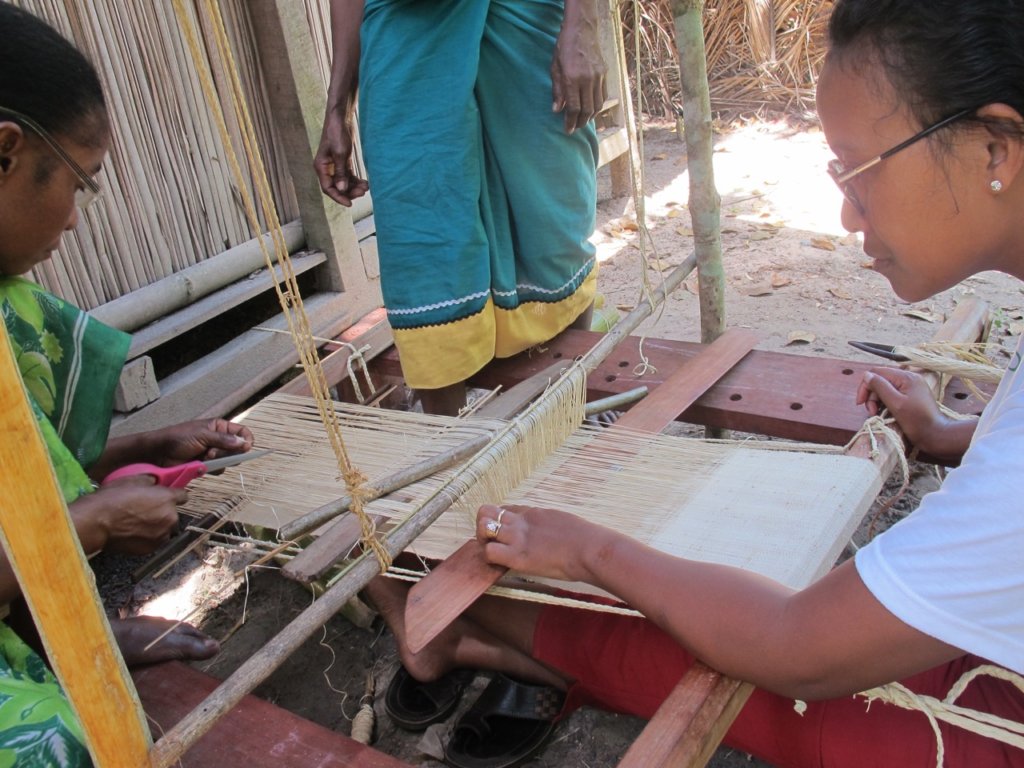
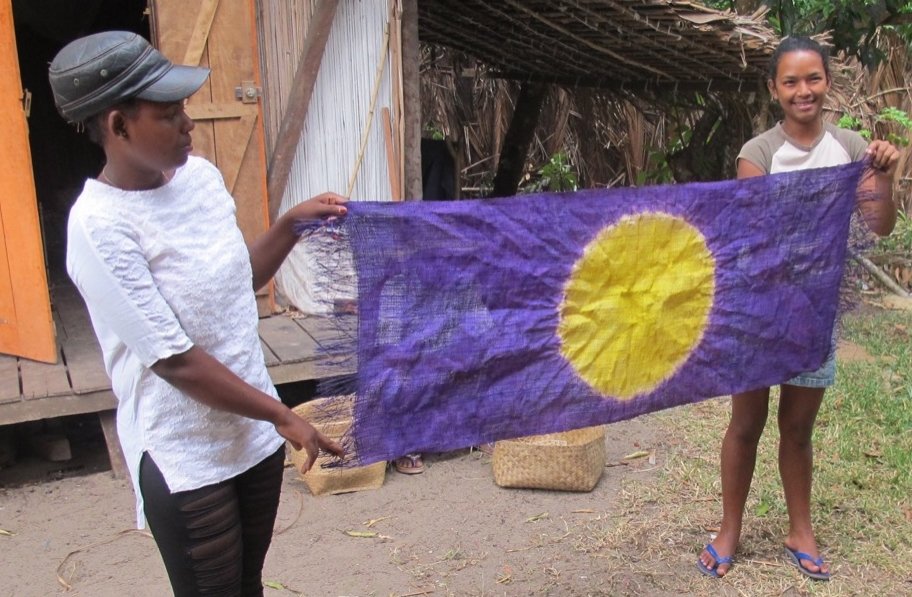
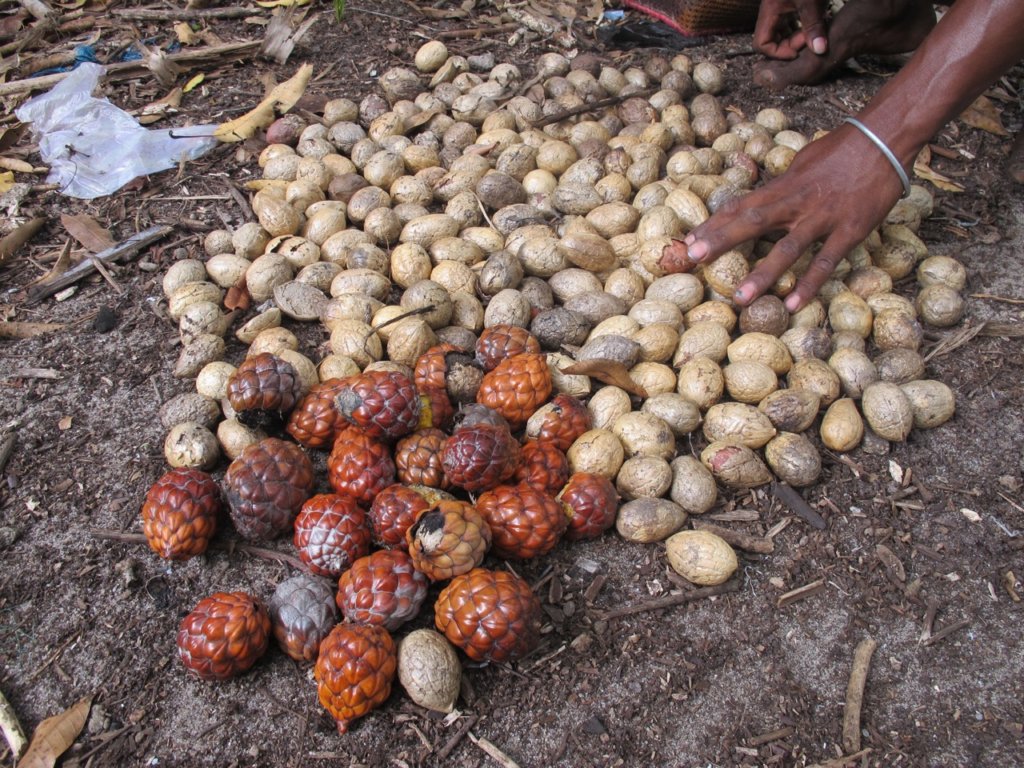
Luckily, we have already started on a solution: raffia. Raffia is harvested from a native palm, abundant in the Maroantsetra region. The strong, smooth fiber is used for making hats, baskets, mats, textile and twine. It can also be cultivated. Best of all, farmers in our region have been using it for generations and are already familiar with its processing technique. This year, the SEPALI office started a pilot raffia program, adapting local knowledge to raffia weaving techniques for textile. The results have been promising: the raffia is a natural complement to the silk program, the buyers are interested and the artisans are excited about going forward with the program.
Bring Docey Back Again:
There’s only one woman for the job. The design workshop that Docey Lewis led last year proved to be one of the greatest investments we could have made in the future of SEPALI. Her valuable trainings and vast marketing knowledge helped the team to expand their product line with new products and 64 dazzling color-dye pattern combinations. She helped shift our customer base from largely individual retail purchasers to bigger companies with large wholesale accounts, a much preferred marketing style for our team in Madagascar.
This year, we want her back! In addition to her vast marketing and design knowledge, Docey is an expert in weaving natural fibers, including raffia and has offered her skills to us yet again for both the silk and the new raffia program. A small grant we recently won from the US Embassy in Madagascar will help us with some of the equipment expenses, but we will still need to get Lewis to Madagascar, fund the workshop and design and construct the first raffia loom in the area!
Once the prototype loom is constructed and lead artisans trained, the team will continue the work, constructing more looms from the prototype, installing them in the rural communities of our farmer network, training each artisan group to weave and planting raffia nurseries. Training workshops are always expensive, especially on this scale and we hope you can help fast-track us to success!
Giving Tuesday:
Any day is a great day to give, but today, November 29th, Global Giving is running a massive matching campaign, matching 50% of all donations up to the first million dollars raised on Tuesday! It’s a great chance to increase your impact. You can donate in your own name or order a tribute card at checkout to give in someone else’s name for the holidays. As always, the SEPALI team also made gifts for donations over $50. This year, they are raffia bookmarks!
Thank you for thinking of us!
All the best,
CPALI & SEPALI
Project reports on GlobalGiving are posted directly to globalgiving.org by Project Leaders as they are completed, generally every 3-4 months. To protect the integrity of these documents, GlobalGiving does not alter them; therefore you may find some language or formatting issues.
If you donate to this project or have donated to this project, you can receive an email when this project posts a report. You can also subscribe for reports without donating.