By Peter Serete | Program Coordinator
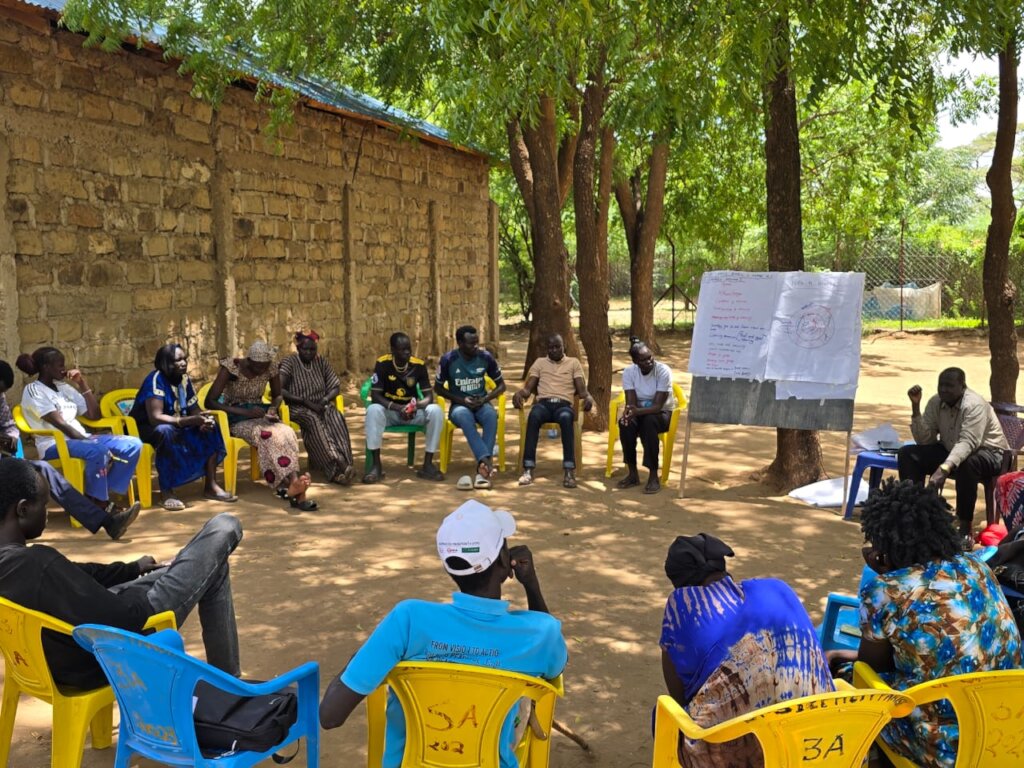
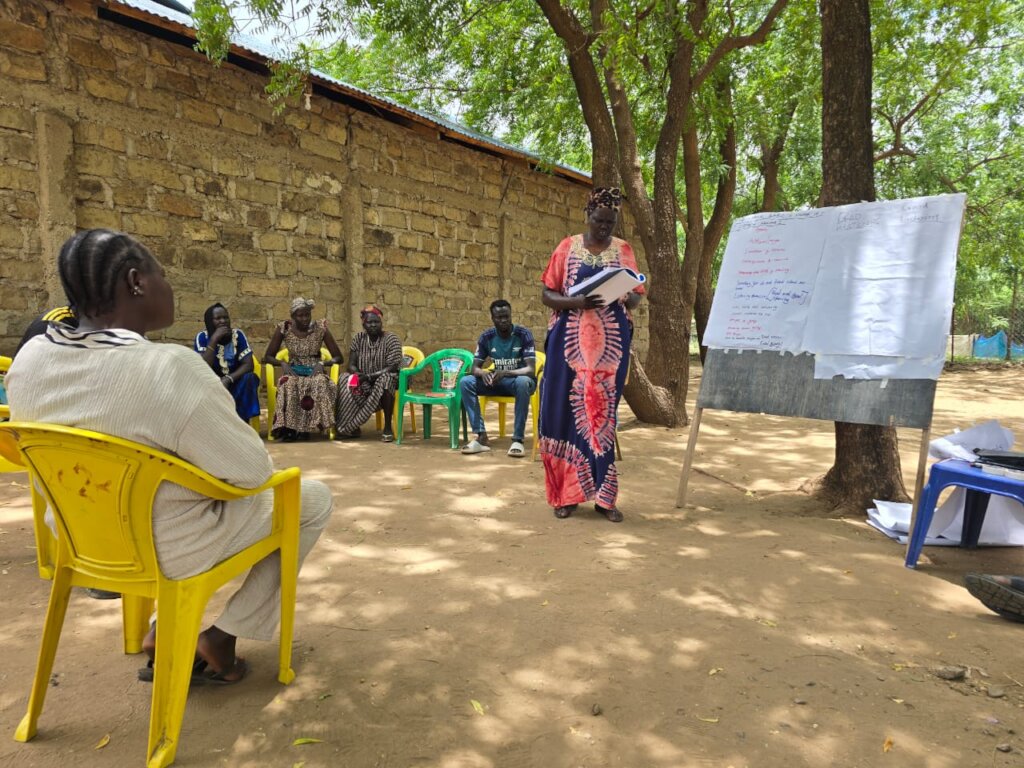
The Healing and Rebuilding Our Communities (HROC) Basic Workshop was conducted in Kakuma 1 Refugee Camp for South Sudanese refugees from the Dinka and Nuer communities. The workshop aimed to address trauma caused by conflict, displacement, violence, and loss while promoting healing, reconciliation, and peaceful coexistence. A total of 20 participants attended, comprising 8 women and 12 men from different sections of Kakuma 1.
The workshop opened with welcome remarks from Mr. Gabriel, who coordinated mobilization, followed by introductions from lead facilitator and the facilitation team. Participants shared their expectations, which included understanding trauma, learning anger management, gaining skills to support others, and learning from shared experiences. Ground rules emphasizing respect, punctuality, participation, and confidentiality were agreed upon.
The facilitators introduced the objectives of HROC, stressing the importance of becoming healing companions who can support others while working on their own healing journeys. Participants were guided through interactive sessions using discussions, storytelling, reflection, and role plays.
One of the first sessions focused on the Johari Window model, which helps build self-awareness and trust. Participants explored the four areas: Open, Blind Spot, Hidden, and Unknown. They learned that openness promotes trust, while hidden pain and unrecognized behaviours can block healing. Many participants noted that honest communication and constructive feedback are important for growth and rebuilding relationships.
The training then explored trauma and its causes. Participants identified trauma resulting from seeing violence, hearing gunshots or disturbing news, harmful actions such as rape or murder, and personal experiences like discrimination, tribalism, abuse, and loss of loved ones. They reflected that many traumatic experiences remain hidden because of fear, stigma, or lack of safe spaces.
Participants also identified symptoms of trauma under four categories: behavioural, emotional, physical, and cognitive. Examples included withdrawal, anger, fear, depression, headaches, sleeplessness, confusion, nightmares, and difficulty concentrating. Many participants recognized these signs within themselves and their communities.
Another key session examined the consequences of trauma on individuals, families, and communities. Participants noted that trauma can lead to depression, substance abuse, family conflict, poverty, crime, and weakened community unity. They concluded that healing must happen at all levels for lasting peace.
The Web of Healing session emphasized that recovery begins with the individual, supported by family and strengthened by the community. Participants recognized the importance of counselling, family support, safe spaces, and community cooperation.
Sessions on loss, grief, and mourning helped participants understand emotional responses to death and separation. Through the “Empty Chair” exercise, participants expressed unresolved pain and grief. Many described the activity as difficult but healing. They also learned that grief passes through stages such as denial, anger, guilt, anxiety, hopelessness, and acceptance.
The workshop further addressed anger as a symptom of trauma. Participants learned the difference between normal anger and traumatic anger, and how unresolved pain can lead to destructive reactions. Trust-building exercises highlighted factors that promote healing such as counselling, awareness, unity, and supportive families, while mistrust, stigma, victim-blaming, and threats hinder healing.
In conclusion, the HROC workshop successfully equipped participants with knowledge and practical tools for trauma healing, reconciliation, and peacebuilding. Participants committed themselves to personal healing and to supporting others in their communities. One participant stated, “Healing will begin when we heal ourselves and help others heal too.”
“Before this training, I believed trauma was only about physical pain, but now I understand it also lives in the mind, heart, and relationships. I have discovered wounds I was carrying in silence. Through the Johari Window and sharing sessions, I now feel free to begin my healing journey and help others do the same.”
“The session on grief and loss touched me deeply. I had pain from losing loved ones during conflict, but I never had a safe place to express it. The Empty Chair exercise helped me release emotions I had hidden for years. Today I feel lighter, stronger, and hopeful that healing is possible.”
“I used to think anger was just part of my personality, but I now know it was a sign of unresolved trauma. This workshop has taught me how to manage anger, rebuild trust, and support peace in my family and community. I am leaving here transformed and ready to become a healing companion to others.”
Project reports on GlobalGiving are posted directly to globalgiving.org by Project Leaders as they are completed, generally every 3-4 months. To protect the integrity of these documents, GlobalGiving does not alter them; therefore you may find some language or formatting issues.
If you donate to this project or have donated to this project, you can receive an email when this project posts a report. You can also subscribe for reports without donating.



Support this important cause by creating a personalized fundraising page.
Start a Fundraiser