By Ludmila Piatek | Comunicacao e Marketing - GRAACC
It was in the middle of a routine gesture, during an attempt to relieve her newborn son's colic, that Marilda noticed something different. A lump on the baby's leg. Until then, her life was marked by the routines of diapers, breastfeeding and the daily learnings of a first-time mother. The discovery, however, brought with it a new reality, made up of doubts, exams, diagnoses and difficult decisions.
Without knowing exactly what they would face, she and her husband came from Minas Gerais to São Paulo, carrying Pedro Otávio, who was barely two months old, in their arms. At GRAACC, they were welcomed from the very beginning with the urgency and attention that the situation required.
Pedro needed an MRI, but since he was so small, the procedure required anesthesia — and the doctors preferred to avoid that risk. His mother, tired and emotionally exhausted, did what she could: she held her son in her arms, caressed him, sang to him, and asked him to stay still. He did. The scan, even with shaky images, revealed something essential. The diagnosis changed. From a rhabdomyosarcoma, with an indication for amputation, it changed to a fibrosarcoma, still serious, but with treatment options. There was finally a chance.
The first attempt at chemotherapy was ineffective. The tumor continued to grow. New adjustments were made, and after five more sessions, the unexpected news came: the tumor had disappeared. Marilda just cried. Not because she understood everything that was happening, but because she felt that, somehow, they had won the first battle.
During the eight months of treatment, Pedro surprised everyone. He only felt discomfort during the days of chemotherapy. The rest of the time, he was a calm, smiling baby who charmed everyone who passed by the hospital corridors. He got his first tooth during the treatment. He did not get sick, and did not need to be hospitalized other than for surgery. He seemed determined to live, with a silent strength that moved even the doctors.
She says that was the most significant period of her life. Not because of the pain, but because of what she learned. “That was when I understood what it means to be a real person. When you see your child in that situation and still find the strength to smile, you discover another kind of love. A love that sustains everything.”
After the end of the treatment, the boy continued with medical follow-ups. Little by little, the follow-ups became more spaced out.
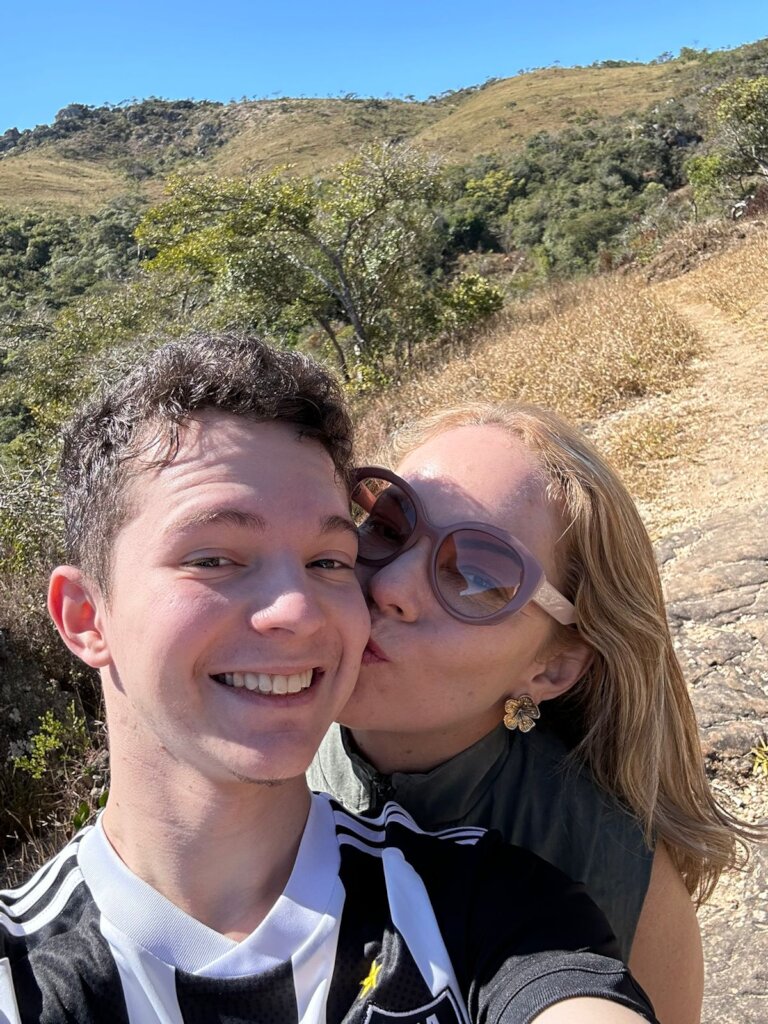
Today, the young man is 19 years old and in his fifth year of medical school. Marilda continues to work as a lawyer, but she has an additional mission: to tell this story. To repeat, whenever necessary, the phrase she heard from a ten-year-old girl in the GRAACC waiting room, the day she was crying from exhaustion and fear: “Auntie, it will pass. It’s just a dark cloud.”
Marilda never forgot it. Because it did pass. And when the cloud went away, she was no longer the same woman. She had gone through something too big to forget. She learned, with her own son in her arms and with the support of many hands around her, that life does not always go back to the way it was before — but it can, in fact, move forward with more meaning.
Project reports on GlobalGiving are posted directly to globalgiving.org by Project Leaders as they are completed, generally every 3-4 months. To protect the integrity of these documents, GlobalGiving does not alter them; therefore you may find some language or formatting issues.
If you donate to this project or have donated to this project, you can receive an email when this project posts a report. You can also subscribe for reports without donating.



Support this important cause by creating a personalized fundraising page.
Start a Fundraiser