By Vahidin Omanovic | Programme Director
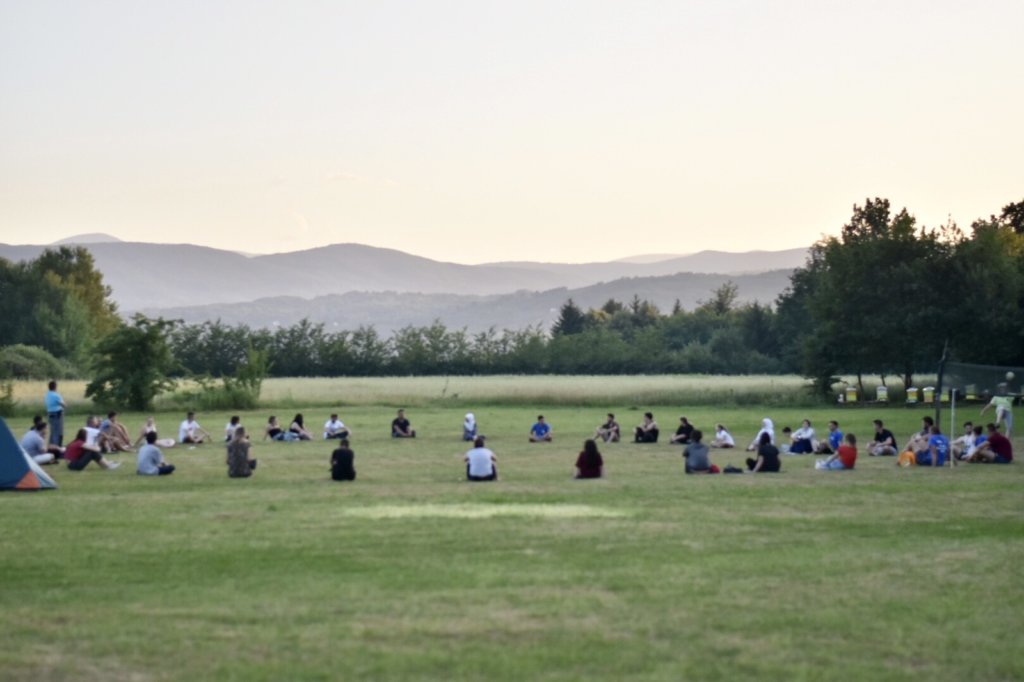
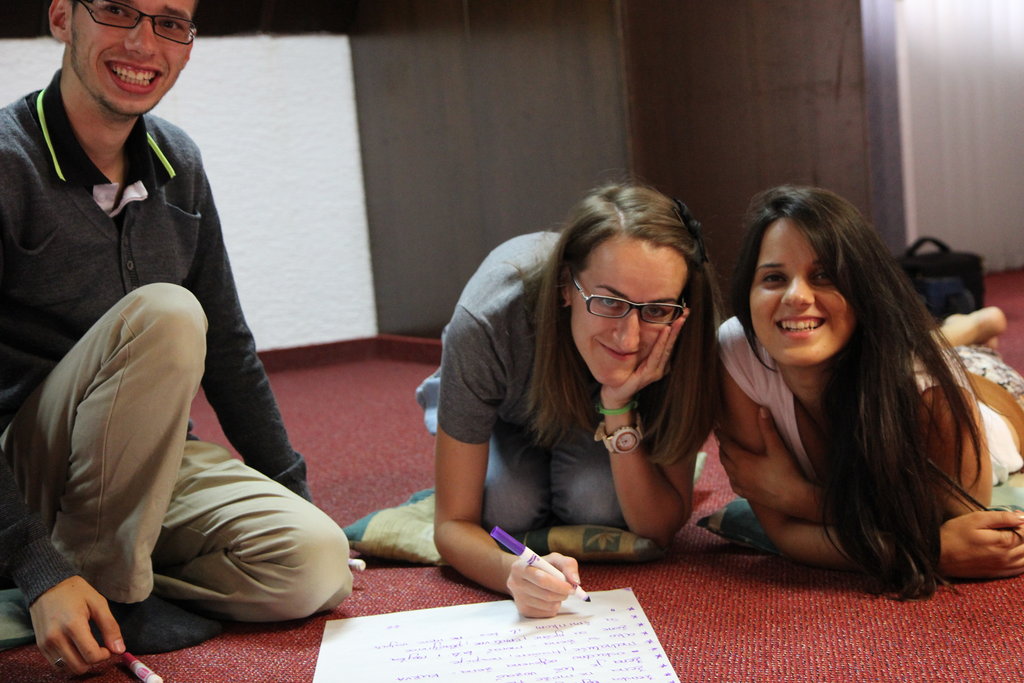
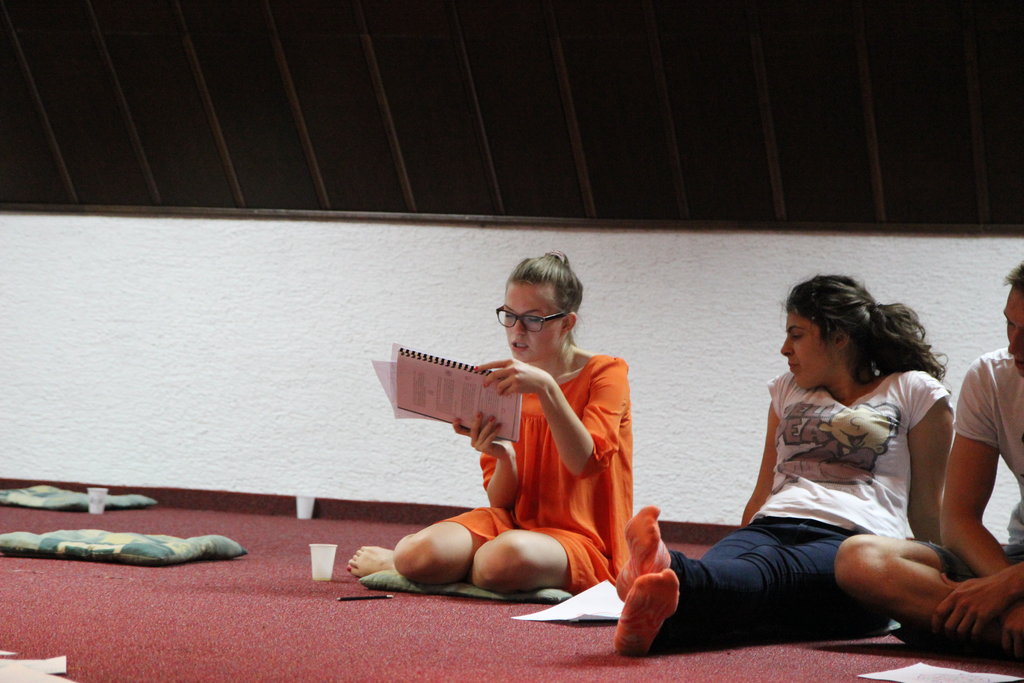
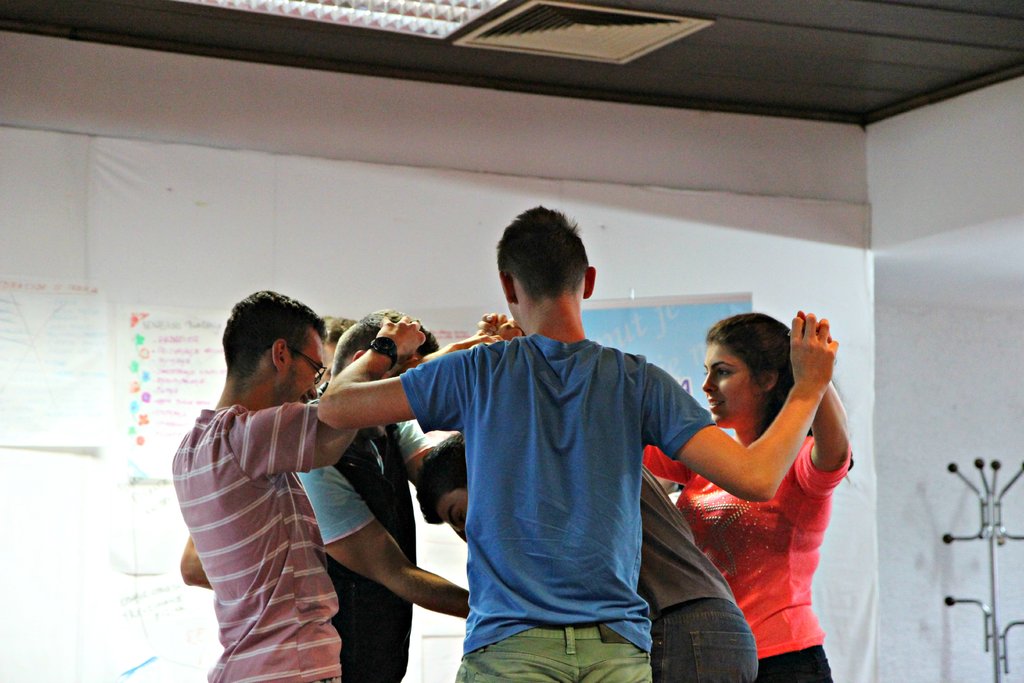
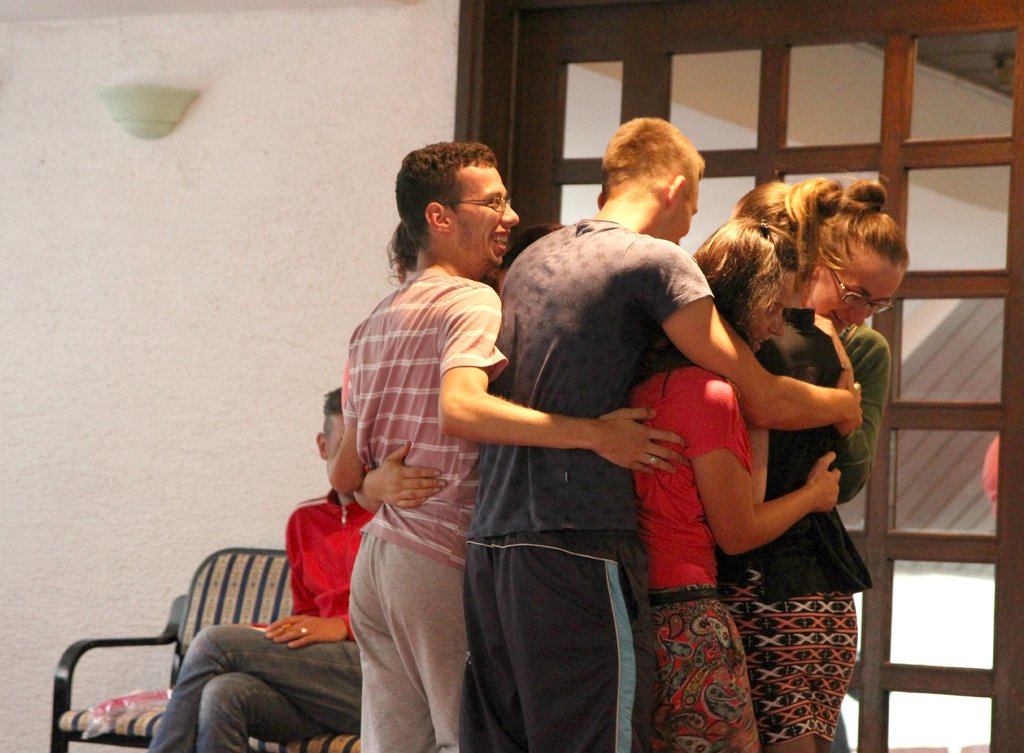
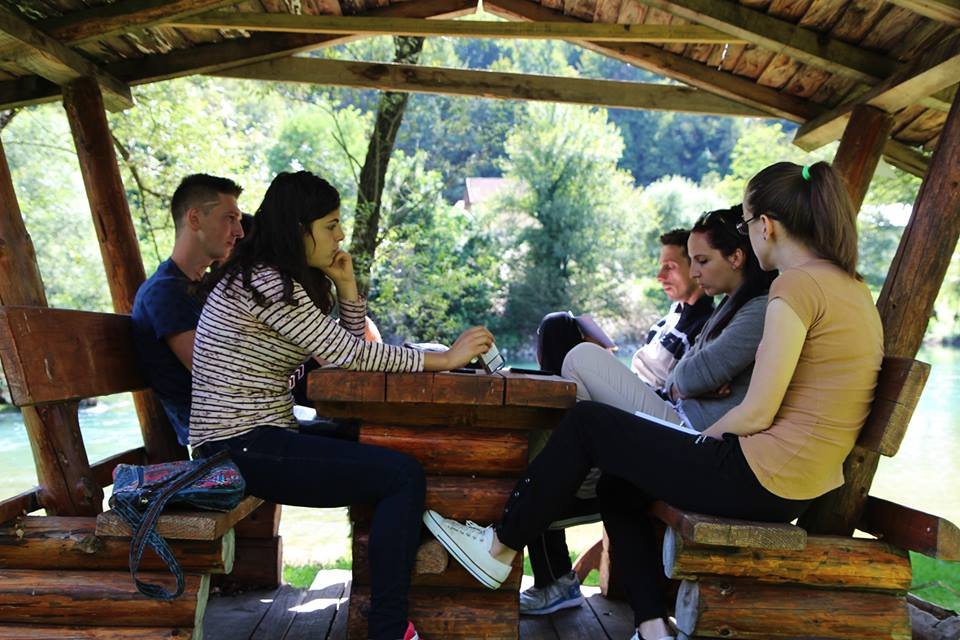
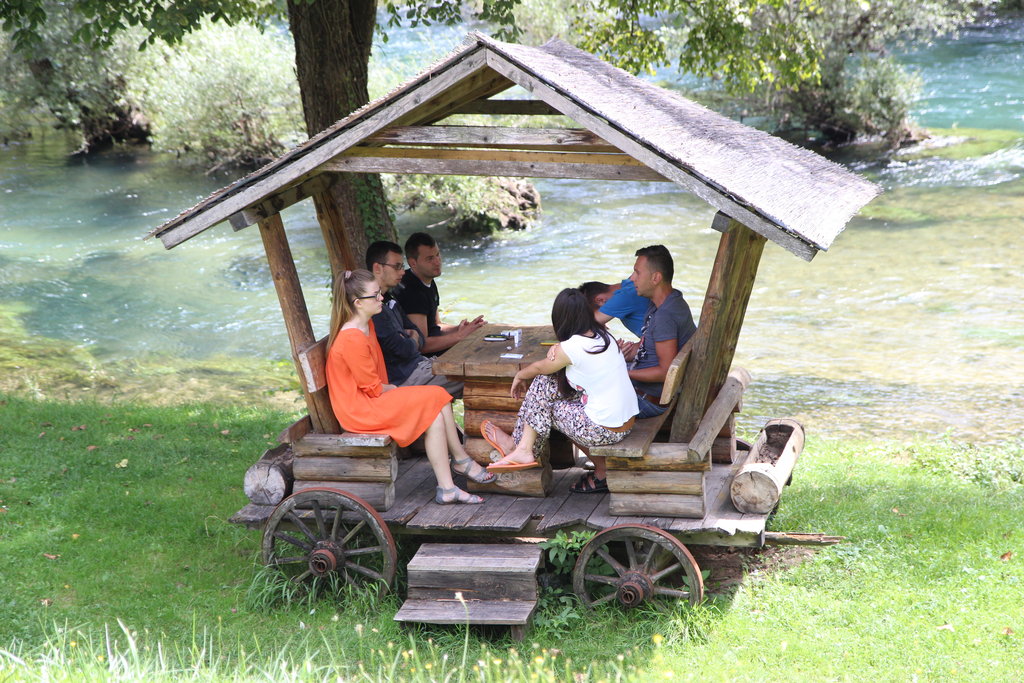
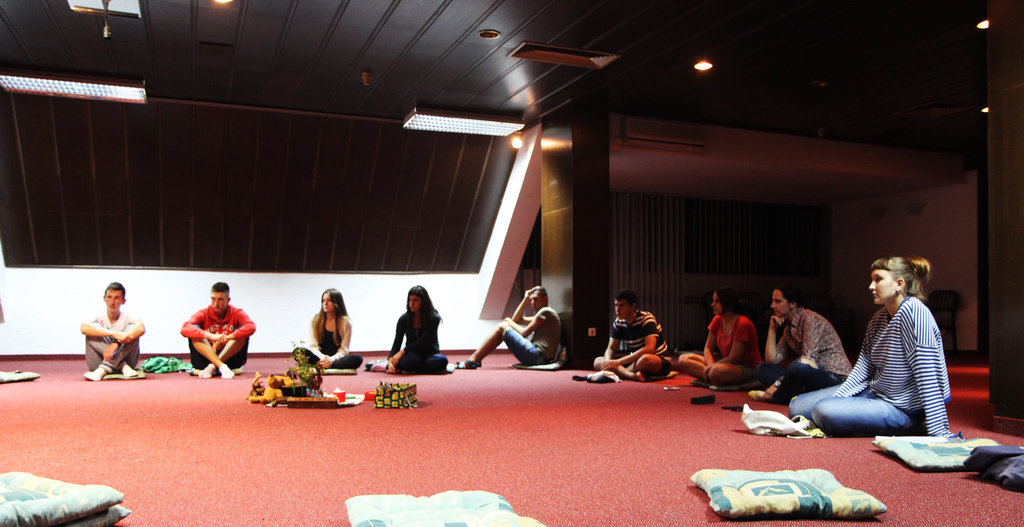
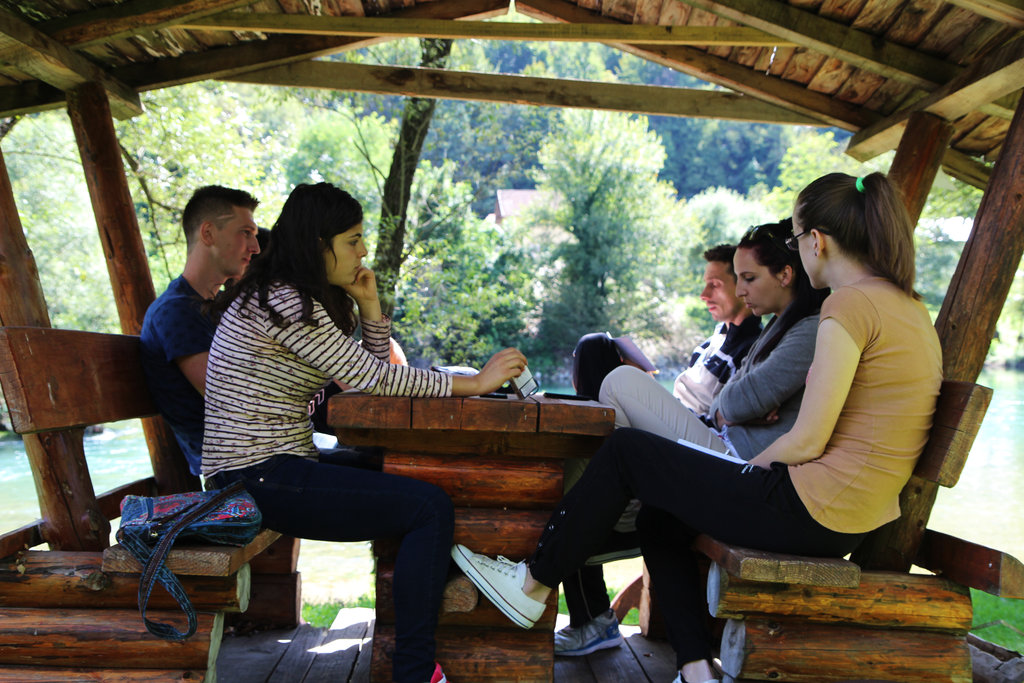
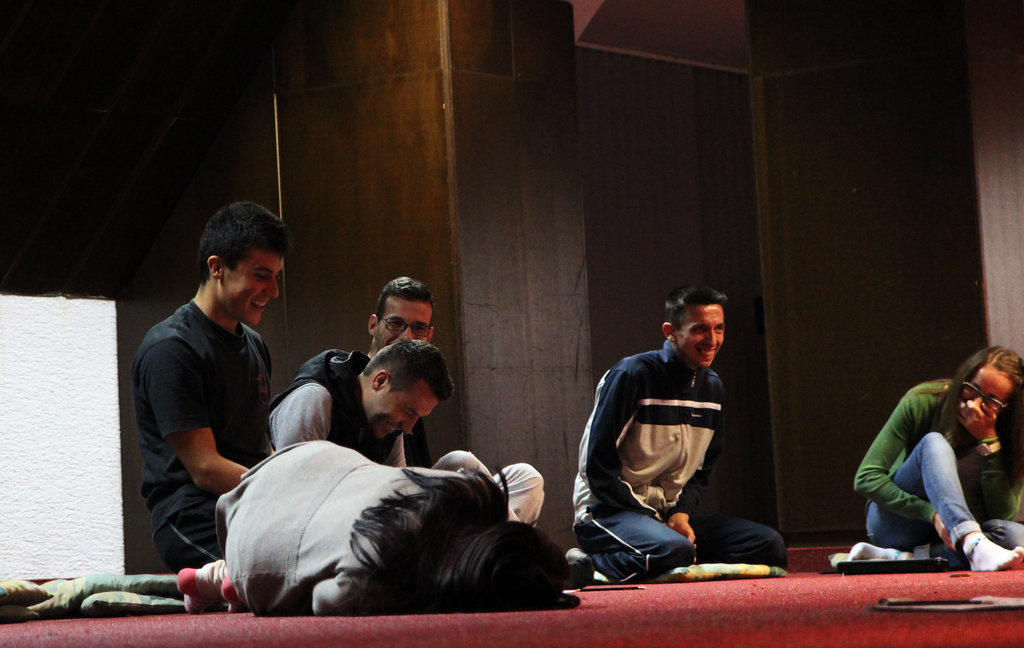
In August 2014, we held our 11th annual Peace Camp. 16 people took part in workshops aimed at understanding conflict, dealing with the past, and shaping Bosnia's future. From dealing with trauma, to envisioning a different Bosnia and Herzegovina, we saw youth between 17 and 33 years old change their understanding of the conflict, attitudes and behaviours. These young people are now equiped with skills to further reach young people in their own communities and facilitate peacebuilding activities. Below is an analysis of how change took place in this year's Peace Camp.
Friendships with "the other"
The majority of participants had 10 or fewer friends from another ethnicity/religion, but thanks to PC those numbers changed to participants saying they had more than 10 friends from another ethnicity/religion after PC, and one respondent who had no friends of the other before PC stated "Now I have two of them"
Do you think there will be another war in BiH?
Optimism about the country's future increased after the week. Before PC, people believed there would be another war (and NO ONE thought that Bosnia was definitely out of danger for another war). After PC, only 2 people answered "yes," that there would be another war, while the rest said no, or maybe.
Are better interethnic relationships possible? How?
-"Yes of course [better interethnic relations are possible], but we have to accept other religions"
- "It is necessary to learn about our differences in a way so they don't look like a threat."
- "Getting to know young people from other ethnic groups."
7 respondents specifically cited increased communication and understanding - including through actually meeting and getting to know people from the other side - to help interethnic relations.
How do you deal with personal conflict?
Before Peace Camp (herein after referred to as PC), most participants said they'd try to talk out conflict, while 2 said they were angry and silent and then just let it go. After PC, all respondents cited talking/dialogue/nonviolent communication as a means of dealing with personal conflict.
Reduced Fear/Increased Trust in "the other"
Before PC, participants were mixed about spending time in a place where another ethnicity was the majority. One person said they "strongly disagreed" that they would be comfortable in that situation, while 3 others said they were "undecided." However,after PC, no single individual would be uncomfortable spending time in a town or city where they were the ethnic minority.
This year's Peace Camp would not have happened without your generous support. Thank you once again for all your donations and support of any kind. The best time to make donations to our project is on bonus days, when they get matched. The next bonus day is on October 15th!
Links:
Project reports on GlobalGiving are posted directly to globalgiving.org by Project Leaders as they are completed, generally every 3-4 months. To protect the integrity of these documents, GlobalGiving does not alter them; therefore you may find some language or formatting issues.
If you donate to this project or have donated to this project, you can receive an email when this project posts a report. You can also subscribe for reports without donating.



Support this important cause by creating a personalized fundraising page.
Start a Fundraiser