By Markus Faigle | Volunteer Project Director
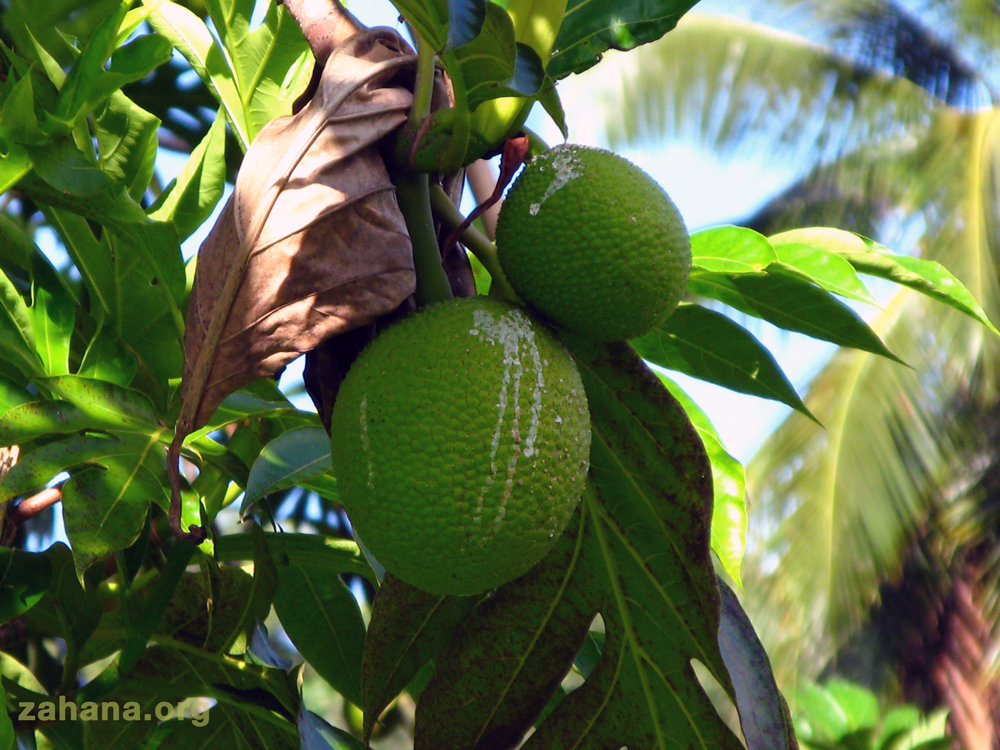
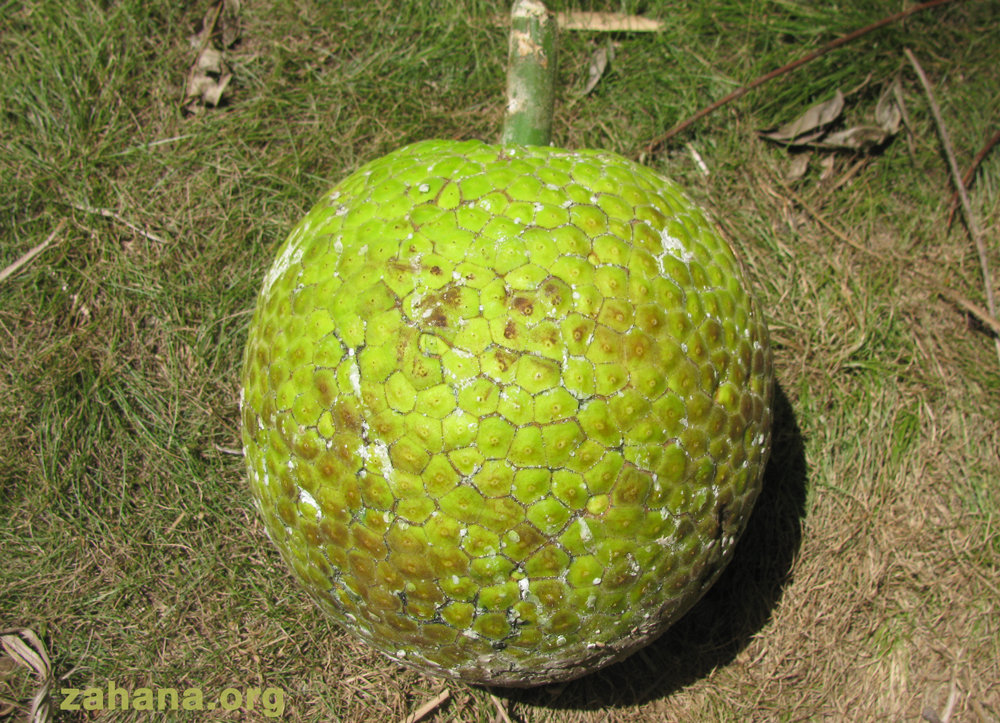
Intoducing new crops is the backbone of our micocredit philosophy. Zahana has been approached with a very generous offer by one of our friends. He comes from a part of the country where breadfruit trees are very common. He offered to ask his relatives to craft seedlings from their existing breadfruit trees and donate them to Zahana so we can grow them in the village. Breadfruit trees, once grown, have an abundance of fruit, so the surplus can be sold in the market for cash income.
This is a very generous offer, because breadfruit trees cannot be grown from seed but must always be cultivated from cuttings. By the same token, this means that any breadfruit tree growing in Africa, the Pacific or the Caribbean has been taken there by humans at some point in time. Here is a little historic anecdote: Breadfruit was introduced in the Caribbean by the British to grow inexpensive and plentiful food for their slaves. The same Lieutenant Bligh of Mutiny on the Bounty fame was tasked with collecting breadfruit seedlings in Tahiti, when his mutineers spoiled that plan. Over 200 years later, breadfruit has become the staple in the Caribbean diet after it had been introduced via Polynesia by the British.
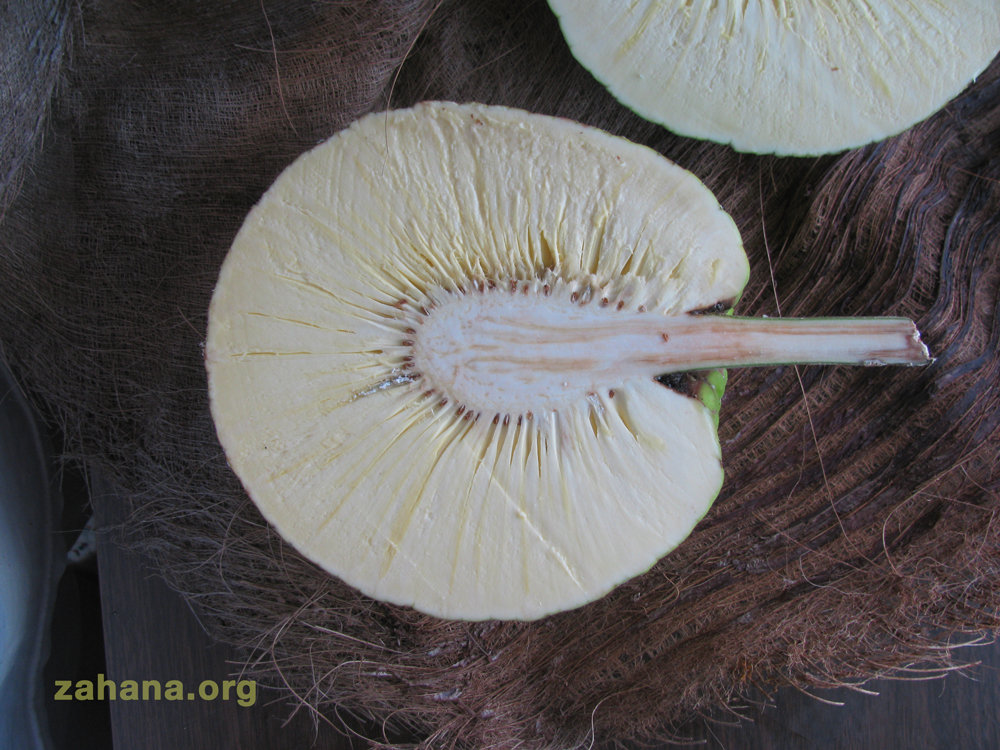
Breadfruit trees will make a wonderful addition to our diversification of agriculture and food security. Breadfruit trees can grow extremely tall, provide a lot of shade, bear hundreds of fruits that are very nutritious and abundant when in season. Green, or unripe breadfruit, can be cooked, baked or broiled and eaten as a vegetable in a consistency resembling a potato. The ripe breadfruit will turn sweet, and can be eaten, baked is best, as a dessert. As an added benefit, we have experimented with solar cooking of breadfruit in Hawaii, and the results were very tasty. All it takes is to put the entire breadfruit in the solar cooker, close the lid, and bake it for an hour or two. One breadfruit will easily provide a meal for five or six people and keep easily for a day or two without any refrigeration. That means the leftovers from the evening meal could be eaten the next morning.
Project reports on GlobalGiving are posted directly to globalgiving.org by Project Leaders as they are completed, generally every 3-4 months. To protect the integrity of these documents, GlobalGiving does not alter them; therefore you may find some language or formatting issues.
If you donate to this project or have donated to this project, you can receive an email when this project posts a report. You can also subscribe for reports without donating.



Support this important cause by creating a personalized fundraising page.
Start a Fundraiser