Elevate Education Program Report January 2025
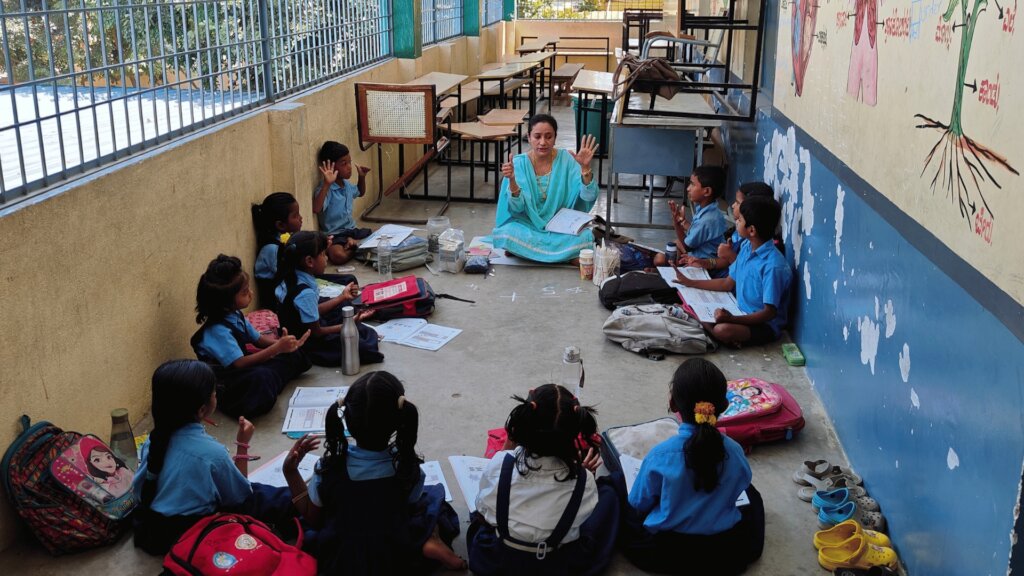
The One Billion Literates Foundation (OBLF) is a grassroots non-profit whose mission is to create better futures for the underserved rural communities of Anekal Taluk, in the outskirts of Bangalore. OBLF focuses on enhancing English language skills among primary school children in rural, under-resourced communities in India. In Anekal Taluk, OBLF addresses teacher shortages by training local women as educators and combining digital tools with traditional teaching methods to improve proficiency in government schools.
About the Elevate Program
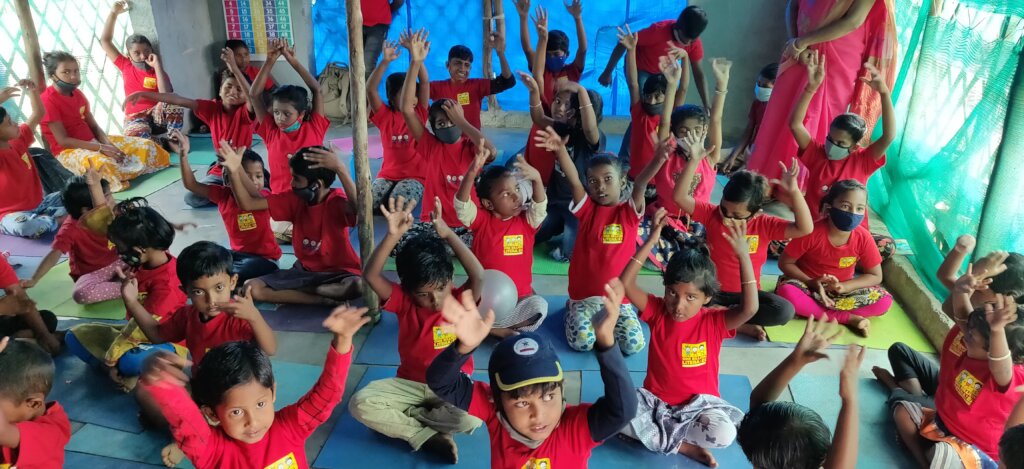
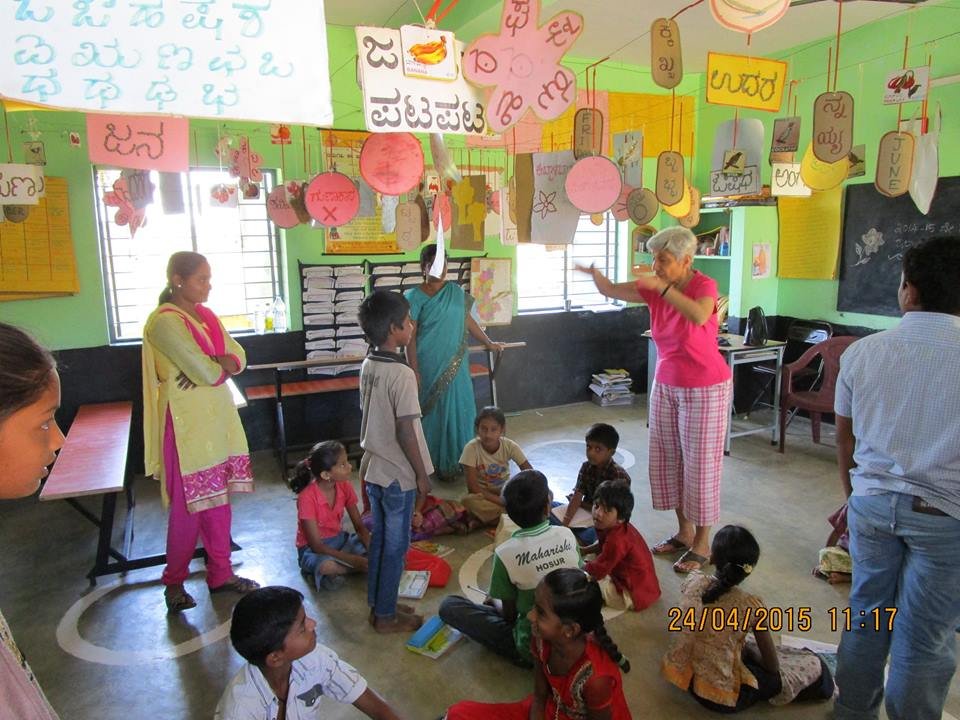
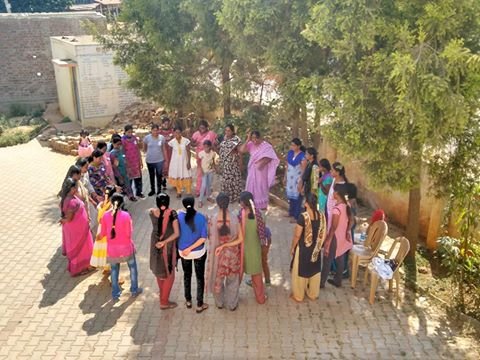
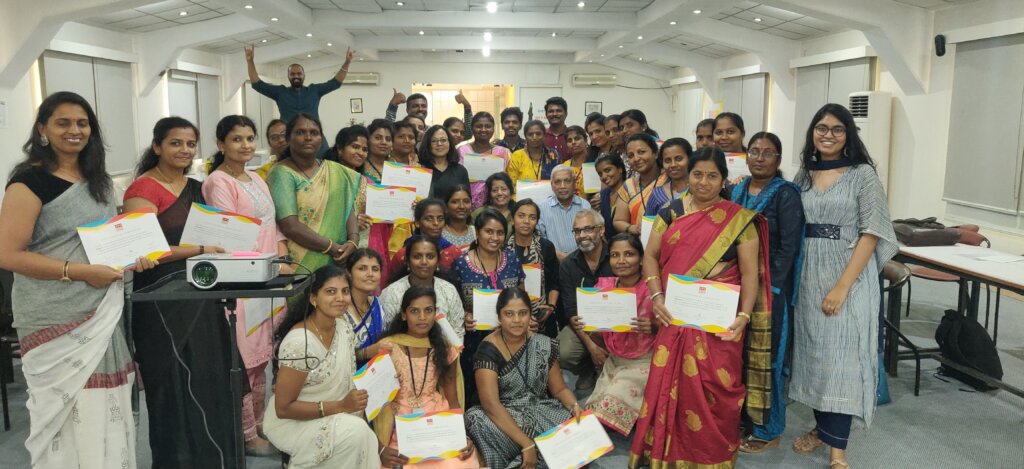
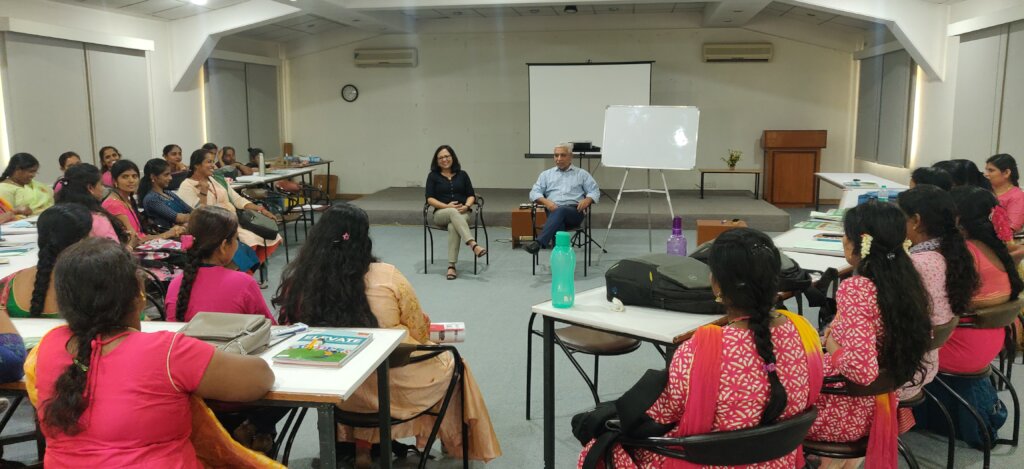
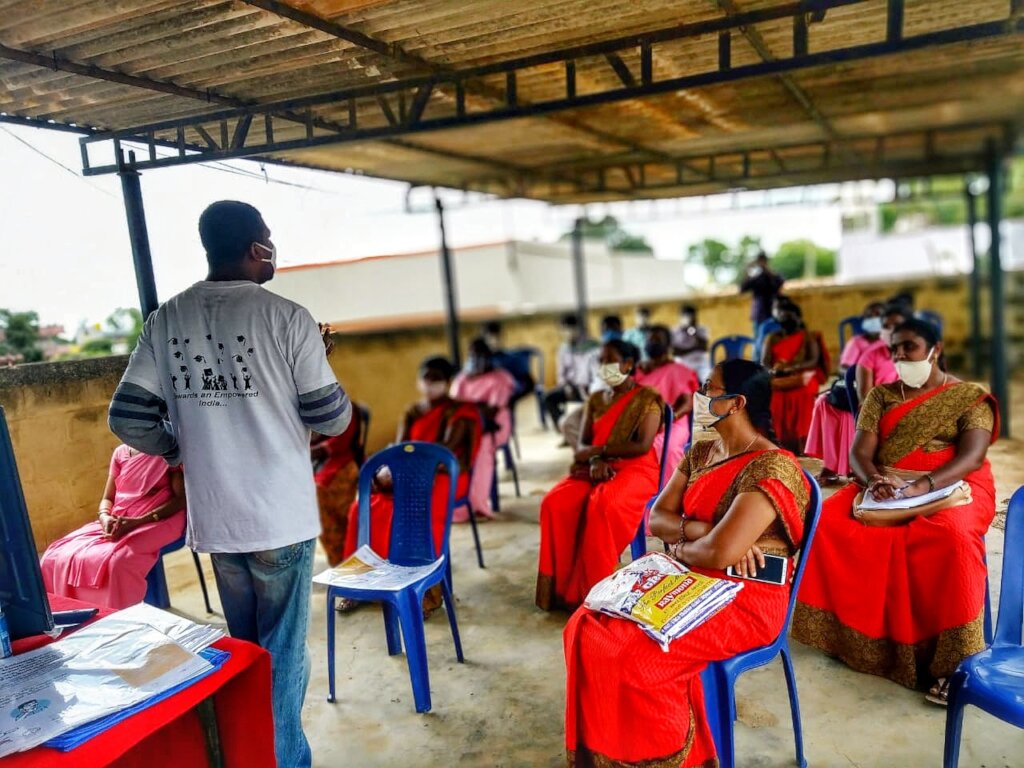
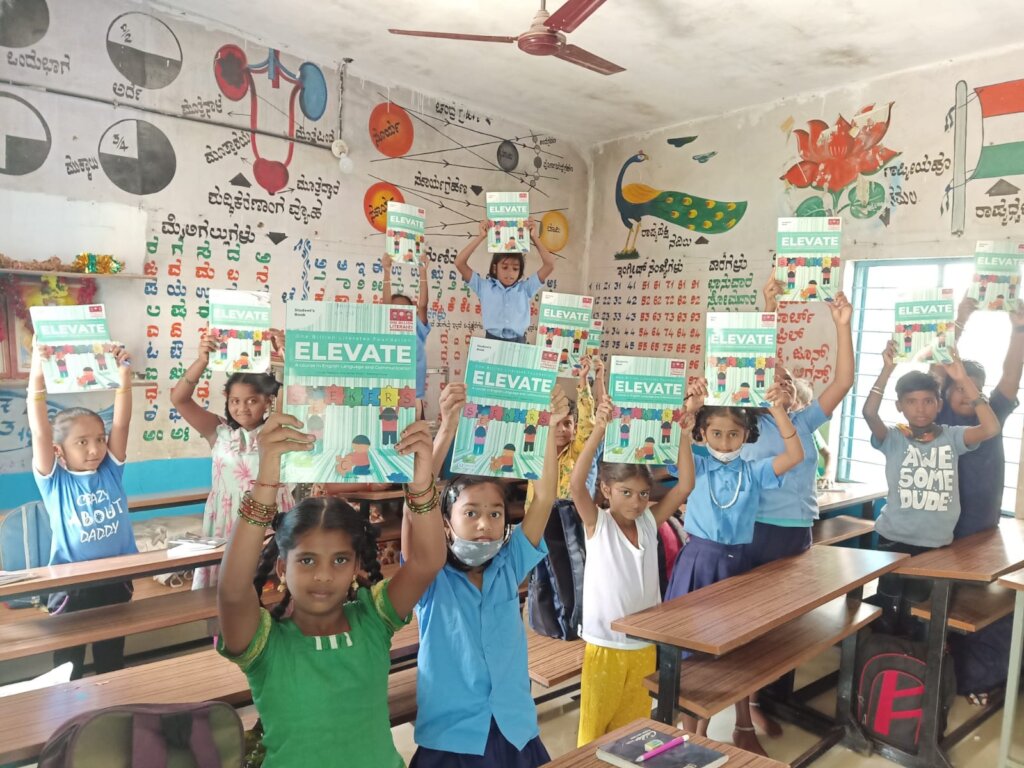
The Elevate Program improves English proficiency for learners in government schools by training semi-educated local women as English teachers. It offers extensive teacher training, activity-based learning resources, and socio-economic empowerment, creating sustainable, community-based educational solutions.
About Socioven Global
Socioven Global is a development consulting firm specializing in strategy, program evaluation, and knowledge management to enhance the impact and sustainability of development programs. They conducted an external assessment of the Elevate Education Program to evaluate its effectiveness and outcomes.
The Need
- Challenges in English Education
Government schools in India face significant challenges in teaching English, impacting student proficiency. Many teachers lack proper training and exposure to English, relying on rote learning rather than practical use. Inadequate infrastructure, such as language labs and teaching aids, further limits interactive learning. High teacher workloads and socioeconomic barriers, including low-income families’ limited exposure to English, widen the learning gap. Additionally, inconsistent curricula and minimal parental support hinder language retention and proficiency.
- Context of Anekal Block
Anekal Taluk, with 77.7% of students enrolled in government schools and an 80.65% literacy rate, highlights the growing demand for education. Despite these advancements, challenges like a 29% digital divide and reliance on private tuition persist, limiting equitable learning opportunities. Strengthening English education can address these gaps, offering students improved career and socioeconomic prospects.
The Solution - Elevate Program
The Elevate Program addresses these issues by training semi-educated local women as English teachers, tackling educational gaps while empowering women economically. Innovative methods like gamified learning, structured lesson plans, and regular assessments have improved student proficiency by 44.5%. Comprehensive teacher training further enhances classroom effectiveness, creating a sustainable, community-based model for educational and social upliftment.
Key Findings and Results of the study conducted by Socioven Global
1. Student-centric outcomes:
- Overall CEFR Improvement:
- 74.93% of students demonstrated some level of positive change in CEFR scores, with the greatest progress seen in lower grades.
- The average CEFR improvement across all grades was 56.97%, with younger students in Grades 1 and 2 showing the most significant growth.
- Domain-Specific Proficiency:
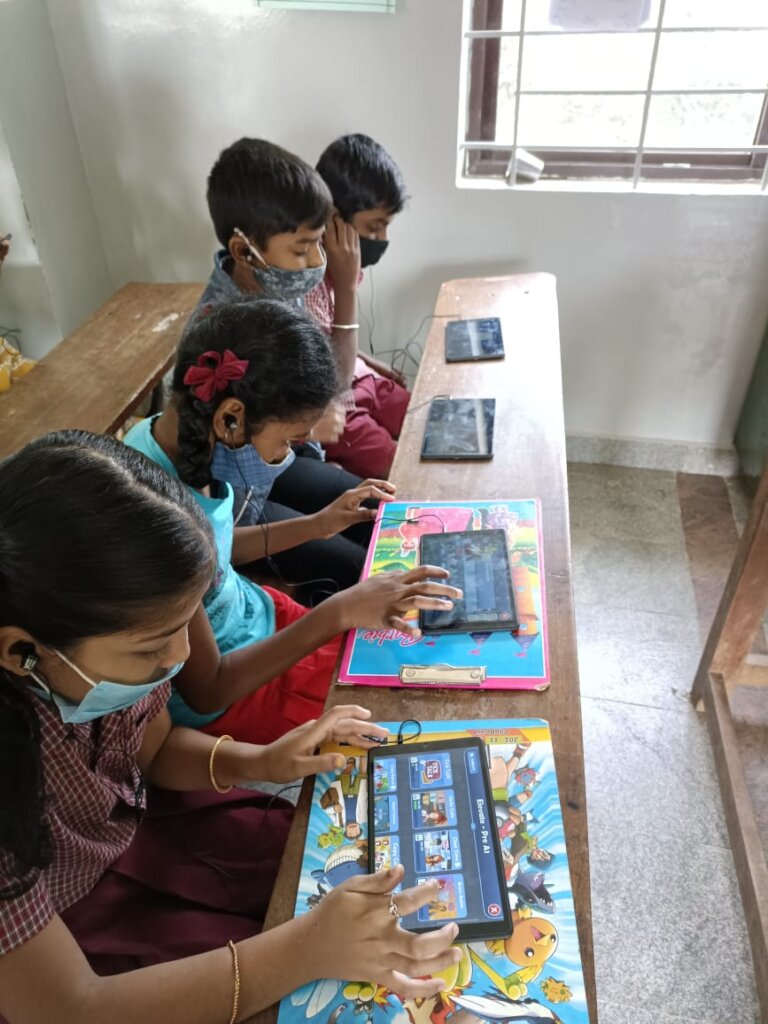
- Listening: 66.56% of students showed improvement, with the highest gains in Grades 1 and 2. The program’s tablet-based learning component yielded positive listening score changes, especially among students in Grades 4 and 5.
- Reading: Positive changes were observed in 59.78% of students, with younger students benefiting the most. Older students in Grades 5 to 7 experienced a plateau in reading gains.
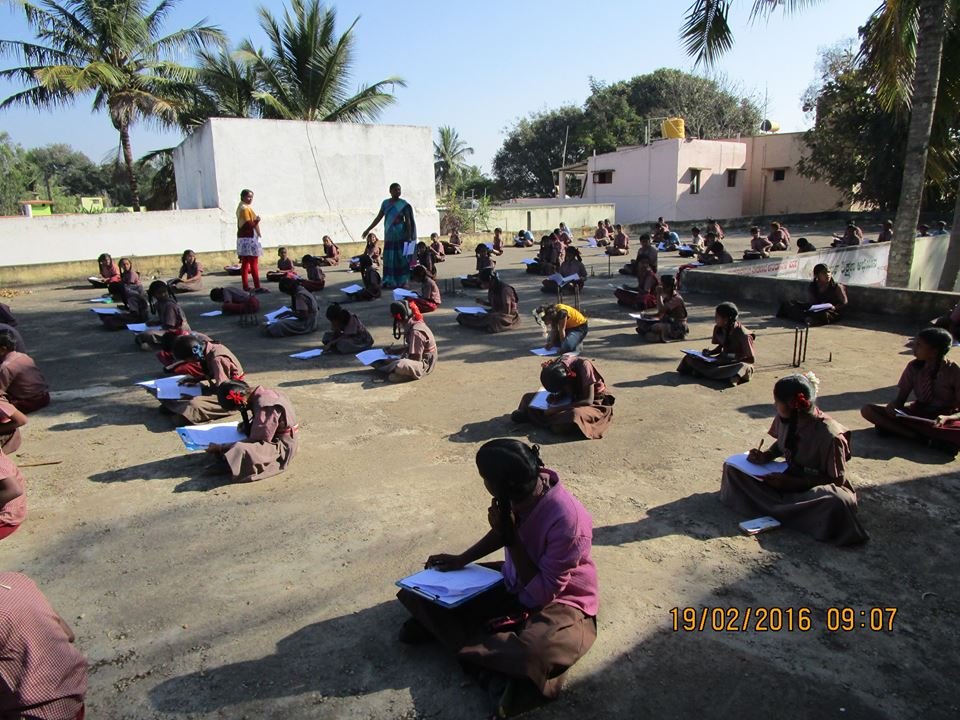
- Writing: Over 63% of students improved their writing scores, and students using the tablet-based learning tool exhibited greater gains compared to their non-tablet counterparts.
- Speaking: All grades showed improvement in speaking skills, with Grades 1 and 2 exhibiting the largest increases. Tablet-based learning had a moderate impact, especially in facilitating high and moderate positive changes in speaking scores among Grade 4 students.
2. Teacher-centric outcomes:
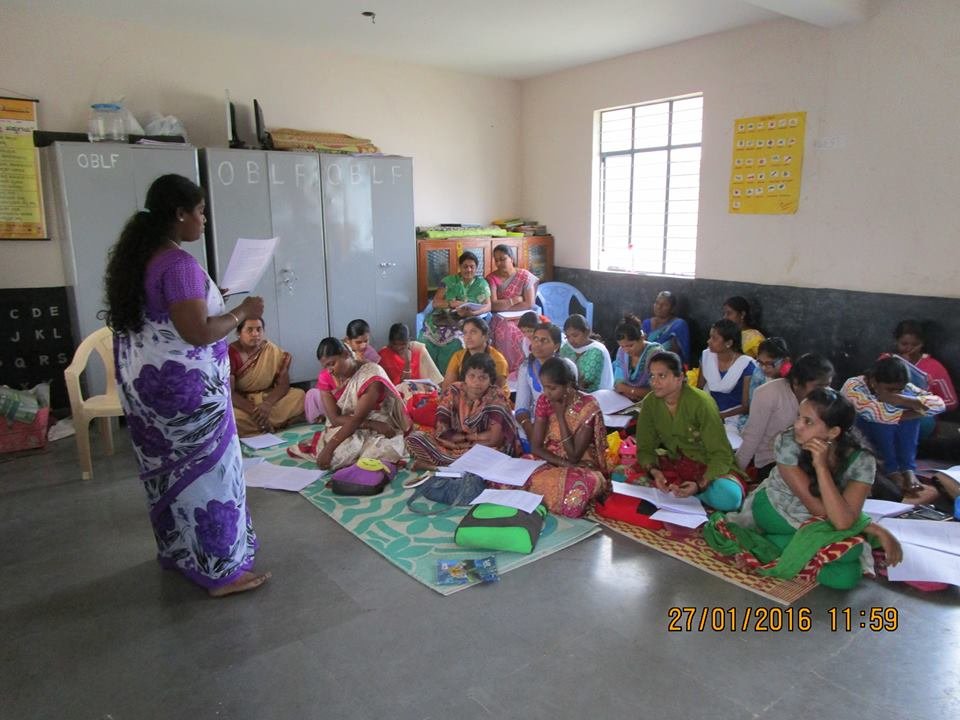
- Teacher Proficiency and Pedagogy: The program showed notable increases in English language proficiency levels and pedagogical skills among the teachers. Teachers at higher CEFR levels (B2) promoted consistent moderate gains in students, while those at lower CEFR levels (A1, A2) were more effective in foundational skill building.
- Impact of Pedagogical Scores: Teachers with higher pedagogy scores correlated with improved student outcomes, particularly in reading and writing.
3. Ed-Tech related outcomes:
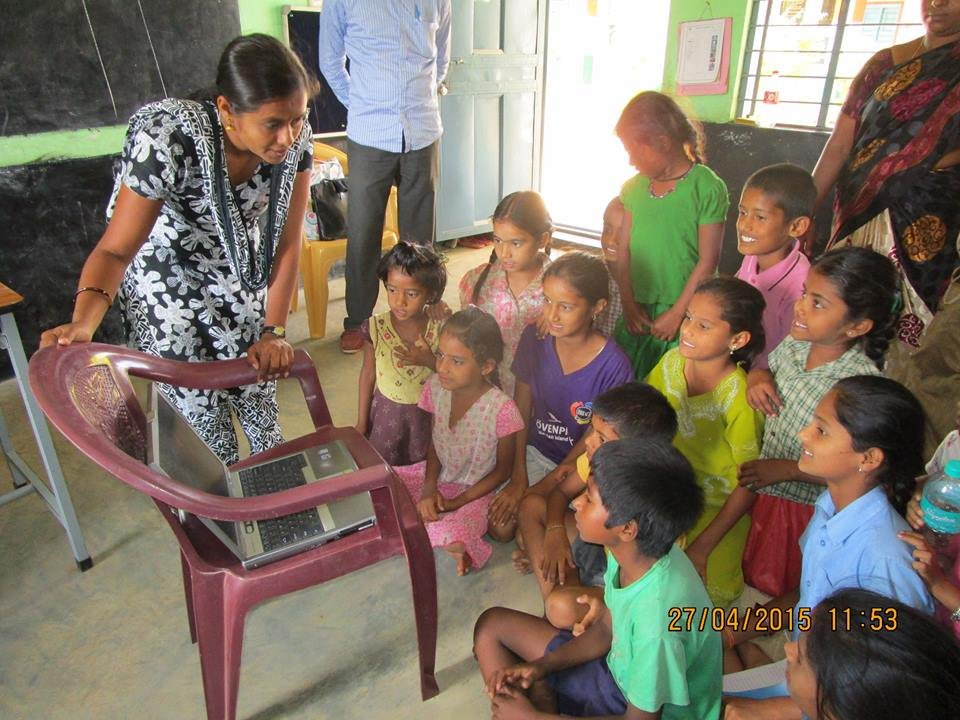
- Listening Skills: The tablet-based learning intervention significantly supported improvements in listening skills, especially among students in Grades 4 and 5. The data showed that 59% of students using tablets demonstrated positive changes in listening scores, compared to 50.68% of non-tablet students.
- Reading Skills: Positive trends were observed in reading, particularly for younger students. In Grade 5, for example, 8.19% of tablet-based students achieved high positive changes in reading scores compared to only 5.5% of non-tablet students.
- Writing Skills: Writing skills were also improved because of tablet-based learning. More than 63% of students overall showed improvements in writing scores, with a marked advantage among those using tablets.
- Speaking Skills: Tablet-based learning had a notable impact on speaking skills as well, with Grade 4 students in the program achieving a higher frequency of moderate and high positive changes compared to non-tablet students.
The study underscores the potential of community-based educational programs in improving
foundational English proficiency in government school settings, highlighting areas for further
improvement in teacher training and digital learning integration.
Case Study
Lakshmi's Journey to Proficiency and Confidence
Lakshmi exemplifies that language proficiency extends beyond excelling in standardized tests; it encompasses one's attitude towards learning and engagement with the language. Despite her limited vocabulary, Lakshmi stands out as the most enthusiastic participant in our training programs. She expresses herself confidently in Kannada and proactively seeks assistance by asking for translations of common phrases from her trainer.
A Journey from Shyness to Active Participation
When Lakshmi first joined the program, she was very shy, quiet, and non-participative. She struggled to string together even a single sentence in English, which left her feeling disheartened, especially as she observed her batchmates progressing while she did not. Her initial attempts to engage in the training sessions were met with poor testing results, which further demotivated her. This lack of progress made her feel inadequate and increasingly isolated.
Personalized Approach and Renewed Motivation
Recognizing her struggle, Lakshmi's trainer took a proactive approach. Together, they formulated personalized goals and dedicated work time that moved beyond the constraints of testing levels and competencies. They shifted the focus to her interests and keen desire to learn. Lakshmi utilized various resources to support her learning, including audio materials, books for home reading, materials from the Learning Management System (LMS), and curriculum lesson plans. These tools allowed her to practice and improve over time, aligning learning activities with her interests and natural curiosity.
Embracing New Opportunities and Achieving Success
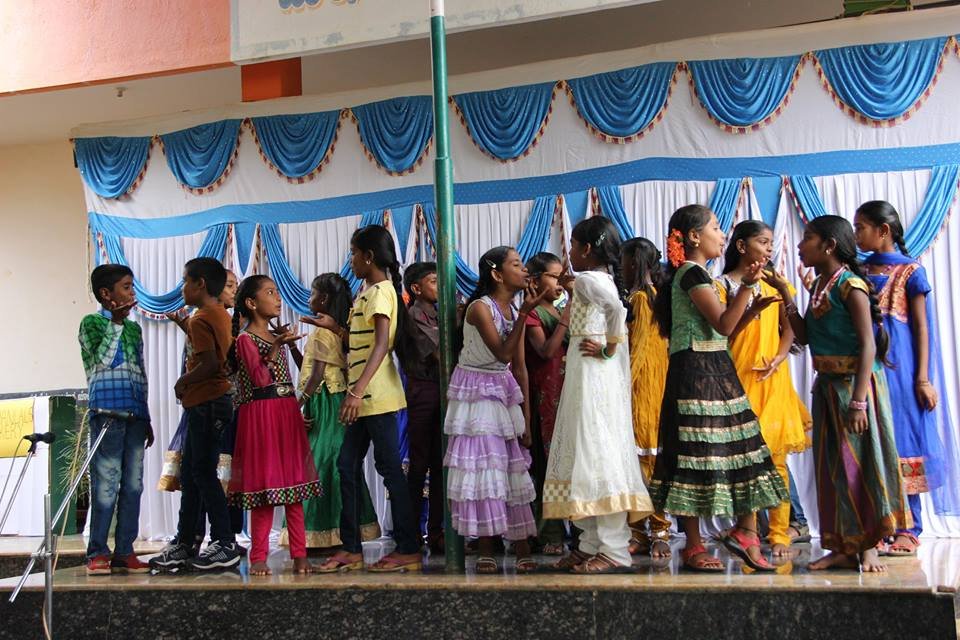
With the individualized support and the latest iteration of the English Learning Program (ELP), which emphasizes voluntary reading, Lakshmi has successfully advanced her proficiency level. Her newfound confidence is evident in her dedication to completing training assignments, sharing her reading journey, and actively participating in skits designed to demonstrate language concepts. She consistently seeks feedback on her teaching methods and diligently implements suggestions in her classroom.
Her progress is not just limited to her academic achievements; it is also reflected in her overall demeanor and engagement with the community. Her enthusiasm in training sessions, willingness to participate, and proactive approach to seeking help have made a significant difference. Since joining OBLF in 2017, she has maintained her determination to master the English language and prove her capabilities as a language teacher. Her perseverance and commitment make her an invaluable asset to our teacher community.
Links:
Attachments:
![Share on Twitter]()
![Share on Facebook]()