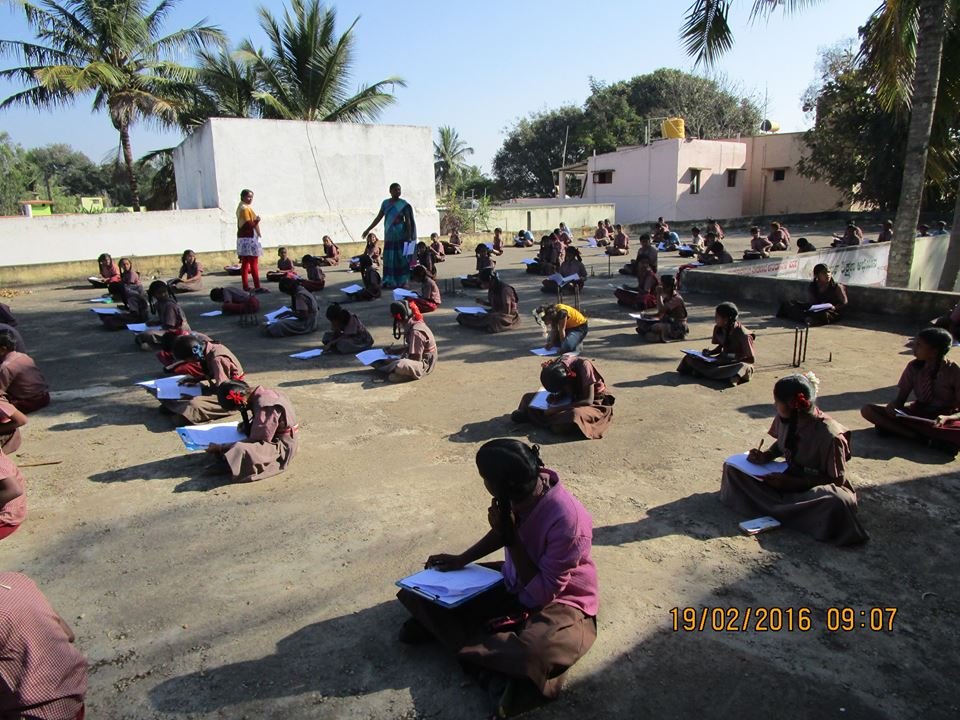
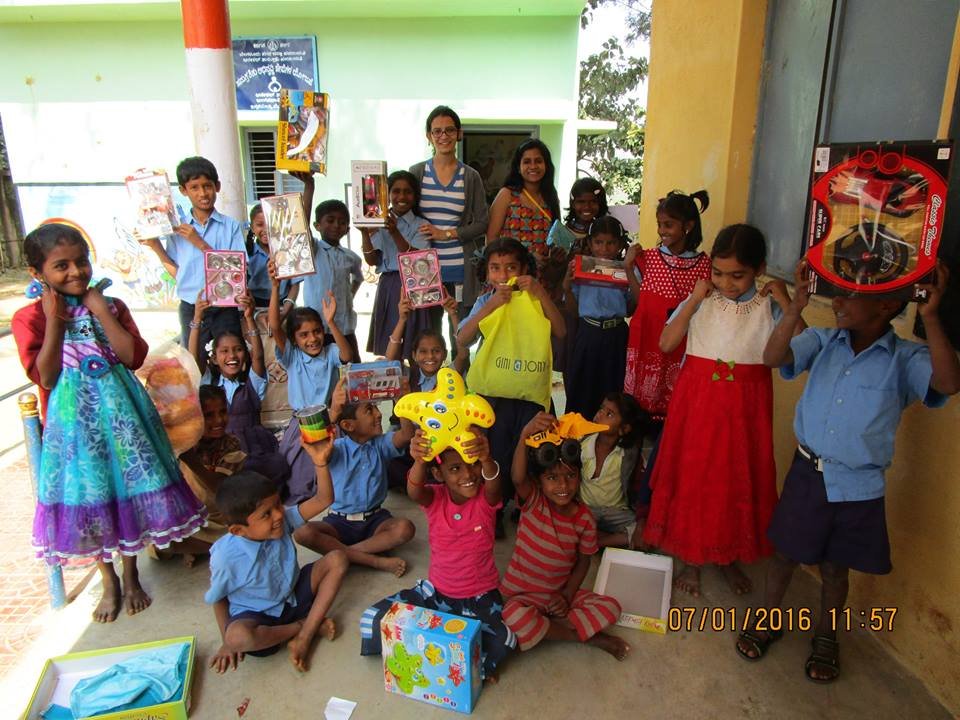
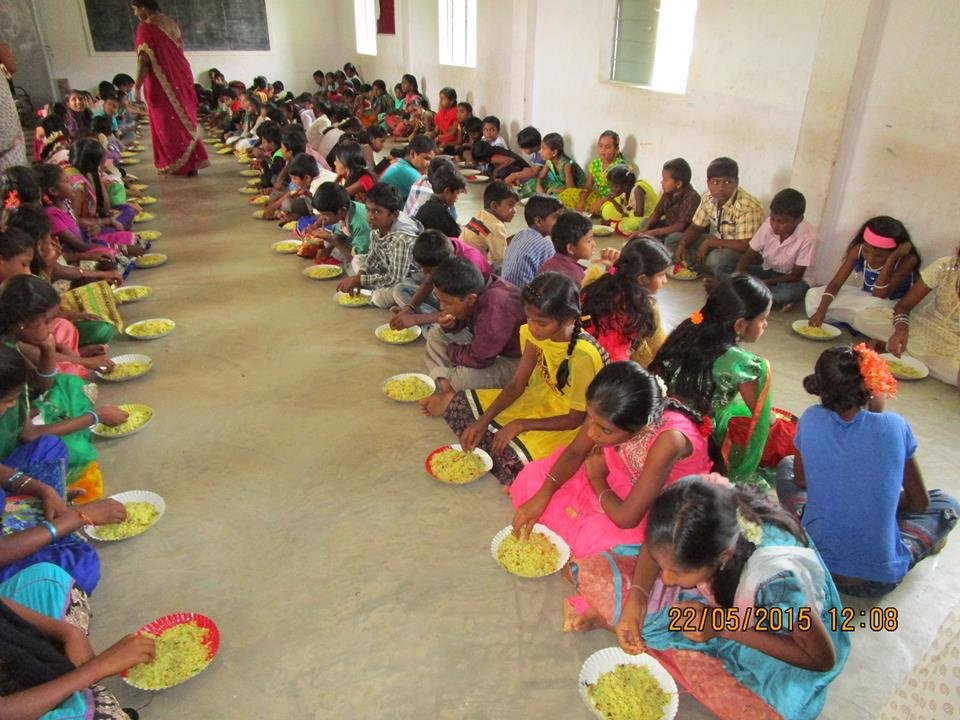
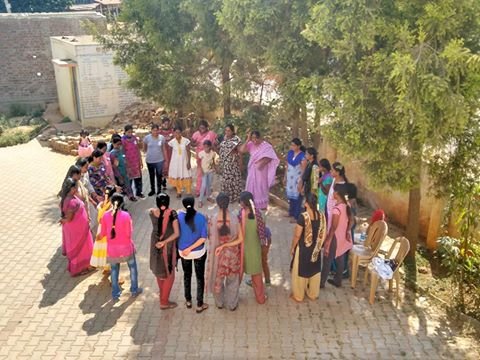
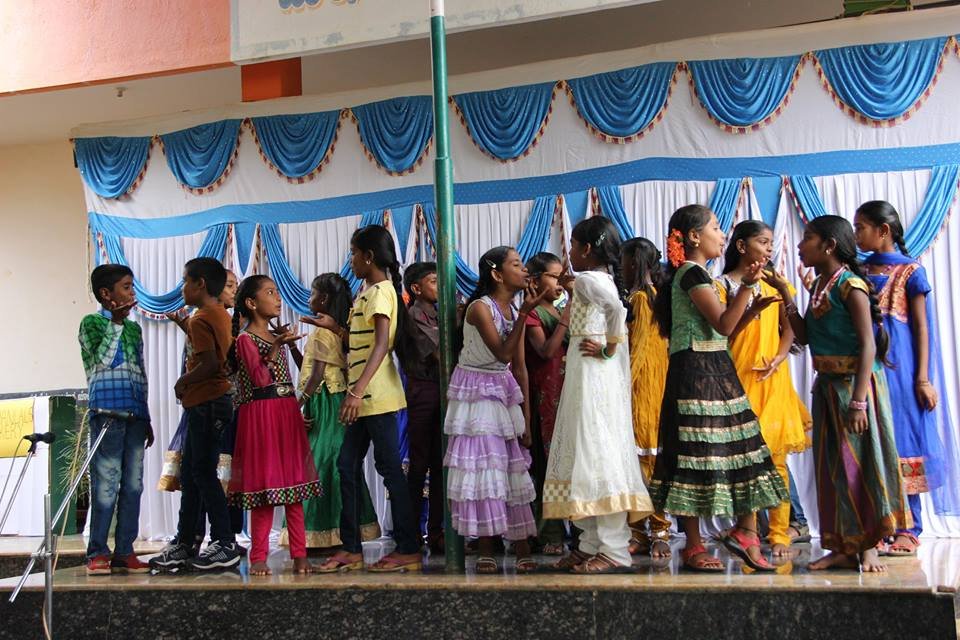
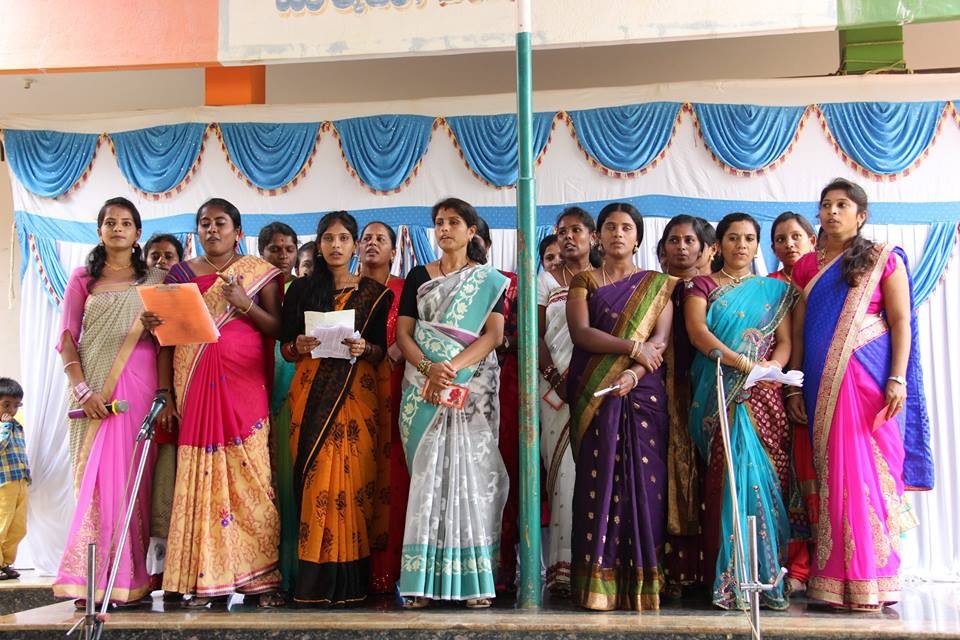
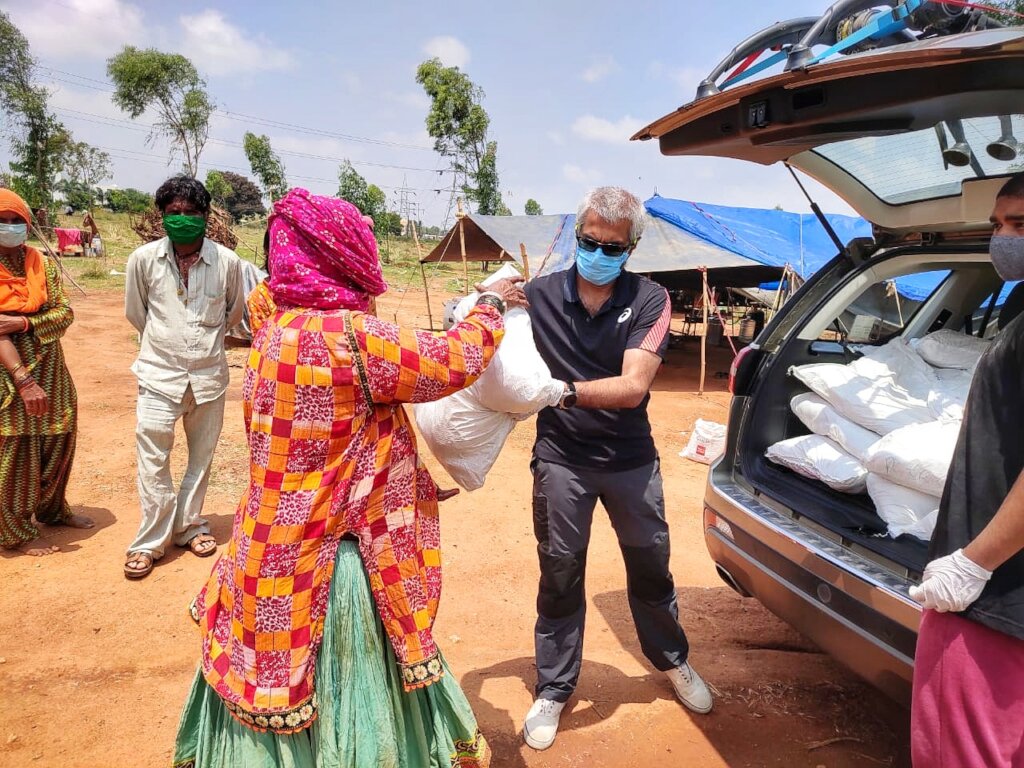
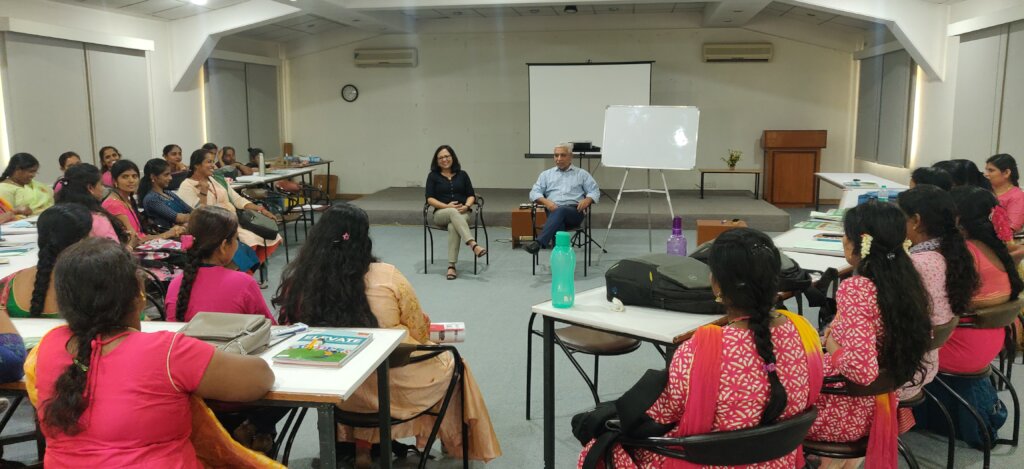
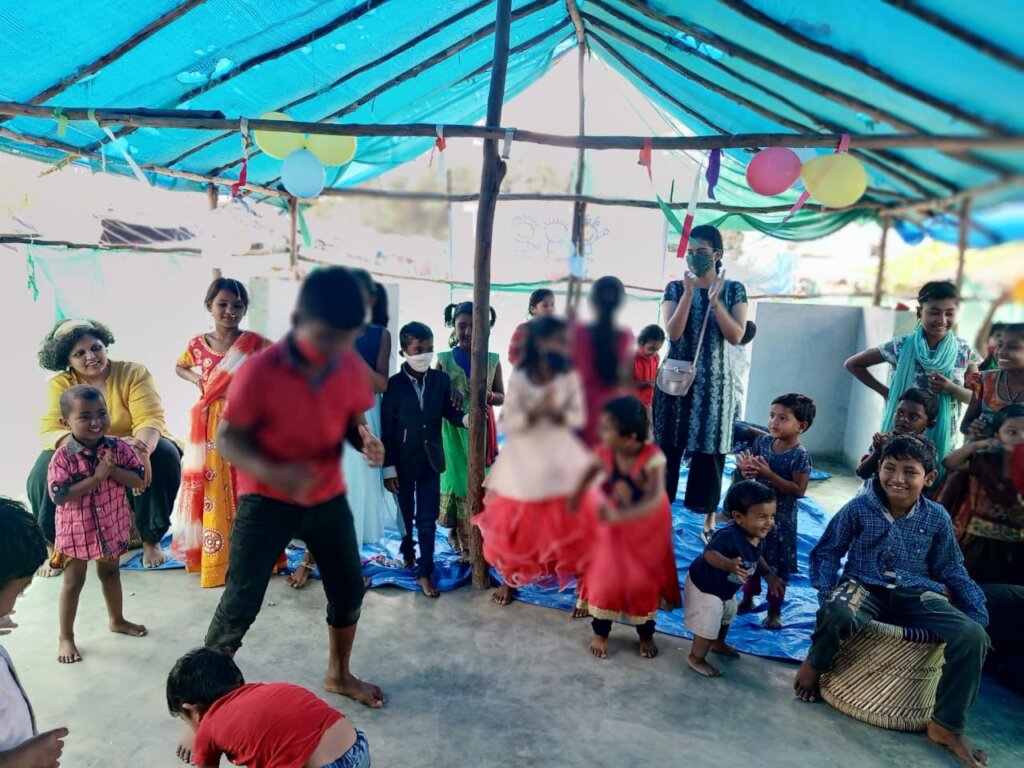
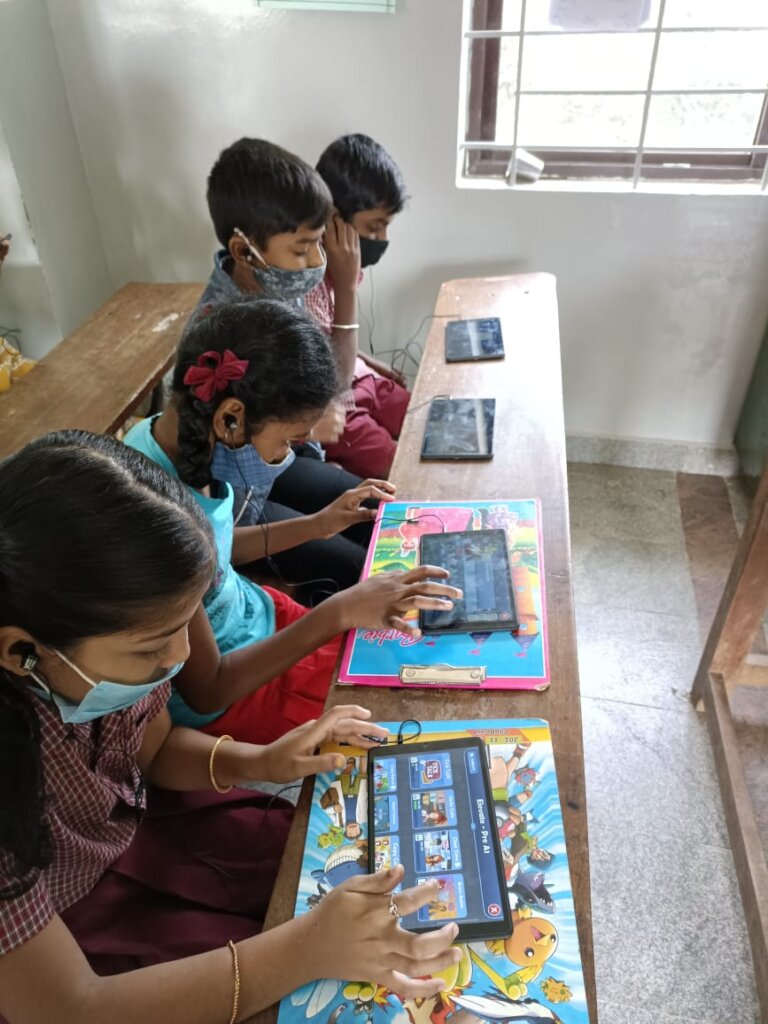
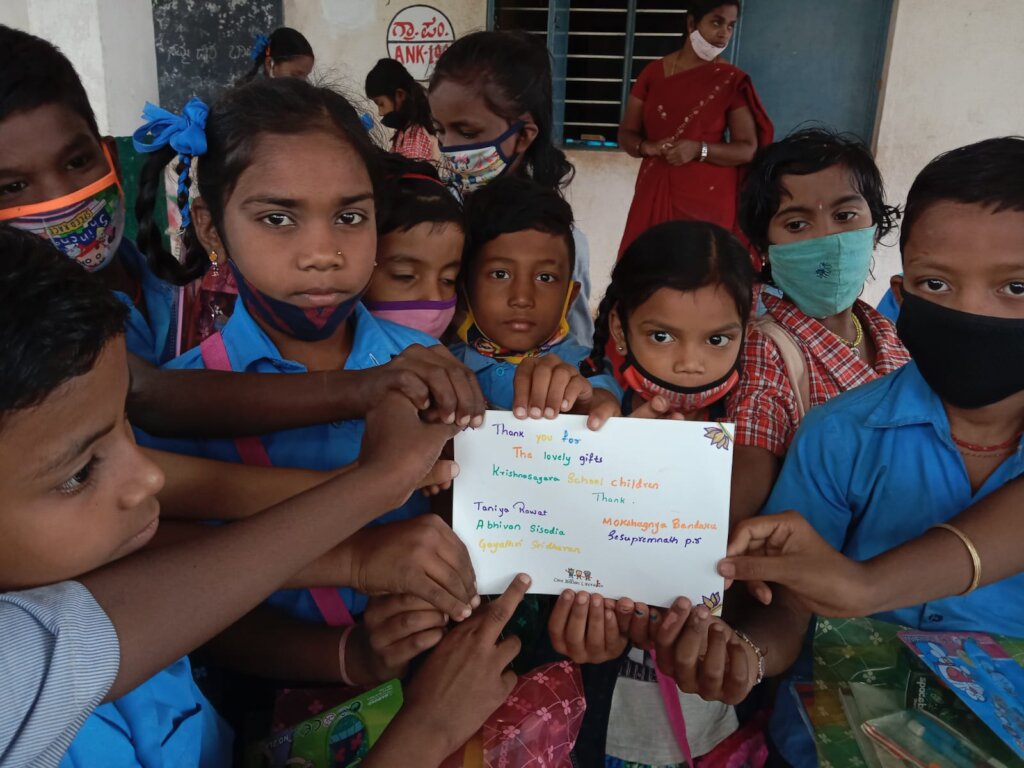
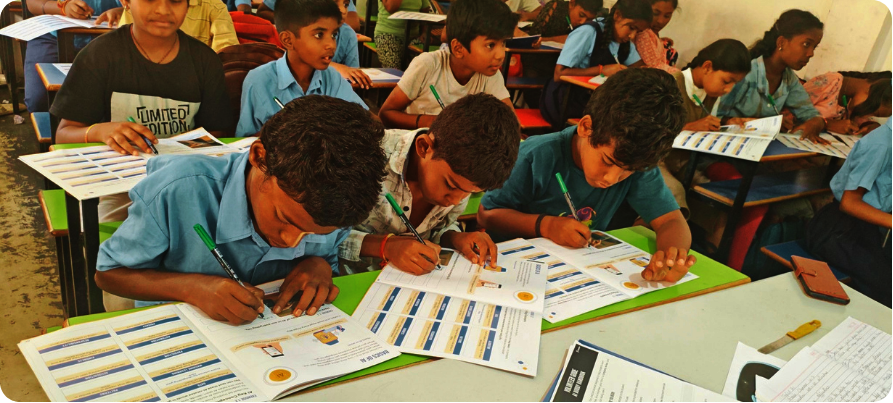
![Children during a mental wellbeing session]()
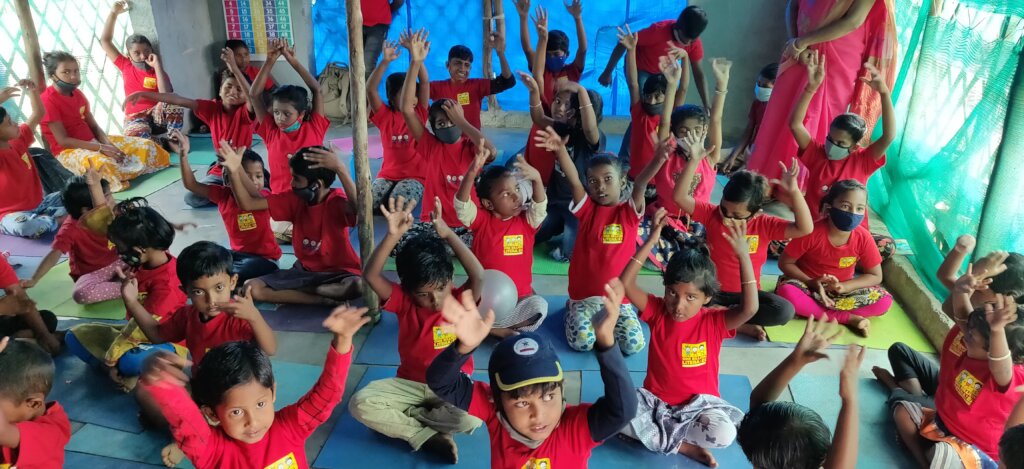
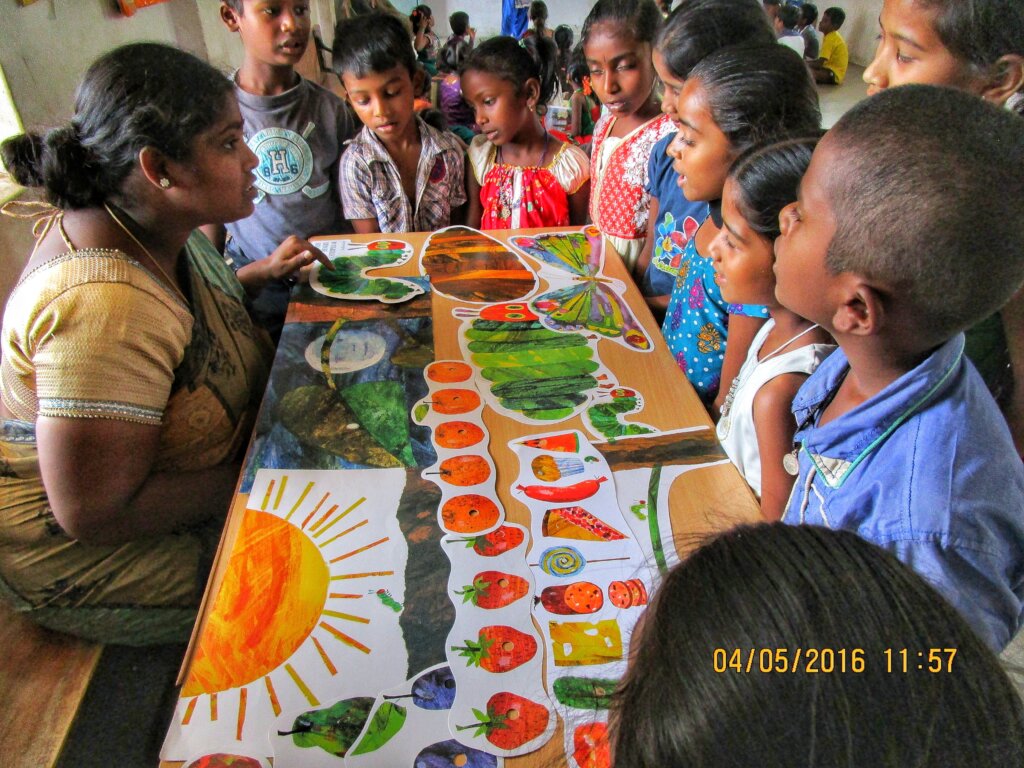
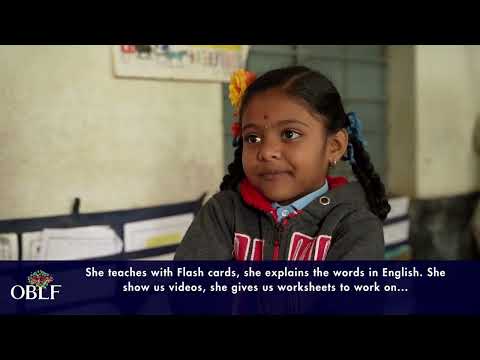
Children during a mental wellbeing session
Education
Annual Report - 2025-26
Submitted by
One Billion Lives Foundation
Executive Summary
- The One Billion Lives Foundation (OBLF), through its Education Program, aims to improve English learning outcomes in government schools across Anekal, Bengaluru and aspirational districts of Yadgiar and Raichur in north eastern Karnataka, by deploying trained teachers and enabling engaging, high-quality classroom instruction. The program focuses on addressing learning gaps in English while also empowering local women as teachers. During the year, the program reached 135+ government schools, benefiting over 4,000 students and deploying 130+ teachers. A key achievement was the improvement in students’ English skills. Assessment results showed that overall scores increased significantly from 16.9% at base line to 43.7% at end line, with a progress across listening, speaking, reading, and writing skills.
OBLF also invested in teacher development, with 130+ teachers completing over 340 hours of training, leading to more effective and engaging classroom practices. In addition, supervisors were trained to better support teachers and strengthen program implementation. A new initiative - School Health and Wellbeing was rolled out, reaching 5,700+ students, which improved awareness of mental health and healthy habits. A pre and post test showed a clear improvement in knowledge, with average scores increasing from 36.4% to 54.9%.
Efforts to strengthen community engagement included enrolment drives and parent teacher meetings. These community level initiatives helped increase student enrolment, improve attendance, and build trust in government schools. The program also promoted women’s empowerment through financial literacy sessions, enabling women to improve savings habits and make informed financial decisions.
Overall, the program has shown improvements in student learning, teacher capacity, and community participation. It determines that a combined approach of quality teaching, continuous training, and community involvement can lead to meaningful and sustainable improvements in education.
Looking ahead, OBLF aims to deepen its impact by strengthening teacher support, expanding reach, improving monitoring systems, and continuing to focus on holistic student development.
Why English teaching?
Government schools in rural and peri-urban areas face persistent challenges in strengthening English language proficiency due to limited exposure to the language, diverse learning levels, and large classroom sizes. Many schools also experience teacher shortages and delays in recruitment, which further limit consistent instructional support for students. Seasonal disruptions such as examinations, festivals, and holidays further affect instructional continuity. Teachers often require sustained support to translate training into effective classroom practices, while students need consistent, engaging opportunities to build confidence in listening, speaking, reading, and writing (LSRW) skills. Therefore, the program aims at addressing critical English learning gaps in government schools in Anekal, Bengaluru. The following data highlights the need to addressing foundational learning gaps.
- While 98%+ children are in school, 50% remain below grade-level benchmarks in reading and arithmetic.
- Despite 98%+ school enrollment, over 64–75% of children in Karnataka are below grade-level proficiency in reading by Std III–VIII
Project Goal: To transform rural education by empowering women teachers, improving English proficiency, and motivating children to pursue continued learning for a brighter future.
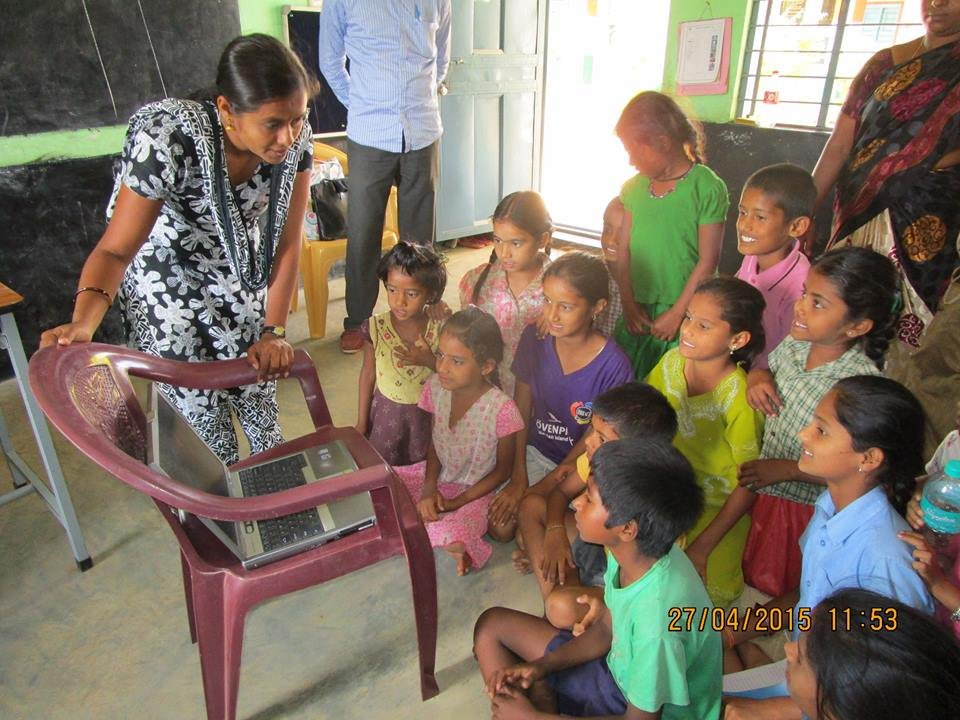
At One Billion Lives Foundation (OBLF), we believe education can transform lives. Elevate addresses the persistent learning gaps in rural and peri-urban government schools by providing English literacy through an activity-based, interactive methodology. By combining child-centred learning with digital tools and assessment-driven approach, the program ensures that children learn at their own pace and build strong skills in reading, writing, listening, and speaking. The program also empowers local women by training and employing them as educators, creating a dual impact of better student outcomes and women’s economic independence.
Key Highlights of the program:
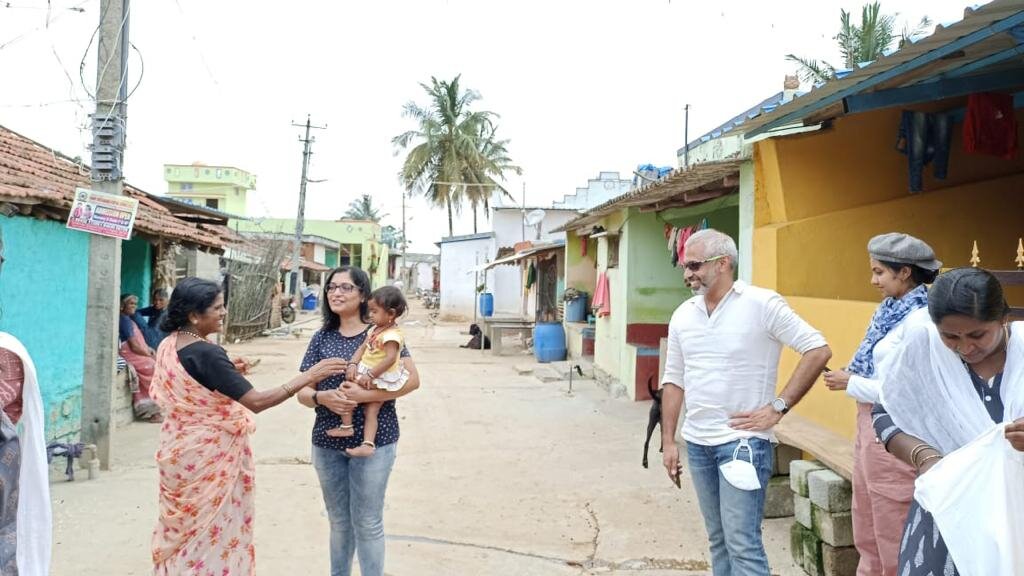
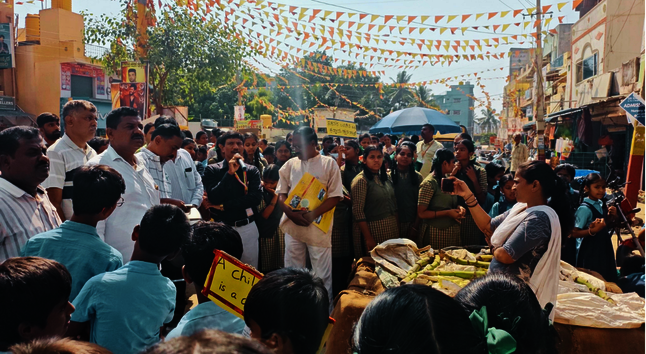
- Strengthening government school enrollment: An enrollment drive initiated by One Billion Lives Foundation (OBLF) aimed at strengthening access to government education through a proactive and community driven effort to support enrollment of children in government schools. This initiative has mobilised nearly 2,000 stakeholders, including 1,500 students, 200 parents with active participation from teachers and School Development and Monitoring Committee (SDMC) members. Through a combination of door-to-door outreach, parent counselling sessions, awareness campaigns, and alumni engagement, the drive has increased community awareness, improved perceptions of government schools, and facilitated the identification and re-enrollment of out of school children. By strengthening collaboration between schools and communities and developing locally resonant campaigns, the initiative is laying a foundation for increased enrollment, retention, and long term trust in the public education system.
- Improvement in foundational English proficiency: An end line assessment for program Elevate was conducted across the same cohort of government schools, covering 4,411 students from Grades 1 to 7 who participated in both baseline and end line evaluations. The assessment measured student performance across the four key English language skills: Listening, Speaking, Reading, and Writing (LSRW), to evaluate the progress and improvement in learning outcomes. The results revealed gains across all LSRW skills compared to baseline levels. While baseline performance reflected significant learning gaps, with an overall average of 16.93%, the end line demonstrates meaningful progress with an overall average of 43.7% across both receptive and productive skills. The most notable progress is seen listening rising from 30.3% in baseline to 70.4% in end line (40.1% increase).
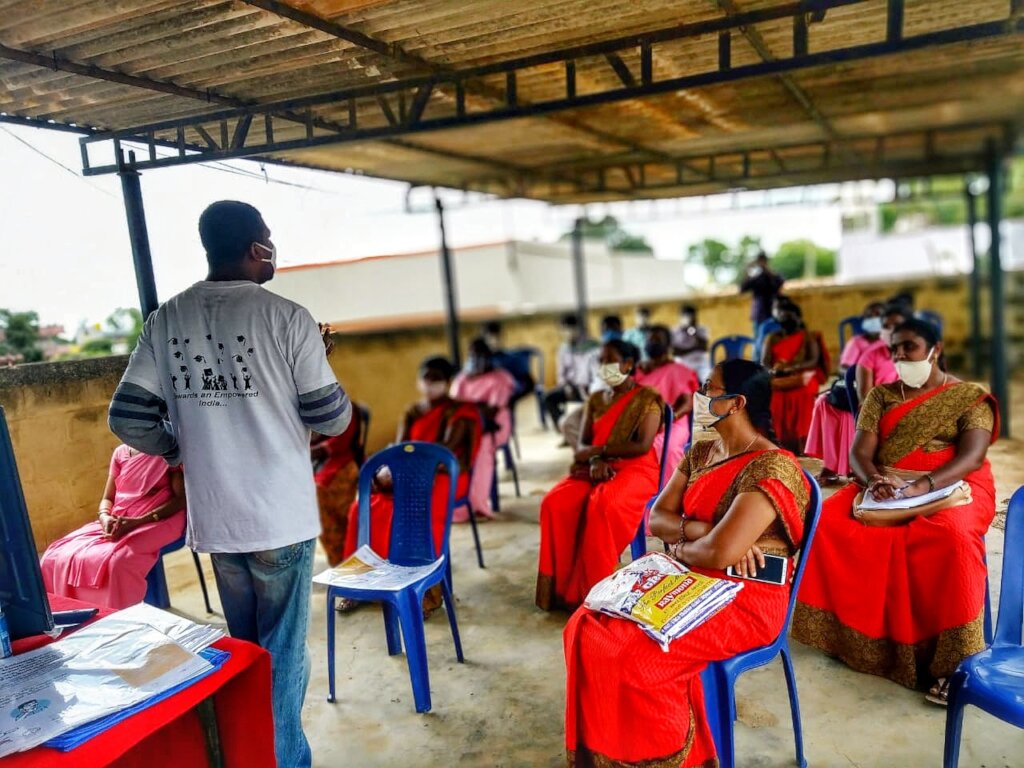
- Teacher Capacity Building: Throughout the year, OBLF consistently invested in training local community educators, strengthening their knowledge, pedagogical skills, and classroom practices. This continuous capacity-building effort has enabled educators to deliver more effective, engaging, and high-quality English learning sessions, ultimately improving student learning outcomes in government schools. 130+ teachers completed over 340 hours of professional development training, covering key areas such as English Language Teaching, National Education Policy (NEP), National Initiative for Proficiency in Reading with Understanding and Numeracy (NIPUN) Bharat, and National Curriculum Framework (NCF) frameworks.
- School Health and Wellbeing (New Initiative): The NCD Monitoring Survey (2017–18) found significant risk behaviors among adolescents, including physical inactivity, unhealthy diet, and overweight/obesity, highlighting early emergence of NCD risks in school-age populations in India. While adult awareness on NCDs has improved, it is important that preventive habits must begin with children early in life, leading to the introduction of the school health and well being program. It was introduced through school sessions on general health and mental well being. The sessions were conducted at the government school, focusing on body and self-awareness, emotional regulation, and simple calming techniques among 5,700 students (Grades 1–7) across 103 schools. A pre and post test showed a clear improvement in knowledge, with average scores increasing from 36.4% to 54.9% . The sessions also encouraged open conversations about emotions and self-care, with many children also sharing health messages at home.
- Promoting parental engagement in school education: An effort was made to strengthen school community relationships through Parent Teacher Meetings (PTMs). Rolled out across 71 schools, with four PTMs supported per school, the initiative engaged over 600 parents and ensured active teacher participation. Through targeted teacher training, trust-building with headmasters, and well-designed engagement activities, the programme improved parental participation, communication between schools and families, and deepened awareness of children’s learning progress. By positioning PTMs as a platform for collaboration and dialogue, the initiative has strengthened community ownership of education.
- Empowering women through financial knowledge: OBLF in partnership with Svatha Foundation, delivered financial literacy sessions aimed at empowering women with essential financial management skills. The initiative engaged 147 women, supported by follow-up sessions to reinforce learning and enable behaviour change. Through interactive workshops covering budgeting, savings, investments, and financial decision-making, these designed sessions led to improvements in financial practices with most notably a shift towards a savings-first mindset, and increased ability among women to make independent financial decisions. Backed by strong partner collaboration and contextualised content, the initiative has contributed to building a pathway towards greater financial inclusion among women.
Following is the key metrics from the program providing coverage numbers and overall outcome indicators:
Indicator Number
Total schools reached 135
No. of teachers deployed 139
No. of students benefited 4000+
Training sessions conducted for teachers 70
No. of training hours delivered to teachers 340
No. of learning sessions delivered to students 1,00,000
Program activities conducted in FY 2025-26
Base line & end line assessment: A base & end line assessment for the program was conducted across the government schools in Anekal for 4000+ students from Grades 1 to 7. The assessment aimed at measuring student performance across the four key English language skills - LSRW, to evaluate the progress and improvement in learning outcomes. The results indicate improvement in English proficiency, with an overall average score of 43.7%, compared to 16.9% at baseline, reflecting a gain of +26.8 %. Students performed strongest in Listening (70.4%), followed by Speaking (46.4%), Writing (38. 4%), and Reading (32.8%). This represents the growth across all four skills, particularly in productive skills, which were weakest at baseline. Performance across grades shows improved consistency and progression, with all grades demonstrating higher competency levels compared to baseline.
Avg Baseline Score - 16.9%
Avg Endline Score - 43.7%
Average Improvement - +26.8%
End line average scores are substantially higher than baseline (BL) scores, indicating meaningful learning gains. Listening demonstrates the greatest improvement, rising from 30.3% to 70.4% (40.1% increase), followed by Speaking, which improves from 12.5% to 46.4% (33.9% gain). Writing also shows strong progress, increasing from 9.3% to 38.4% (29.1% gain). Although Reading records the smallest improvement, it still grows from 21.6% to 32.8% (11.3% increase).
- School health and wellbeing (New initiative): This initiative was conducted in 103 schools for students from Grades 1 to 7 during the 2024–25 academic year, reaching over 5,700 students. A ten question assessment was used to measure students’ understanding of mental health before and after the sessions. The results show a clear improvement in knowledge, with the average score increasing from 3.64 to 5.49 out of 10, an improvement of 18.5 %. The proportion of students scoring 5 or more nearly doubled from 36% to 68%, indicating better awareness and understanding. Additionally, the number of students achieving full marks increased from 18 to 258, showing a significant rise in strong comprehension of mental health concepts. Overall, the program helped improve students’ awareness and understanding of mental health in participating schools.
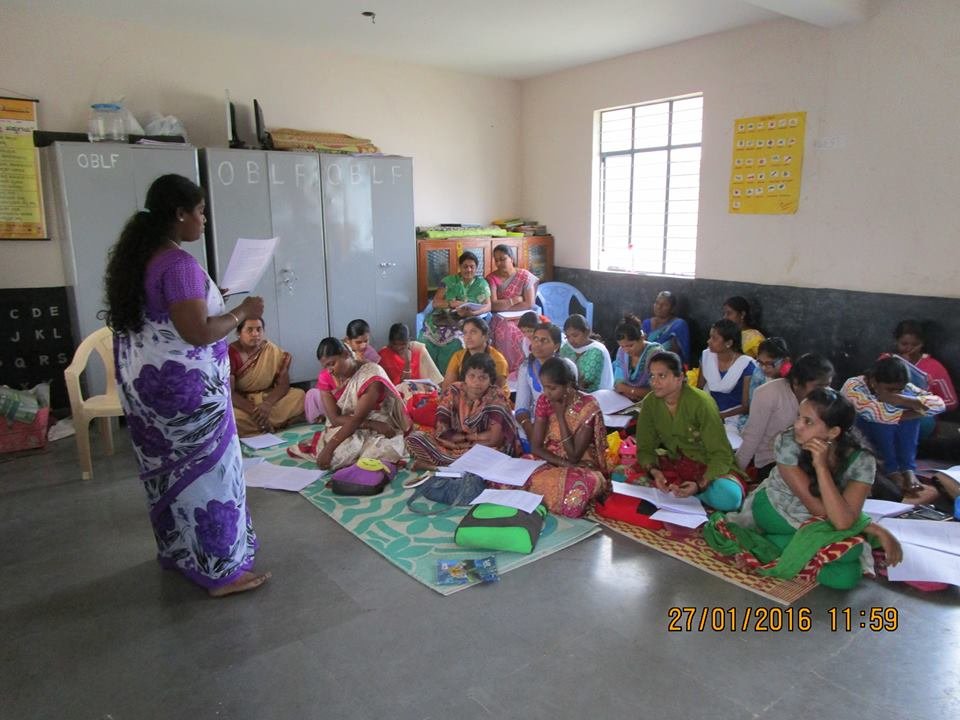
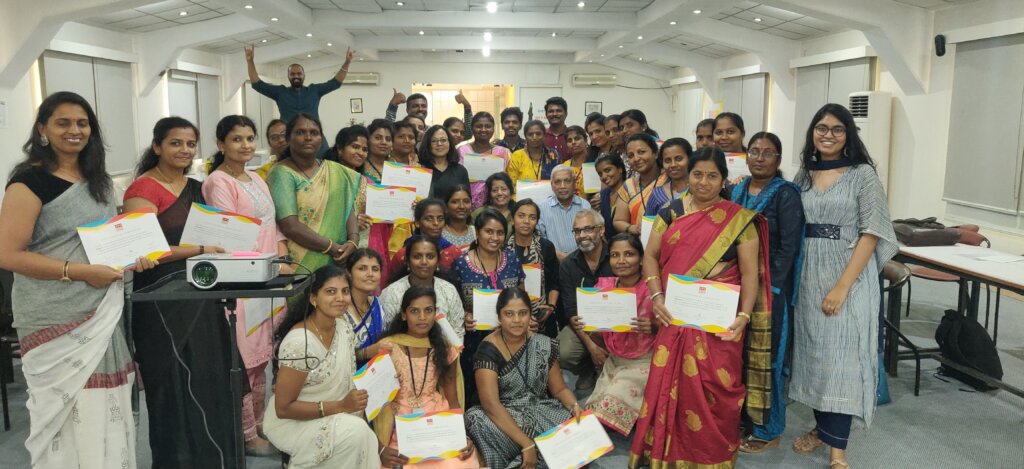
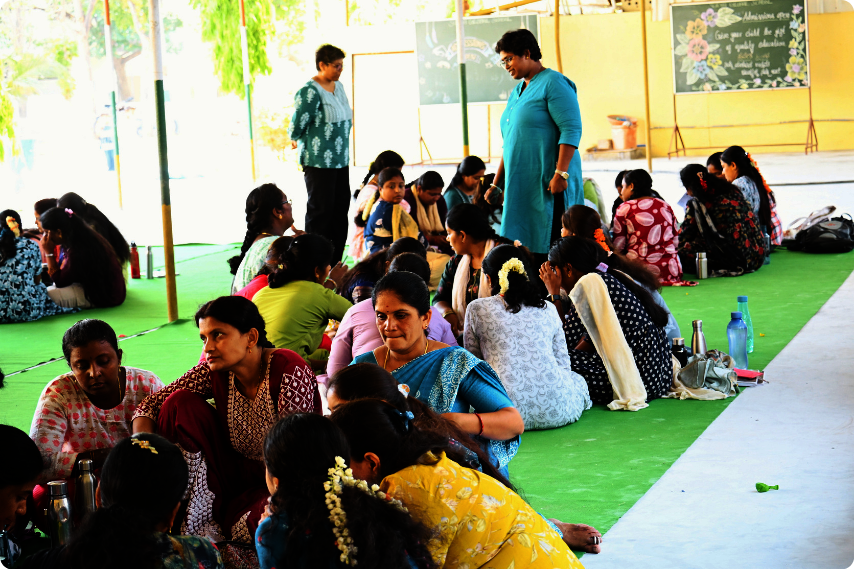
- Teacher capacity building: A comprehensive teacher training programme aimed at strengthening the capacity of local community educators and enhancing the quality of classroom instruction. Over 130 teachers have completed more than 340 hours of professional development training, strengthening their skills and improving classroom effectiveness.Teachers continuous professional development covering key areas such as English language teaching, foundational literacy and numeracy, and alignment with national frameworks including NEP, NIPUN Bharat, and NCF. The training approach combined regular workshops, on-ground support, and practical classroom integration, enabling teachers to adopt more engaging, child-centric, and competency-based teaching practices. In addition to academic inputs, teachers were also equipped with skills in student engagement, assessment, and community interaction. This sustained investment in teacher development has significantly improved teaching effectiveness, leading to more interactive learning environments and better student learning outcomes in government schools.
- Strengthening supervisor capacity: A comprehensive capacity-building sessions were delivered to supervisors, recognising their critical role as a bridge between schools, teachers, and community stakeholders. A total of 13 training sessions were provided focusing on government education structure, understanding teacher stress, burnout prevention and significance of non-curricular activities. The sessions strengthened supervisors leadership and teacher mentoring capabilities, and built competencies in stakeholder engagement, community mobilisation, and programme implementation. Exposure to areas such as mental health, technology integration, and large-scale event facilitation further enriched their practical skills. As a result, supervisors are now better equipped to support teachers, drive school-level improvements, and ensure effective delivery of programme interventions, contributing to improved educational outcomes and stronger community engagement.
- Promoting holistic student development through extra curricular engagement: During the academic year 2025–26, OBLF facilitated a diverse range of extra curricular activities across schools, providing enriching learning experiences beyond the classroom. Teachers actively engaged in national celebrations such as Independence Day and Republic Day, as well as initiatives like pratibha karanji, kalika habba, and bagless Days. The bagless days offer students a stress-free and engaging environment through activities focused on communication skills, creative expression, life skills, and experiential learning. Programmes like Pratibha Karanji and Kalika Habba provided platforms for students to showcase their talents, build confidence, and strengthen communication and presentation skills. Through consistent participation and facilitation of these activities, teachers developed stronger relationships with school stakeholders while contributing to a more inclusive, joyful, and holistic school environment that supports the overall development of students.
Program Outcome
4,411 students showed a +26.77 percentage point increase in overall language scores (LSRW) ; 5,700+ students benefited from wellbeing sessions with an 18.5% improvement in mental health awareness scores. A total of 139 teachers have been strategically deployed to deliver high-quality English education across government schools.
Sustainability and Long-term Outcome Indicators:
The long-term sustainability of OBLF’s education initiatives is anchored in strengthening teacher capacity, deepening community engagement, and aligning programmes with the government education system to ensure lasting impact beyond the project period.
- Strengthening School Systems: Working across 135+ government schools, with 1,900+ stakeholders engaged through enrollment drives, the programme has built system linkages and community integration. This approach ensures that interventions are embedded within existing school ecosystems, and enables long-term sustainability.
- Building teacher capacity: Over 130 teachers have undergone 340 hours of continuous professional development, while supervisors have received 13 training sessions supportingteacher mentoring capabilities,built competencies in stakeholder engagement and community mobilisation. Developing a system for sustained improvement in teaching quality.
- Promoting foundational learning: With consistent classroom engagement reaching 4000+ students, the programme focuses on strengthening foundational literacy, numeracy, and English language skills, contributing to sustained improvements in learning outcomes.
- Community ownership & participation: Active engagement of 600+ parents through PTMs, 200+ parents in enrollment drives, and participation of 100+ SDMC members and has strengthened community ownership, ensuring continued support for student enrollment, attendance, and retention.
Way Forward:
In the coming year, OBLF will focus on strengthening and deepening its programmes to reach more schools and communities. The priority will be to improve foundational learning outcomes by continuing regular teacher training and classroom support. The Education program also aims at enhancing community engagement efforts, including enrollment drives for students and parent teacher meetings, to ensure higher student enrollment, attendance, and retention.
Efforts will be made to strengthen monitoring and follow up systems to track student progress and support at risk children. OBLF will continue to build strong partnerships with government stakeholders, schools, and community members to ensure alignment and sustainability. Additionally, there will be a greater focus on integrating life skills, extra curricular activities, and holistic development approaches to create a more engaging and supportive learning environment for students.
Overall, the way forward is to build on existing learnings, expand reach, and ensure that every child has access to quality education and meaningful learning opportunities.
Human Interest Stories
Shalini: A Catalyst of Joyful Learning and Community Engagement
At GLPS Bidaragere School, Shalini stands out for her dedication and creativity. She encourages her students to speak in English, creating a joyful and engaging classroom. During the Independence Day celebration, she took charge of all arrangements from managing the sound system to coordinating performances ensuring the event was a grand success. She also anchored the program with confidence, introducing herself and the OBLF program, while her students proudly performed songs and dances in English.
At GLPS Hompalagatta School, Shalini once again made a remarkable impact. She motivated the Headmistress to conduct a Parent-Teacher Meeting (PTM), prepared colorful invitations and a selfie board, and hosted the event beautifully. The program saw enthusiastic participation from parents, and the HM expressed deep appreciation for Shalini’s efforts.
Through her hard work and enthusiasm, Shalini has become a true role model, inspiring both students and teachers to believe in the power of education.
Kumitha a student in Grade 6 (excerpt from teacher experience)
She joined in December month 2024. When she joined she was very silent in my class and she was feeling very shy to talk with me and speak in my class. Whenever I asked questions she was silent.
Then I spoke with her like if you keep quiet you can't learn anything. If you have doubts or questions you can ask me and also if you don't understand you can feel free to ask me. Like that slowly I encouraged her and sometimes I explained in Kannada also to understand that, for reading I blend the sounds of letters to read properly .
Sometimes when she made mistakes while reading I used to correct her. Later she was trying to respond to my questions and started reading and answering. Then I made her group leader of one of the groups as she had gotten better. She was happy about that. Looking at that even I felt happy that this way it changed how she went from not participating at all to participating with interest.
Naveena – Rising with Confidence
Over the past three years, Naveena has grown from a dedicated teacher into a confident Peer Teacher through her journey with OBLF. In the beginning, she was hesitant to take initiative and often doubted her abilities. However, with continuous support, guidance, and opportunities to learn, she gradually built her confidence and discovered her potential.
She shares,
“OBLF helped me discover the eagle within me when I thought I was a hen that couldn’t fly.”
Today, Naveena not only teaches with confidence but also supports and motivates other teachers, taking on a leadership role within her school. Her journey reflects how the right support, consistent effort, and belief in oneself can transform individuals and help them grow into leaders.
Transforming Mayasandra GHPS Through Collaborative Support
In 2025, OBLF partnered with Mayasandra GHPS in response to a request from CRP Ms. Nazima and Headmistress Prema, who sought support to strengthen classroom learning. OBLF deployed a team of dedicated educators Lakshmi Devi (subject teacher), along with Shwetha and Shruthi (English teachers) who introduced engaging, student-friendly teaching methods that made lessons more accessible and enjoyable.
The Headmistress actively shared these positive changes with parents, highlighting how the new teaching approaches were making learning more meaningful and fun for students. This renewed confidence in the school led to the enrollment of over 20 new students, while several children who had previously dropped out returned to continue their education.
This collaboration between OBLF, school leadership, and the wider community has significantly revitalized the learning environment at Mayasandra GHPS. It stands as a strong example of how responsive partnerships and quality teaching can drive tangible improvements in student participation, retention, and overall learning outcomes.
A Young Voice of Change: Anwar’s Story
Anwar Singh studies in Grade 3 at Sompura Government School. Anwar always shares with his teacher that he really loves English and wants to learn to speak fluently. He is a curious child and prefers to learn when there’s equal amount of fun and play included in the lessons.
A library was set up through a corporate volunteer engagement program at Sompura school and the teacher decided to help Anwar prepare for a vote of thanks speech at the inauguration event. Anwar learnt his speech in less than an hour and delivered it with full confidence (Video Link: https://drive.google.com/file/d/1TcHIfvNxu-jAR57Xy48NAtWLYLvmJnCc/view?usp=sharing)
He enjoyed it so much that he decided to give another short speech about the importance of play based learning at a village panchayat meeting.
(Video link: https://drive.google.com/file/d/1RefzezalxDy79dqj9HQ54IdlxifHwa7D/view).
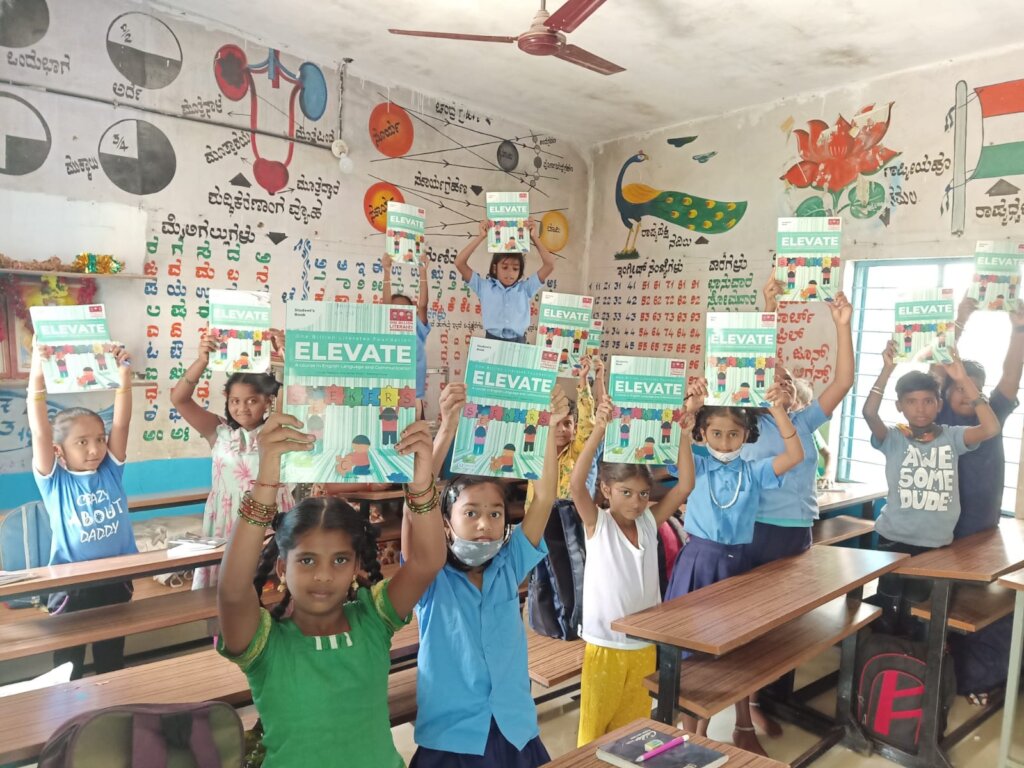
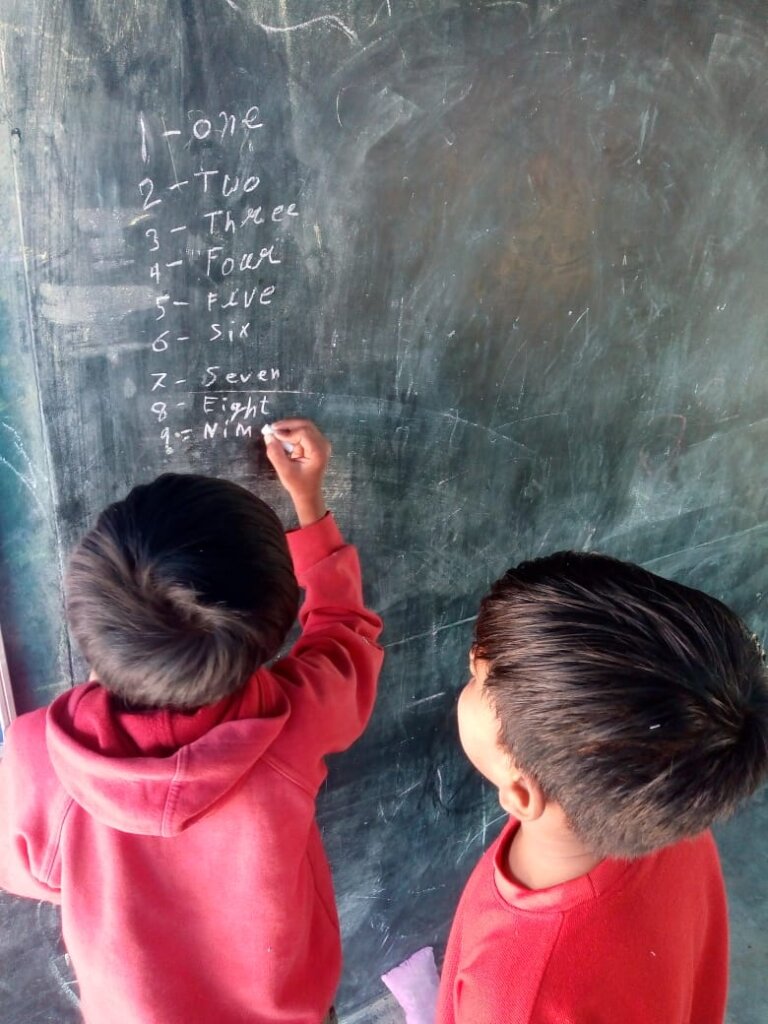
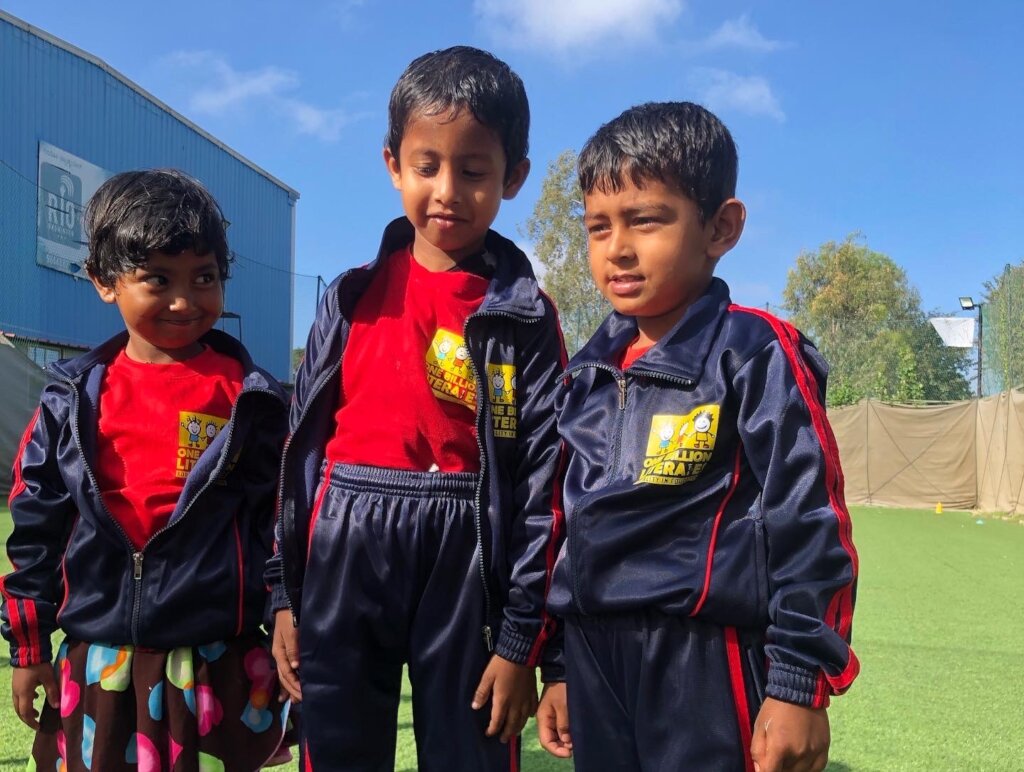
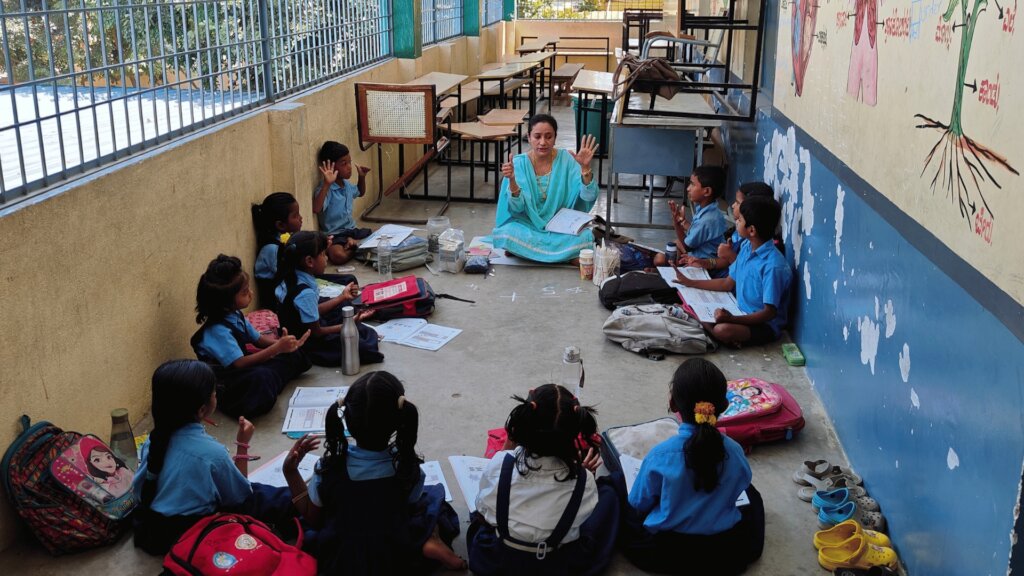
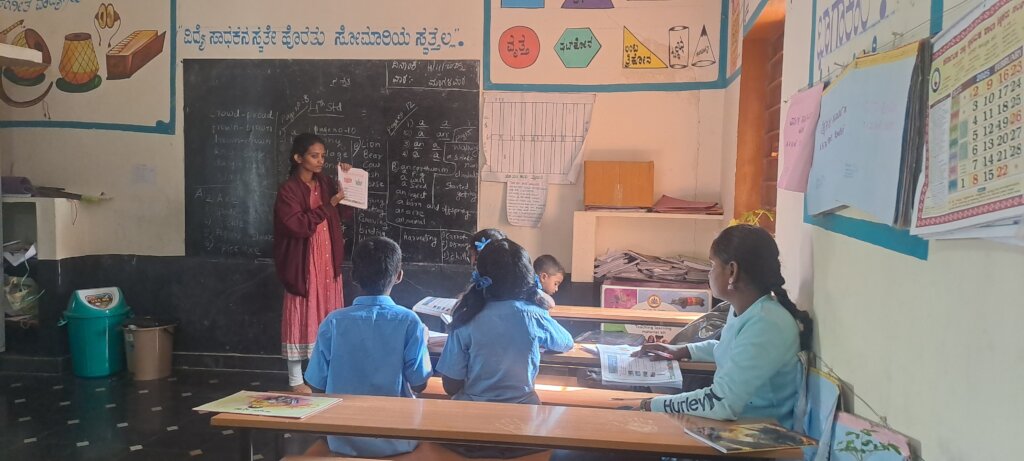
![Children during a English learning session]()
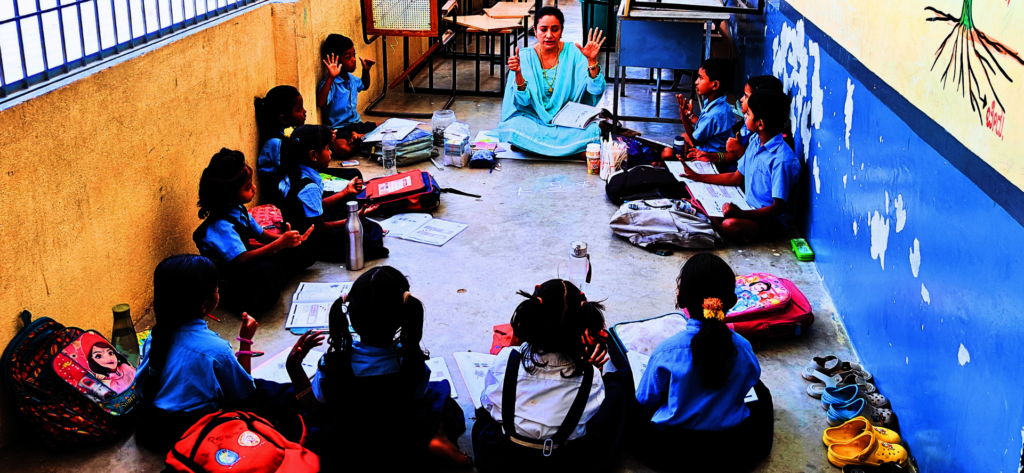
Children during a English learning session
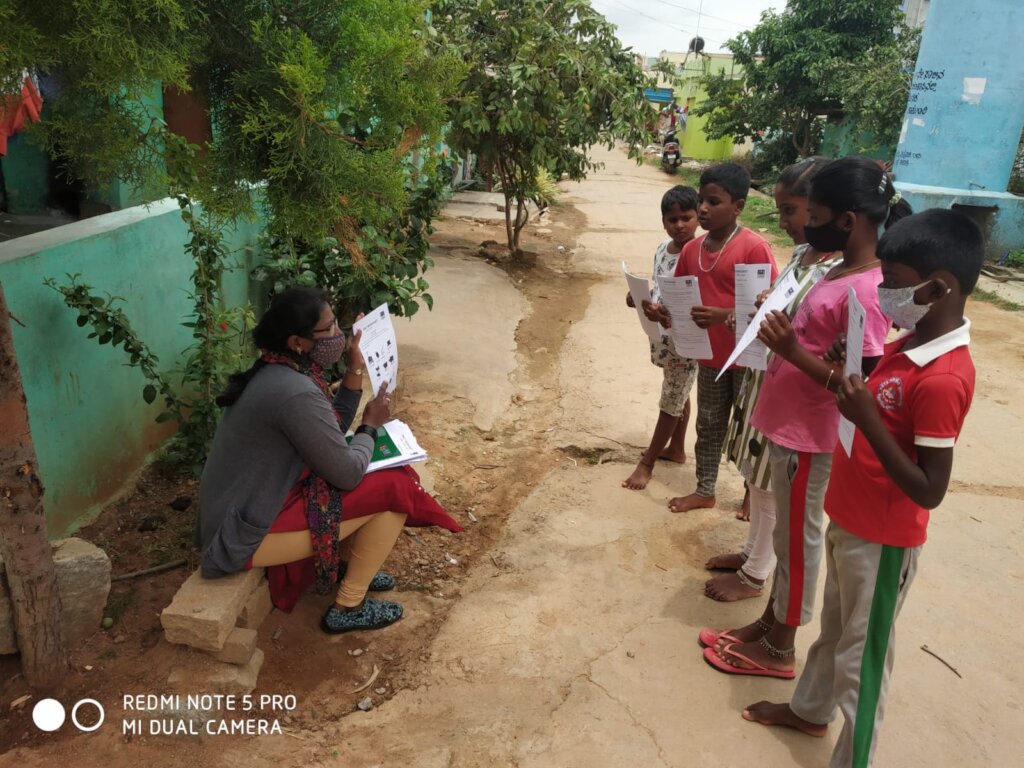
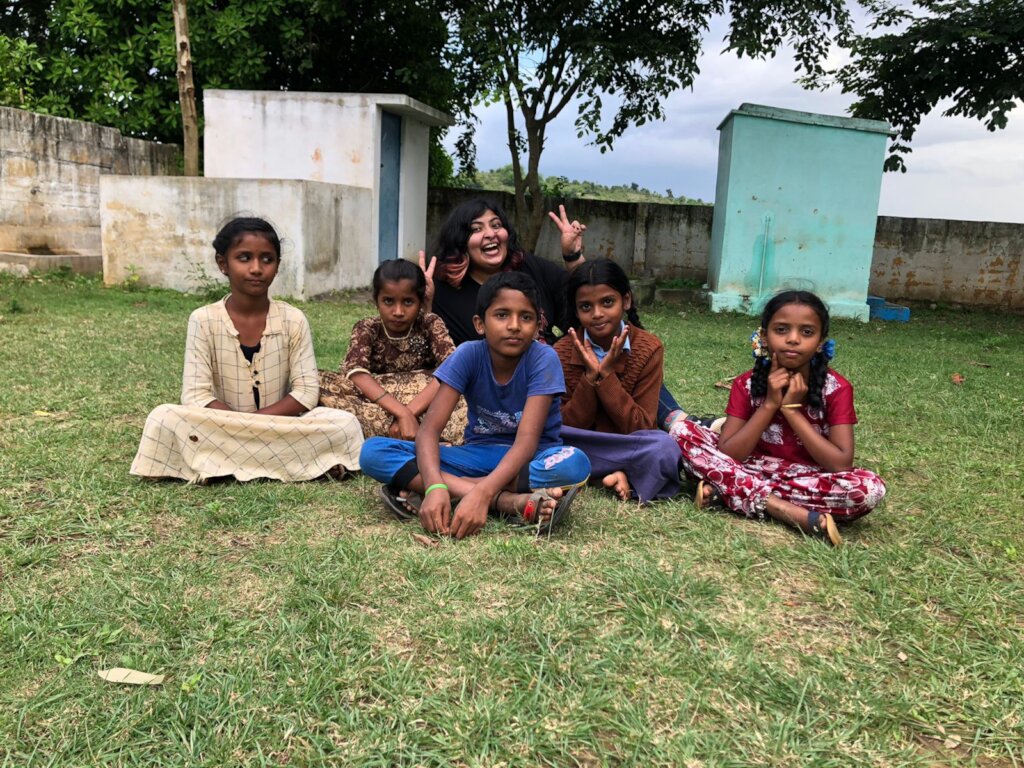
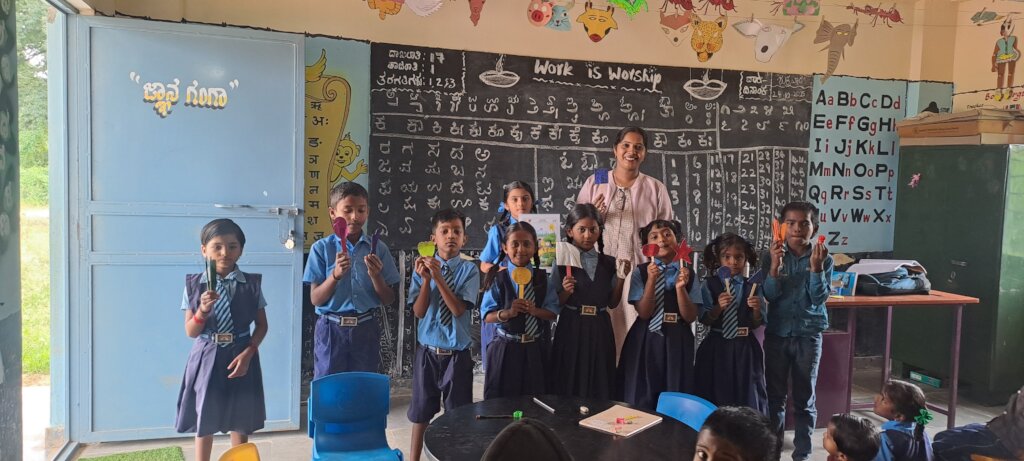
![An interactive English learning class]()
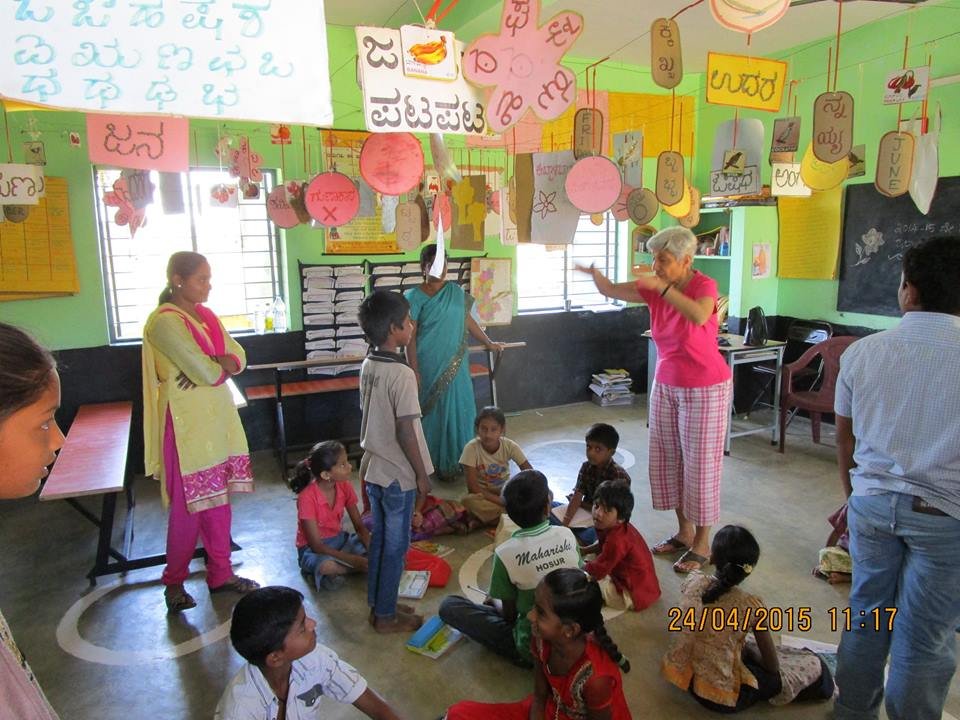
An interactive English learning class
![Share on Twitter]()
![Share on Facebook]()