School of Fun for Children in Fukushima

by Academy Camp
Play Video
School of Fun for Children in Fukushima

Project Report | Aug 26, 2026
Academy Camp 2026 Summer - Master them! Our and Their Free Research - Season 2

By Kenji Saito | Representative Director

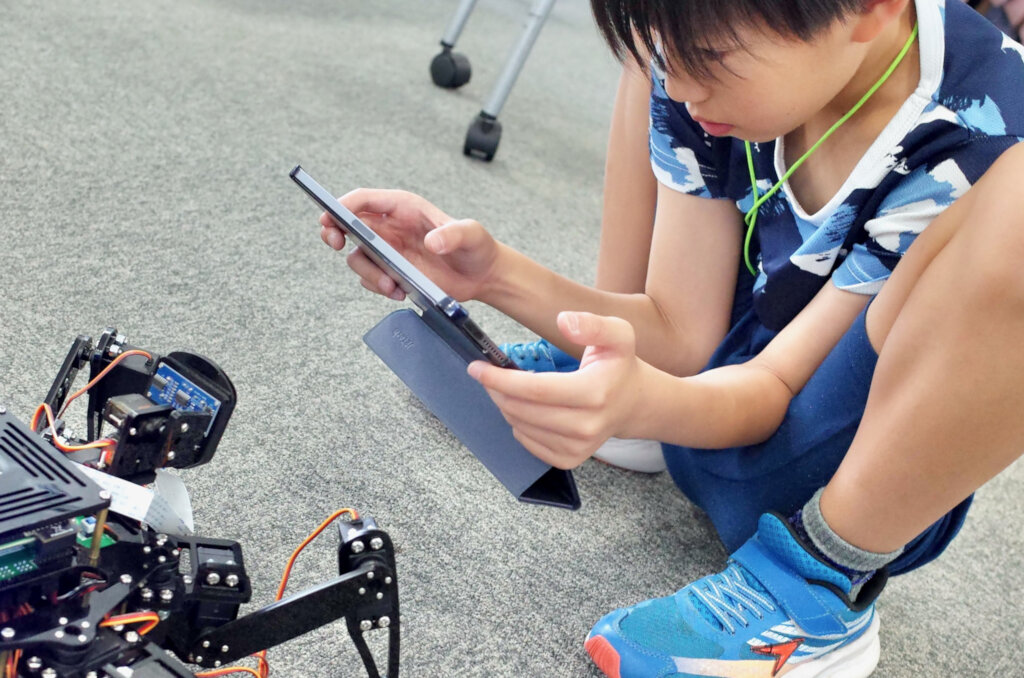
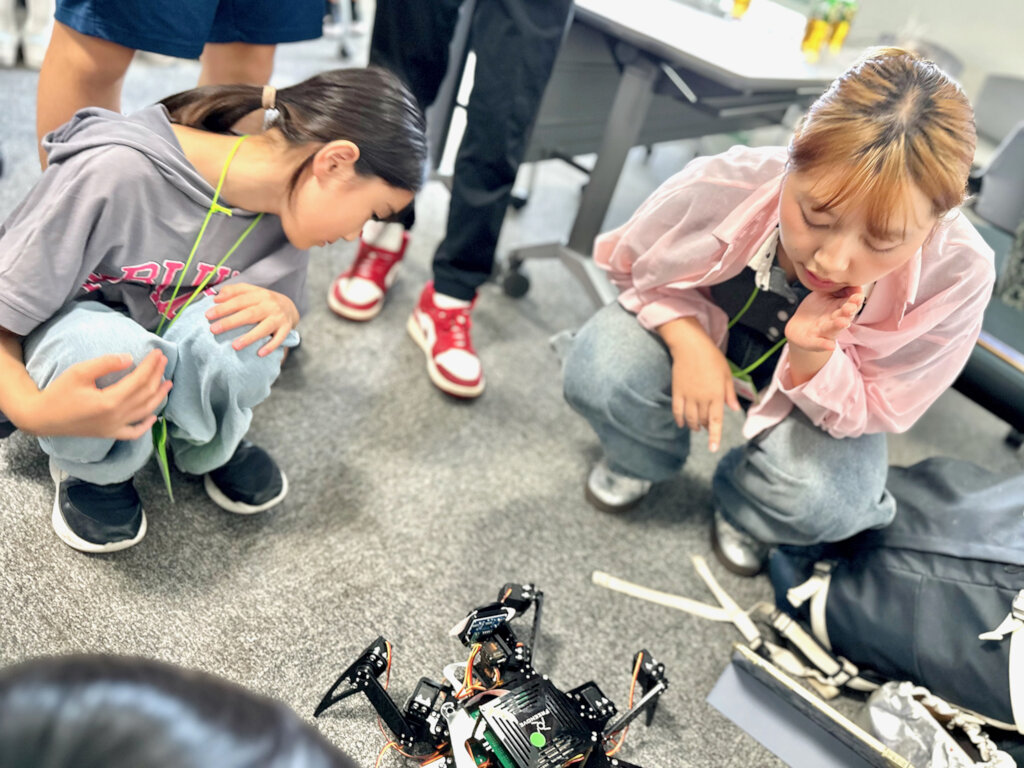
What movements can the hexapod be made to perform?

Please find a Japanese version of this report here.

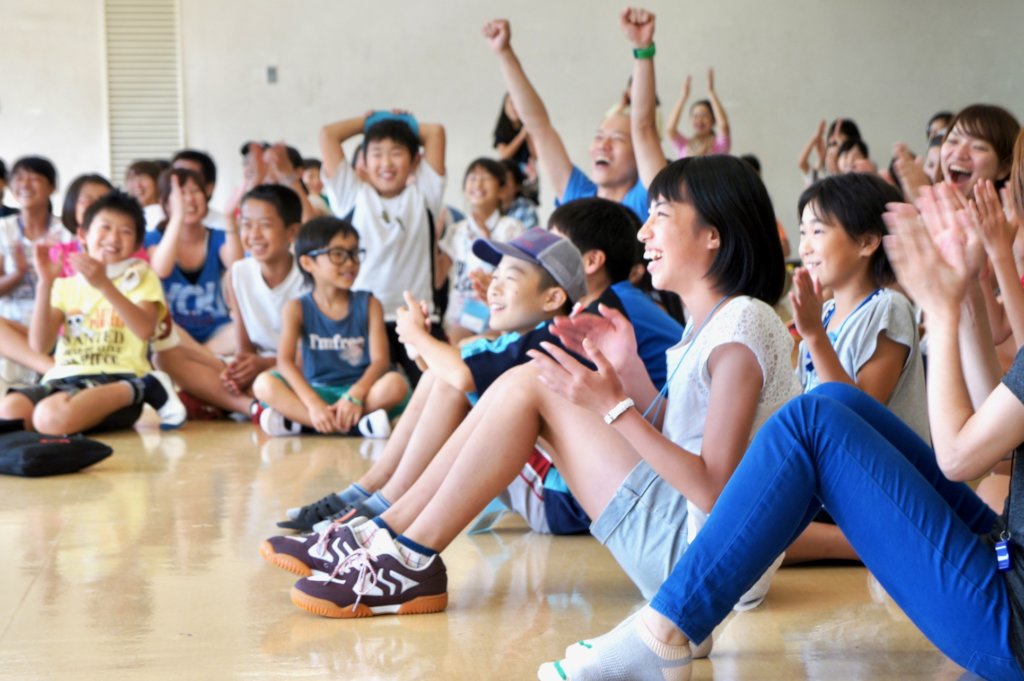
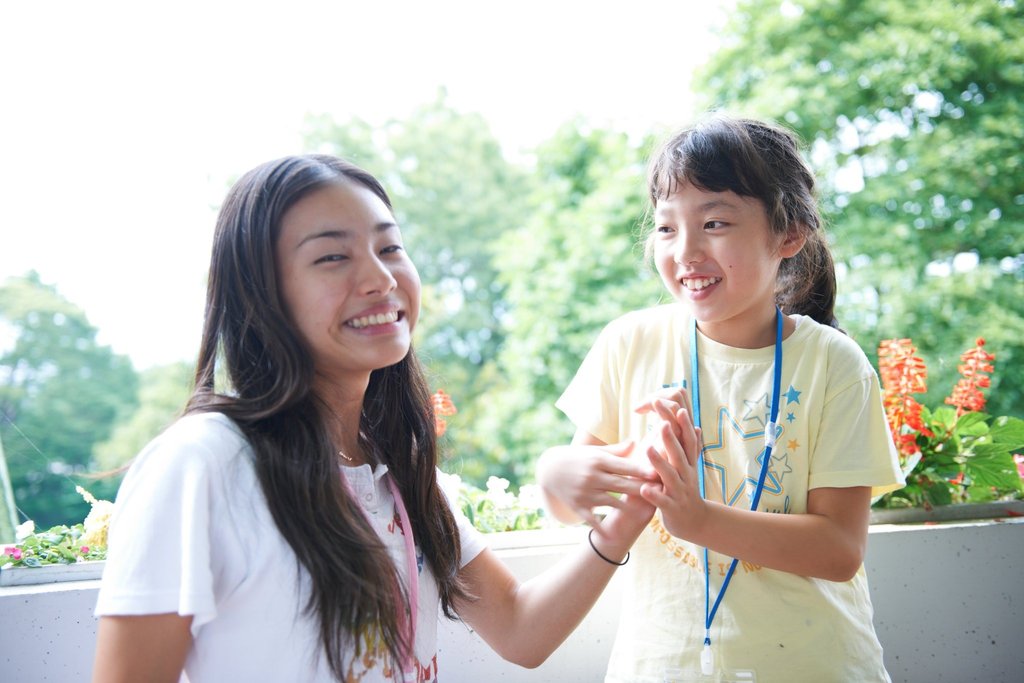
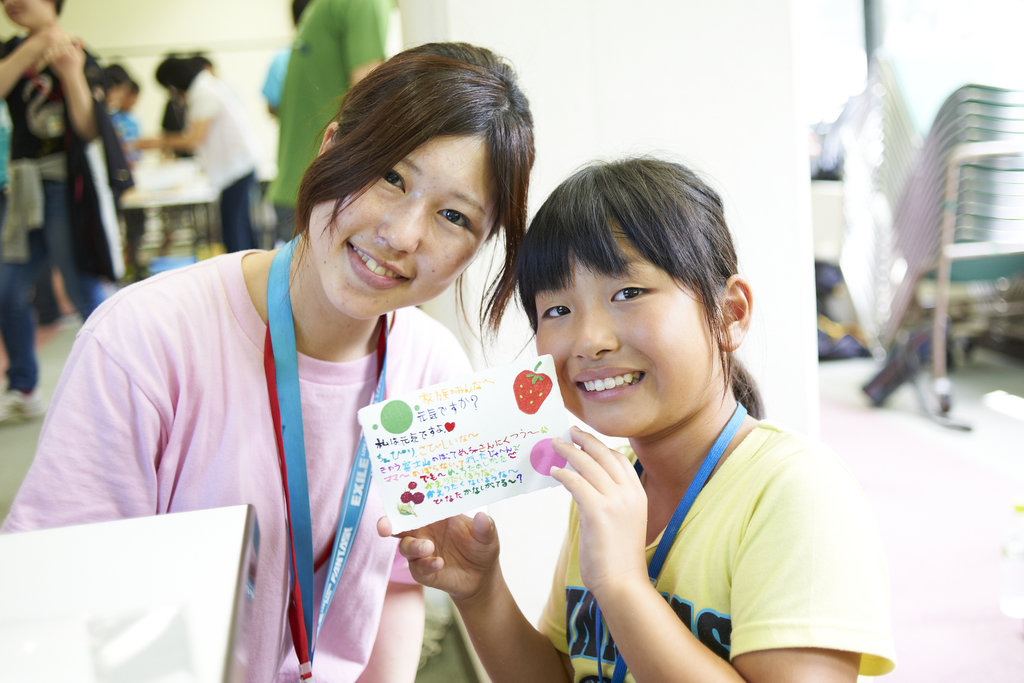
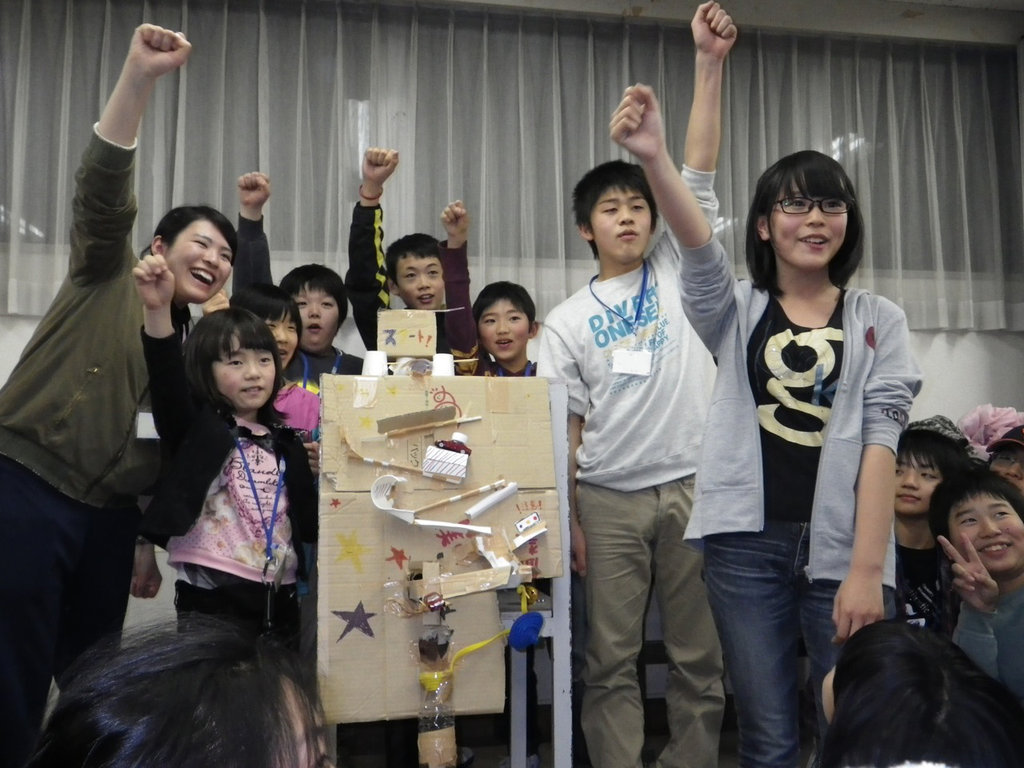
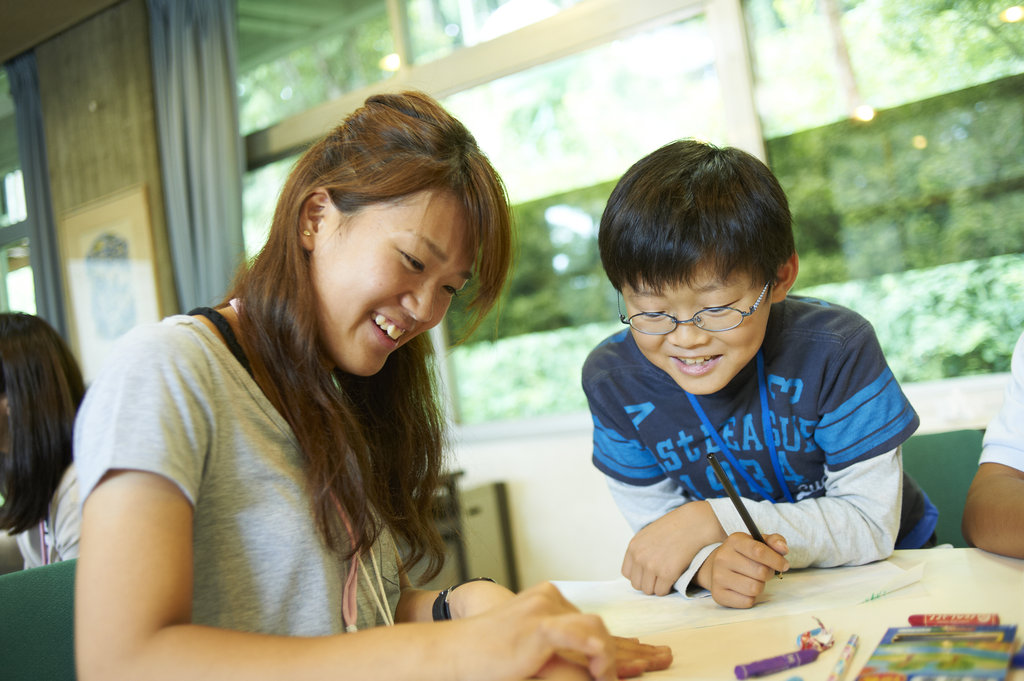
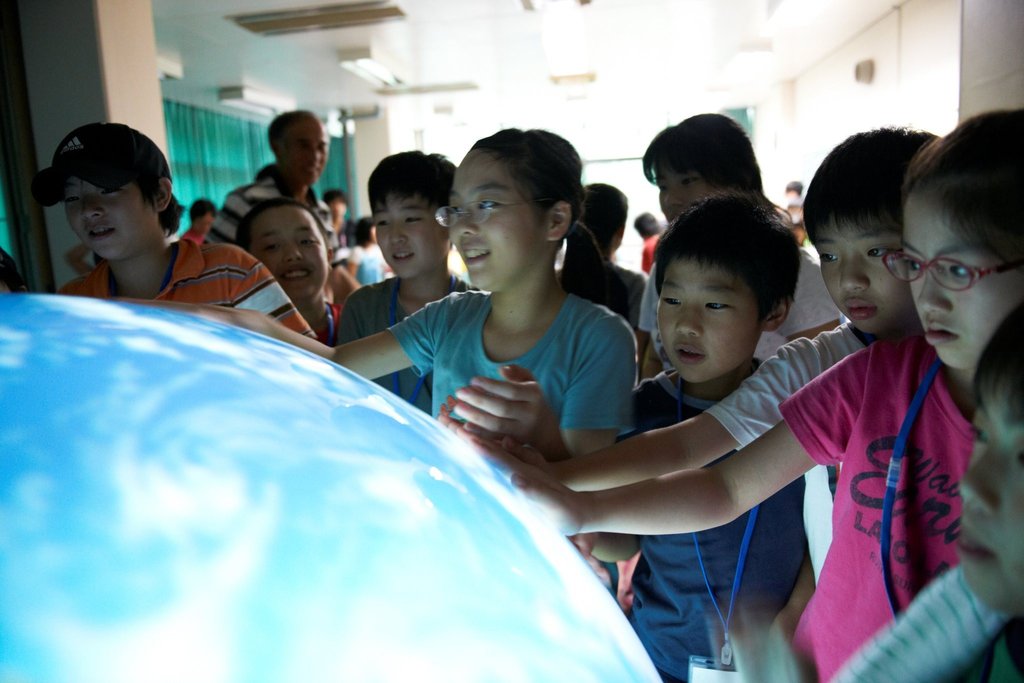
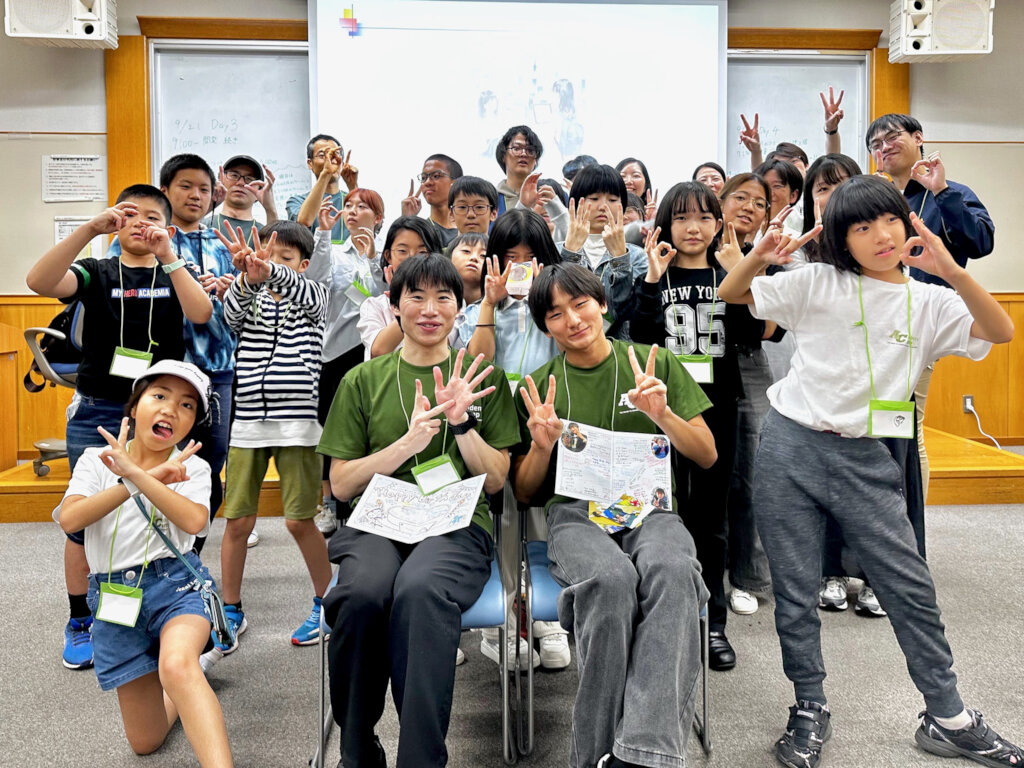
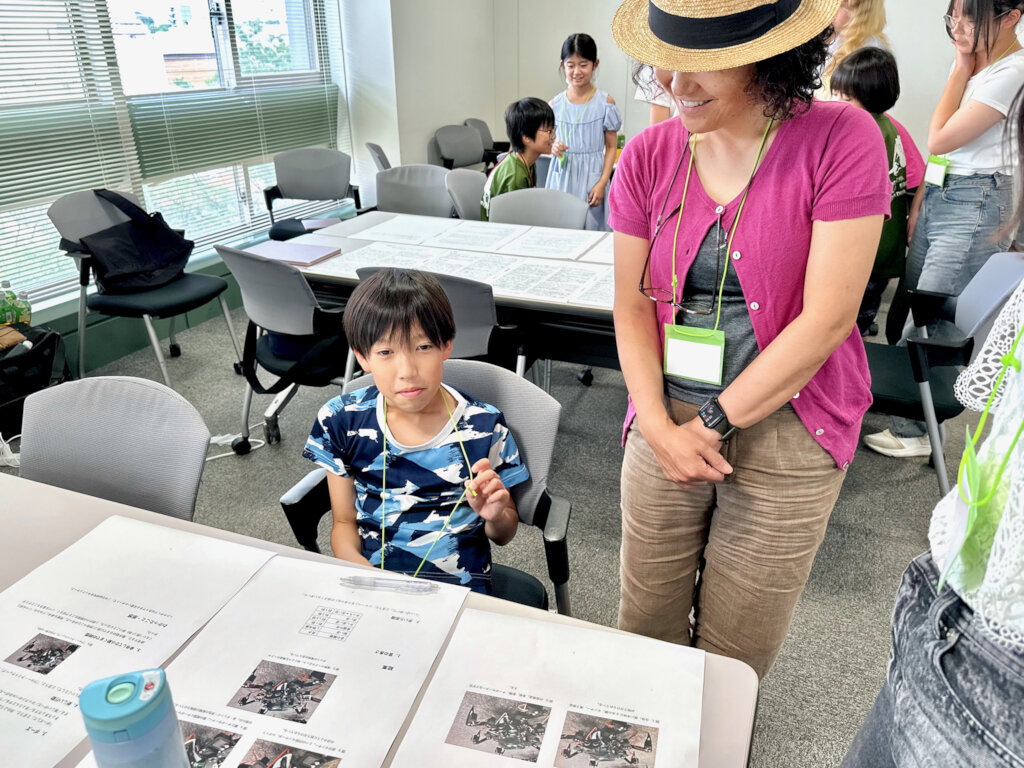
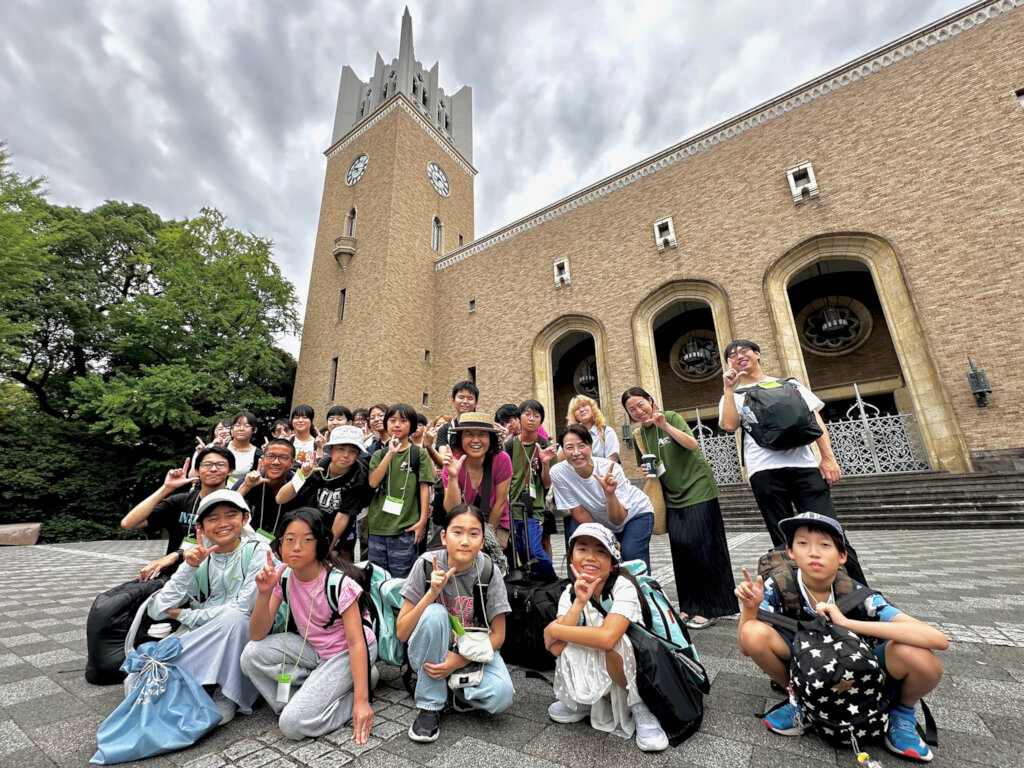
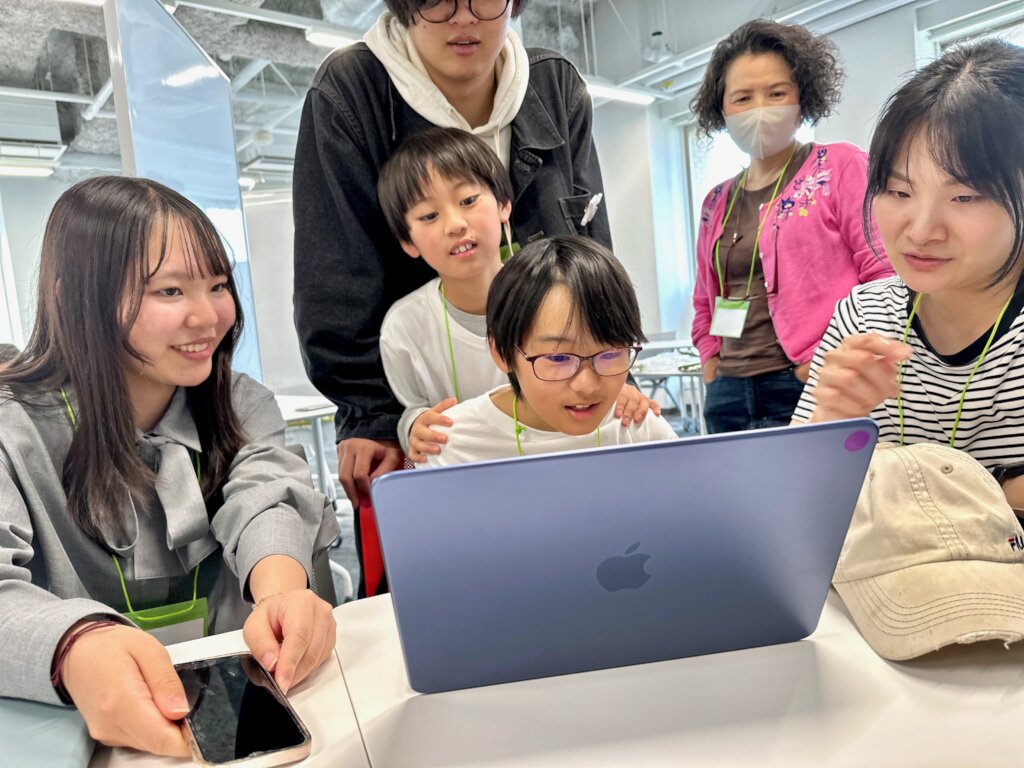
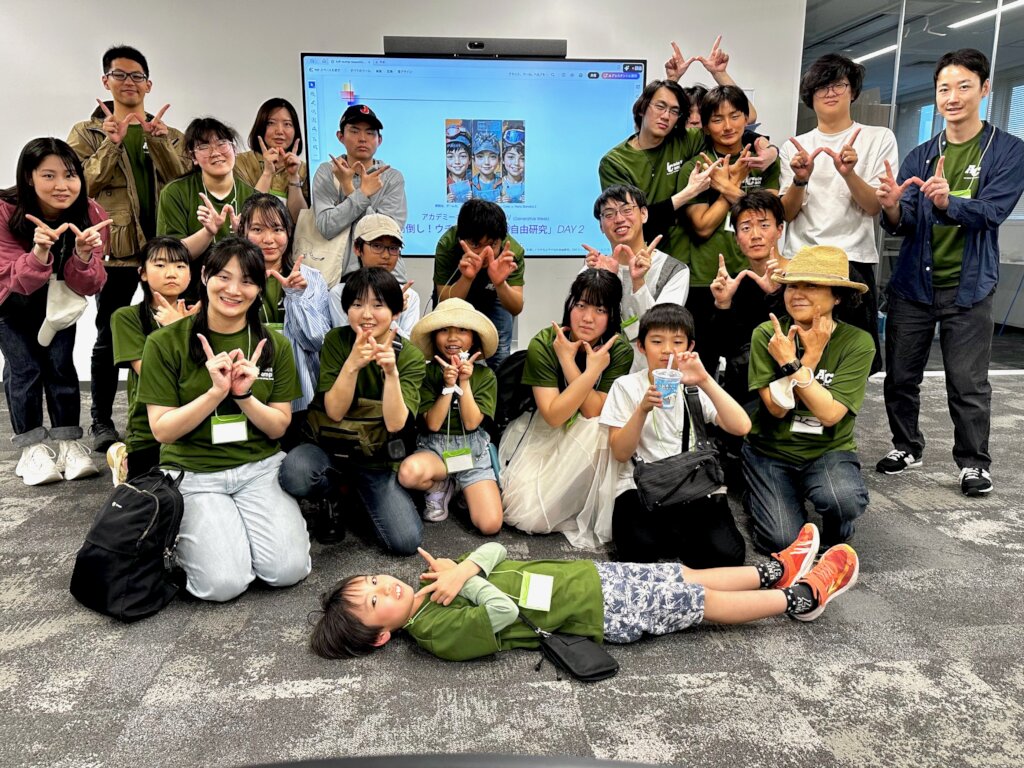
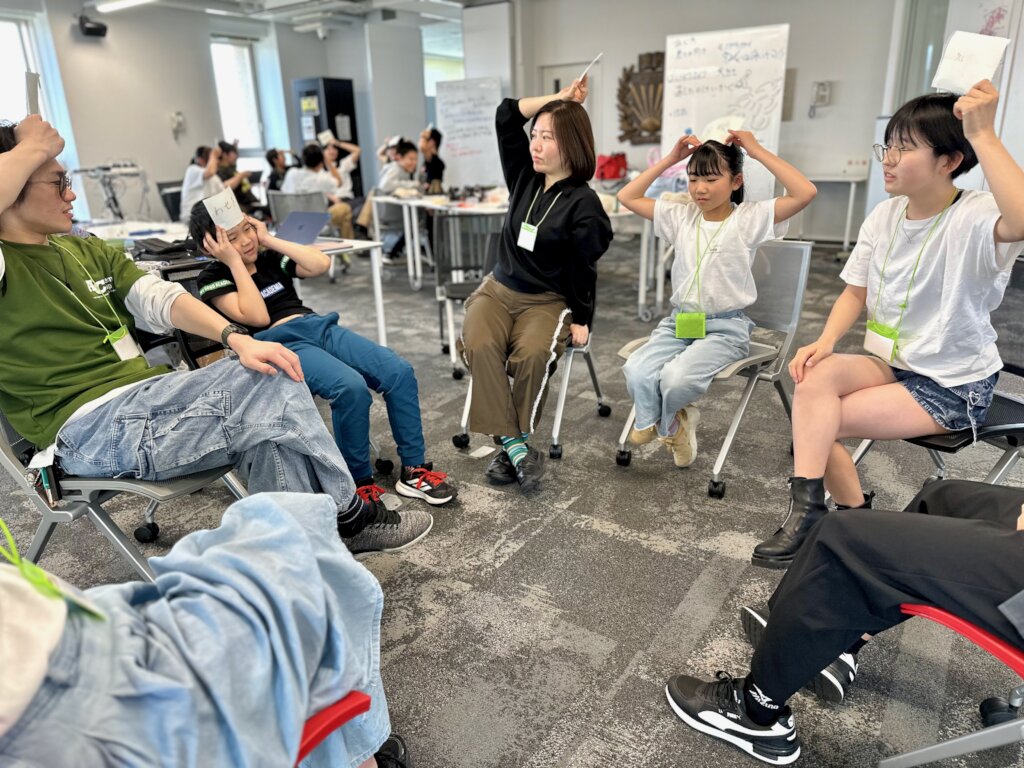
From August 9 to 11, we once again gathered at Waseda University and held a summer research camp where the children worked on their independent summer projects under one condition: since it was so hot outside, all research had to be done without setting foot outside the building. Seventeen children from the Tohoku, Kanto, and Kansai regions participated. One notable feature this time was the large number of elementary school students—nine in total.

For indoor research, we provided hexapods and robotic arms, and we also made sure that every participant had their own device to use for research. This time, we went a step further and eliminated the need to use any Unix commands when connecting to the robots. We ran an agent system on a computer installed at the venue, allowing participants to simply talk (type) to the agent in Japanese through an app. By specifying which robot they wanted to interact with, they could perform a wide variety of operations on any of the robots individually. The agent also provided research advice at the same time.

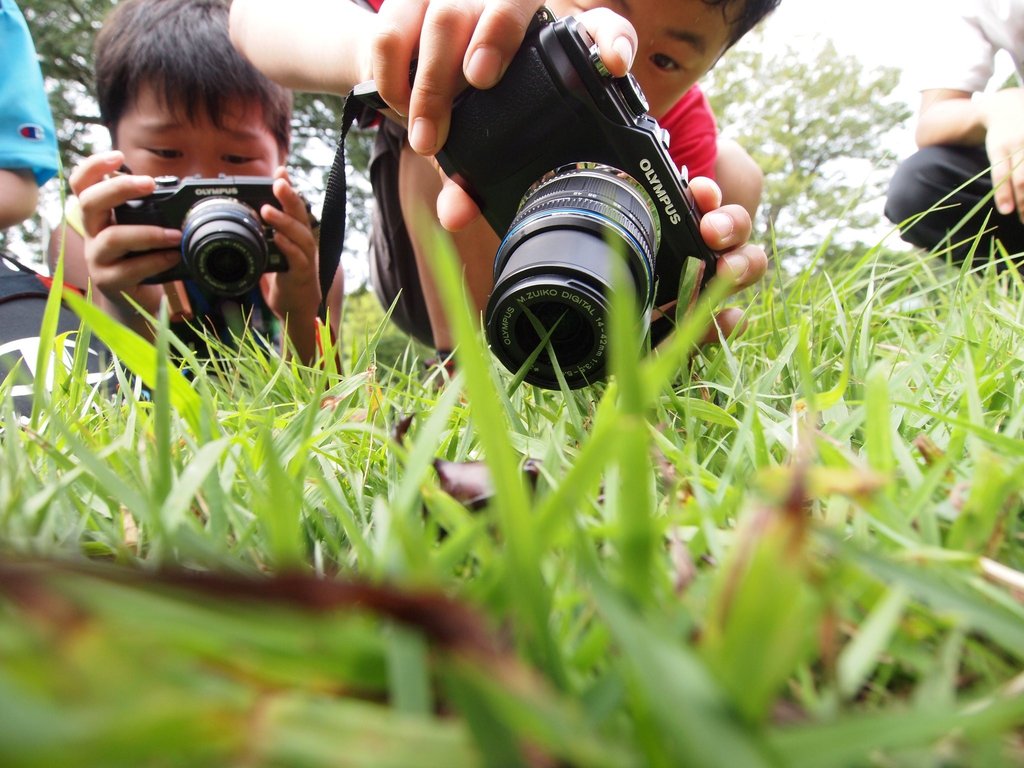
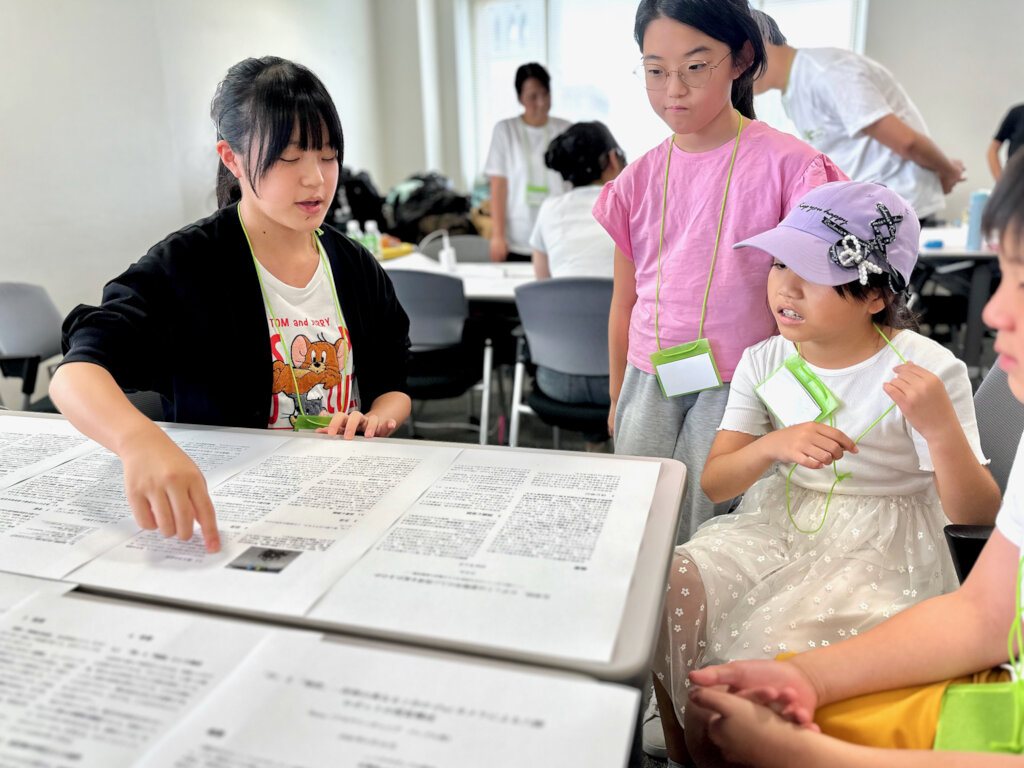
In this environment, the children’s curiosity went into overdrive, resulting in 13 short research papers (some children worked together on their research): Can we build a system that detects where learners are struggling to understand mathematics? From how many meters away can the sound of an SOS Morse code distress signal be detected? Can we give a hexapod better vision? Can we control a hexapod using commands normally given to a dog? (There were two papers on this topic.) What kinds of movements can a hexapod perform in the first place? Does enhancing a typing training app make it easier to learn English vocabulary? What range of expression can pigments derived from natural materials produce? How often do people actually fall for trick questions? Can robots distribute supplies to people in evacuation shelters during a disaster? Why does adding salt to ice make it colder? Can we use a computer to simulate how ants, by following pheromone trails left by other ants, gradually find the shortest route as a group? How does the loudness of the motor noise vary depending on a hexapod’s movements? The children explored all sorts of questions.

In terms of the depth of inquiry, the May camp, where the children worked on research in groups, may have gone deeper. But at this camp, despite the tight schedule of completing a research project in just three days, we think the children were able to have fun doing research while letting their childlike spirit shine through.

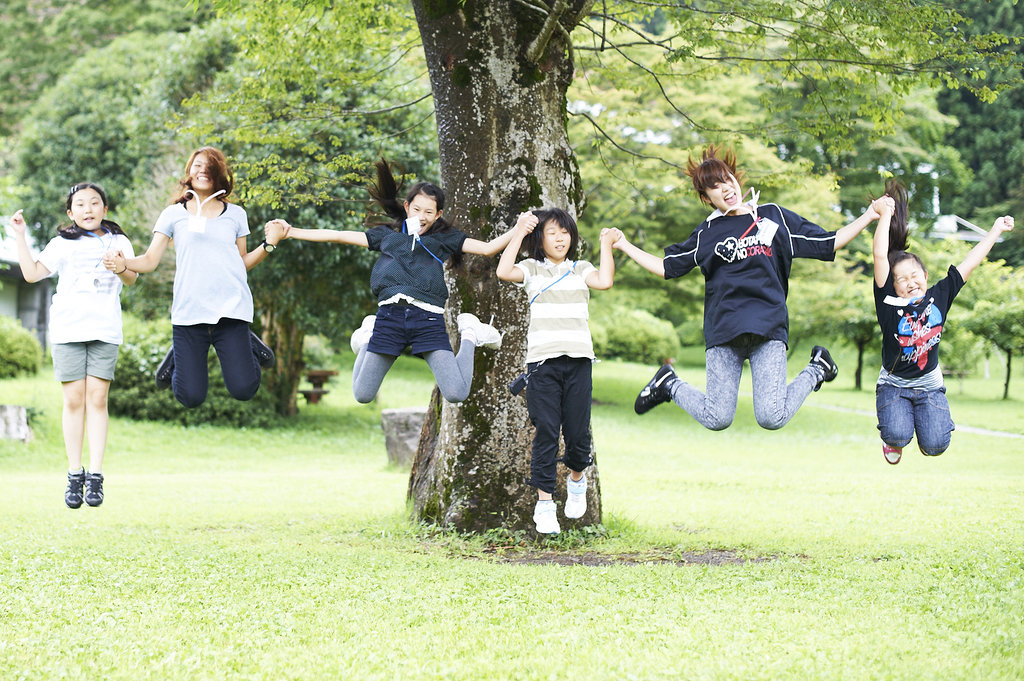
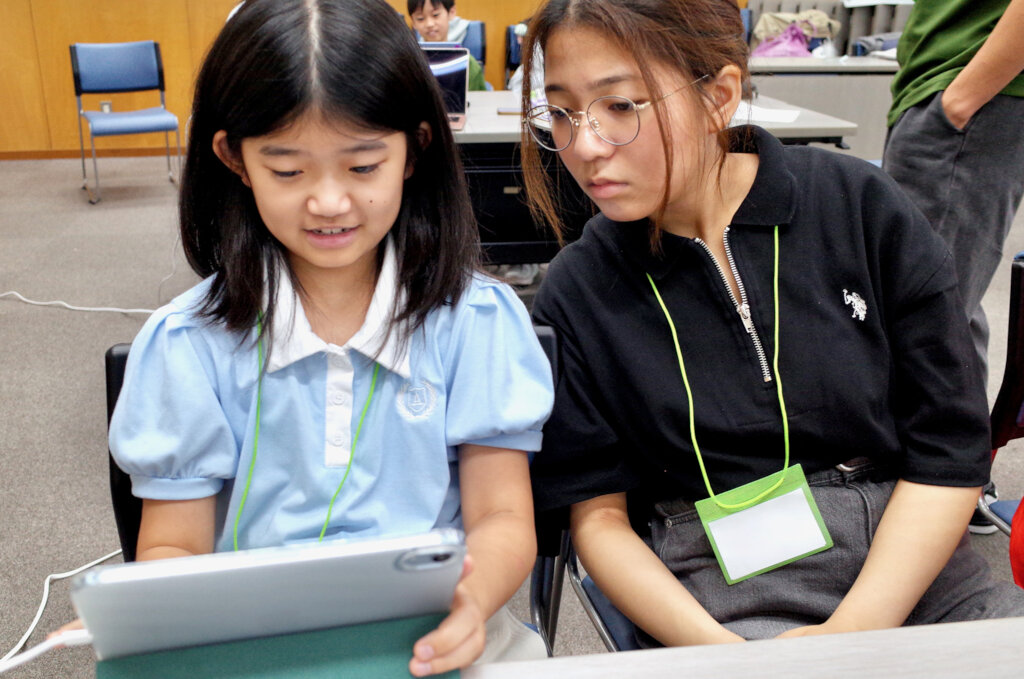
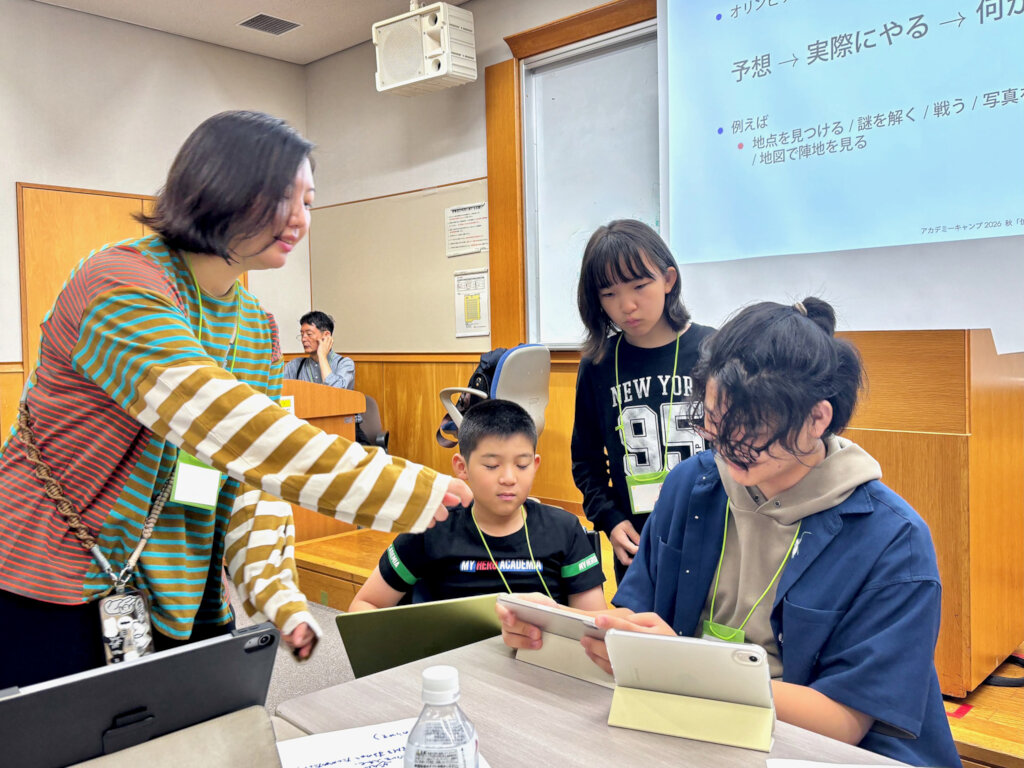
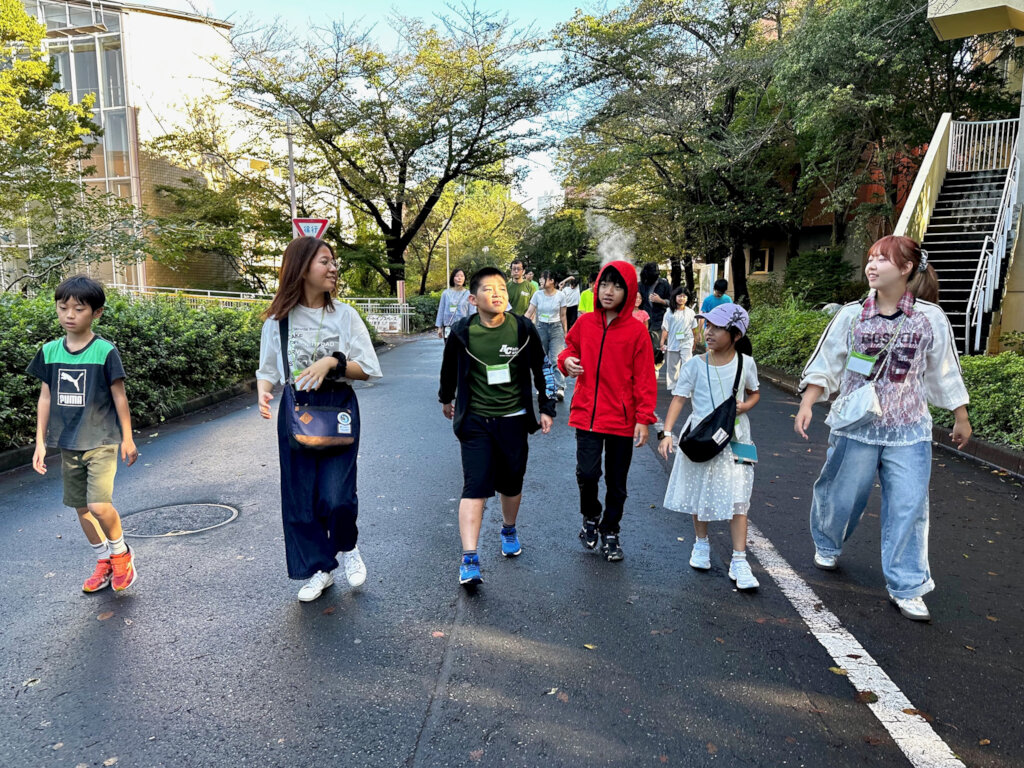
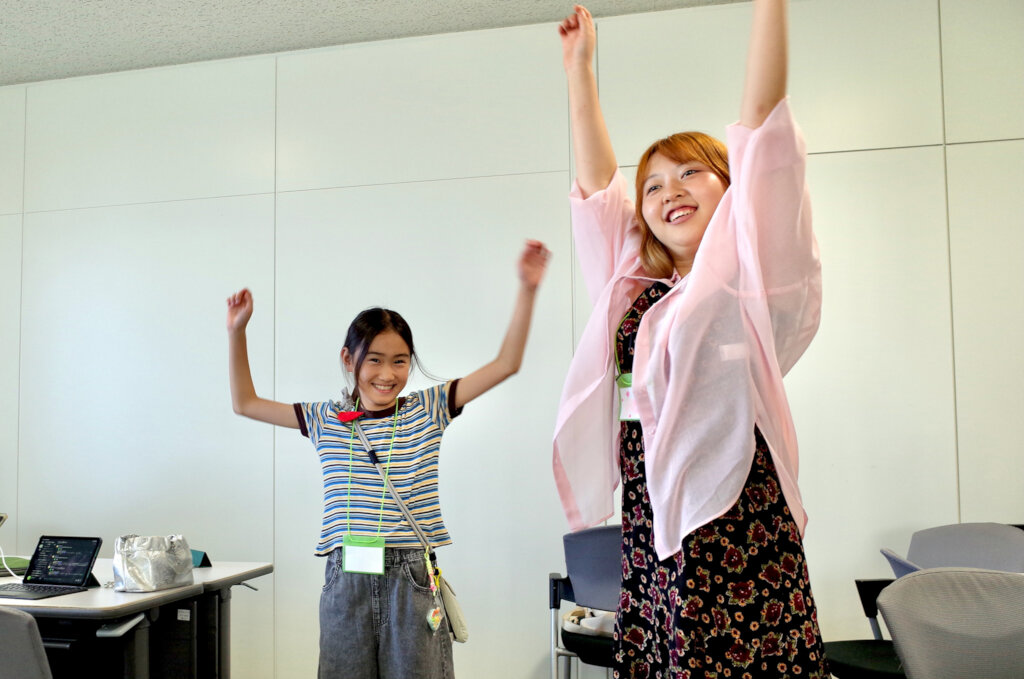
Need to get some exercise once in a while!
See if it can be made to respond to sounds.
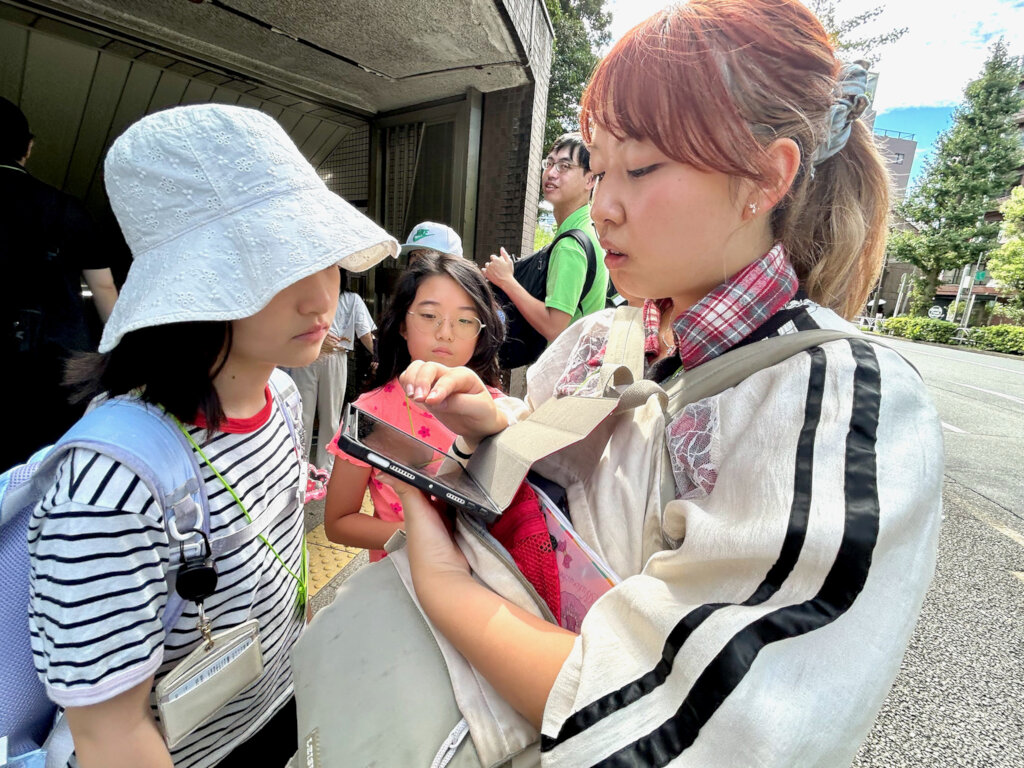
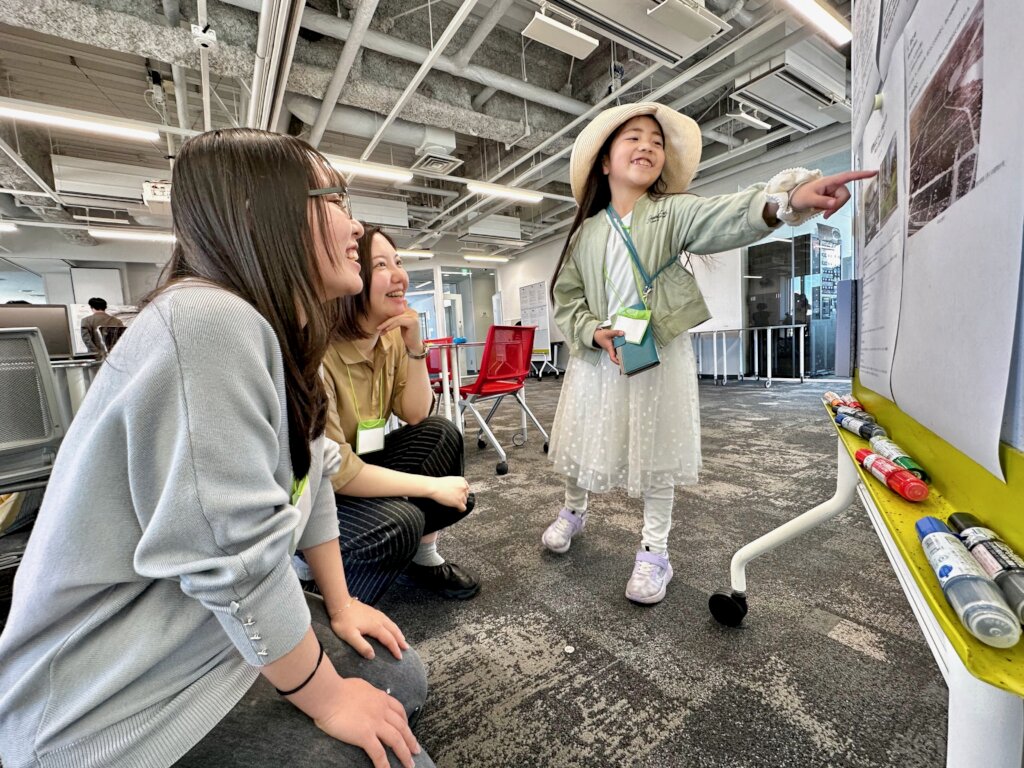
Explaining the research results to adults.
Have to explain the research to younger kids, too.
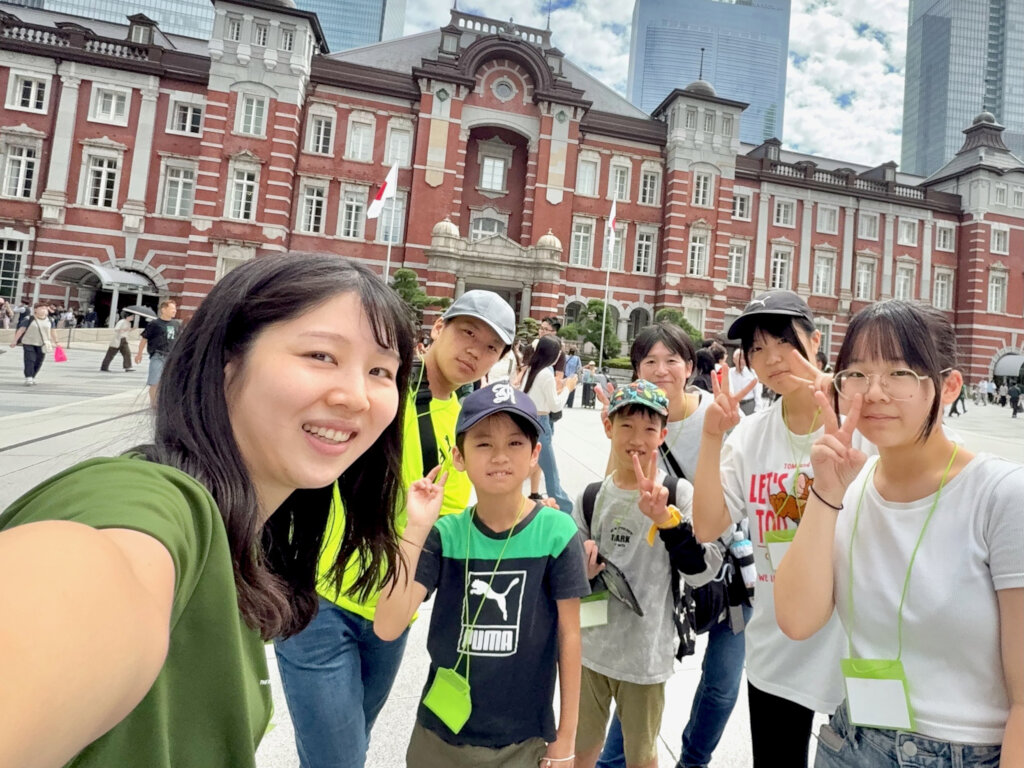
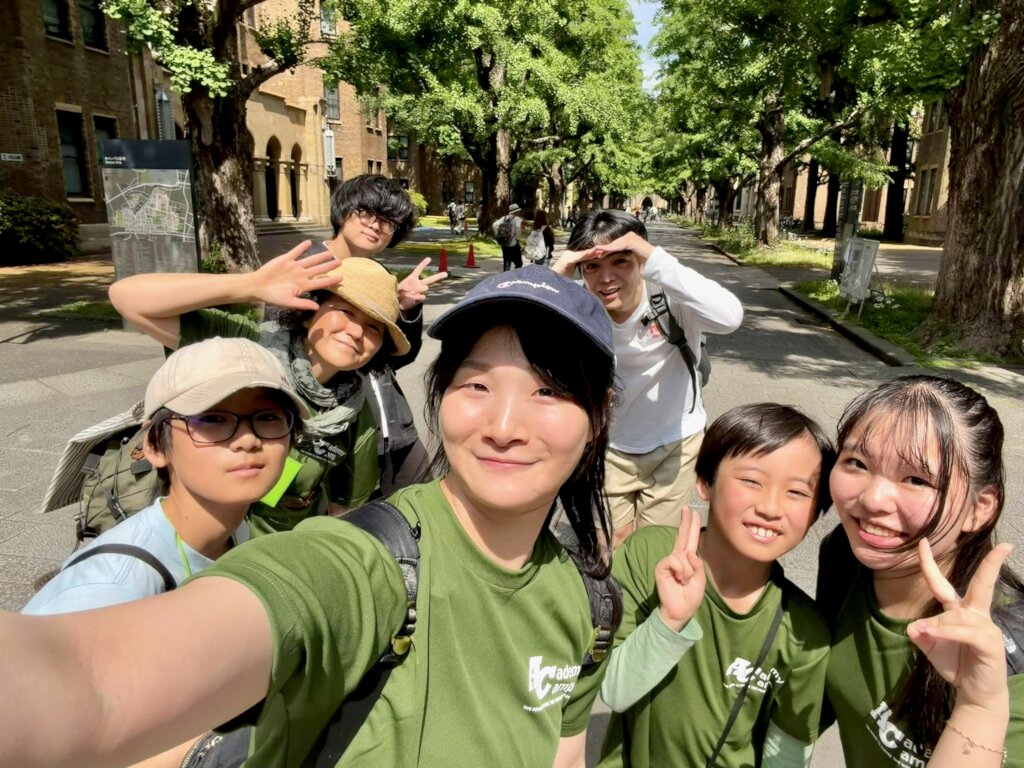
In front of the clock tower at Waseda University.

Links:

Share on Twitter Share on Facebook

May 20, 2026
Academy Camp 2026 GW (Generative Week) - Front-loading it! Our and Their Free Research

By Kenji Saito | Representative Director

Mar 17, 2026
High School Sub-leaders in Academy Camp

By Kenji Saito | Representative Director

About Project Reports

Project reports on GlobalGiving are posted directly to globalgiving.org by Project Leaders as they are completed, generally every 3-4 months. To protect the integrity of these documents, GlobalGiving does not alter them; therefore you may find some language or formatting issues.

If you donate to this project or have donated to this project, you can receive an email when this project posts a report. You can also subscribe for reports without donating.


Sign up for updates

Organization Information

Academy Camp

Location: Fujisawa, Kanagawa - Japan
Website:
Facebook: Facebook Page
X / Twitter: Profile
Project Leader:
Kenji Saito
Fujisawa , Kanagawa Japan
$192,045 raised of $300,000 goal
 
1,915 donations
$107,955 to go
Donate Now

Help raise money!

Support this important cause by creating a personalized fundraising page.

Start a Fundraiser

Learn more about GlobalGiving

Teenage Science Students
Vetting +
Due Diligence

Snorkeler
Our
Impact

Woman Holding a Gift Card
Give
Gift Cards

Young Girl with a Bicycle
GlobalGiving
Guarantee

Get incredible stories, promotions, and matching offers in your inbox

WARNING: Javascript is currently disabled or is not available in your browser. GlobalGiving makes extensive use of Javascript and will not function properly with Javascript disabled. Please enable Javascript and refresh this page.