By Kenji Saito | Representative Director
Please find a Japanese version of this report here.
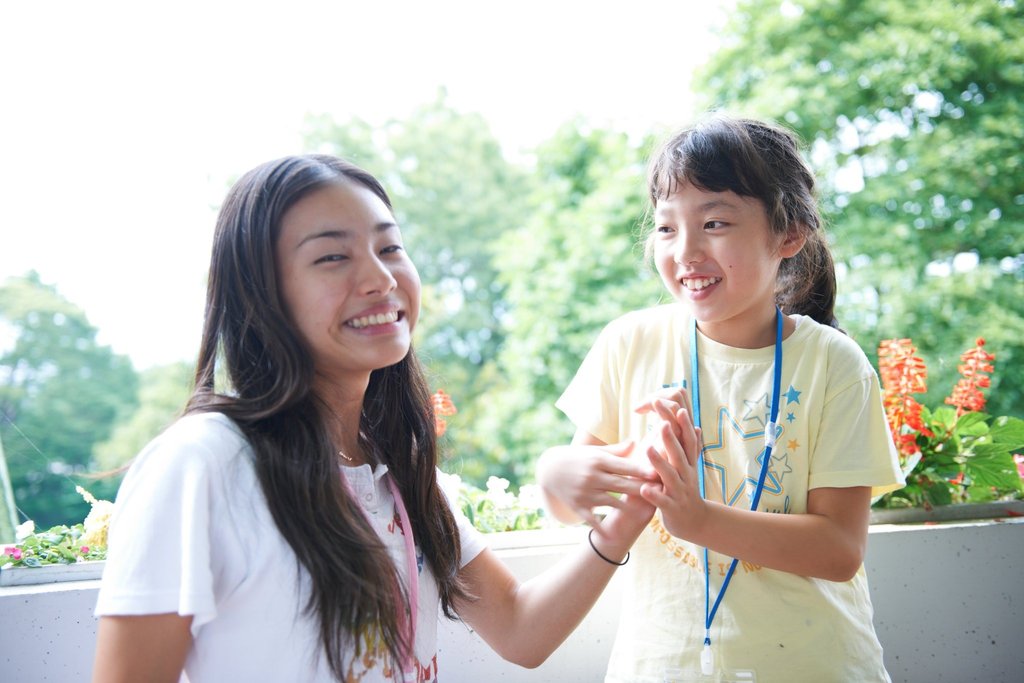
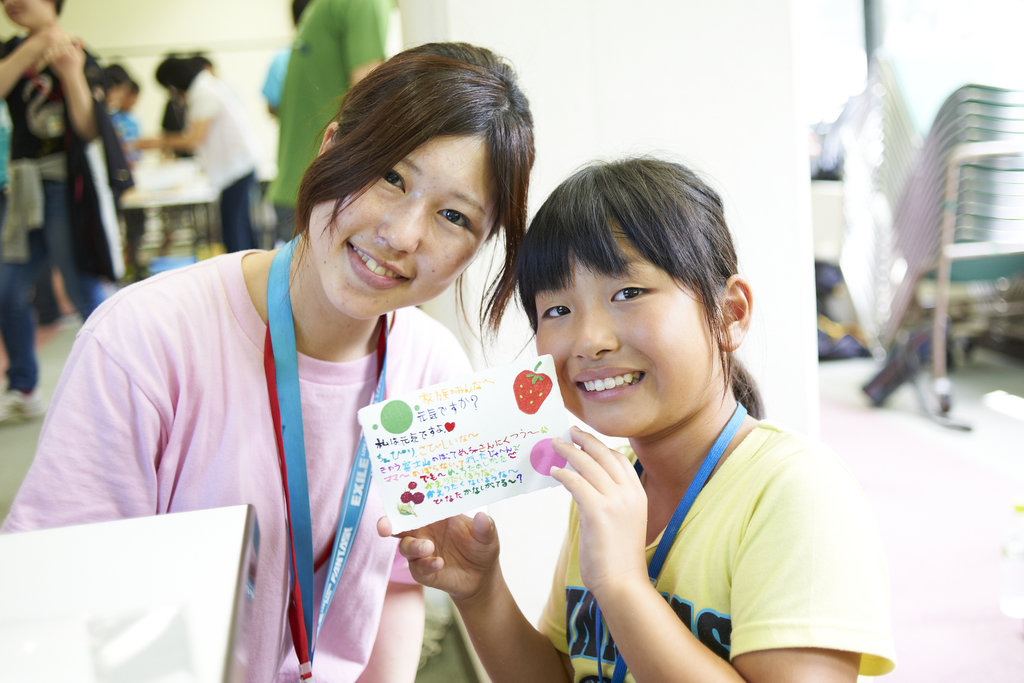
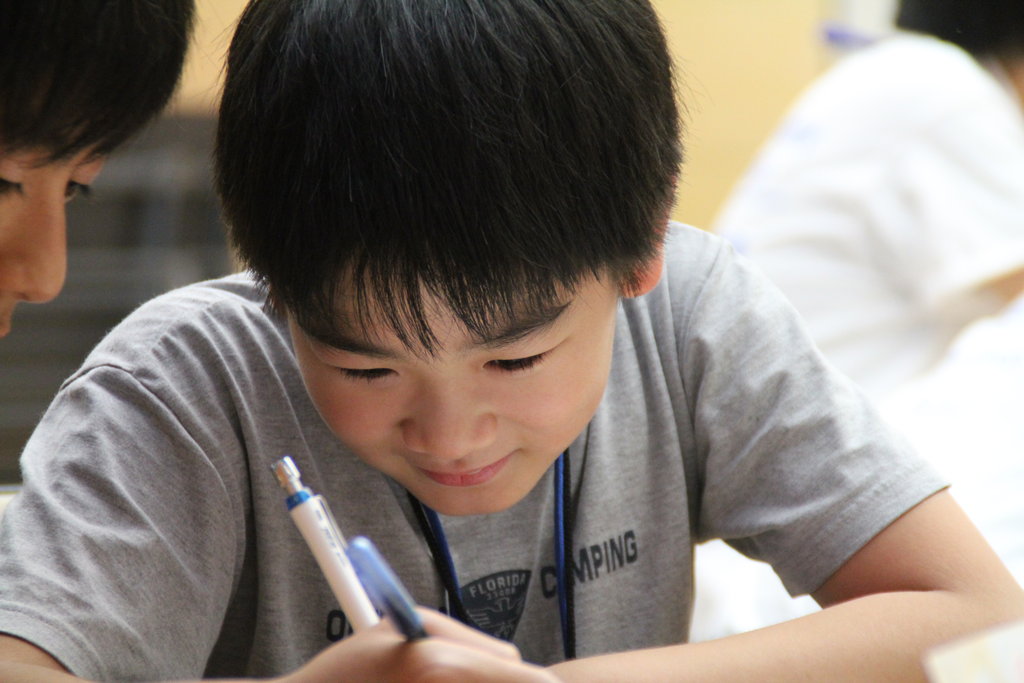
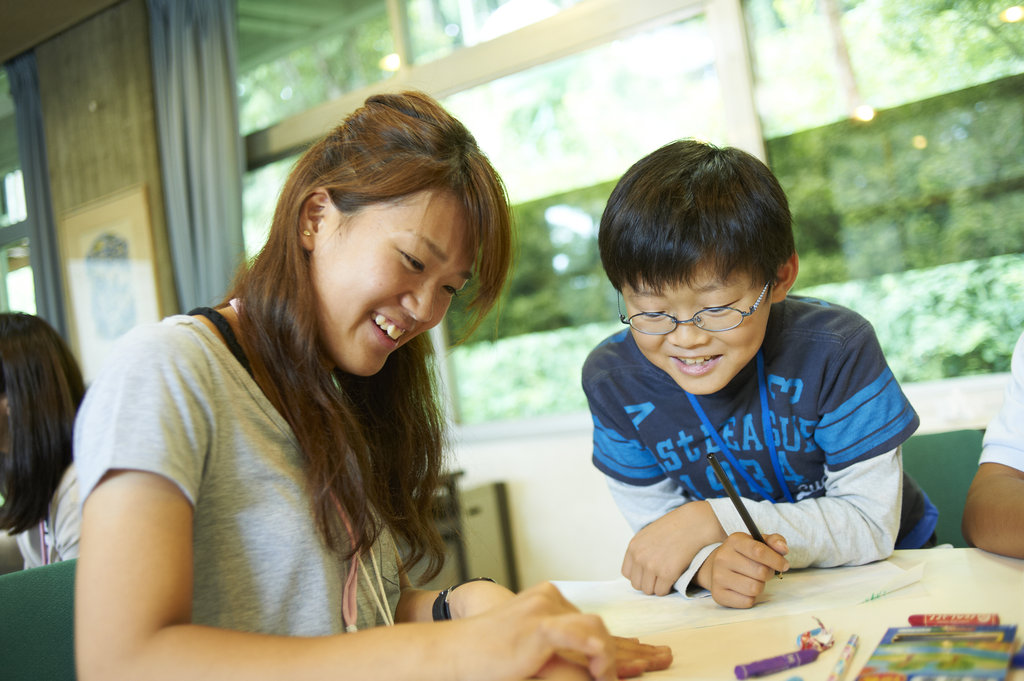
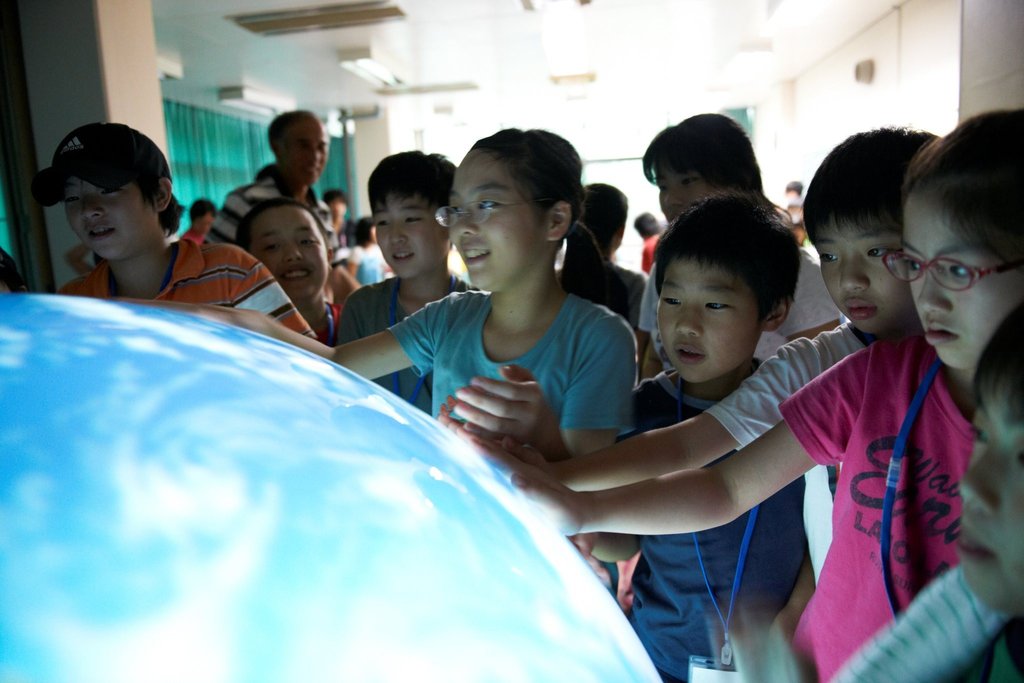
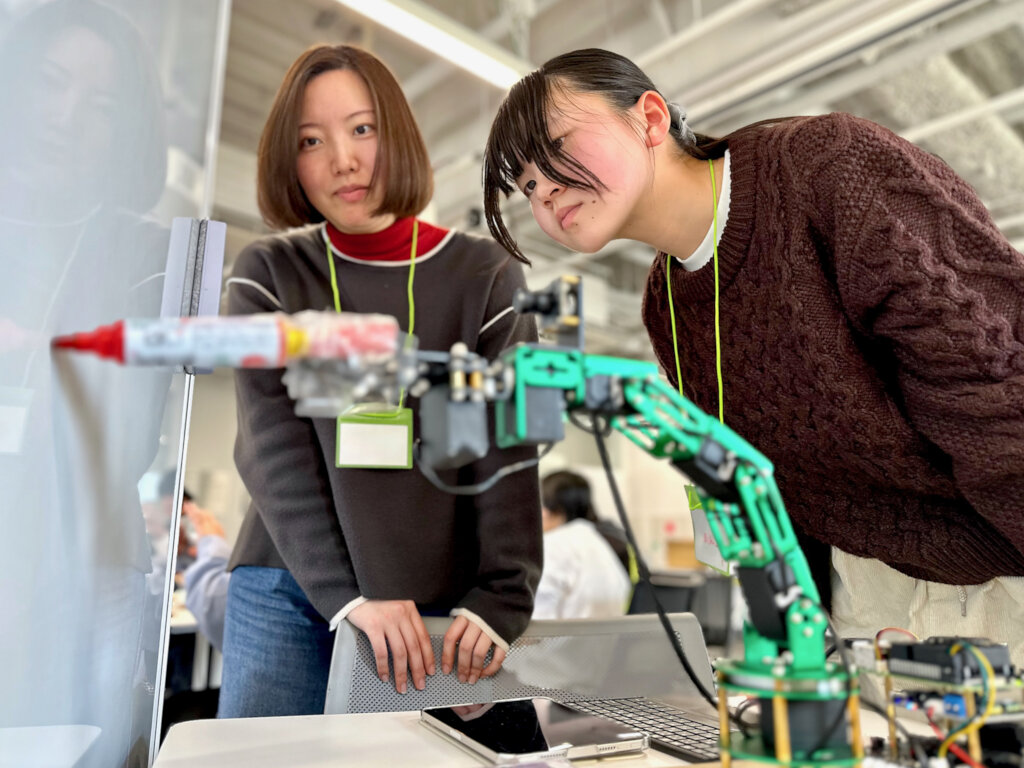
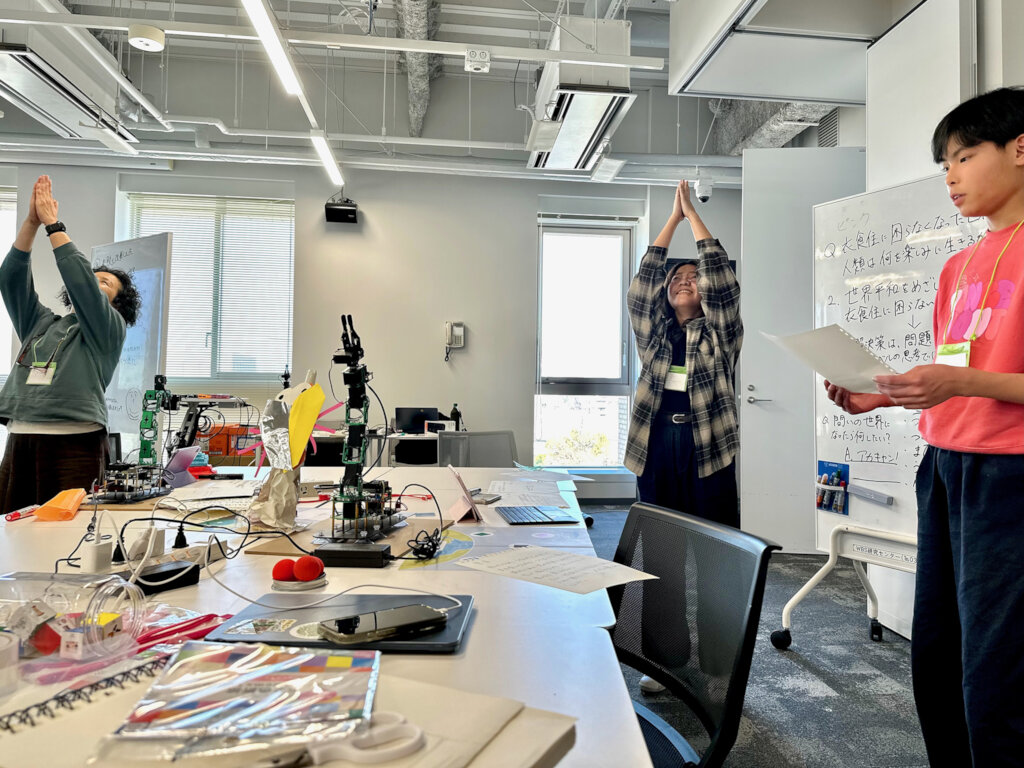
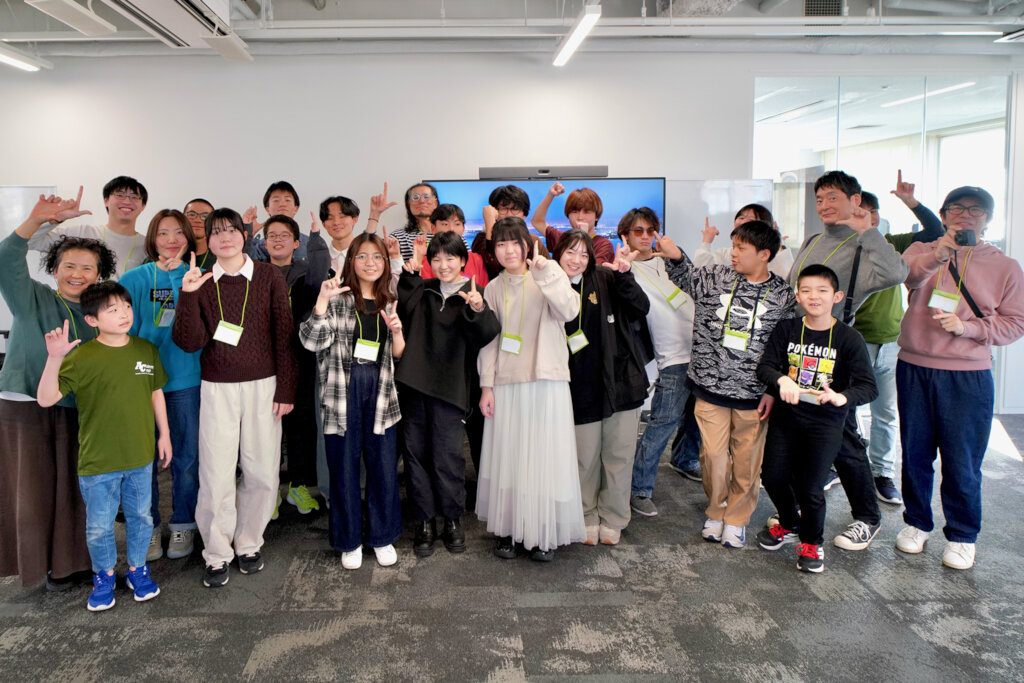
During Japan’s February holiday weekend, we held a camp again at Waseda University, Tokyo, as part of the “Live and Let (Them) Think” series. At this camp, titled “Future Design by Us and Them,” 16 children—from third grade elementary school students to third year high school students—took part. Together with six AI-powered robot arms, they challenged themselves to tackle social issues and design the future.
Inspired by Kazuo Umezu’s classic manga I Am Shingo, which depicts an industrial robot arm acquiring intelligence, the camp began with the robot arms drawing simple shapes such as squares, triangles, and circles while communicating in Japanese. Motors move in circles, but what we want to draw are straight lines. If humans tried to specify every detail, they would have to rely on monstrous trigonometric formulas, so in the end it is far easier to let the robots figure out those details themselves while the humans focus on describing the goal clearly. Naturally, the children learned a style of communication in which part of the thinking is entrusted to robots and AI.
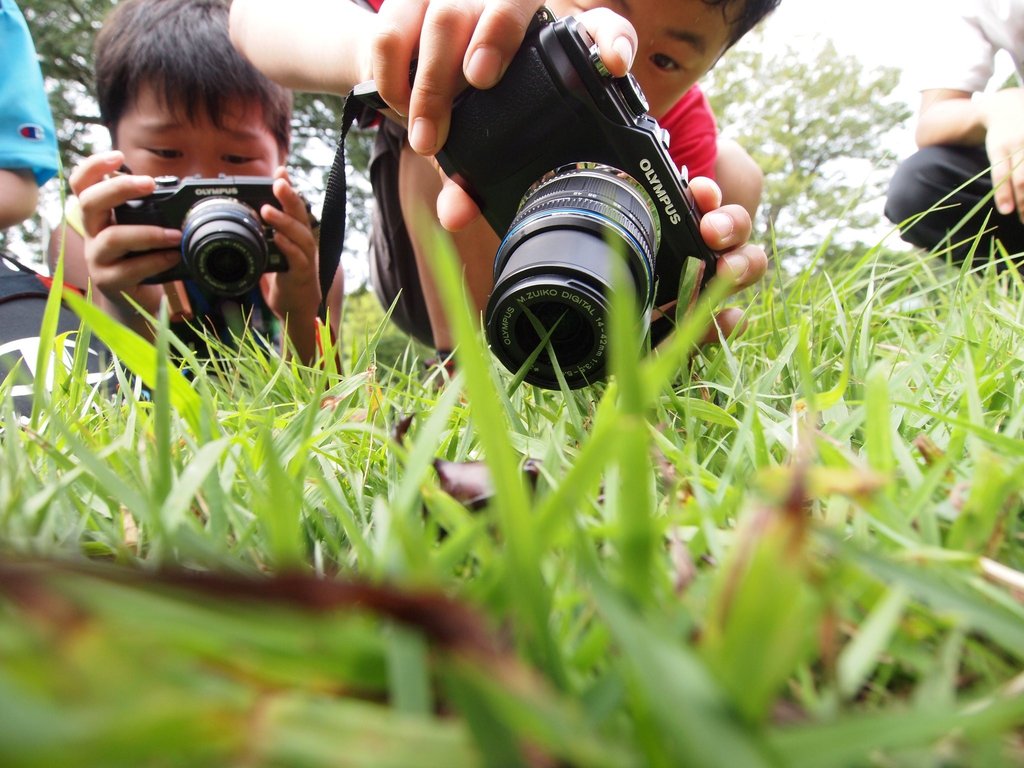
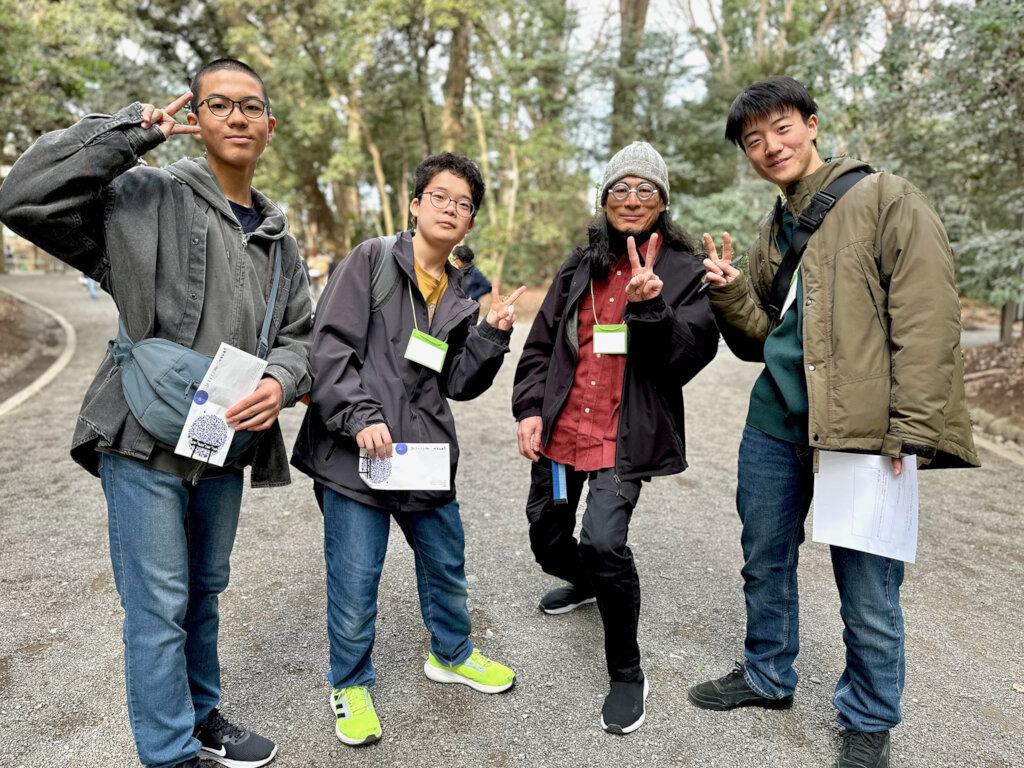
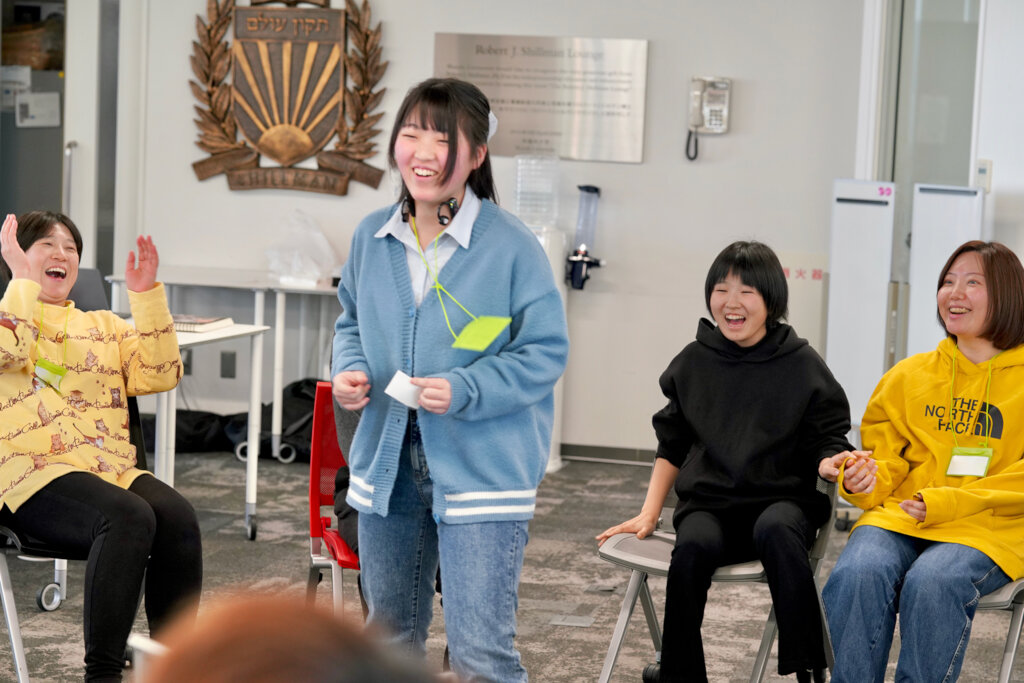
On the morning of the second day, we took a walk around Meiji Jingu, near where we were staying. About 100 years ago, this place was created with the aim of artificially building a natural forest while looking ahead 100 years into the future. It was future design in the truest sense. The children enjoyed being in the space between the artificial and the natural. After that, they had a great laugh while playing a variation of the Fruit Basket Turnover game planned by the sub-leaders (high school students), which also served as a kind of brain training. Then, divided into their groups, they worked on social issues that interested them together with the research assistant built into the robot arms.
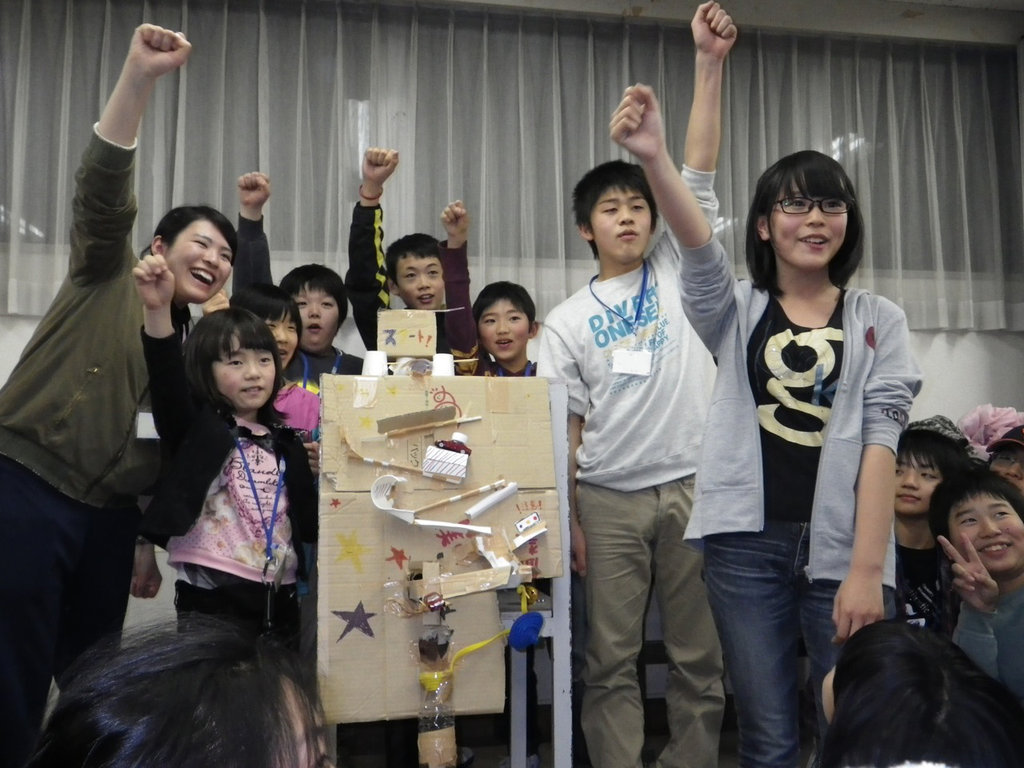
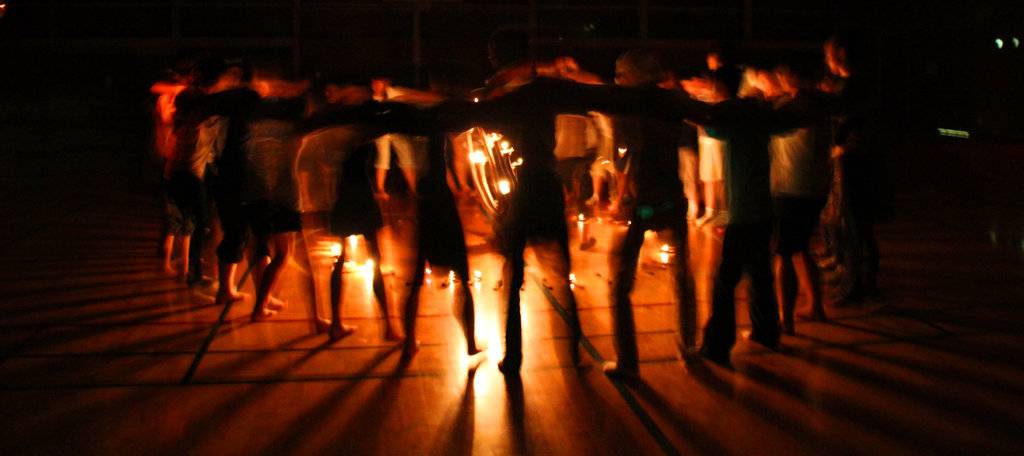
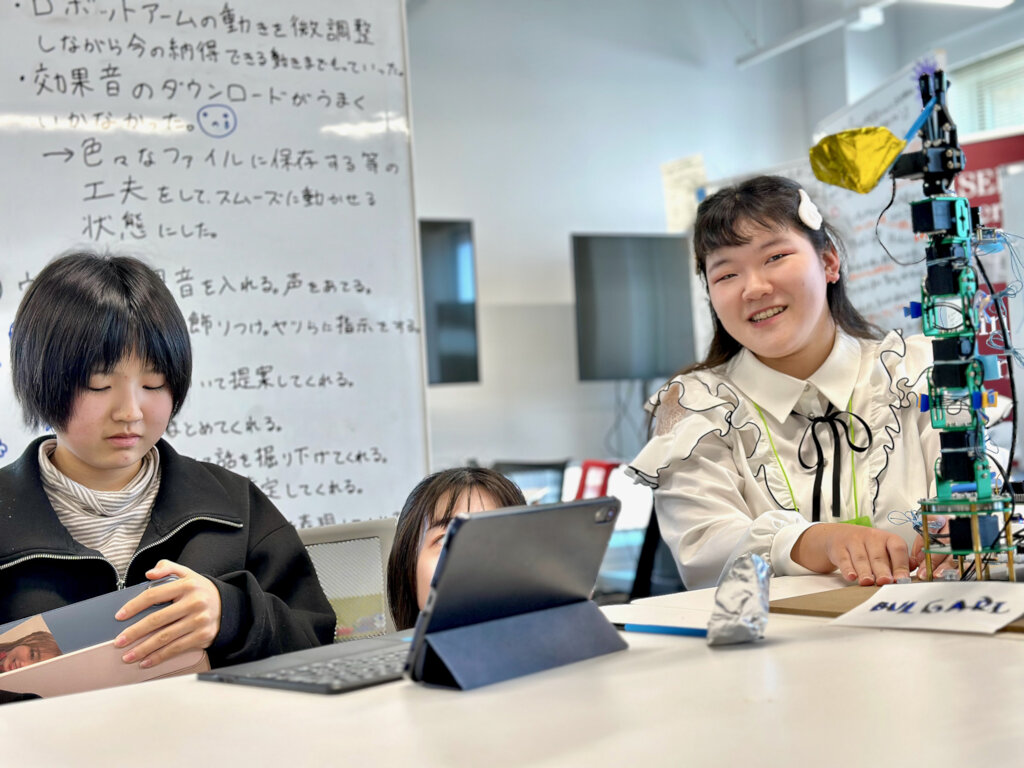
On the final day, the children’s groups presented their future designs, accompanied by demonstrations with the robot arms. How can humans and bears coexist? What would it take for left-handed people to live their daily lives without stress? How can we seek resources in space? How can humans and AI live together in cities? How can outbreaks of infectious diseases be detected early? And in a world where no one struggles for food, clothing, or shelter, how can we live joyfully? In response to that last question, humans and robot arms performed the same movements, following choreography devised by the AI so the robot arms could express it through motion, beautifully portraying a world in which they live together.
The “Live and Let (Them) Think” series, which explores ways for people to live more humanly by entrusting part of their thinking to automated systems, will continue!
PLEASE SUPPORT US THROUGH LITTLE BY LITTLE
This year’s GlobalGiving Little by Little campaign begins at 10:00 a.m. EDT on March 17, 2026, and ends when the matching funds run out or at 10:00 p.m. EDT on March 20, 2026, whichever comes first. GlobalGiving has prepared $125,000 USD in matching funds for this campaign, and donations of up to $50 USD per donor to each organization will be matched at 50%. We would be deeply grateful for your support for Academy Camp for the children of Fukushima and for children across Japan during this opportunity.
Links:
Project reports on GlobalGiving are posted directly to globalgiving.org by Project Leaders as they are completed, generally every 3-4 months. To protect the integrity of these documents, GlobalGiving does not alter them; therefore you may find some language or formatting issues.
If you donate to this project or have donated to this project, you can receive an email when this project posts a report. You can also subscribe for reports without donating.



Support this important cause by creating a personalized fundraising page.
Start a Fundraiser