By Yukiko Sato | Happy Chocolate Project
Prices Triples in 6 Years, Rising Costs in Ghana
Hello. I'm Yukiko, in charge of the Happy Chocolate Project at ACE.
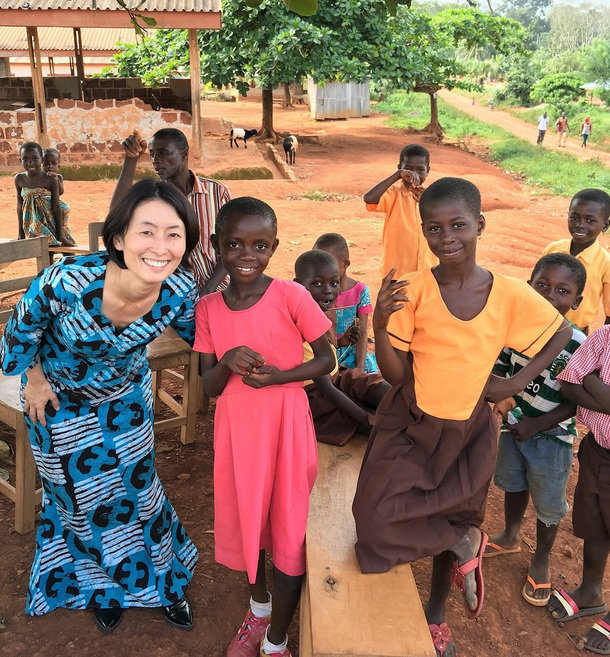
This March, I visited Ghana for the first time in about two years. One thing that struck me strongly on the ground was how much prices had risen.
In the capital, Accra, I happened to run into a staff member of an international NGO working in Ghana, someone I had met before, at a separate meeting. In the course of casual conversation, I mentioned that prices seemed to have gone up a lot since my last visit. She told me:
"Prices keep rising, but salaries barely go up. It's tough."
She is also a mother raising children, and she told me that at home she asks her children and family to turn off lights and appliances they're not using, wherever possible, to help keep the electricity bill down.
In Japan too, we've had more and more occasions in recent years to feel the rising cost of food, daily necessities, and utilities. In Ghana, rising prices were clearly having a major impact on people's daily lives.
These price increases are also affecting ACE's work.
How Could We Convey This Change?
After returning from my trip in March, I couldn't stop thinking about the price increases I had seen on the ground.
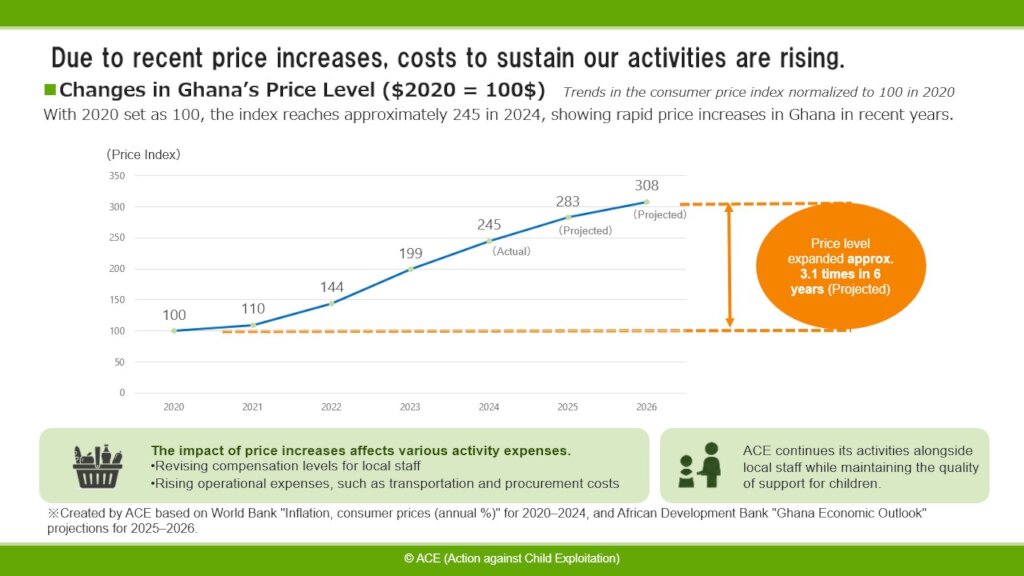
Saying simply that "prices are rising" doesn't really convey the scale of the change. So I wanted to find a way to visualise what was happening locally, and I put together a price index for Ghana based on its inflation rate, setting 2020 as a baseline of 100. The inflation rate shows how much prices rose in a given year, and by compounding that figure year over year, I was able to show how much the price level has changed compared to 2020.
Taking the 2020 price level as 100, the index rose to approximately 245 in 2024 and is projected to reach around 308 in 2026. In other words, prices are projected to have roughly tripled over these six years.
Of course, ACE's activity costs are affected not only by prices but also by other factors such as exchange rates, so this figure alone doesn't explain everything.
Even so, I felt that this number reflected what I had sensed on the ground: thatthe cost of daily living has become increasingly difficult for families to bear.
(Figures for 2020–2024 are based on the World Bank's "Inflation, consumer prices (annual %)"; figures for 2025–2026 are based on forecasts from the African Development Bank's "Ghana Economic Outlook." Compiled by ACE.)
A Return Visit Made the Impact Clear
From late June into July, I travelled to Ghana again, staying for about two weeks.
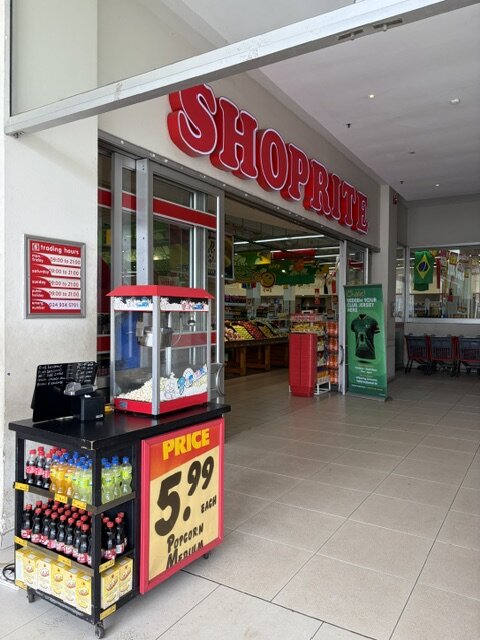
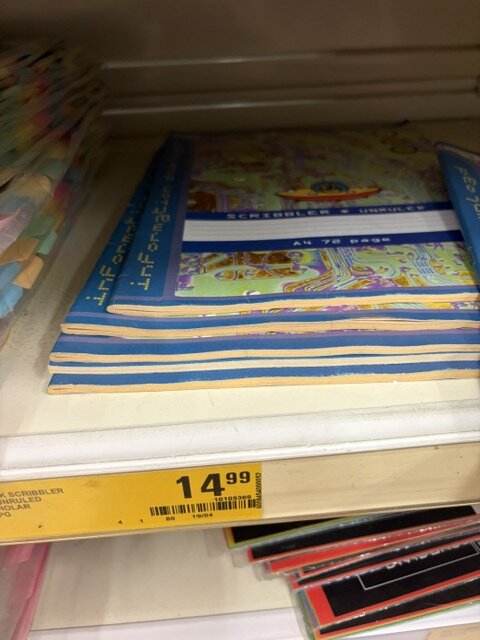
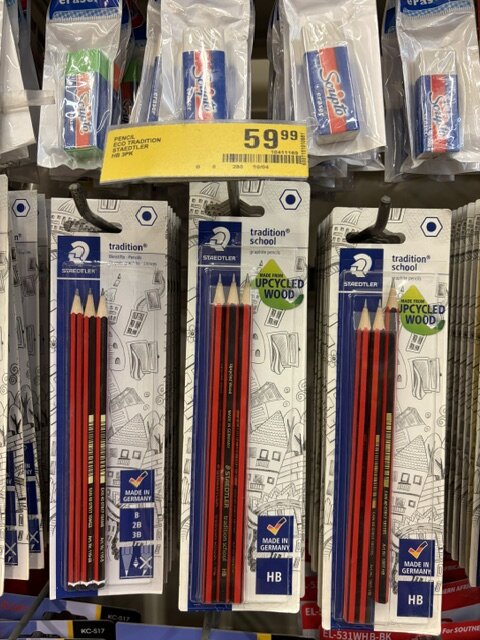
During this trip, I visited a SHOPRITE supermarket in Accra one weekend and looked at the prices of everyday goods and stationery.
A notebook was priced at 14.99 Ghanaian cedis, and a set of three pencils at 59.99 Ghanaian cedis.
(Converted to Japanese yen at the exchange rate at the time, the notebook came to around 211 yen, and the set of three pencils to around 843 yen.)
These yen conversions are affected by exchange rates, so they can't be compared directly with prices in Japan. The pencils I saw may also have been imported, so this price alone doesn't tell us about stationery prices as a whole. Still, it didn't feel like something people could buy without a second thought.
Prices at a single shop can't tell the whole story either, but walking through the store and seeing the goods on the shelves made the price increases I had sensed back in March feel real again.
More Is Now Needed to Keep the Same Work Going
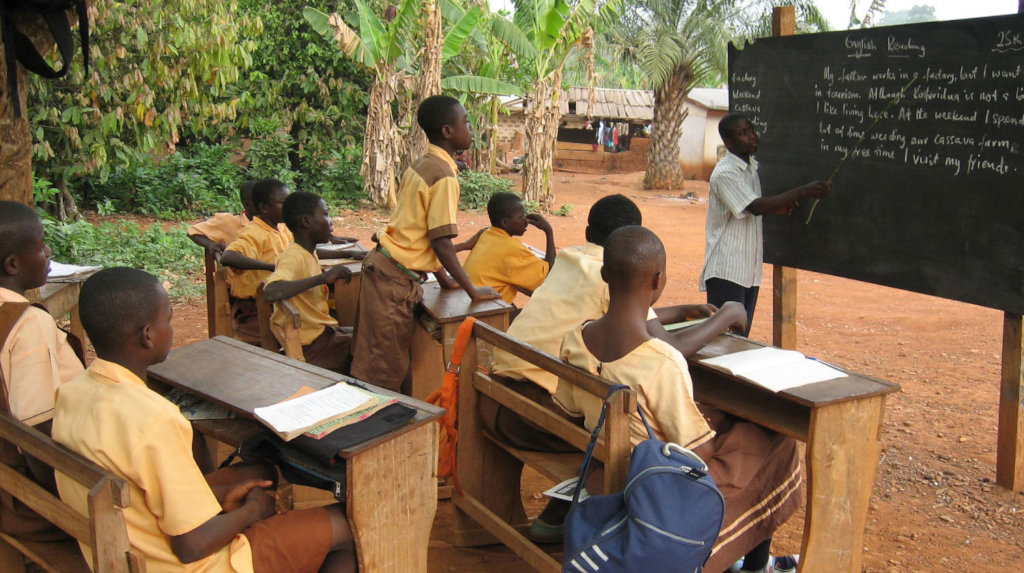
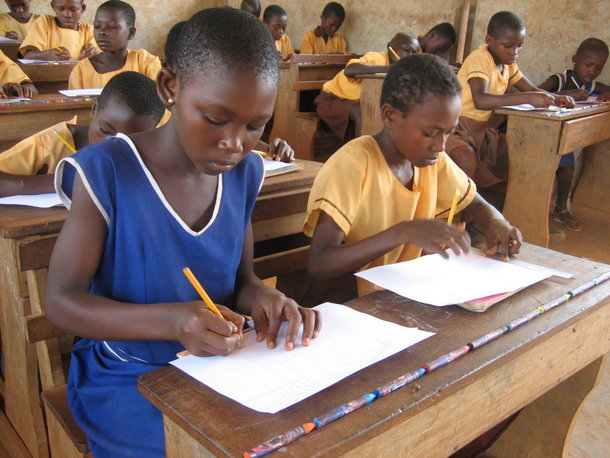
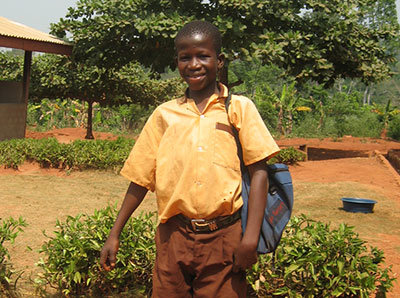
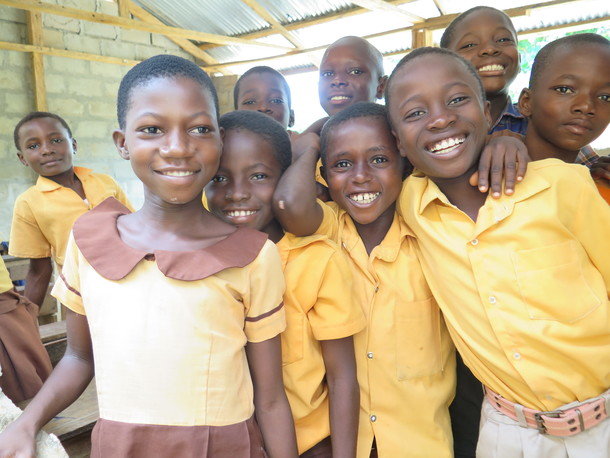
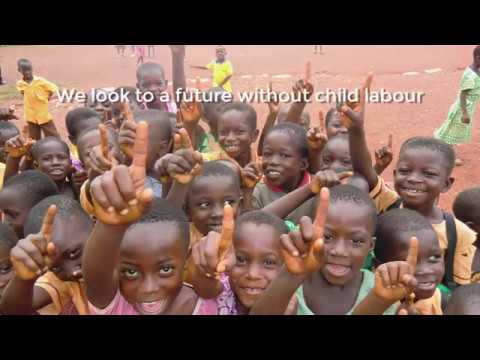
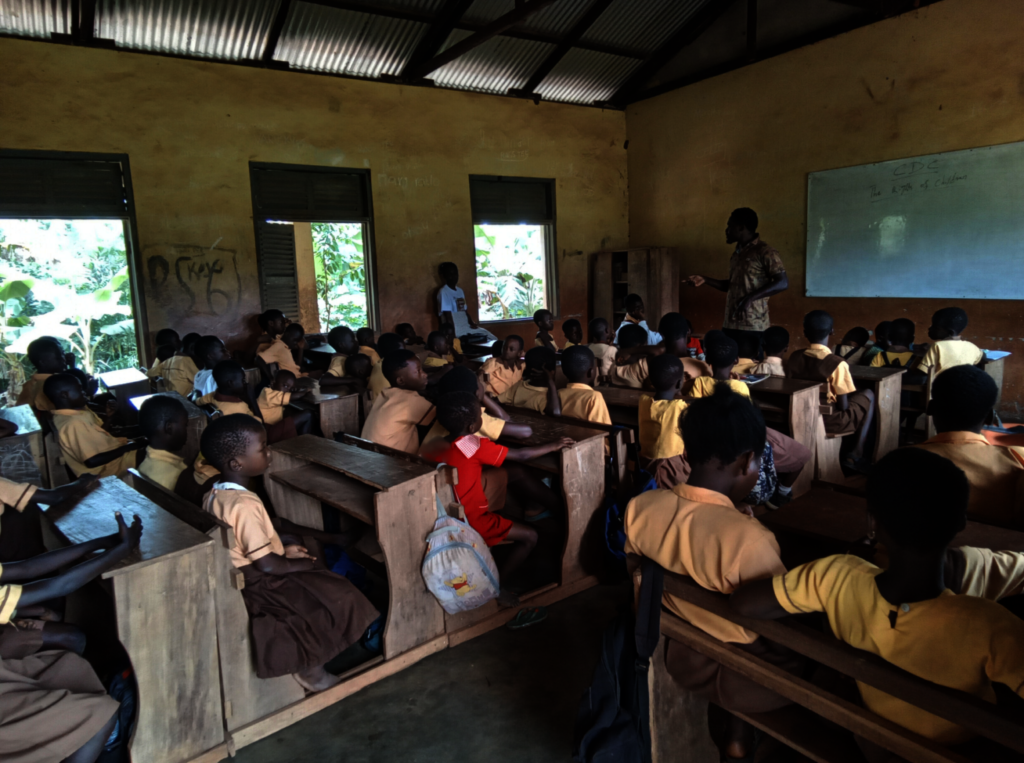
In Ghana, ACE works alongside local communities so that children can keep attending school safely, without being drawn into child labour.
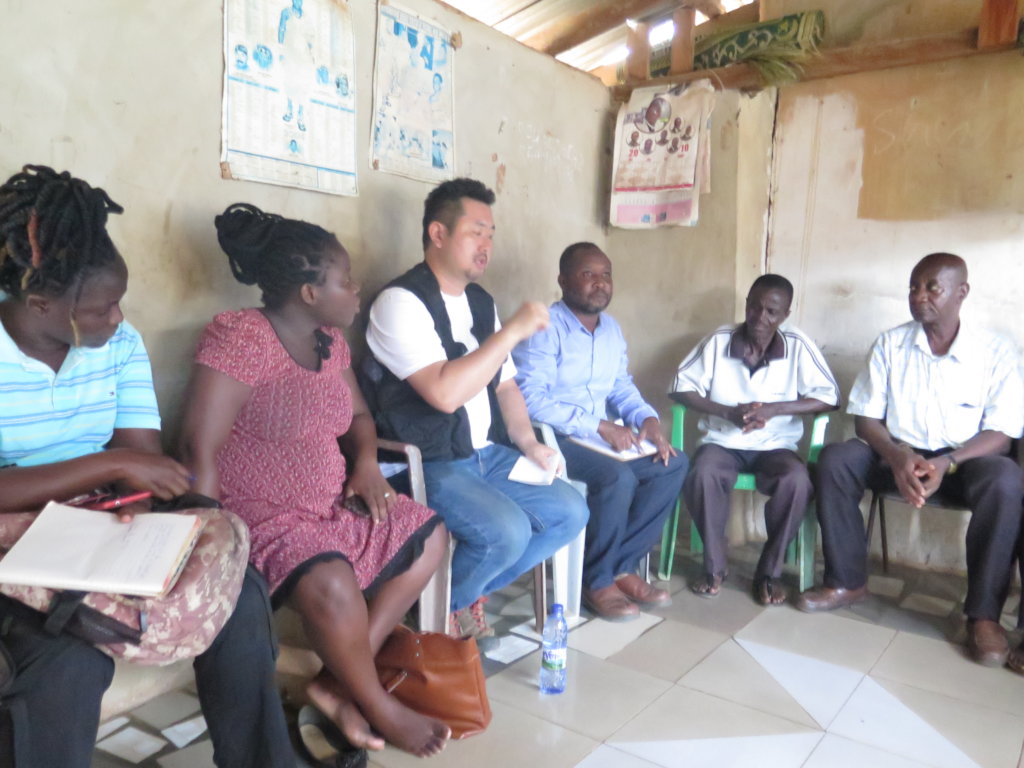
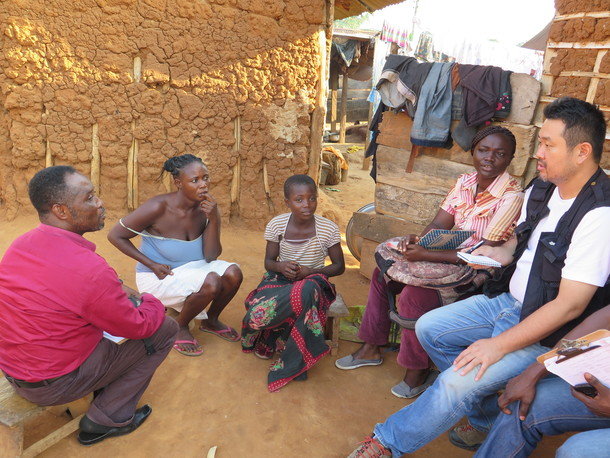
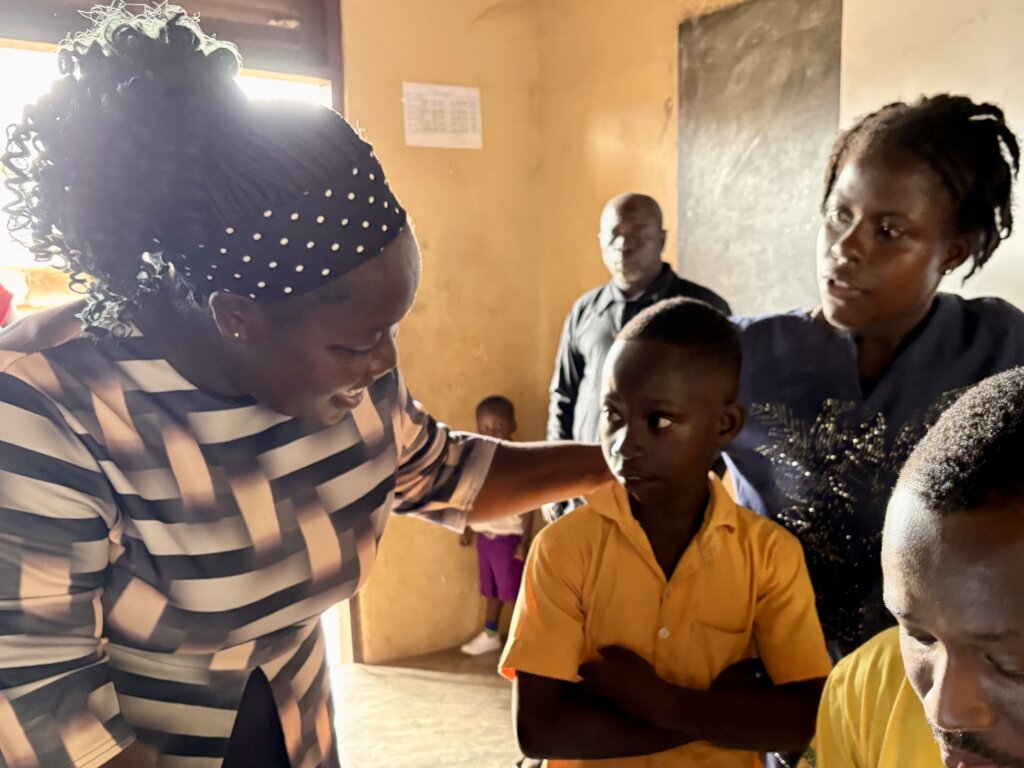
When a child is often absent from school, we visit their home to talk with the child and their family.
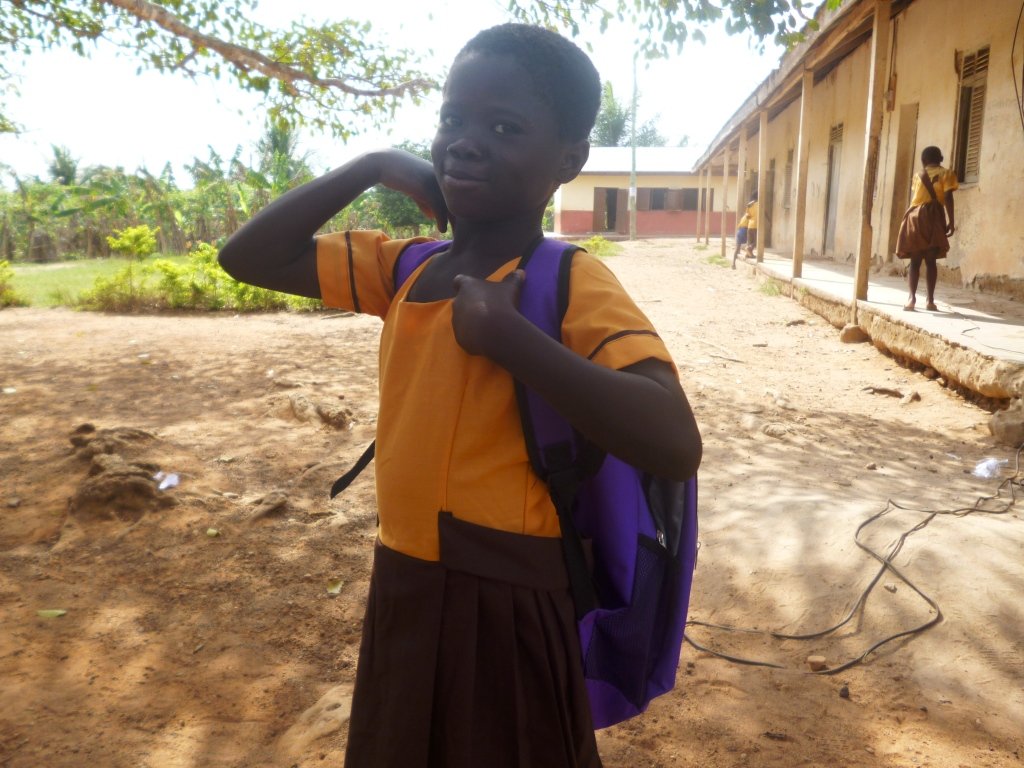
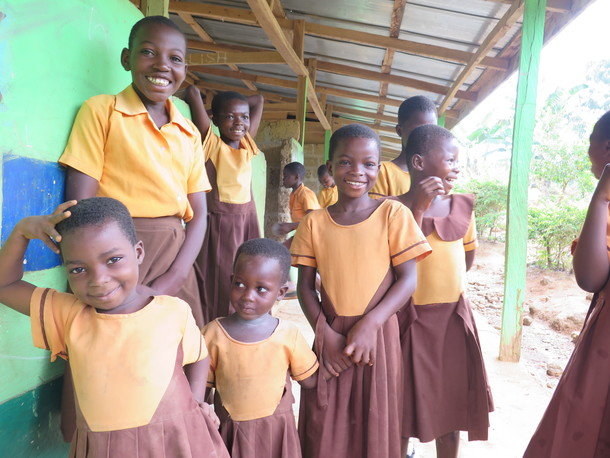
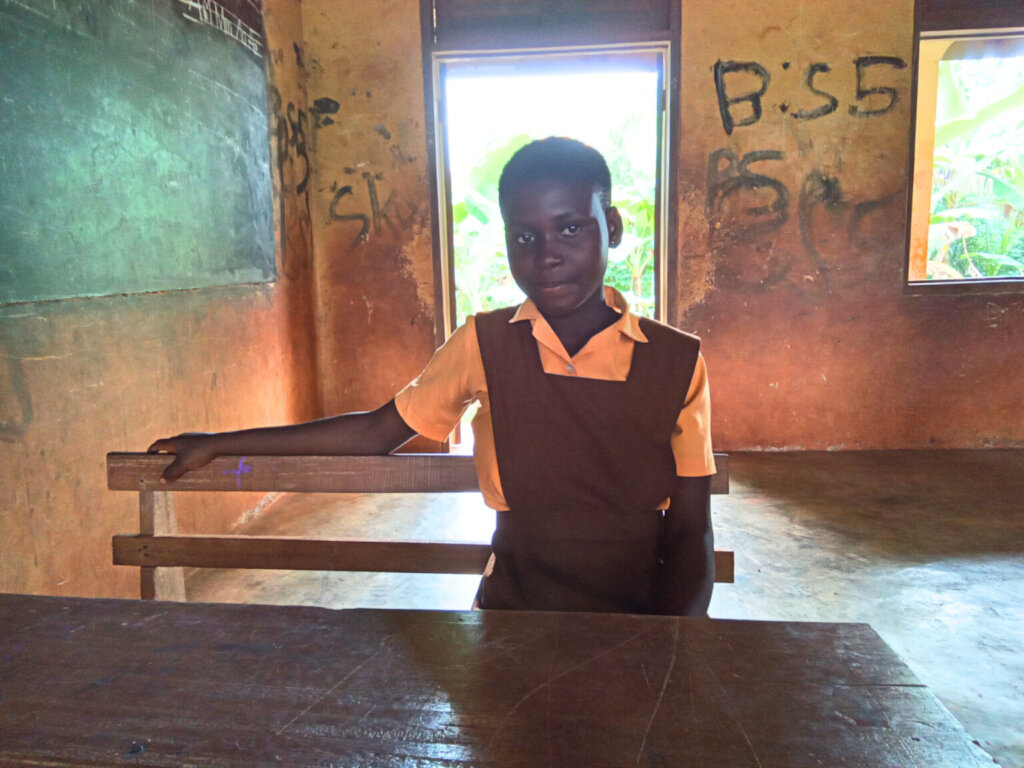
Depending on the family's circumstances, we sometimes provide school uniforms or supplies.
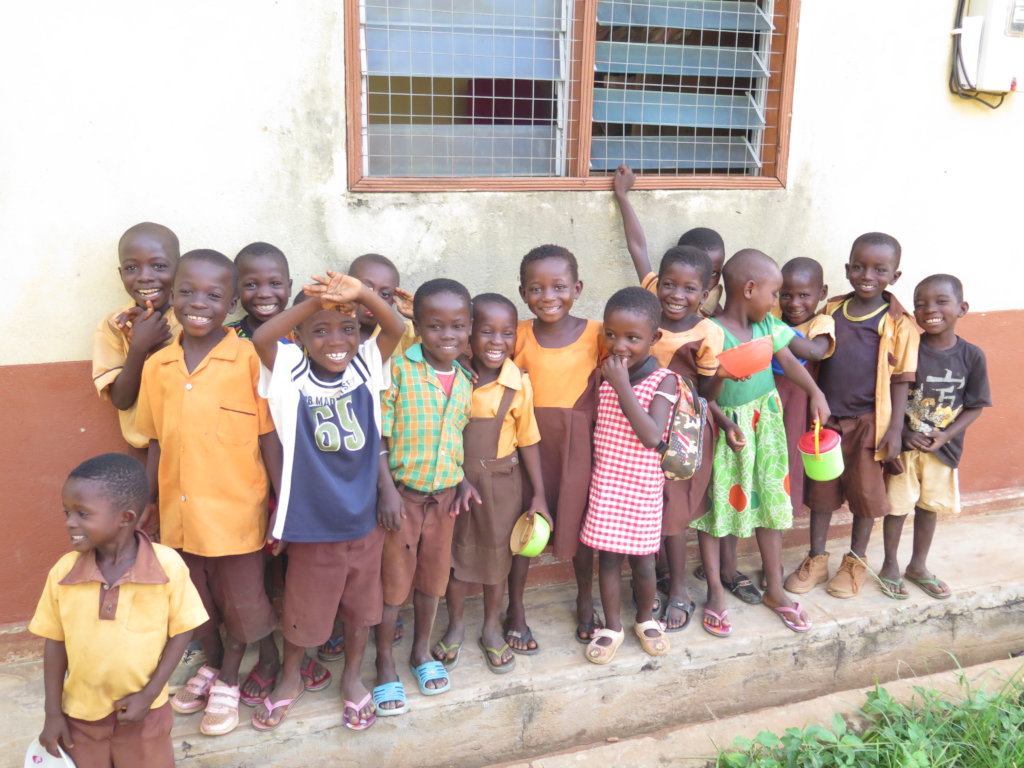
School meals help improve attendance, so we also help cover part of the cost of school lunches.
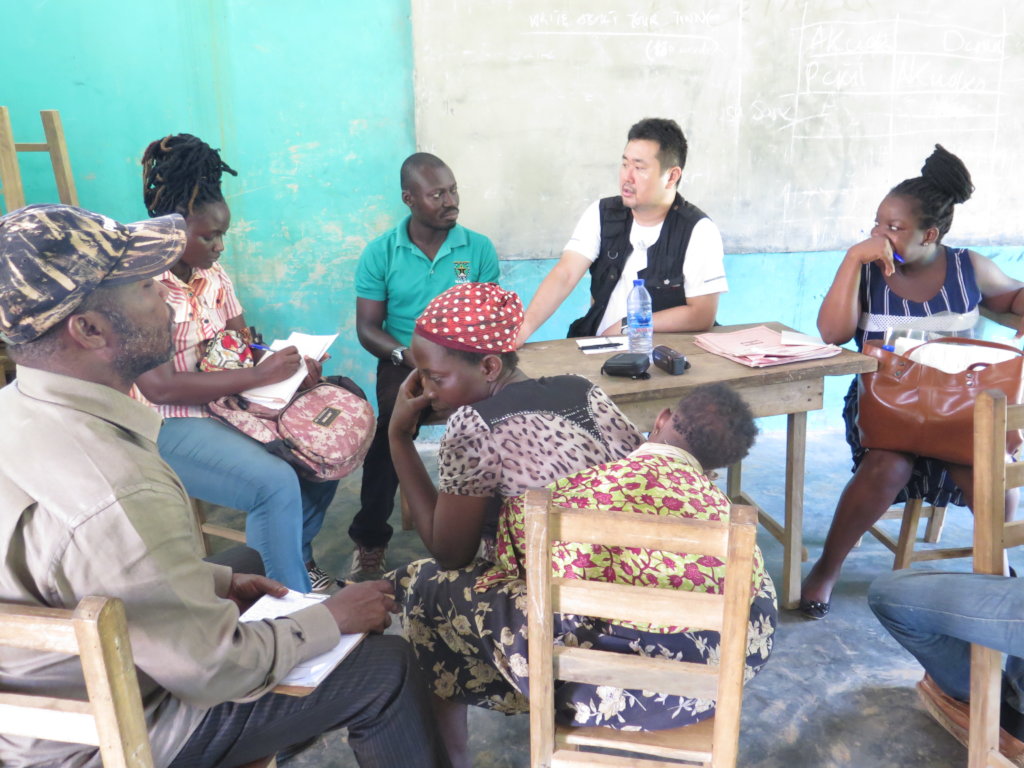
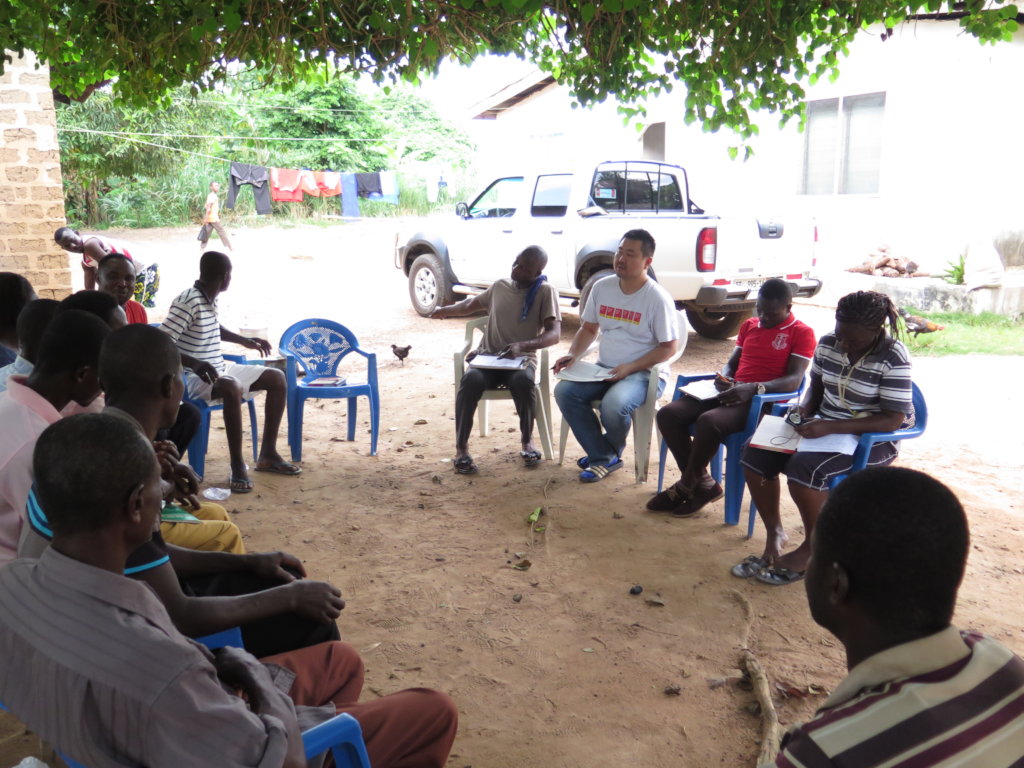
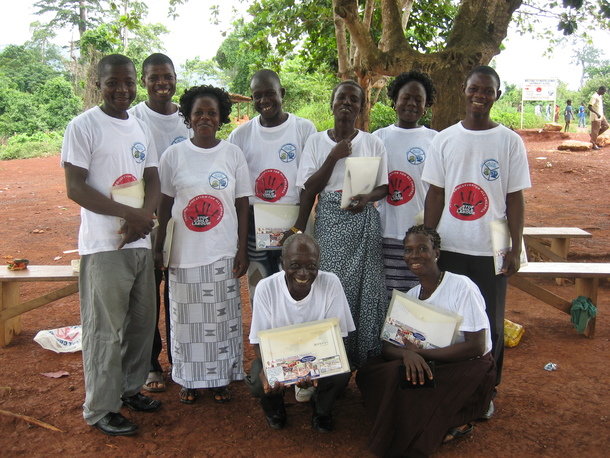
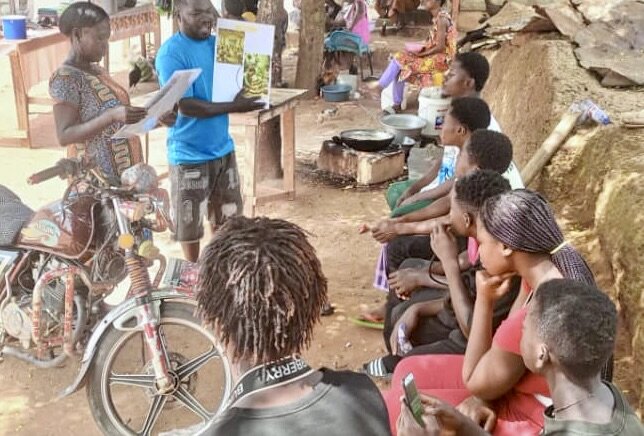
We also run training for community members and teachers, building community-wide systems to protect children.
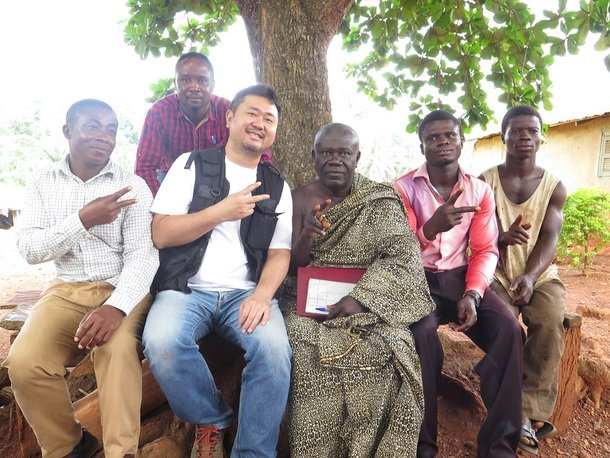
Our local staff in Ghana carry out this work every day, while also supporting their own families. As the cost of food, daily necessities, transport, and other living expenses rises, we reviewed local staff salary levels to help ensure they can continue their work while supporting their families .
This means that the cost of maintaining the same quality of support for children, and continuing the same work as before, is itself growing.
Behind the numbers in our budget are the everyday lives of local staff living amid rising prices, and the daily lives of children who keep going to school.
So Children Can Keep continue learning safely and consistently.As rising prices make life harder for families, more children may find it difficult to get uniforms or school supplies, or to keep attending school at all.
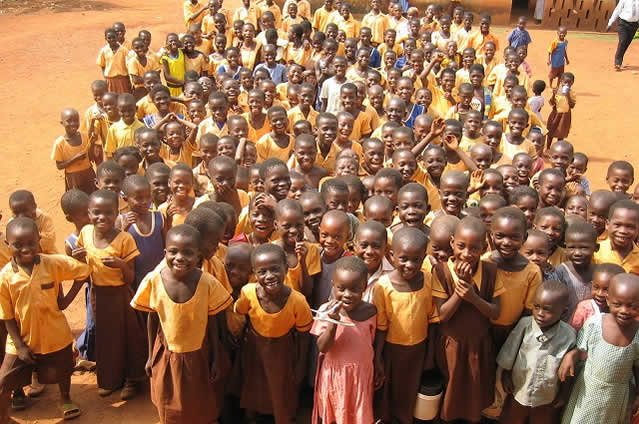
That is exactly why it matters more than ever to ensure that children can continue learning in a safe and supportive environment. Visiting schools and homes.
Each of these efforts, one by one, connects to children's learning and their future.
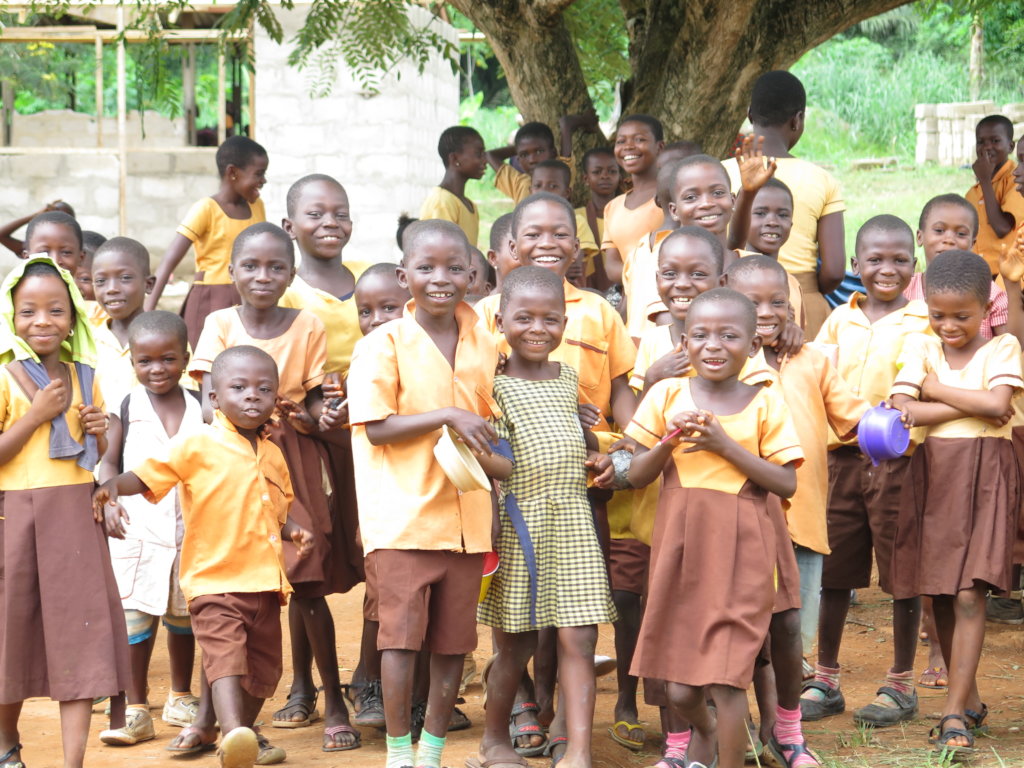
Even as prices continue to rise, ACE will keep working alongside our local staff and communities so that as many children as possible can continue attending school with peace of mind.
Your support makes this work possible.
Thank you for your continued support of ACE and the children and communities we work alongside.
By Megumi Ito | Ghana Project Team
By Yuki Akahori | SMILE Ghana Project Manager
Project reports on GlobalGiving are posted directly to globalgiving.org by Project Leaders as they are completed, generally every 3-4 months. To protect the integrity of these documents, GlobalGiving does not alter them; therefore you may find some language or formatting issues.
If you donate to this project or have donated to this project, you can receive an email when this project posts a report. You can also subscribe for reports without donating.



Support this important cause by creating a personalized fundraising page.
Start a Fundraiser