By James Wandera Ouma | Executive Director
1. Executive Summary
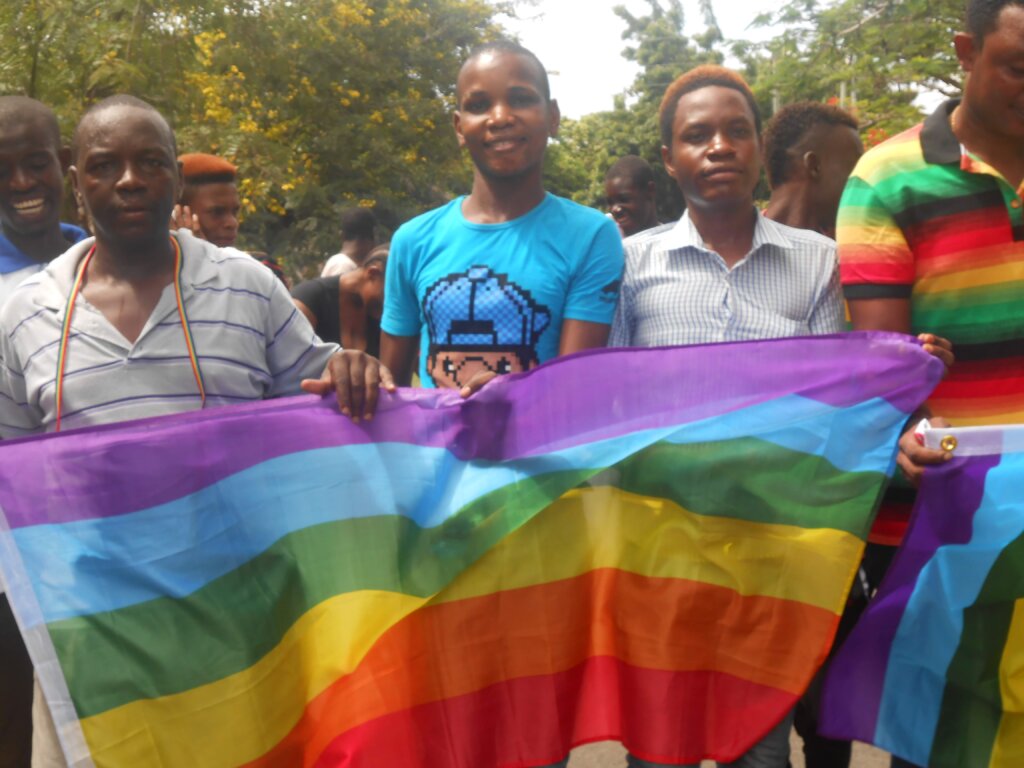
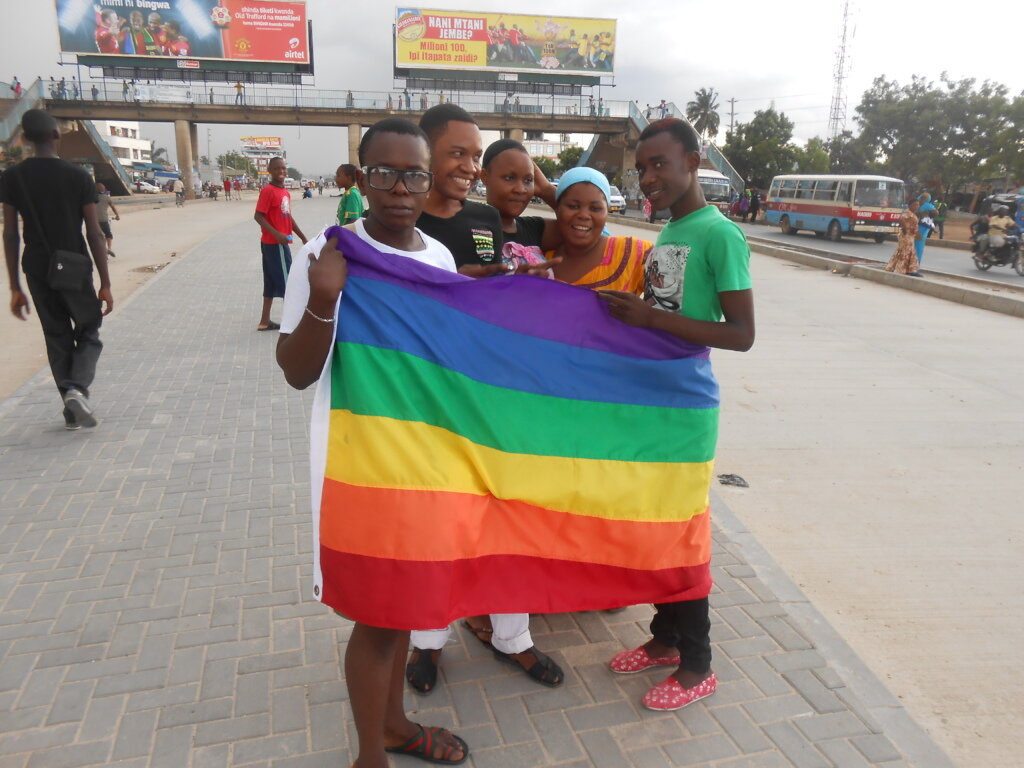
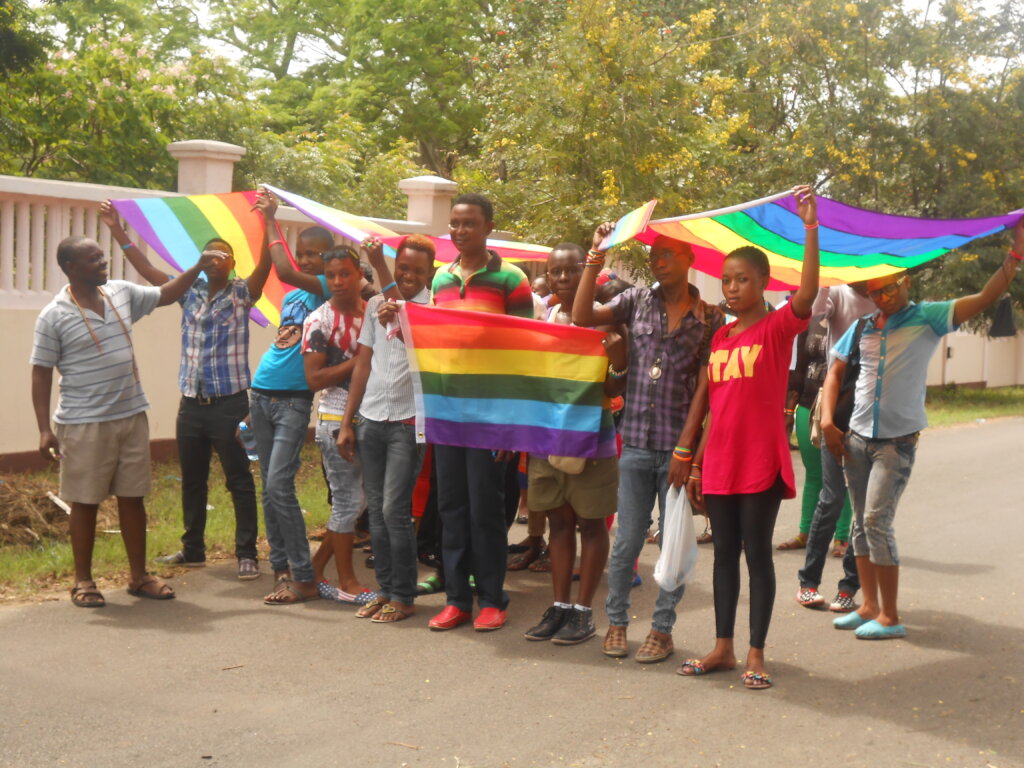
LGBT Voice Tanzania presents this report on the progress of the Addressing the Dynamic Needs of LGBTQIA+ People in Tanzania Project, a five-year initiative aimed at empowering LGBTQIA+ individuals through visibility, legal support, and data-driven advocacy. In a hostile environment marked by discrimination and criminalization, the project promotes acceptance, human dignity, and equality.
Addressing the Dynamic Needs of LGBTQIA+ People in Tanzania focuses on reducing bias and violence through digital outreach, mental health services, and legal aid, while amplifying the voices of LGBTQIA+ individuals. Despite limited resources and increasing hostility, the project has delivered meaningful impact—supporting hundreds through legal assistance, trauma counseling, and awareness campaigns.
This report highlights key achievements, challenges, and the ongoing need for support as we continue building a more inclusive Tanzania
2. Project Implementation and Activities
2.1 Launch of the Addressing the Dynamic Needs of LGBTQIA+ People in Tanzania Project
The Addressing the Dynamic Needs of LGBTQIA+ People in Tanzania Project was launched to provide community-driven responses to bias, stigma, and marginalization through structured outreach, education, and direct support. It focuses on both urban and rural areas, targeting communities where LGBTQ+ individuals face acute challenges.
Key Objectives:
Reach over 500,000 individuals with anti-bias messaging.
Engage at least 100,000 users through social media platforms.
Organize monthly engagement events across 33 communities.
Provide mental health and trauma counseling for LGBTQ+ individuals.
Train lawyers and advocates to offer legal protection to victims of discrimination and violence.
Build partnerships with 50 organizations and 25 community stakeholders.
2.2 Data Training Program (Supporting Component)
To support the objectives of the Addressing the Dynamic Needs of LGBTQIA+ People in Tanzania Project, a structured data training program was implemented to equip LGBTQIA+ individuals with skills in data collection, analysis, and storytelling.
Key Achievements:
33 participants were trained in collecting, cleaning, analyzing, and visualizing data.
Tools used included Google Sheets, Google Forms, Wordcounter, Datawrapper, and ColorBrewer.
Participants learned key spreadsheet functions (VLOOKUP, IF, TRANSPOSE) and how to turn data into narratives for advocacy and public awareness.
Trainees now contribute to building evidence-based cases for policy engagement and community education.
3. Strategy and Methodology
The project employed a community-centered and multi-sectoral approach, ensuring that interventions were tailored to meet real needs on the ground.
Community-Led Design: LGBTQIA+ voices were central to project planning, training, and implementation.
Data-Driven Storytelling: Empowering participants to generate and interpret data that speaks to their experiences.
Intersectional Advocacy: Addressing multiple layers of discrimination—legal, social, and economic.
Strategic Partnerships: Engaging legal professionals, mental health practitioners, and civil society partners to enhance service delivery and sustainability.
Decentralized Outreach: Mobilizing change through local events and social media engagement.
4. Monitoring and Evaluation
An adaptive monitoring and evaluation framework was used to measure both quantitative outputs and qualitative outcomes:
Monitoring Tools and Methods
Pre- and post-training assessments
Event attendance logs and feedback surveys
Social media analytics and reach reports
Legal support case tracking
Stakeholder interviews and follow-ups
Results
90% of trained participants reported increased skills and confidence.
Over 200 individuals reached through trauma counseling.
186 LGBTQ+ individuals received legal aid; 23 released from arbitrary detention.
Public campaigns have sparked conversations and behavior change in targeted regions.
Feedback from local leaders and families indicates growing openness and tolerance.
5. Project Impact So Far
Increased Legal Protection: Successful intervention in over 180 legal cases related to LGBTQ+ rights.
Empowered Communities: Local advocates now lead awareness efforts in their communities.
Mental Health Support: Trauma services restored dignity and hope to individuals recovering from abuse.
Educational Access: Advocacy efforts have challenged the expulsion of LGBTQ+ students and pushed for inclusive school policies.
Growing Partnerships: Networks of allies now amplify outreach and provide critical services.
6. Challenges Faced
Resource Limitations: The Addressing the Dynamic Needs of LGBTQIA+ People in Tanzania Project progressed more slowly due to funding gaps.
Legal and Political Barriers: Tanzania’s anti-LGBTQ+ laws continue to threaten community safety.
Security Risks: Rising anti-LGBTQ+ rhetoric increases vulnerability for both participants and staff.
Access to Mental Health Services: High demand and limited providers delayed service provision in some regions.
7. Lessons Learned
Community Ownership Increases Impact: Projects thrive when led and owned by LGBTQIA+ individuals themselves.
Data Builds Credibility: Using data to tell stories has increased external validation and policy engagement.
Rapid Legal Response Is Essential: Lives were saved when legal support was provided immediately after arrest.
Safe Spaces Matter: Emotional and physical safety allows for healing, leadership, and visibility.
8. Way Forward
As LGBT Voice Tanzania looks ahead, our priorities include:
Scaling the Addressing the Dynamic Needs of LGBTQIA+ People in Tanzania Project to reach more regions and expand monthly activities.
Investing in Legal Services and training more LGBTQ+ legal advocates.
Expanding Mental Health Resources by recruiting more peer counselors.
Strengthening Data Workflows to support advocacy with real-time reporting and impact metrics.
Pushing for Inclusive Policy Changes through dialogue and evidence-based advocacy.
9. Appeal for Support
We are deeply grateful for the support that has brought us this far. To sustain and scale the LIVE/KUISHI Project, we seek $100,000 annually to:
Ensure access to legal aid, mental health services, and educational support.
Conduct outreach campaigns, host monthly community events, and deliver digital advocacy.
Train and mentor the next generation of LGBTQIA+ leaders and storytellers.
Invest in research and monitoring systems that guide smarter, more targeted interventions.
Your continued support helps us build a Tanzania where LGBTQIA+ individuals can live freely, love openly, and lead with pride.
Project reports on GlobalGiving are posted directly to globalgiving.org by Project Leaders as they are completed, generally every 3-4 months. To protect the integrity of these documents, GlobalGiving does not alter them; therefore you may find some language or formatting issues.
If you donate to this project or have donated to this project, you can receive an email when this project posts a report. You can also subscribe for reports without donating.



Support this important cause by creating a personalized fundraising page.
Start a Fundraiser