By Caitlin Bartkus | Specialist, Grants and Reporting
This will be our final update as International Medical Corps’ emergency response in Lebanon draws to a close.
To continue supporting International Medical Corps, please visit our “Responding to the Conflict in Ukraine” project to learn about our response to the ongoing crisis.
Learn more about our Ukraine response here https://www.globalgiving.org/projects/responding-to-the-conflict-in-ukraine/
In 2022, Lebanon continues to reel from compounded crises: rapidly rising inflation, deep economic and financial meltdown, political instability, institutionalized corruption, the aftermath of the Beirut Port Explosion, the continuing COVID-19 pandemic and the on-going Syrian refugee crisis. The rapid deterioration of the Lebanese economy and the complete paralysis of the banking sector has created one of the deepest depressions recorded in modern times. Lebanon’s dire economic conditions have affected vulnerable Lebanese families and marginalized refugee communities the hardest.
Lebanon continues to host the largest concentration of refugees per capita and the fourth largest refugee population in the world. The refugee population and the general increase in demand for health services continue to place considerable stressors on the provision of health services, leading to limited access to quality health care for both refugees and vulnerable Lebanese. These crises have contributed to the disintegration of the country’s already fragile healthcare system—hyperinflation, increased number of beneficiaries needing healthcare, budget cuts to the healthcare sector, all resulting in negative healthcare outcomes for the most vulnerable populations. The medication shortage has only served to exacerbate the situation making healthcare financially inaccessible for most.
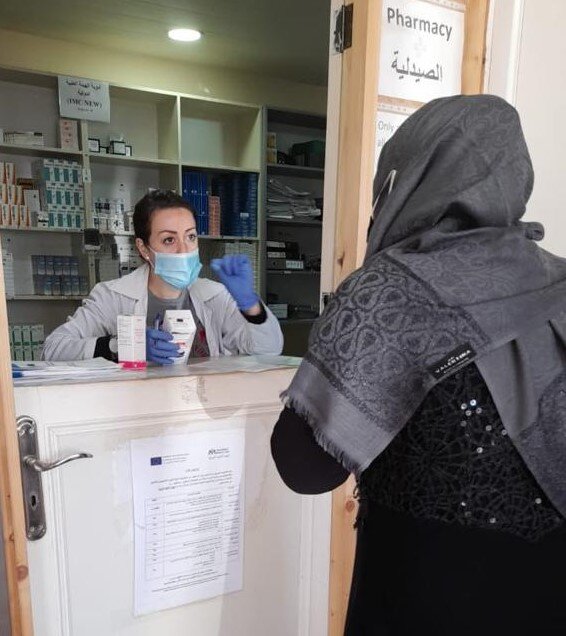
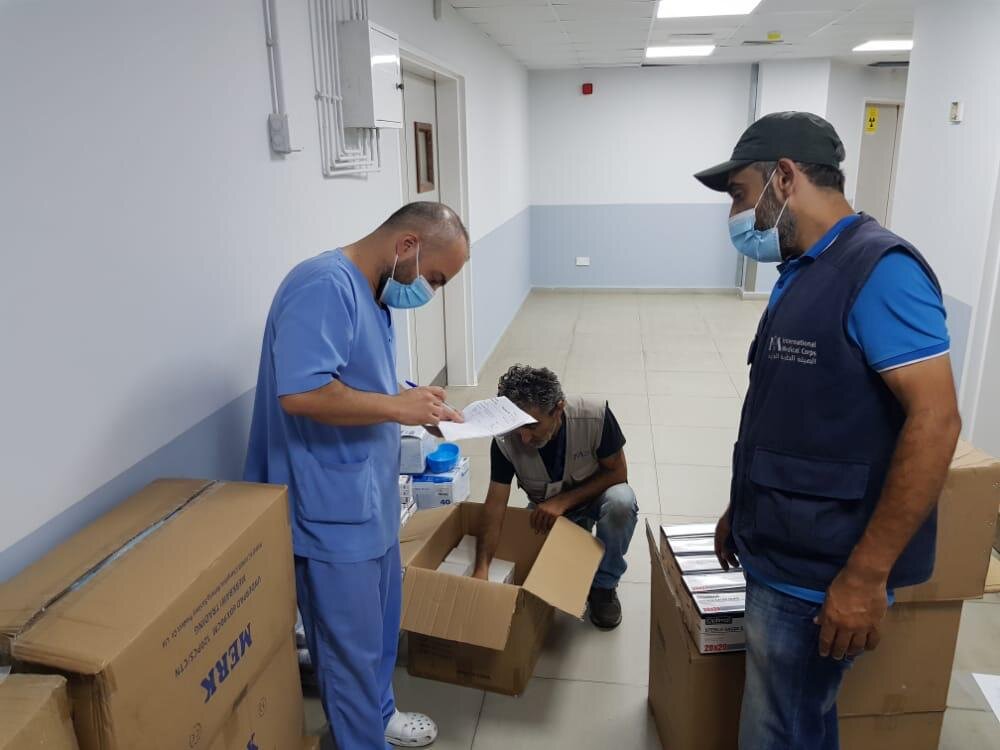
To meet this critical gap, International Medical Corps has procured (and continues to procure) acute and chronic medications to support primary health care clinics (PHCCs) and contribute to the national supply chain of pharmaceuticals. These procurements are aligned and complementary to the Ministry of Public Health (MoPH) supply of National Essential Drug List medications. International Medical Corps has quantified PHCCs’ needs for medications with the expertise of Field Pharmacists through a detailed assessment within each PHCC. In line with the identified needs, product selection was based on the National Essential Drug List, in coordination with the MoPH.
Our team recently procured eight different kinds of acute and chronic medications—including basic antibiotics like Amoxicillin and anti-diabetics like Metformin—that will support eight primary health centers in Tripoli and Akkar. These medications will help our team provide more than 34,000 people from marginalized communities with the healthcare they need.
International Medical Corps is grateful for GlobalGiving and its community of donors for raising awareness of the needs of vulnerable populations in Lebanon.
By Caitlin Bartkus | Associate Specialist, Resource Development
By Caitlin Bartkus | Associate Specialist, Resource Development
Project reports on GlobalGiving are posted directly to globalgiving.org by Project Leaders as they are completed, generally every 3-4 months. To protect the integrity of these documents, GlobalGiving does not alter them; therefore you may find some language or formatting issues.
If you donate to this project or have donated to this project, you can receive an email when this project posts a report. You can also subscribe for reports without donating.