By Adi Salcinovic | Program Coordinator
BOSANA FOUNDATION
After School Program Report
July – September 2018
Number of volunteer instructors:15
Average number of students:70
Number of workshops held:3 times a week for three hours
Type of classes held:Educational workshops in the field of information technologies, robotics and programming, use of STEMs, and methods of teaching physics, chemistry, mathematics with STEM-
Program Summary:
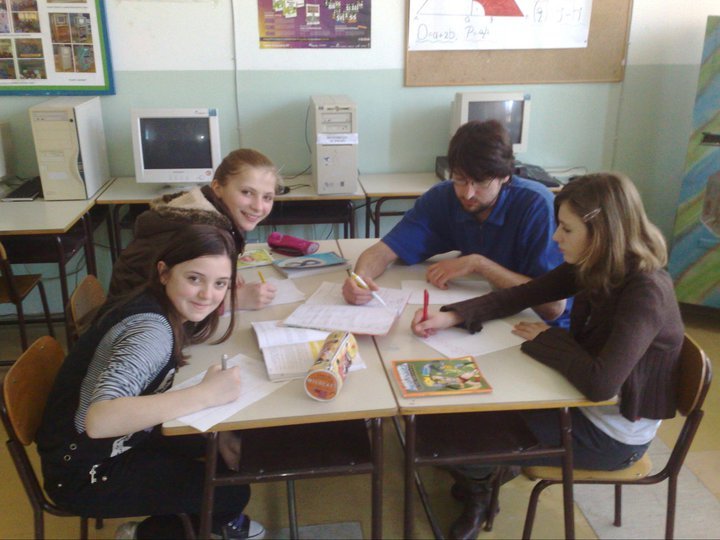
Months of July and August our beneficiaries were on school break. However, our afterschool program was still held 3 times a week, with activities focused on STEM, robotics and programming. In September, when the new school year began, we also shifted focus more on homework.
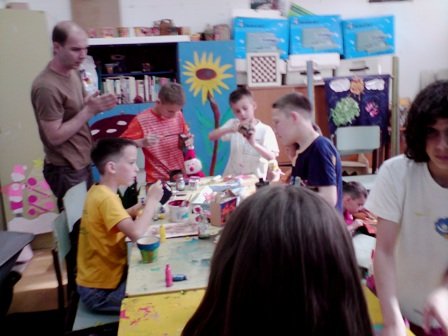
Instructive lessons, and Creative Workshops and IT Education
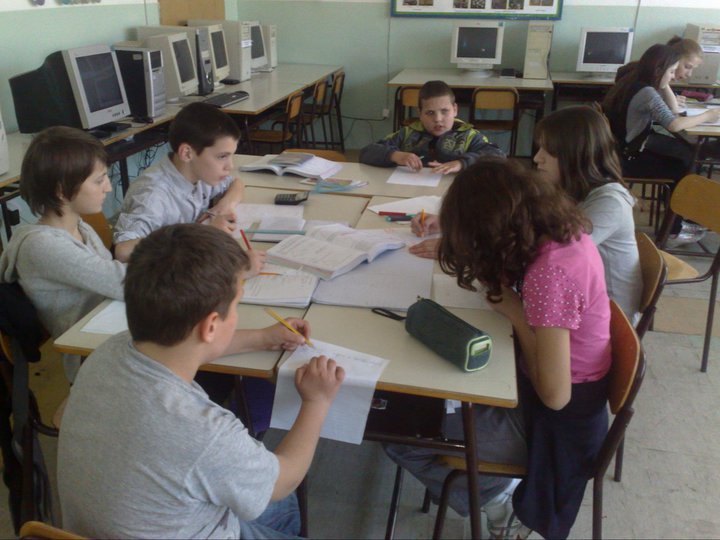
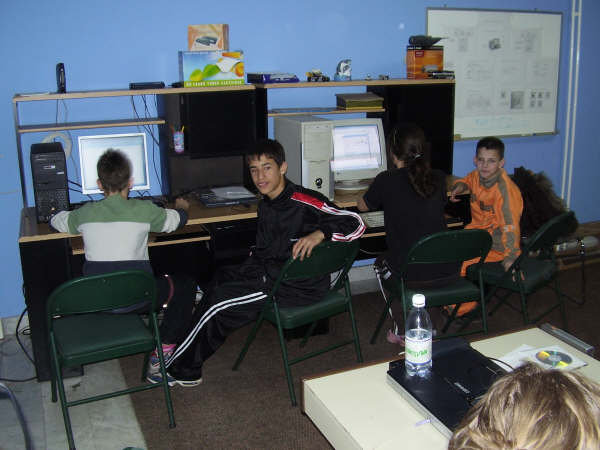
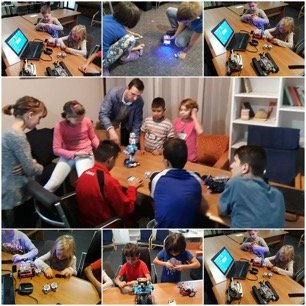
In the past three months (July, August, September) lectures and extracurricular activities were attended by 70 children from“Dom porodica”in Zenica. The first thing that was intended for us in this project was to help children with their school work and for many their new college course work. Since beneficiaries were on vacation for the month of July and August, we were working with children three times a week on course more focused on extracurricular activities. We socialized and taugh them through games of robotics and programming. Within these lectures we also organized various visits and various educational workshops and socializing. We introduced the method of STEM (Science, Technology, Engineering and Mathematics) workshops. Our goal is to teach children the logic, researching and thinking of programming robots. Also developing the knowledge and competencies necessary for each child and teenager to function in the digital age. I must point out that a large number of children attended the Robotics and programming workshops during the summer. They were subdivided into small groups of 3 to 6 years old, who had used various dice and robotics for their age. Between 6 to 9 years old, they built up more complex LEGO robotics constructs and programmed them, and thus had the opportunity to learn in a simple way the logic of programming. An older group of 9 to 12 years had the opportunity to compile working robots and work on programming Arduino that can be used in the smart house system. The oldest group of 12 to 18 years had the opportunity to learn how to write basic program codes in HTML, C # and thus develop their skills and strengthen their competencies. A group of children aged 6 to 9 years old worked on mBot programming where they learned to build a small mBot and eventually program it. In the attachment you can see how one of the programs they did looks and then they transferred it to the mBot that executed those commands.
An older group from 12 to 18 years studied the programming of Lego Boost and Lego Mindstorms, as well as a small robot of COZMO through a 3-month education. They had a few theoretical lessons, and most of them were practical work. There were about 40 beneficiaries but we worked in groups of 5, maximum 8 to 10 interested students. The hours were full of the perfect atmosphere and great interest of both boys and girls. Children were very interactive and creative during the classes, which pleased us that we were able to engage them in programming and logical thinking. We realized that many of them wanted to deal with information technologies in the future, which made us very happy. You can see the picture attached with Lego Mindstorms robot that can compose the Rubik’s cube in less than two minutes.
In addition to this, students learned how to work in the Python, C #, and Java programming languages, as well as how and in what way to make the web site.
Finally, speciality of STEMA is that children, in a special way, through games, problem and project approaches develop their competences, programmers logic and structure their brains. We worked with a smaller group to adopt an algorithm, using visual programming environments adapted to their age. Our aim was to gain children and young people through games. For the upcoming months, we are keen to plan more advanced workshops and programming lessons in the field of robotics and programming. Aside from these classes, students showed particular interest for sewing courses and workshops. We also organized classes and workshops of creative physics, chemistry, mathematics where children and young people, according to their age and class they attend in school, had the opportunity to learn school subjects in a creative and innovative way. For the following months, our goal is, in addition to basic activities, ie, learning with children, helping them with school obligations is to continue to work with children and young people in STEM education.
Achievements in this quarter:
Plans for the future months:
Project reports on GlobalGiving are posted directly to globalgiving.org by Project Leaders as they are completed, generally every 3-4 months. To protect the integrity of these documents, GlobalGiving does not alter them; therefore you may find some language or formatting issues.
If you donate to this project or have donated to this project, you can receive an email when this project posts a report. You can also subscribe for reports without donating.



Support this important cause by creating a personalized fundraising page.
Start a Fundraiser