By Adi Salcinovic | Program Coordinator
BOSANA FOUNDATION
After School Program Report
April, May, June 2020
Number of volunteer instructors:7
Average number of beneficiaries:40
Number of workshops held: 2 times a week for two hours
Type of classes held:
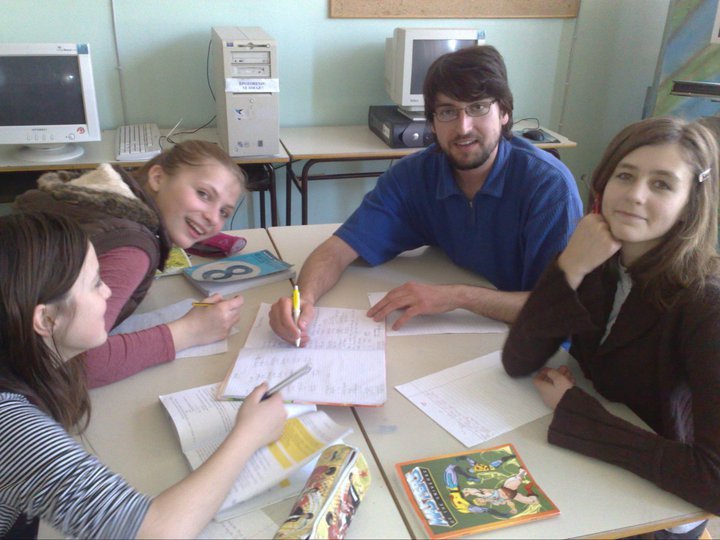
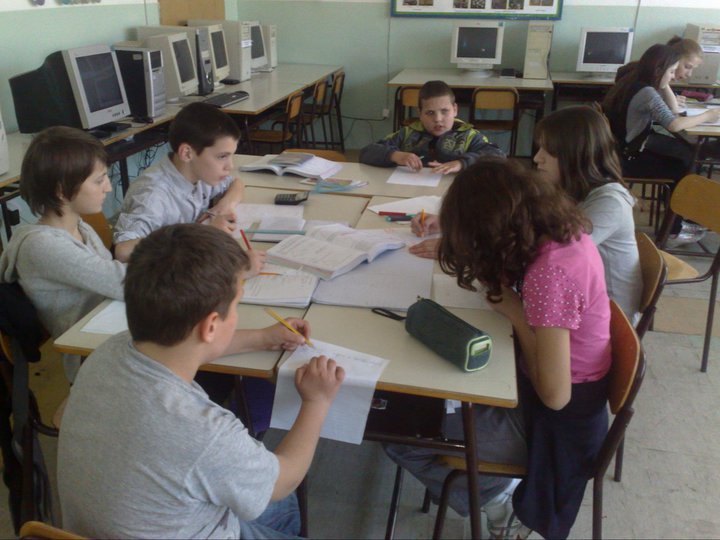
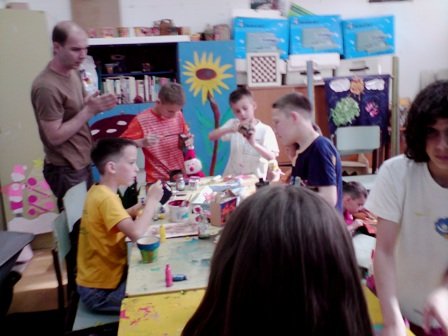
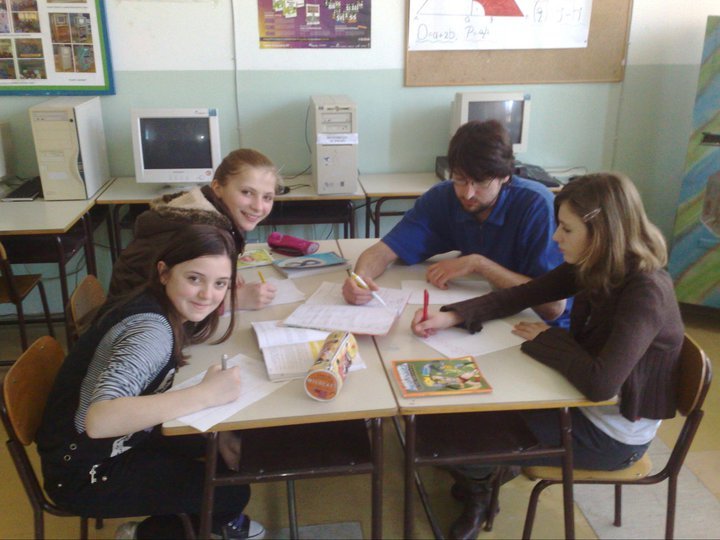
Introduction to mathematics, physics, chemistry, English, German and extracurricular activities such as programming and robotics, hand crafts and calligraphy.
Additional.classes
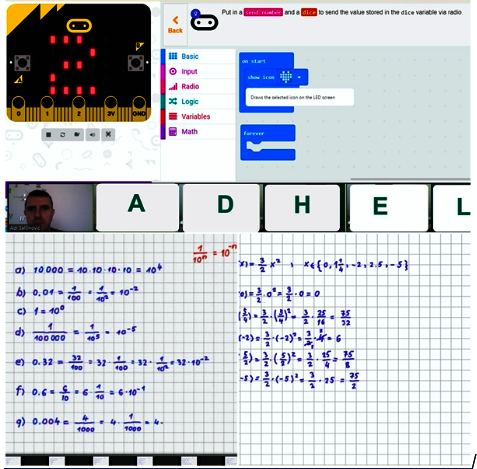
During months of April, May and June, we were hit by the Covid-19 pandemic and as a result we were forced to adapt how we conduct our Afterschool program. The visits to “Dom i porodica” orphanage were banned but we found ways to communicate and hold our classes. Two times a week we held two-hour online sessions on programming and robotics via Zoom. At first, classes were hard to manage because of the technical issues, but we did not give up until we found a way. Online classes held during these three months were in maths, chemistry, English, German and programing. Classes not only help our beneficiaries with their homework as they continued home schooling, but it also helped positive contribute towards their psychological state cause being confined in a closed space took a toll on everyone. At the beginning, it was hard to explain things online, but we found ways to help participants understand how to use online tools and platforms for learning. Even more than before, we as instructors had to prepare a lot for the lessons to prepare PowerPoint or Prezi presentations. Around 40 beneficiaries continued to attend our AfterSchool program.
Online programming and robotics workshops
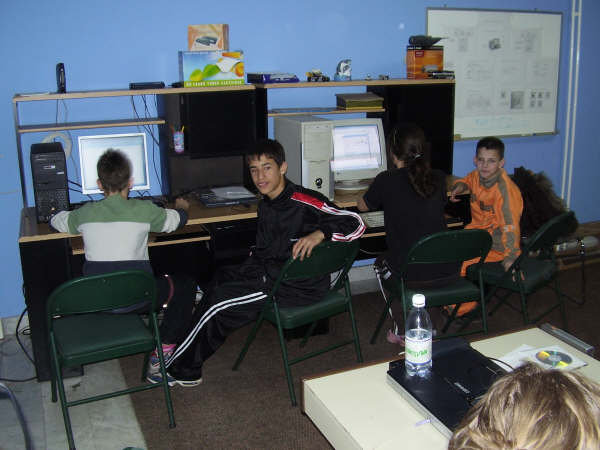
After our regular Zoom classes, we also held STEM and robotics workshops. The beneficiaries were very interested, but we had a lot of problems. One of our main issues were lack of reliable internet connection and laptops/tablets that the beneficiaries could use. Our instructors worked hard to solve the problem and find everyone a device to work on. We split the participants into two groups, one with younger children aged 7 - 14, and one with teenagers aged 14 - 18. The younger group had classes on basic programming in Scratch, CodeMonkey, and Tynker coding platforms where they learned about algorithms and logical problem solving. That group expressed interest to not only work on the problems they were given but also to see and hear the teacher and talk about any projects they might have had on their own. They had the opportunity to further develop their critical thinking and brainstorm various solutions to the problems.
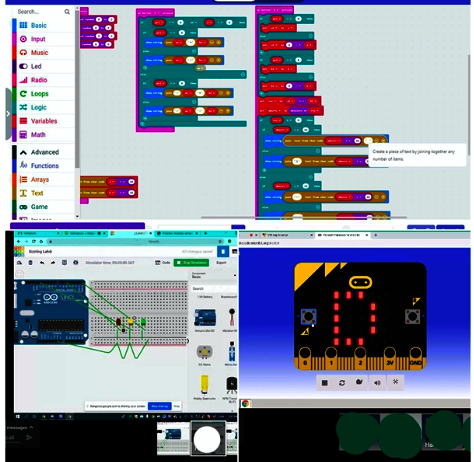
The older group had online classes held on programing MicroBit devices in MakeCode and Python programming languages with tasks that made them further develop their critical thinking. The only downfall was that they were not able to transfer their codes and actually see the robots move. We solved that by using a simulation of Lego Mindstorms EV3 robot online that they could manipulate with. On the same application we had a virtual microcontroller that we used to work with condensers, ventilators and LED displays. We mentioned in our past report that during the first wave of the Covid-19 pandemic, two students helped us with 3D printer make protective visors for hospital staff.
Parties, hangouts and performances
Like with everything else, all social gatherings were moved online. During the month of Ramadan, we organized one evening 50 meals for our “After school” program beneficiaries with the help of the college freshman’s in the orphanage. The “hangout” had to happen online and while it was nice, we definitely missed our in-person interactions. We also used the application Houseparty to organize few more gatherings.
Finally, as previously mentioned, we organized online talks with a psychologist and therapist, Mr. Sedin because we wanted to make sure that the psychological state of the children at the orphanage was managed and addressed in the best way possible. The children at the orphanage spent more than 50 days in the quarantine which took a toll on everyone. Mr. Sedin provided support by answering many questions that the children had and gave them some guidance how best to manage the new “normal”.
Plans for the next quarter:
- Continue using various online educational platforms and searching for online study materials to make our online classes more interesting and impactful.
- Planning and realization of project IoT at the orphanage.
- Continue our school for young programmers, ages 8-14.
- Finalize our MakerSpace center at the orphanage that we started last September
- Held older group of beneficiaries with writing CVs.
- Provide training on how to plan and write projects.
- Help those who are ready to leave orphanage adjust to more self-sufficient and independent life.
Project reports on GlobalGiving are posted directly to globalgiving.org by Project Leaders as they are completed, generally every 3-4 months. To protect the integrity of these documents, GlobalGiving does not alter them; therefore you may find some language or formatting issues.
If you donate to this project or have donated to this project, you can receive an email when this project posts a report. You can also subscribe for reports without donating.



Support this important cause by creating a personalized fundraising page.
Start a Fundraiser