By Adi Salcinovic | Program Coordinator
After School Program Report
July, August, September 2020
Number of volunteer instructors: 8
Average number of students:45
Number of workshops held: 2 times a week for two hours
Type of classes held:
Introductions in mathematics, physics, chemistry, English, German and extracurricular activities such as programming and robotics.
Summary
During July, August and September, due to the Covid-19 pandemic, we continued our activities via online platform. Since there was a school break in July and August, we organized various educational webinars. To motivate the ones who were showing true interest, we worked with them in a way: “learn, do and earn a reward “. A group of 10 boys and girls aged 12 to 15 took part in this challenge during July and August where they learned web programming and then created a website on their laptops.
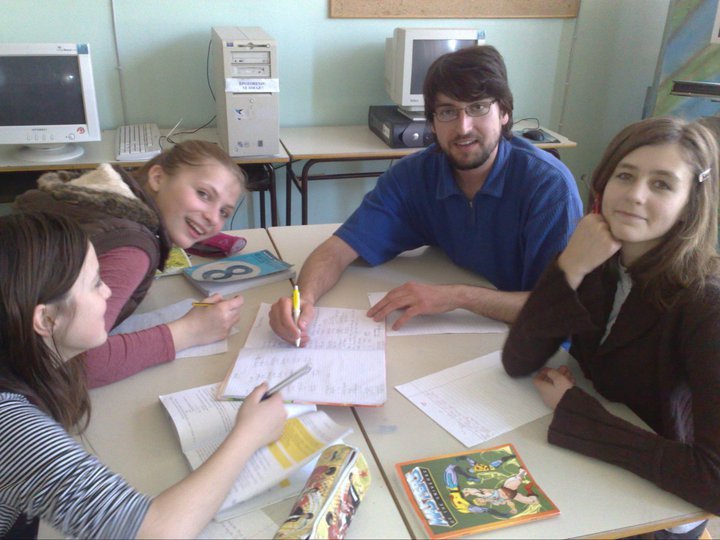
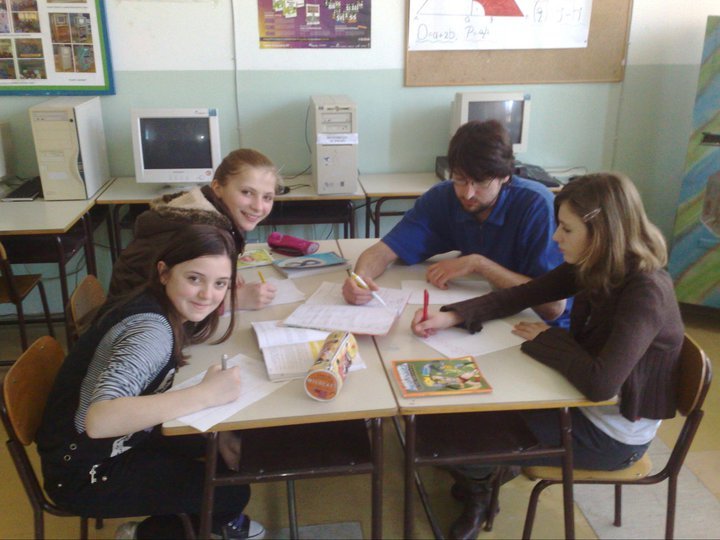
In September, when the school started, the interest for our Afterschool program also grew because their school continued online and that posed a lot of problems for many how they will be able to learn. Teachers and professors sent the lessons via e-mail or viber which need to be completed by a certain day and for many students not having teachers to explain what is going on this type of instructions has been a serious problem. Our Afterschool program is now more needed than ever. This quarter, we had 45 beneficiaries of the program attending primary and secondary school who followed our online instructional classes.
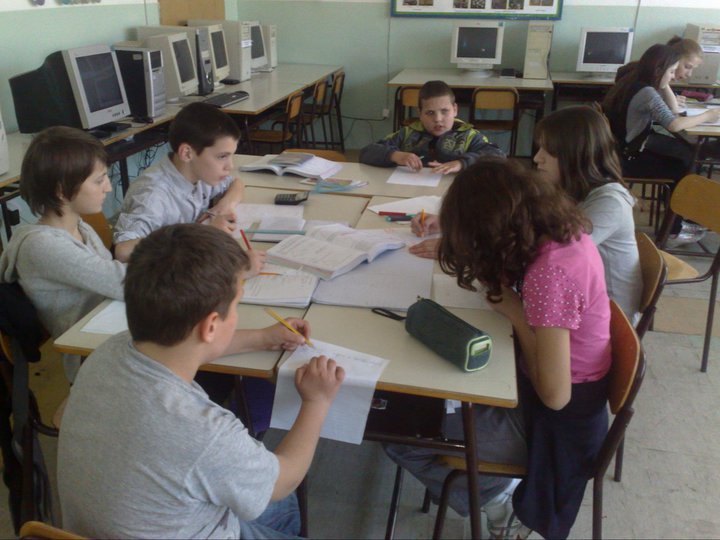
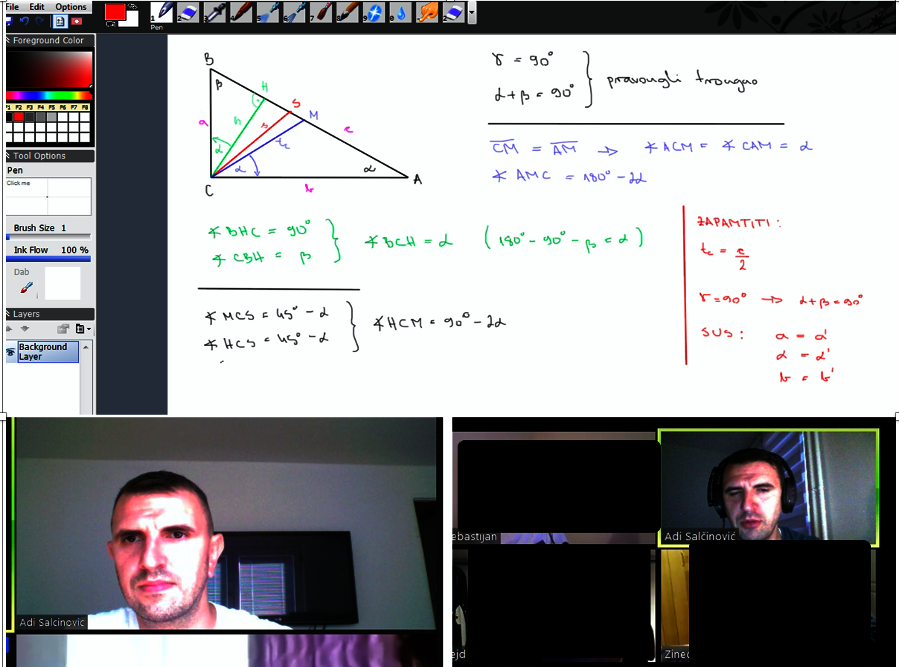
To assure best quality, we split the groups by classes, so it was easier for us to work and for them to learn new materials. For many, the teachers shortned the online classes by 30 minutes so there was not enough time to answer all the questions; therefore, participants in our program were able to ask those questions from our instructurs. We used graphic tables and better quality webcams so that we could present and explain the lessons to them in the best possible way.
Online programming and robotics workshops
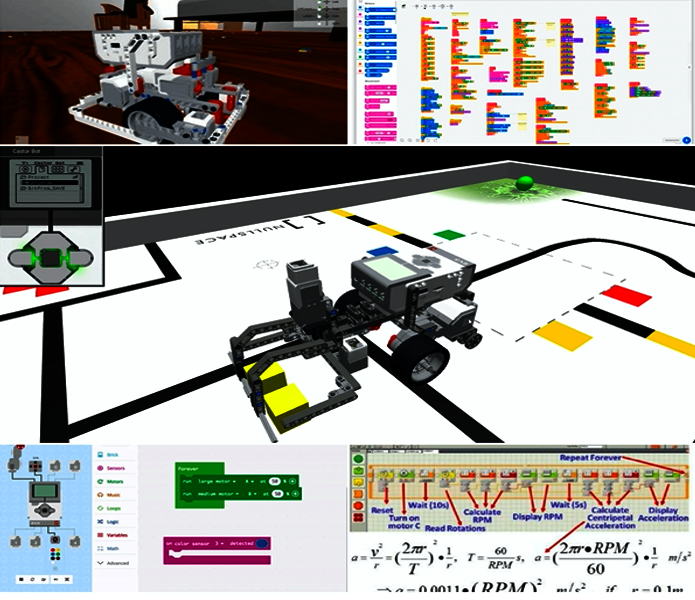
Over the past quarter, we have held online workshops in the field of programming, robotics and STEM. While struggling with lack of number of laptops and tablets that the beneficiries have to participate in our online webinars, we still managed to hold several lectures. We divided the beneficiaries into two groups. One group consisted of younger beneficiaries, ages 7 - 12 and the other group were beneficiaries ages 14 -18 years old. The younger group learned the basics of programming in the online Make Code Scratch, CodeMonkey, Tynker Coding platform where they mastered how the algorithm works, mathematically how the task is solved regardless of appearance and difficulty. The mentioned younger group had the opportunity to also participate in the development of the task during the online workshops and at the same time to see the lecturer and talk to him about the development of various projects in the field of STEM through the online platform. This helped them develop their critical thinking and their competencies and skills. Furthermore, we also worked with the younger group on the training in the field of programming Lego Mindstorms EV3 robots. In these past months, we have achieved success by now preparing them for the World Robotics Olympics (WRO), which is a tournament to be held on December 12, 2020 and the best winning team goes to compete at the world competition in robotics. We are now working on the virtualroboticstoolkit.com and robotvirtualworlds.com platforms where we are preparing two teams of two students per team.
For the older group, they participated in our online programming and robotics workshops and worked on an online platform that offered the ability to program Lego Mindstorms EV3 and MicroBit devices in the MakeCode and Python programming languages. Since they were not able to release the robots that they program in person, they had the opportunity to simulate the Lego Mindstorms EV3 robot via the online web application virtualroboticstoolkit.com and to switch online to a virtual robot after programming the Code and test the robot.
For the National Robotics Olympics, we have 4 participants who applied to take part in this competition. We have been working with them for a couple of months now and we are preparing them for the competition that will take place on December 12, 2020. The participants will have to design, construct, and program their robots to address specific challenges in the competition field. During the competition, teams collect points by completing certain tasks. We are very hopeful that our team will do well in the competition.
Parties, hangouts and performances
Socializing and gatherings are reduced only to online meetings. In the early evenings, we organized online board games via various web applications. We also organized a couple of webinars and online gatherings as well as online karaoke parties. We organized also a very interesting online webinar on the topic of Career Counseling.
Plans for the future quarter:
- Improve online learning materials for better delivery and learning purposes.
- Continue with online instructional classes
- Preparations for the competition in the World Robotics Olympics
- Hold “School of Young Programmers” for children aged 8-14
- Grand opening of the MakerSpace Center in the orphanage if the epidemiological situation improves.
- Proposal writing workshops.
- Support with activities that prepare beneficiaries for life after orphanage.
Project reports on GlobalGiving are posted directly to globalgiving.org by Project Leaders as they are completed, generally every 3-4 months. To protect the integrity of these documents, GlobalGiving does not alter them; therefore you may find some language or formatting issues.
If you donate to this project or have donated to this project, you can receive an email when this project posts a report. You can also subscribe for reports without donating.



Support this important cause by creating a personalized fundraising page.
Start a Fundraiser