By Zenica, Sarajevo, Mostar & Tuzla | Program Coordinators
BOSANA FOUNDATION
After School Program - Quarterly Report
December 2025 - March 2026
Dear Friends and Supporters,
This quarter was marked not only by continued work with children, but also by strengthening the people who make our programs possible.
Strengthening Our Teams
This quarter, our mission was powered by a diverse network of over 30 volunteers and specialized educators across four cities, providing a stable foundation for dozens of children to excel both academically and emotionally.
During this period, we organized two dedicated training sessions for After School Program coordinators and volunteers, focused on improving our approach, communication, and long-term impact. A particularly meaningful session addressed working with children without parental care. Through interactive discussions and practical examples, volunteers deepened their understanding of the emotional, developmental, and social needs of the children they support.
As a trainer, psychologist and psychotherapist, Jasmina Zulfikarpašic reflected: "It is essential that volunteers understand how meaningful their role truly is. Their presence, consistency, and awareness can shape a child’s sense of security and belief in themselves." These trainings strengthened not only skills, but also confidence, clarity, and team cohesion across all cities.
Growing Visibility & Community
This quarter also marked a new level of visibility for the After School Program:
The story highlights an essential truth: afterschool support is not only about homework, it is about trust, consistency, and believing in a child’s potential. Below is an overview of activities implemented across our cities during this period.
This quarter in Tuzla combined reflection, team strengthening, and renewed work with children.
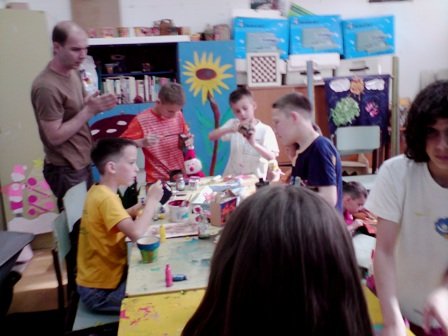
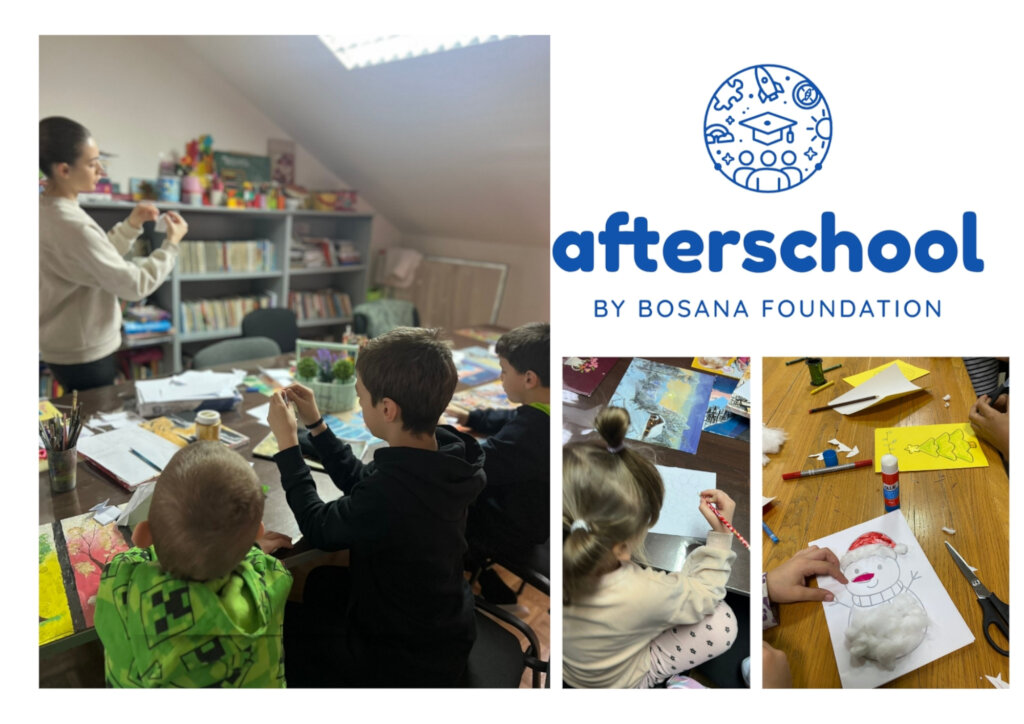
Creative workshops marked the end of the year, including New Year’s card-making sessions that encouraged gratitude and generosity. During the school break, the team focused on internal development, officially launching the tutoring team, welcoming new volunteers, and holding strategic planning meetings.
With the return of regular activities, children participated in jewellery-making workshops and resumed structured tutoring sessions. In collaboration with the association 'GirlTHing', the team marked the International Day of Women and Girls in Science, empowering girls to explore their potential in STEM fields and break gender stereotypes.
The upcoming educational sessions for March have been carefully selected in direct coordination with the pedagogical staff of the Children’s Home to ensure our support precisely targets the children’s most pressing academic and developmental needs.
The After School Program in Zenica maintained a highly structured support system through a dedicated team of 13 volunteers, Bosana scholarship recipients, and 5 professional educators (subject teachers) who provided specialized assistance for students with significant academic challenges.
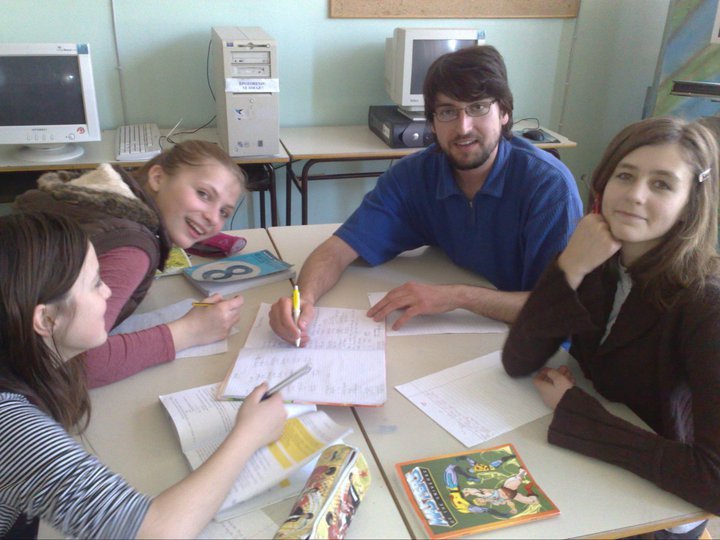
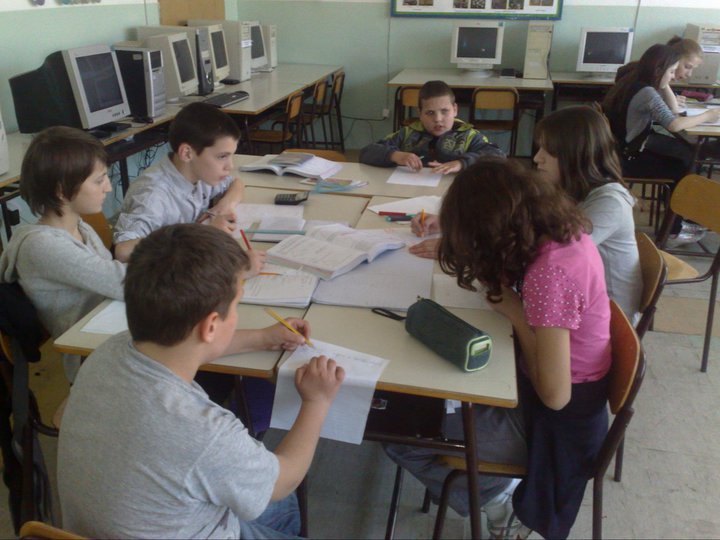
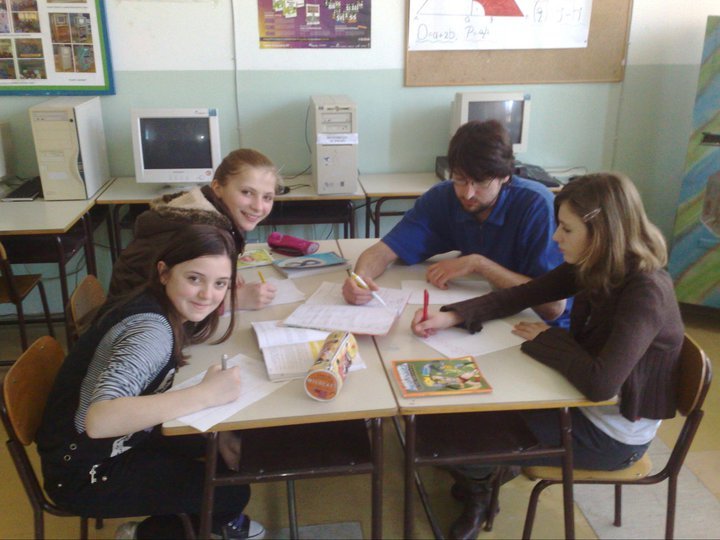
Tutoring sessions remained the core activity, responding to strong interest from children. One notable example of progress was a ninth-grade student who, through systematic support and additional lessons, improved his mathematics grade from failing to a solid 3 (satisfactory). This achievement was officially commended by educator Alma, highlighting the measurable impact of our volunteers' consistent mentorship.
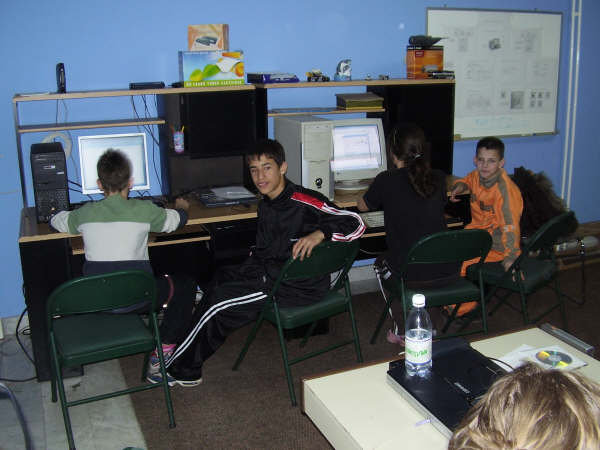
STEM and robotics workshops strengthened logical thinking and problem-solving skills, while a creative workshop organized for International Childhood Cancer Day encouraged empathy and social awareness. The program continues to serve as a stable and structured support system within JU “Dom porodica” Zenica.
In Sarajevo, the quarter balanced academic support with creative engagement.
December and February focused primarily on tutoring, exam preparation, and individualized academic assistance, helping students successfully complete the semester and adjust to new school obligations.
During the winter break, volunteers organized a diverse range of workshops including first aid education, a 'Tour of Europe' geography session, and a competitive general knowledge quiz, fostering both practical life skills and creative expression.
In February, alongside regular tutoring, we introduced the 'Music as Therapy' educational workshop, providing children with a safe space for emotional expression and stress relief as they returned to their school obligations.
Despite minor scheduling limitations due to volunteers’ exam periods, the program maintained continuity and provided consistent support to participating children.
Activities in Mostar focused on maintaining a stable routine of academic support while the team prepares for a new cycle of volunteer onboarding to expand the program’s reach.
Volunteers ensured continuity in tutoring and homework support, maintaining a stable presence for the children. With the strengthening of the volunteer base in the coming months, the Mostar program aims to reintroduce additional creative and interactive sessions that combine academic support with community-building activities.
Links:
Project reports on GlobalGiving are posted directly to globalgiving.org by Project Leaders as they are completed, generally every 3-4 months. To protect the integrity of these documents, GlobalGiving does not alter them; therefore you may find some language or formatting issues.
If you donate to this project or have donated to this project, you can receive an email when this project posts a report. You can also subscribe for reports without donating.



Support this important cause by creating a personalized fundraising page.
Start a Fundraiser