By Leif | Project Manager
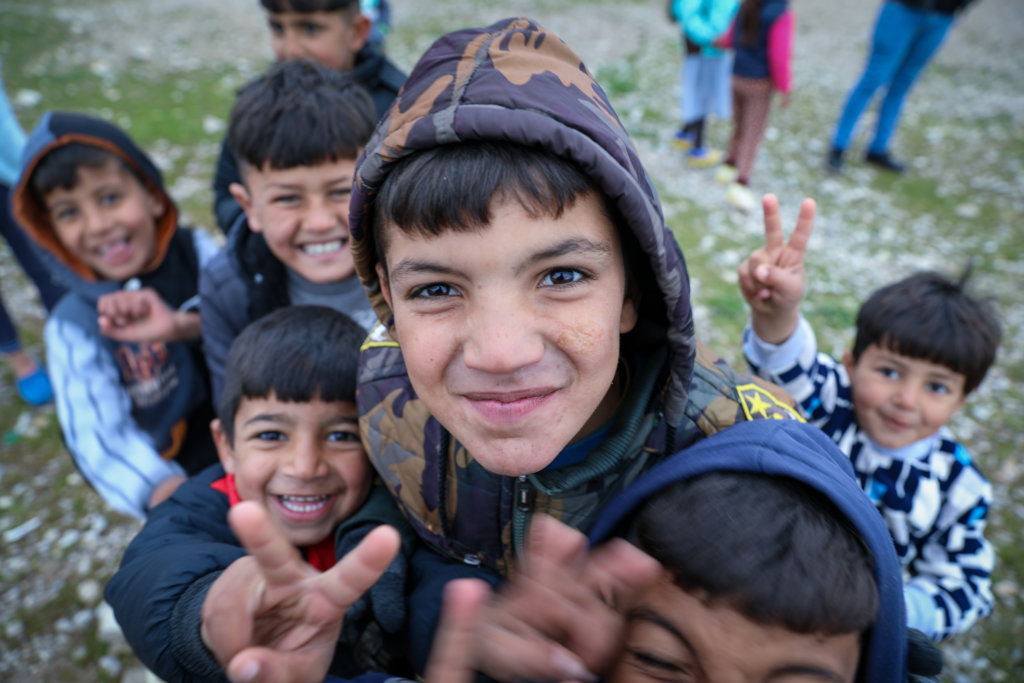
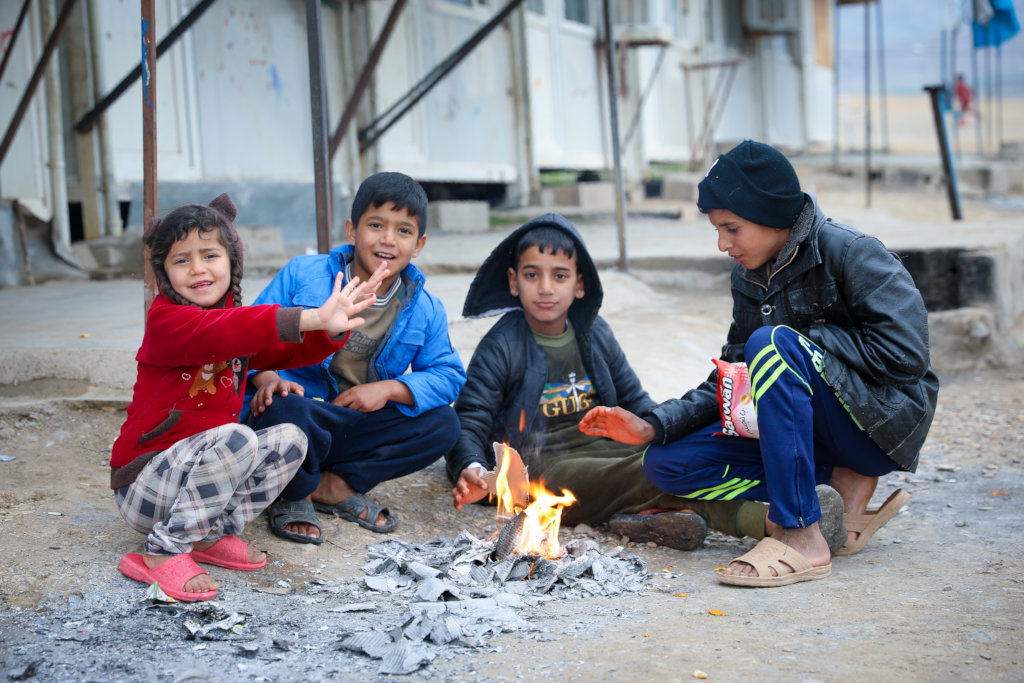
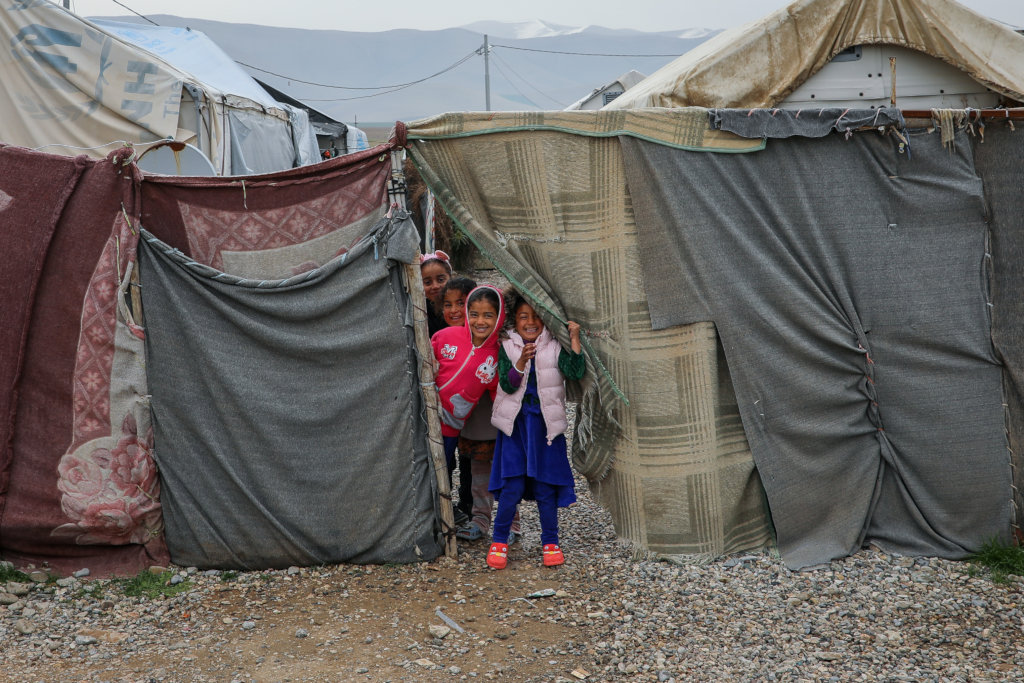
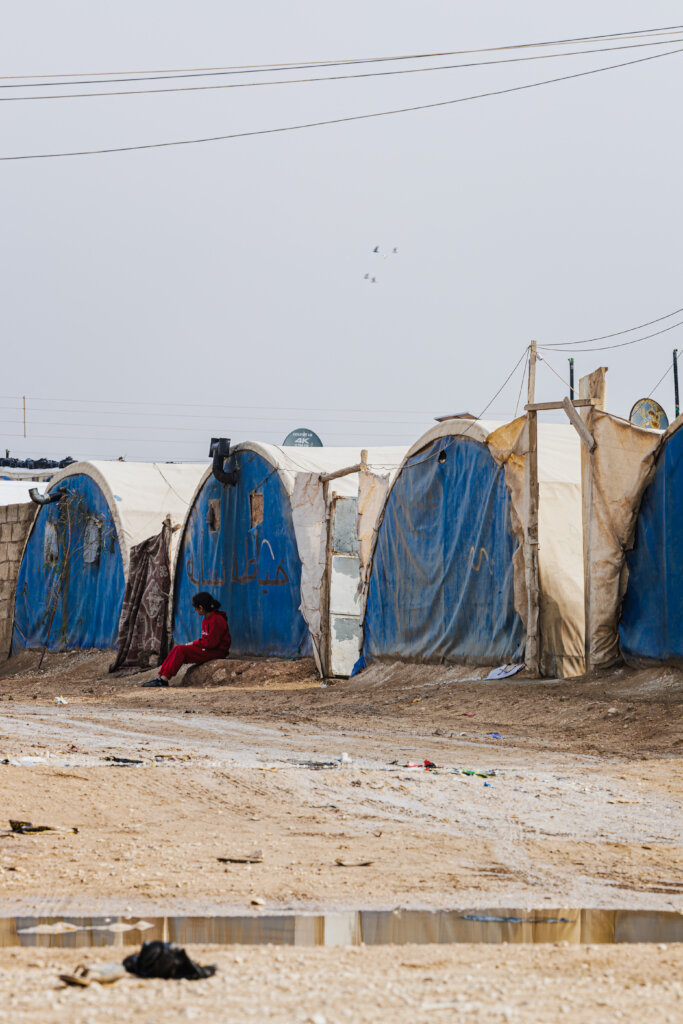
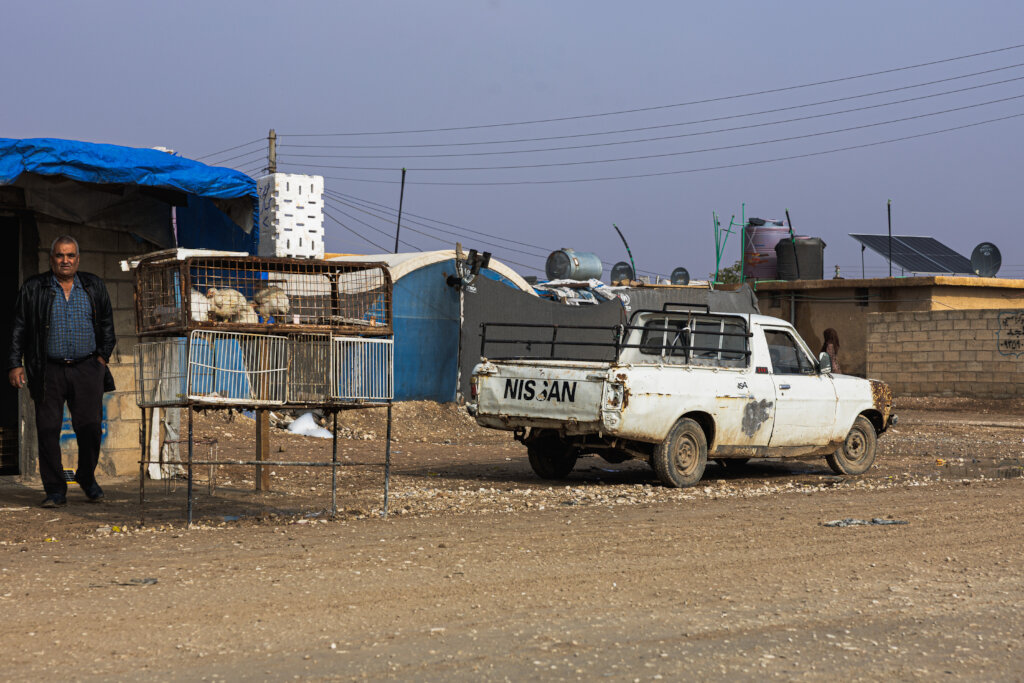
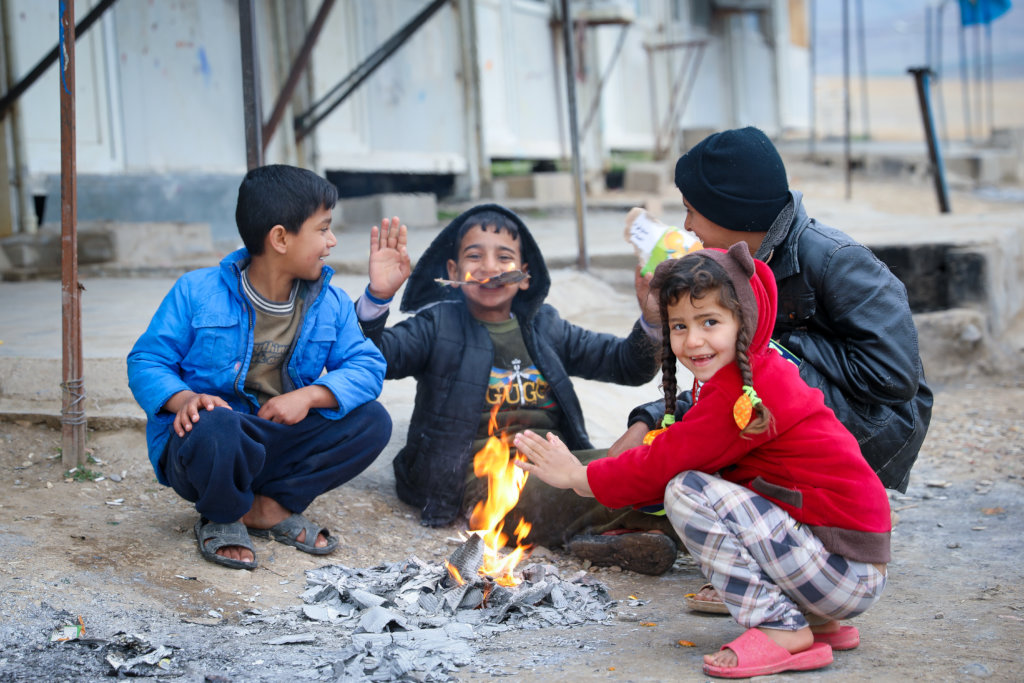
The Serekaniyeh Camp for internally displaced persons near al-Hasakeh, where our team from Qamishlo has been providing therapeutic and medical support to the residents for some five years, will be gradually closed in the coming months. As of August, approximately 3,000 families were living in the camp, and many more in and around al-Hasakeh.
The camp’s name is derived from the Kurdish name of the town near the Turkish border where most of the residents come from. The Arabic name is Ras-al-Ayn. Both the Syrian central government and the Kurdish autonomous government have set a goal of facilitating the return of internally displaced persons to that area.
As early as August, the first 700 families who had sought refuge in and around al-Hasakeh were made to return, including 65 families from the camp. This led in some cases to conflicts and attacks on those returning, as many families from other parts of Syria have settled in and around Serekaniyeh in recent years and now fear being displaced themselves. After all, many of them are living in homes that belonged to returnees. This reaction was foreseeable and was one of the main reasons why many families from Serekaniyeh have so far avoided returning to their former homes.
To continue the families’ return while avoiding further conflicts, the Syrian and Kurdish governments developed a new plan based on the experiences from August and resettled the second group just last week, including 700 families from the camp. The current plan is for one group of families to leave the camp each week so that it can be closed by the end of the year.
Unfortunately, the security situation within the Serekaniyeh Camp has deteriorated rapidly as a result of the repatriation efforts. Our team reports that, following the families’ departure last week, the number of thefts and robberies has risen sharply. Especially at night, violent attacks frequently occur, carried out by individuals who enter the camp from outside to steal items from tents and buildings.
Under these circumstances, we are forced to end our work in the camp by the end of the month. For one thing, the relocations will make it impossible to continue providing therapy. Additionally, we are concerned for the safety of our night watchmen in the camp.
Operations in Qamishlo will continue
While the current developments at the Serekaniyeh Camp have no impact on our work in Qamishlo, we are facing difficulties here due to massive price increases and an extreme shortage of diesel resulting from the war in Iran. At this time, there is no end in sight to this situation. This puts enormous strain on our budgets.
Project reports on GlobalGiving are posted directly to globalgiving.org by Project Leaders as they are completed, generally every 3-4 months. To protect the integrity of these documents, GlobalGiving does not alter them; therefore you may find some language or formatting issues.
If you donate to this project or have donated to this project, you can receive an email when this project posts a report. You can also subscribe for reports without donating.



Support this important cause by creating a personalized fundraising page.
Start a Fundraiser