By Kirya Richard | Ass M&E Officer
Summary of project activities
Kagumu Development Organization in the virtue of contributing to the reduction of HIV/AIDS in children and it is implementing a prevention of mother to child transmission PMTCT project in Uganda. This is the fifth quarterly activity report of the project. The project is named “offer PMTCT services to 2300 poor Ugandan women” and it is implemented in Eastern Uganda, in the Districts of Kibuku, Budaka and Pallisa in collaboration with our donors under Global Giving arrangements and the community.We extend our appreciation for the support from all stakeholders to this project that is in cash, materially and morally. KADO also would like to thank global giving team for the wonderful work being done. This report expresses quarterly project progress and consequently, compiled and disseminated to the project stakeholders for their utilization. The report gives information on the status quo of the orphans, challenges during project execution, testimony from one beneficiary and recommendations.
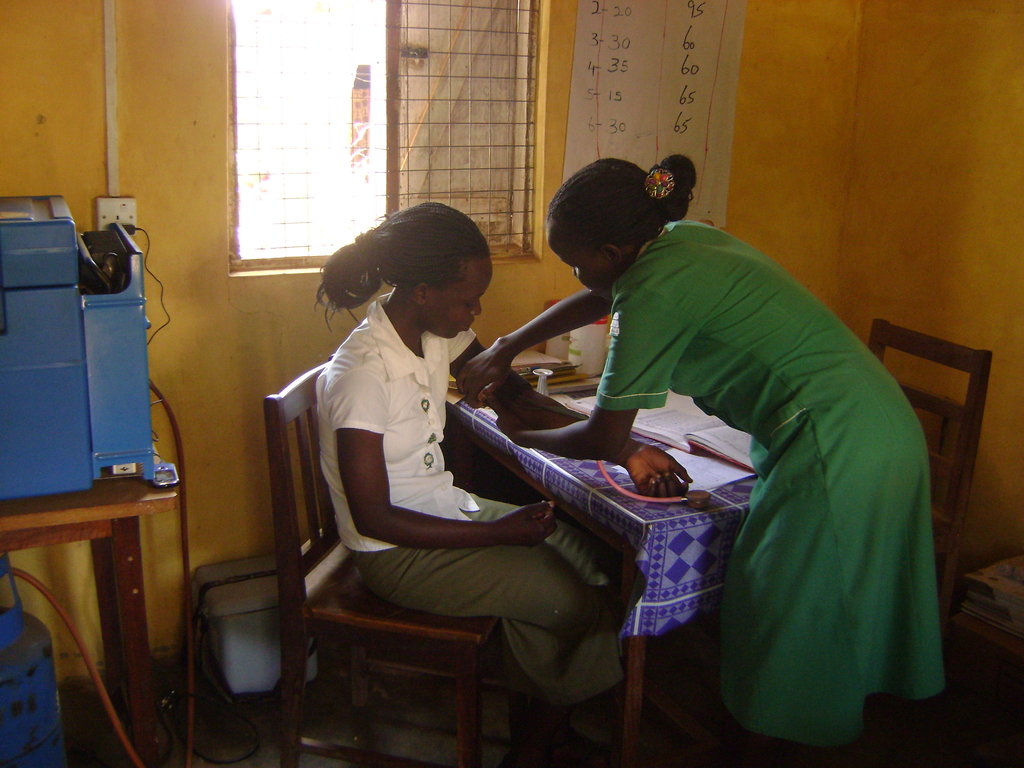
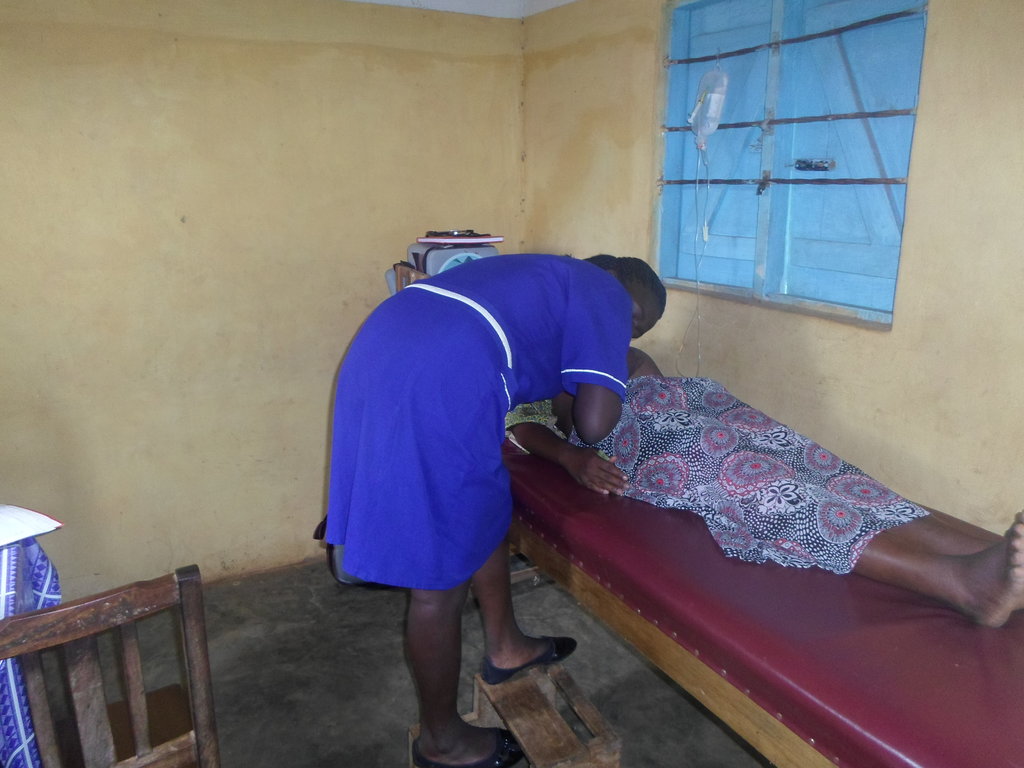
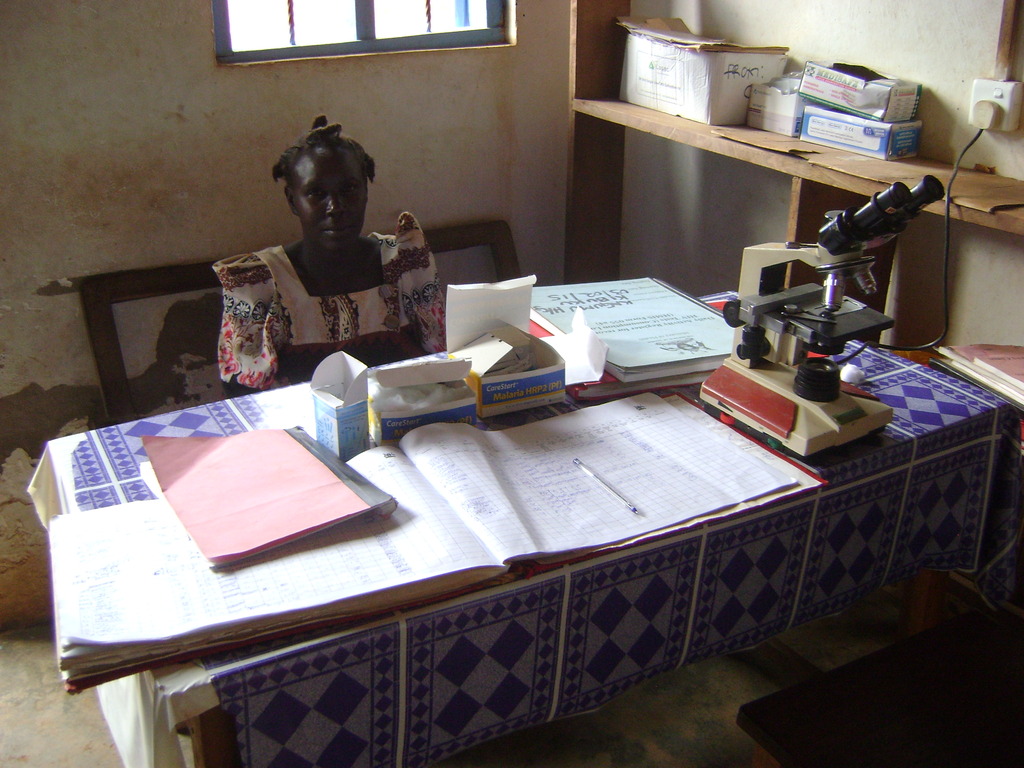
Project activities include but not limited to the following; monitoring and evaluation, procure stationery for the office, facilitate transportation of blood samples for CD4 Count, Community mobilization and sensitization on PMTCT, contribution to health workers welfare, procure medical drugs and sundries and testing kits and procure mama kits and dissemination to mothers during their labour periods and delivery coaches
Current Status of Prevention of HIV infection to children in Uganda
Prevention of Infections from Mother to Child services are still poor in the community due to the low level of economic status. In addition, mothers still deliver in the villages by traditional birth attendants and are exposed to the high risk of HIV/AIDS.
In the last quarter, the organization managed to implement the following;
Challenges
The under listed challenges have persistently existed and therefore need workable solutions to realize and sustain the project outcomes and impact
Recommendation
In order to realize an improvement in the health conditions of the HIV pregnant mothers, there is need for increased community awareness on EMTCT among all stakeholders in the fight against the spread of HIV/AIDS among the infants particularly in the rural communities where KADO operates.
Testimony from one beneficiary
This testimony is for Elizabeth a pregnant child mother aged 16 from Bukomolo village in Bulangira sub county kibuku District. She got impregnated at school while in senior two by a school watch man who is currently on the run for fear of being implicated in courts of law. In most cultures in Uganda, particularly in the project area when a girl child gets pregnant, she is completely abandoned by her parents. In addition pregnant girls are always forced to marry the persons responsible for the pregnancy. In case the person responsible for the pregnancy is not known or disappears, the girl is left to sit home and be provided with only food and shelter without support like medical care hence rendering her vulnerable in all spheres of life.
Since the man responsible for the pregnancy was on the run, Elizabeth did not attend antenatal because for one to get antenatal services in Uganda must visit a health unit as a couple. Equally the parents were not happy and therefore could not support Elizabeth for antenatal services reason being that the funds had been spent on her education.
It was on 14th -16th April 2015 during community outreach on immunization when she was identified and cross examined by our health worker. She was asked why she had not attended any antenatal clinic where she reported that she had no husband to accompany her for the services because at the health unit first antenatal visit should be a couple. She was counseled and advised to report to the health centre for antenatal services. She confessed that if she had been identified by our health worker she was going to abort yet it’s a criminal offence in Uganda but to reach that decision was because she was traumatized by her parents. However, she reversed the decision to abort and she made a decision to deliver in the health center. In addition Elizabeth vowed not to marry the man responsible for the pregnancy but she decided to apologise to her parents and also to request them to take her back to school in order to be in position to complete her studies. She confessed that she got pregnant because of peer group influence she therefore confessed that she wanted to study and become a role model for other child mothers in her community.
Stories of this nature are good for the consumption of the general public. This does not only educate the masses but also depicts what KADO does in her health center 111 in the area of EMTCT in response to what is on ground in the rural communities in Uganda. The story also reveals that child mothers are irresponsible with their lives during pregnancy.
Prepared by
Kirya Richard
Project leader
Links:
Project reports on GlobalGiving are posted directly to globalgiving.org by Project Leaders as they are completed, generally every 3-4 months. To protect the integrity of these documents, GlobalGiving does not alter them; therefore you may find some language or formatting issues.
If you donate to this project or have donated to this project, you can receive an email when this project posts a report. You can also subscribe for reports without donating.