By Brianna Griesinger | Marketing and Communications Coordinator
Dear Awamaki supporters,
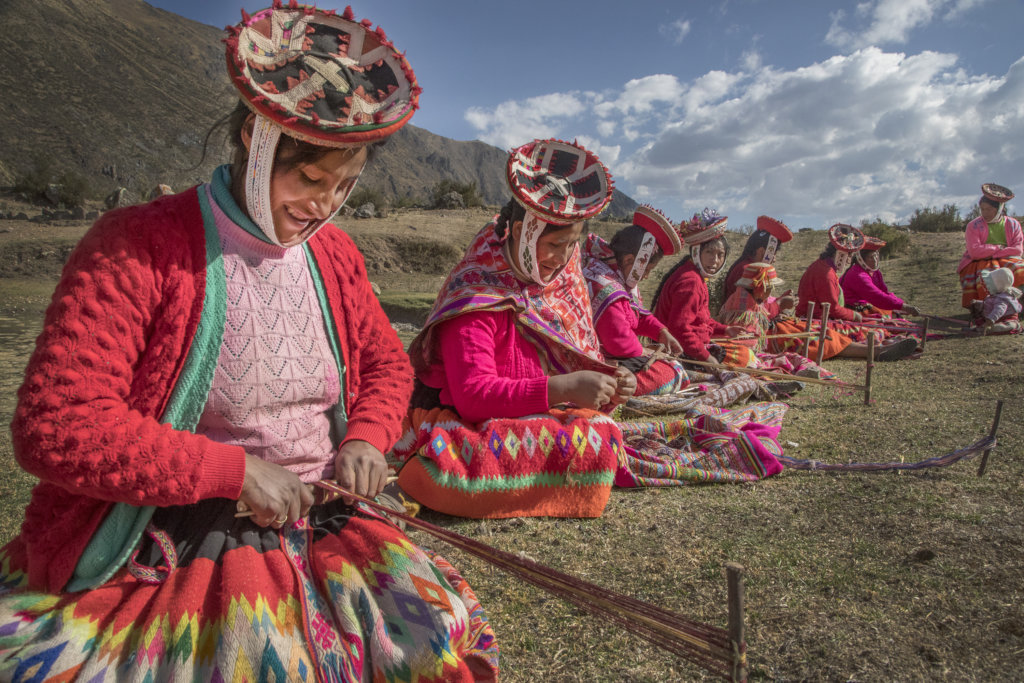
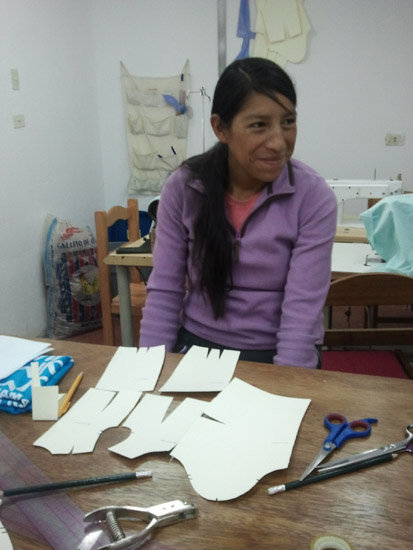
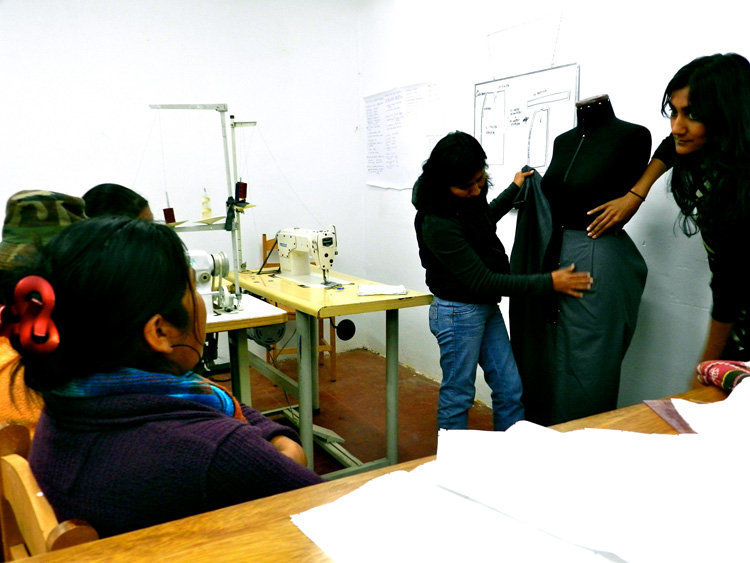
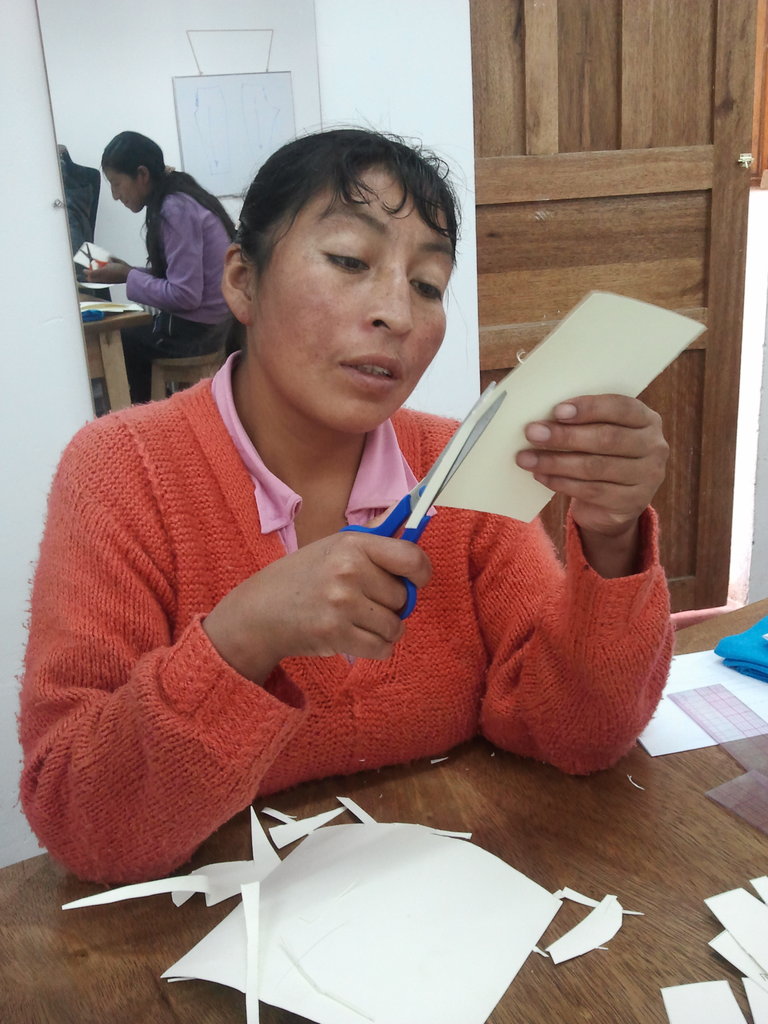
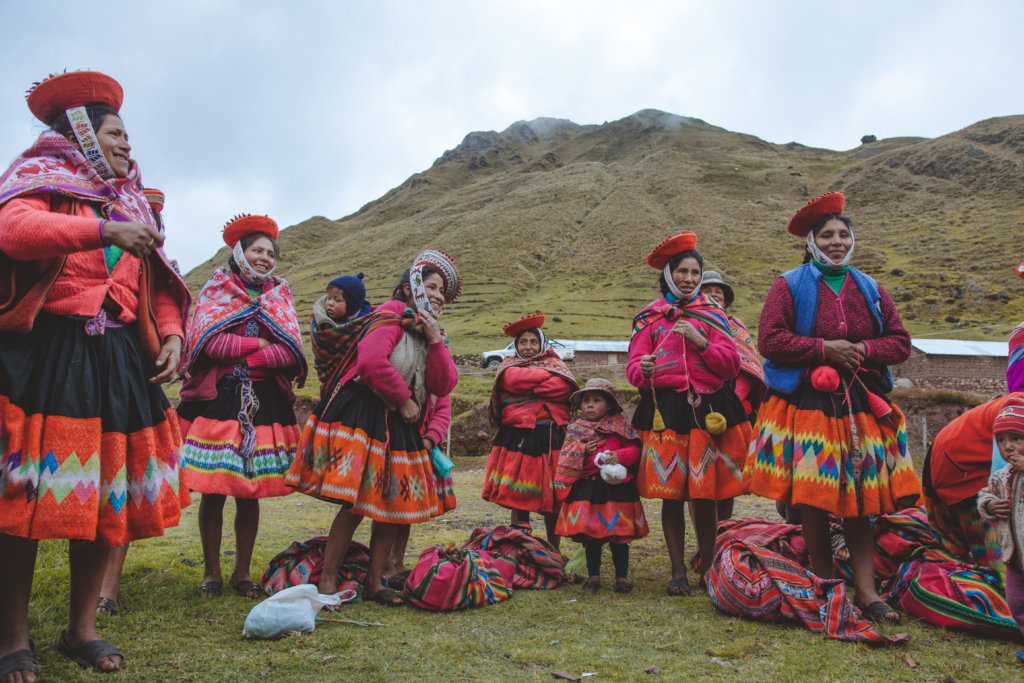
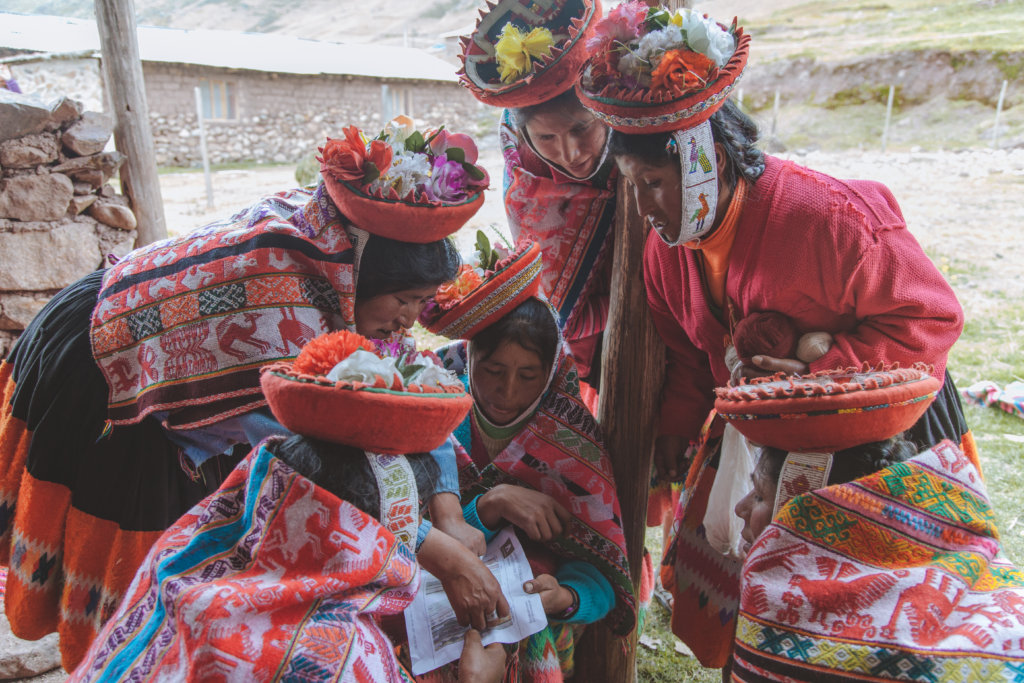
As many of you know, when Awamaki started, were only selling raw textiles. It has been a long journey since those early days. Over the course of the past six years we have been working on growing the abilities of our women to produce high quality and fashionable textile and knit products. This year, we are taking it a step further with texture and designs that combine the new and the Andean, in ways we have not before, led by our new designer Alejandra Carrillo-Muñoz.
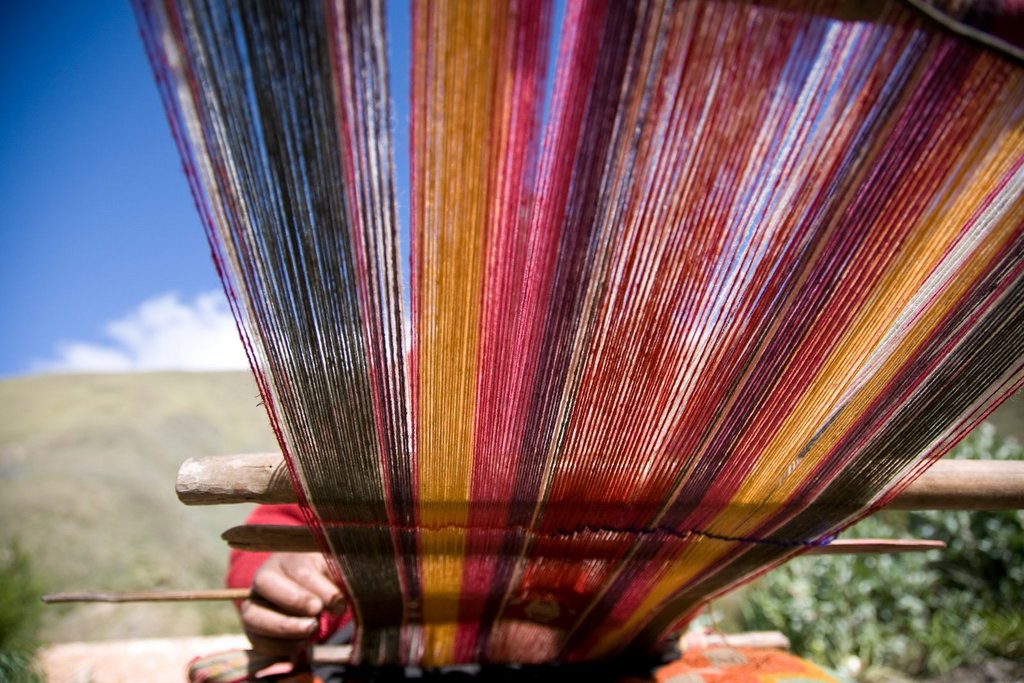
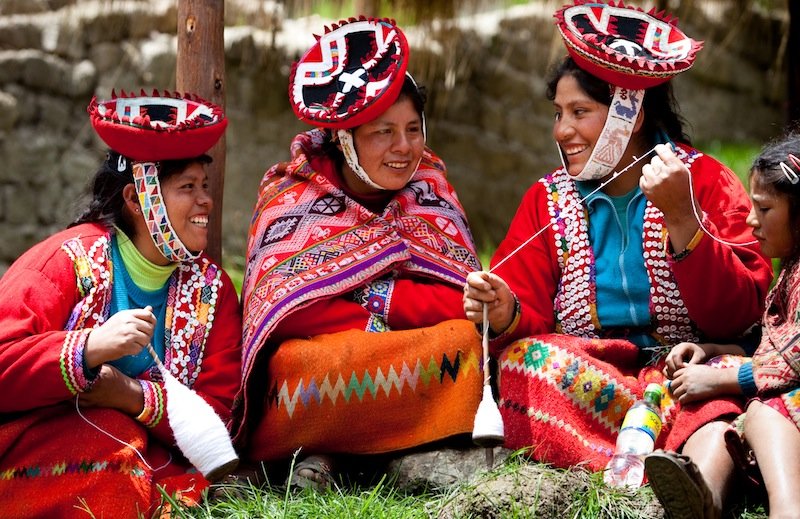
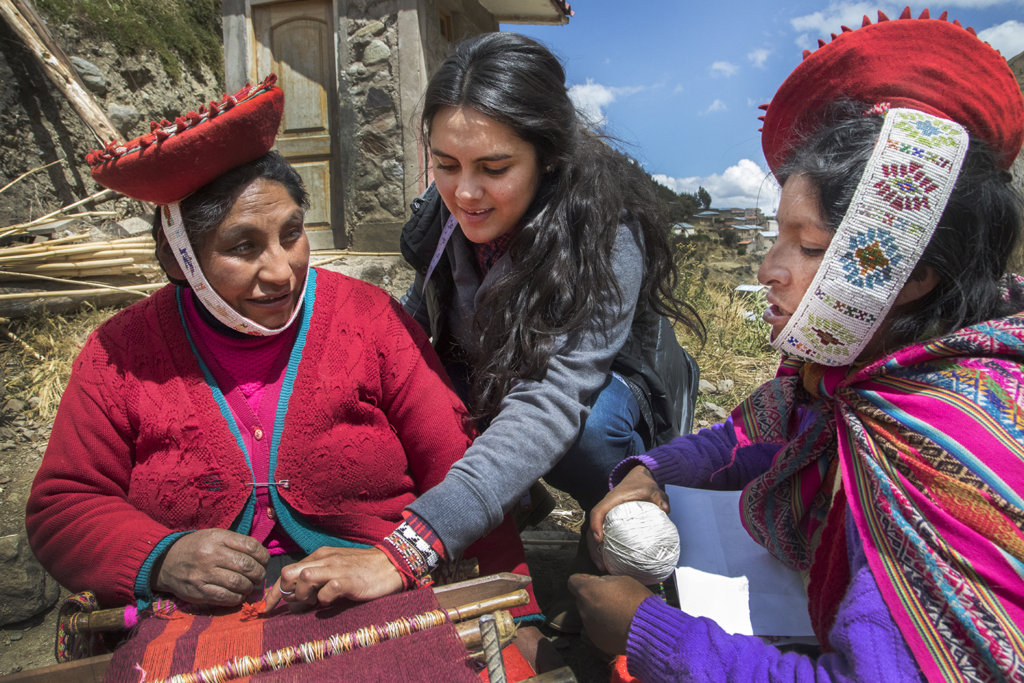
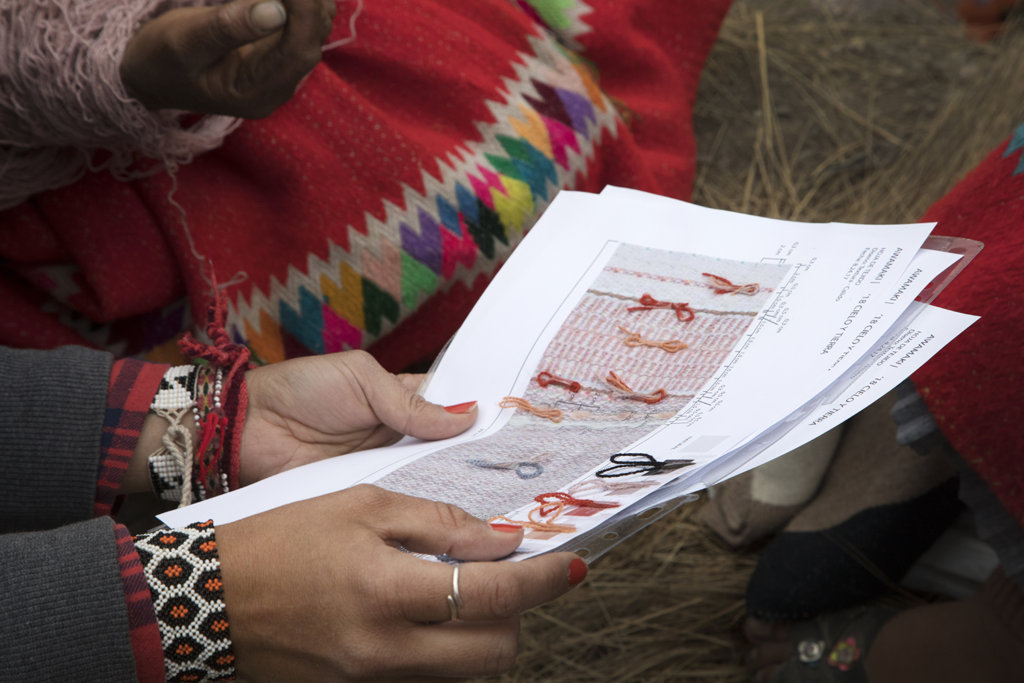
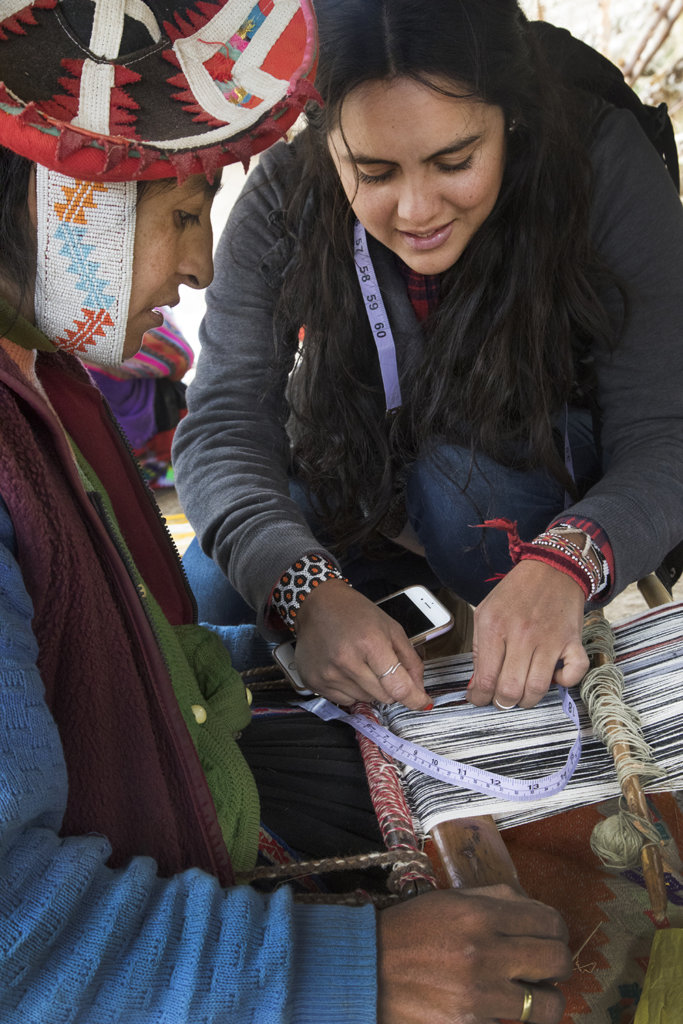
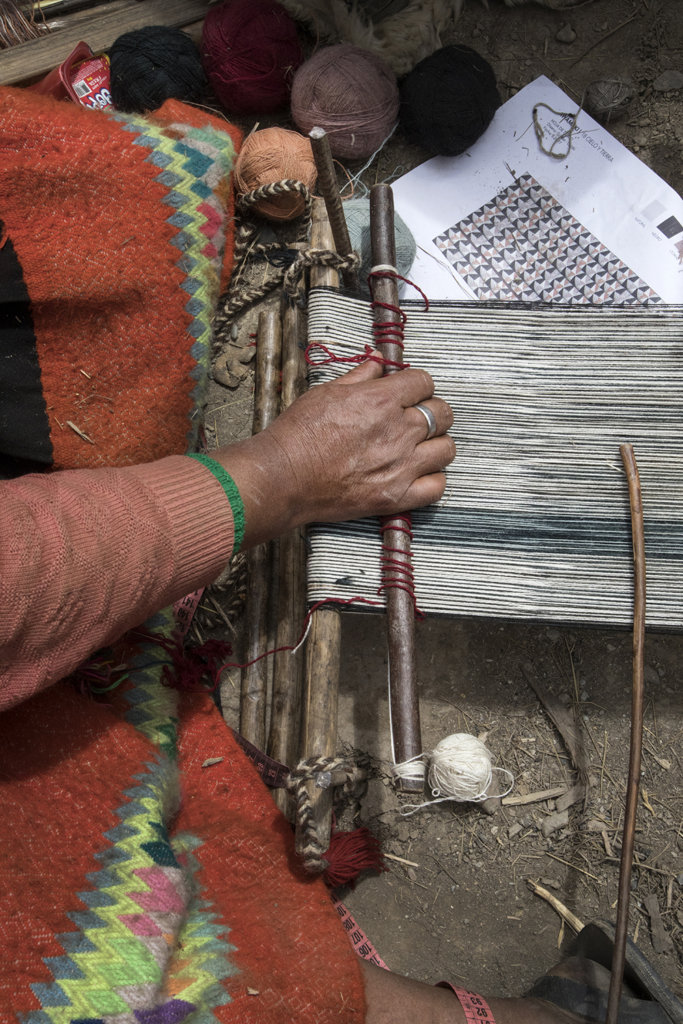
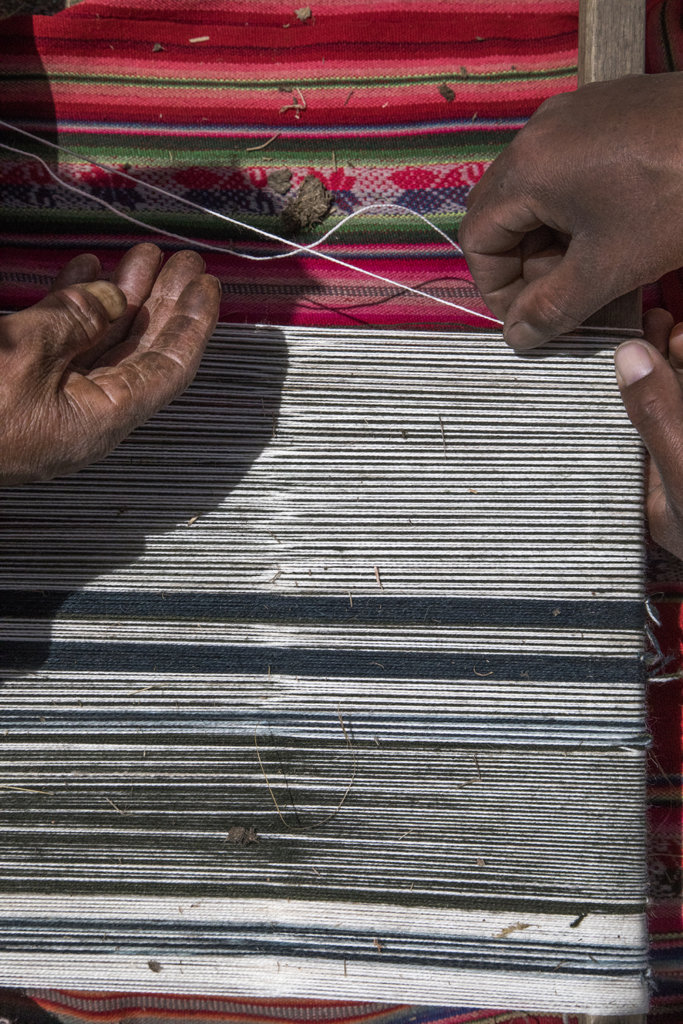
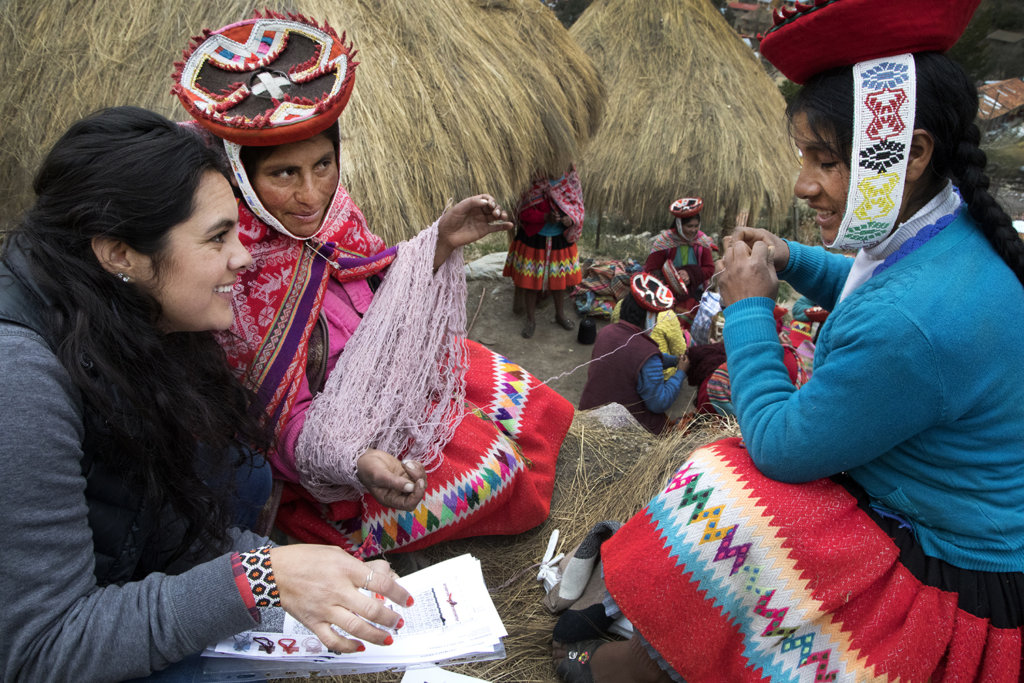
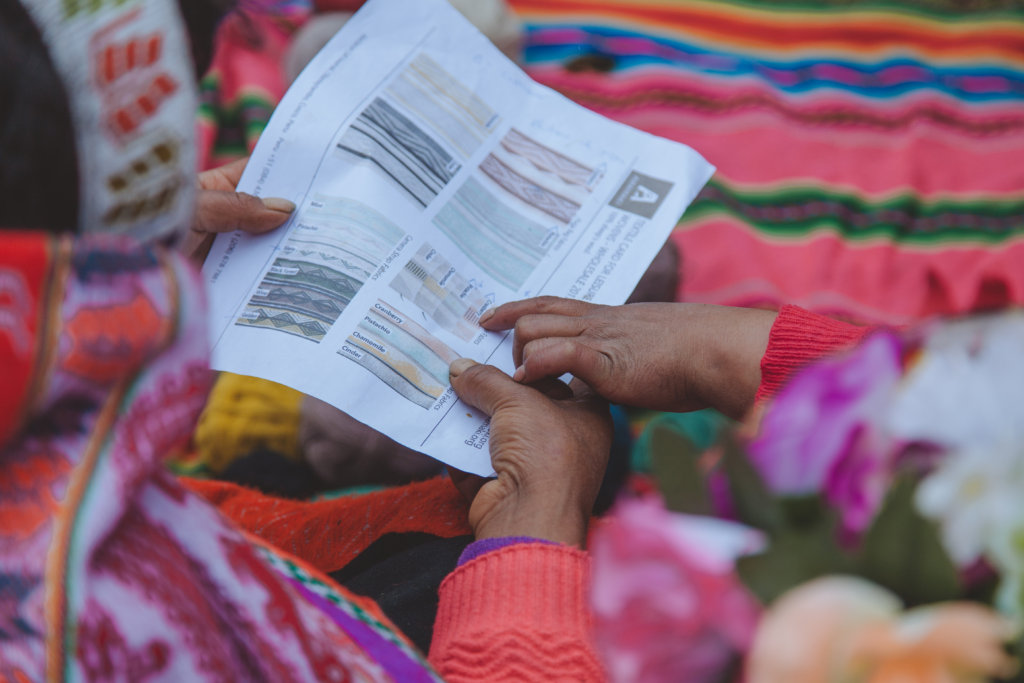
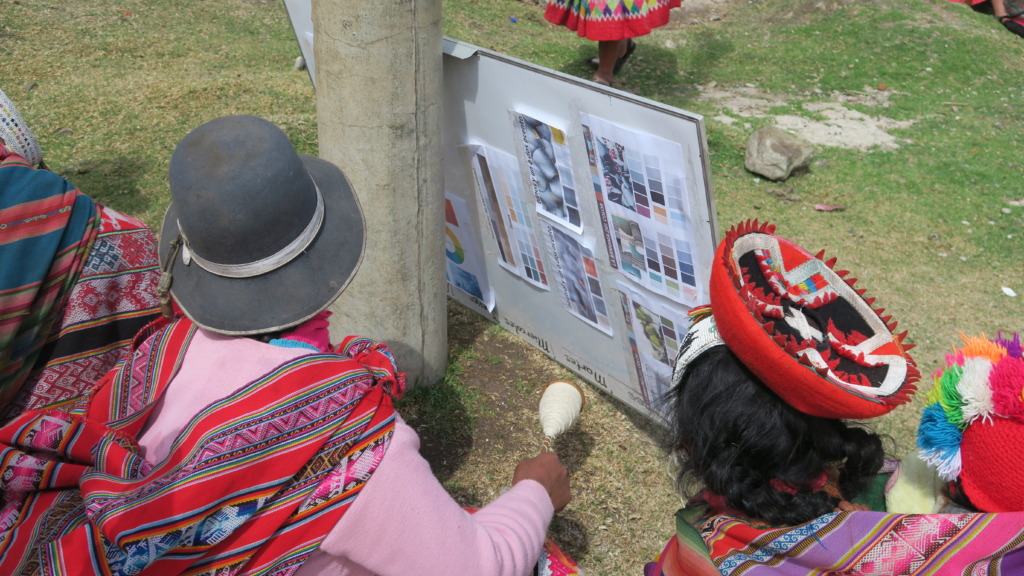
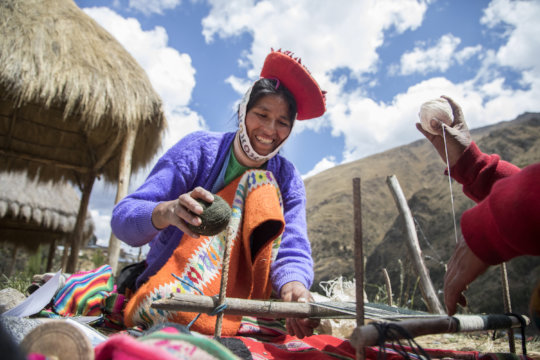
Alejandra has challenged our cooperatives to incorporate “new concepts of color and material combinations, as well as material manipulations to create surface texture.” This requires them to reinterpret traditional weaving motifs through different, new and unusual techniques.” Examples of these techniques can be seen as she inspires the weavers to include ribbons of different texture and to tie tassels mid-textile. These techniques would be difficult to do on a machine. They create a noticeably handmade artisan look, signaling to the customer that this is a one-of-a-kind piece produced by a skilled artisan and thus deserving of a higher price.
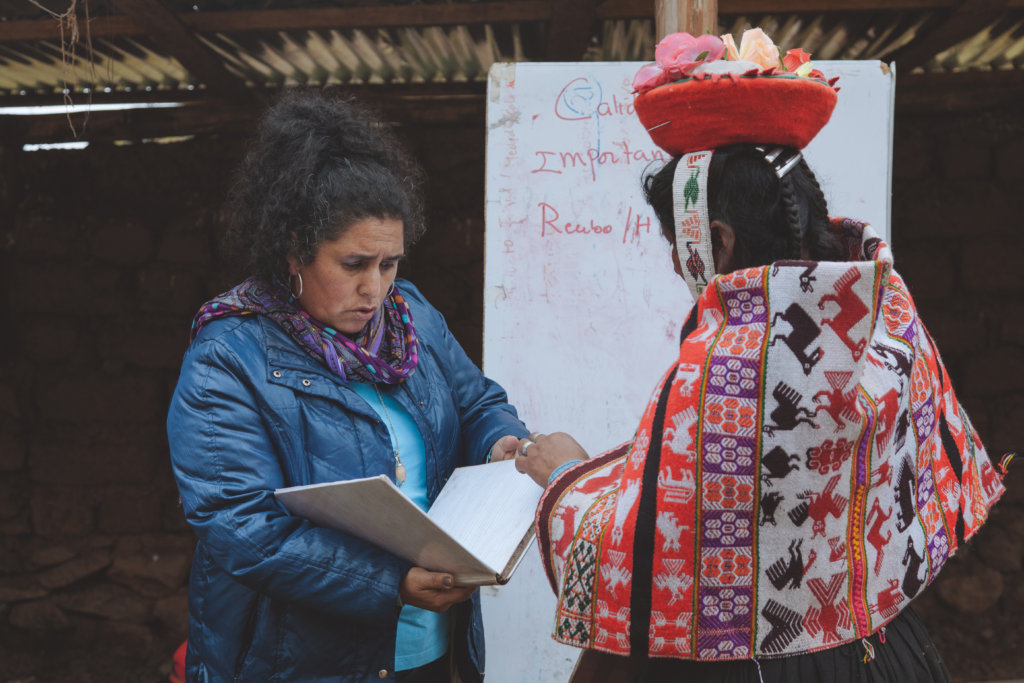
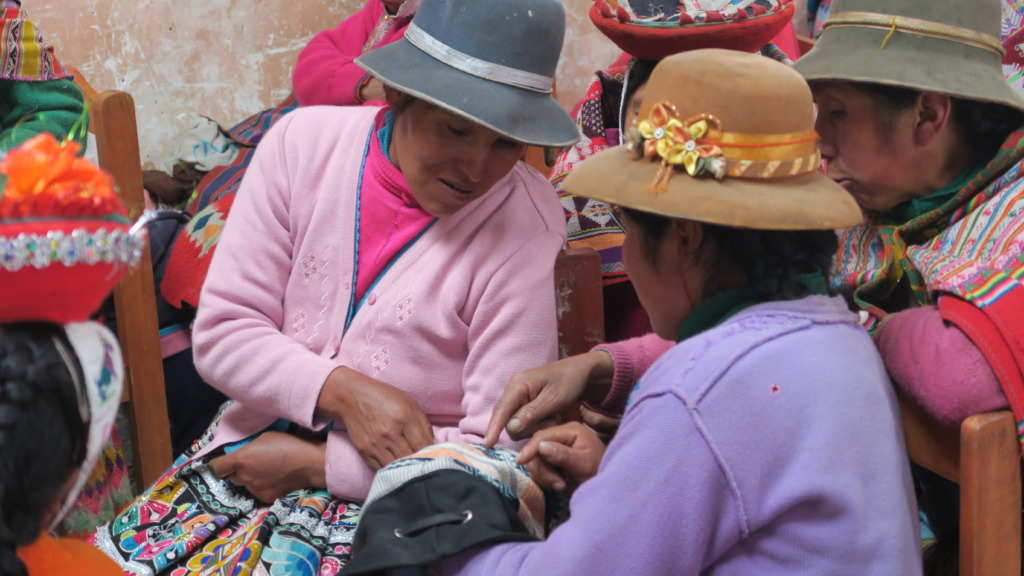
Alejandra, and Mercedes, our artisan coordinator, were initially met with hesitation when they introduced the new concepts.“Seeing as this was 'foreign' to their normal techniques, they were initially very intrigued, yet baffled and intimidated,” Alejandra acknowledged, as some of the weavers initially resisted the new styles. It was in a conversation that took place in Quechua between Mercedes and the weavers that they expressed that they didn’t think they could do it. This, however, is where Mercedes shines. “You are professionals,” she reminded them, “if this is possible, you can do it.” Alejandra explained that “at the end of the day, they know the loom, the yarn material, and the motions;” they are capable of the designs, but wary of trying something so new.”
After working on some of the first sample textiles of the 2018 line, Yolanda, one of the weavers from the community of Patacancha, expressed that she is “excited for what will come of the products, these quality products.” “I feel very good about the new textile designs, and the beautiful new weavings that come of it. They are beautiful, I love these designs,” she added.
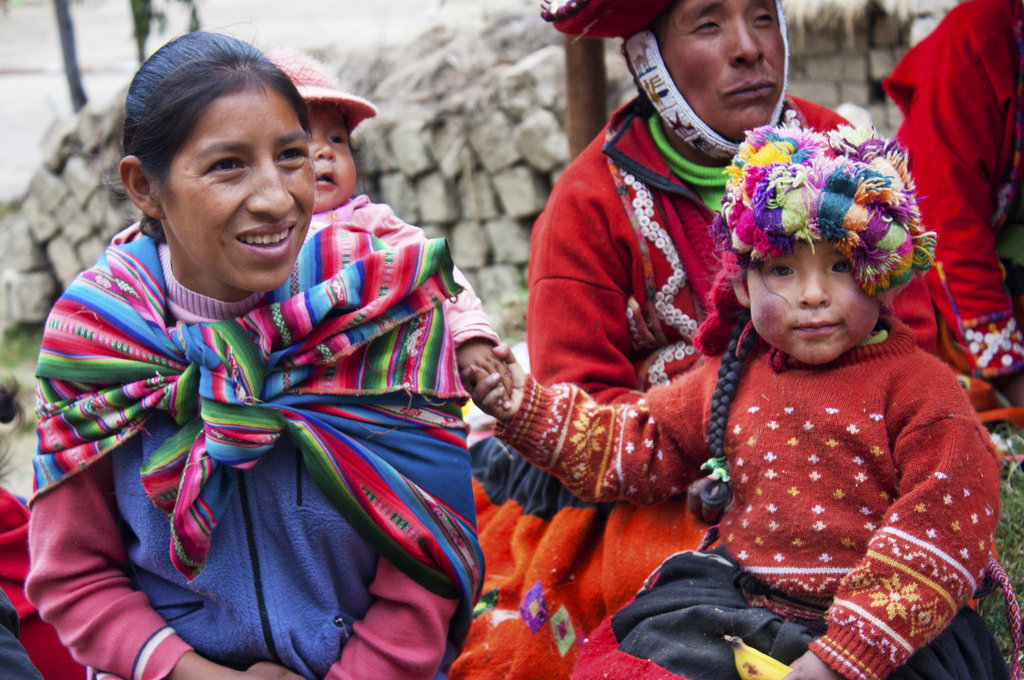
We have come a long way since our early days of raw textiles, and many of you have been with us on that journey. We are so excited for these next steps, as we continue to push ourselves and our partner artisans to innovate and grow their skill sets to develop their products and lead their families to prosperity. Thank you for all you have done to support our mission; stay tuned to see the 2018 collection where we will be showing these new techniques!
By Anna Reeve | Marketing and Communications Intern
By Sydney Perlotto | Marketing and Communications Coordinator
Project reports on GlobalGiving are posted directly to globalgiving.org by Project Leaders as they are completed, generally every 3-4 months. To protect the integrity of these documents, GlobalGiving does not alter them; therefore you may find some language or formatting issues.
If you donate to this project or have donated to this project, you can receive an email when this project posts a report. You can also subscribe for reports without donating.