By Nicole Wexler | Director of Development
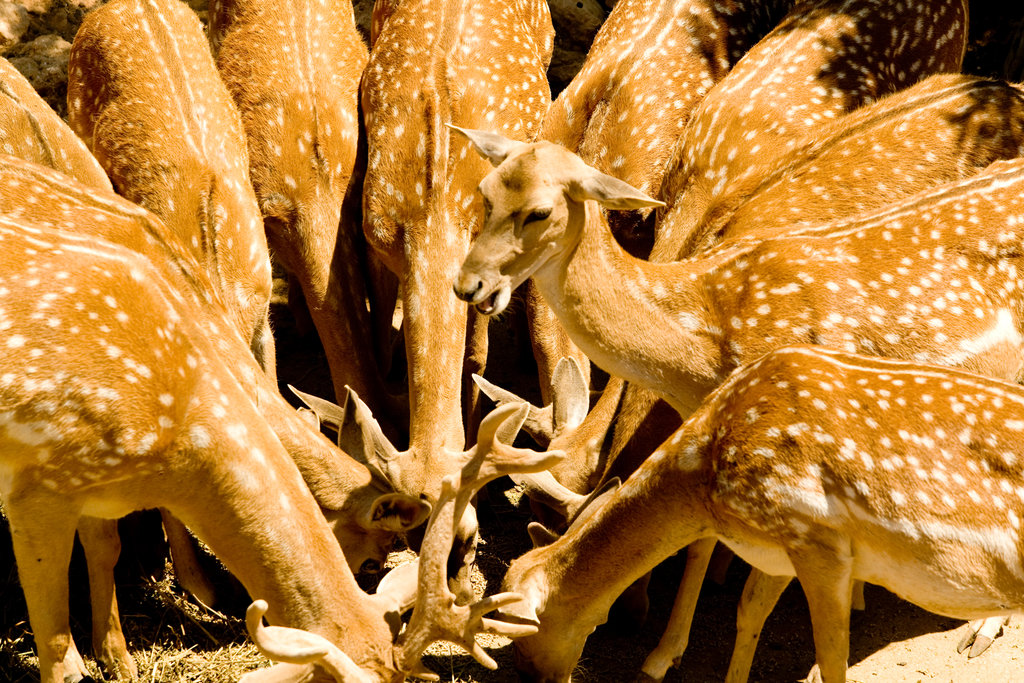
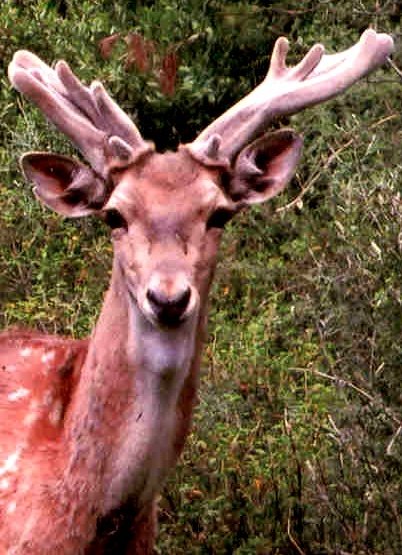
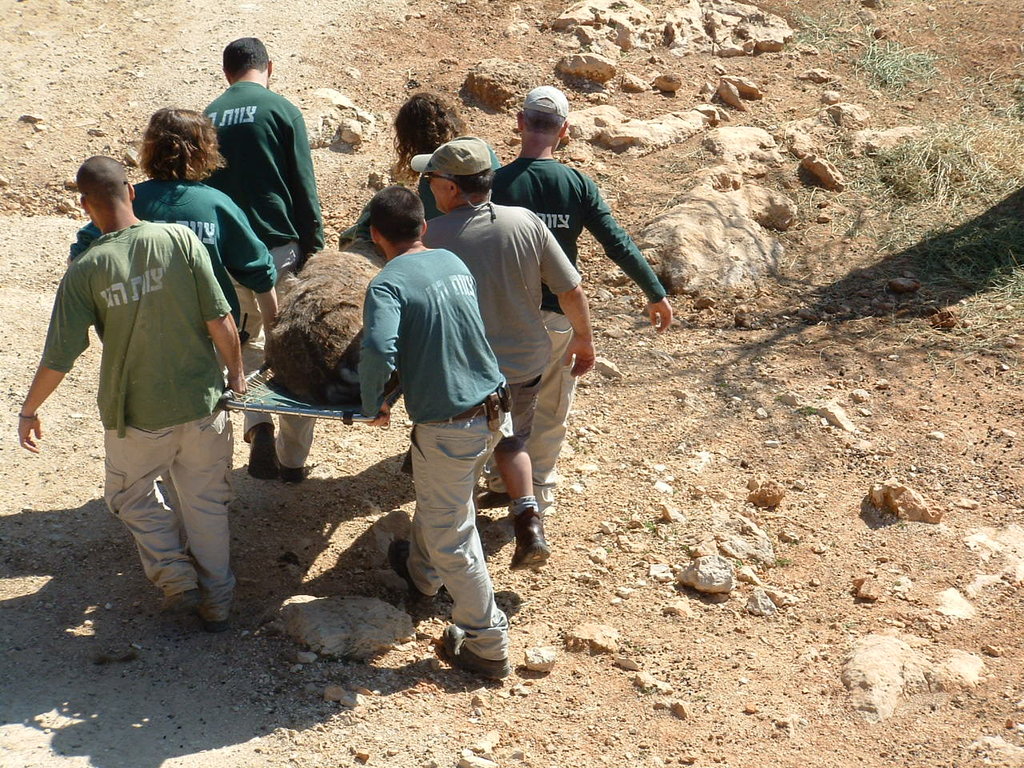
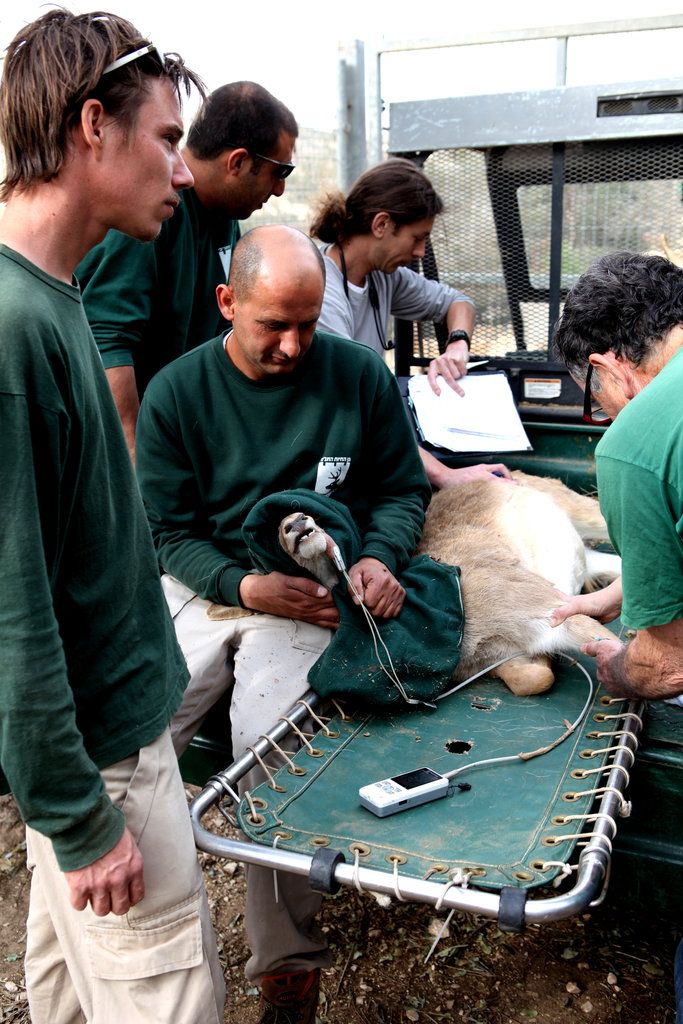
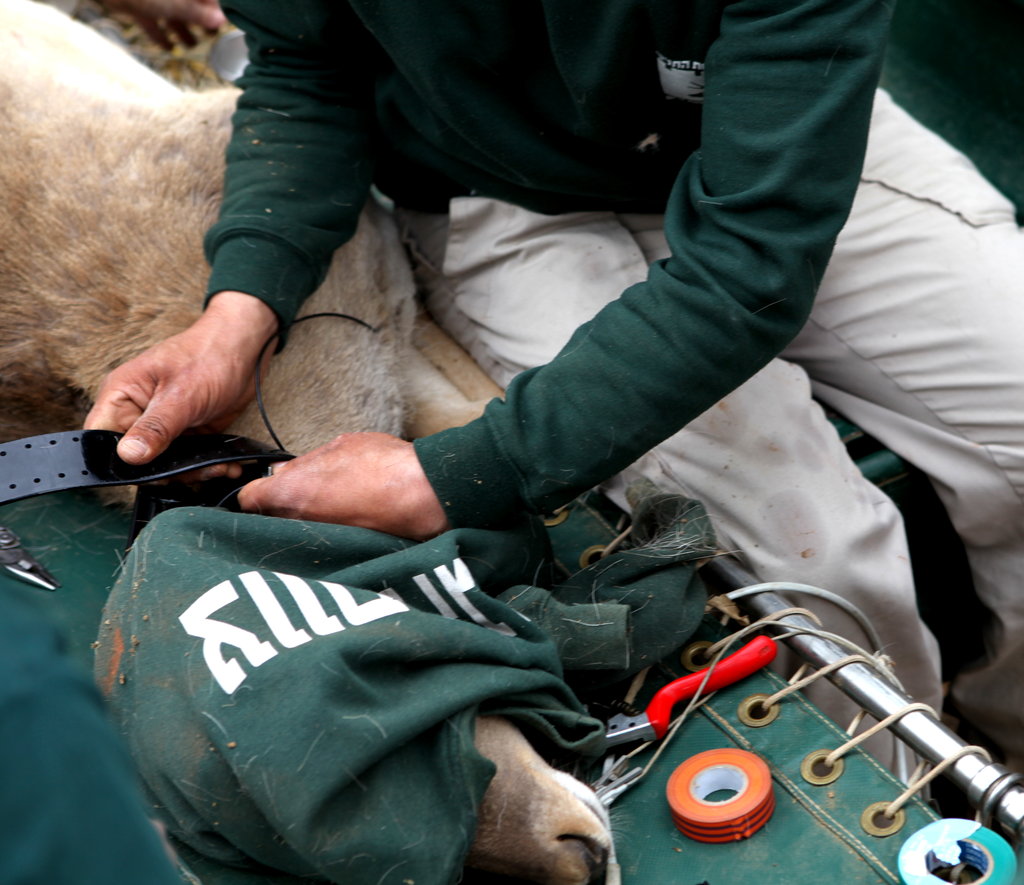
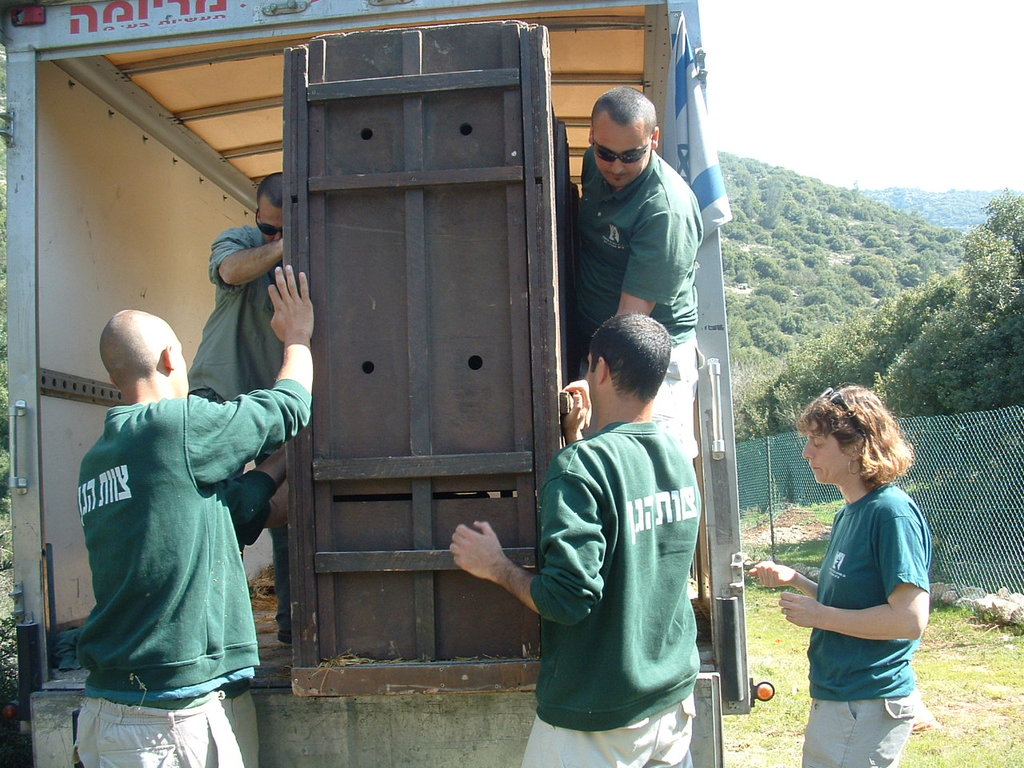
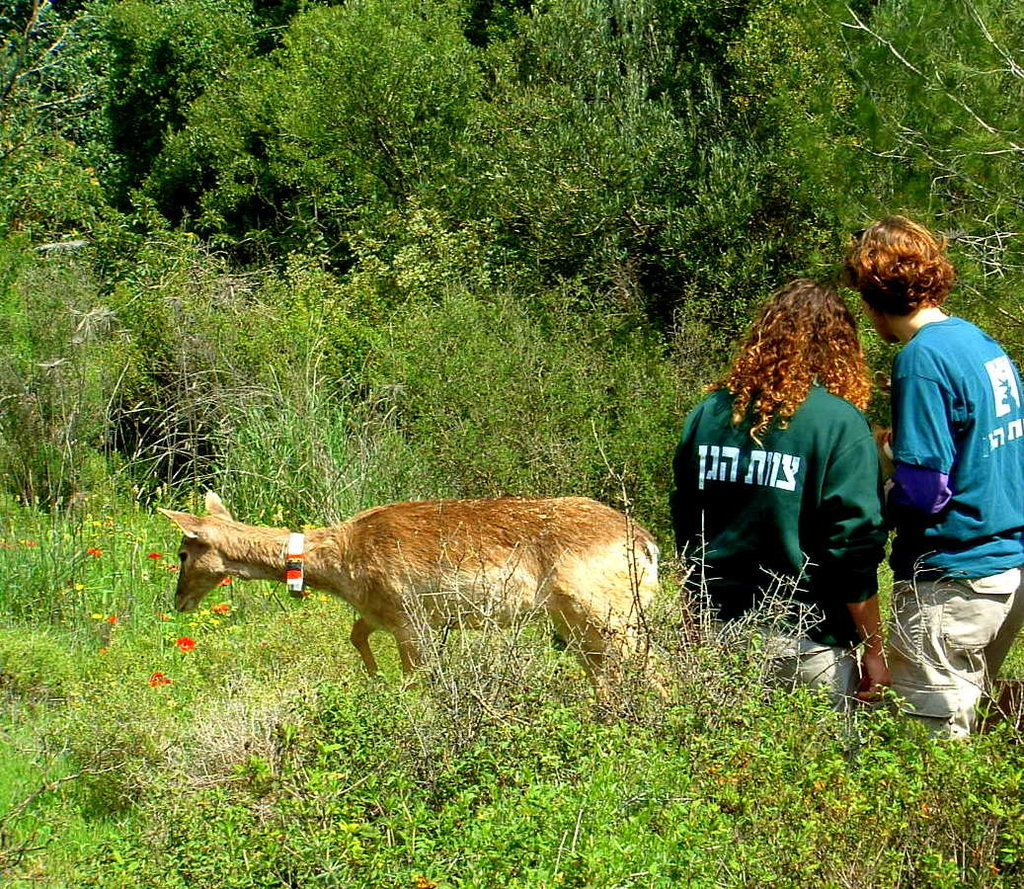
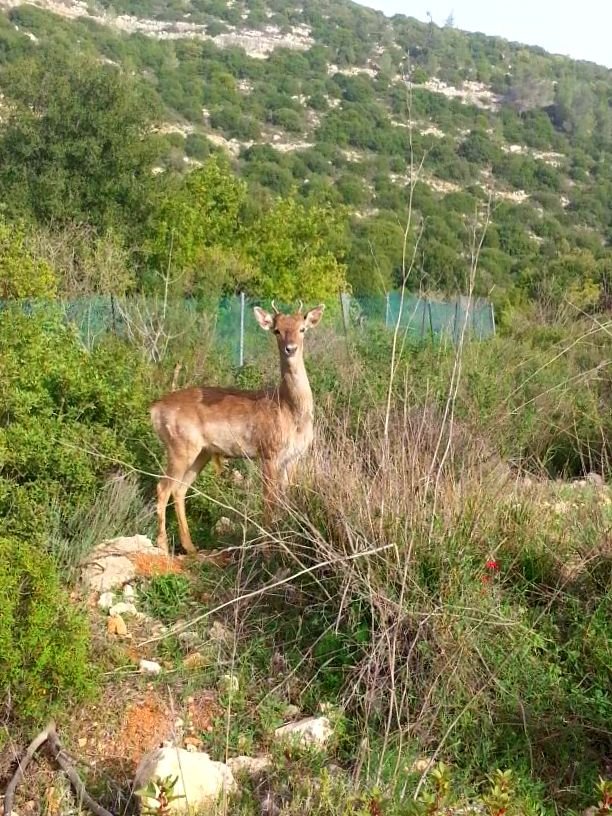
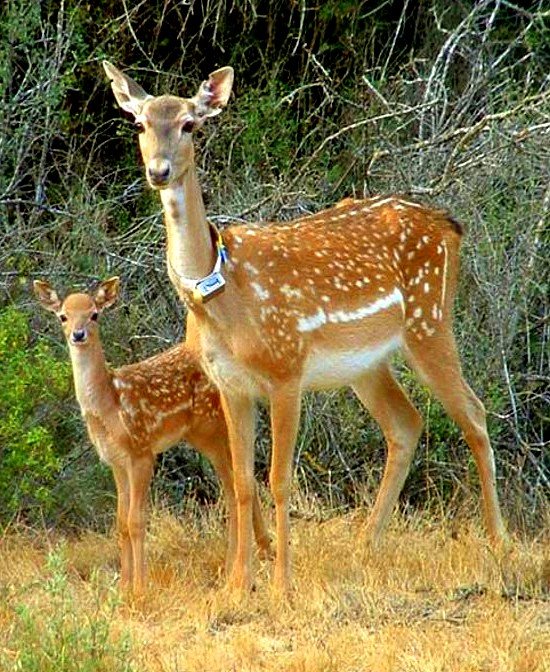
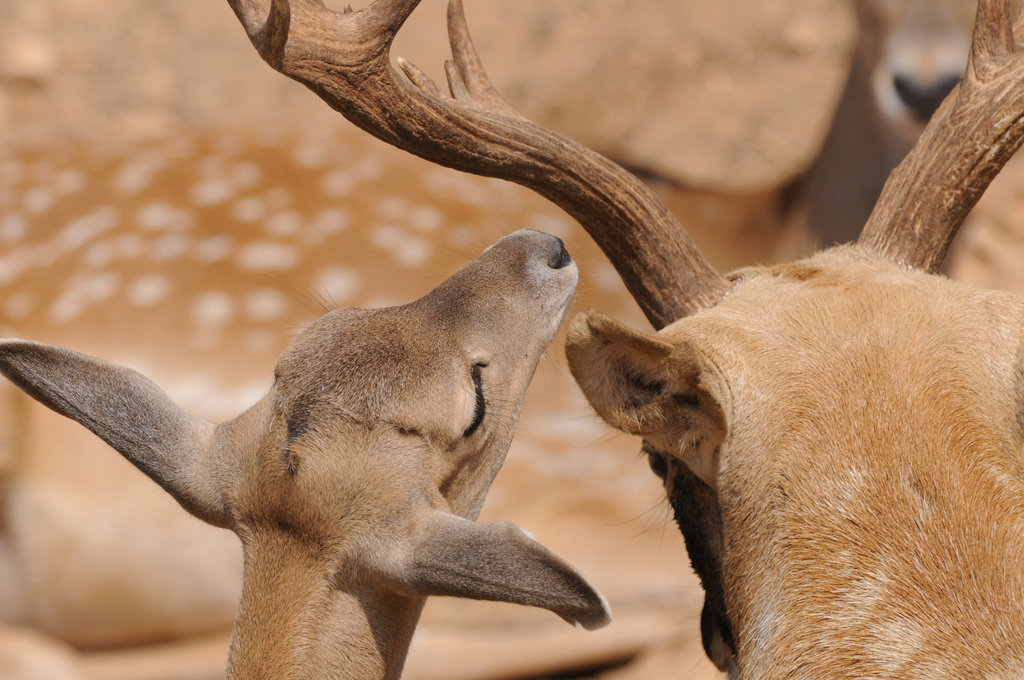
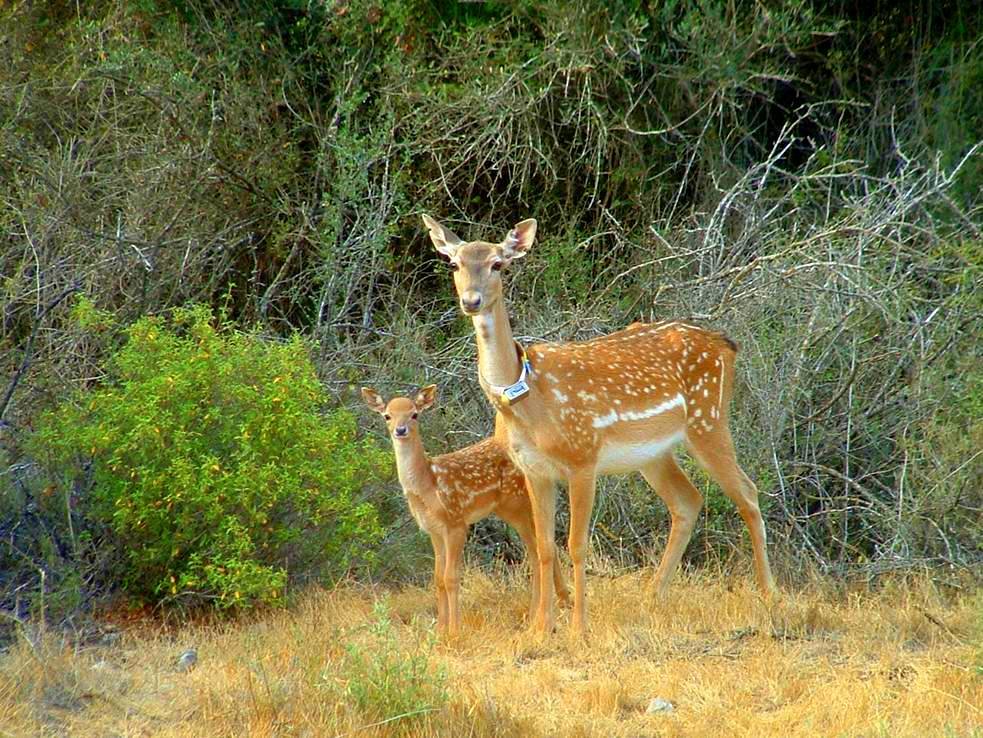
Since our winter release of a number of individuals in the hills surrounding Jerusalem, our team has been busily monitoring and tracking the wild fallow deer population.
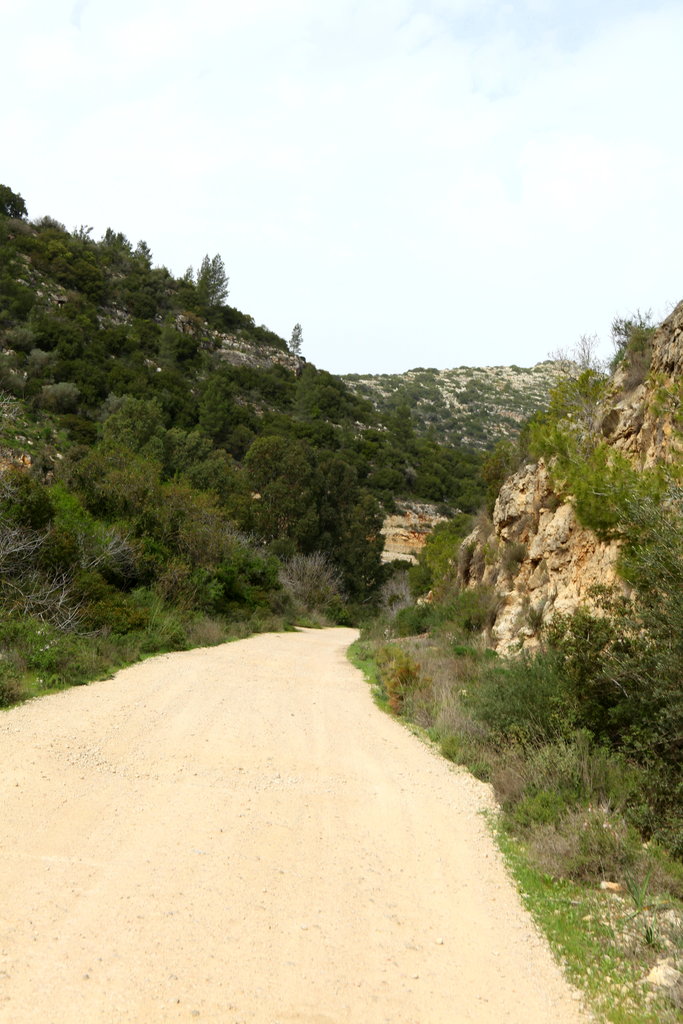
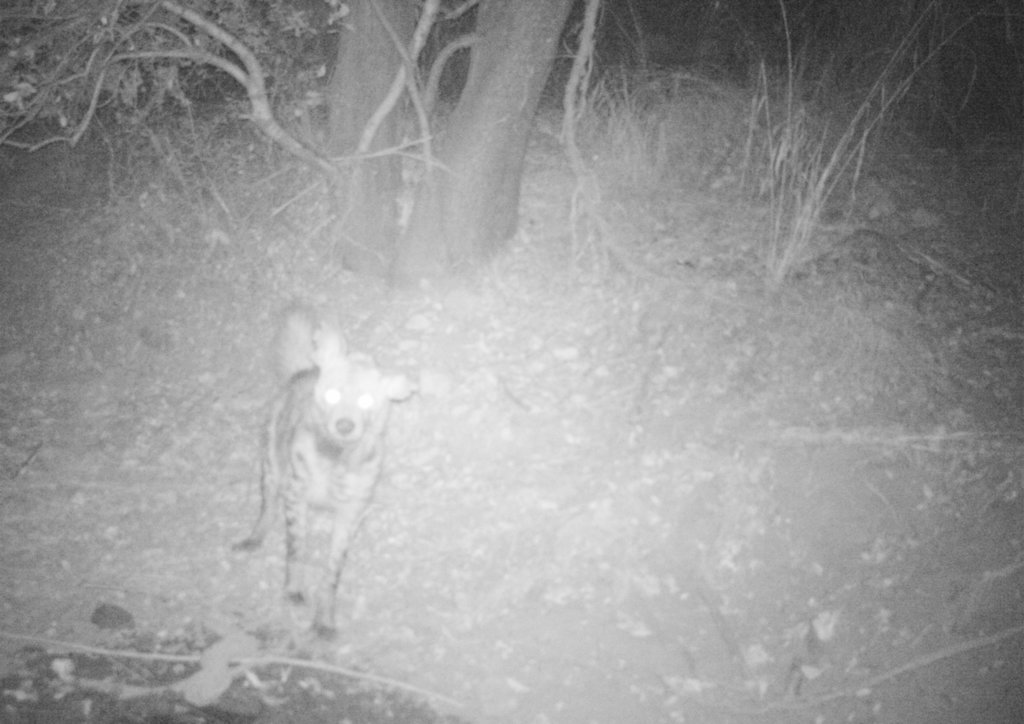
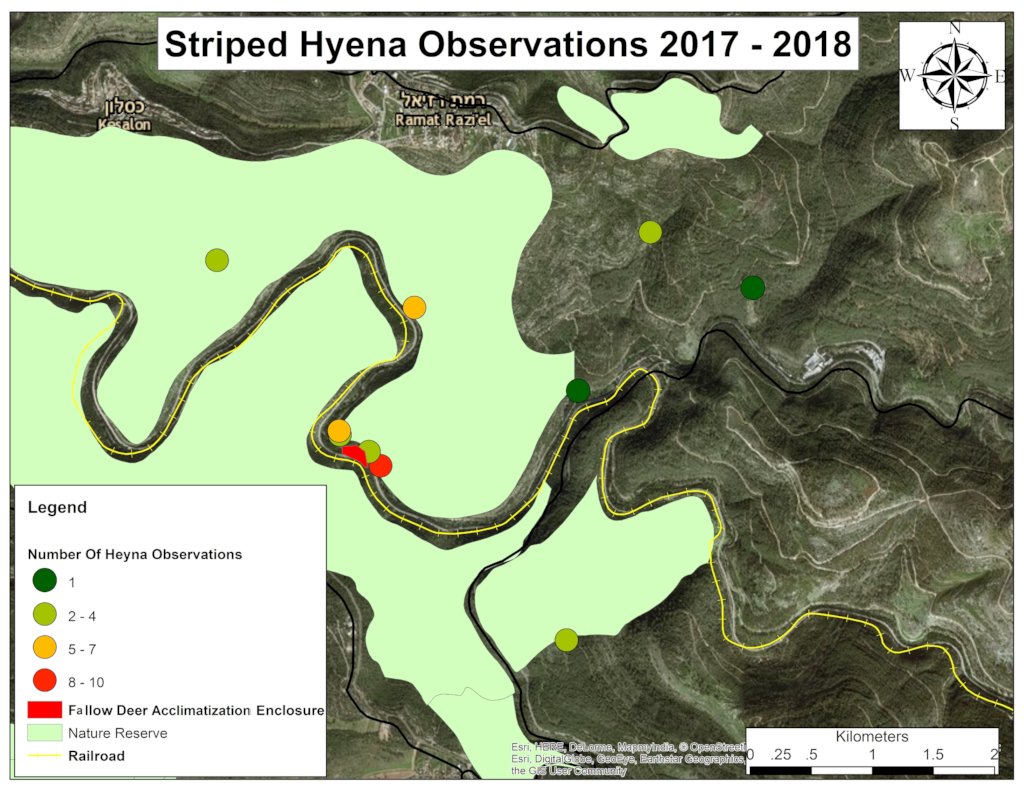
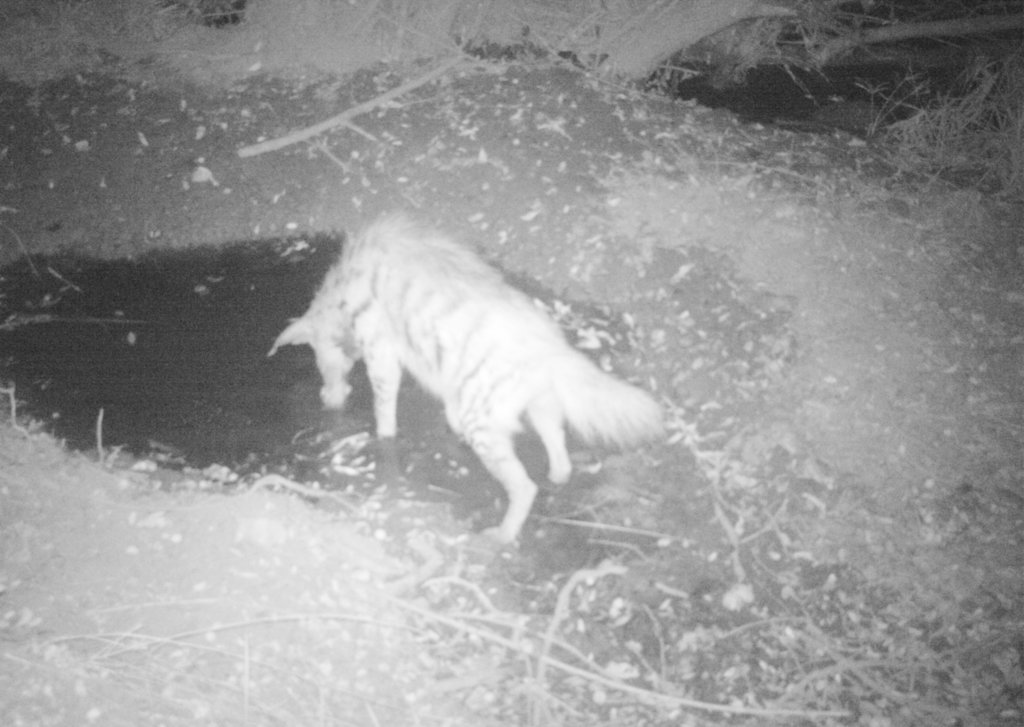
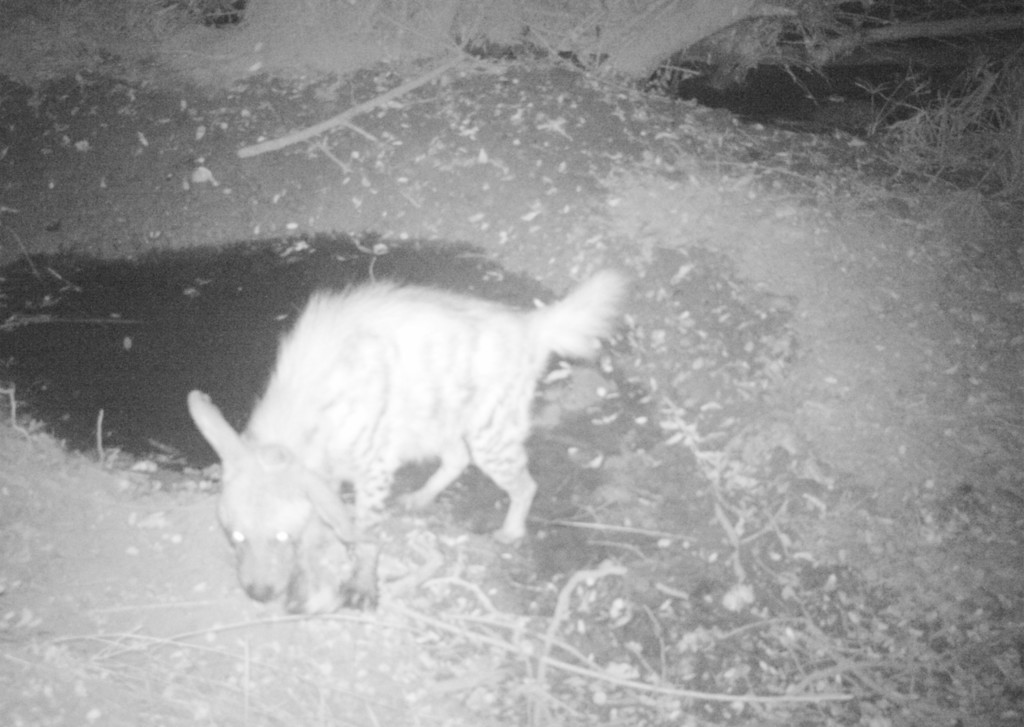
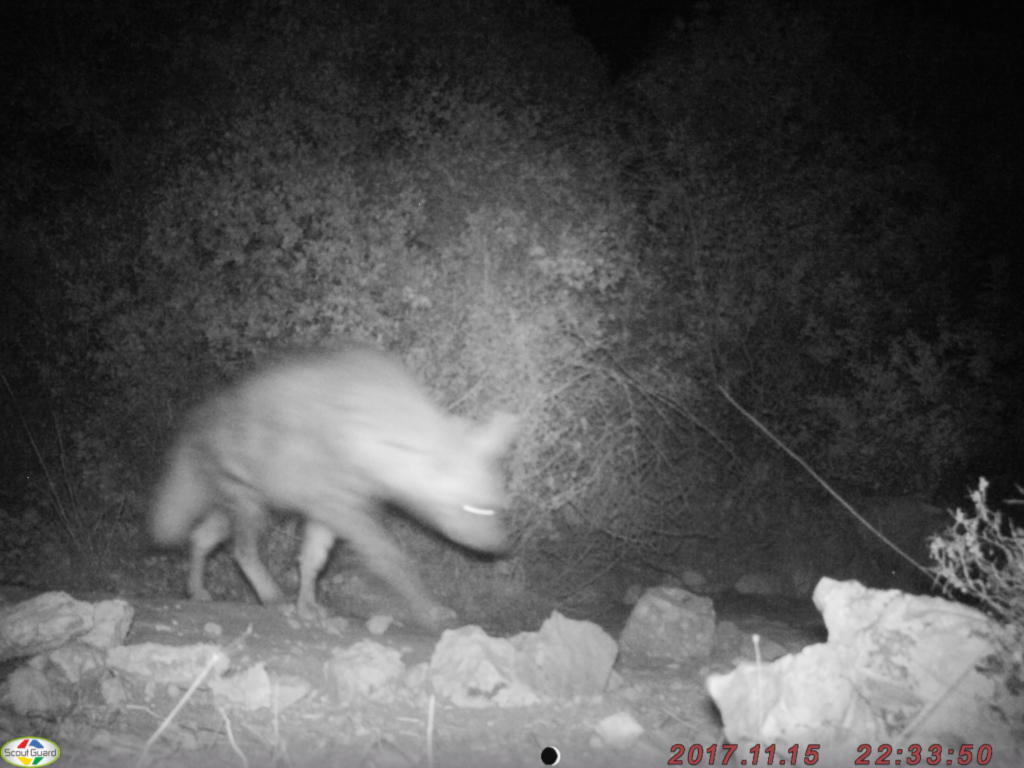
As we have mentioned in the past, the reintroduction of certain key species into the environment often has a positive impact on other species. In our case, one such species is the striped hyena. Hyenas in Israel are a different species to those seen on the African Savannah – our hyenas are "Syrian striped hyenas", solitary animals that are common throughout Israel – in the southern desert, in the north as well as in the central highlands. Today we also find them in the Judean Hills around Jerusalem. In fact, the most recent footage from our camera traps show many hyenas in the area where we release the Persian fallow deer (Nahal Soreq). Hyenas are mentioned in the Hebrew Bible, where they are referred to as tzebua or zevoa, though the species is absent in some Bible translations into English.
This hyena species is classified as “Near Threatened” by the International Union for the Conservation of Nature and we don’t have an accurate estimate of population numbers in Israel. During the years 1918-1948 strychnine poisonings were common in Israel (by farmers mainly) and, although the local population is thought to have recovered from this, the current nature reserves housing striped hyenas may be too small to ensure viable populations for the future. They are now a protected species within Israel but road accidents seem to be their most serious threat.
In light of this history, we are delighted to share with you some photographs from our camera traps which illustrate the wider positive environmental impact of the Persian fallow deer conservation program; together with a map detailing the distribution of the sightings.
Thank you for your continued support – stay tuned for more news!
Project reports on GlobalGiving are posted directly to globalgiving.org by Project Leaders as they are completed, generally every 3-4 months. To protect the integrity of these documents, GlobalGiving does not alter them; therefore you may find some language or formatting issues.
If you donate to this project or have donated to this project, you can receive an email when this project posts a report. You can also subscribe for reports without donating.



Support this important cause by creating a personalized fundraising page.
Start a Fundraiser