By Kali L Kirkendall | Executive Director
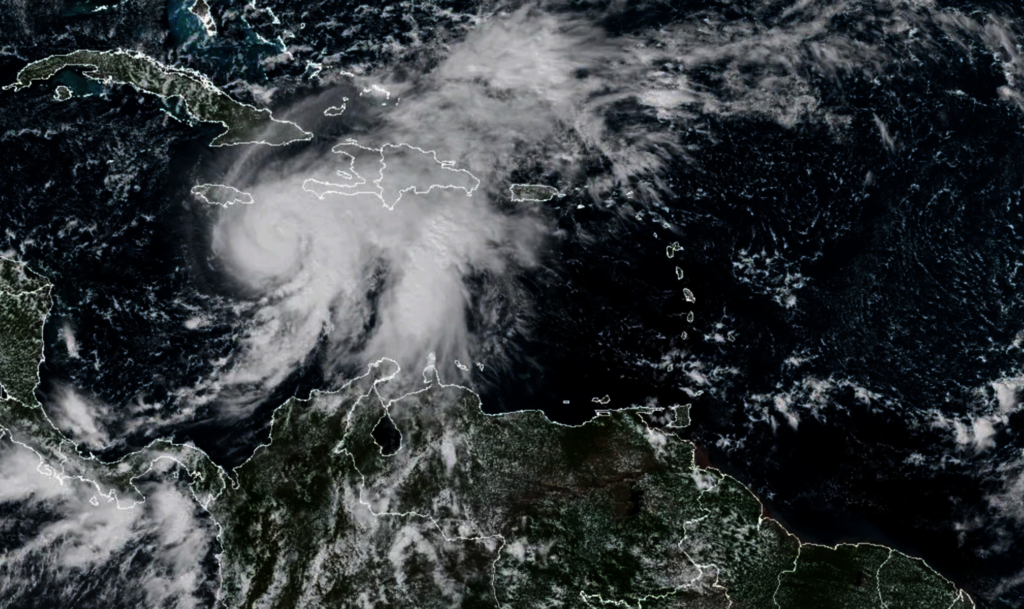
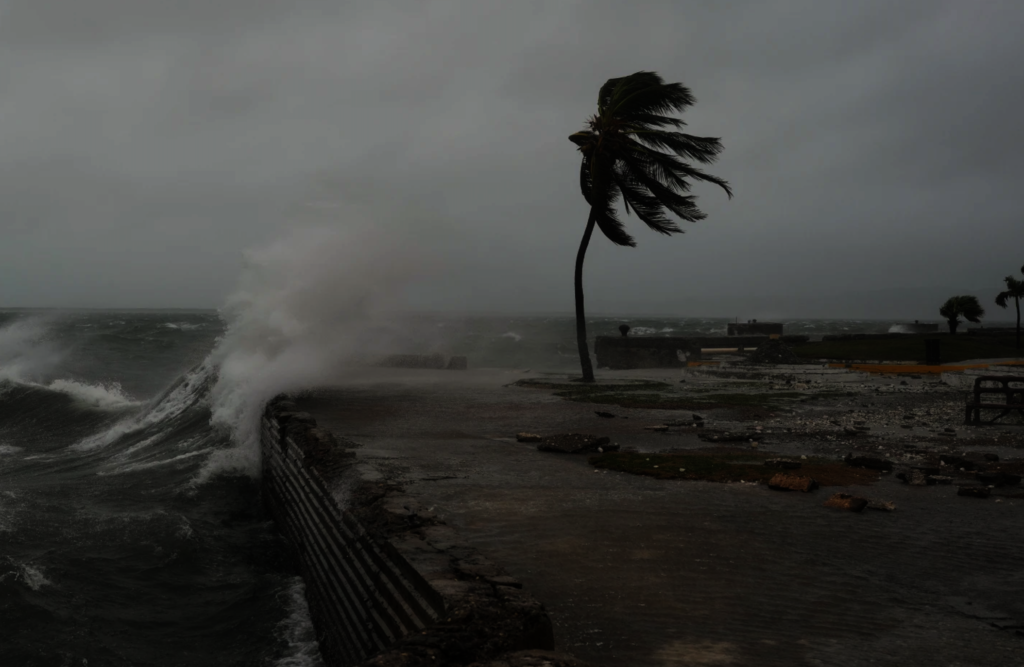
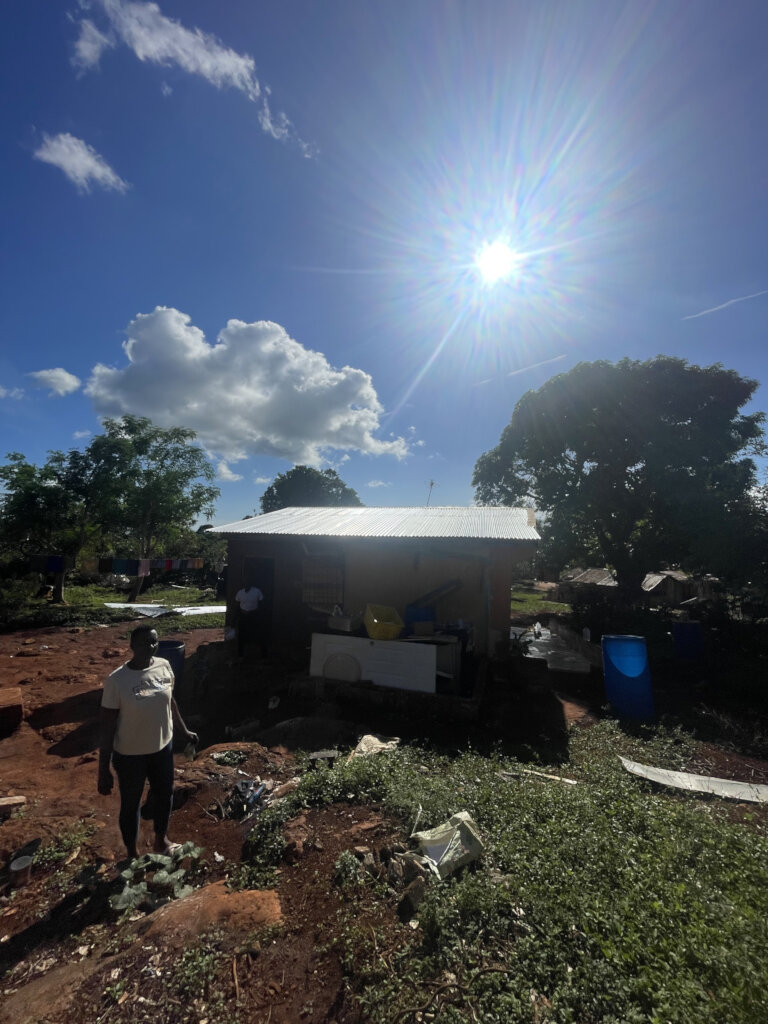
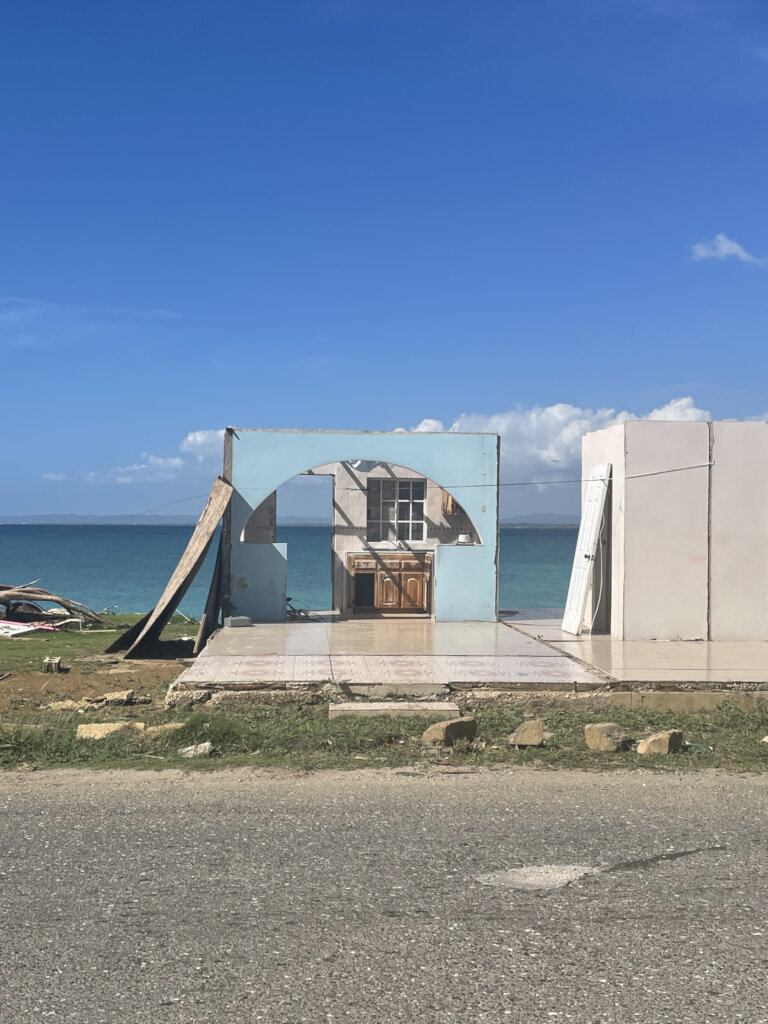
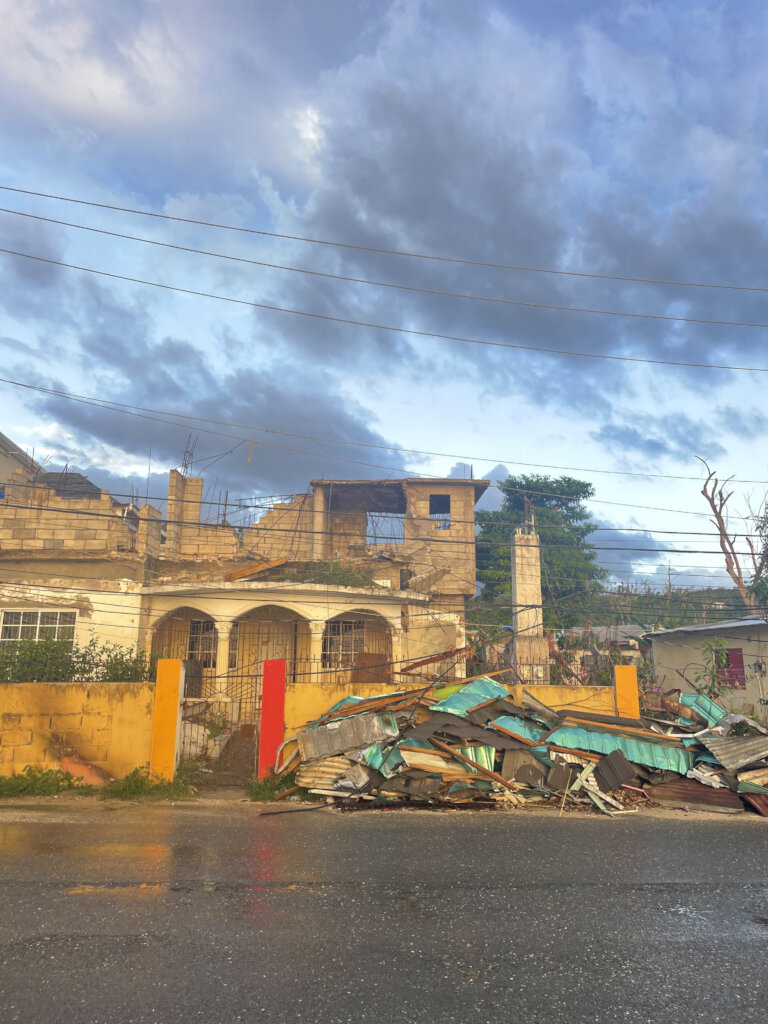
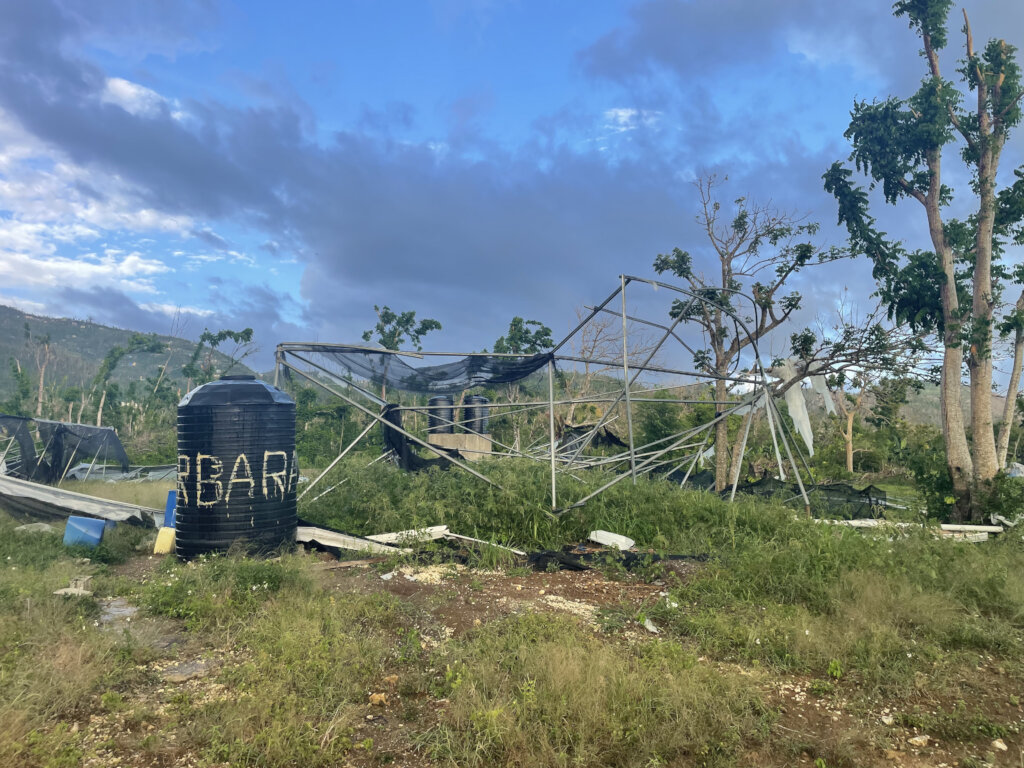
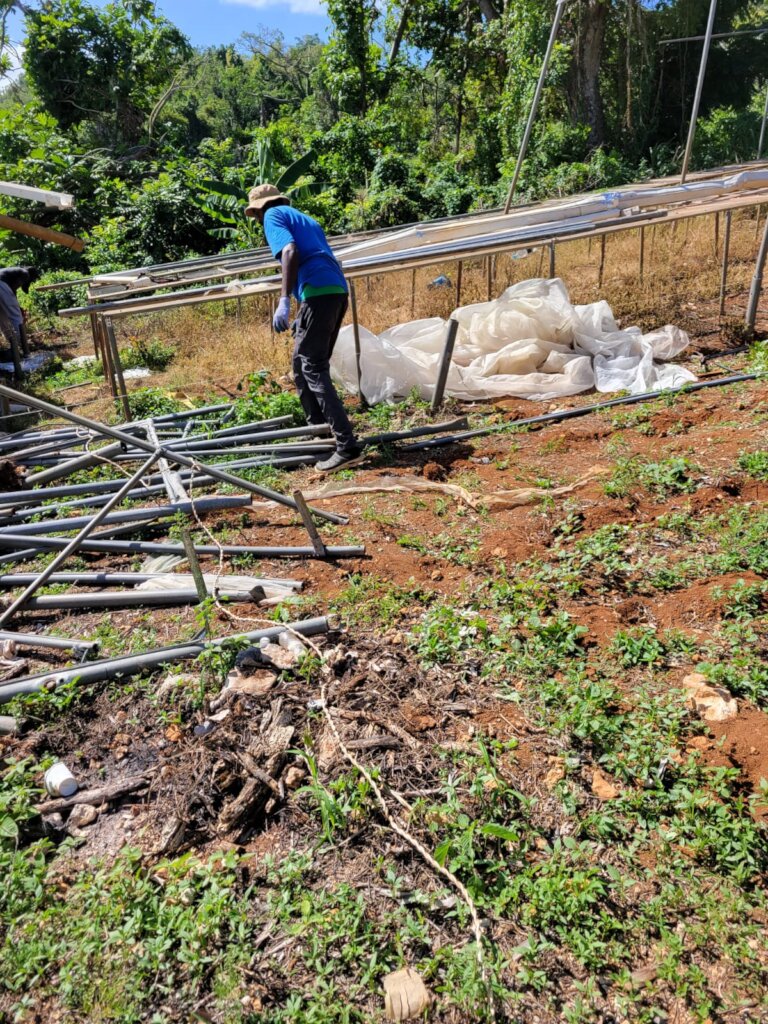
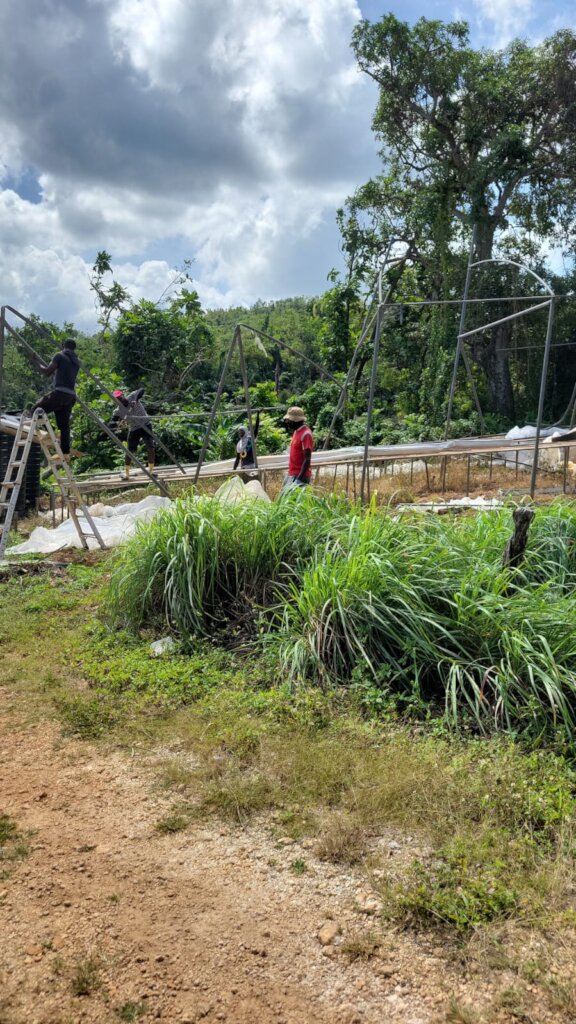
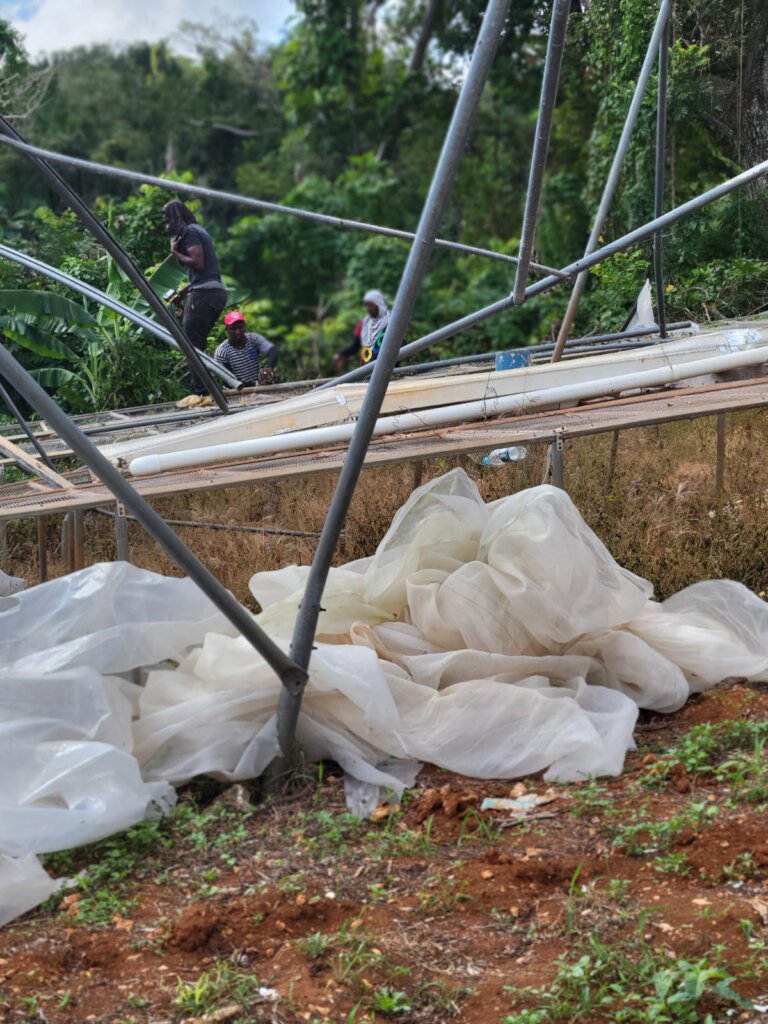
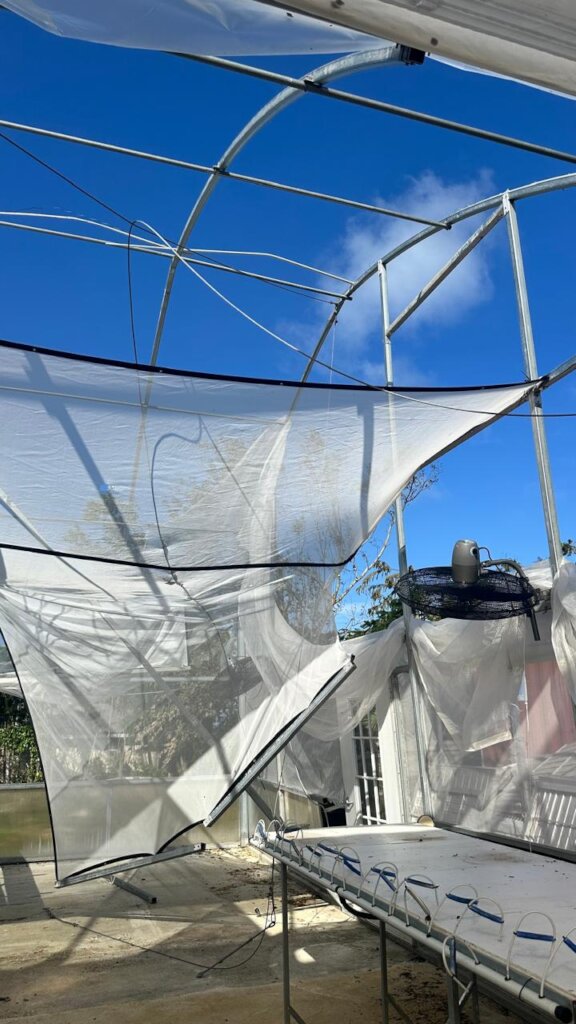
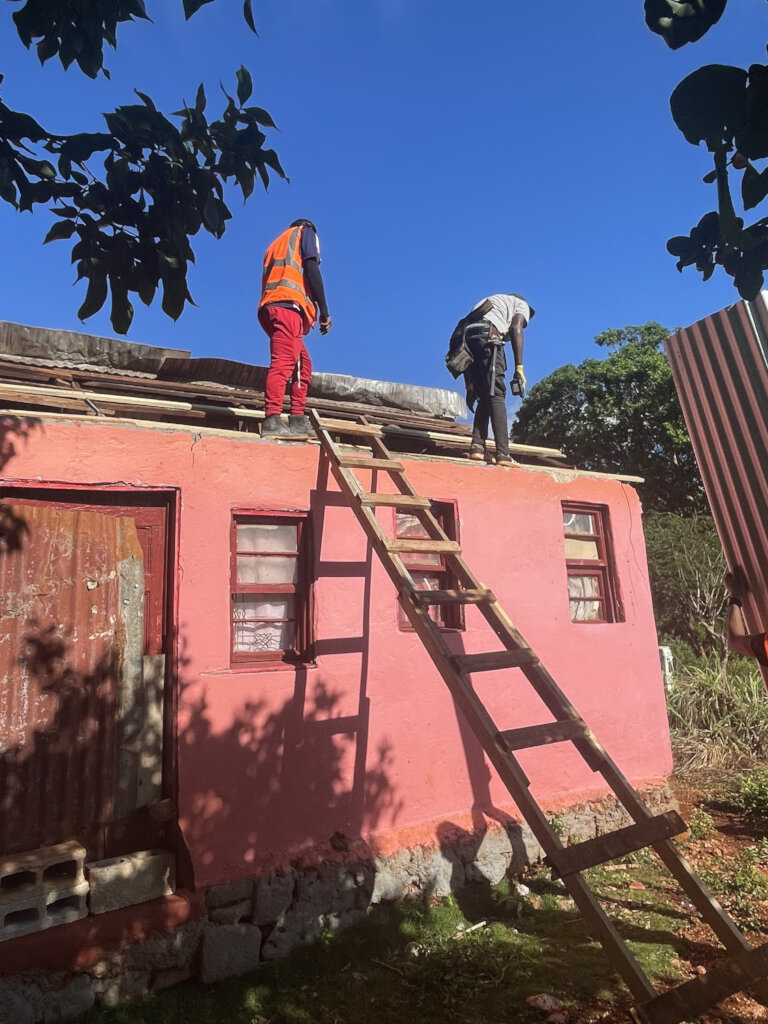
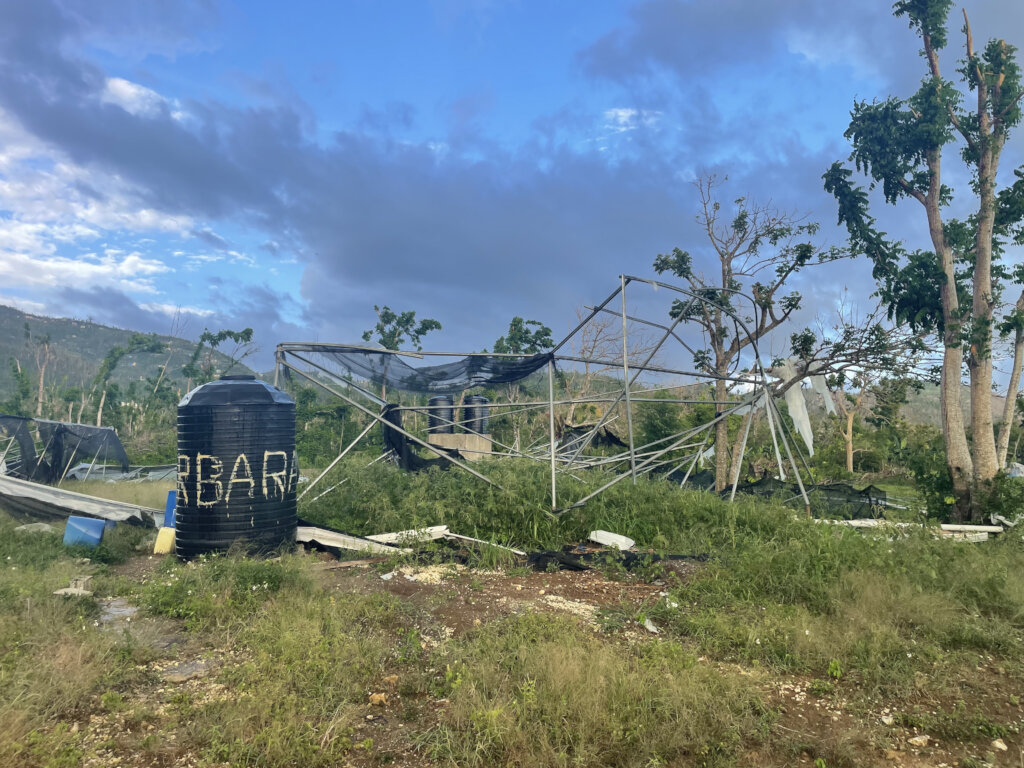
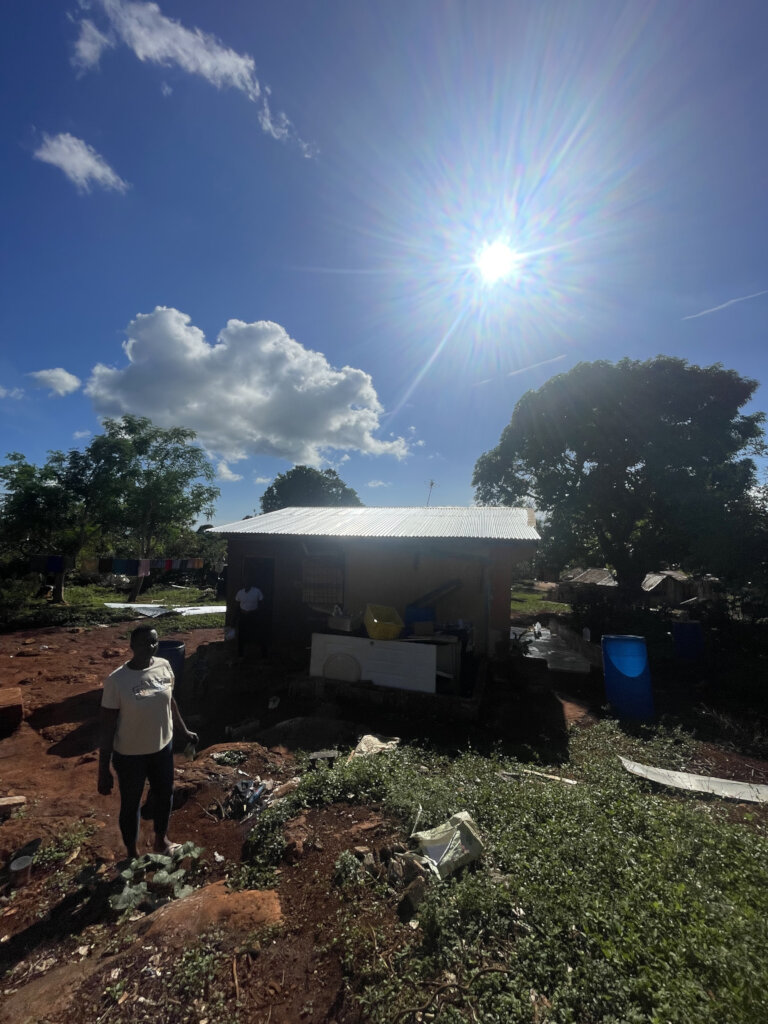
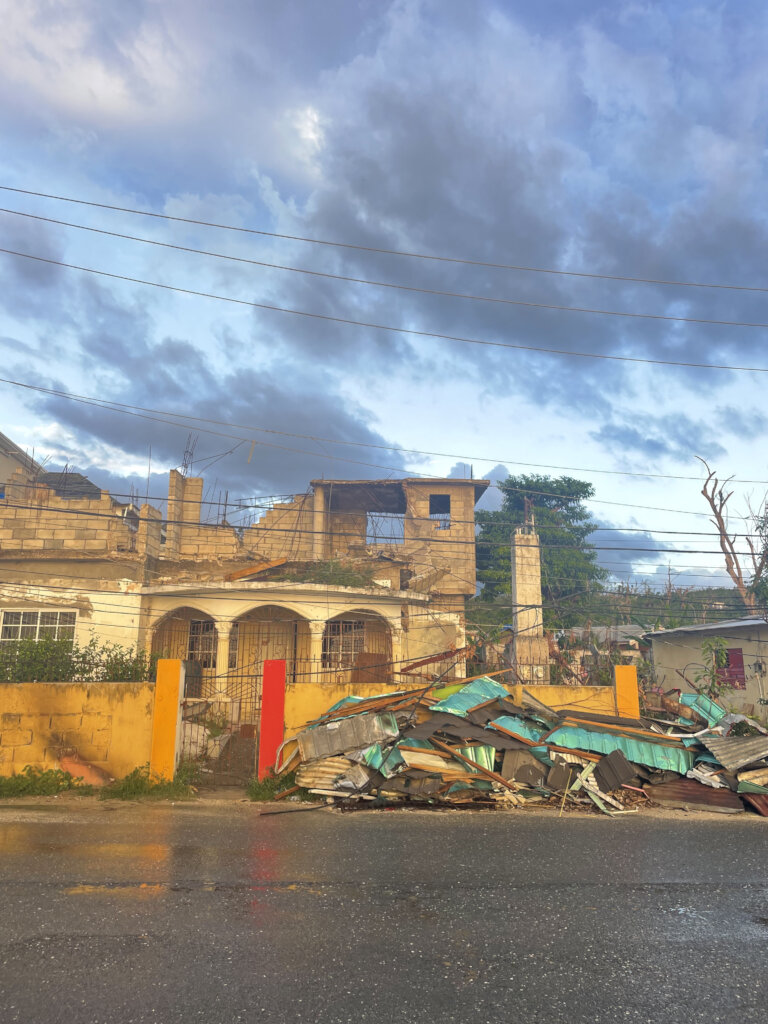
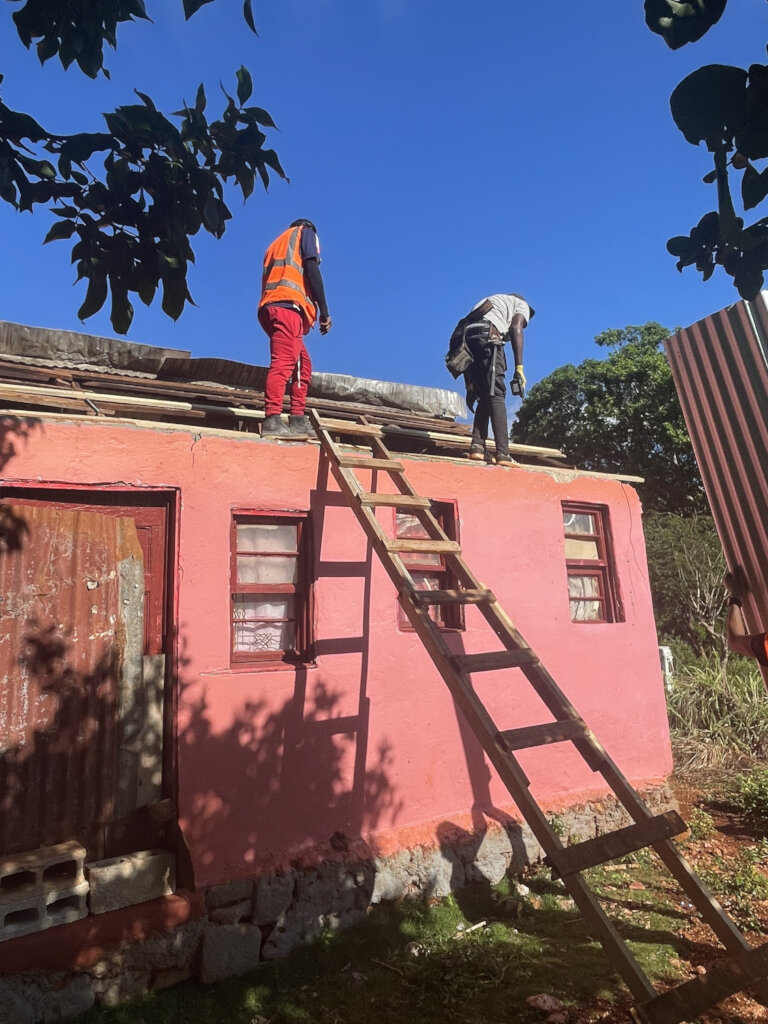
When Hurricane Melissa made landfall last October, it came ashore as a Category 5 — the strongest storm on record to hit Jamaica — and it hit coastal farming communities the hardest. In St. Elizabeth, long known as the breadbasket of Jamaica, and in neighboring Westmoreland, roofs were torn away, fields were flattened, and greenhouses and growing systems were destroyed. Months on, recovery is still very much underway. Families are still repairing shelters, and in many areas the debris is still piled high.
From the start, our goal hasn't been simply to put things back the way they were. We're helping farmers rebuild smarter — with systems built to hold up to the next storm, not just recover from the last one.
Where Things Stand
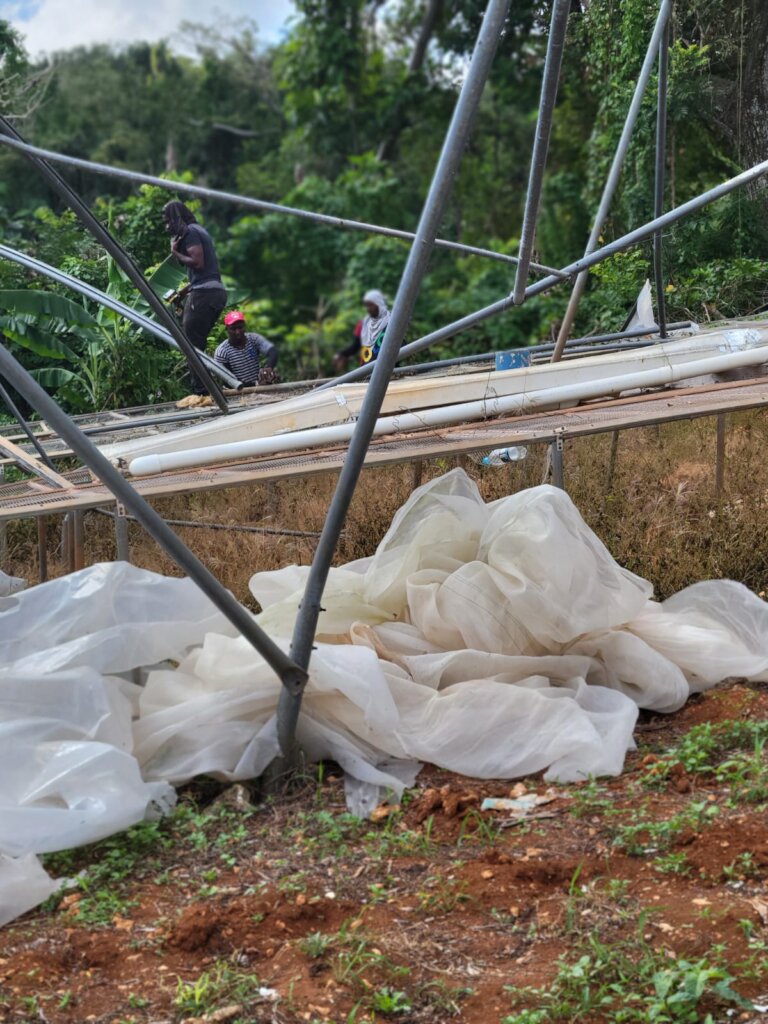
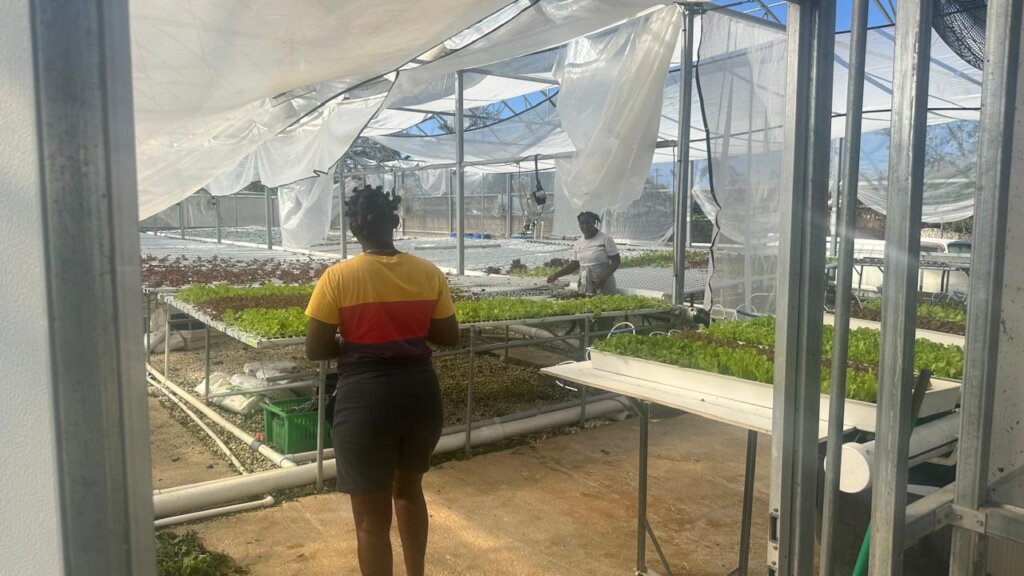
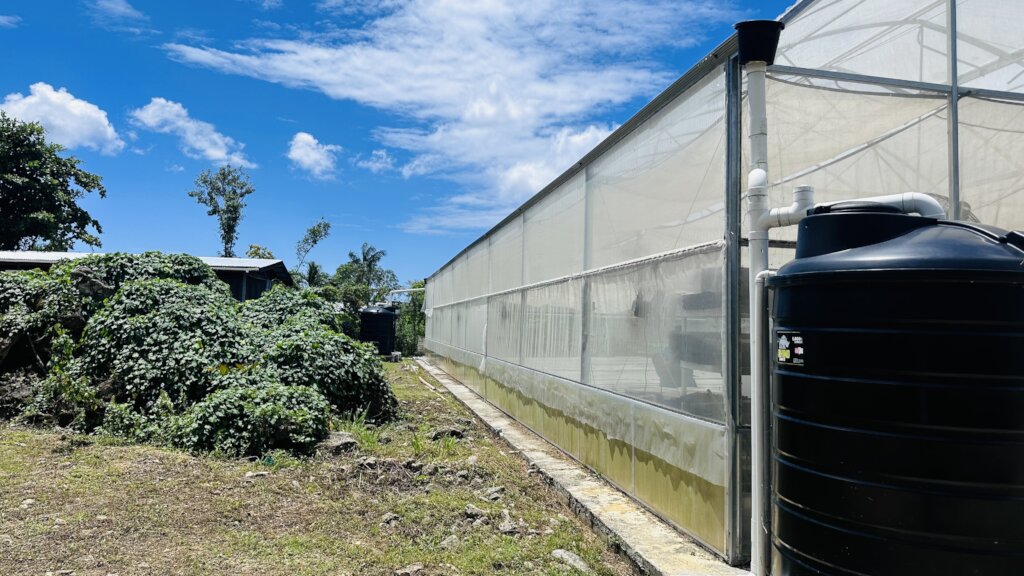
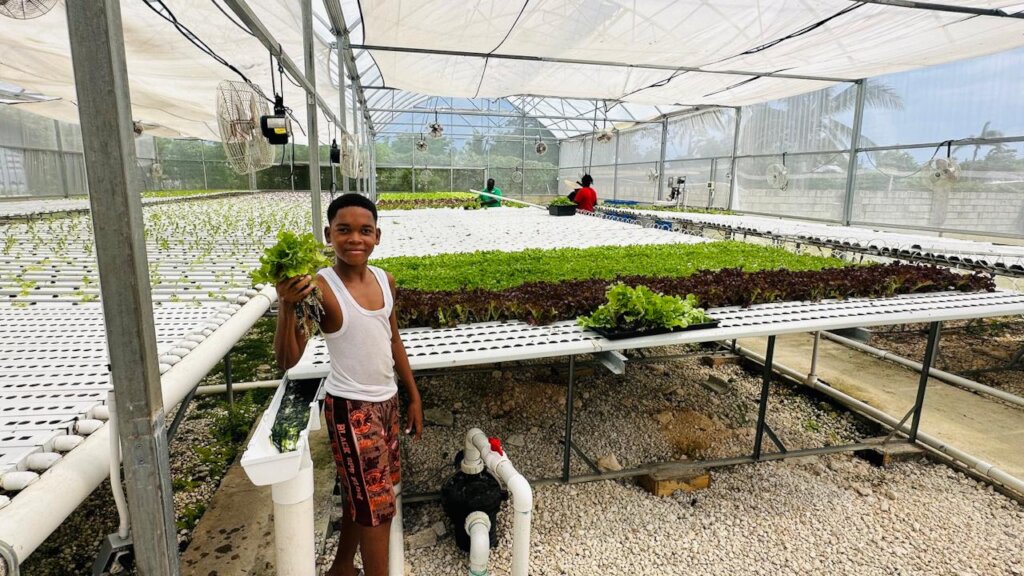
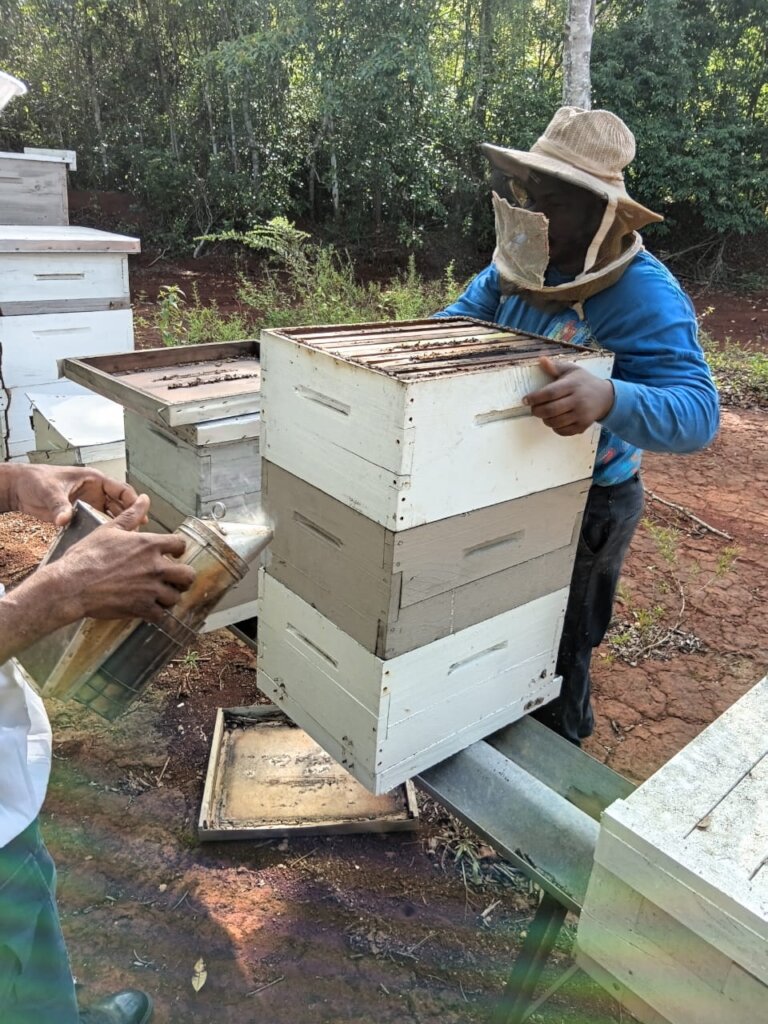
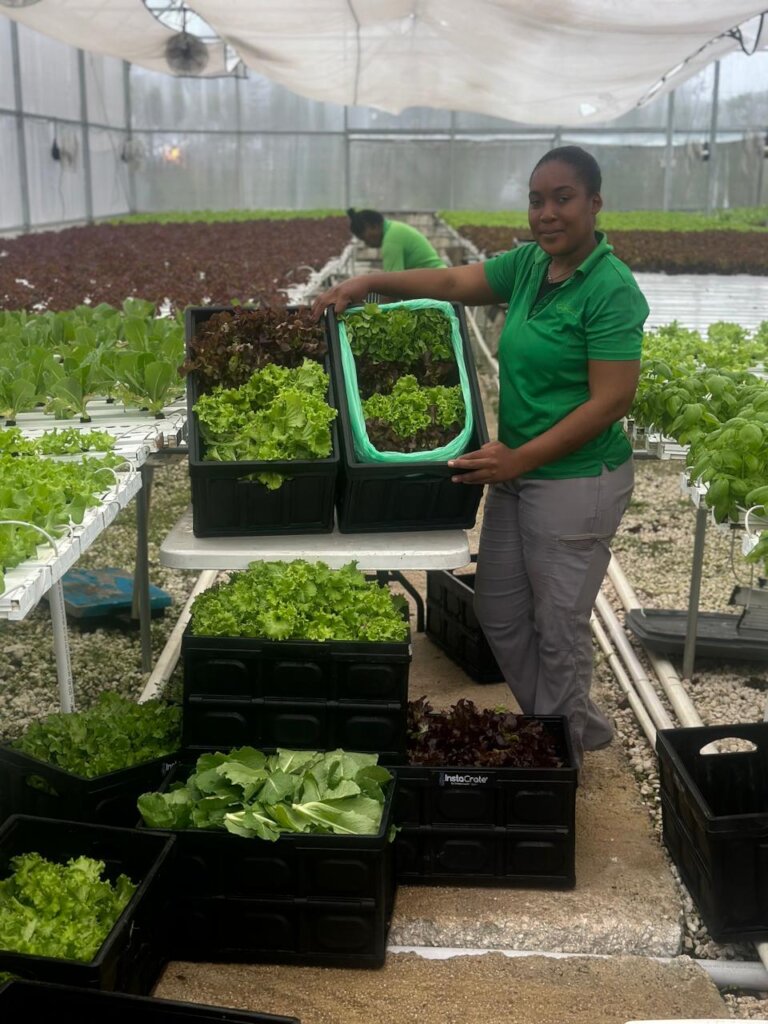
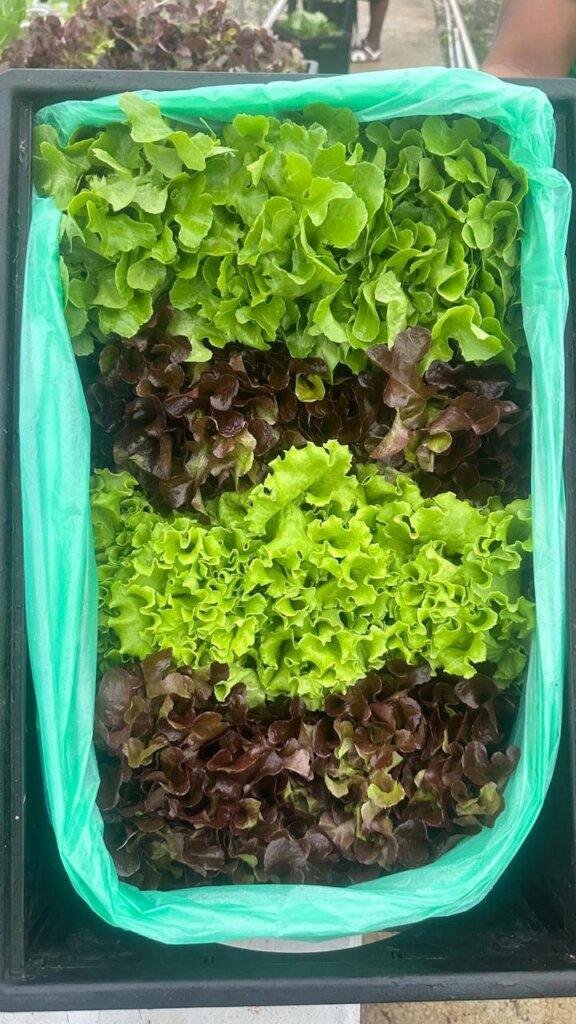
We've made real progress since our last update, even if some of it came slower than we'd hoped. Our roof and water-catchment work in Westmoreland was held up for a stretch by material backorders and long waits to clear supplies off the docks — challenges that are now, fingers crossed, largely behind us. Through our Scaling Up Local Agriculture (SULA) grants, we helped rebuild two greenhouses, repair a hydroponics farm that doubles as a community and school training center, support a farming association that shares seedlings and planting materials across its network of over 20 families, and help a local beekeeper rebuild her apiary. That work laid the groundwork for what comes next.
What We're Building Now
As we move into this next phase, the focus shifts from immediate relief toward climate-resilient food production — the kind that can keep producing through drought and storm alike.
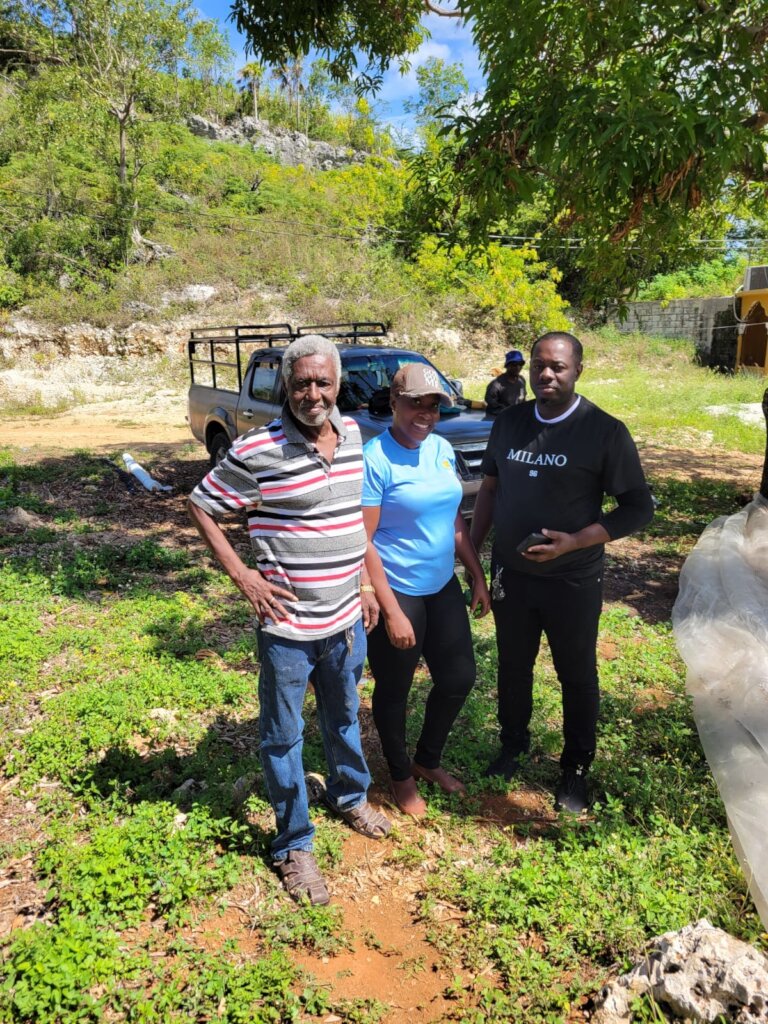
The first aquaponics farm in Westmoreland. A milestone we flagged last update is beginning to take shape. Dwayne St. Hill, who runs Green N Gro Farms near Negril, has received the land and is beginning to clear it for an aquaponics operation — a water-efficient system that raises fish and crops together in a single cycle. For a parish still rebuilding, it's a model for growing more food with fewer inputs and far less exposure to the next disaster.
A FEAST Center in Kingston. Our Food Equity and Sustainability Training (FEAST) Center — a model we first developed in the Bahamas after Hurricane Dorian — is coming to Jamaica in partnership with international and local NGO's and a University. The Center will anchor our trainings and connect farmers to the tools and knowledge they need to grow more and waste less.
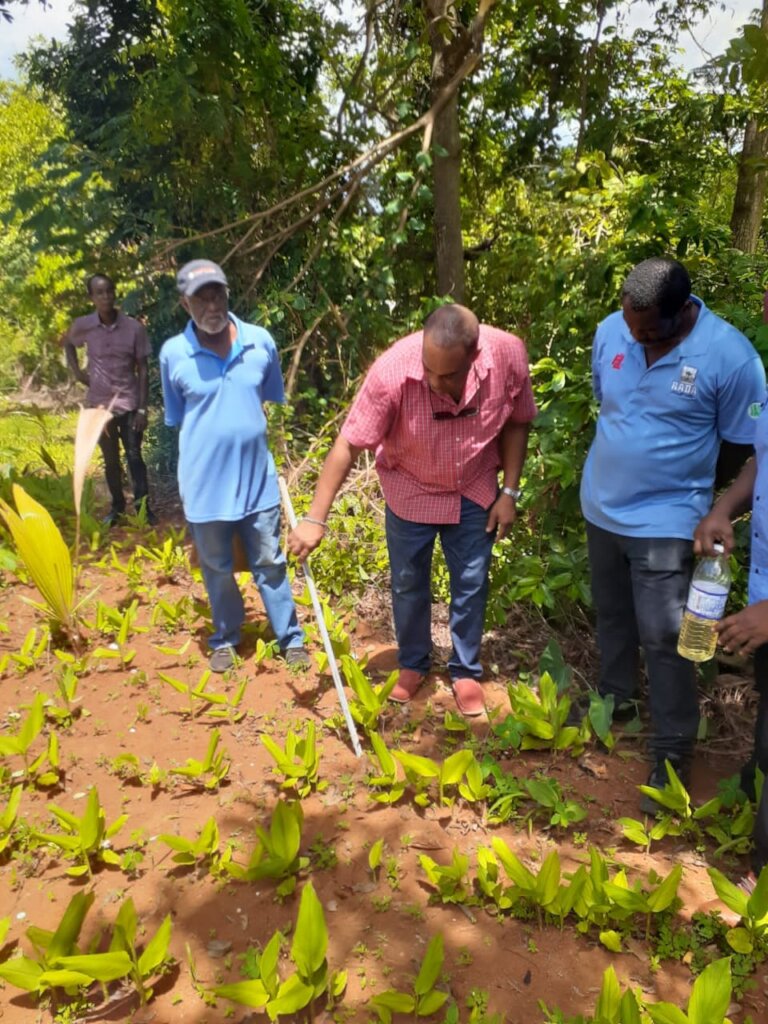
Extension farms and shared learning. With partners like BREDS, the grassroots foundation that has worked in Treasure Beach for nearly three decades, we're establishing an extension farm — a working farm that double as places where other farmers can learn resilient methods firsthand.
With the Riverton Community- one that is heavily reliant on a landfill for their livelihoods- we are working with Samaritan Jamaica to help build a community farm there. One that creates more resiliency and self-sufficiency.
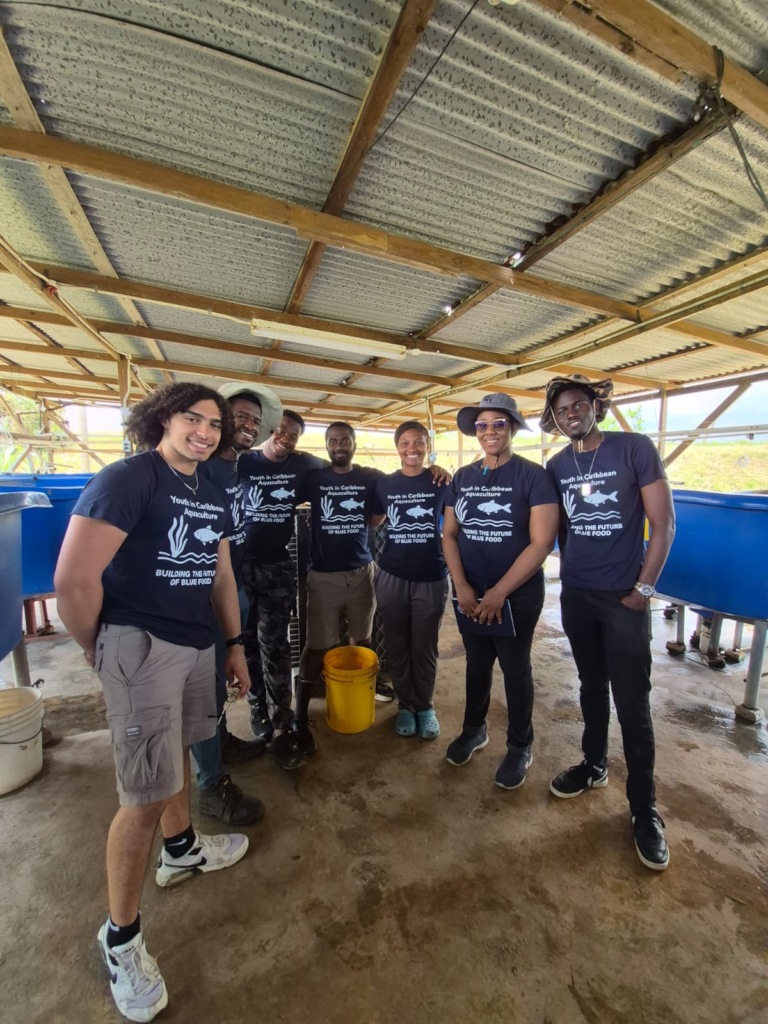
Youth in aquaculture. Through our partnership with the Caribbean Aquaculture Education and Innovation Hub, we've sponsored tools and equipment for the next phase of their Youth in Aquaculture Initiative — hands-on training, farm visits, and aquaculture and seaweed demonstrations that bring young people into the future of Caribbean food production.
With Gratitude
There's a long road ahead — St. Elizabeth and Westmoreland won't return to full production overnight — but the farmers we work with aren't just rebuilding. They're building something better. None of it would be possible without you. Thank you for standing with us, and with the farmers, educators, and innovators designing solutions that can scale, adapt, and endure.
Kali Kirkendall Executive Director, Blue Atlas Project
By Kali L Kirkendall | Executive Director
By Kali L Kirkendall | Executive Director
Project reports on GlobalGiving are posted directly to globalgiving.org by Project Leaders as they are completed, generally every 3-4 months. To protect the integrity of these documents, GlobalGiving does not alter them; therefore you may find some language or formatting issues.
If you donate to this project or have donated to this project, you can receive an email when this project posts a report. You can also subscribe for reports without donating.



Support this important cause by creating a personalized fundraising page.
Start a Fundraiser