By Rodrigo Pereyra | Fundraising Officer
Quarterly Impact Overview (Apr to Jun 2026)
Names have been changed to protect the children’s privacy.

Looking Ahead
Key Highlights: From Exploration to Weekly Reading Sessions
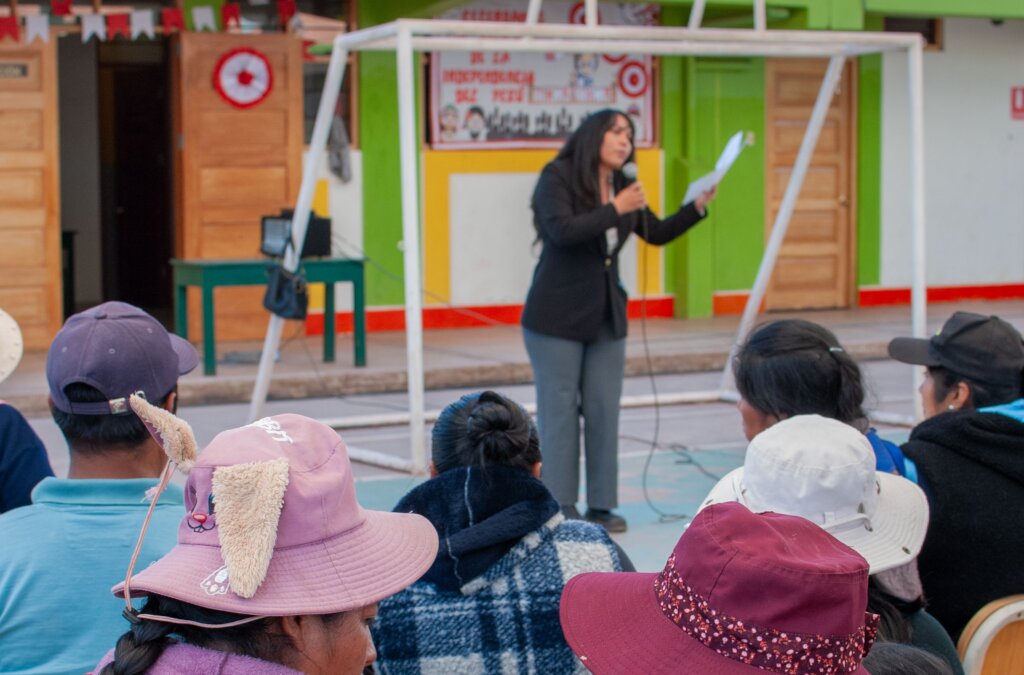
April: preparing and listening. The quarter began with internal preparation (finding teachers, drawing up contracts and gathering materials) and an exploration phase. Our team met school directors and community leaders in Pumamarka, Quillahuata, Corao, Taray and Kallarayan, and reached agreements with local authorities, including the institutional manager of the Quillahuata tambo (a national government programme post) and the directors of the Quillahuata and Pumamarka schools. We also held information meetings with parents at primary schools in Taray, and Corao to explain the benefits of the programme and learn about their availability. Parents and authorities showed great interest and thanked us for the support this means for their children. We also hired the Mobile Library teachers.
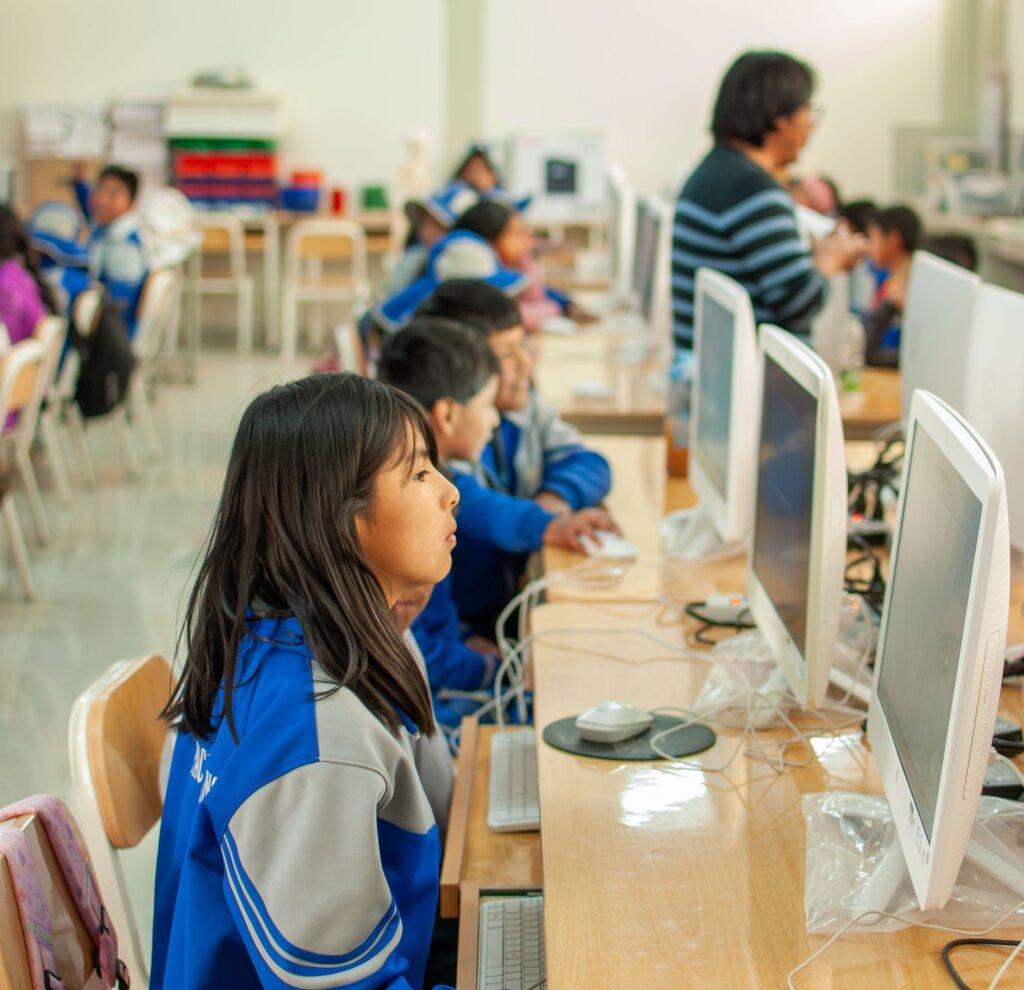
May and June: working with communities and schools, and a visit from our donor. From May our team coordinated with the communities, the schools, parents and local authorities, while the Mobile Library was already running its thuesday and wednesday sessions. We met the schools again to decide where our new Women’s Empowerment programme could be applied, and agreed on Quillahuata and Pumamarka with the directors of both schools, with whom a written agreement was drawn up. During this period we also welcomed two representatives of the New Zealand Embassy in Santiago, Christy Pullyn and Neki Haig, who visited the project. The Embassy is the donor that this year is funding both the renewal of the Mobile Library, with a new vehicle, computer classes and new activities, and the Women’s Empowerment programme.How We Teach: Stories You Can See and Touch
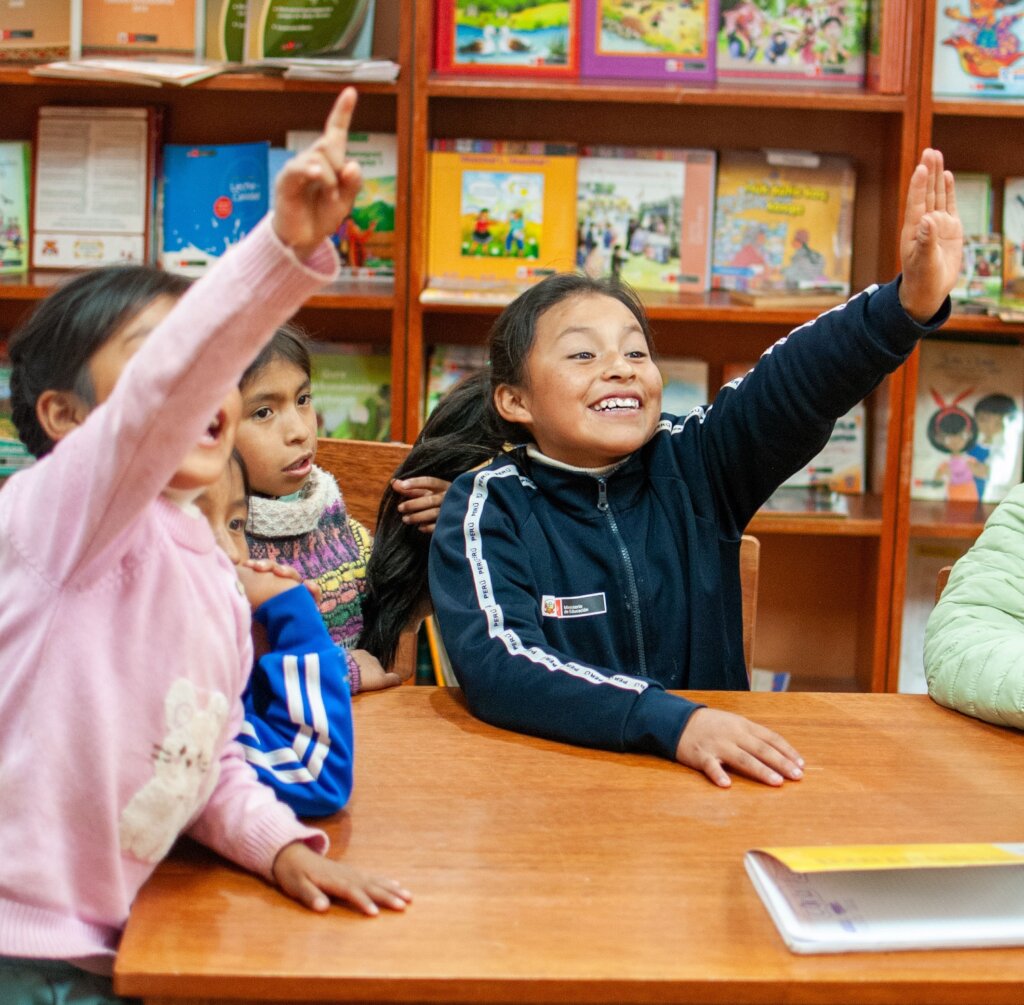
We use books and stories adapted to the children’s own context, supported by worksheets, and we bring stories to life with shadow theatre, puppets, painting and crafts. These creative formats help children understand what they read and take part actively. The younger children are in the first stage of reading, learning to hear and tell apart the sounds of language. The older children read in a more independent, fluent and critical way, and can analyse, infer and connect ideas.
A New Chapter: Women’s Empowerment for Adolescent Girls
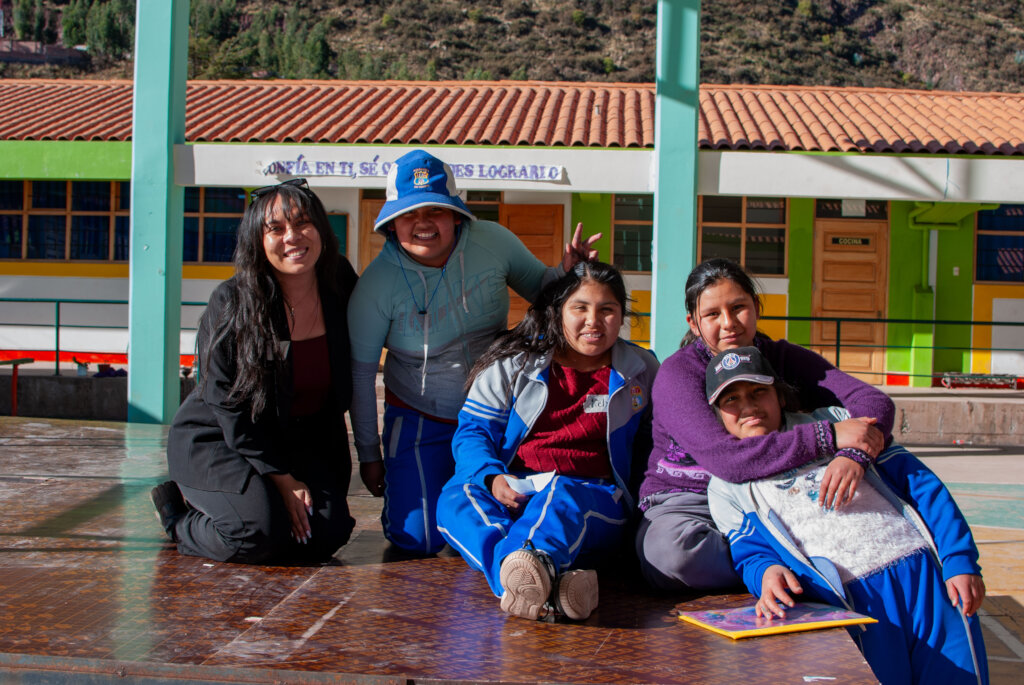
Thanks to the support of the New Zealand Embassy, the Mobile Library has grown beyond reading. Our Women’s Empowerment programme gives adolescent girls in rural communities near Cusco a safe, regular place to get to know themselves, understand their emotions and build confidence. It is led by two facilitators and uses a participatory approach: games, group work, drawing and sharing circles.
Choosing where to begin. After the meetings with the schools in May and June, the programme was set up in two communities with the support of their schools: Quillahuata and Pumamarka. A written agreement was drawn up with the school management in each community.
Quillahuata (from mid-June). The workshops began in mid-June with 12 girls enrolled. We held 3 sessions in the month, with an average attendance of 6 girls. The first sessions focused on building trust: presenting the programme, agreeing group rules together and making a personal portfolio where each girl keeps her own work. Attendance was lower than we hoped, so our team met the local school and reached a collaboration agreement: teachers will help identify and invite girls who could benefit from the programme.
No workshops were held at Pumamarka in June. The team spent the quarter on coordination with the school management and on the written agreement. The workshops began in July, and we will report on them in our next update.
Our aim. These first sessions are about building a safe, respectful and non-violent space in which the girls feel listened to, and about giving them the first tools to recognise and name their emotions.
Stories of Transformation
Tomás, Diego and their older cousin Samuel. Each morning our team meets the three of them walking along the road and invites them into the van to travel together. They take part actively and are tender, respectful and eager to learn. Samuel sometimes cannot attend because he helps his family with livestock or with selling at the market in Corao, but he always returns with great enthusiasm and commitment. His joy in taking part reflects the value of effort and responsibility that marks these children.
Bruno, a primary-school pupil, and his sister Lía, aged 5, attend regularly and with commitment. Both are diligent, tender and cheerful, always ready to learn, and their energy brings a positive atmosphere to our Saturdays and makes every activity more motivating for the group.
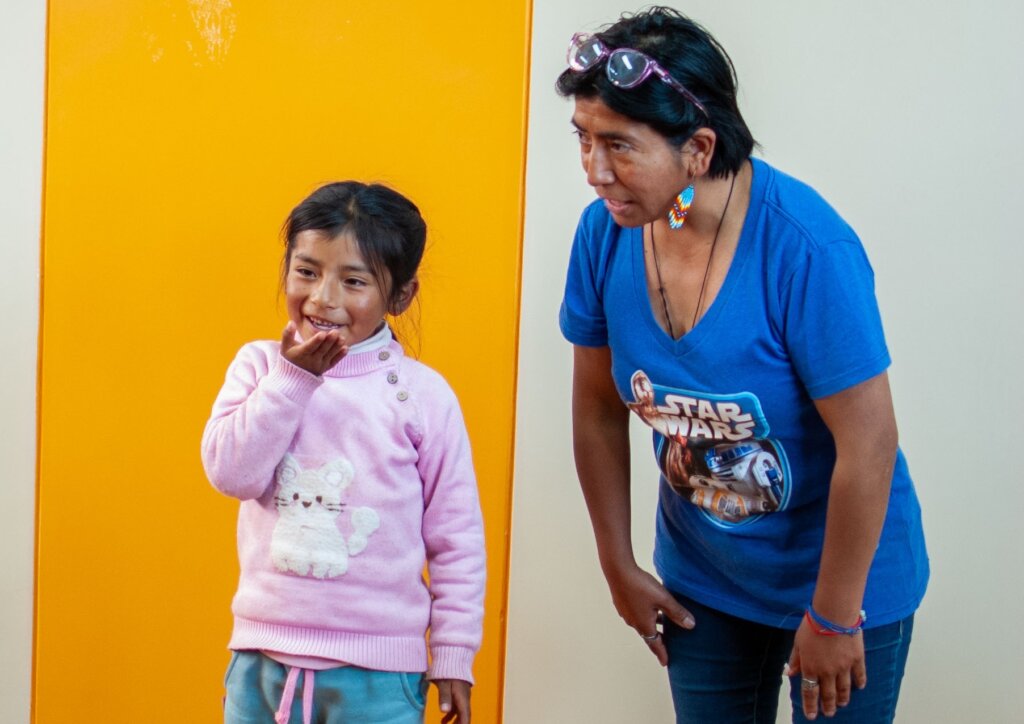
Marisol, aged 12, from Quillahuata, is full of energy and joy. She has taken part in the workshops since the first sessions and has invited her friends from the community to join. For her, and for others, the workshops are a place to speak, be listened to and feel accompanied.
Challenges & Resilience
Attendance is our biggest challenge, in both the Mobile Library and the new Women’s Empowerment groups (in Quillahuata, an average of 6 girls attended in June). Many children help their families with farming and livestock, especially in the busiest months in the fields, and the rainy, cold and damp weather of the season makes regular attendance harder still. Children also tend to arrive late, which shortens the time available for planned activities and interrupts the group’s rhythm. In April, the limited availability of some teachers and local authorities also slowed joint work. The space we use is not ideal, but it is functional for our sessions.
Our response is to make the sessions more attractive and to spread the word about the project more widely in Kallarayan to increase attendance.
Looking Ahead
Next, we will design more varied and playful strategies to spark children’s interest in reading: games, dramatisations, story-creation workshops, puppets, story-related crafts, and visual and technological resources. We also aim to expand the project to new communities that are strongly committed to education. With the New Zealand Embassy’s support we will continue the Women’s Empowerment workshops: a stronger invitation to more girls in Quillahuata and the start of regular sessions in Pumamarka. In the long term, we want children in the early grades to discover letters in their everyday surroundings, read with confidence and expression, and enjoy reading, not just decode words.
Thank You for Your Support
Because of your generosity, children in high Andean communities now have a weekly place to read, imagine and create, and adolescent girls have a safe place to find their voice. Thank you for helping us take books where they are needed most.
Stay Connected on WhatsApp!
We have launched a brand-new WhatsApp channel, and we warmly invite you to join us! It is the perfect place to follow our journey, learn more about our projects, and get firsthand updates as our Mobile Library travels across high Andean communities.
Links:
Project reports on GlobalGiving are posted directly to globalgiving.org by Project Leaders as they are completed, generally every 3-4 months. To protect the integrity of these documents, GlobalGiving does not alter them; therefore you may find some language or formatting issues.
If you donate to this project or have donated to this project, you can receive an email when this project posts a report. You can also subscribe for reports without donating.


Support this important cause by creating a personalized fundraising page.
Start a Fundraiser