Food insecurity continues to affect rural Nigeria due to unpredictable weather, poor irrigation, and outdated farming methods. This project by Equitable Medicaid and Clinical Research will introduce smart farming technologies, including solar irrigation, weather-based planting systems, and digital training for smallholder farmers. The goal is to boost yields, reduce losses, and ensure steady food production in vulnerable communities.
Many farmers in Nigeria still depend on traditional farming methods that can no longer sustain growing populations. Poor irrigation, changing weather, and limited access to information reduce productivity. Farmers often plant at the wrong time, lose crops to drought or floods, and face hunger due to poor harvests. Without modern tools and data-based farming, food insecurity will continue to increase in rural communities.
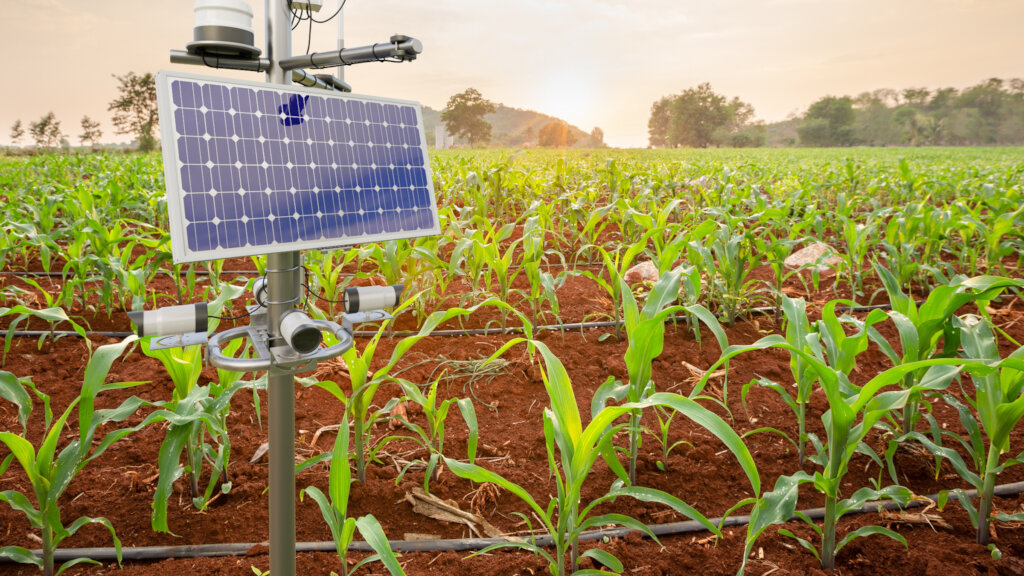
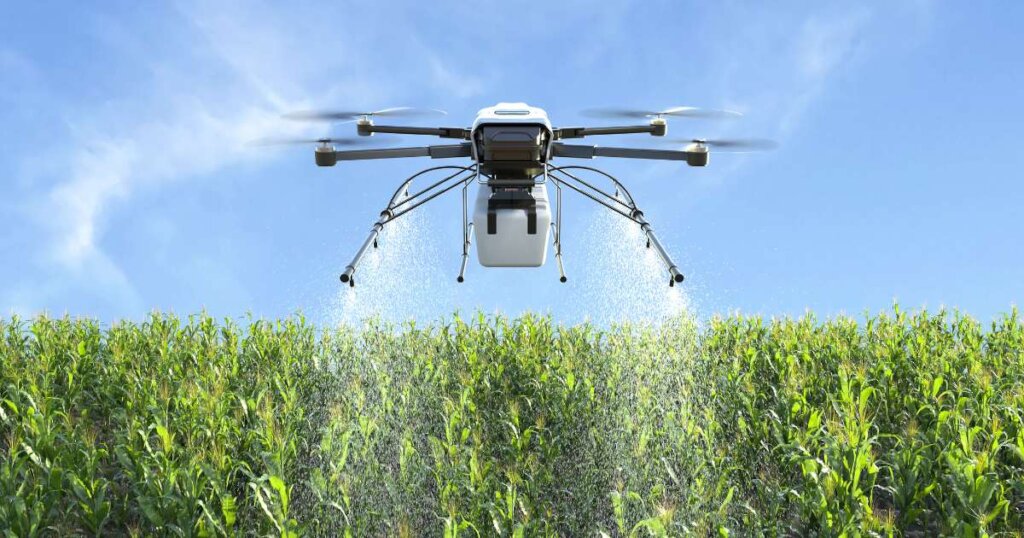
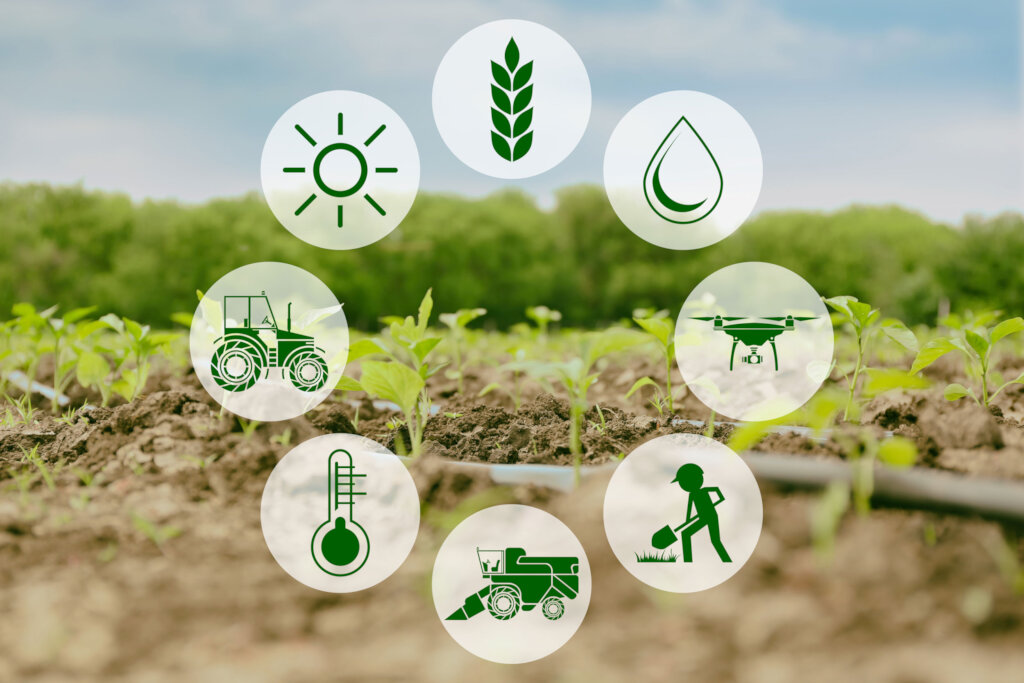
This project will introduce farmers to smart farming methods using solar-powered irrigation, weather monitoring apps, and digital training. Farmers will learn to use mobile tools for planting schedules, pest alerts, and crop monitoring. Training sessions will also cover soil health and moisture management. These modern systems will reduce waste, increase yields, and improve food supply for families and local markets.
Smart farming will strengthen food production and make agriculture more sustainable. Farmers will be able to plan effectively, conserve resources, and harvest more consistently. The project will help communities become less dependent on rain-fed farming and more resilient to climate changes. Reliable harvests will improve food availability, increase income for farmers, and build long-lasting food security across rural Nigeria.



Support this important cause by creating a personalized fundraising page.
Start a Fundraiser