By Cressida Evans | Volunteer Consultant
Dear Friends and Supporters,
Today we’d like to tell you about a journey we took in August, thanks to your generous support.
I - FLIPELO: PELOURINHO’S LITERARY FESTIVAL - CONNECTIONS THAT MAKE A REAL IMPACT
I’ve never seen so many cool things said one of the girls, aged 10.
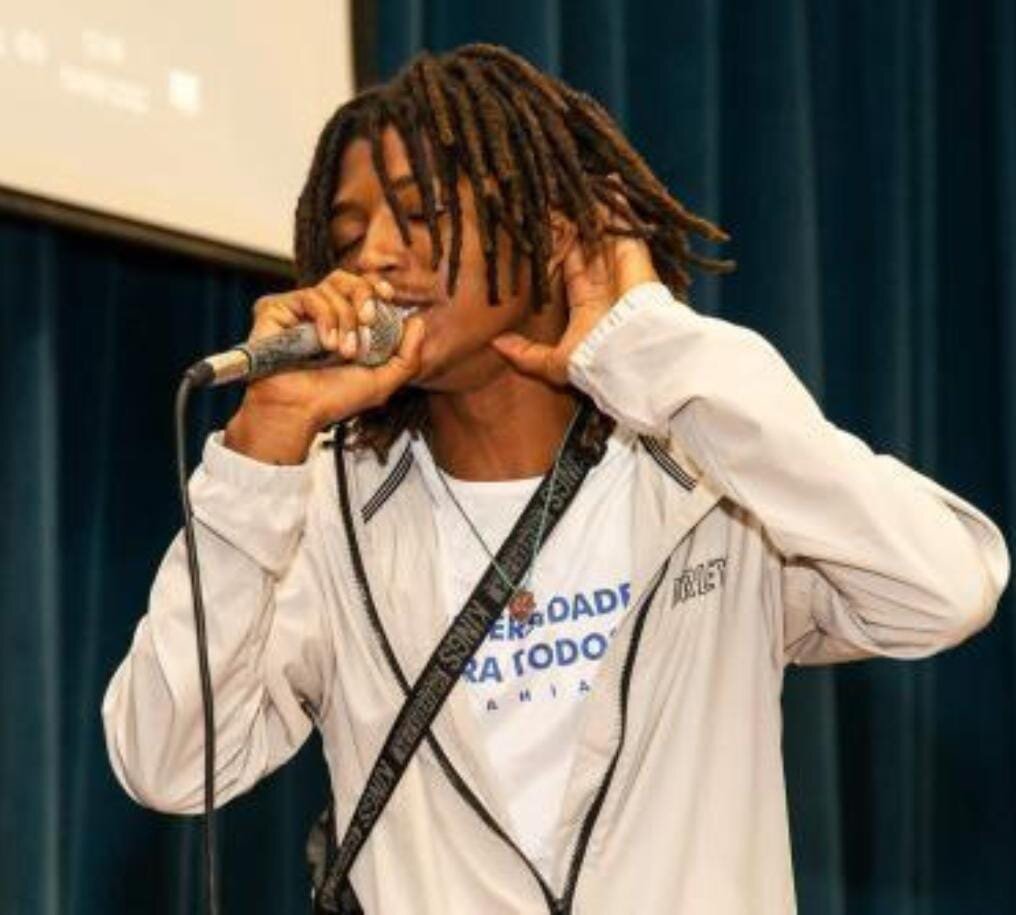
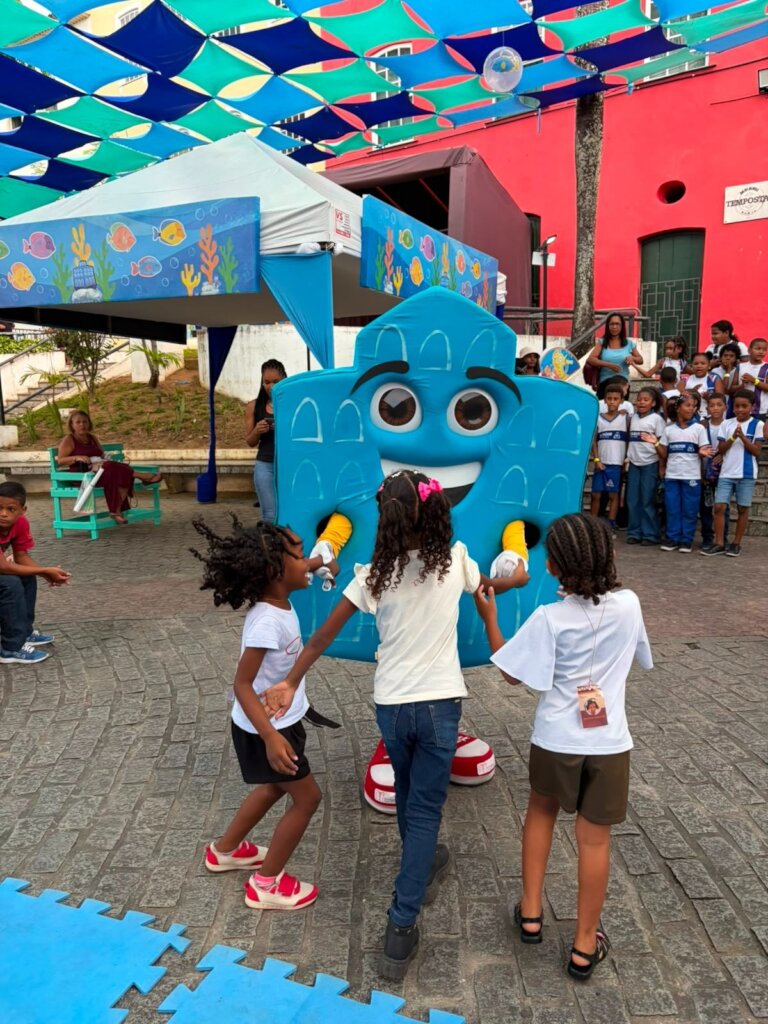
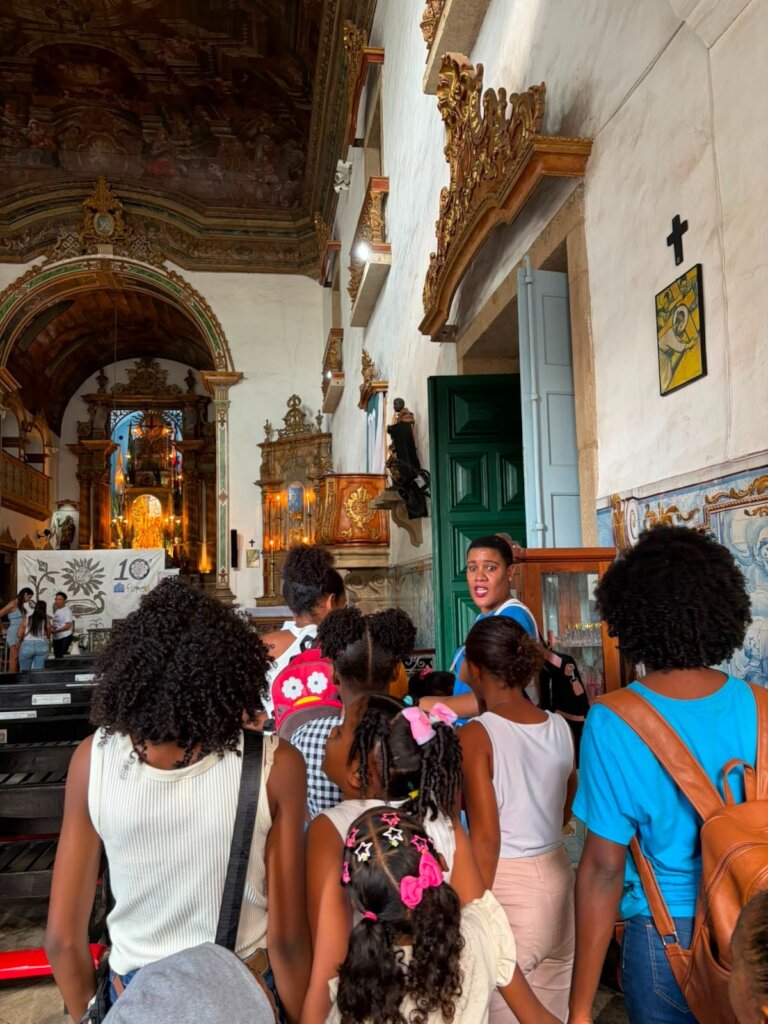
Transforming lives through culture and expanding horizons is a commitment that drives Viva a Vida’s daily work. And so, on August 6, 2026, we took another significant step: taking 15 children and preteens to experience the pulsating energy of FLIPELO—the Pelourinho International Literary Festival—in Salvador’s historic center. Here is what some of the mothers of the children and preteens who went with us had to say:
God bless all of you who made this wonderful day possible for our children—such beautiful work.
We’re so grateful that you’ve provided this incredible experience for our children.
God bless each and every one of you! Thank you for the love and care you’ve shown our little ones.
This experience went far beyond a simple outing. It was a deep immersion in historical heritage, in the world of books, and in a wide variety of artistic expressions. Walking through the streets of Pelourinho and breathing in literature first hand allowed the young participants to enrich their cultural repertoire and awakened them to new possibilities.
In addition to the hugely important educational value, this strategic visit opened doors for the future of our project through:
Our participation in FLIPELO reaffirms our ability to combine social impact, educational excellence, and strategic cultural coordination. We continue to build bridges, expand partnerships, and demonstrate that literature is a powerful tool for social transformation.
II – AFROTECA MUVUCA
Highlights over this period:
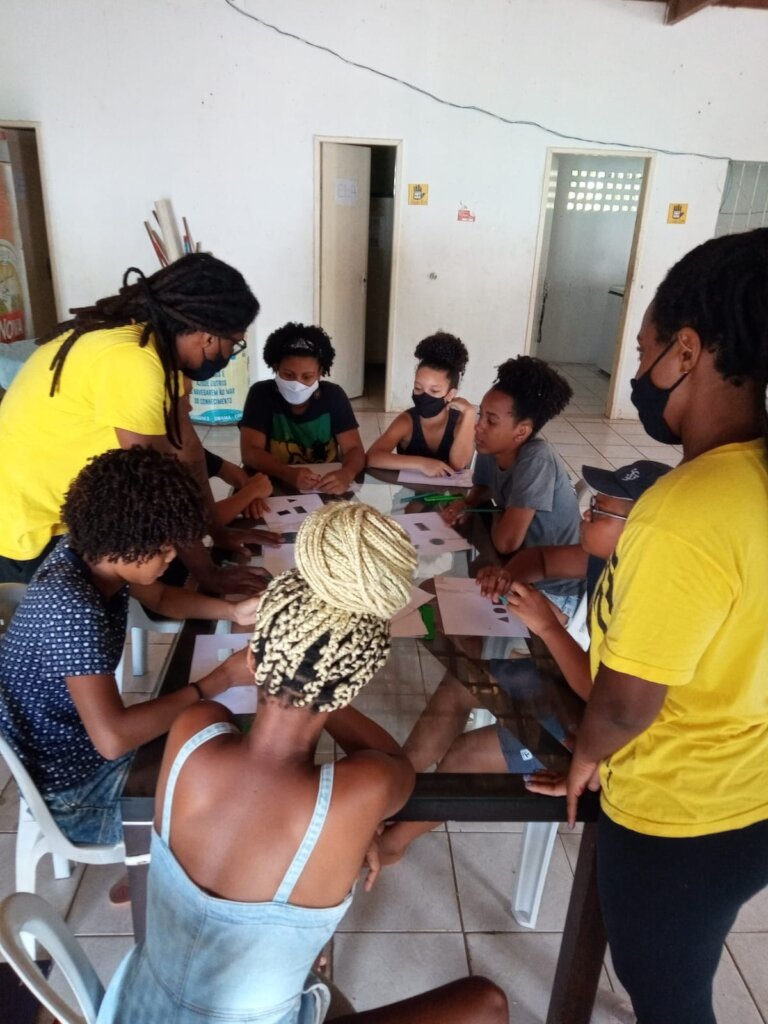
1. Regular Workshops: During this period, we continued the literary workshops held in partnership with the Quilombola School Center, maintaining activities such as guided reading, storytelling, discussion circles, and educational activities focused on valuing Quilombola identity, ancestry, culture, and territory.
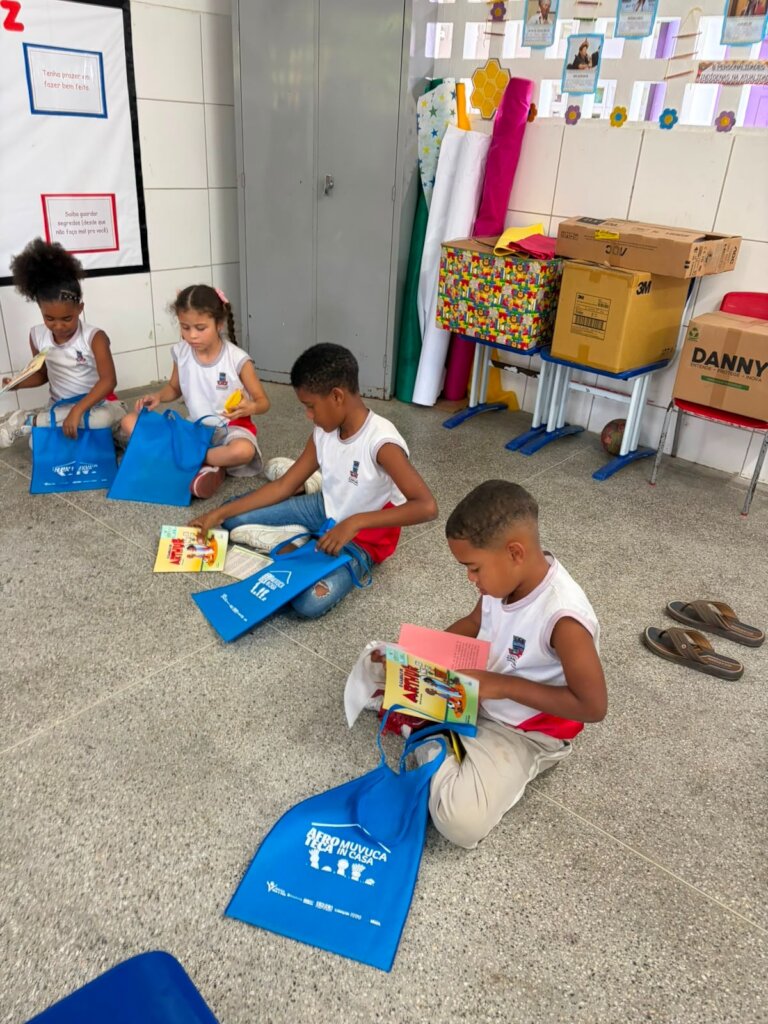
We provided books to 127 children from preschool through elementary school at the Cordoaria Quilombola School—which comprises four school units. These included:
We distributed portfolios documenting each child’s activities over the first semester; a highly significant tool for demonstrating families the work we do with their children.
We also administered diagnostic assessments of the children to monitor their development and participation in activities.
2. Afroteca in Casa: Literary Bag and Book Loans:
We have 40 bags, each containing two books: a children’s book and a book for adults, in order to encourage children to read, spark family members’ interest in literature and foster moments of shared reading.
We also loan out books; we’ve already reached a milestone of 50 books lent through spontaneous contributions.
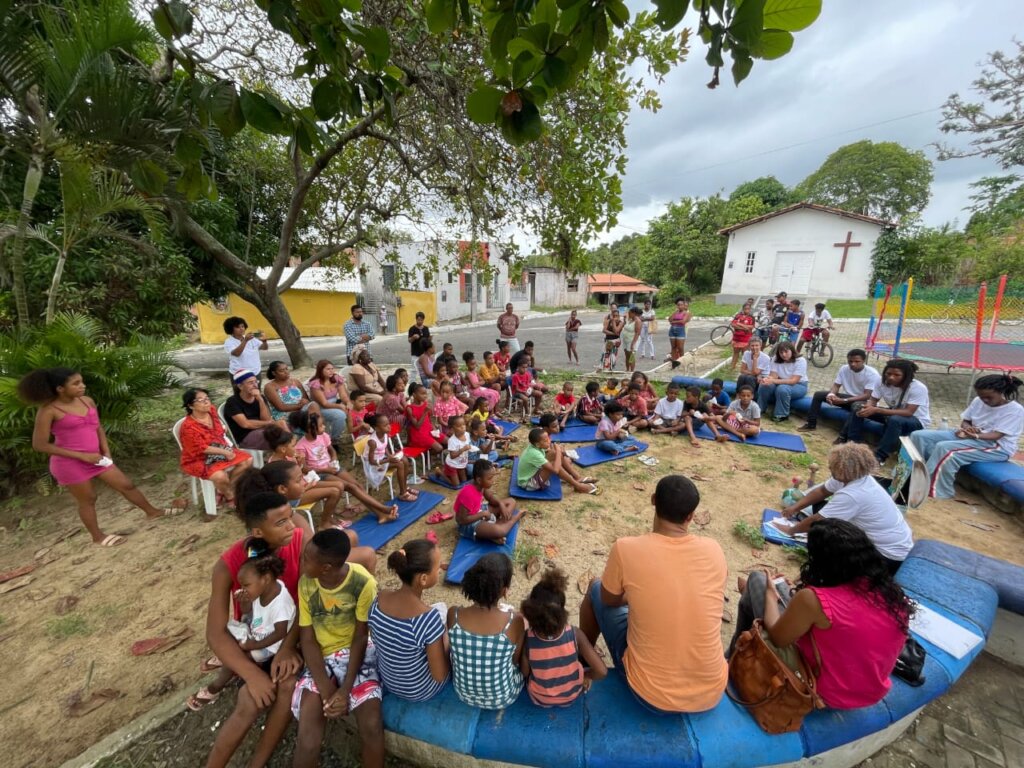
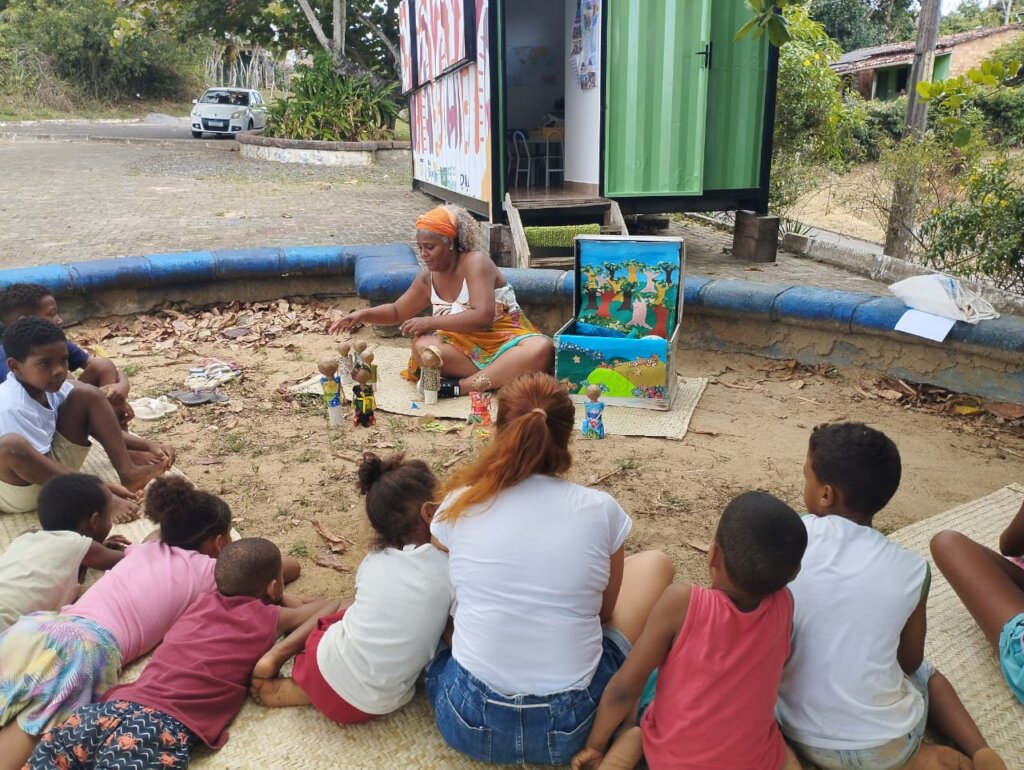
3. Stories That Weave the Future—Storytelling in the Square with Maju:
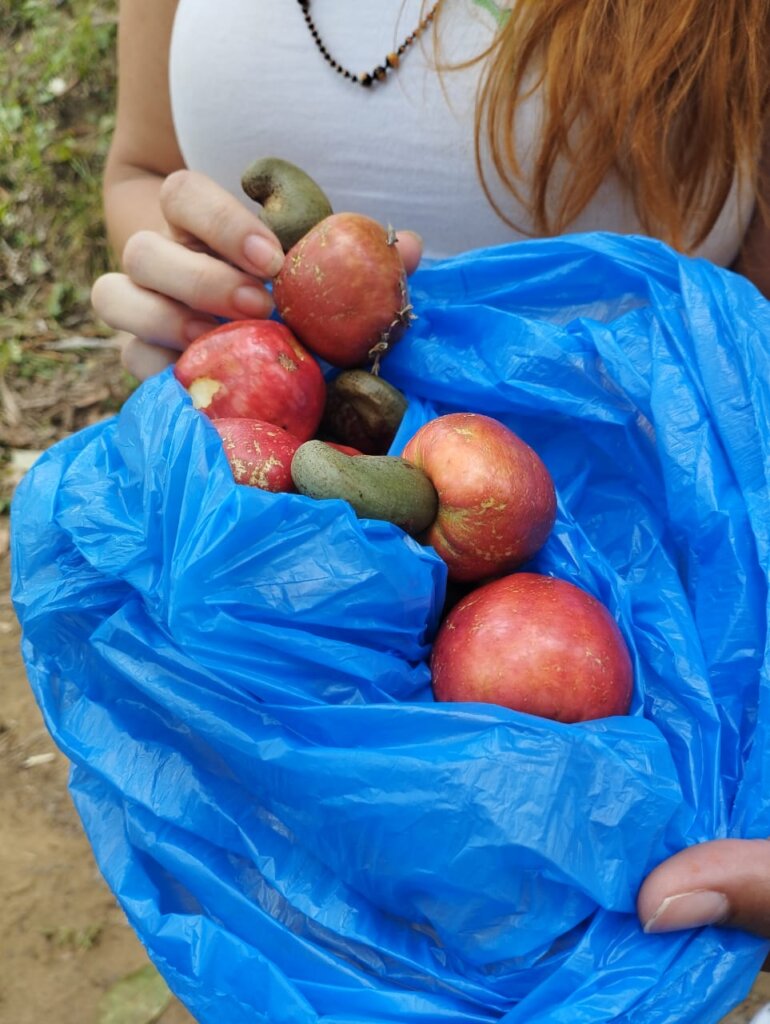
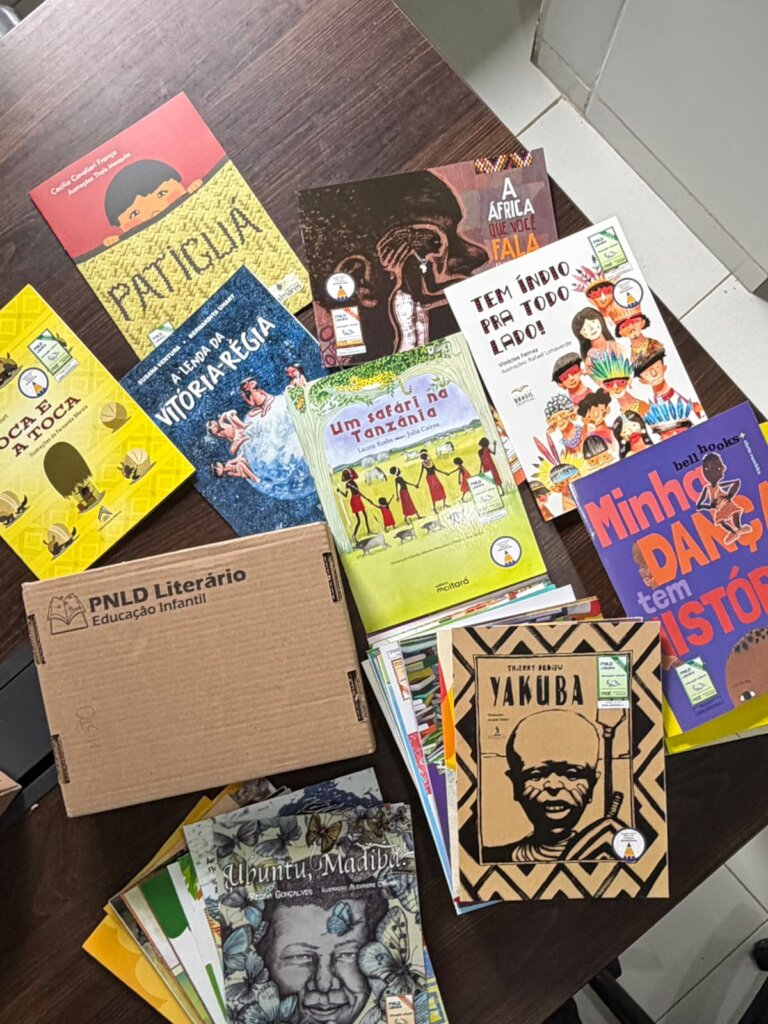
Once a month, Maju shares her imaginative storytelling with schoolchildren. Currently this features the stories: Mama Panya’s Pancakes, The Legend of Abaeté, and The Legend of Guaraná: The Seed of Africa.
4. Play and Reading – Opening the Library on Saturdays:
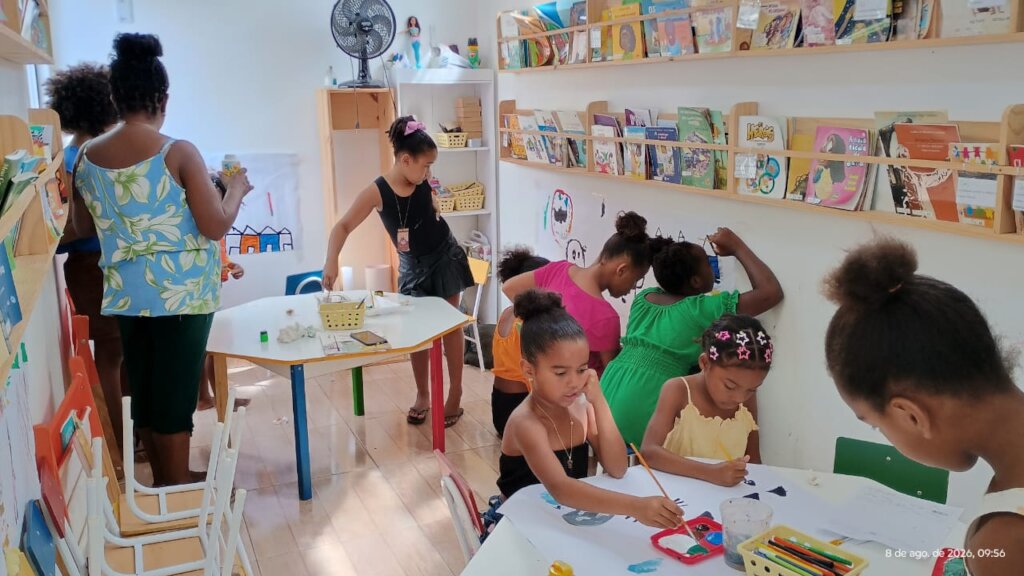
Play is a fundamental tool for development, so, in addition to guided reading and storytelling, on Saturdays we have time for both free and guided play.
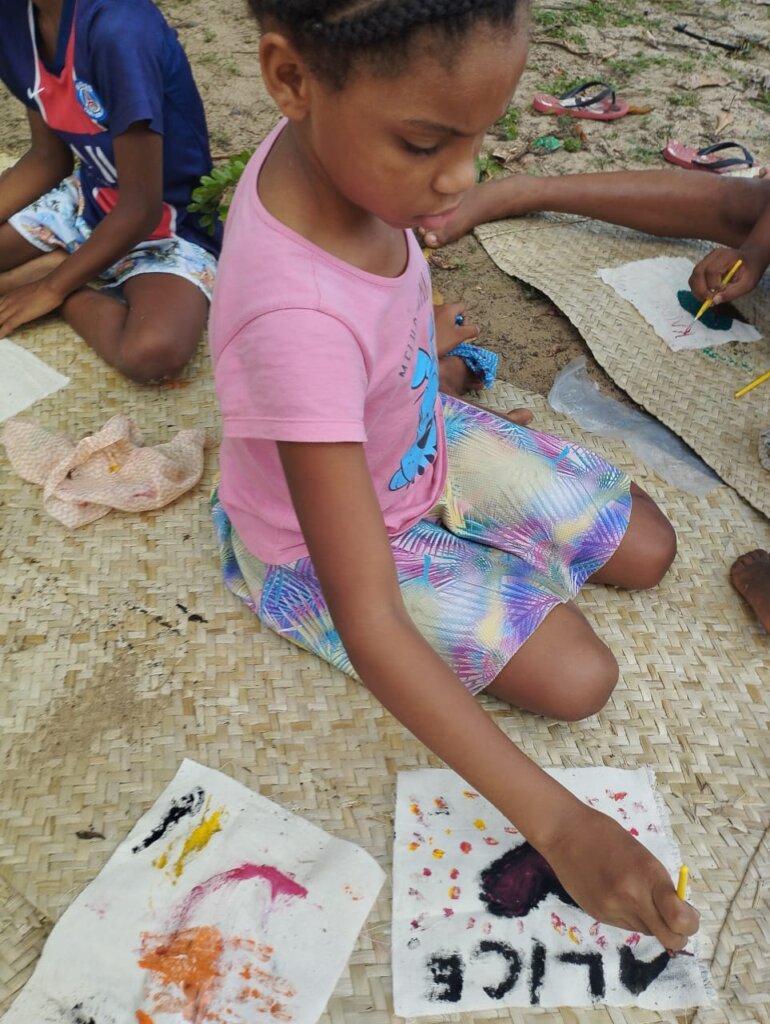
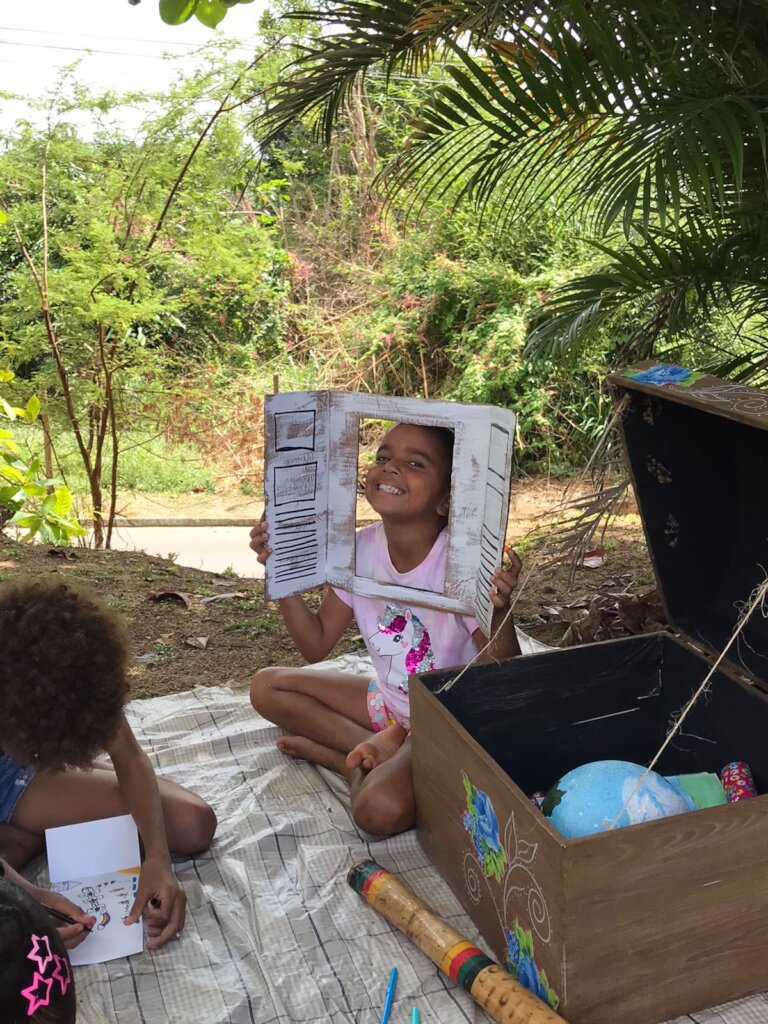
a) Storytelling: Maju, with her trunk of books and toys, told the story: Legends of Abaete do Guaraná; with a hands-on activity involved creating “grafismo,” a traditional indigenous drawing style.
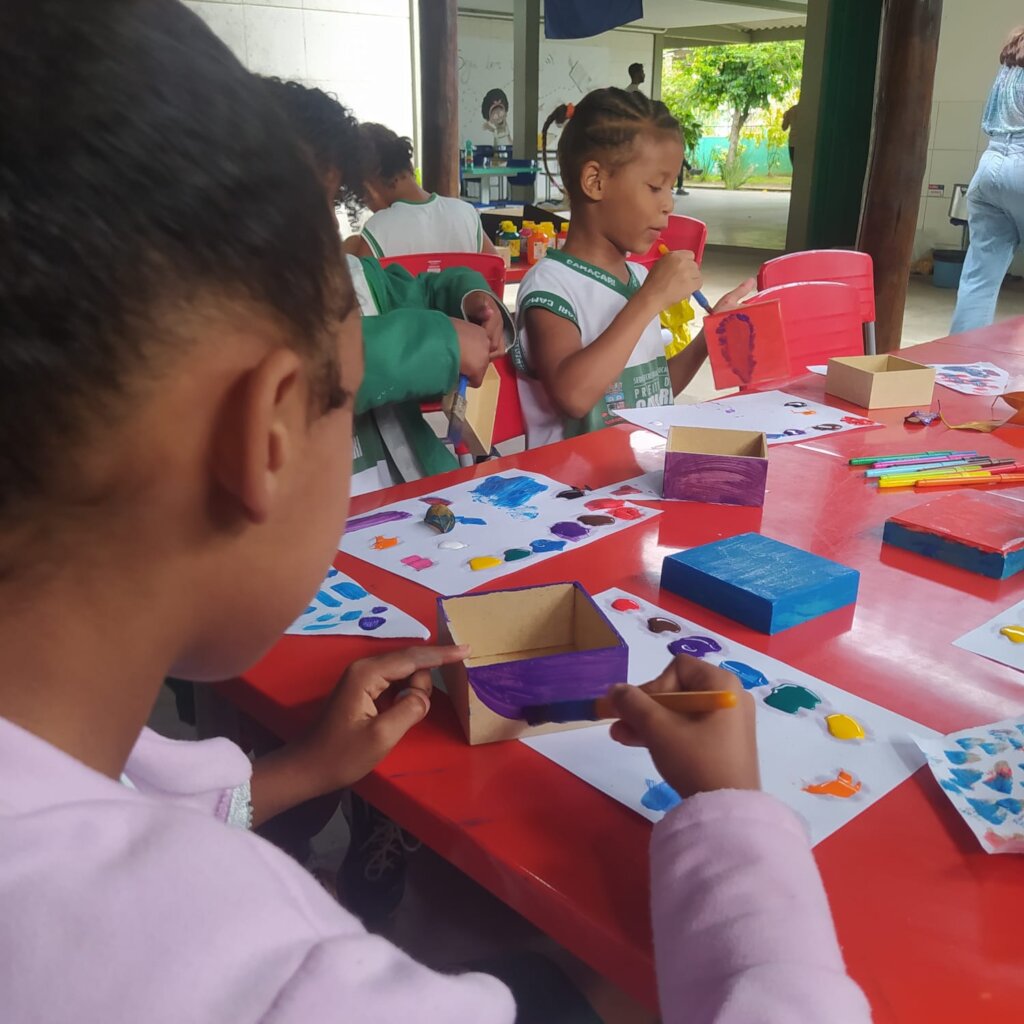
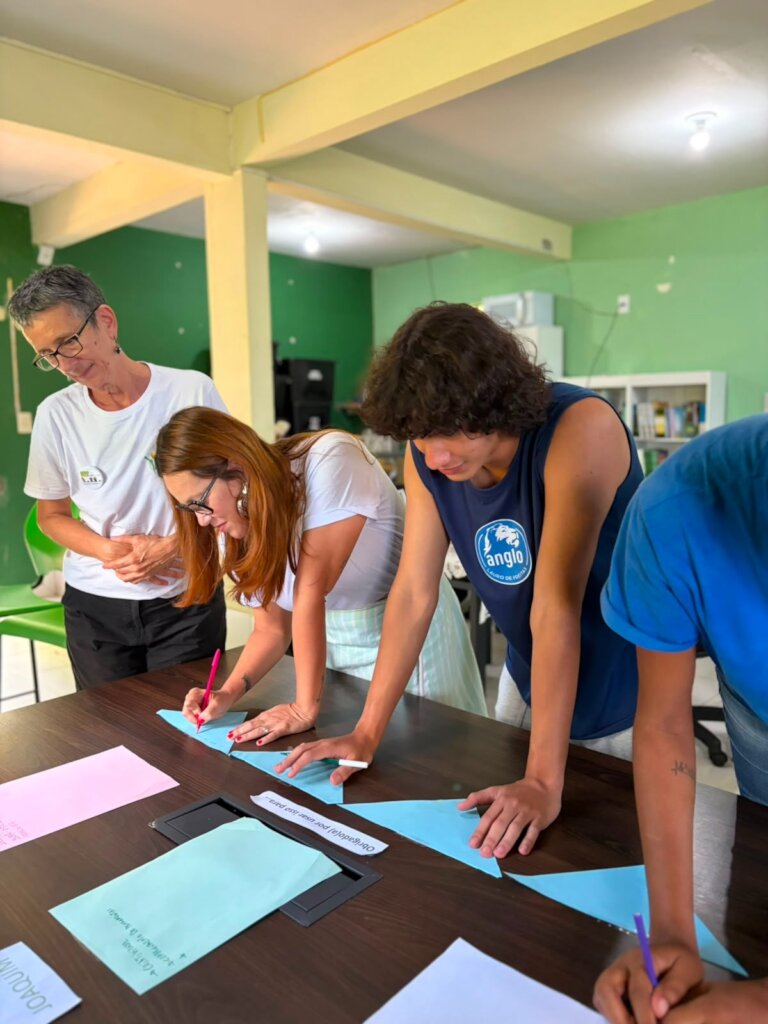
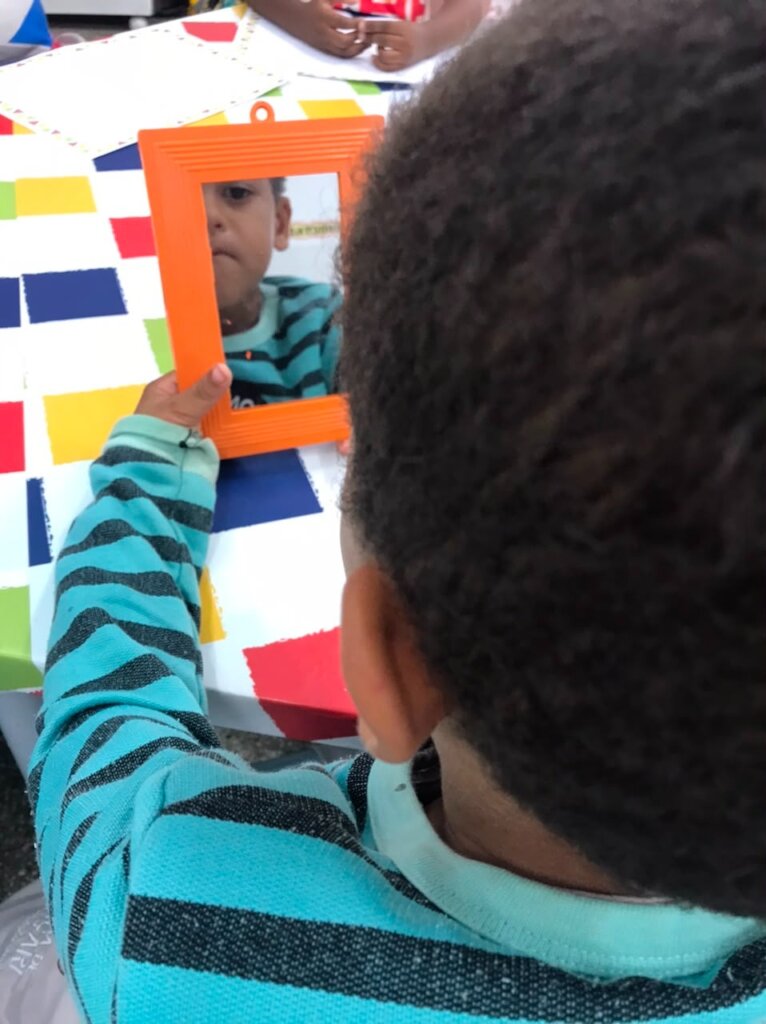
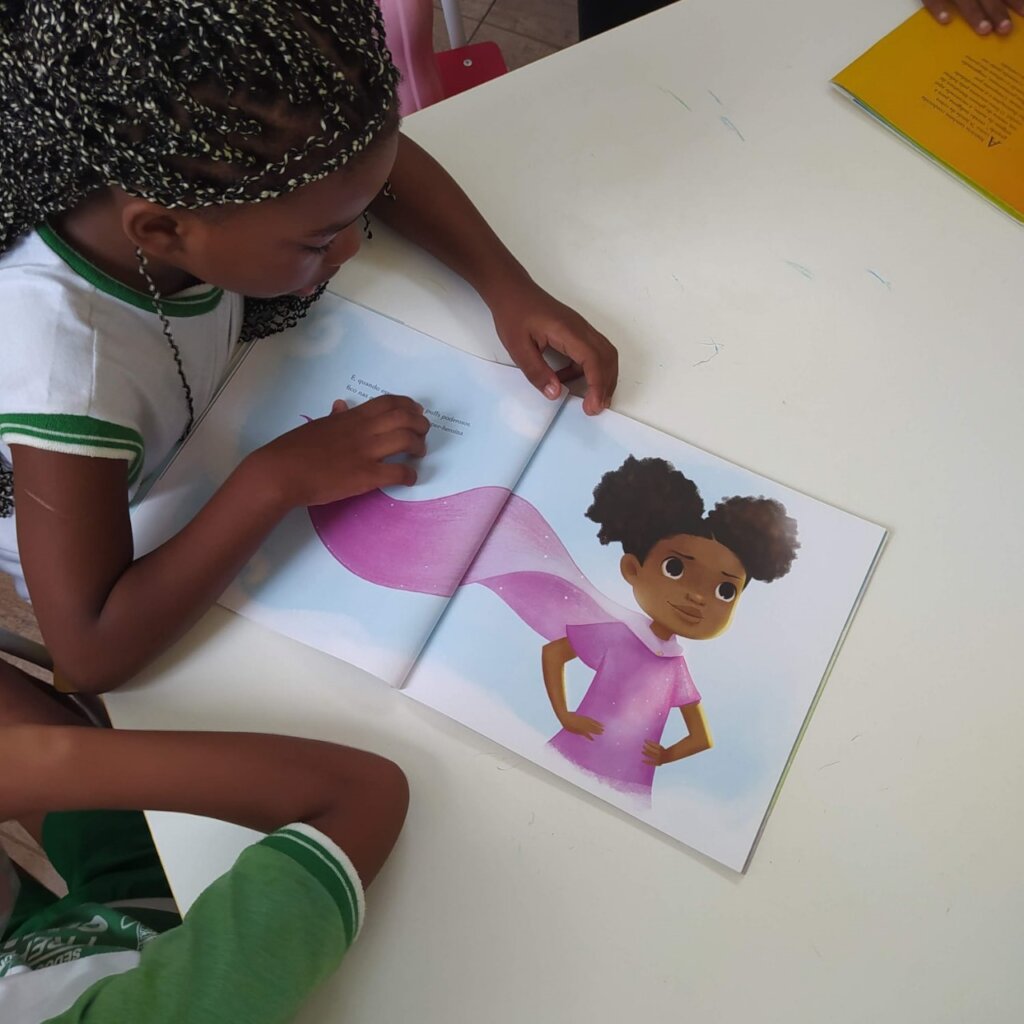
b) Guided reading and play activities: We used the books I Love My Black Hair, which addresses self-esteem among Black children, and Calu, the Girl Full of Stories to work with Geometric Shapes and create an Art Gallery. Alongside a reading of The Boy Who Heard Everything we made tambourines and held a picnic; we also created an Afroteca comic book and certificates for each child who attended during the first-semester. We then held a workshop featuring the children’s reports of FLIPELO, and conducted a community mapping of the activities the children have chosen for the second semester.
III - SYSTEMIC MANAGEMENT:
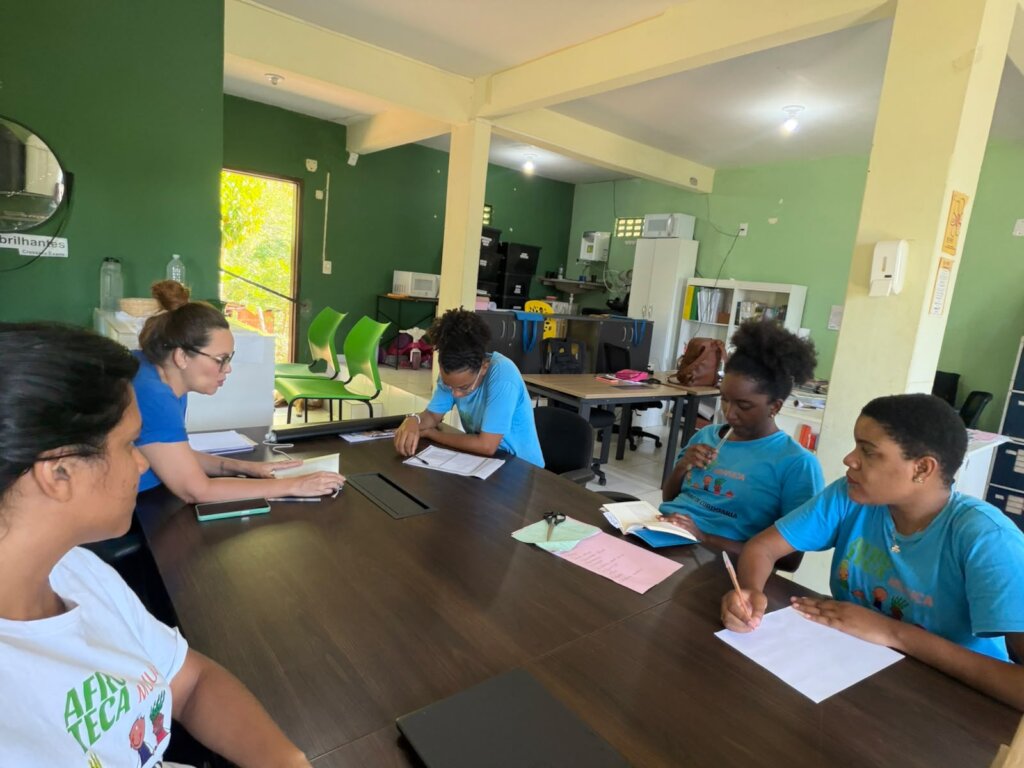
a) Feedback sessions with our interns, focused on evaluating the activities they carried out in the first semester, providing guidance to the team, and identifying areas for improvement.
b) Continuing education: The team continued its monthly shared reading of the book How to Be an Anti-Racist Educator by Bárbara Carine. These sessions provided opportunities for study, reflection, and the exchange of experiences regarding anti-racist teaching practices and the importance of education for ethnic and racial relations.
c) Early Childhood Citizenship Committee (PIC), this is the Avante initiative mentioned in our last report aimed at training and mobilizing local stakeholders to strengthen public policies for early childhood. This period involved the third training track and activities related to the preparation for the development of Camaçari’s Municipal Early Childhood Plan, contributing to debates and collective processes aimed at guaranteeing children’s rights and planning public policies for early childhood.
d) Evelin, our General Coordinator, participated in the second training session on ERER—Brazil’s new Sustainable Development Goal for Ethnic-Racial Equality and Anti-Racist Education. This added to our knowledge of education for ethnic-racial relations and anti-racist practices.
e) She also participated in the launch of the Abre Caminhos Collection, an anthology comprising 16 previously unpublished books by Black and indigenous authors, strengthening engagement with literary works that address diversity, representation, and the celebration of different identities and cultures.
f) Evelin attended a meeting to develop the State Plan for Books andReading (PELL-BA), organized by the Pedro Calmon Foundation—a forum for dialogue and social participation aimed at formulating public policies for books, reading, and libraries in Bahia.
g) Finally, Evelin is participating in the Nenê nos Territórios Training Program, organized by the Maria Cecilia Souto Vidigal Foundation in partnership with UNESCO, to broaden her knowledge and understanding of holistic development and early childhood care in different regions.
h) In-Service Accounting Training: Our intern is spending a few hours a week shadowing our accountant to complement her academic training.
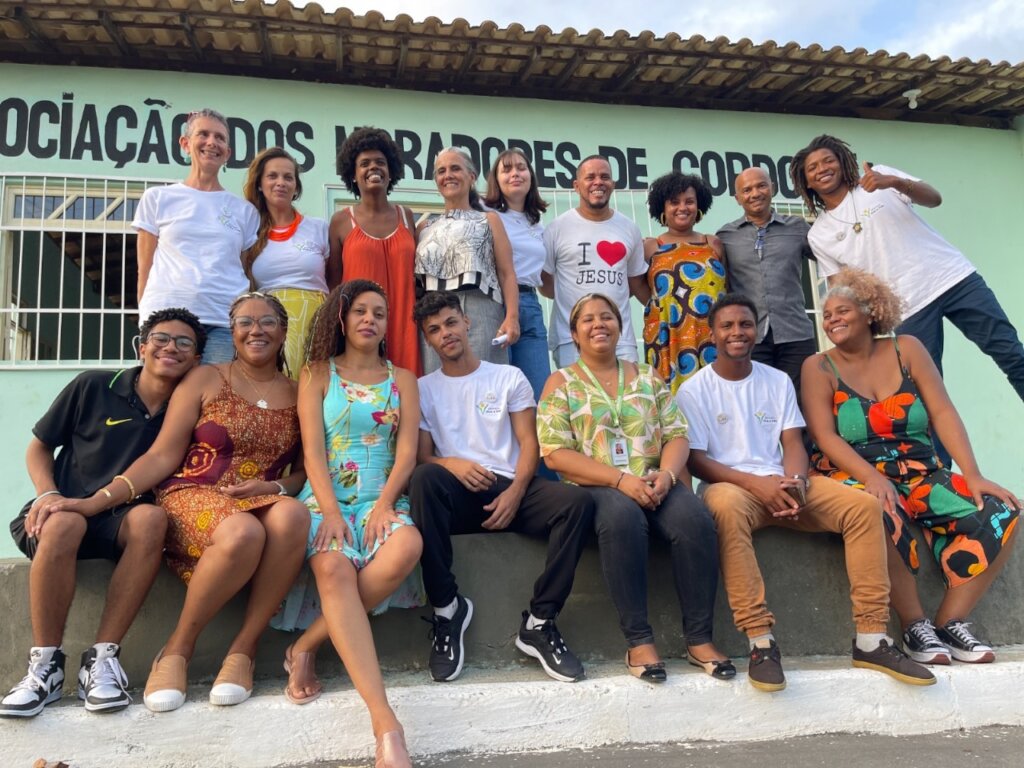
i) We are strengthening the partnership between the Board of Directors and the technical team by holding weekly meetings and inviting board members to contribute more frequently to our activities.
j) We continue to participate in monthly meetings of the Global Fund for Children’s Leadership Circle, engaging in dialogue with peers about the global NGO context.
V – STRUCTURE:
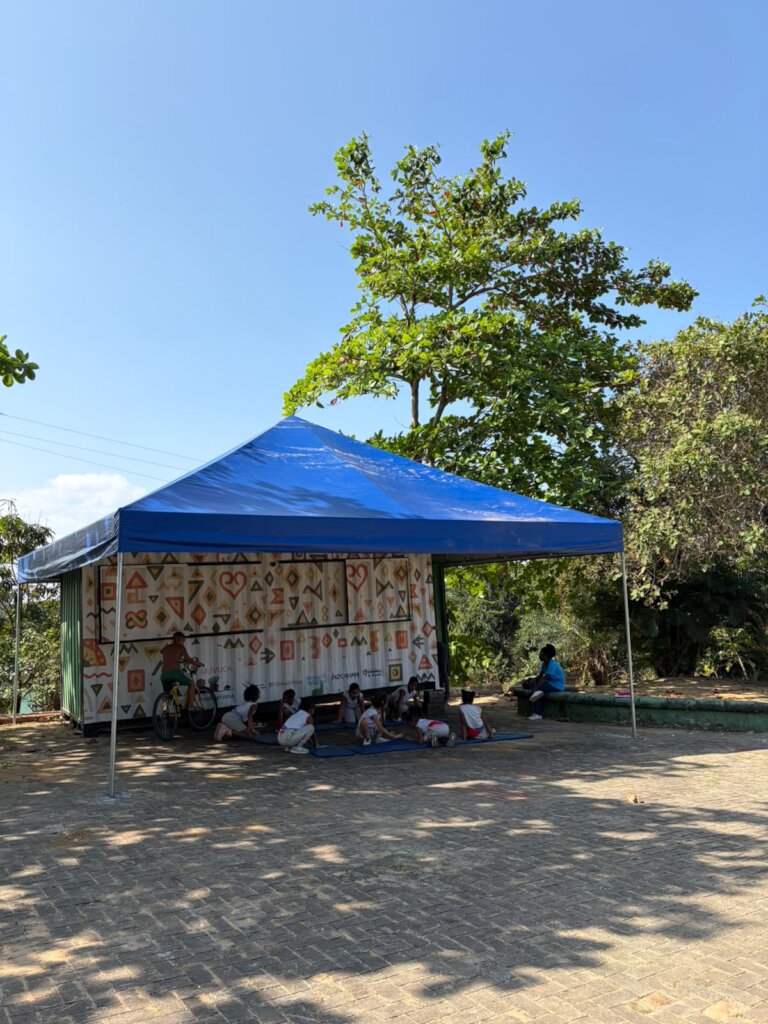
We have finally be able to purchase an awning to provide cover for the Afroteca container! This is helping to facilitate activities with our users, providing much needed protection against the weather.
Project reports on GlobalGiving are posted directly to globalgiving.org by Project Leaders as they are completed, generally every 3-4 months. To protect the integrity of these documents, GlobalGiving does not alter them; therefore you may find some language or formatting issues.
If you donate to this project or have donated to this project, you can receive an email when this project posts a report. You can also subscribe for reports without donating.



Support this important cause by creating a personalized fundraising page.
Start a Fundraiser