By Branden Barber | CEO
Tucked into vibrant Far North Queensland is the world’s most ancient tropical rainforest, the Daintree, with deep time lineages going back 180 million years and harbouring thriving flora that one would only find in fossil records in other parts of the world. Over many millions of years, the Daintree has evolved into a vibrant biodiversity haven.
From threatened cassowaries and tree-kangaroos to rare and endangered primitive flowering plants, the Daintree is an irreplaceable refugia with 186 species listed as either rare or threatened.
Though the upper Daintree has been recognized as a UNESCO World Heritage area for its outstanding geological and ecological diversity, there are sites of this coastal lowland rainforest that are unprotected and that are in serious jeopardy due to human activities. With the road to Cape Tribulation now sealed, settlement of privately-owned allotments within the Daintree is escalating, resulting in increasing loss of habitat and threats to flora and fauna alike. Increasing pressure to increase traffic into the Daintree across the River is currently driving a debate between increasing ferries or building a massive new bridge. Reductions of forest connectivity and increases in damage to pristine rainforest is a serious threat to this natural wonderland.
With the increasing threat to their habitats, endangered animals like the Southern Cassowary and Bennett’s Tree Kangaroo are directly in the firing line. This is the reason Rainforest Rescue exists. We rescue unprotected Daintree rainforest properties that are not part of the Daintree National Park and we protect them, forever.
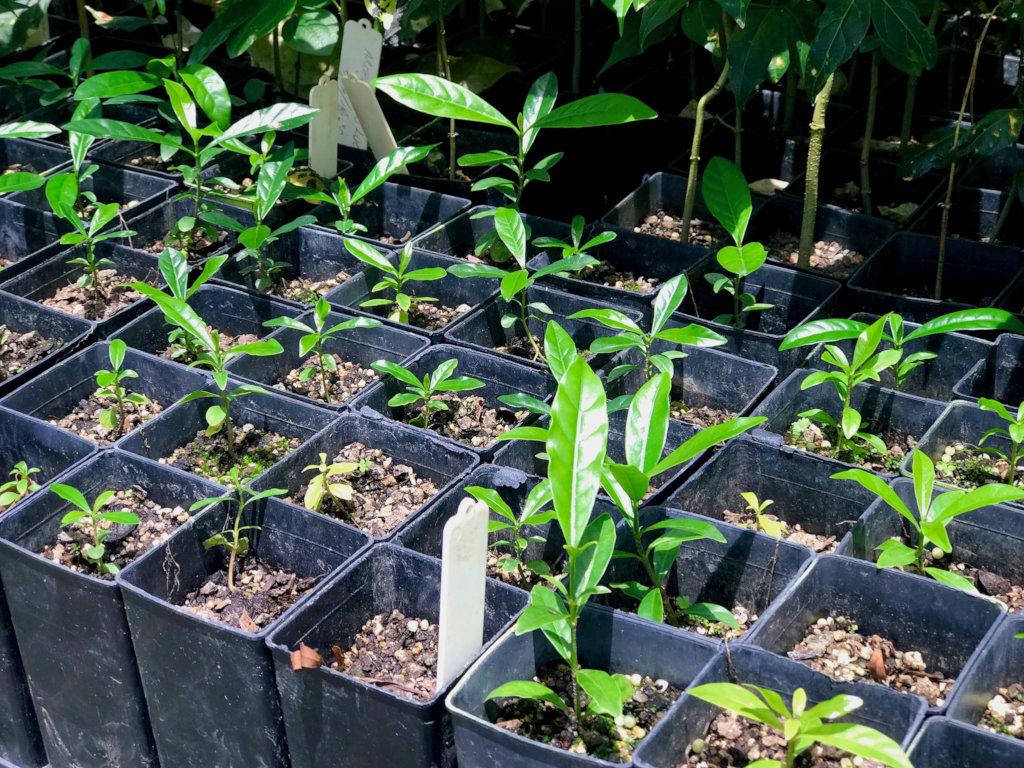
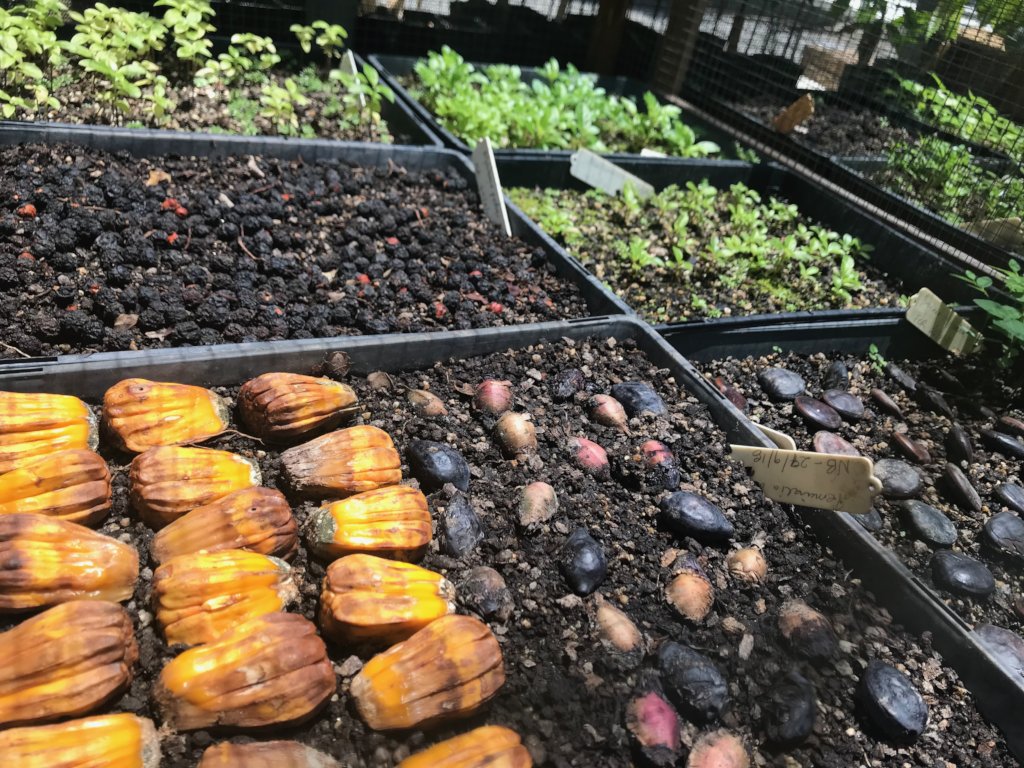
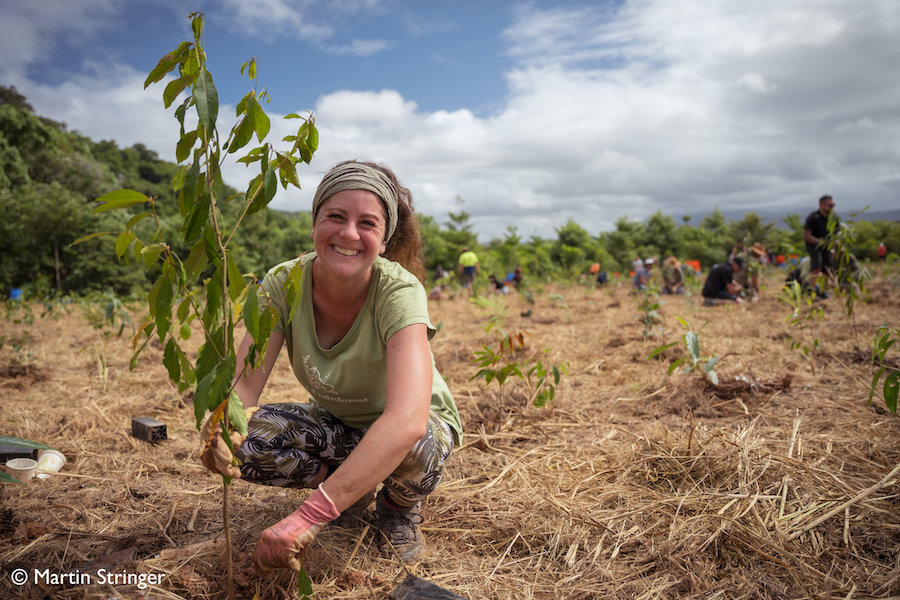
We also deliver significant restoration (tree planting) as needed to transform degraded properties back into lush rainforest habitats. So far, 35 properties have been saved with Rainforest Rescue in the Daintree lowlands, where they remain forever protected and out-of-reach of threatening activities. To date, we have planted over 230,000 trees in the Daintree to regenerate damaged rainforest.
We are now entering a new chapter in Rainforest Rescue’s history—a scale of restoration and protection opportunities larger than we have ever seen.
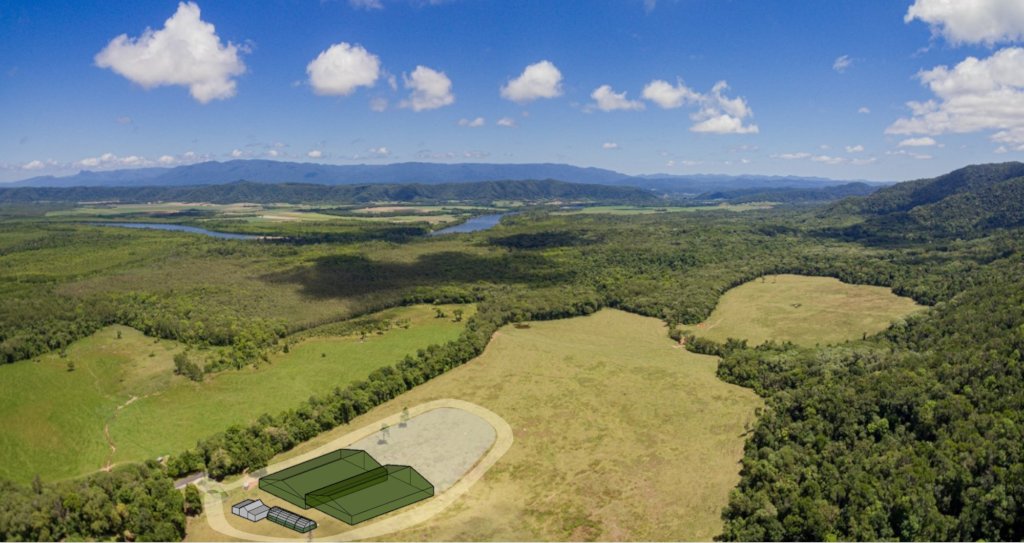
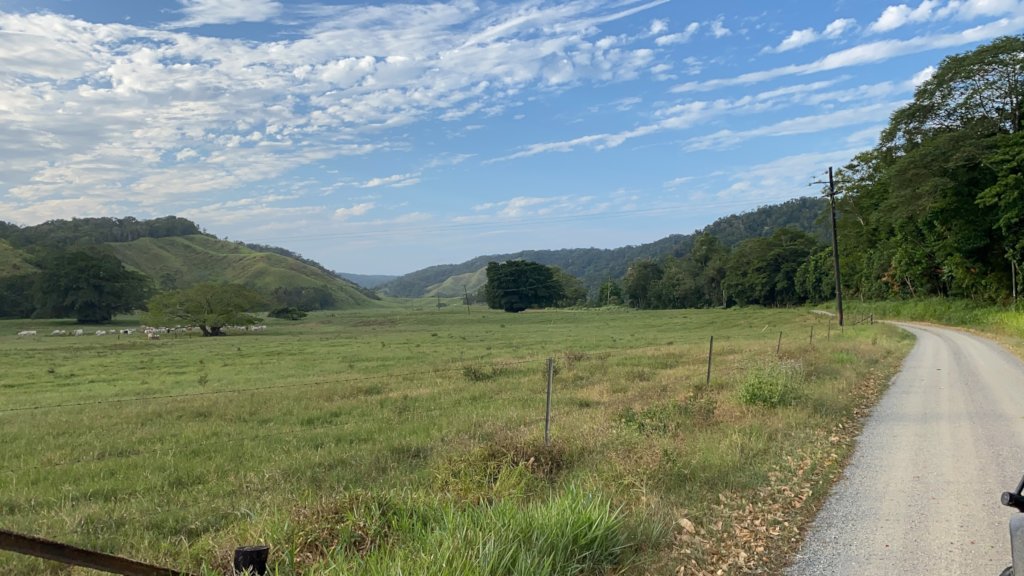
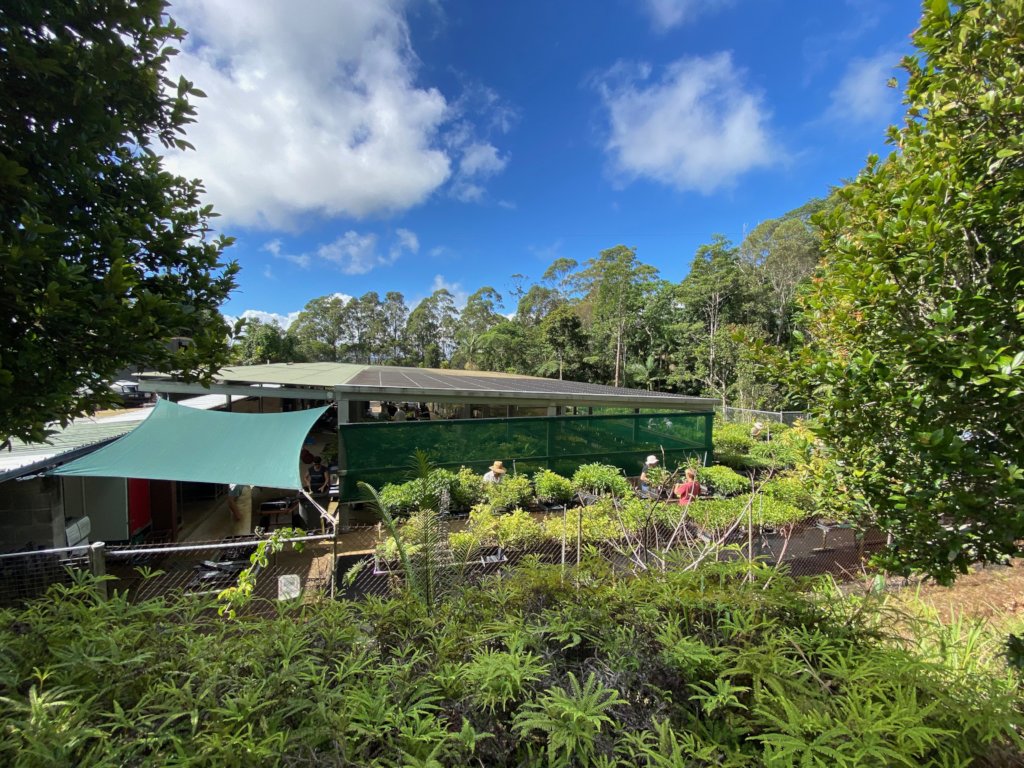
This project’s power lies both in the vision of these large-scale restoration projects and in the partnerships that are making this possible. Rainforest Rescue reached out to Queensland Trust for Nature (QTFN) to help rescue a large block of land at the gateway to the Daintree, on land that had once been priceless ecosystems and had been turned over to cattle. QTFN secured the property and has granted us the footprint and a long-term, low-cost lease for a new nursery that will help restore this block and others. And now we're partnered in creating this new market for trees that is grounded in restoration of the Daintree.
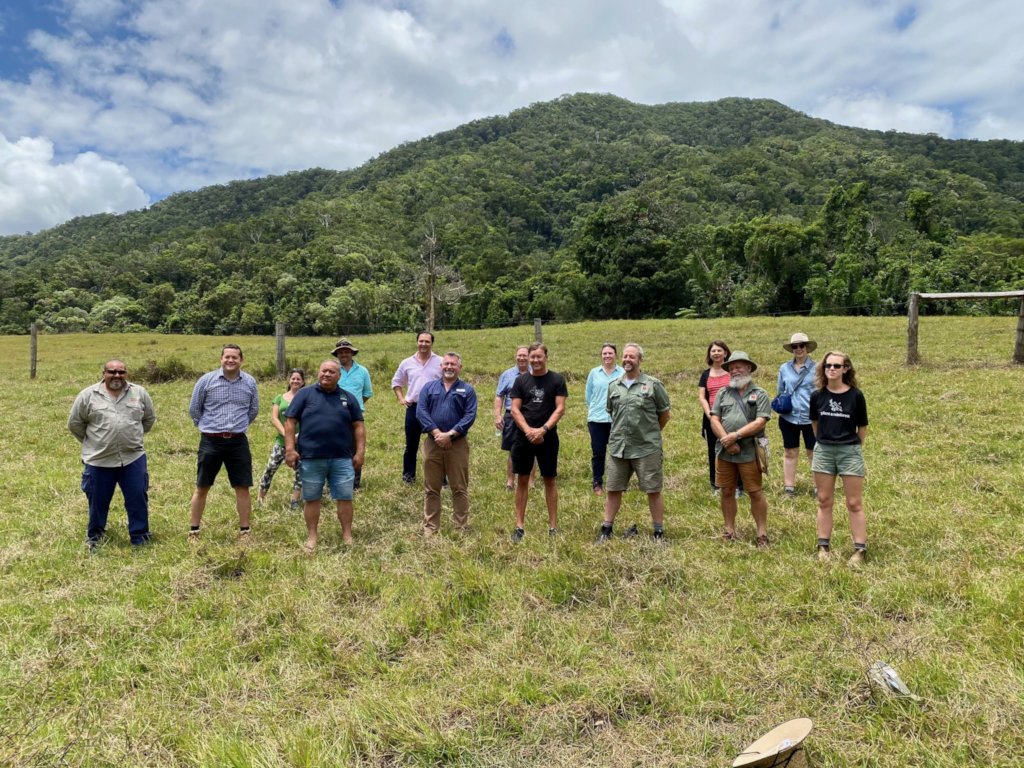
We also have partnered with Traditional Owners, the Eastern Yalanji, through the Jabalbina Aboriginal Corporation, who are keen to work the nursery and restore the land alongside Rainforest Rescue, QTFN, and carbon partner, GreenFleet.
The location is truly wonderful and will put the New Nursery where tourist and community traffic will be able to access restoration information, examples and opportunities directly. The site is centrally located to provide best coverage to the Daintree area and instant recognition for all visitors that the Daintree is being actively restored by Traditional Owners and Rainforest Rescue.
Where it stands now
We've been working hard to raise the funds necessary to make the nursery possible. We've met our initial goal of $500k—yay!—and we are now raising an extra $100k to cover unseen (but not surprising) costs that come with projects of this scale in Far North Queensland. Additionally, we need funds to support staff as we create a nursery that will ultimately be self-sustaining—your help thus far, and forward, will be a powerful legacy of increasing the Daintree and the forces that are protecting and restoring it.
You and your support are essential in this. Thank you!
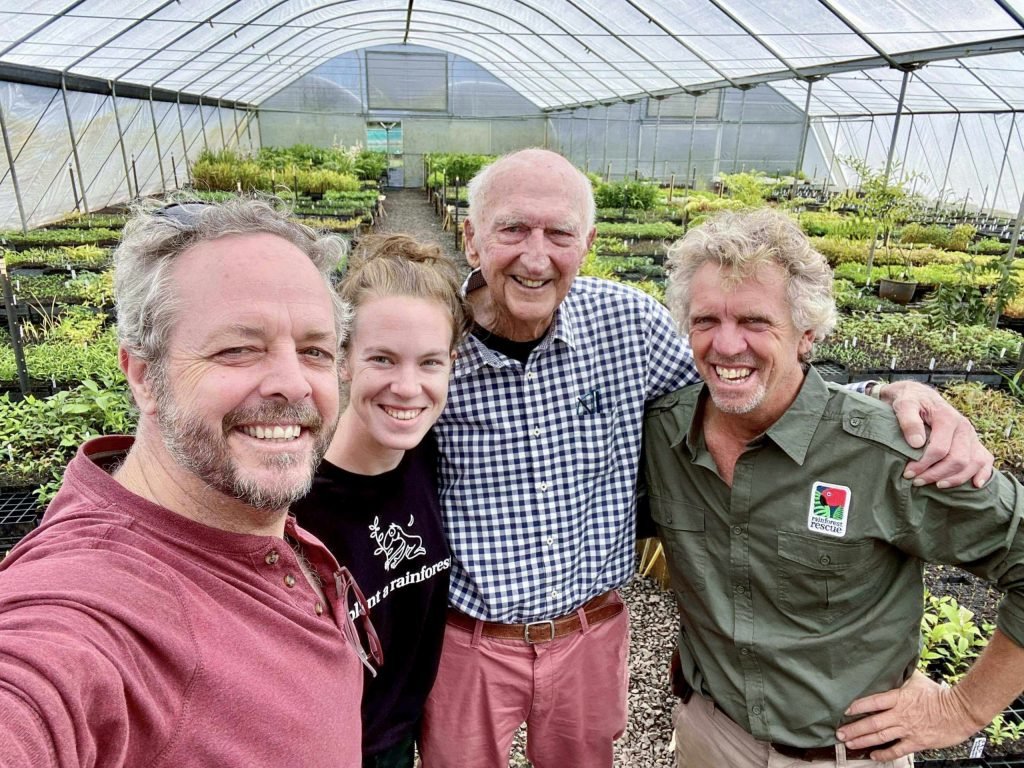
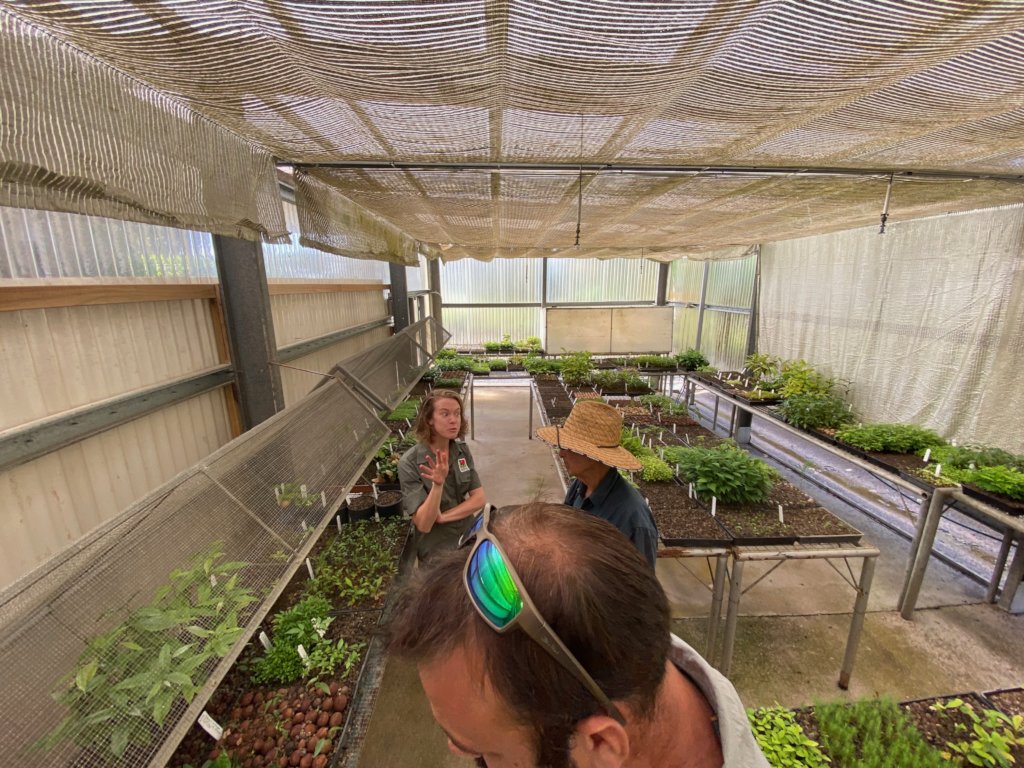
Our Nursery Project Manager, Justin, our Nursery Manager, Marine, and our Ecological Advisor, Allen, have been meeting regularly and working hard to plot the path and the plans for this new endeavour. We've got our initial designs and our location, we're now waiting on our partner—and landlord—QTFN, who is going through ecological surveys to ensure that where we site the nursery won't impinge on any rare ecologies or future restoration efforts.
Until then, we're getting the plans done up by an official draftsman as well as setting up the providers who will prepare the site, install the (very complex) irrigation and recycling and filtration systems ... and more. We're also meeting regularly with our working group of Partners to ensure that we're working in sync as we move forward towards the most significant restoration projects ever undertaken in the Daintree ... and hopefully will inspire others around the world to do the same.
We're currently waiting for QTFN to finish their baselining projects—and we've been actively helping them on two of the proposed restoration sites. Many hands make light work. Once they are able to give us the best location for the new nursery, we'll be able to get the plans drawn up, secure the necessary water access and get to work.
Trees are the answer!
Project reports on GlobalGiving are posted directly to globalgiving.org by Project Leaders as they are completed, generally every 3-4 months. To protect the integrity of these documents, GlobalGiving does not alter them; therefore you may find some language or formatting issues.
If you donate to this project or have donated to this project, you can receive an email when this project posts a report. You can also subscribe for reports without donating.