By Jocelyn Matunhay | Director, OISCA Fiji
Thank you as always to all our supporters here on GlobalGiving. With your generosity, the Ra community continues to build a stronger coastline and more resilient lives – now in a cleaner and more efficient way. In this report, we want to introduce a small but smart innovation we have adopted to reduce waste and make our mangrove planting more sustainable.
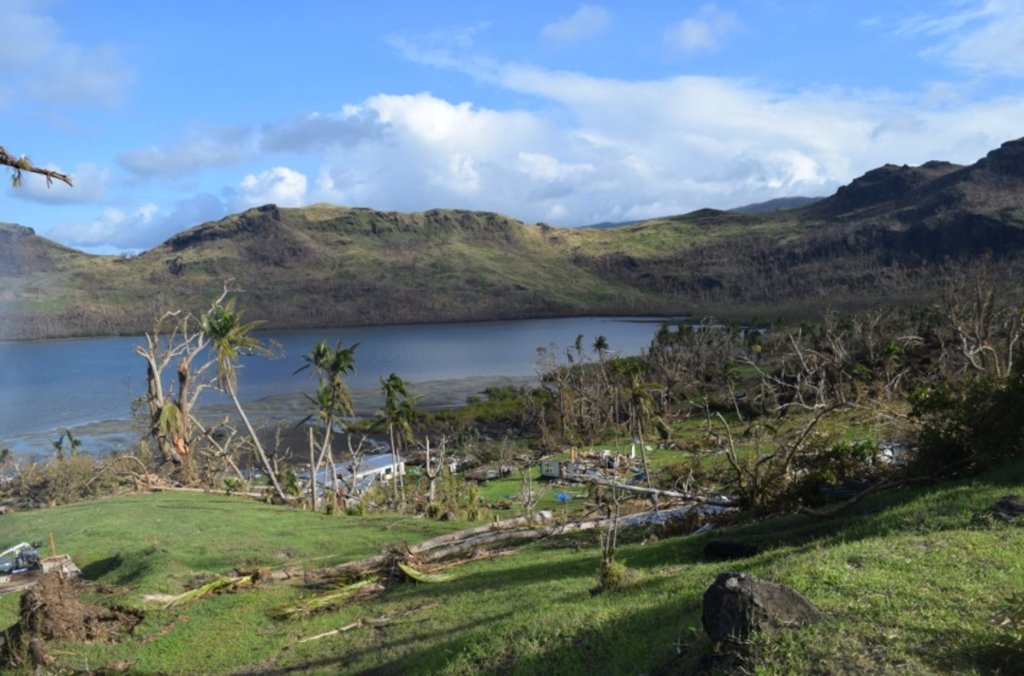
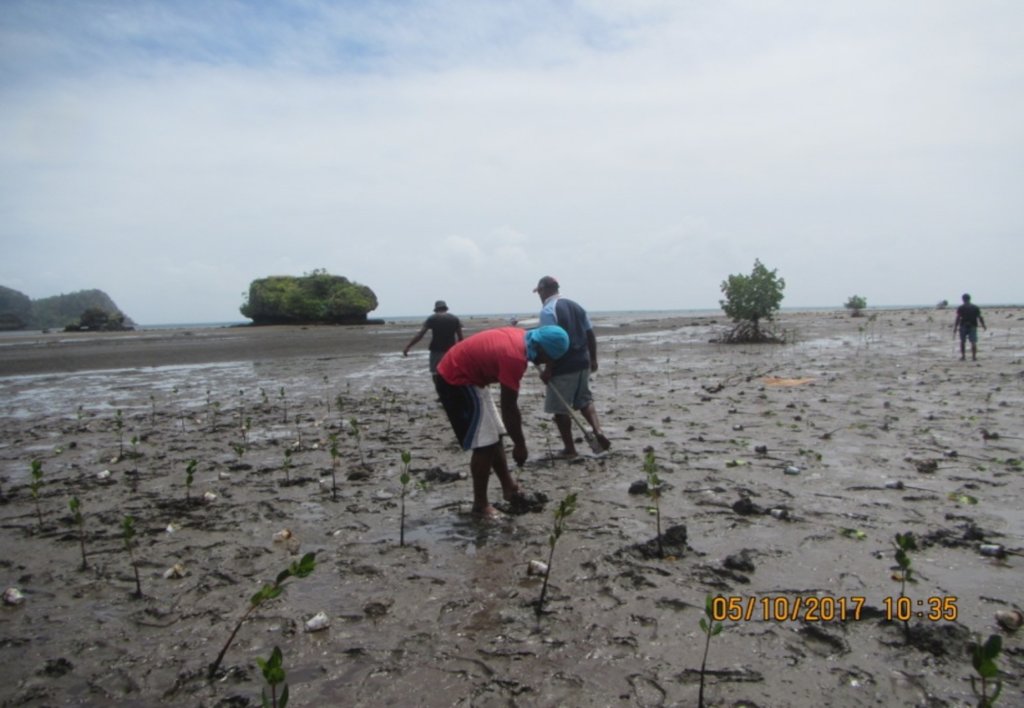
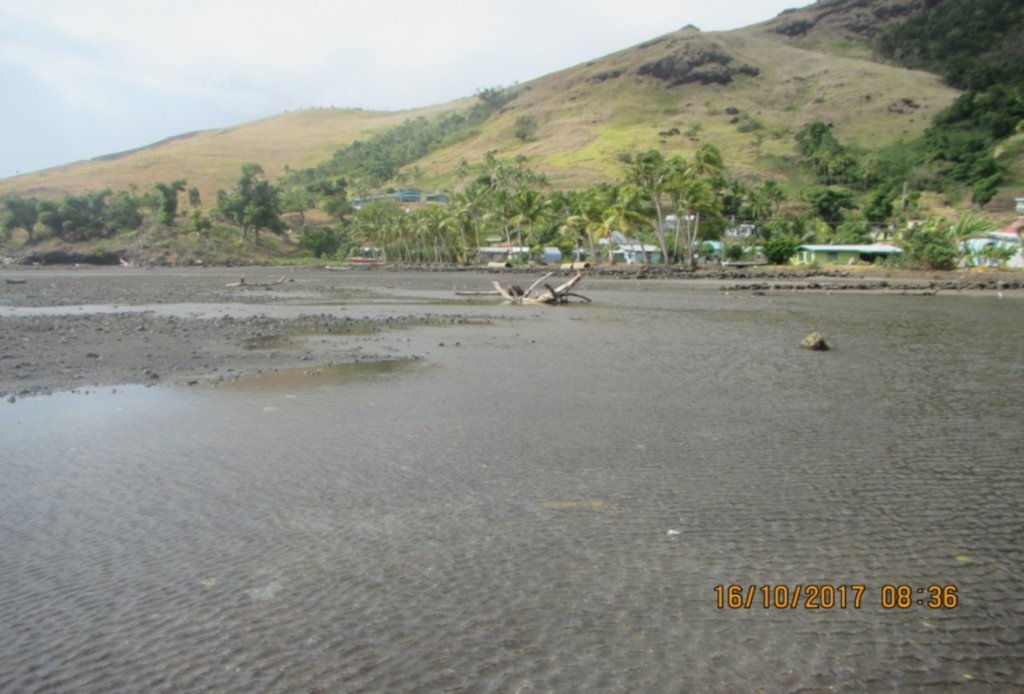
OISCA has been planting mangroves in Fiji’s Viti Levu island since 1993. Once abundant in mangroves, the southwest coastlines of Viti Levu saw widespread forest degradation by the early 1990s due to devastating tropical cyclones. Coast mangroves are powerful ecosystems that protect shores from storms and waves, as well as absorb sediment from rivers. They also provide habitat for local fisheries, increasing biodiversity and contributing to the economy of local communities. In rehabilitating mangroves, OISCA is taking a sustainable approach, engaging local communities and using hand tools for planting activities.
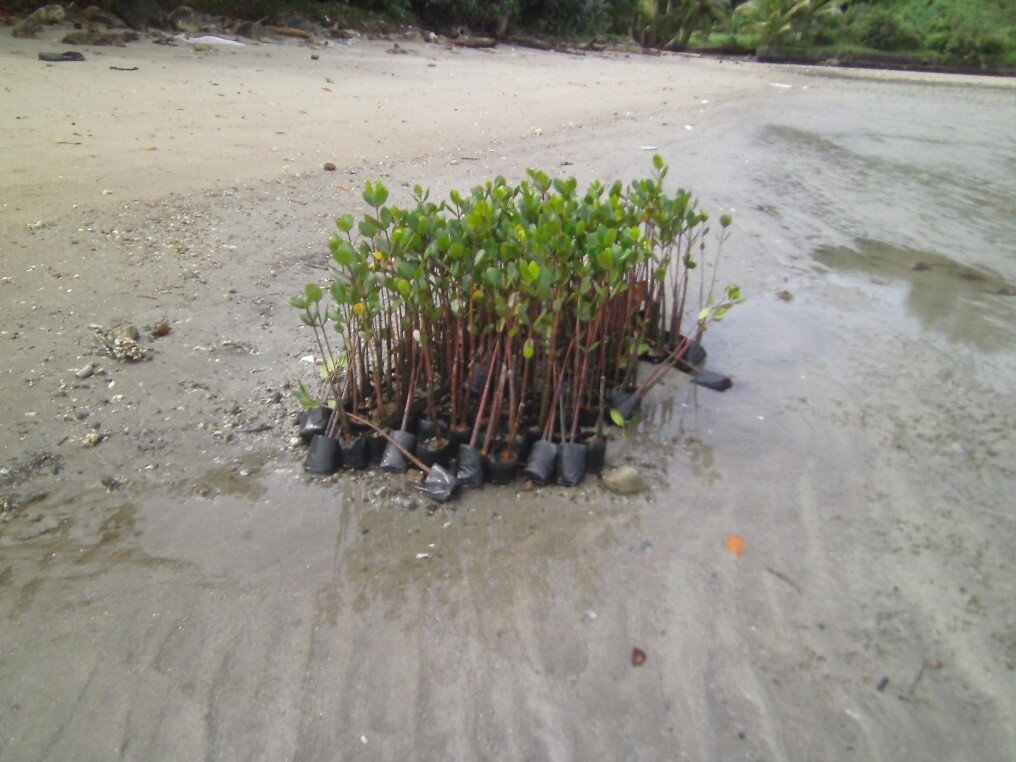
Usually, mangrove planting can be carried out by directly planting propagules (parts of a parent tree that detach and develop into a new mangrove) into the soil along the coast. However, this method only works in calm areas such as bays, where there is little wave or wind action. This is because before the roots can fully develop, the propagules may be knocked over or washed away by waves. Since our reforestation site faces the open sea and is exposed to strong wind and wave action, we have to plant saplings that are pre-grown in a nursery until they have five to six leaves. Until recently, we used to grow these saplings not in nursery pots, but in plastic bags with punched holes, so the tree roots can protrude from them. When planting the saplings, we removed the bags. However, since the bags could not be reused, they would turn into waste, which was our great concern. Plastic bags take years to decompose, and if not disposed properly, might enter the ocean, posing threat to marine life through ingestion and entanglement.
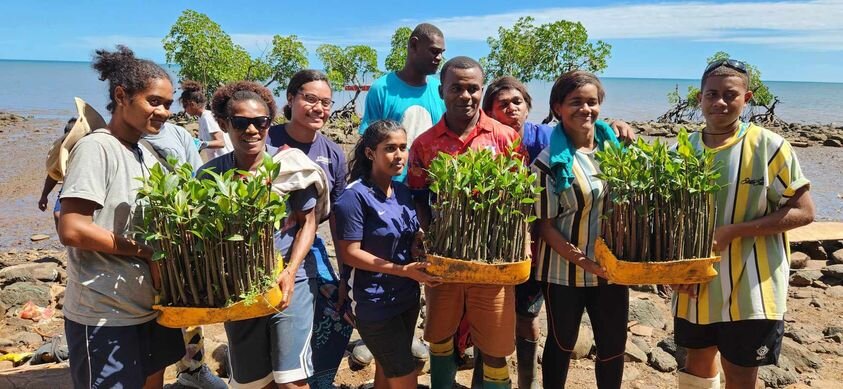
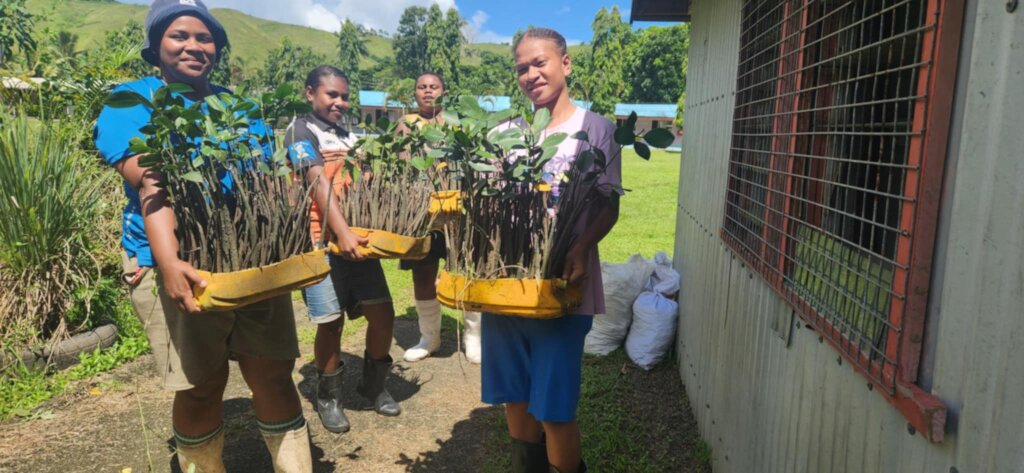
Therefore, we recently made an experiment by growing seedlings in half-cut containers. Each container could fit 50 seedlings, and in the end, there was no negative impact on their growth. Not only can these containers be reused, but they also make saplings management easier and require less soil. With this small innovation, it is now also more convenient to move the saplings as one person can easily handle a 50-sapling container at a time.
Moving forward, we plan to adopt this method for seedling cultivation in other reforestation sites. For this step-by-step progress, we have you to thank. Your contributions advance Fijians’ resilience to climate change and improve coastal livelihoods. We will continue to do our best to support local communities and the environment through powerful mangrove lands.
Project reports on GlobalGiving are posted directly to globalgiving.org by Project Leaders as they are completed, generally every 3-4 months. To protect the integrity of these documents, GlobalGiving does not alter them; therefore you may find some language or formatting issues.
If you donate to this project or have donated to this project, you can receive an email when this project posts a report. You can also subscribe for reports without donating.



Support this important cause by creating a personalized fundraising page.
Start a Fundraiser