By Chef Ann Foundation | Staff Contributor
HOW SCHOOLS CAN INCREASE SUSTAINABILITY BY SERVING MORE PLANT-FORWARD MEALS
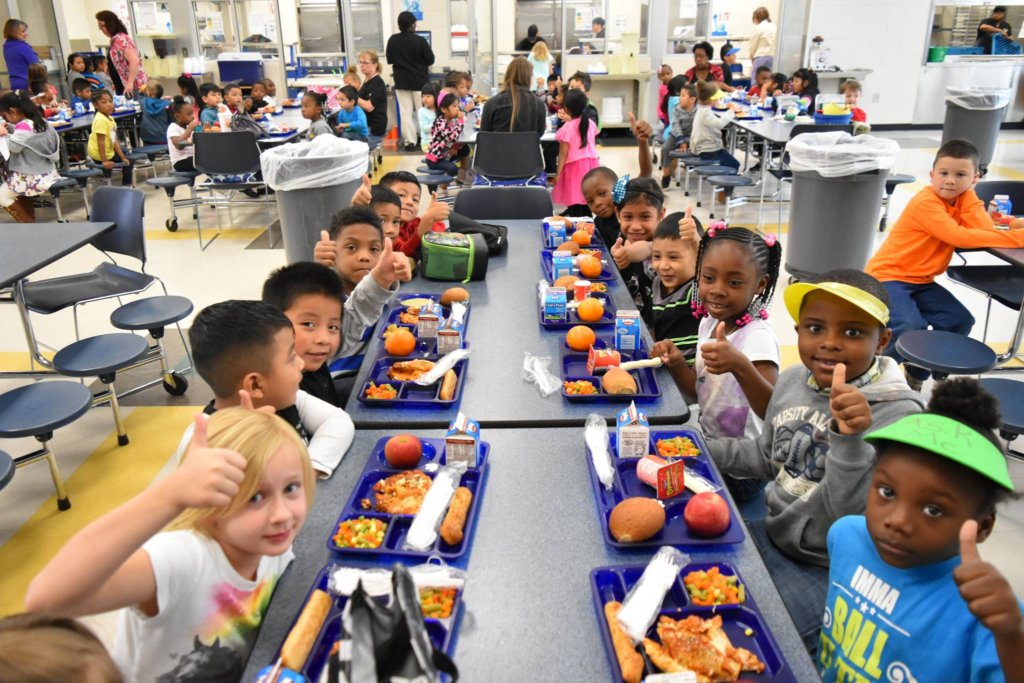
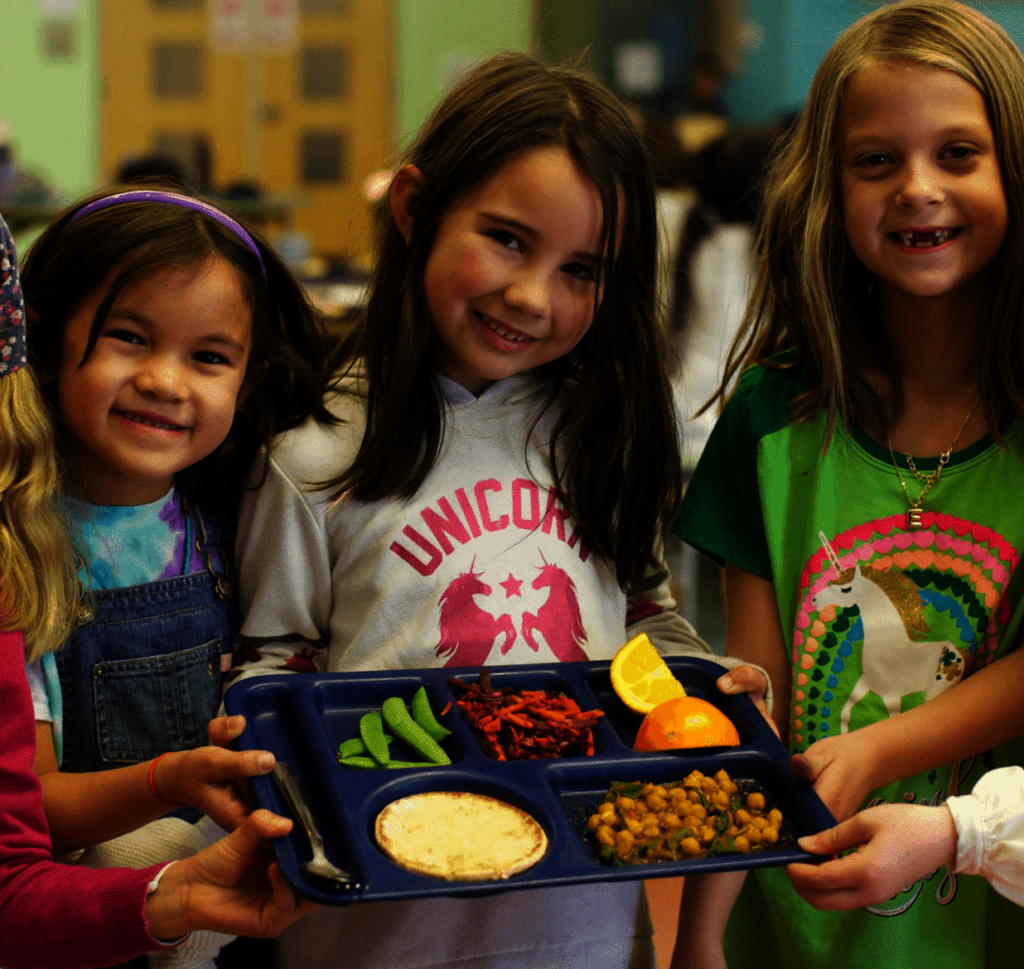
Serving 4.6 billion lunches and 2.4 billion breakfasts to K-12 students annually is a monumental effort — and a monumental opportunity for environmental stewardship.
As a whole, food accounts for approximately one-third of global greenhouse gas emissions. Much of these emissions come from converting forested land and other landscapes into cattle ranches. Scientists estimate that even a small reduction in the amount of animal products we collectively consume could make a big difference for the health of the planet.
Some early-adopters of plant-forward menus have already seen success, proving the model and paving the way for more schools to join the movement. Whether your plant-forward initiative is already underway, or if you are looking to get started now, here are some ways schools could offer more plant-forward meals to both support student health and environmental sustainability.
FIND PLANT-FORWARD RECIPES ON THE LUNCH BOX
Did you know that six of the top 10 most downloaded recipes on The Lunch Box — our free online resource library for school food professionals — are vegetarian?
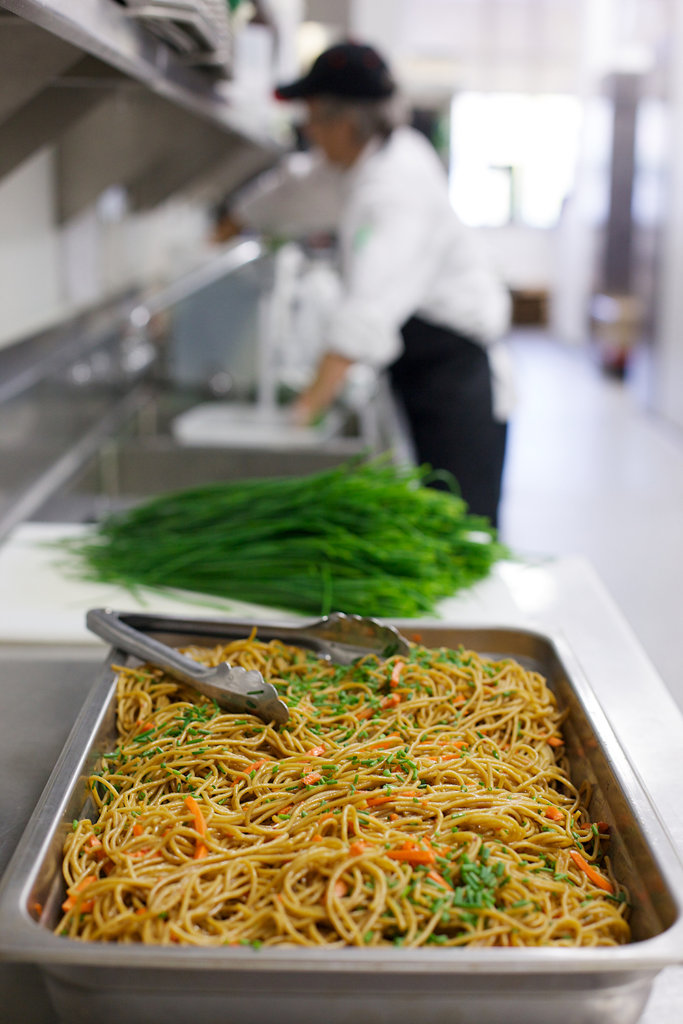
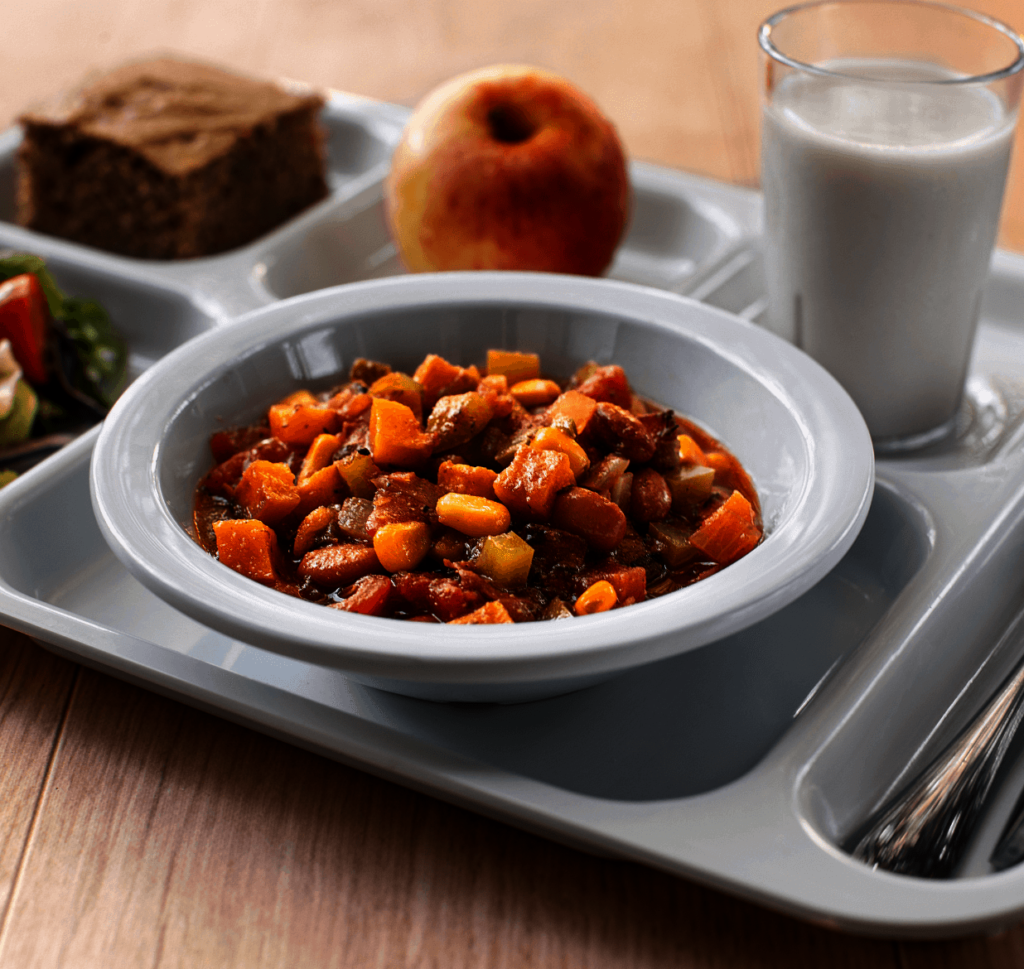
Some of them are kid-friendly classics like Macaroni and Cheese (K-8) and French Toast Casserole (K-8). Others include 3 Sisters Stew, which celebrates Indigenous food traditions, and Vegetable Lo Mein, a school-food-approved spin on a favorite Chinese dish.
We regularly add new recipes to The Lunch Box, many of which are plant-forward, so check back often to find something new to try!
As a whole, food accounts for approximately one-third of global greenhouse gas emissions. Much of these emissions come from converting forested land and other landscapes into cattle ranches. Scientists estimate that even a small reduction in the amount of animal products we collectively consume could make a big difference for the health of the planet.
LEARN WHY PLANT-FORWARD MEALS ARE GOOD FOR HEALTH, THE PLANET...AND YOUR BOTTOM LINE
Whether you are just starting out with plant-forward meals, or you want to add more unique and innovative plant-forward meals to your menu rotation, consider enrolling in our Plant Forward course on School Food Institute, our online course library for school food professionals and healthy school food advocates.
In our Plant Forward course, you’ll learn about the health, environmental, and financial benefits of eating plant-based proteins. The course also teaches school food professionals practical strategies for serving more plant-forward meals in schools.
IMPLEMENT A SALAD BAR
“The research is clear: when you have salad bars in your school, your kids will eat more fresh fruits and vegetables.”
—Chef Ann Cooper
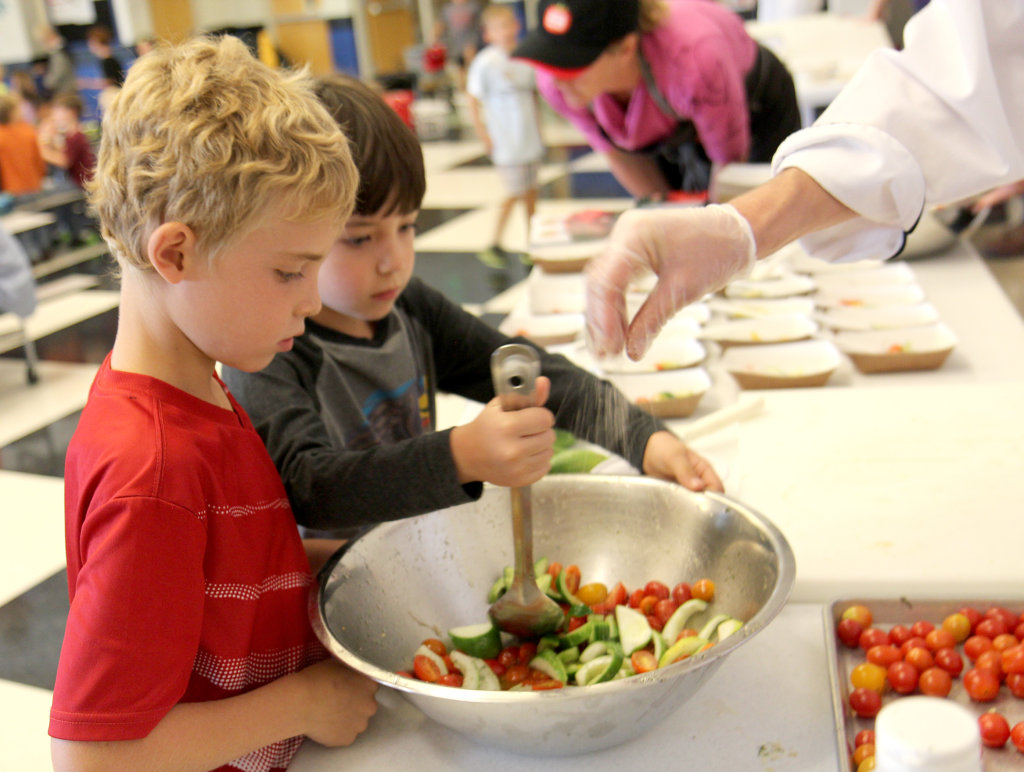
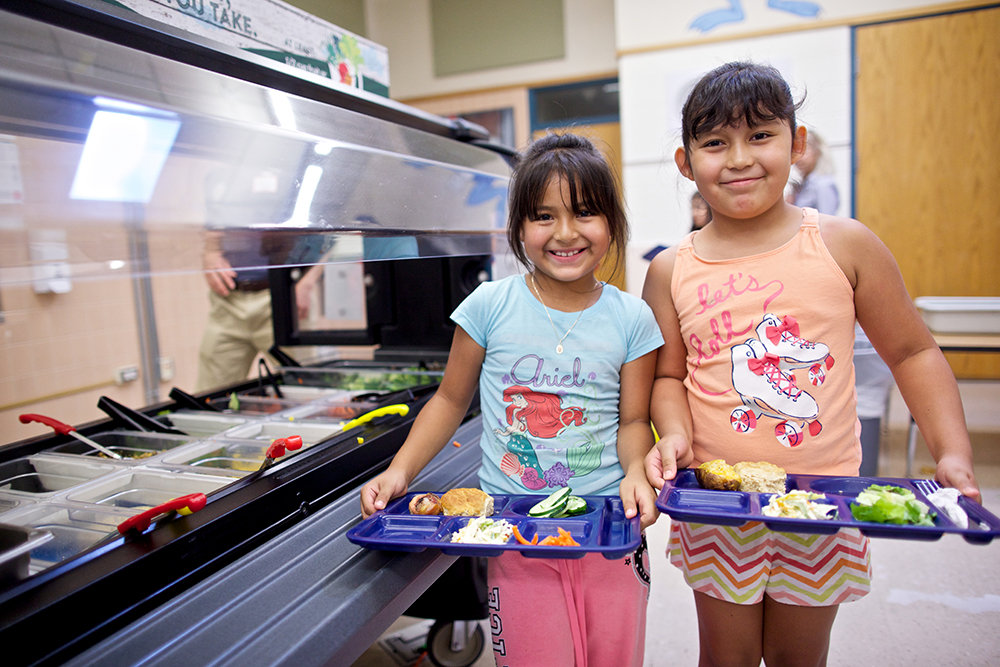
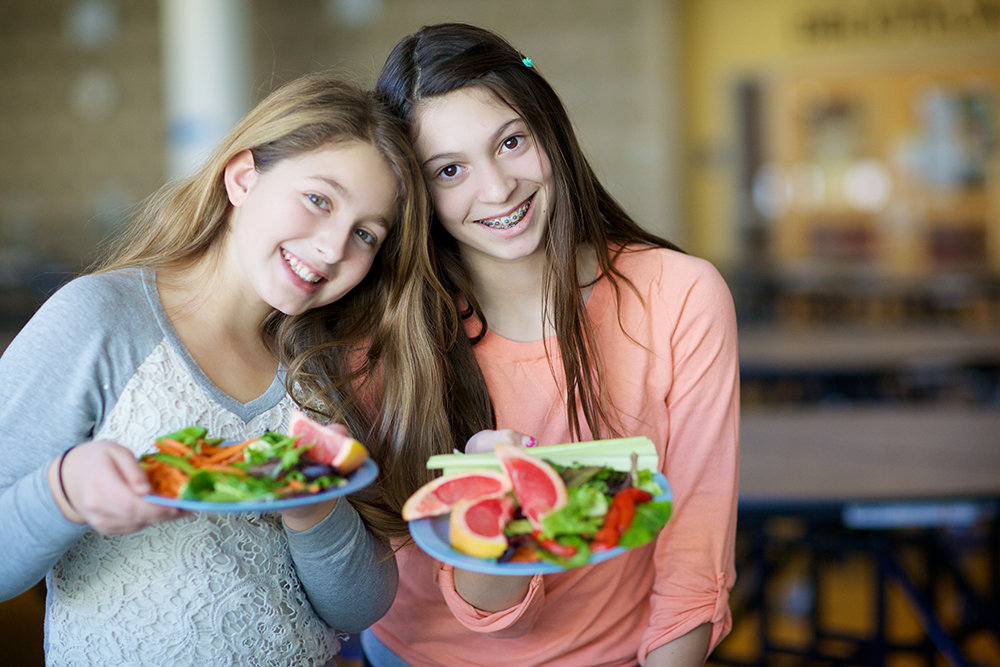
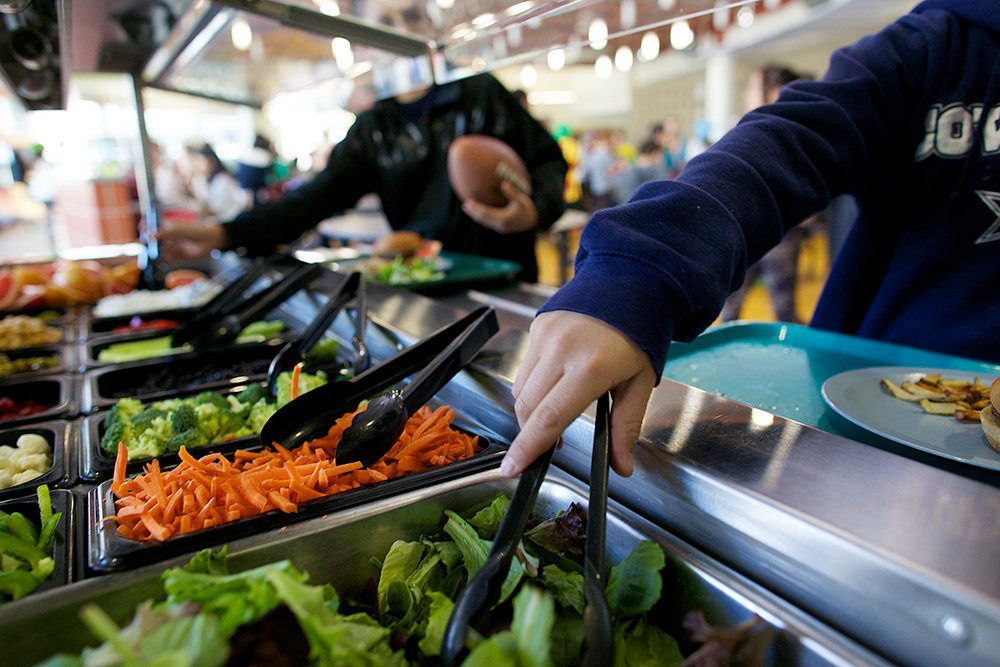
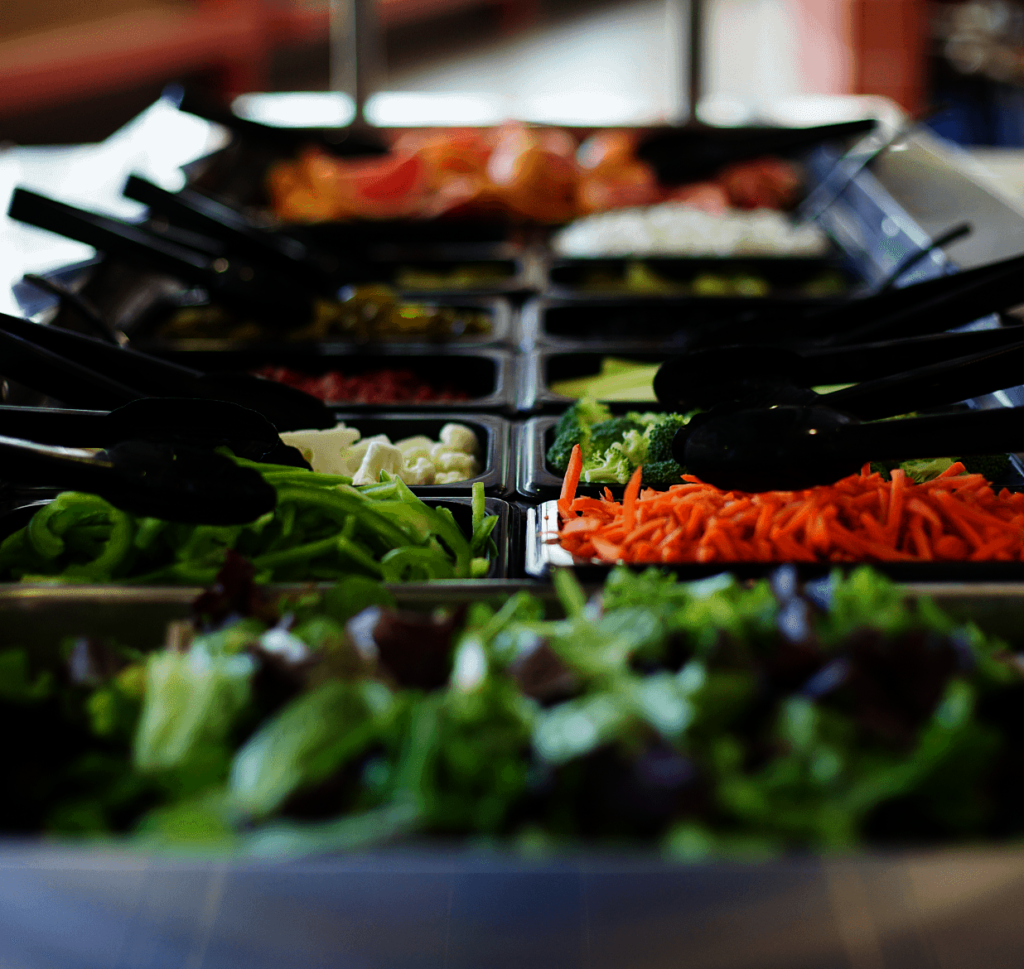
Another proven strategy to increase plant-forward meal availability is to implement a salad bar in your school. This allows students of all ages to have a plant-based option every single day. Beyond improving nutrition, salad bars can help build students’ agency to eat how they choose. Bonus points if your salad bar has signage or posters communicating the impact of plant-based eating!
INCORPORATE PLANTS INTO TRADITIONALLY MEAT-HEAVY DISHES
A meal does not have to be 100% vegetarian to have a positive impact on the environment. By taking recipes that are traditionally made with animal protein and substituting a portion of that with plant protein, school food professionals can reduce the environmental impact of their cafeterias.
A great example of this comes from Chef Ann herself and Boulder Valley School District, where they worked for years to perfect the process of substituting beans for some of the beef in their Beef Nachos recipe. It’s important to make sure that recipes remain compliant while substituting animal proteins. Fortunately, there are a lot of alternatives to meats that can be used in school meal programs. This includes beans and other legumes like peas and lentils, yogurt, nuts, nut butters, cheese, and eggs.
GET STUDENTS EXCITED ABOUT PLANTS (AND PROTECTING THE PLANET!)
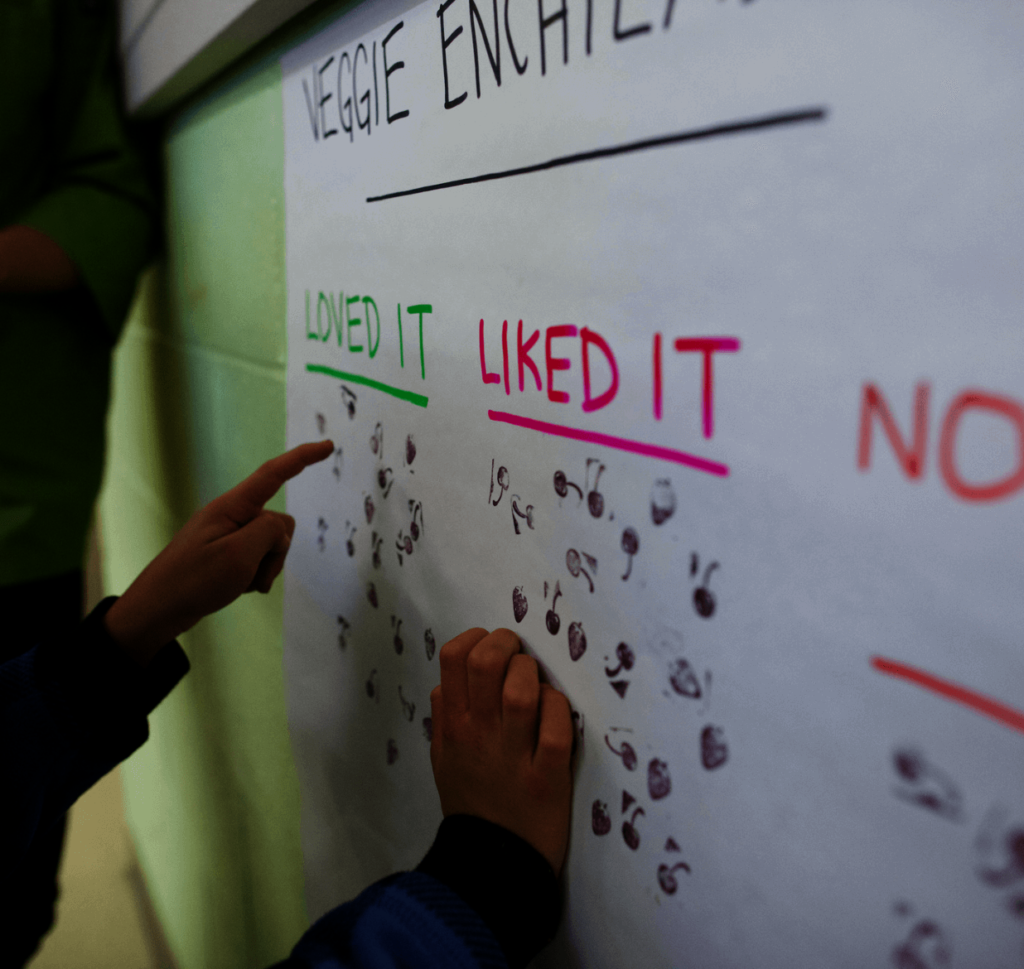
Marketing your food program is extremely important, especially for sustainability initiatives. Using signage and posters to communicate the importance of dietary choices is a great way to help students understand the connection between food and environmental stewardship.
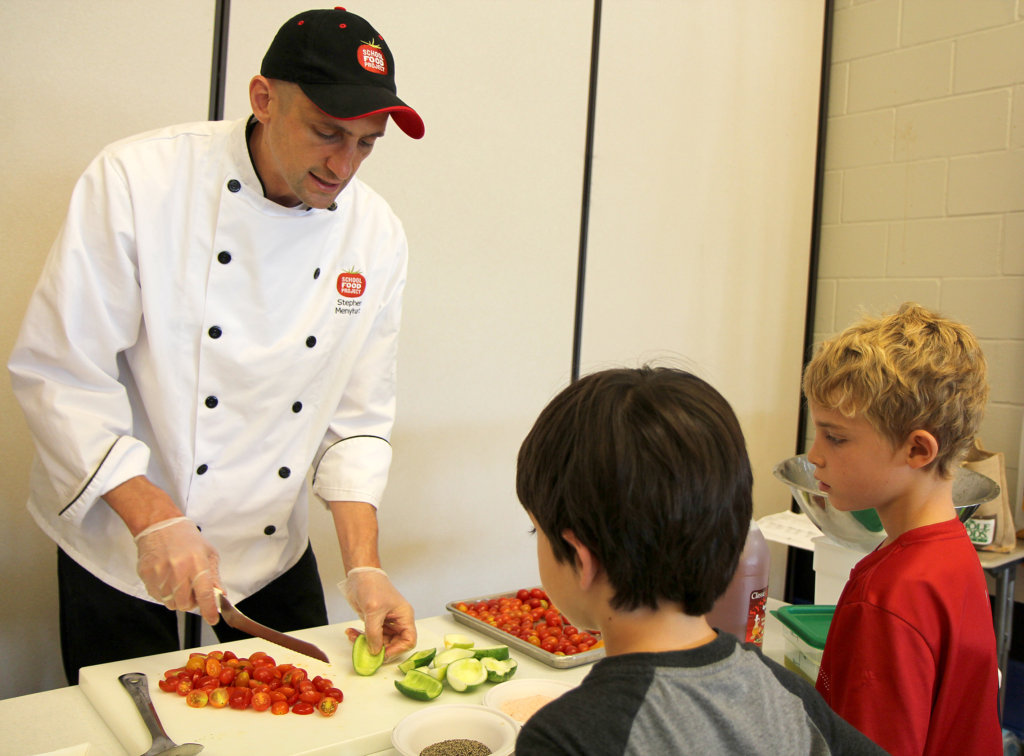
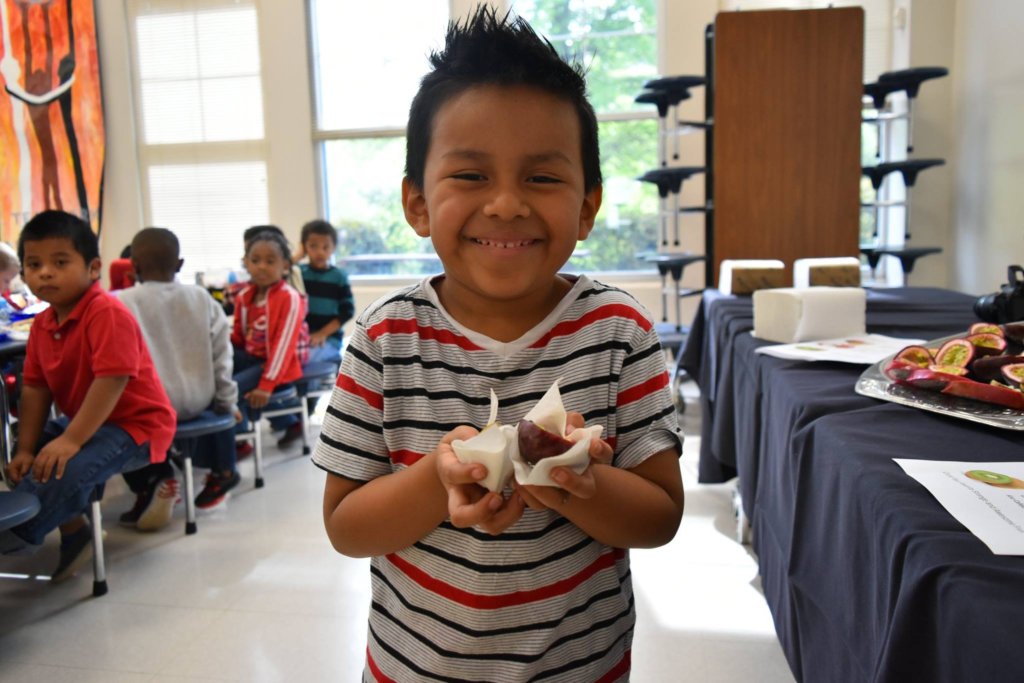
Tasting days have been shown to increase student acceptance of new menu items, and could be especially useful for plant-forward recipes that might be less familiar to young eaters. Rainbow days are another way to encourage students to try a variety of colorful fruits and veggies — and to have fun doing it!
School food professionals can also get creative with how they engage students with school food sustainability initiatives. For example, you could try coordinating with science teachers to provide complementary lessons about food and the environment in the lunchroom and the classroom.
Links:
Project reports on GlobalGiving are posted directly to globalgiving.org by Project Leaders as they are completed, generally every 3-4 months. To protect the integrity of these documents, GlobalGiving does not alter them; therefore you may find some language or formatting issues.
If you donate to this project or have donated to this project, you can receive an email when this project posts a report. You can also subscribe for reports without donating.



Support this important cause by creating a personalized fundraising page.
Start a Fundraiser