By Chef Ann Foundation | Staff
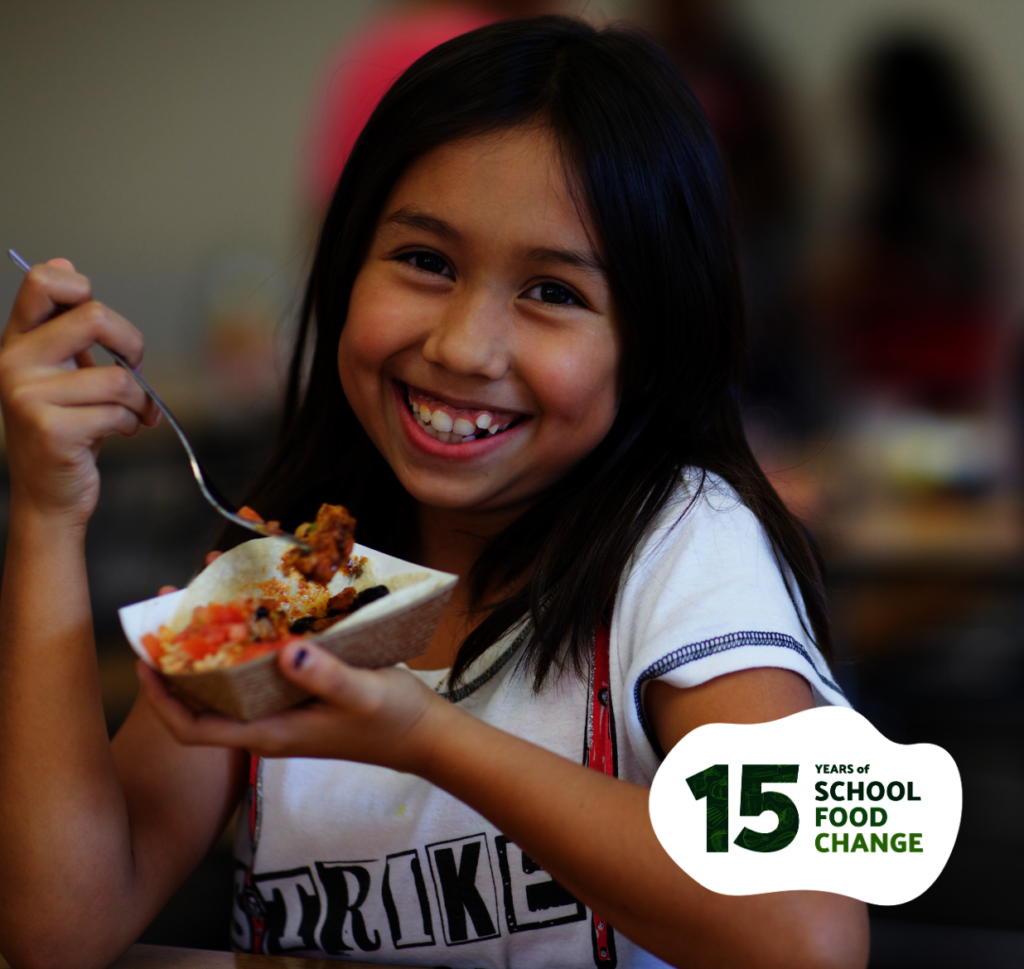
Time and again, we’ve seen districts and schools of all sizes across the country begin and grow their scratch cooking programs. It can take many years for a school to transition to scratch cooking, but making this shift is always worth it — here are 15 reasons why.
When schools start or expand scratch cooking programs, there are cascading benefits that extend far beyond supporting student health.
Schools and districts face many challenges when they start or expand scratch cooking programs — from outdated facilities and equipment, staff shortages and inadequate training opportunities, complex regulatory and food safety requirements, and more. The good news is that scratch cooking is still possible!
Time and again, over the past 15 years, we’ve seen districts and schools of all sizes across the country begin and grow scratch cooking programs. It can take many years for a school to transition to scratch cooking, but making this shift is always worth it.
Here’s why.
Scratch cooking supports student health and well-being.
1. Supports mental and physical health
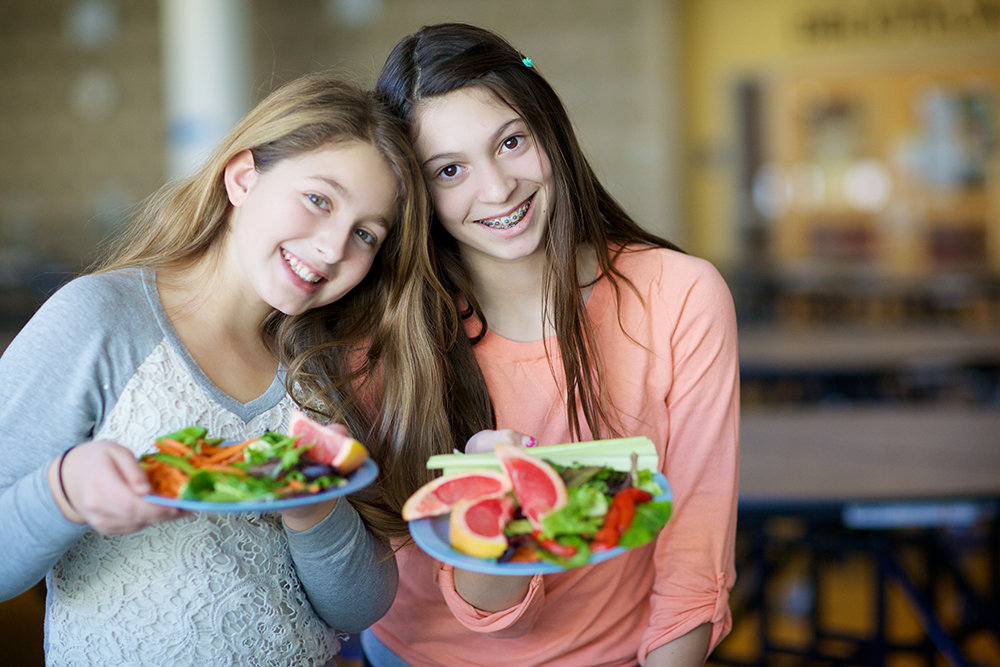
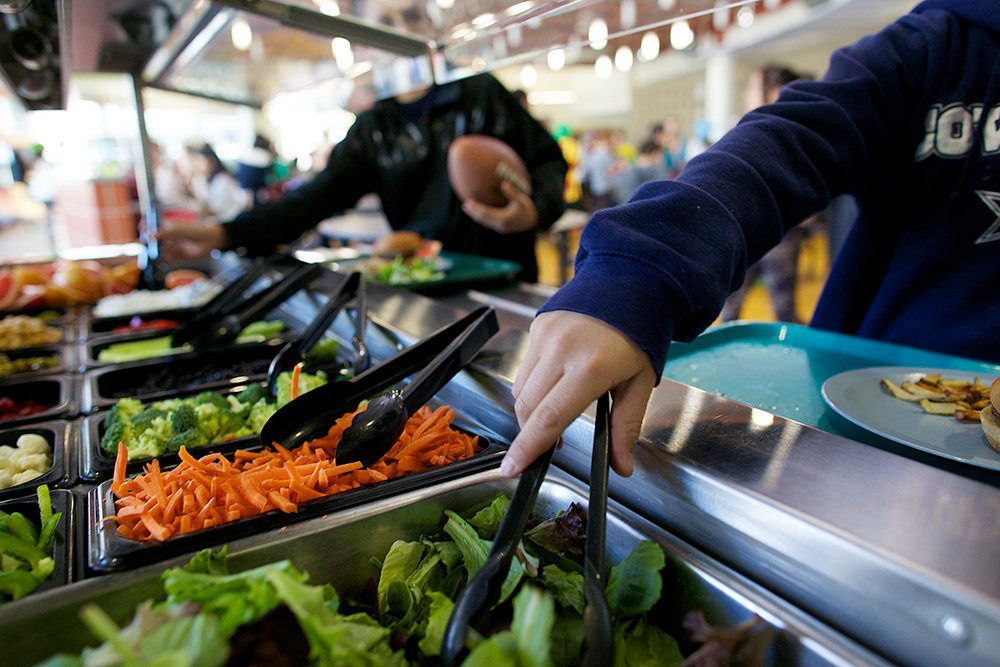
Food is the number one school supply. School districts that increased the amount of fresh and scratch-cooked foods they serve reported improved student nutrition, increased student consumption of fresh fruits and vegetables, and increased student physical activity. Additionally, several studies suggest a link between a healthy diet and reduced risks of depression and anxiety.
2. Provides more nourishment and sustained energy
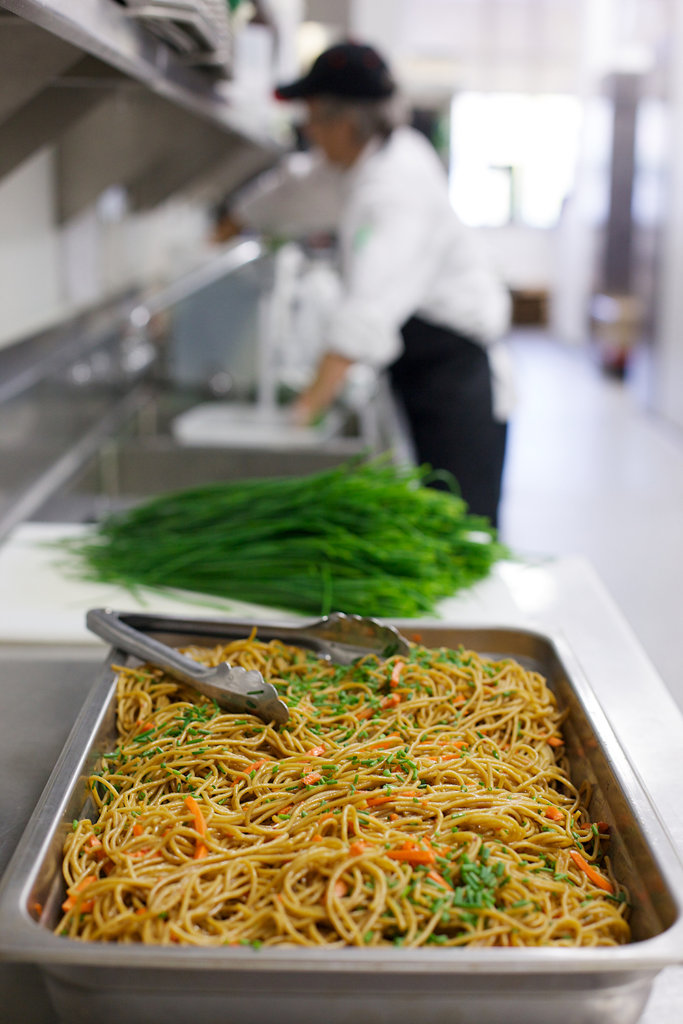
When foods are heavily processed, they often lose much of their nutritional value. Cooking from scratch with minimally processed ingredients ensures that kids get the essential nutrients their bodies need to grow. Scratch-cooked meals with fresh ingredients mean students eat more fiber and protein and fewer preservatives, fillers, food dyes, sodium, and added sugars. A healthy, balanced diet results in a steady source of energy, keeping students feeling fuller for longer.
Scratch cooking helps students succeed in school.
3. Improves attendance and behavior
Fresh, scratch-made meals offer students great nourishment — and well-nourished children have fewer tardies, absences, behavioral problems, and disciplinary suspensions.
4. Increases the ability to focus
Research shows that consuming a nutritious, balanced diet provides children the essential vitamins, minerals, fats, and proteins needed for optimal cognitive function. Scratch-made meals offers better-quality diets, which in turn are linked to improved grades and test scores, increased work capacity, and longer attention spans.
Scratch cooking advances social and economic equity.
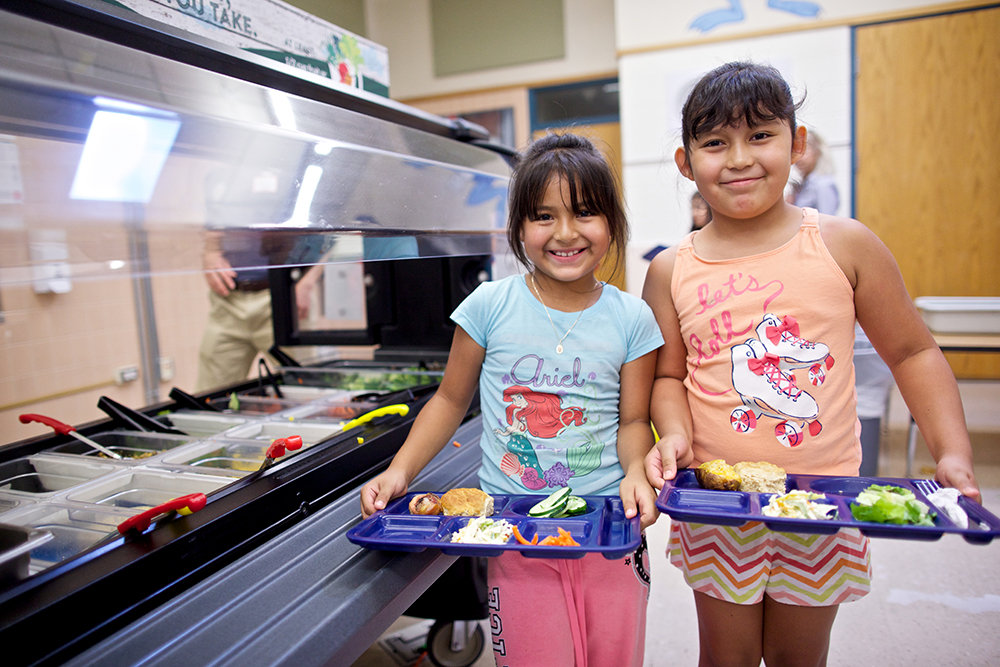
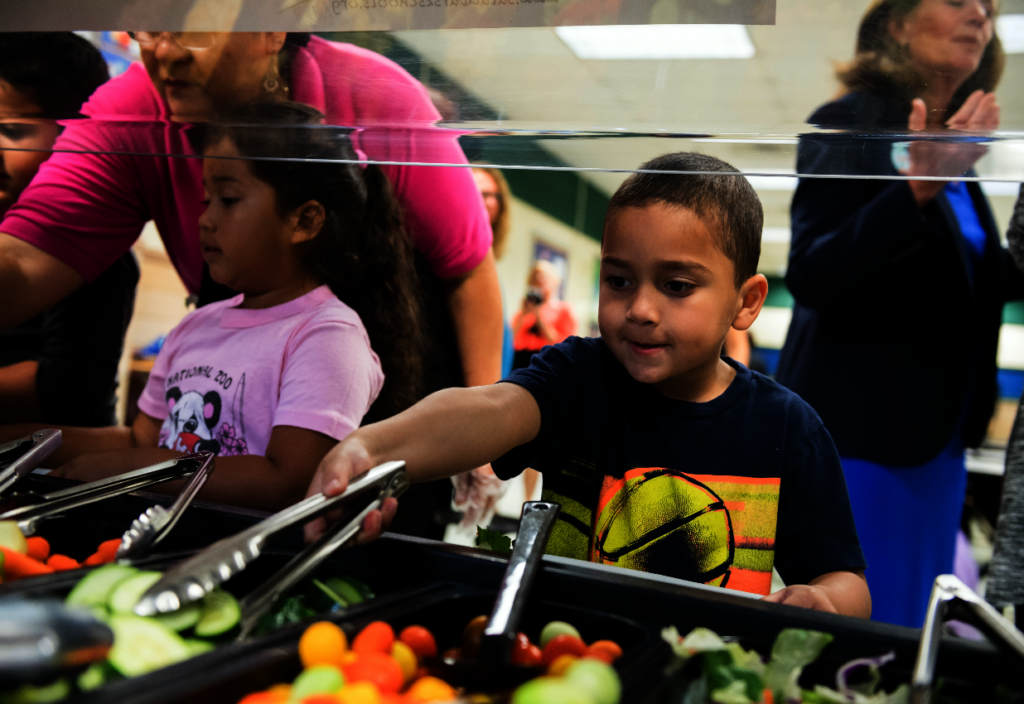
5. Widens access to fresh, healthy meals
According to a USDA report, more than 13 million children lived in households experiencing food insecurity in 2023. In 2021, one in six households with children struggled to buy enough food for their families. If we want to close the achievement gap, we must close the nutrition gap. Hungry and undernourished students can’t learn as well, so greater access to the nutrient-dense food offered by scratch-cooked meals can help reduce health and educational inequities.
6. Can reflect and celebrate students’ cultures
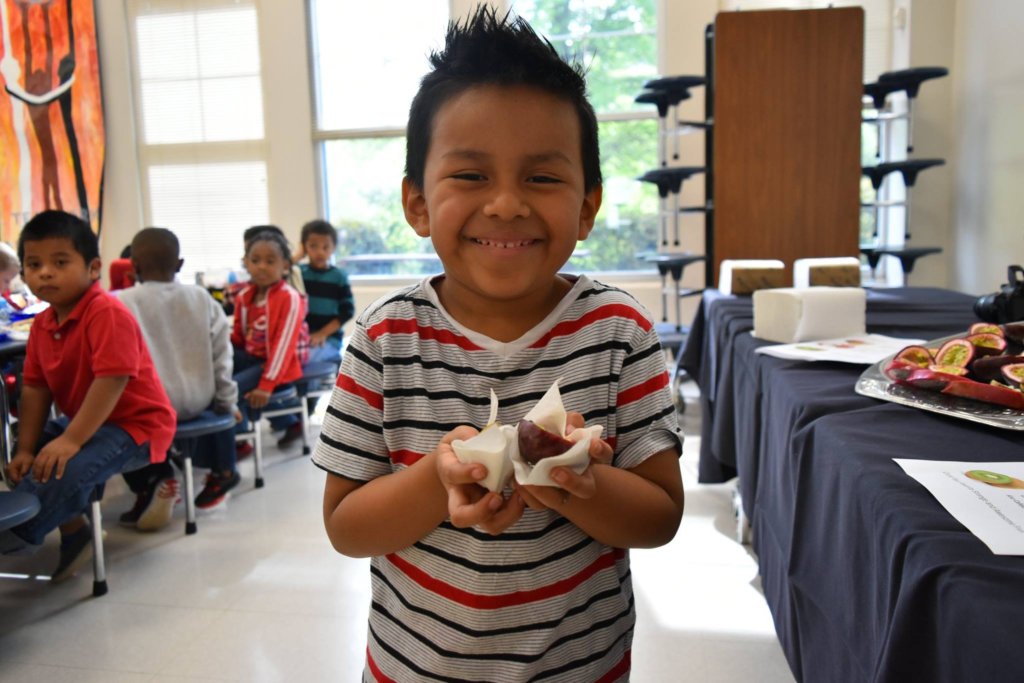
Offering foods and flavors that students traditionally eat at home can provide comfort, encourage consumption, and provide an opportunity for children to try new foods and learn about the cultures of their peers. This can foster connection among students, as well as build familiarity and openness for trying new foods.
7. Advances fair pay for school food professionals
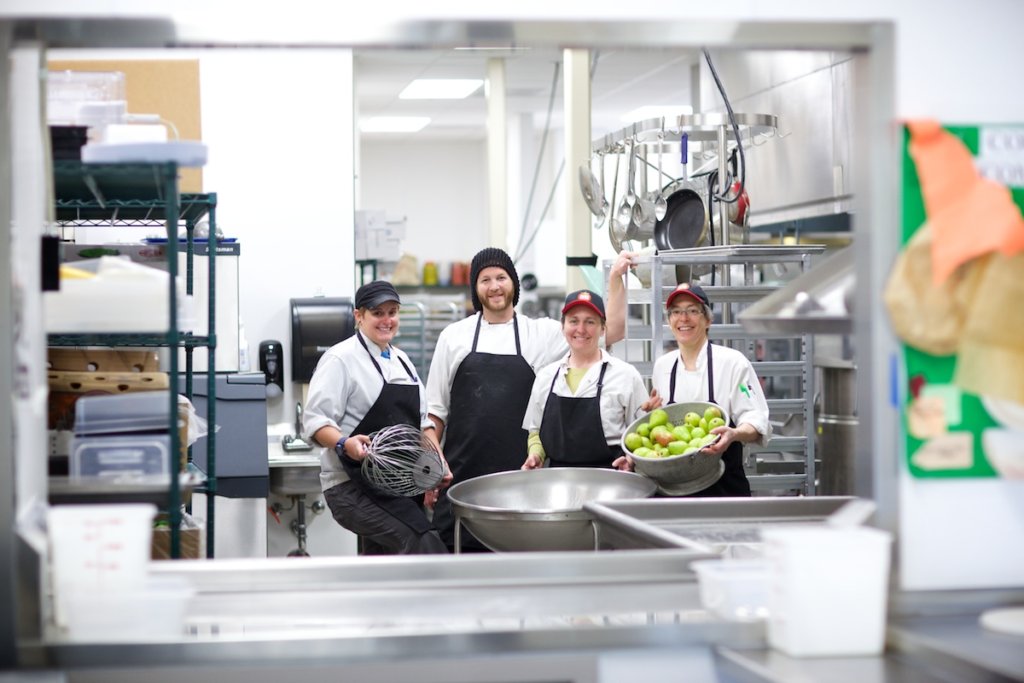
School food professionals are also often the lowest-paid workers in schools. Yet, school food is directly connected to the health of our nation’s children. When schools transition from serving students ultra-processed meals to scratch-cooked meals, there is an opportunity to advocate for higher wages. Connecting school food jobs to better outcomes for students provides the pathway for wage equity advocacy. It recognizes the importance of the school food professionals who plan, prepare, cook, and serve this food, and the skills required to improve the quality of meals. Importantly, fair wages for school food professionals also means addressing gender and racial pay gaps: ninety-four percent of school food professionals are women, and they are disproportionately women of color.
Scratch cooking cultivates positive eating habits for life.
8. Makes the cafeteria a classroom
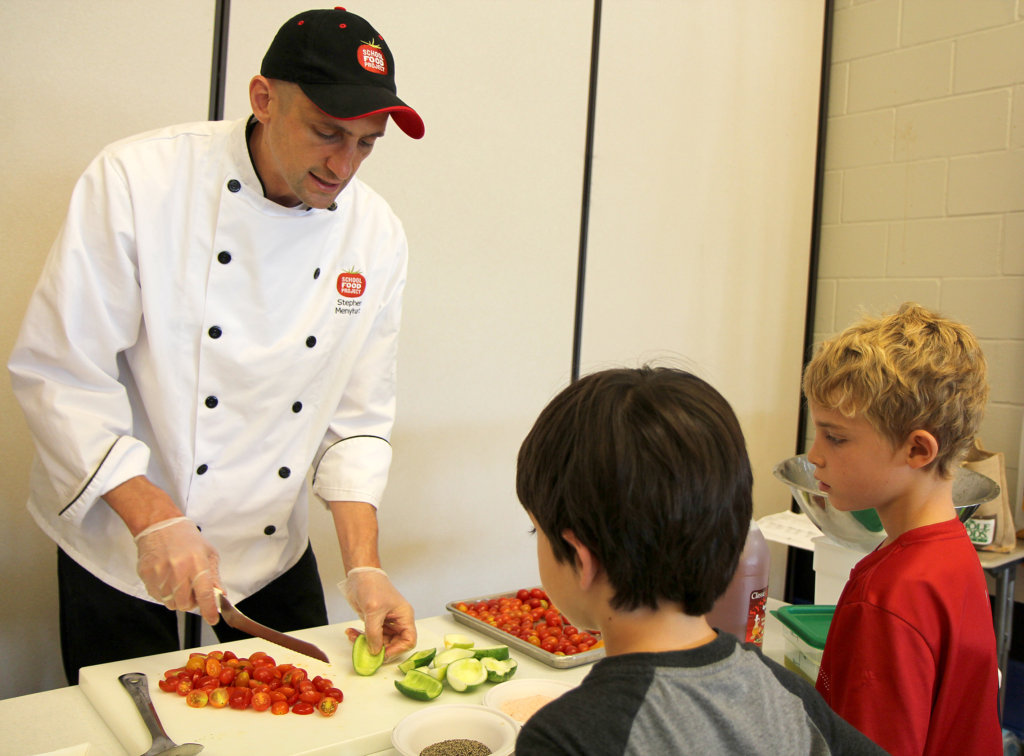
While kids study science, math, and language arts nearly every day, food isn’t a subject most students learn a lot about in school despite the vital role it plays in our lives. Scratch cooking allows the cafeteria to be a classroom—a place where kids can learn, discover, and explore nourishment. Learning how to prepare a balanced plate as a youngster sets kids up for a lifetime of healthy eating habits.
9. Expands students’ palates
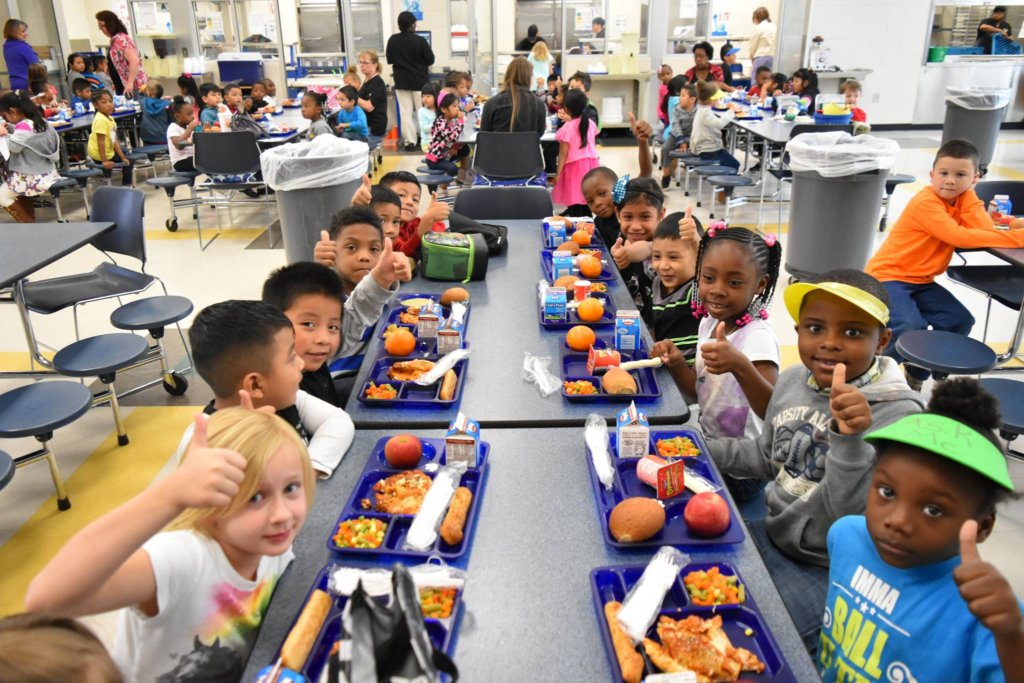
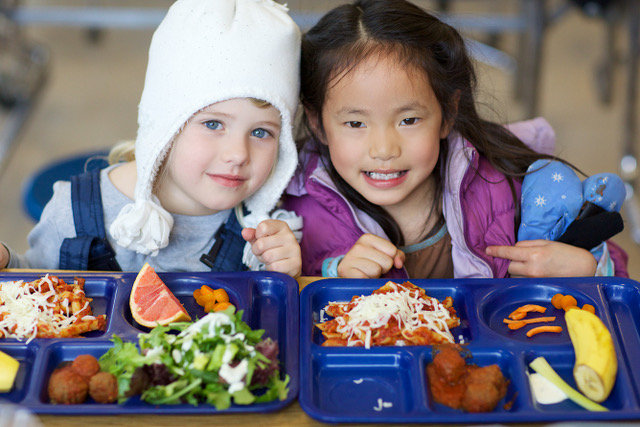
Kids eat with their eyes, so food has to look and taste good. School food that looks attractive and is palatable is much more likely to be eaten, ultimately ensuring kids are nourished and fed. Scratch-cooked meals both look and taste better then pre-packaged, ultra-processed meals, making it much more likely for students to try new foods — and to love what they try!
Scratch cooking protects the environment.
10. Reduces the amount of packaging waste schools generate
From how food is plated to how food is prepared, cafeterias drive the majority of a school’s waste stream. Fresh, scratched-cooked meals can reduce schools’ reliance on single-use disposable items prevalent in processed meals.
11. Reduces food waste
The World Wildlife Fund estimates that 530,000 tons of food are wasted annually in school cafeterias. Schools that cook meals from scratch can significantly reduce the amount of food waste they produce. For example, pre-packaged heat-and-serve broccoli will look and taste less appetizing than aromatic, vibrant green, well-seasoned broccoli prepared from scratch. The more appetizing and delicious fruits and veggies are, the less they are wasted.
12. Enables sourcing ingredients from local, sustainable farms
Cooking from scratch means schools can source fresh, whole ingredients from local and sustainable farms. This not only provides students with nutritious, delicious, and diverse meals, it supports a community’s agricultural producers and reinvests in local economies. Plus, when you buy local, you know your farmers and what went into growing those products. Schools can align their district’s values with their purchasing practices — such as by considering animal welfare practices, purchasing culturally relevant ingredients, or by purchasing organic products whenever possible.
13. Incorporates more plants
Plant-forward meals focus on fresh fruits and vegetables, whole grains, and reduced meat proteins. Menus centered on plants are better for the environment, as plants take fewer resources to produce than meat. With 4.6 billion lunches and 2.4 billion breakfasts served to K-12 students annually, the impact of incorporating plant-forward meals could be tremendous. Scientists estimate that even a slight reduction in the amount of animal products we collectively consume could make a big difference for the health of the planet. When schools can cook meals from scratch, they have much more control over their menus and can offer students plant-forward menu options that they will love.
Scratch cooking offers better jobs and strengthens local economies.
14. Offers a creative and fulfilling career path
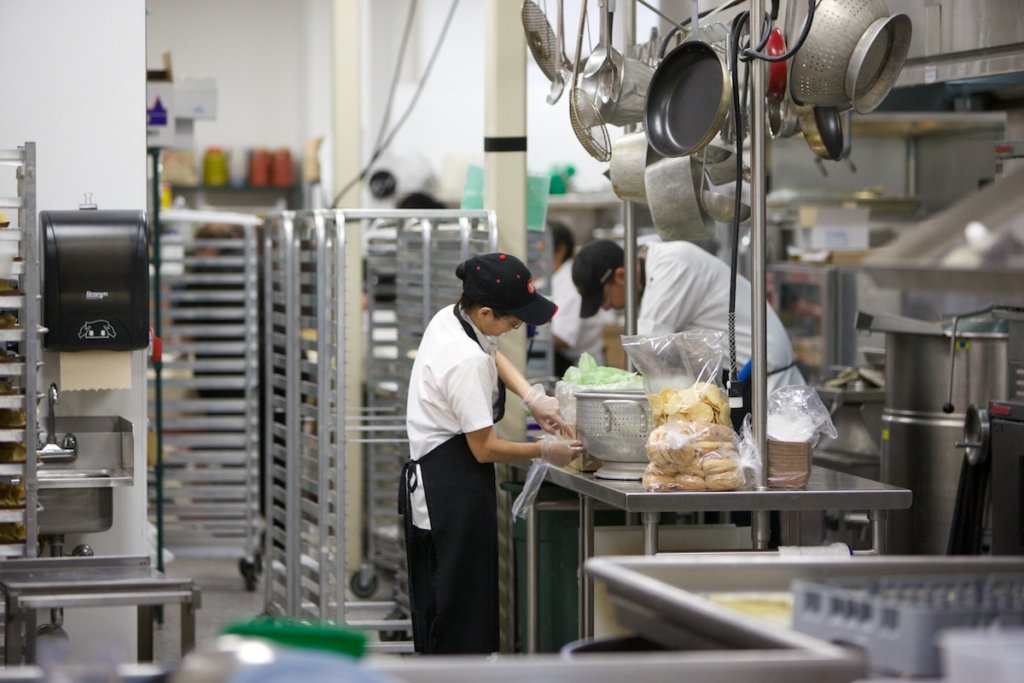
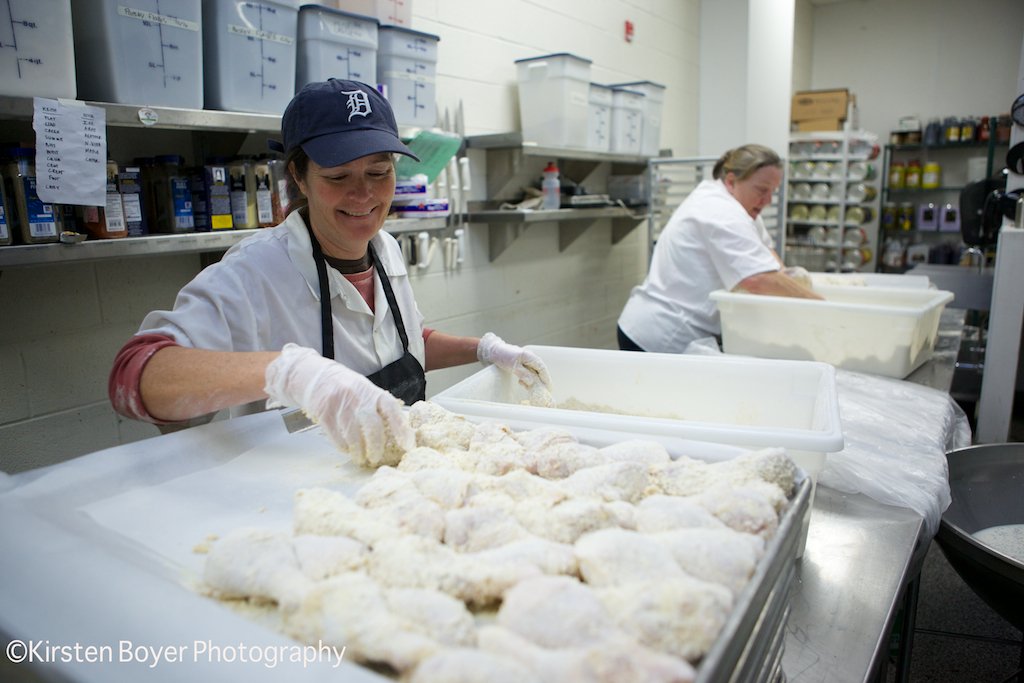
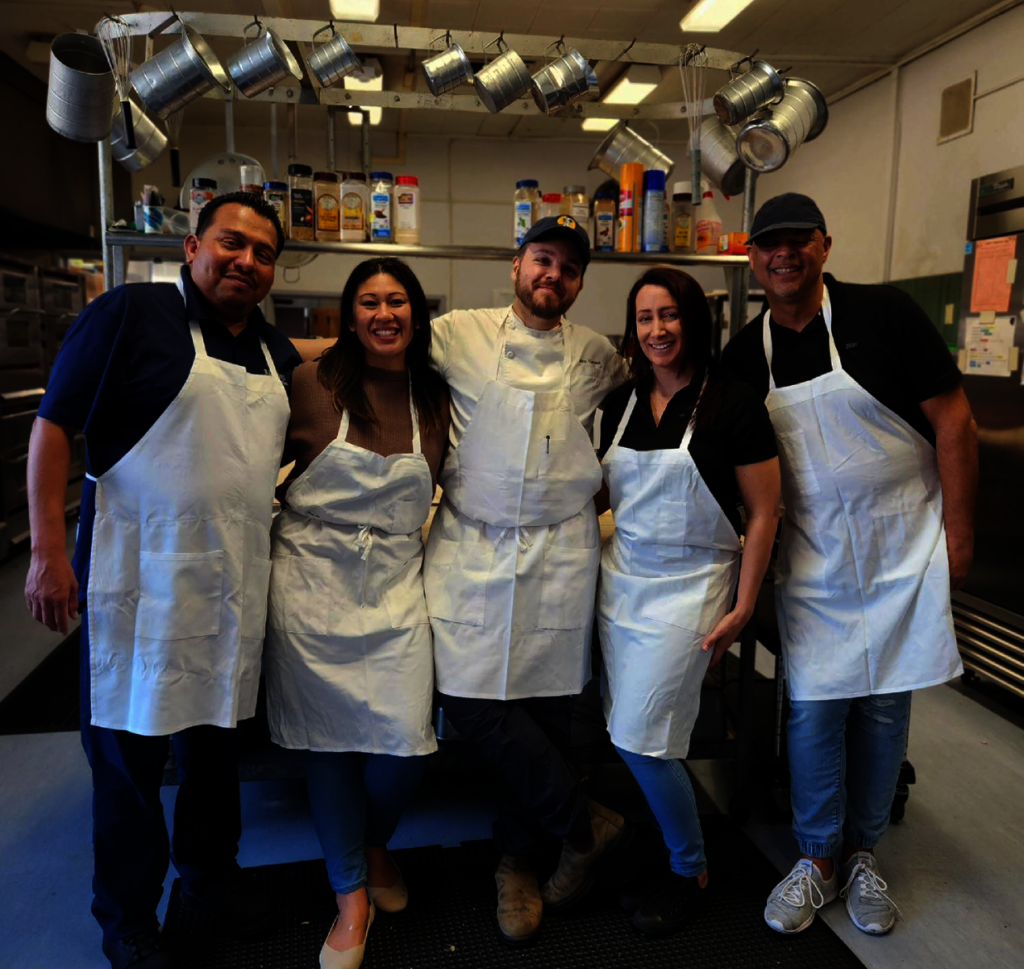
Scratch cooking programs in K-12 schools offer an alternative and fulfilling career path from the restaurant and hospitality industry. In addition to influencing and nourishing the next generation, scratch-cooking programs in schools offer ample opportunities for culinary creativity. Plus, the schedule — which includes weekends, holidays, and evenings off — can be a huge draw, especially for parents.
15. Strengthens local economies
Cooking from scratch makes it easier to use local ingredients, which has several benefits, such as creating jobs, boosting economic activity, and strengthening local food systems. Buying locally keeps more money in the community. For every dollar spent on farm-to-school programs, an extra $0.60 - $2.16 is generated in regional economic activity. For farmers, fishers, and ranchers, selling to schools can provide a steady income stream, diversify their markets, and offer reliable sales and fair pay.
Scratch cooking is always possible
Many schools across the U.S. would like to serve healthier food but lack the operational knowledge to make the transition. That’s where we come in.
With the right knowledge and tools, schools can transform their kitchens and lunchrooms to support student health, well-being, and academic success. Since 2009, the Chef Ann Foundation has impacted the food served to 3.4 million children in over 14,000 schools through our healthy food programming.
Links:
Project reports on GlobalGiving are posted directly to globalgiving.org by Project Leaders as they are completed, generally every 3-4 months. To protect the integrity of these documents, GlobalGiving does not alter them; therefore you may find some language or formatting issues.
If you donate to this project or have donated to this project, you can receive an email when this project posts a report. You can also subscribe for reports without donating.



Support this important cause by creating a personalized fundraising page.
Start a Fundraiser