By Allegra Bundy | Marketing and Communications Intern
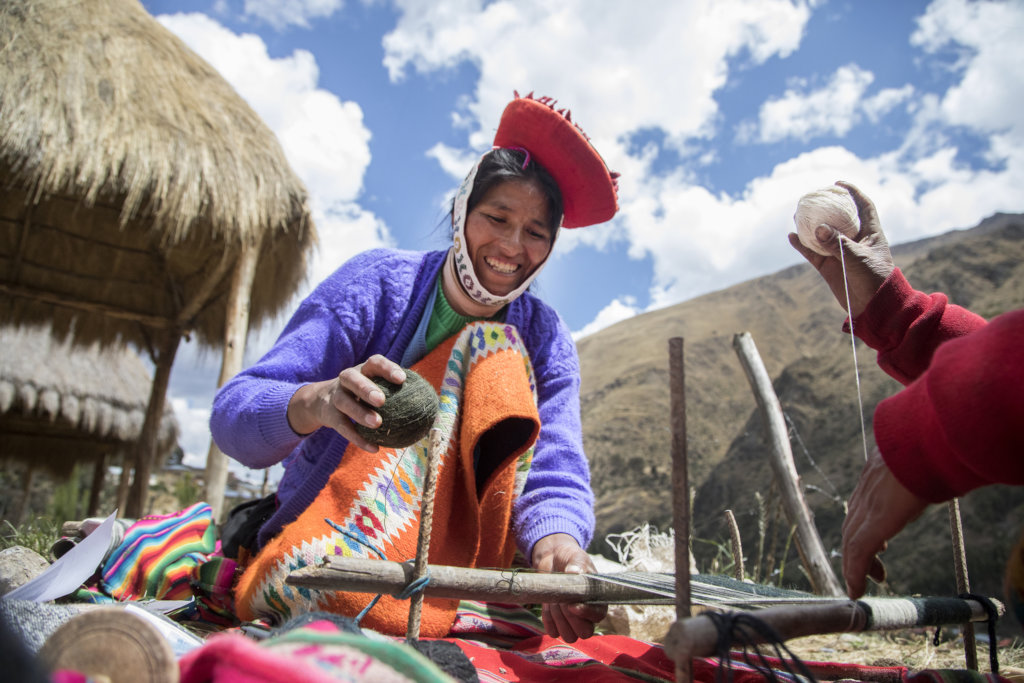
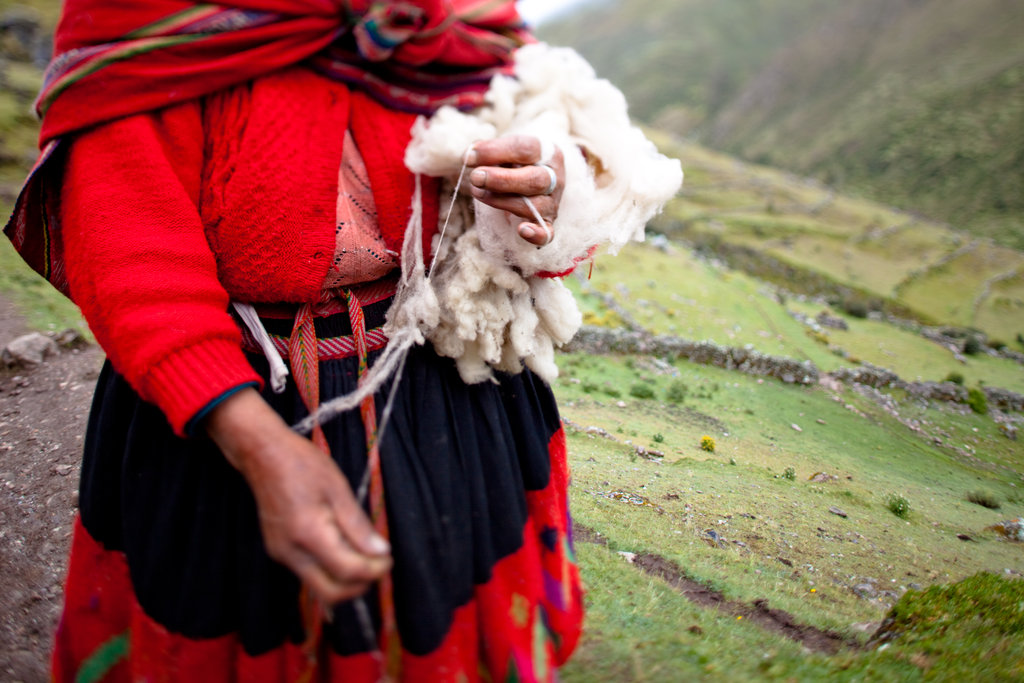
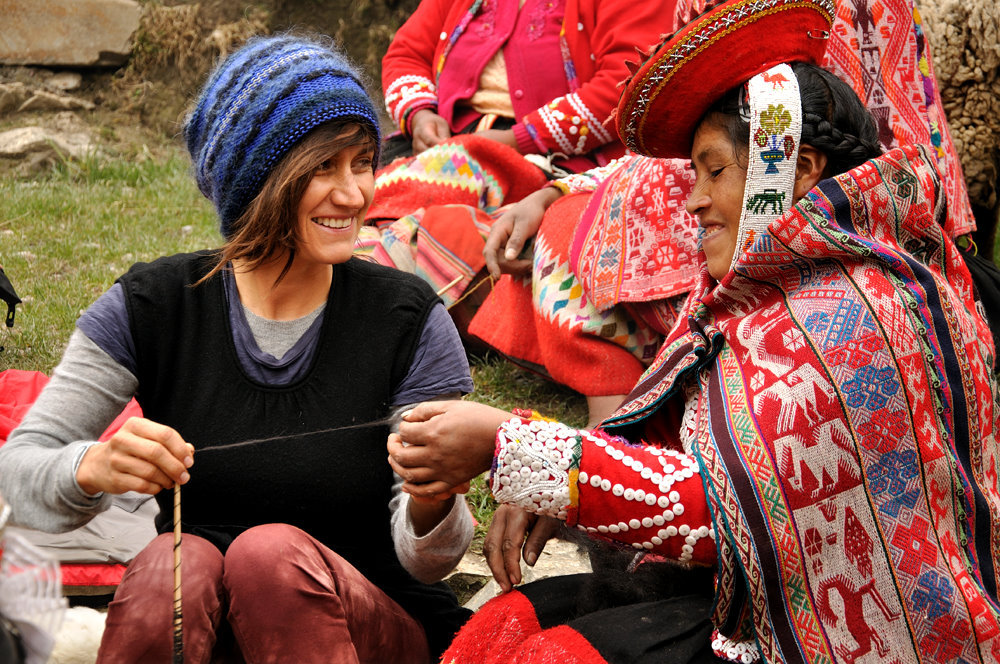
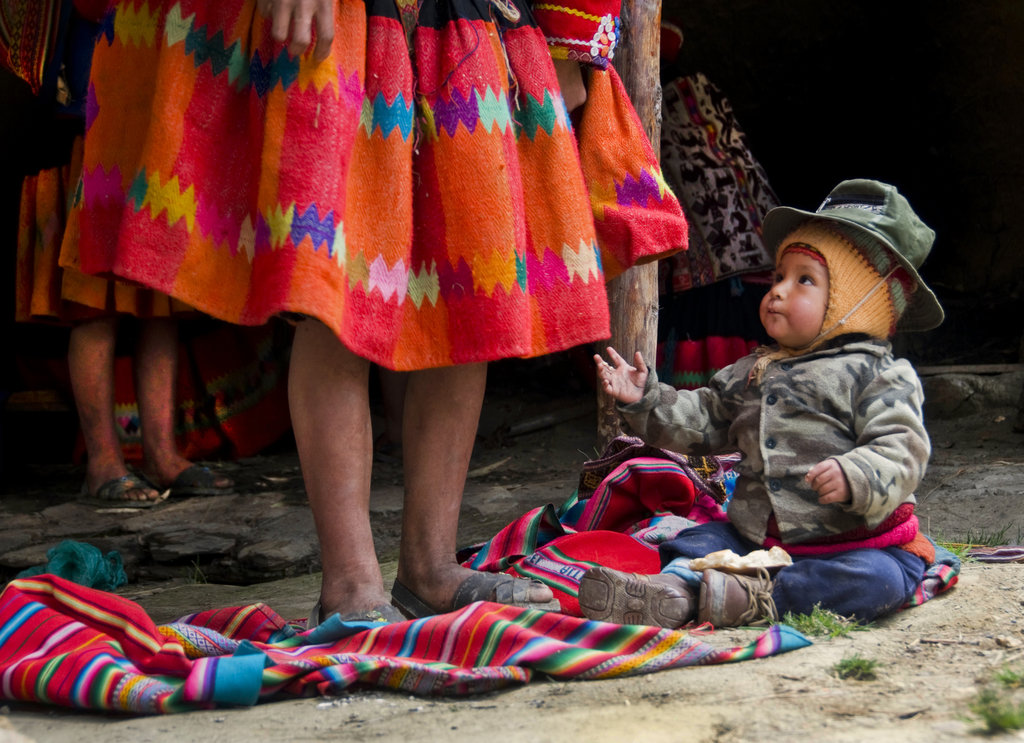
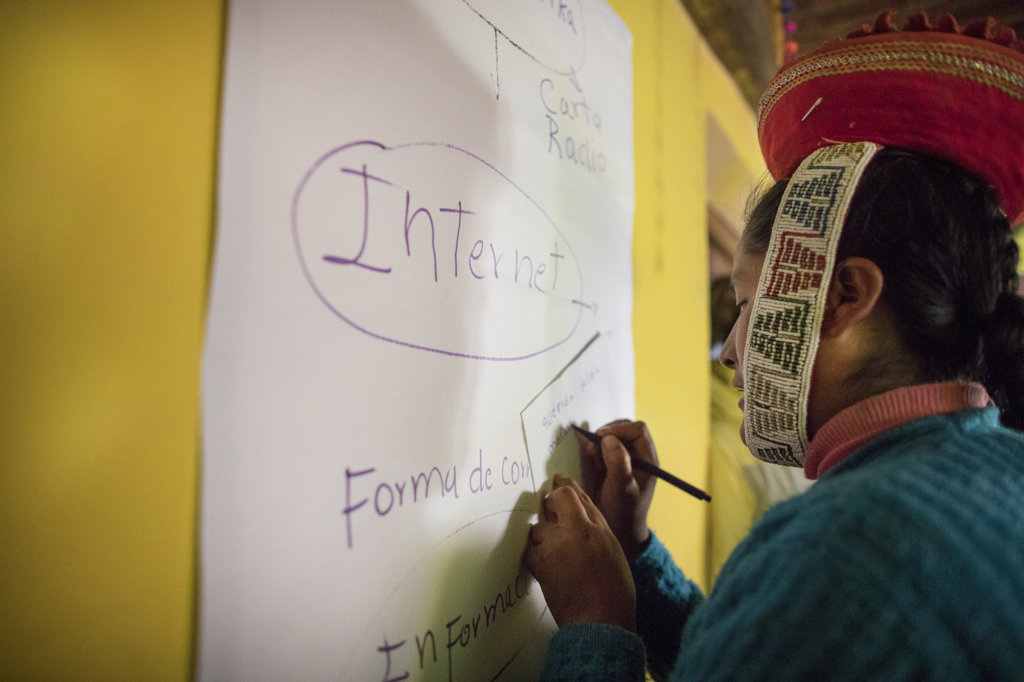
For the past few months we’ve been working to develop a new series of workshops for our partner artisans focused on marketing and media ethics. Most of our partner artisans do not have access to the internet, and we’ve found they want to better understand it. They also wonder how images of themselves and their work are used in our marketing here at Awamaki. This is why we put together a series of media workshops for the artisans to better understand the internet and ultimately be able to manage their marketing themselves.
The workshops were prompted by a new media policy that Brianna, our Marketing and Communications Coordinator, has been working on. Brianna has an academic background in Photojournalism and she feels very passionate about the ethical use of photography within our organization. The new media policy will govern the work of our staff and volunteers, and we will also share it with tourism, students and artisan product clients who visit us, and ask them to abide by it.
“There wasn’t anything built in to protect our partner artisans. [An ethical media policy] was definitely something to make more formal and official. I wanted it to stay with Awamaki. I think it’s a very important tool for nonprofits to have, especially when working with vulnerable and indigenous populations,” Brianna explained.
The main takeaway included in the media policy is the requirement for consent from the subject. Awamaki wants to make sure that people always ask the women we work with before taking pictures or interviewing them. “From there, a lot of the breakdowns are very simple concepts, like treating subjects with dignity and respect, alongside representing them accurately, not stereotyping or over generalizing anyone,” Brianna explained.
“Since we’re writing a policy that has to do with [the artisans] then they should understand what the policy means. We saw it as an opportunity to educate them on the policy as well as fill the gap on education of online platforms,” explains Mollie, our International Partnerships Manager who was worked closely on developing these workshops. We know training them in the concepts of marketing is an important next step for their growth and development as independent cooperatives.
Along with Mollie, Shara, one of our Monitoring and Evaluations volunteers, has also spent a lot of time developing the project. She has created powerpoints and activities to accompany the topics covered by the workshops. In all, we have crafted a four part series to empower women to be active participants in the global market and economy. The first part is about the general idea of the internet and social media, while the second revolves around marketing more specifically. The last two parts are focused on the policy Brianna created, to ensure that the artisans understand it and know what to expect from photographers who visit them.
“A lot of these communities have only recently gotten internet access and because it’s such an important part of having a business nowadays, I think it’s necessary that they learn the different parts. Ideally they will also eventually use it to further their business opportunities,” Shara commented.
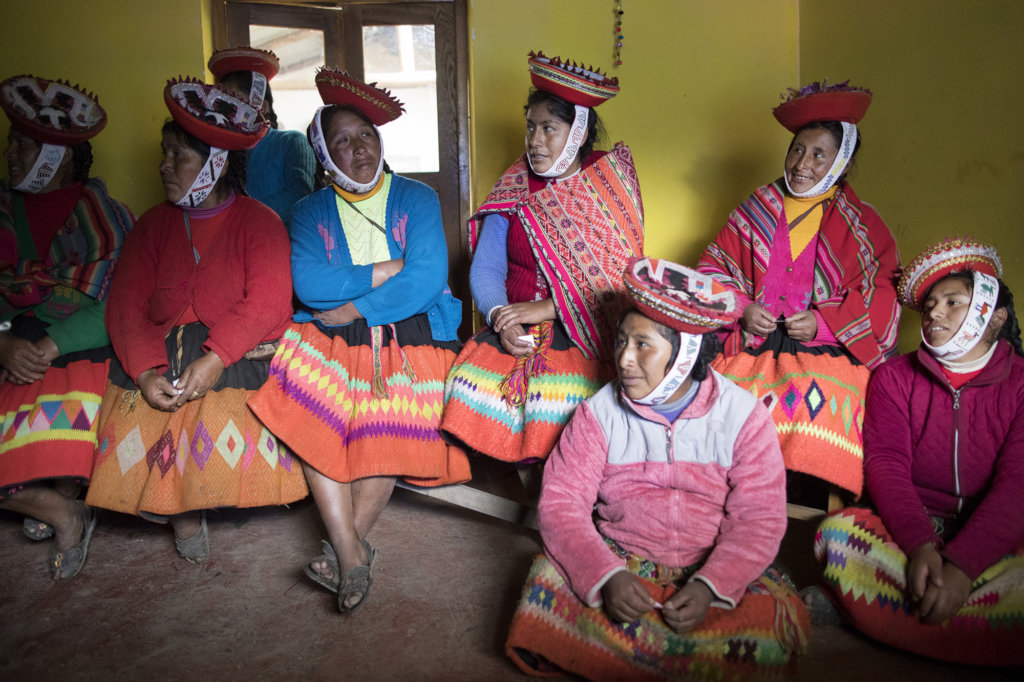
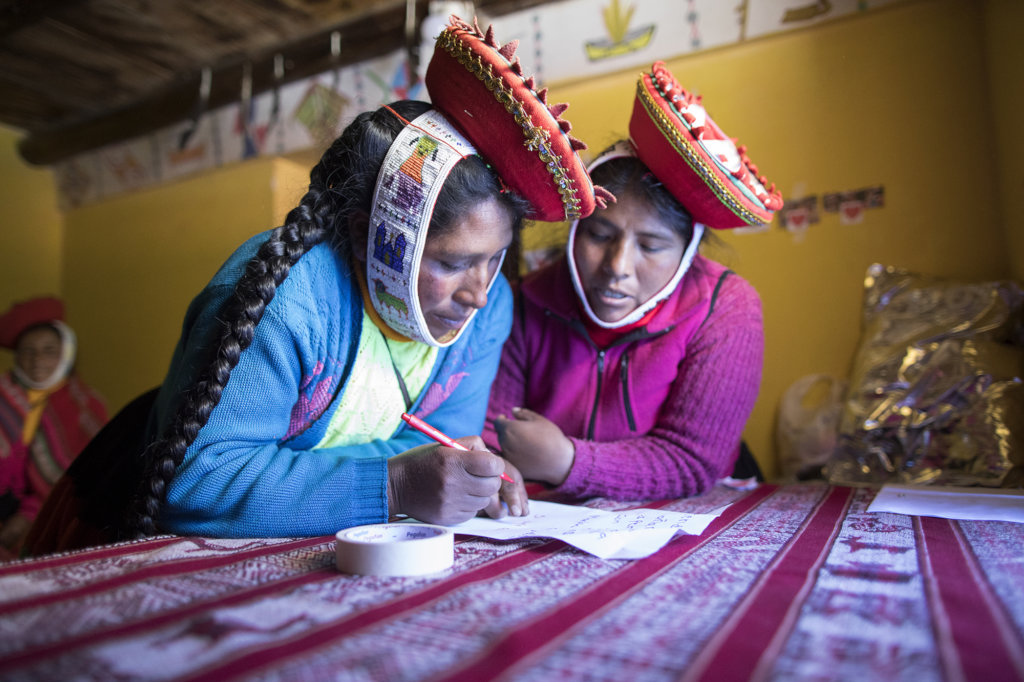
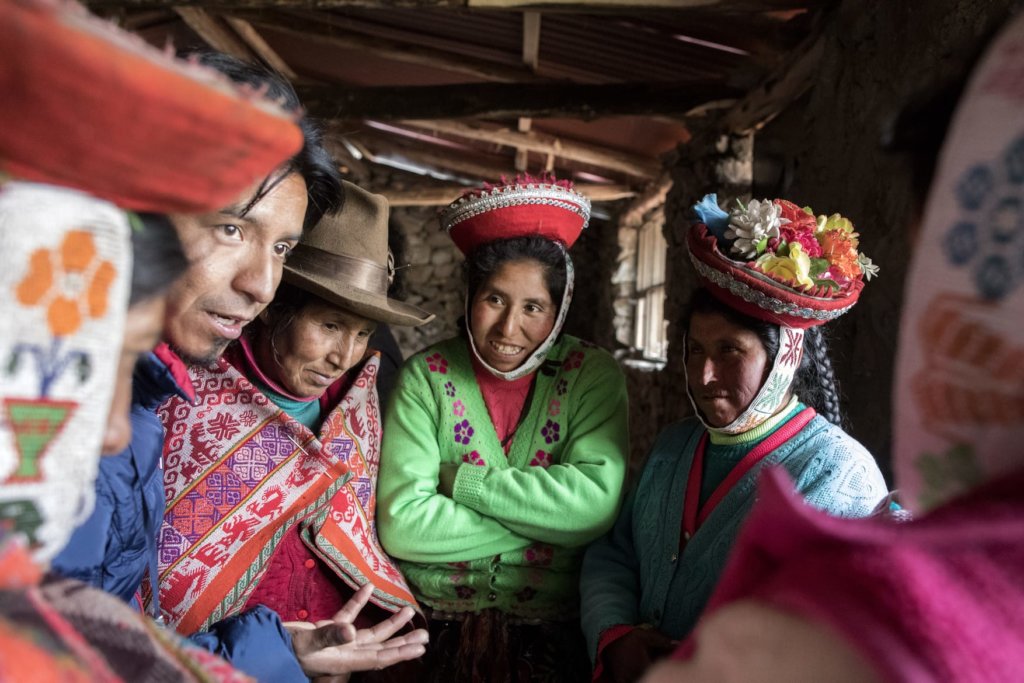
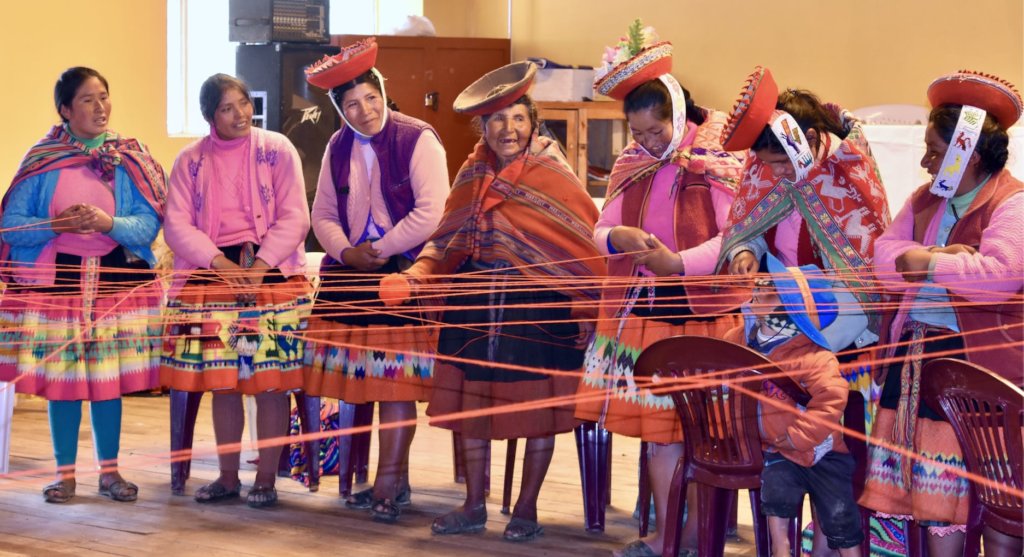
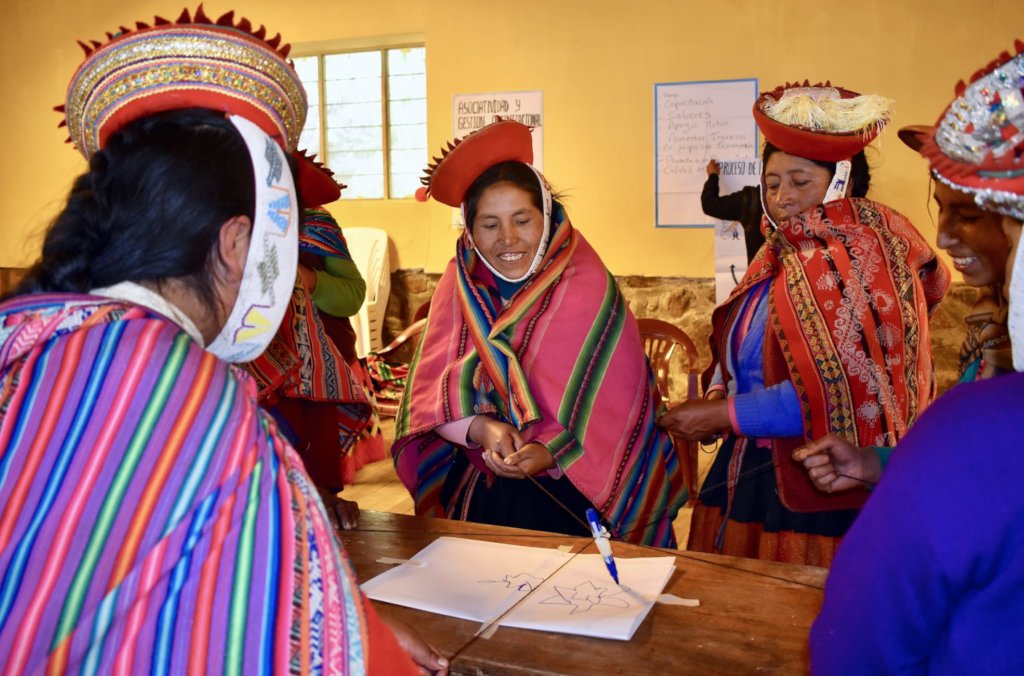
These workshops are led by our Head of Women’s Artisans Cooperatives, Mercedes, both in Quechua and Spanish, to ensure active participation from all of the artisans in the cooperative. So far, we have been able to give our first part workshops with the communities of Rumira, Puente Inca, Patacancha and Huilloc.
“I think it’s important for the women to be informed. They’re not necessarily going to use the internet right away, we’re not aiming for that in the practical sense. Rather, we want to inform them so they know what the internet is,” Mercedes explained. These workshops rely heavily on the interaction and participation within the artisans. We think that the best way to teach about this, is for the women to collaboratively join in activities and learn as if “networking”.
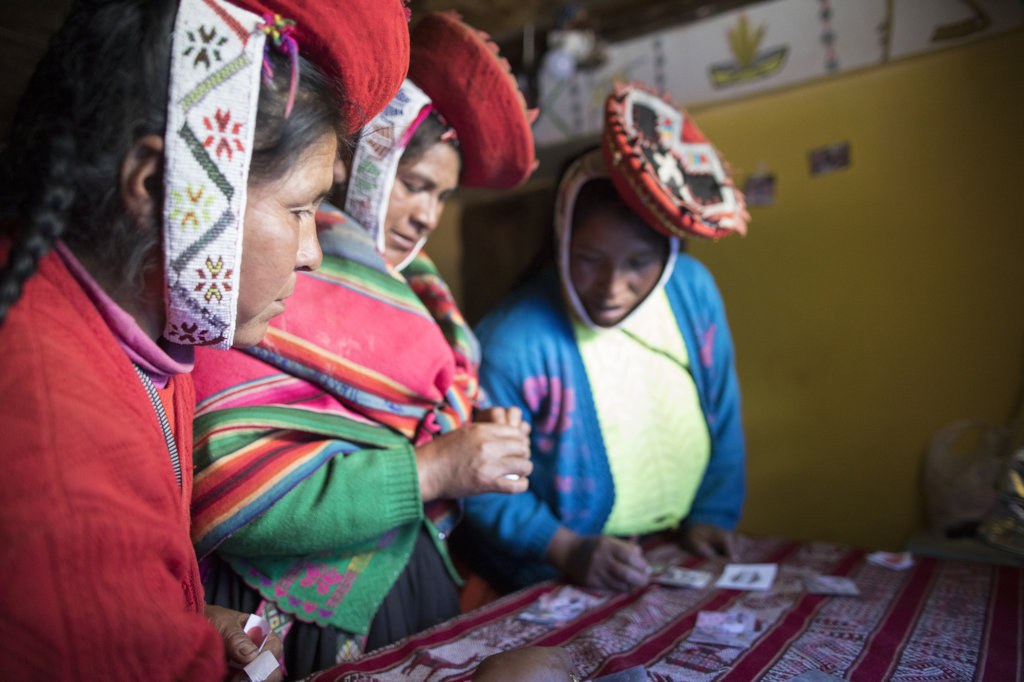
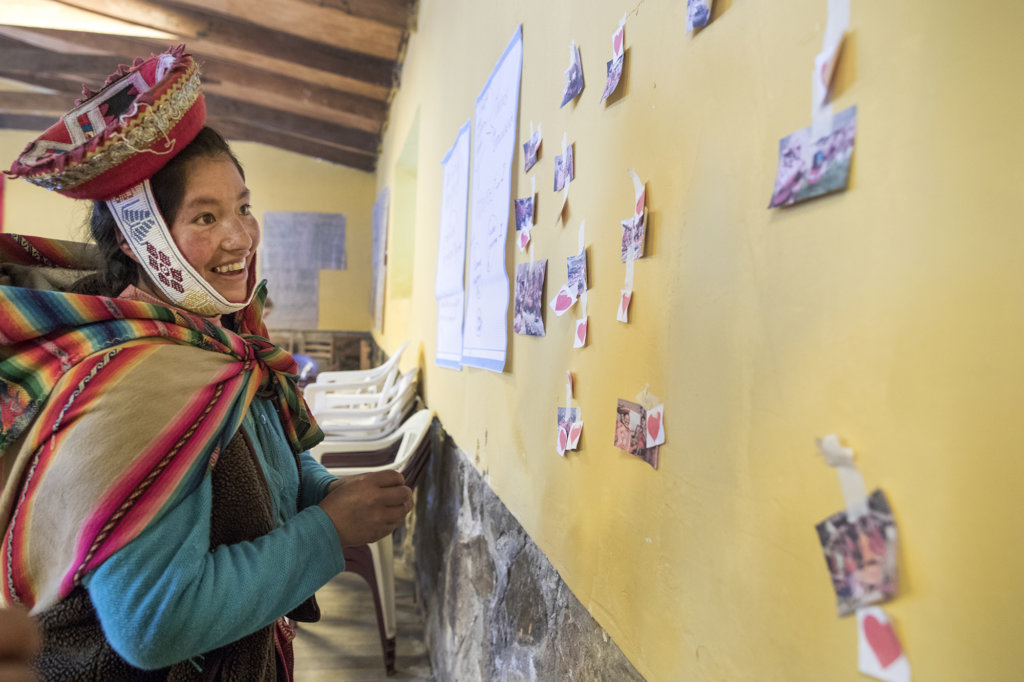
In a simulation of how social media works, the artisans had to assign “likes” (paper hearts) to photos of themselves and their fellow artisans. To demonstrate the idea of emailing, the artisans flew paper airplanes across the room. Laughter filled the room as we showed the artisans how each internet activity worked.
We are excited to be implementing these workshops and getting feedback on what we’re doing from the artisans themselves. Ultimately, we strive for the artisans we work with “to know that they can be advocates for themselves, to know that they have the right to say no,” Brianna concluded.
Links:
By Leighton Katz | Marketing and Communications
By Brianna Griesinger | Marketing and Communications Coordinator
Project reports on GlobalGiving are posted directly to globalgiving.org by Project Leaders as they are completed, generally every 3-4 months. To protect the integrity of these documents, GlobalGiving does not alter them; therefore you may find some language or formatting issues.
If you donate to this project or have donated to this project, you can receive an email when this project posts a report. You can also subscribe for reports without donating.



Support this important cause by creating a personalized fundraising page.
Start a Fundraiser