By Zina Carroll | Marketing and Communications Intern
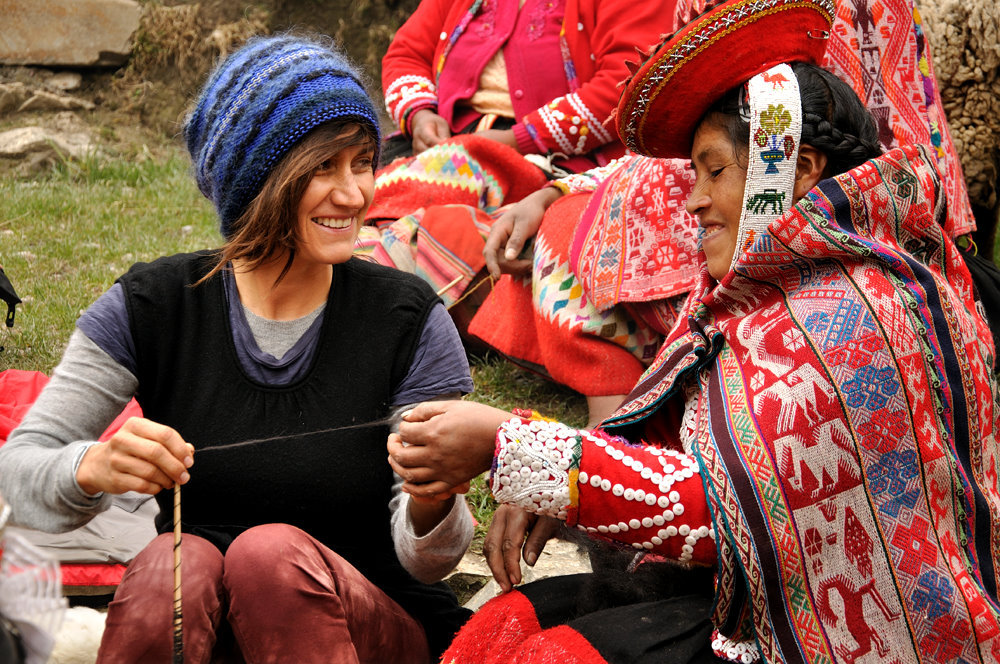
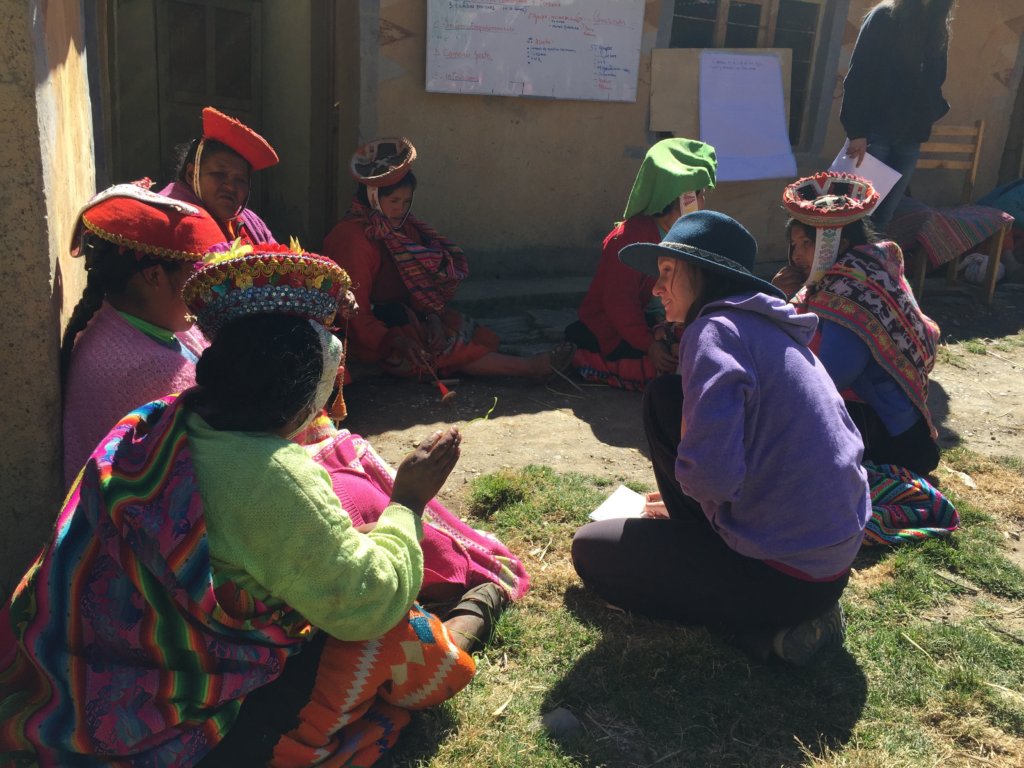
“We are all women, we all can have confidence in one another,” boomed the reassuring voice of Mercedes Durand, Head of the Awamaki Women’s Cooperative Program. Mercedes opened Awamaki’s sixth women’s empowerment workshop with this statement directed at our youngest weaving cooperative of Awac Puña. Even though our capacity-building workshops often focus on business and economic skills, we realized that it was also important to understand how the women personally connected with Awamaki’s mission and higher goals concerning empowerment and fair trade.
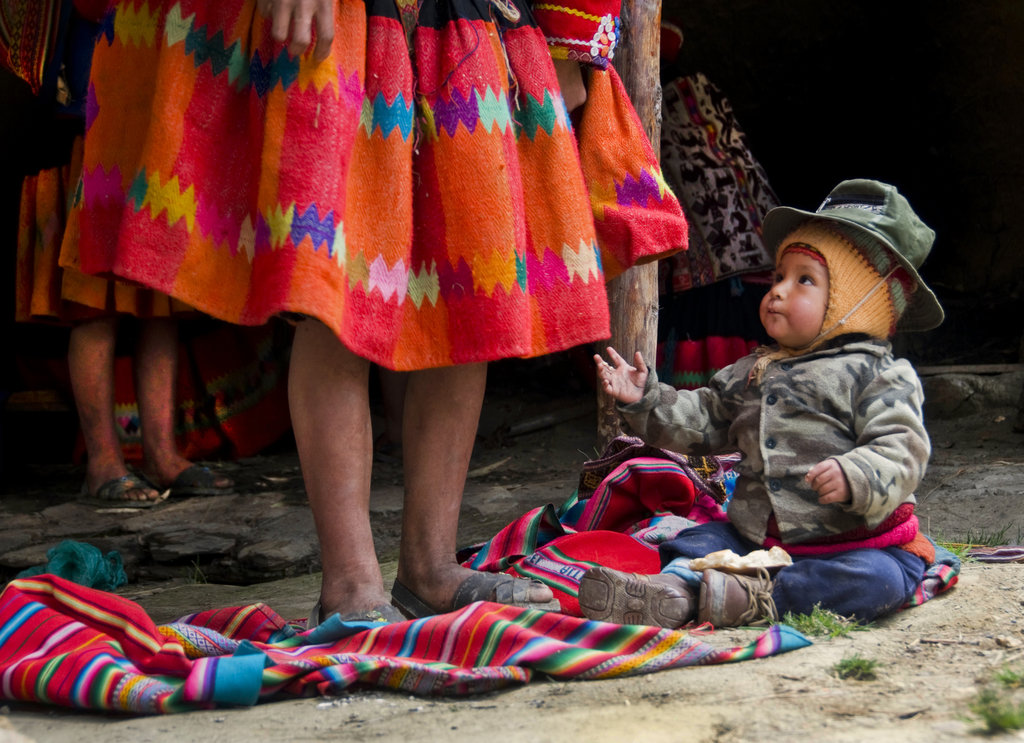
After a name recall ice-breaker exercise to wake everyone up, Monitoring and Evaluations intern, Kate Goldenring started the meeting by asking the women about changes in their lives since working with Awamaki. Octavia Quispe, president of the Awac Puña cooperative, stepped up to say, “Before [working with Awamaki] there wasn’t training or tourism.” Other artisans continued by speaking about improvements in infrastructure, such as straw roofs, lighting, bathrooms, and telephones. Many women were also proud to be able to better support their children financially, such as by paying for school fees and supplies or purchasing more fruits and vegetables for their children's meals.
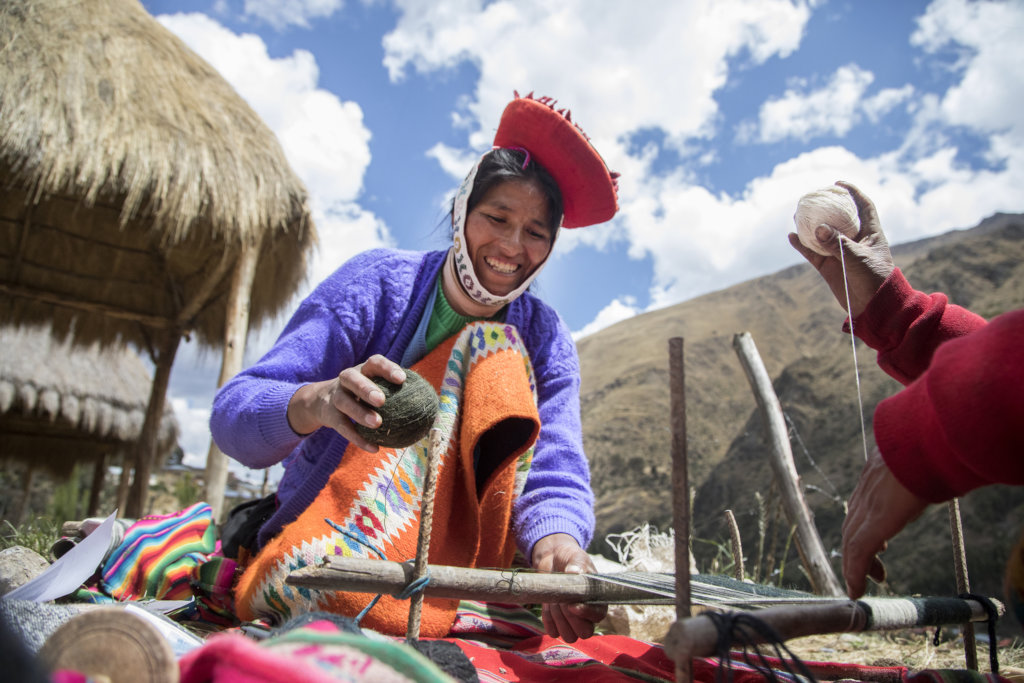
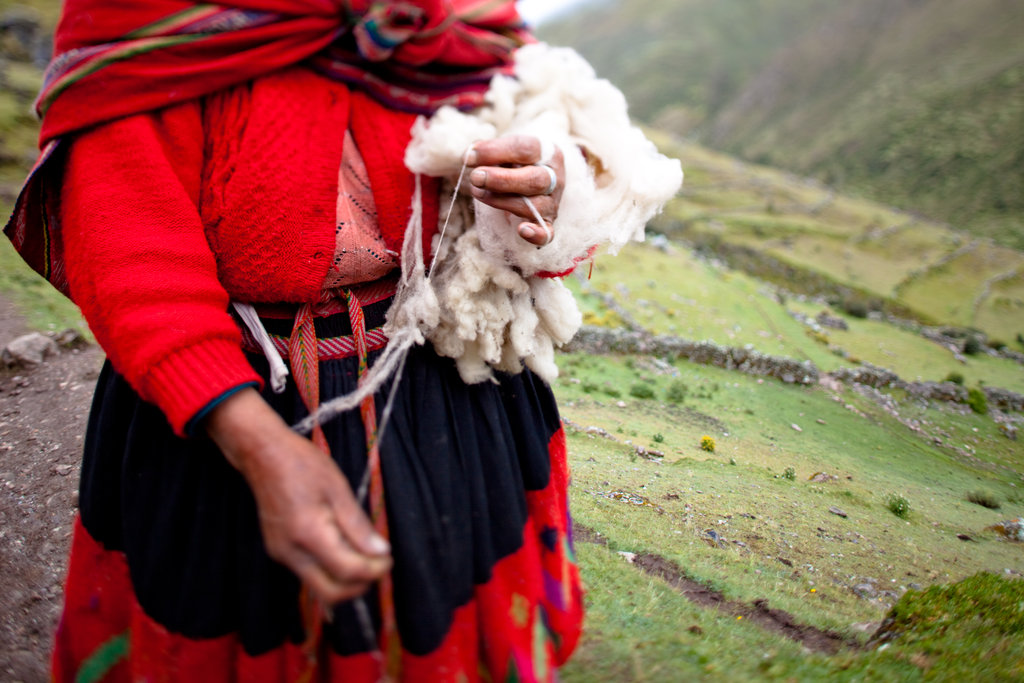
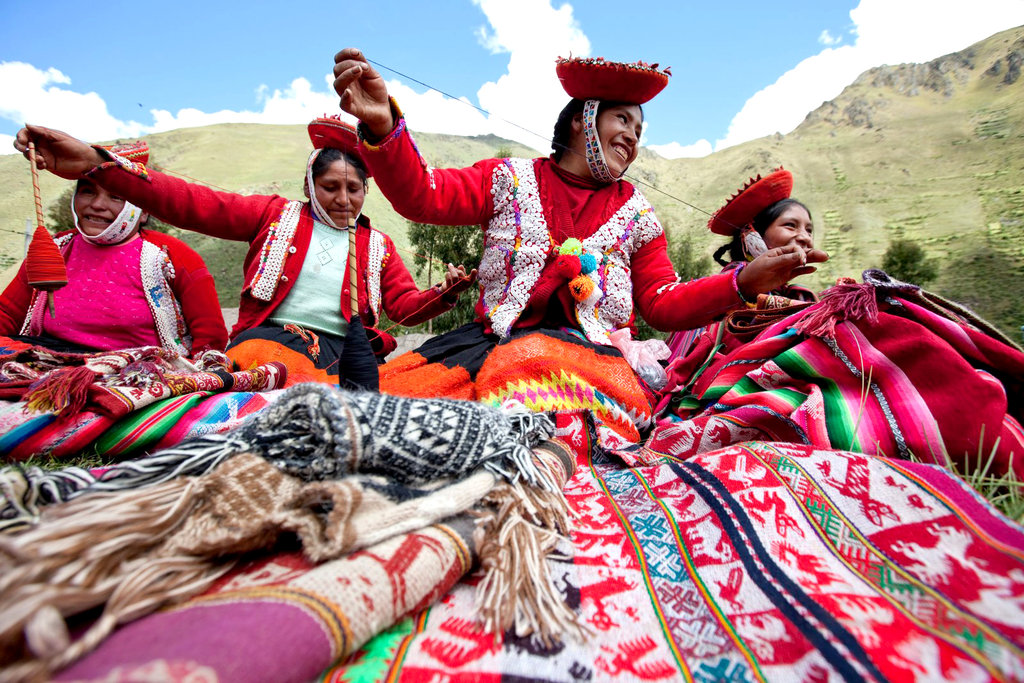
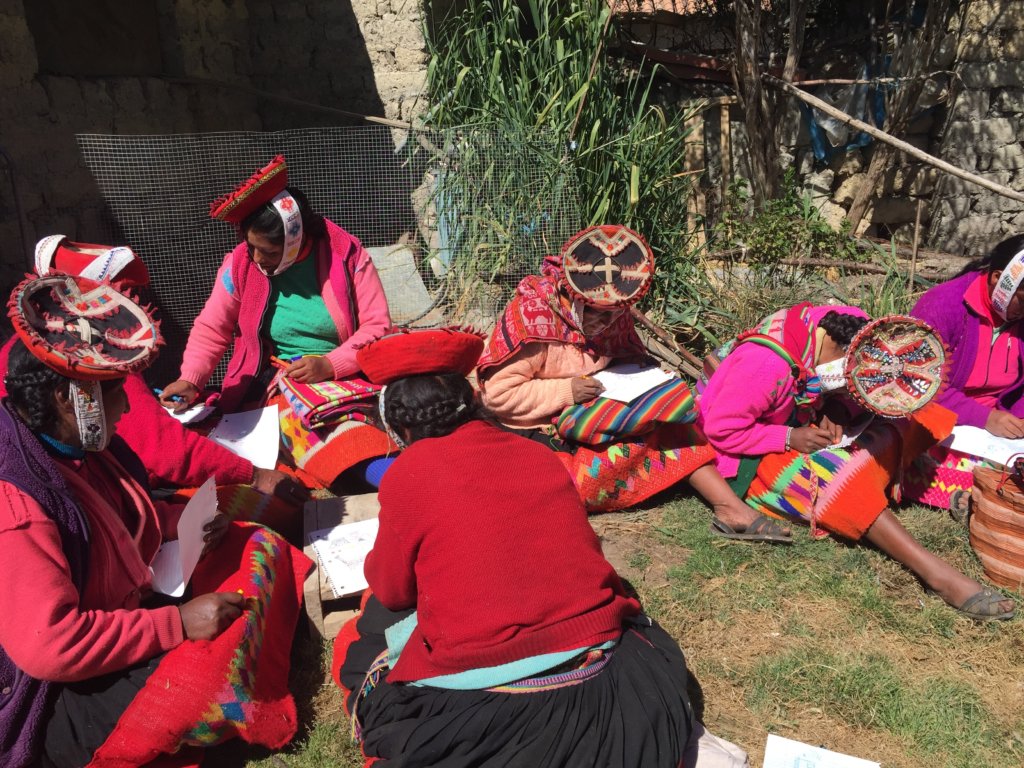
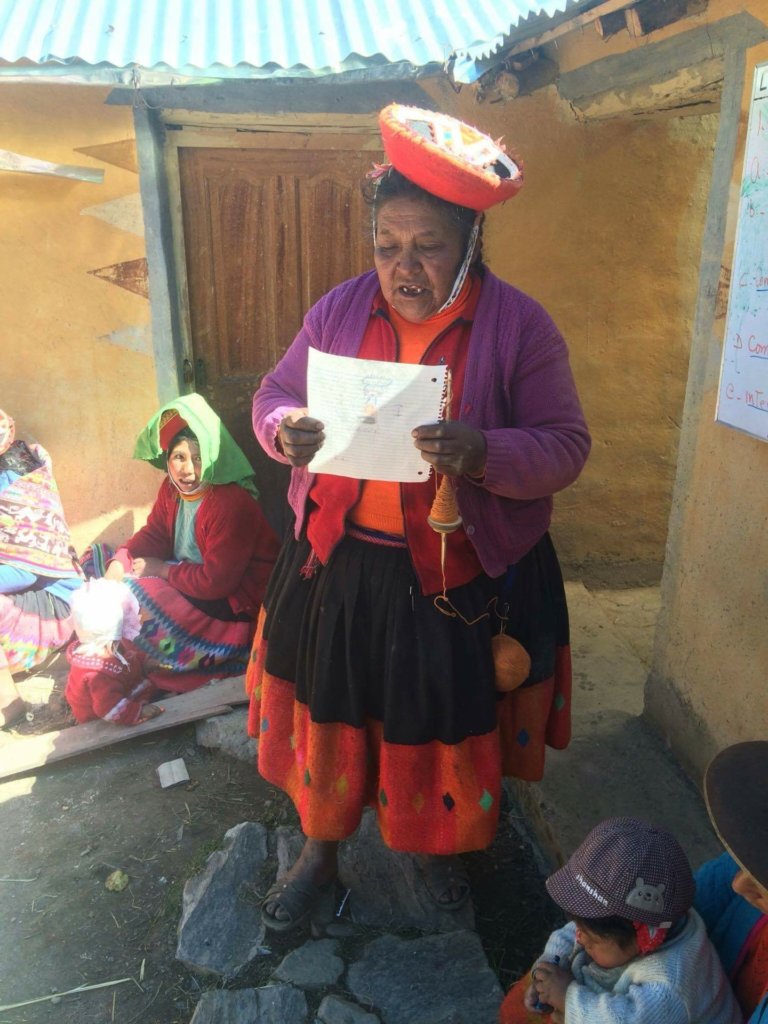
Awamaki workshop facilitators took a break from the discussion to lead the women in some creative and problem-solving exercises. Members of the cooperative were asked to draw pictures of when they felt empowered and when they felt powerless. Many women drew pictures of themselves spinning, weaving, or spending time with their families and animals as examples of when they felt empowered. Next, Asunta Quispe Yupanqui bravely shared a time when she felt powerless, saying that “I only went to school for one year, so I could not go anywhere without feeling intimidated.” She explained that this feeling changed when she stated receiving trainings from Awamaki because now she better understands how to sell her products and in turn can earn her own income.
Some of the women also had the opportunity to participate in a role-playing exercise dealing with marital economic decision-making. Asunta and another cooperative member, Nicolasa, volunteered to assume the roles of husband and wife. Despite some giggling at the onset, husband and wife Asunta and Nicolasa decided to use their fake money to first take their baby to the hospital and then use the remaining money to repair their roof. Even though Nicolasa was the wife in the simulation, she had a greater say in how the money would be used because she contributed some of her weaving income. Her additional income also meant that some money was left over to repair their roof.
When asked to reflect on her experience in real life, Nicolasa beamed and said “I now have the liberty to spend my money.” Asunta continued by explaining that the women and their husbands share their money and make decisions about expenses together because the women are contributing, whereas before the women always needed to ask their husbands for money. “We no longer have to look in our husbands pockets” summarized the group.
Through our empowerment workshops with Awac Puña and the other cooperatives, Awamaki strives to have the women reflect on how their lives are impacted through their relationship with Awamaki. We want to go beyond basic economic and business skills – we want our weavers, knitters, and spinners to understand that their work and their decisions are powerful and important. Thank you for your continued support of our capacity-building workshops and dedication to our cooperative members.
Project reports on GlobalGiving are posted directly to globalgiving.org by Project Leaders as they are completed, generally every 3-4 months. To protect the integrity of these documents, GlobalGiving does not alter them; therefore you may find some language or formatting issues.
If you donate to this project or have donated to this project, you can receive an email when this project posts a report. You can also subscribe for reports without donating.



Support this important cause by creating a personalized fundraising page.
Start a Fundraiser