By Katie Haynes | Perth Regional Coordinator - CVA
Dear friends in Cockatoo conservation,
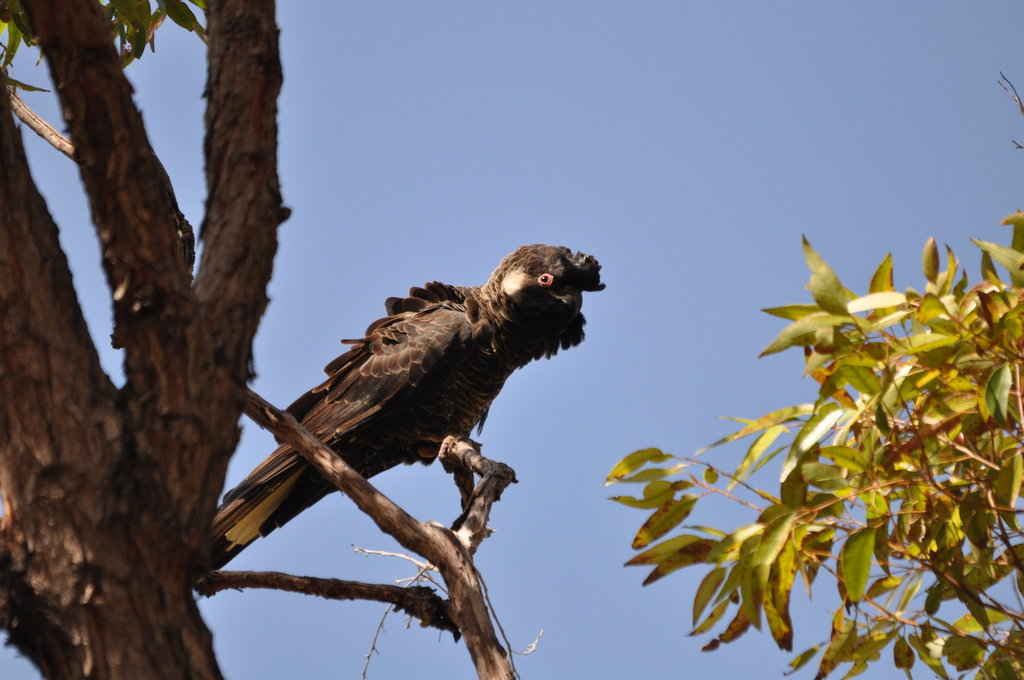
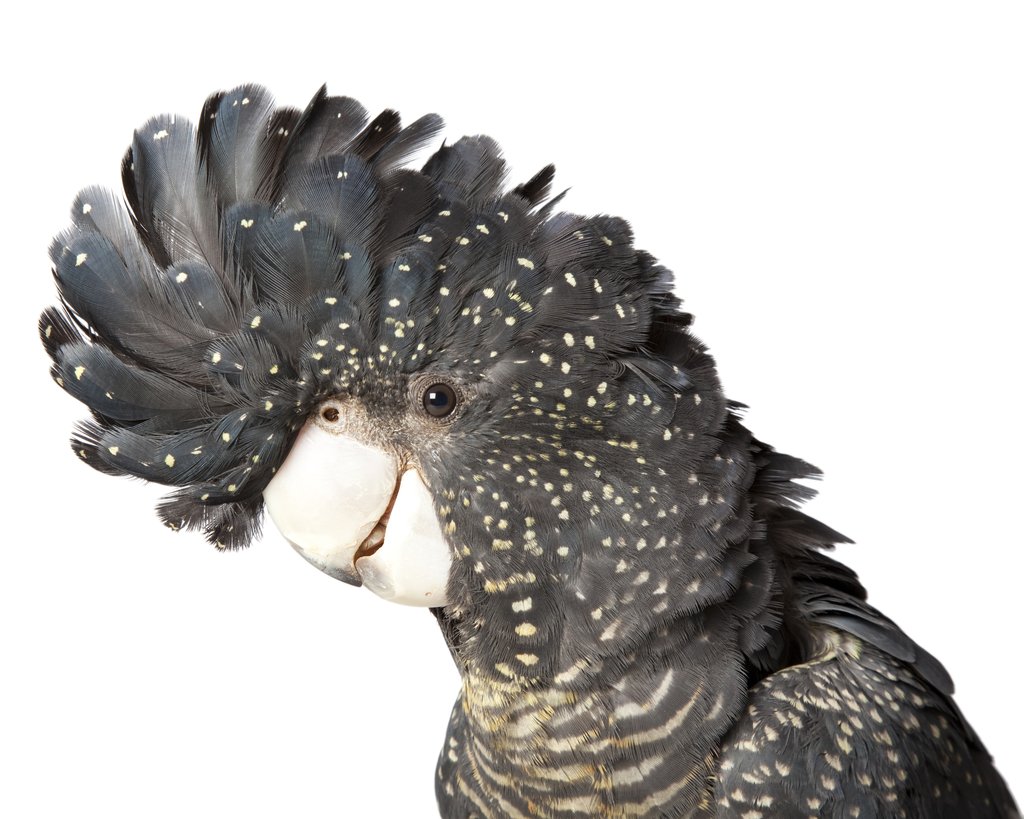
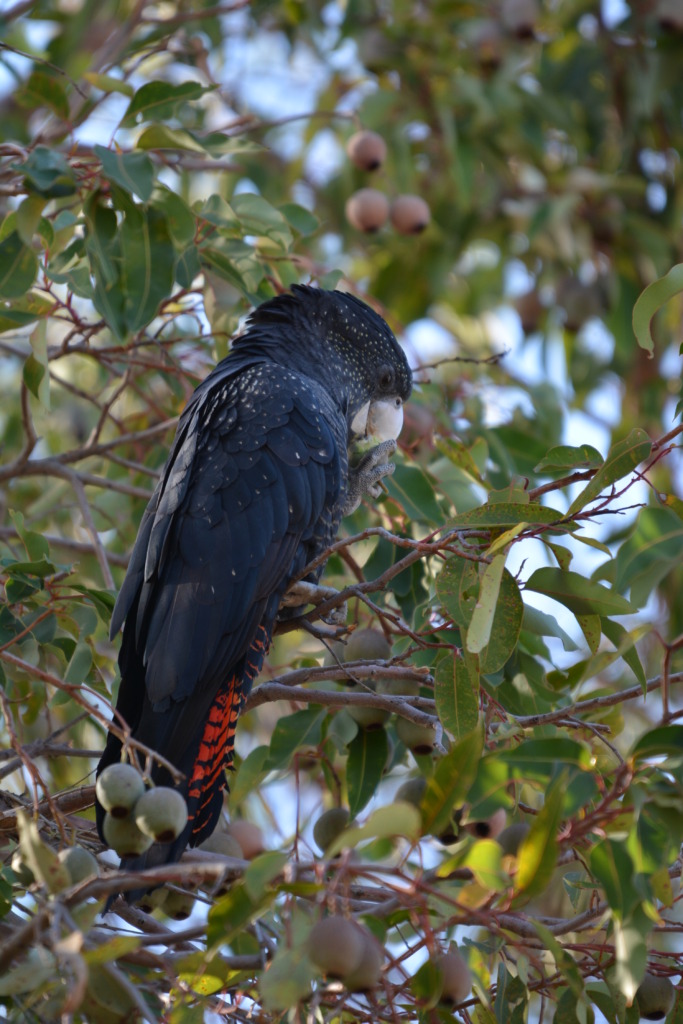
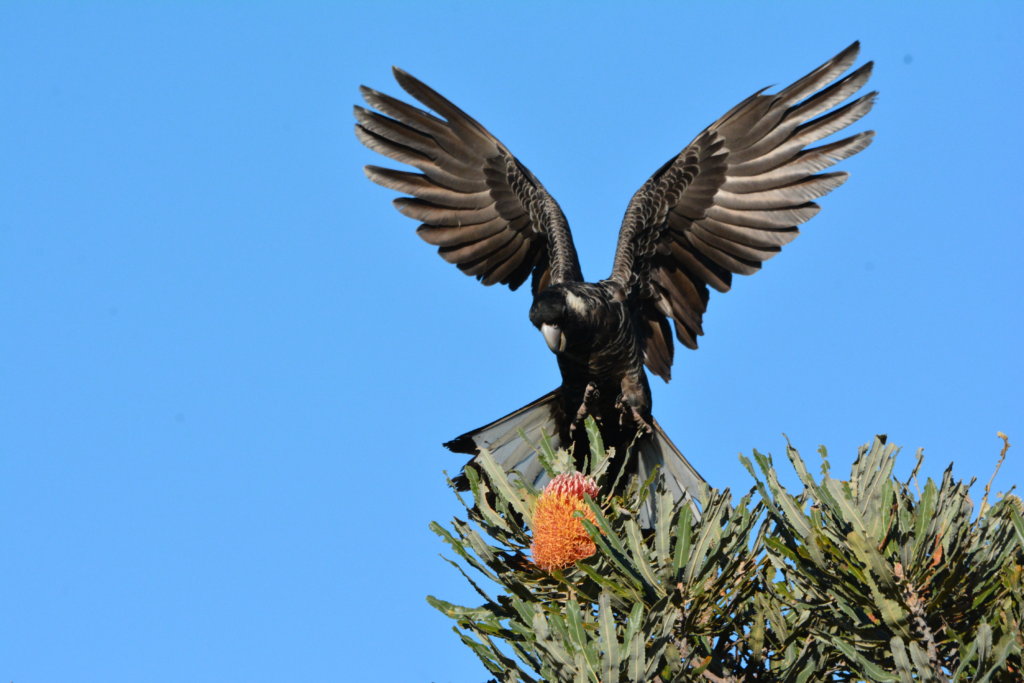
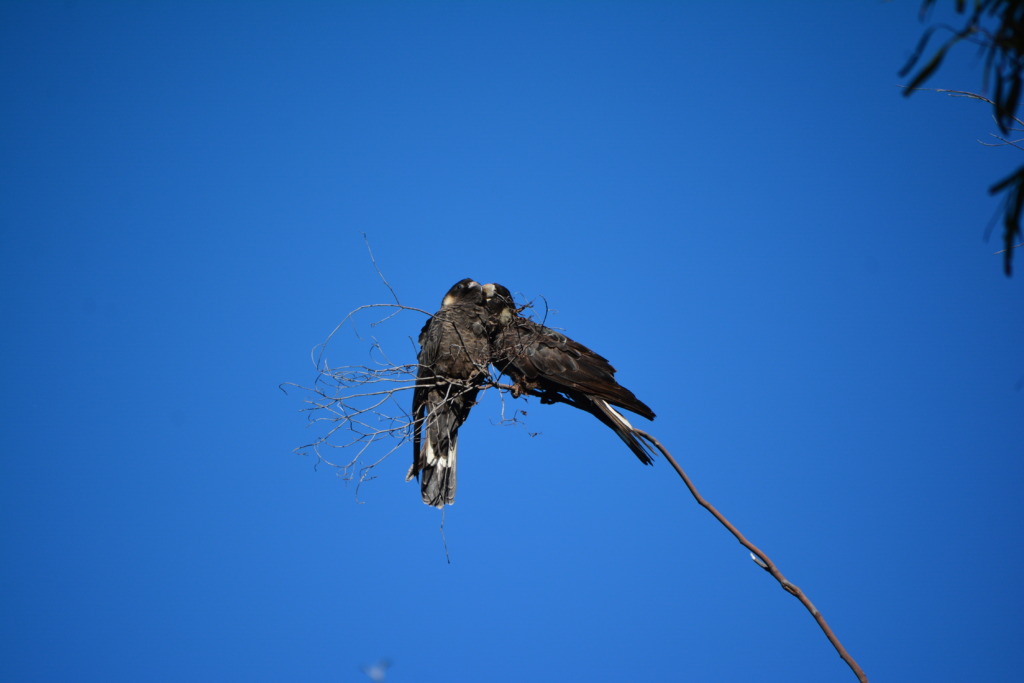
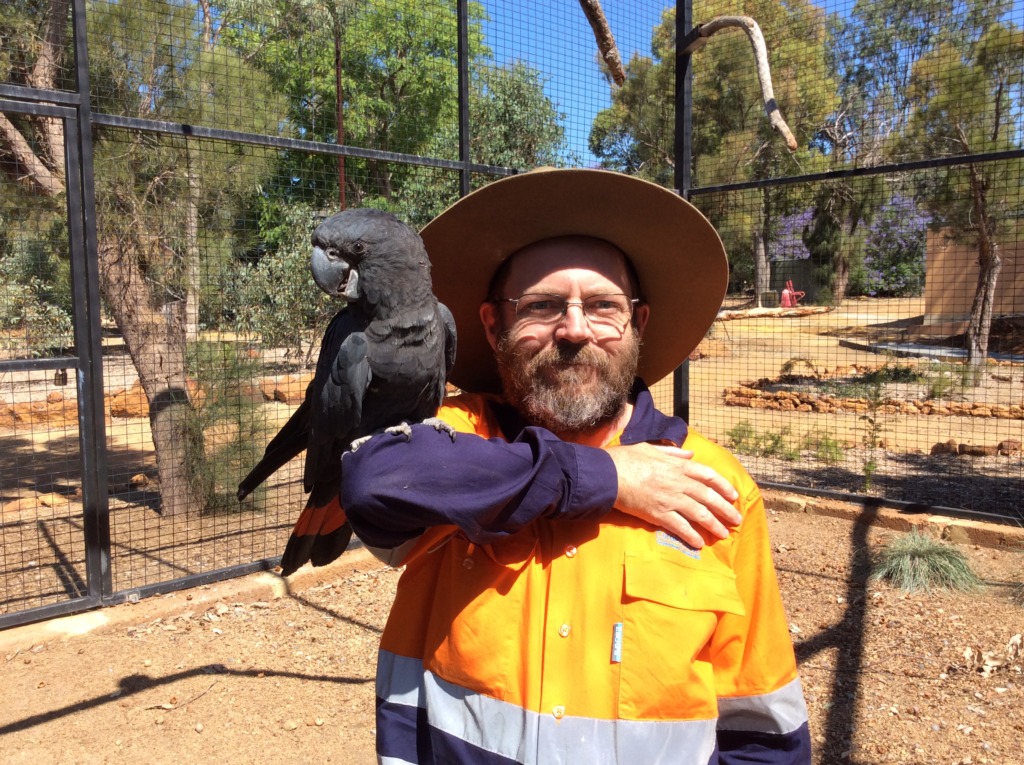
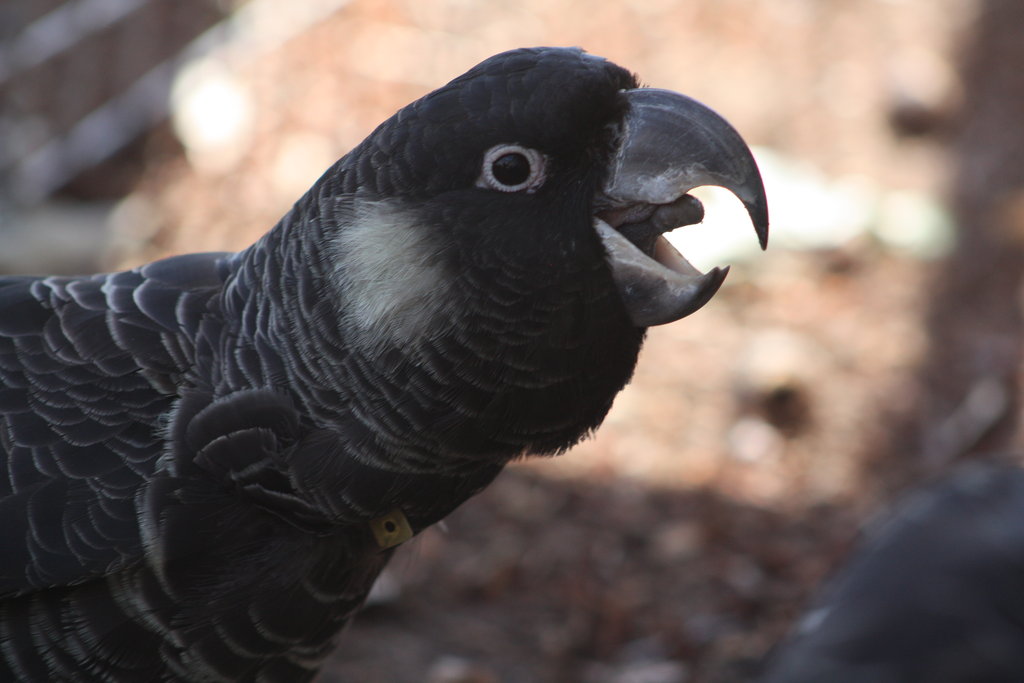
The Carnaby’s Black-Cockatoo (Calyptorhynchus latirostris) is endemic to South-West of Western Australia. The Carnaby’s populations have declined by over 50% in the past 45 years, and as a result they are now listed as an Endangered Species. The Carnaby's is a highly mobile species. They need to move sequentially through the landscape, utilising different habitat types at different times of the year. The decline in numbers of the Carnaby's Black-Cockatoo is due primarily to the loss and fragmentation of habitat, upon which the rely to survive.
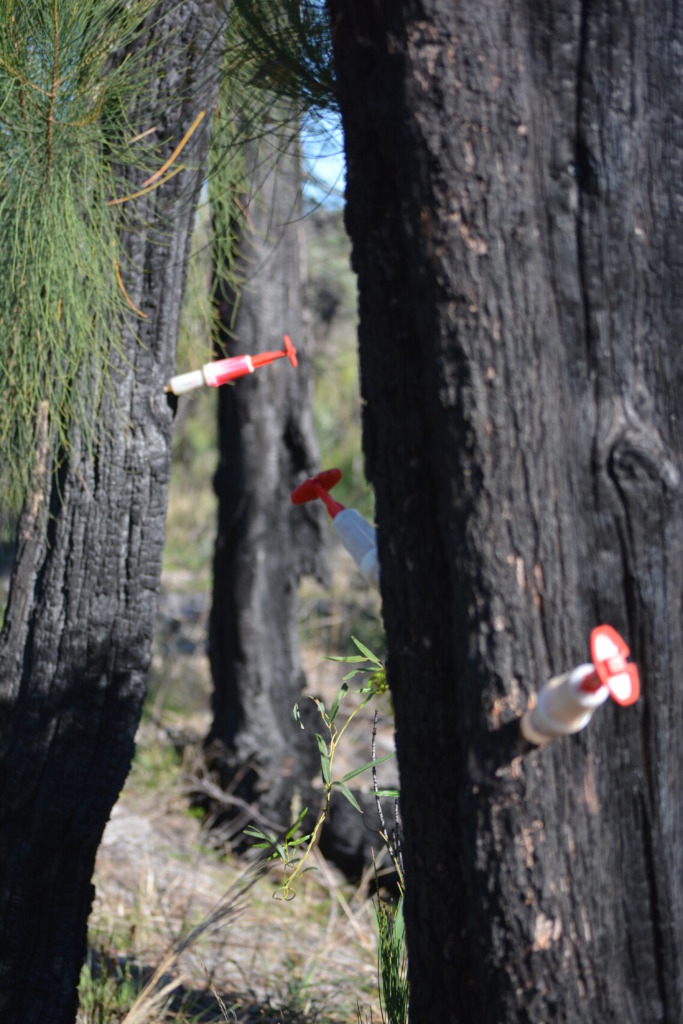
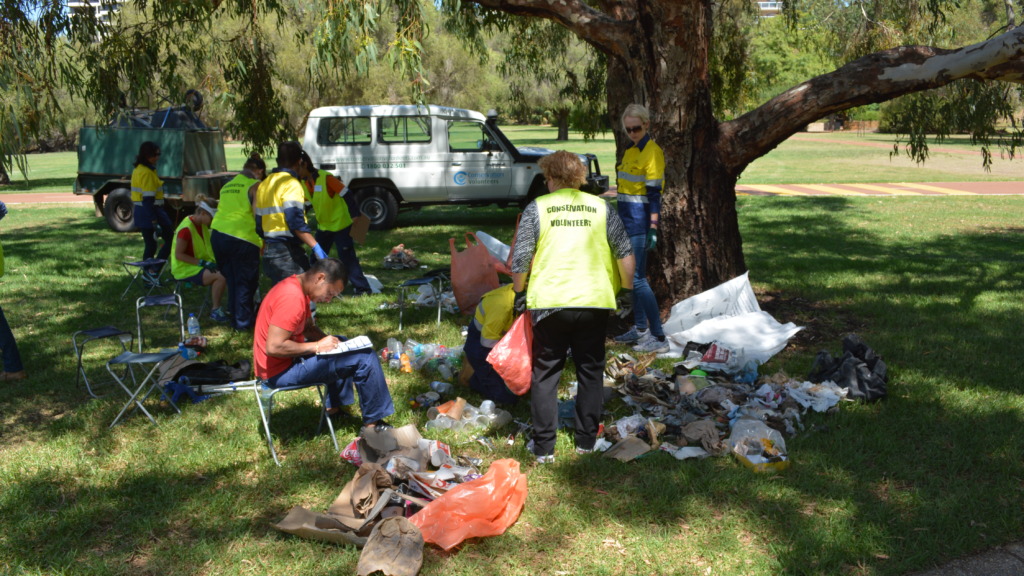
Over the last three months volunteers from Perth’s Conservation Volunteers Australia (CVA) office were able to participate in dieback injecting, due to a donation from Alcoa’s Kwinana refinery. The City of Kwinana is dedicated to conserving remnant vegetation and ecological corridors as habitat for the Carnaby's. Ecological corridors are areas of local native vegetation linking local biodiversity areas, such as remnant bushland and other natural areas. These ecological linkages provide important feeding and roosting sites for the Carnaby’s Black Cockatoo.
The city has several bushland spots that are susceptible to the effects of Dieback. Phytophthora dieback is caused by the plant pathogen, Phytophthora cinnamomi, which kills susceptible plants, such as banksia, jarrah and grass trees, by attacking their root systems. Dieback is a symptom of a Phytophthora infection, and affects more than 40% of the native plant species, and 50% of the endangered species in the south-west of Western Australia. The plants die because they cannot take up the water and nutrients they need to flourish.
Dedicated volunteers spent time in three bushland reserves within the City injecting susceptible trees with phosphite. Working from GPS locations that the City provided, the team worked in areas with heavily dieback infested trees, trying to strengthen trees that have not yet been infected by the disease.
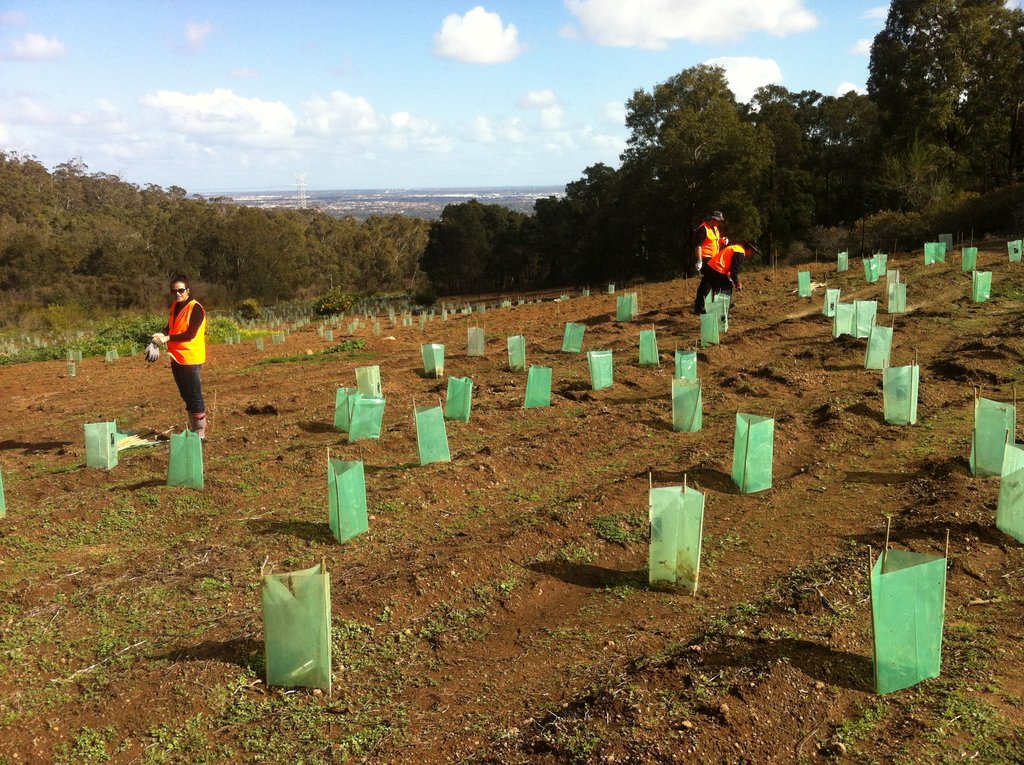
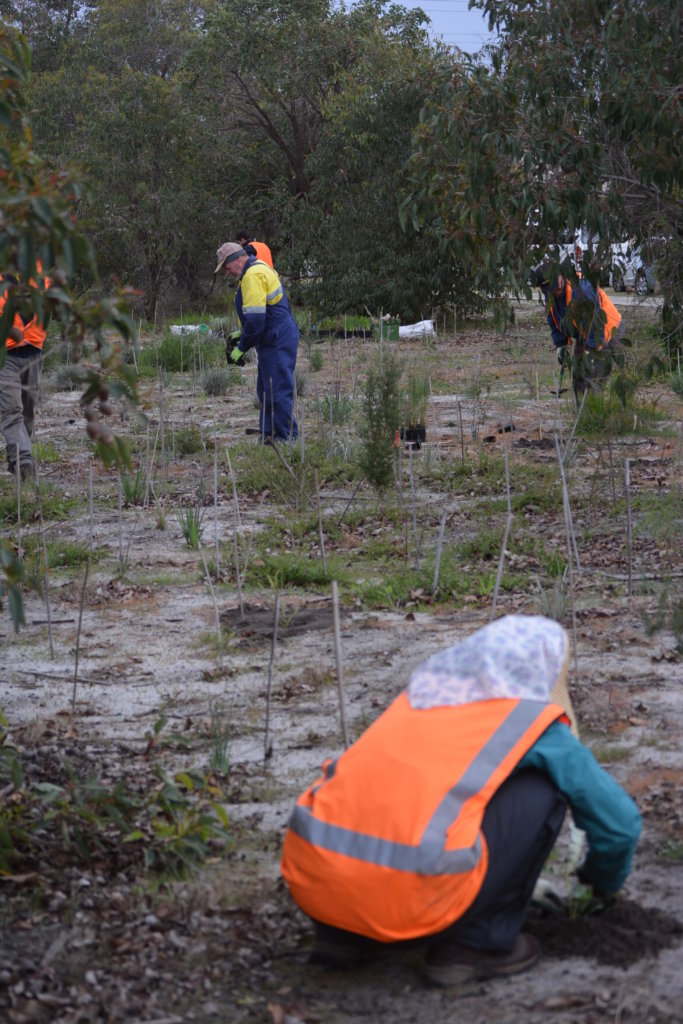
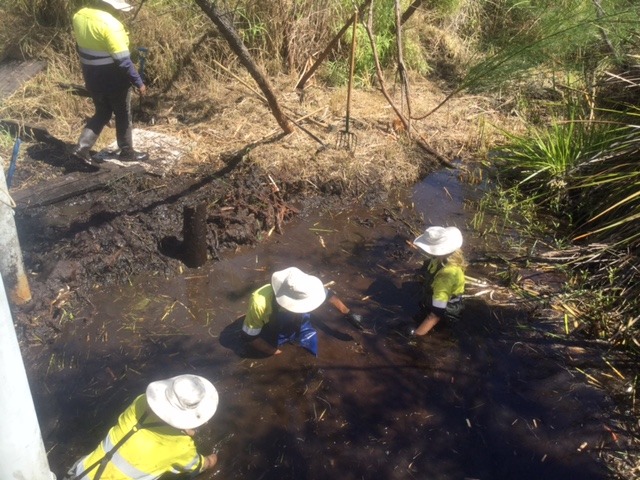
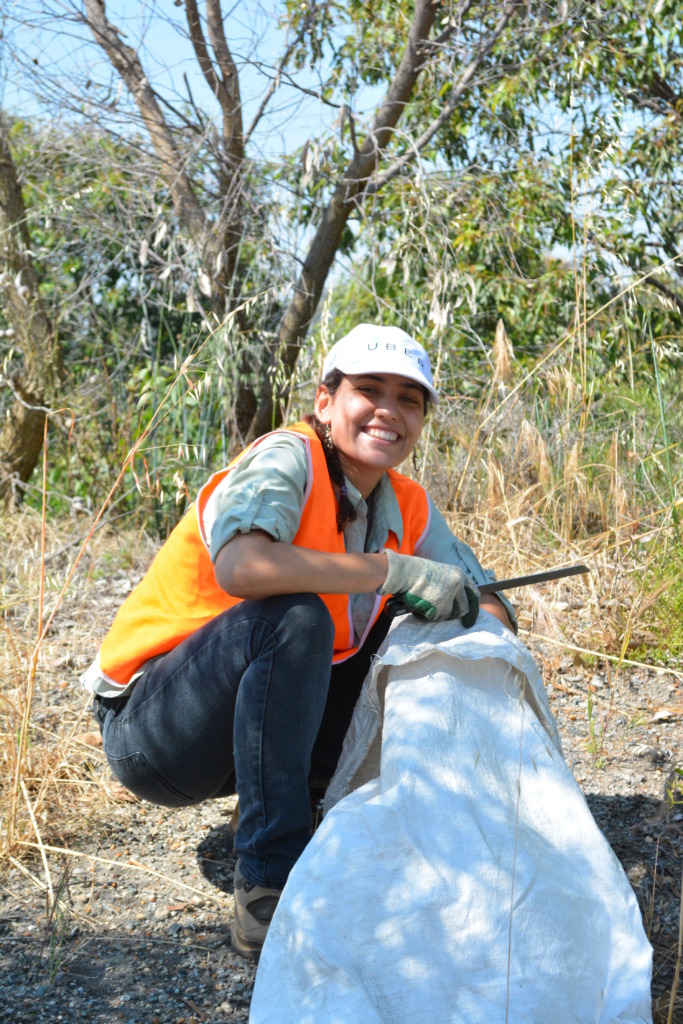
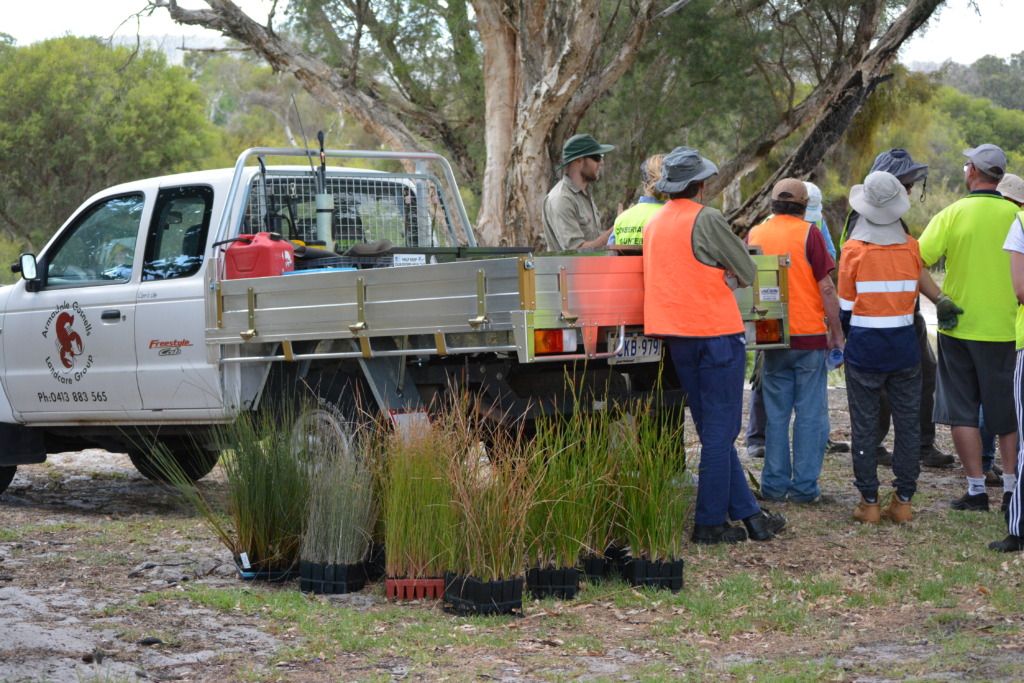
From April to June, volunteers also spent time preparing sites for this winter’s planting season. Due to Perth’s temperate climate, natural resource management groups only have a small window of opportunity to plant trees in the ground. Preparing sites in advance of the first winter rains, allows planting efforts to be maximised during this optimum period. Some groups of volunteers even had the opportunity to help with some early planting at some of our riverine sites with the South East Regional Centre for Urban Landcare (SERCUL).
CVA would like to thank our GlobalGiving supporters and volunteers. Without your support, CVA wouldn’t be able to make a difference to this important cause. If you are able to donate again we would really appreciate it – every donation will help us to continue achieving these great conservation results and give these beautiful cockatoos a better chance at coming back from the brink of extinction. Why not take advantage of the special GlobalGiving Bonus Day on June 15 - where an amazing 50% of your kind donation (up to $1,000) being matched. So please consider our Cockatoo’s this winter and donate on June 15. Please put a reminder in your phone or calendar today and share this story with your friends and work mates!
Links:
By Katie Haynes | Perth Regional Coordinator - CVA
By Katie Haynes | Regional Coordinator
Project reports on GlobalGiving are posted directly to globalgiving.org by Project Leaders as they are completed, generally every 3-4 months. To protect the integrity of these documents, GlobalGiving does not alter them; therefore you may find some language or formatting issues.
If you donate to this project or have donated to this project, you can receive an email when this project posts a report. You can also subscribe for reports without donating.