Project Report
| Jun 11, 2026
Clean Water Access for Rural communities in Tororo
By Henry Okumu | Project Leader
Advancing Health Through Clean Water
Access to clean water is closely linked to better health outcomes, and we are pleased to report encouraging progress in this area. During the reporting period, community members and local health workers reported noticeable improvements in sanitation and hygiene practices.
Health education activities reached hundreds of households through community meetings, home visits, and public awareness campaigns. Topics included water treatment, safe storage, handwashing, and disease prevention.
Families have become more aware of the risks associated with contaminated water and are taking proactive steps to protect their health. Many households now use covered containers for water storage and have established designated handwashing stations.
Local health workers have observed a reduction in cases of common waterborne illnesses compared to previous periods. While continued monitoring is necessary, these early signs suggest that improved water access and hygiene education are having a positive impact.
The project also strengthened collaboration with health facilities, schools, and community leaders to reinforce key health messages and encourage behavior change.
We are grateful for the support that enables us to address both the infrastructure and educational components necessary for lasting health improvements.
![Share on Twitter]()
![Share on Facebook]()
Jun 12, 2026
Clean Water Access for Rural communities in Tororo
By Henry Okumu | Project Leader
Water Access During the Dry Season
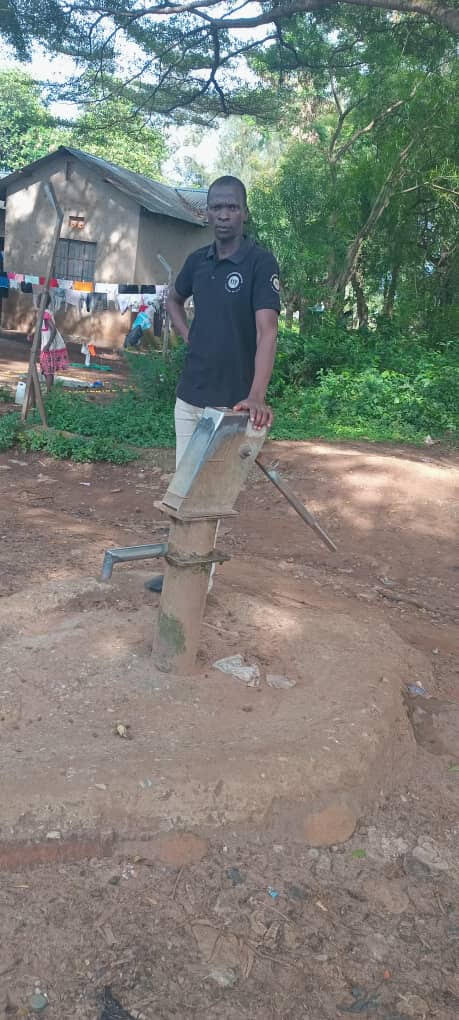
The recent dry season has highlighted the importance of reliable water infrastructure in rural communities. While many traditional water sources became scarce or completely dried up, communities supported by this project continued to access clean and safe water through improved facilities.
Families reported that the availability of reliable water sources reduced stress and uncertainty during a particularly challenging period. Instead of traveling long distances in search of water, residents were able to meet their daily household needs closer to home.
The project team monitored water point performance throughout the dry season and found that most facilities remained functional and capable of meeting community demand. Preventive maintenance measures implemented earlier in the year contributed significantly to this success.
Water User Committees played an important role by monitoring usage patterns, encouraging responsible consumption, and reporting any technical issues promptly. Their leadership helped ensure equitable access for all community members.
The resilience demonstrated by these water systems during difficult environmental conditions reinforces the value of investing in sustainable infrastructure. Reliable water access is not only a convenience—it is a critical lifeline that supports health, education, agriculture, and economic stability.
We remain committed to expanding these benefits to additional communities and thank our donors for making this work possible.
![Share on Twitter]()
![Share on Facebook]()
Jun 11, 2026
Clean Water Access for Rural communities in Tororo
By Henry Okumu | Project Leader
Community Ownership Strengthens Sustainability
One of the key priorities of our water solutions project is ensuring long-term sustainability through strong community ownership. During this reporting period, we invested significant effort in strengthening local leadership structures responsible for managing water facilities.
Water User Committees were established or strengthened in several project communities. Committee members received training in governance, financial management, record keeping, conflict resolution, and preventive maintenance.
The training emphasized the importance of collective responsibility and accountability. Committee members developed action plans outlining maintenance schedules, reporting mechanisms, and strategies for mobilizing local resources when repairs are needed.
Community meetings provided opportunities for residents to discuss water management challenges and contribute ideas for improving service delivery. These discussions have increased transparency and strengthened trust between committee members and community residents.
Many communities have already begun implementing maintenance funds through small household contributions. These locally managed funds will support future repairs and reduce dependency on external assistance.
The growing commitment demonstrated by community members is encouraging and essential for project success. We believe sustainable water access is best achieved when communities have the skills, knowledge, and confidence to manage their own resources.
Thank you for helping us empower communities to take ownership of their development and secure reliable access to clean water for years to come.
![Share on Twitter]()
![Share on Facebook]()