Project Report
| Jun 11, 2026
Clean Water Access for Rural communities in Tororo
By Henry Okumu | Project Leader
Looking Ahead to the Next Phase
As we conclude another successful reporting period, we are preparing for the next phase of our water solutions initiative. The progress achieved so far has laid a strong foundation for expanding access to clean water and improving community health outcomes.
Current activities include identifying additional communities with urgent water needs and conducting technical assessments for future infrastructure development. We are also strengthening partnerships with local authorities and community organizations to ensure sustainability and long-term success.
Monitoring data collected over recent months shows encouraging results. Households are using improved water sources regularly, hygiene awareness is increasing, and community participation remains strong. Reports of water-related illnesses have begun to decline in several target areas.
The next phase will focus on constructing additional boreholes, expanding hygiene education programs, and strengthening maintenance systems. Training opportunities for Water User Committees will continue to ensure that communities have the knowledge and resources needed to manage water facilities effectively.
We also plan to introduce environmental conservation activities that protect groundwater resources and promote sustainable water use. These efforts will help safeguard water supplies for future generations.
None of this progress would be possible without the generosity of our donors and supporters. Your investment is creating lasting change by improving health, supporting education, empowering women, and providing communities with one of life's most essential resources: clean water. Thank you for being part of this journey
![Share on Twitter]()
![Share on Facebook]()
Jun 11, 2026
Clean Water Access for Rural communities in Tororo
By Henry Okumu | Project Leader
Women's Empowerment Through Water Access
One of the most significant outcomes of this project has been the positive impact on women and girls. In many rural communities, women bear primary responsibility for collecting water, often spending several hours each day traveling long distances to unsafe water sources.
Through the installation of community water systems, this burden is being reduced dramatically. Women now have improved access to safe water within their villages, allowing them to spend more time on productive activities, family care, and small business development.
During community discussions, women shared stories about how easier access to water has improved their daily lives. Many reported having more time for farming, market activities, and participation in community groups. Mothers also noted improvements in family health due to the availability of cleaner water.
Girls are among the greatest beneficiaries. Reduced water collection responsibilities have increased school attendance and provided more opportunities for learning and personal development. Teachers have observed improvements in punctuality and classroom participation among students.
The project has actively encouraged women's participation in leadership structures. Women now hold positions within Water User Committees and contribute to decision-making processes regarding water management and maintenance.
These changes extend beyond water access alone. They represent progress toward greater gender equality, improved educational opportunities, and stronger community development. We appreciate the support that continues to make these life-changing outcomes possible.
![Share on Twitter]()
![Share on Facebook]()
Jun 11, 2026
Clean Water Access for Rural communiti in Tororo D
By Henry Okumu | Project Leader
Improved Access to Safe Water
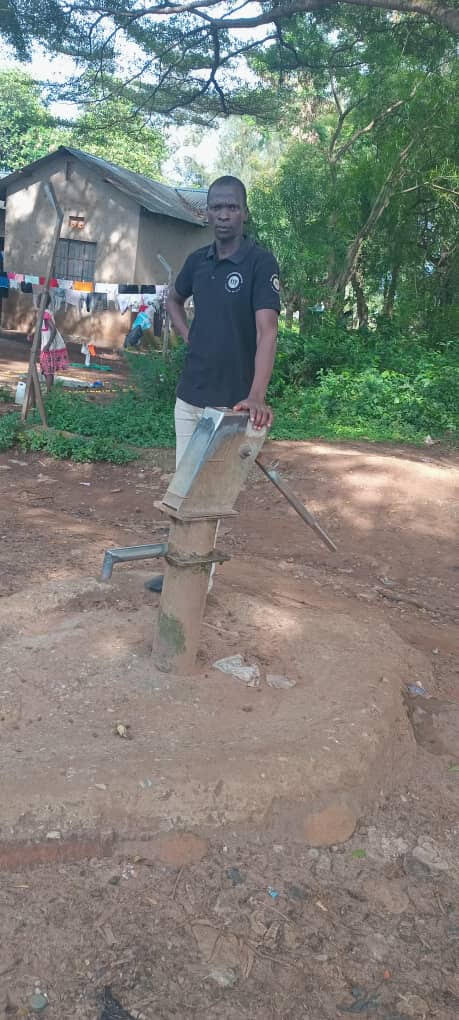
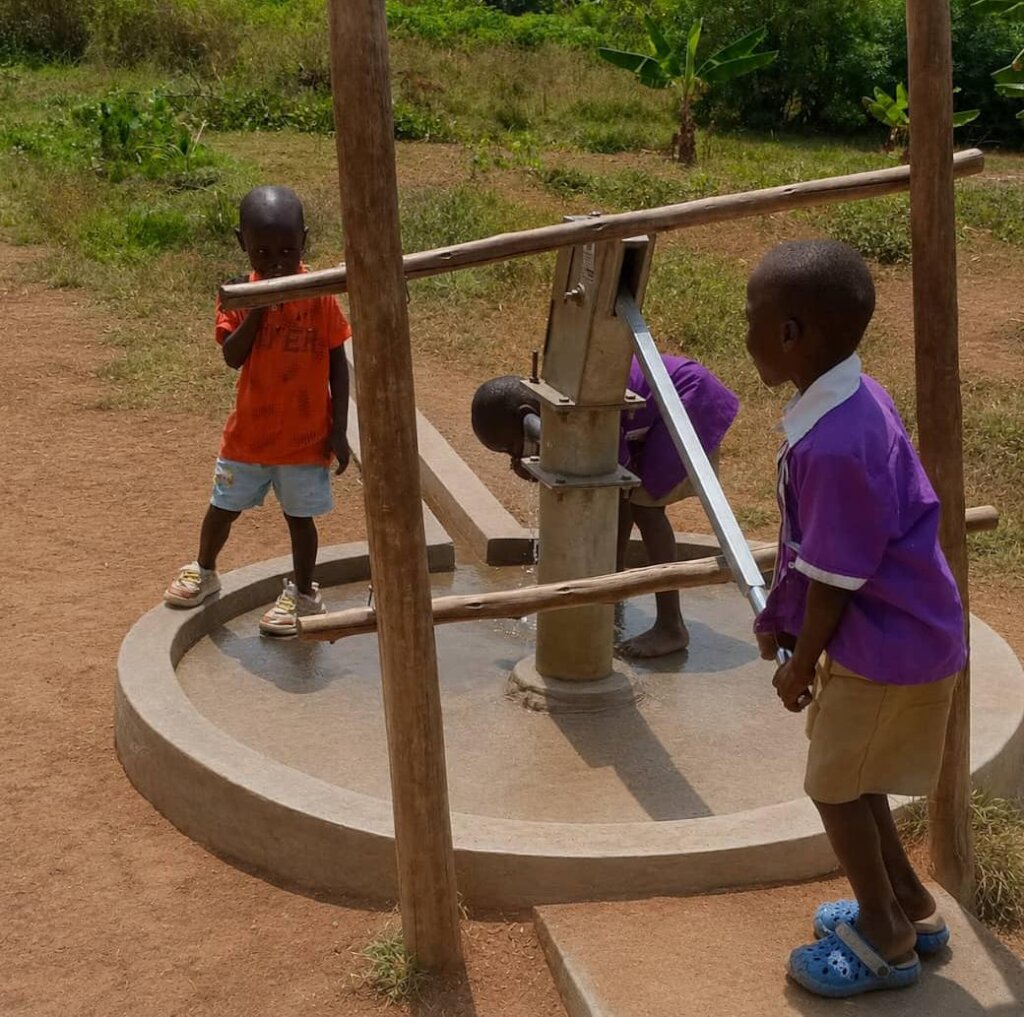
We are excited to report measurable improvements in water access across our target communities. Following the completion of several water points, hundreds of households are now benefiting from reliable sources of clean water closer to their homes.
Previously, women and children spent several hours each day collecting water from distant and often contaminated sources. This burden affected school attendance, household productivity, and overall well-being. Today, many families can access clean water within a short walking distance.
Community feedback has highlighted several positive changes. Children are spending more time in school instead of fetching water. Women have additional time for income-generating activities and household responsibilities. Families also report reduced expenses related to treating waterborne illnesses.
Our monitoring team conducted regular visits to assess functionality and usage of the new water points. Early results indicate high utilization rates and strong community engagement. Water User Committees are actively managing operations and collecting small maintenance contributions to ensure long-term sustainability.
The project has also strengthened community cooperation. Residents have worked together to protect water sources, maintain cleanliness around collection points, and encourage responsible water use.
While there is still work to be done, these achievements demonstrate the transformative power of clean water access. We thank all donors for making these successes possible. Together, we are helping create healthier, stronger, and more resilient communities.
![Share on Twitter]()
![Share on Facebook]()