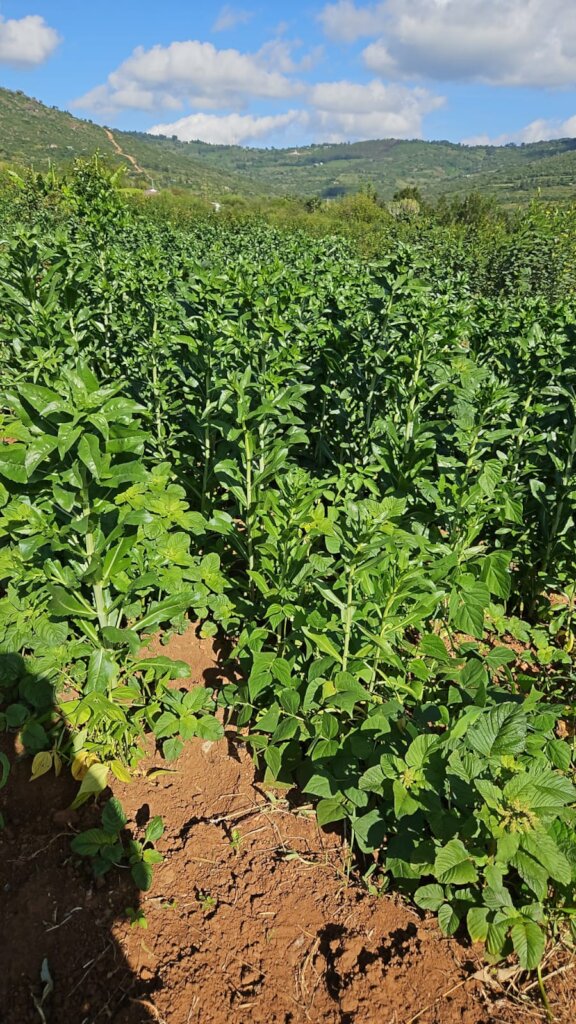
This propose project directly tackles a community-led climate resilience model that empowers 60 women farmers in CRR and NBR through training in climate-smart agriculture (CSA), distribution of input kits, and the creation of two community demonstration plots. These will serve as hands-on learning spaces for sustainable food production, seed-saving, and organic composting. We will also hold climate justice dialogues to ensure women are included in local decision-making on land and resources.
The main problem is worsening food insecurity among women smallholder farmers in The Gambia's rural regions, primarily caused by climate change and gender-based exclusion from adaptive resources. Women in Central River Region (CRR) and North Bank Region (NBR) are facing decreased agricultural yields, loss of income, and limited access to adaptation tools, which collectively threaten household food supply, nutritional health, and economic resilience.
The propose community-led climate resilience model that will empowers 60 women farmers in Central River Region and NBR through training in climate-smart agriculture (CSA), distribution of input kits, and the creation of two community demonstration plots. These will serve as hands-on learning spaces for sustainable food production, seed-saving, and organic composting. We will also hold climate justice dialogues to ensure women are included in local decision-making on land and resources.
Increased Agricultural Productivity and Food Security With improved soil health, water conservation, and access to climate-resilient seeds, women farmers will produce more reliable harvests. Adoption of CSA will reduce the vulnerability of farming systems to erratic rainfall, droughts, and soil degradation. Women will become more adaptive and better equipped to manage climate shocks and stresso



Support this important cause by creating a personalized fundraising page.
Start a Fundraiser