By Margaret Wambui | Project Leader
Project Overview:
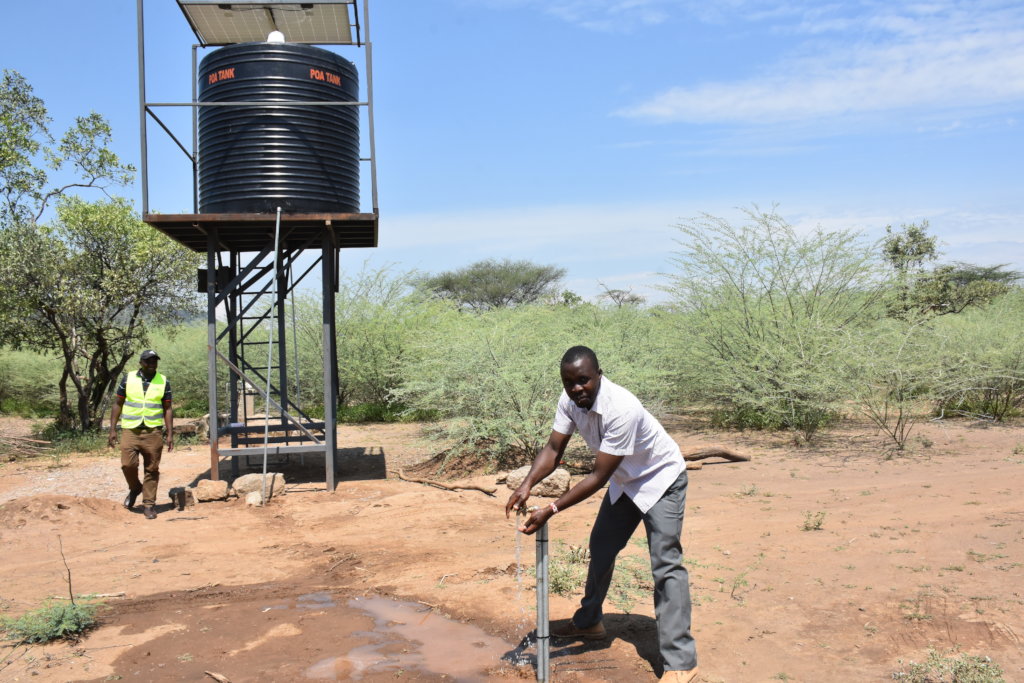
The construction of a sump well in the arid East Pokot region was initiated by Hifadhi Africa, a non-profit organization committed to environmental conservation and community development. The primary objective of the project was to mitigate water scarcity issues faced by the Pokot community, especially during prolonged dry spells. Funding for the project was generously provided through donations from GlobalGiving.
Project Implementation:
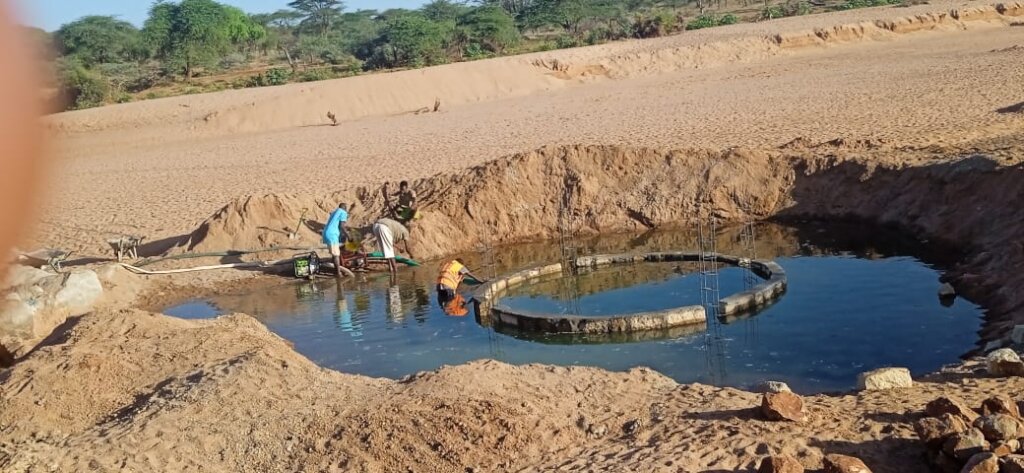
The project commenced with thorough reconnaissance and consultation with local stakeholders, including community leaders and residents, to identify the most suitable location for the sump well. Given the arid nature of East Pokot, careful consideration was given to optimizing water capture and utilization.
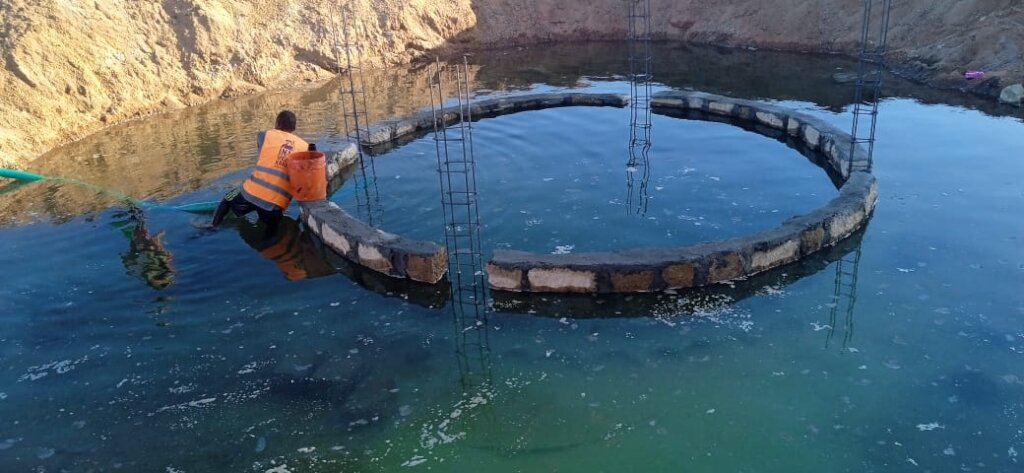
The construction process involved excavating a sump pit at a strategic location to maximize rainwater harvesting potential and capture any available groundwater. Skilled laborers and engineers were employed to ensure the structural integrity and effectiveness of the sump well.
The sump well was outfitted with a robust sump pump system capable of efficiently extracting water from the pit. Furthermore, measures were implemented to safeguard the well and prevent contamination, ensuring the water remained clean and potable for community use.
Community Benefits:
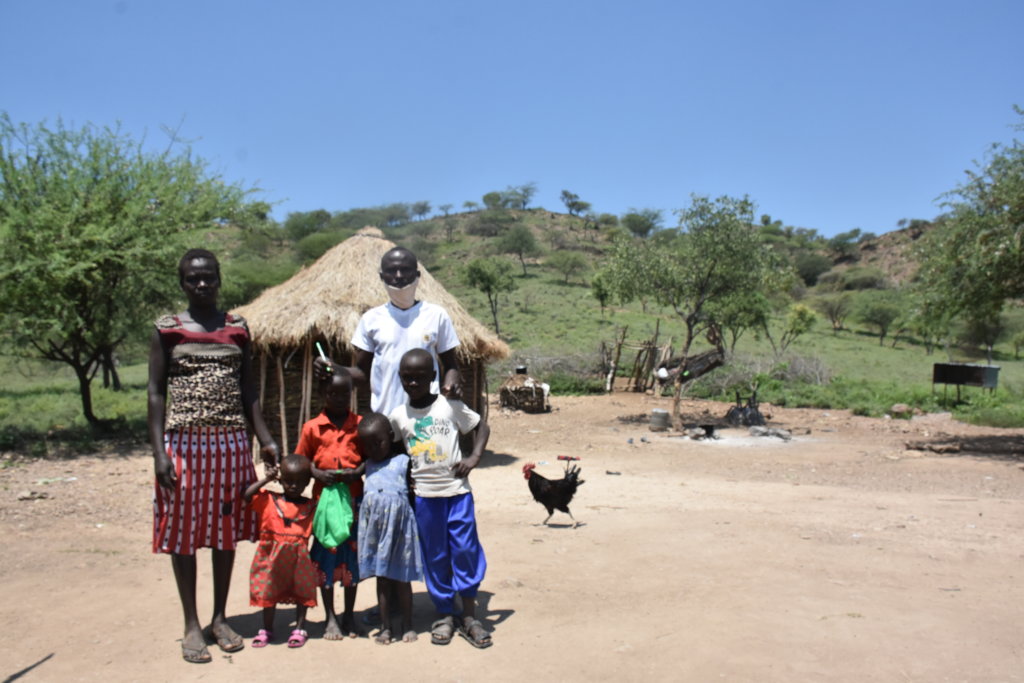
Despite the arid conditions prevalent in East Pokot, the construction of the sump well has brought about significant benefits to the local community:
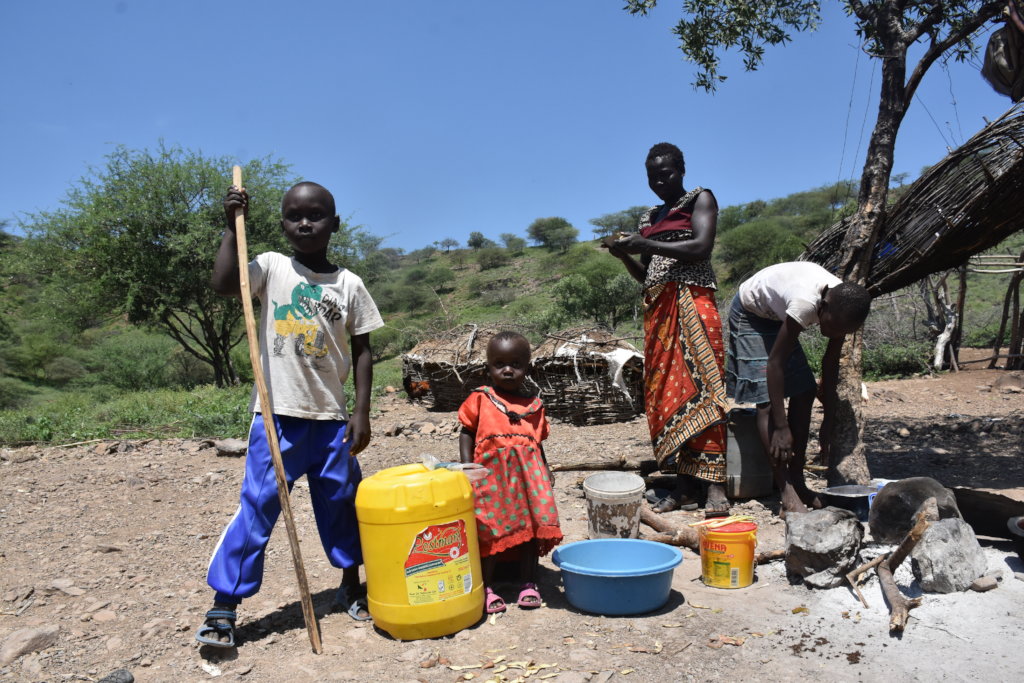
- Water Security: The sump well provides a reliable source of water, particularly during the dry seasons when surface water becomes scarce. This ensures that community members have access to water for drinking, cooking, and other essential needs, reducing dependency on distant water sources.
- Livestock Watering: Although agriculture is limited in the arid environment, the availability of water from the sump well allows for the watering of livestock, which is a crucial livelihood for many Pokot families. Access to water enhances the health and productivity of livestock, contributing to the economic well-being of the community.
- Domestic Use: Clean water from the sump well improves hygiene and sanitation practices within households, reducing the risk of waterborne diseases and promoting overall health and well-being among community members.
- Community Resilience: The sump well enhances the community's resilience to drought and climate variability by providing a supplementary water source during periods of water scarcity. This resilience-building measure helps buffer against the adverse impacts of climate change on livelihoods and sustenance.
Conclusion:
In conclusion, the construction of the sump well in the arid East Pokot region, funded by donations from GlobalGiving and implemented by Hifadhi Africa Organization, has brought tangible benefits to the local community. Despite the challenges posed by the region's dry environment and minimal agricultural activities, the project has succeeded in providing a reliable water source for domestic use, livestock watering, and improving overall community resilience. Moving forward, continued support and investment in similar water conservation and management initiatives are essential for sustaining the well-being and livelihoods of marginalized communities in arid regions.
Top of Form
Project reports on GlobalGiving are posted directly to globalgiving.org by Project Leaders as they are completed, generally every 3-4 months. To protect the integrity of these documents, GlobalGiving does not alter them; therefore you may find some language or formatting issues.
If you donate to this project or have donated to this project, you can receive an email when this project posts a report. You can also subscribe for reports without donating.