By Jacinta van Luijk | Coordinator and Education Officer
STORIES OF PROGRESS & CHANGE
MIKE,
(not his real name), a 34-year-old man from Matisi-Falkland, a semi-urban informal settlement in Kitale, Trans-Nzoia County, grew up facing immense hardship. Orphaned at a young age, he was unable to continue his education beyond Class Four due to poverty and lack of support.
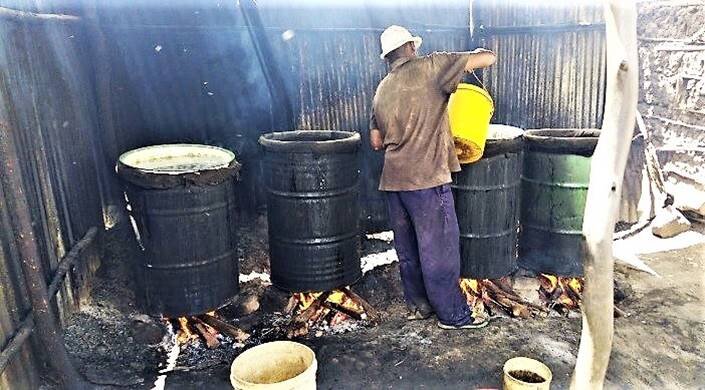
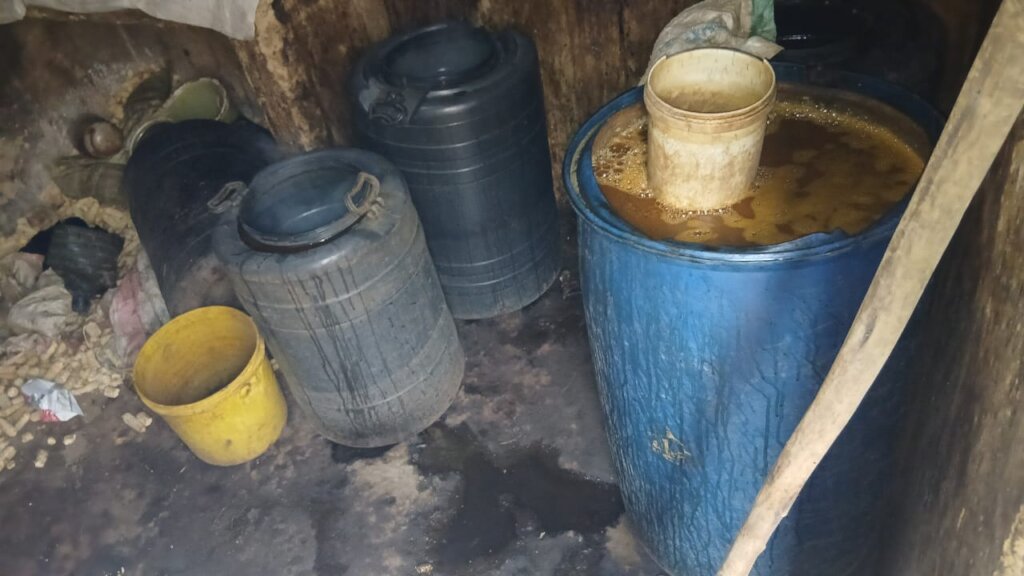
Forced to survive on his own, Mike took on casual labor within the community from an early age. Much of his work involved fetching water and firewood for households engaged in brewing and selling local alcohol. Over time, constant exposure led him to begin using alcohol and tobacco, eventually developing a substance use disorder.
For years, Mike’s life was marked by instability, poor health, and a deep sense of hopelessness.
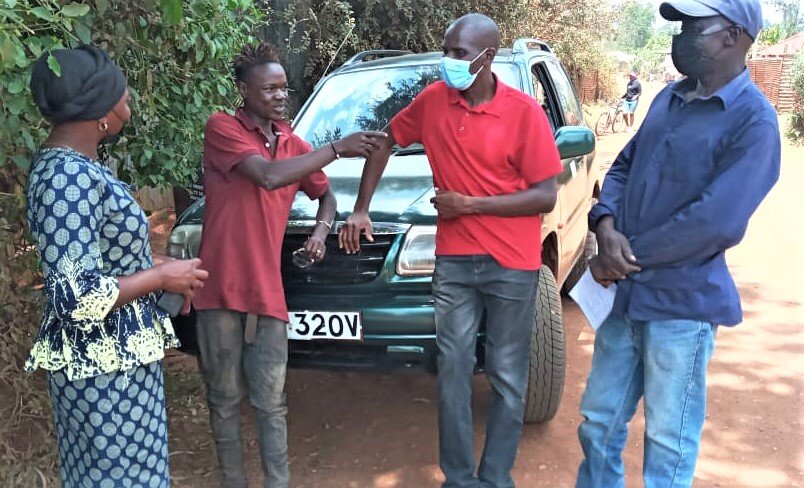
His turning point came when a community-based outreach initiative by KAP identified and enrolled him into a recovery program. The journey was not easy. In the early stages, Mike struggled to attend sessions consistently due to severe withdrawal symptoms. With support from trained field staff and community recovery coaches, he began a gradual reduction process, allowing him to safely manage withdrawal and stay engaged.
Through consistent counseling, follow-ups, and psychosocial support, Mike slowly regained stability. Today, he has remained free from alcohol use for several months. While he continues to face occasional tobacco cravings, his progress reflects determination and resilience.
Mike’s transformation extends beyond sobriety. His physical health and personal hygiene have significantly improved, and he is actively rebuilding trust and relationships within his community. He now participates in recovery activities and connects positively with others on similar journeys.
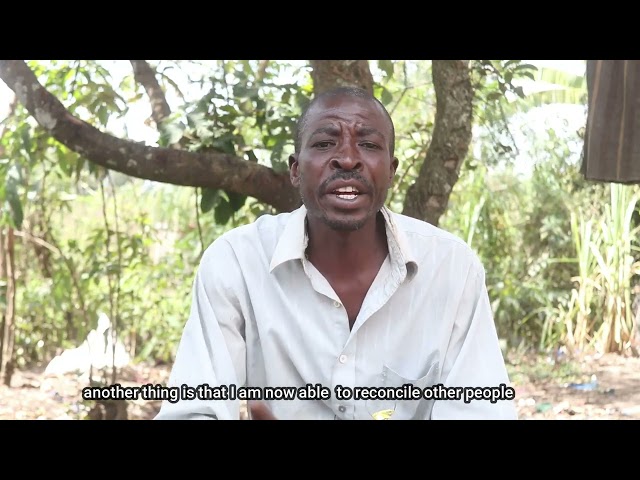
“I now feel like a human being again,” Mike shared during a follow-up visit. “I can sleep comfortably and feel hopeful about my life.”
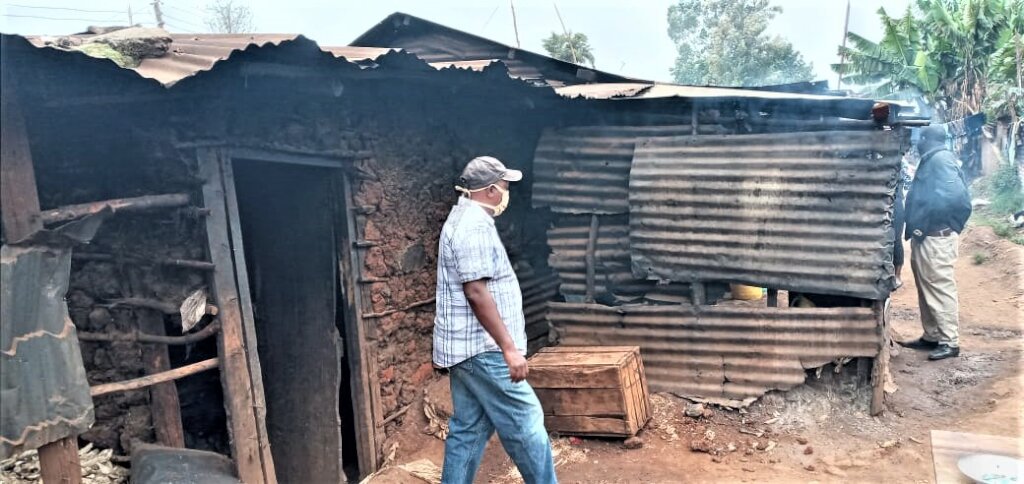
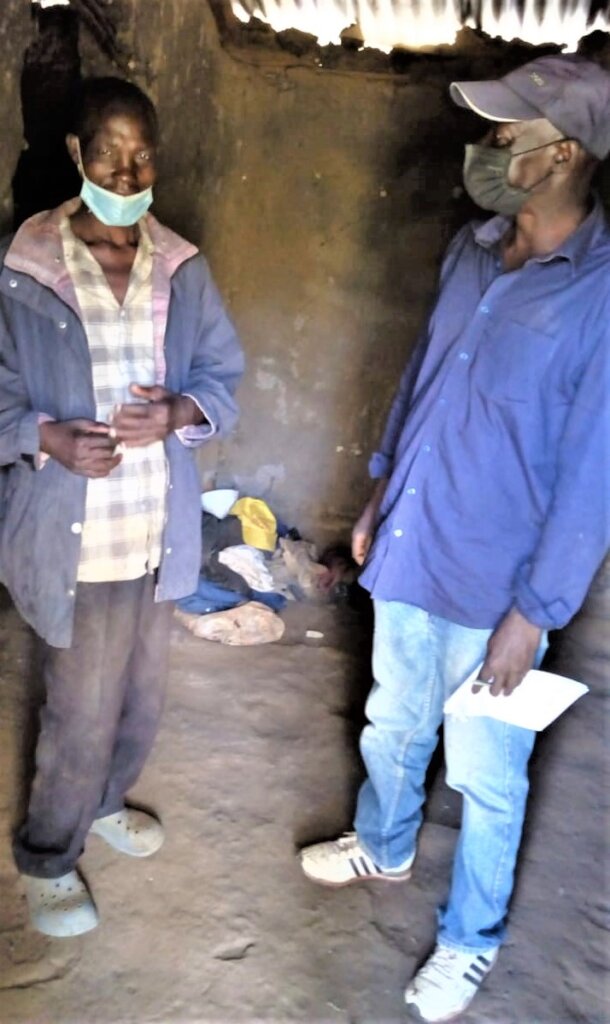
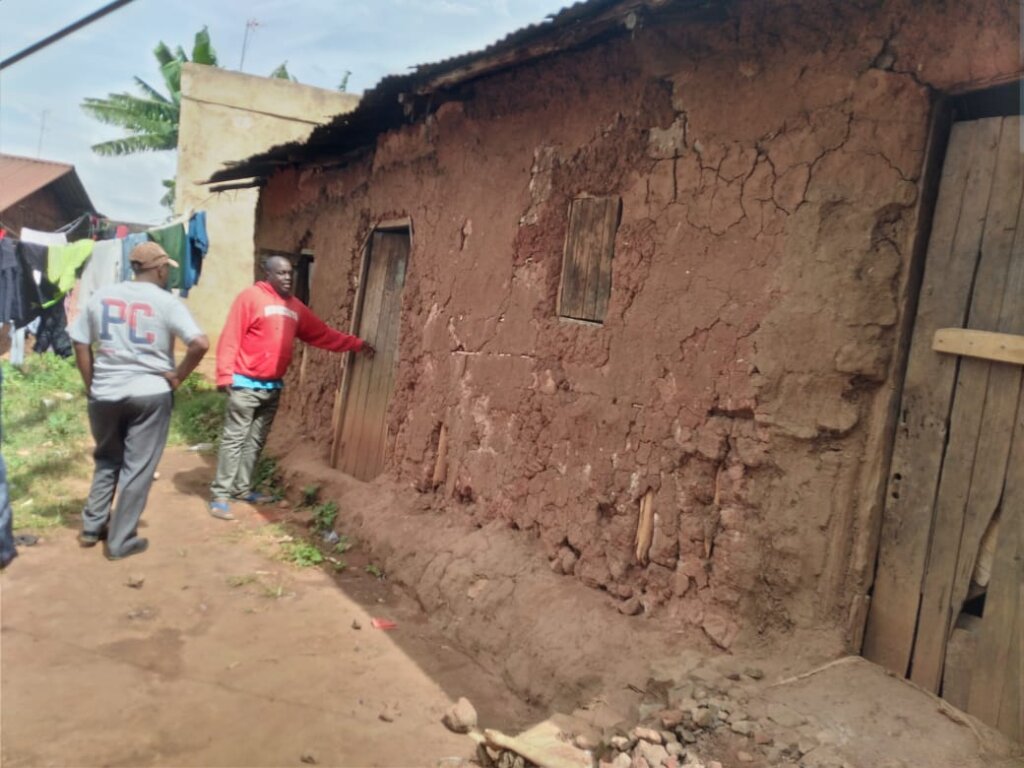
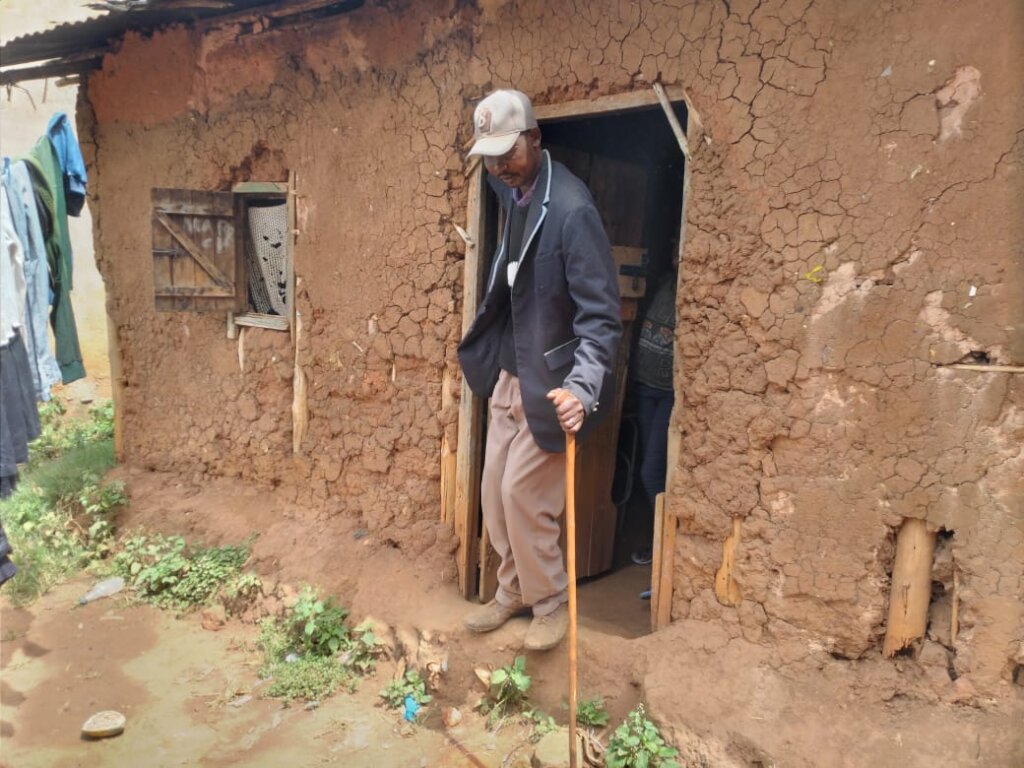
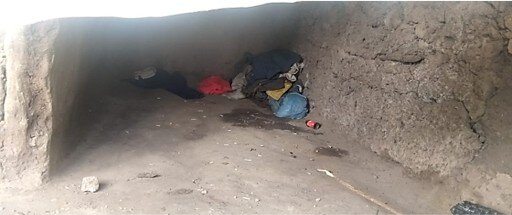
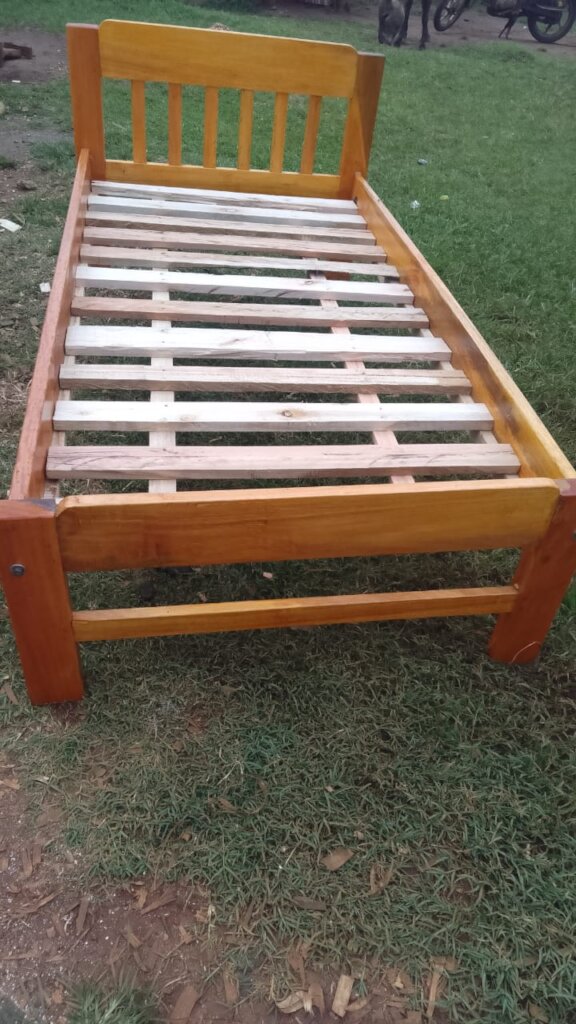
As he spoke, he pointed to a simple bed and mattress he received through program social support-items that marked a profound shift in his living conditions. Previously, Mike slept on old rags spread across a cold, damp floor in a poorly ventilated, nearly collapsing structure. With encouragement and support, he has since repaired his home, creating a safer and more dignified living environment.
Today, Mike stands as a powerful example of how community-based support, compassion, and persistence can restore not just health—but dignity, purpose, and hope.
Written by:
Patrick Oyuga
Certified Addictions Professional
License No: CP0041C26
(Counsellors & Psychologists Board of Kenya)
CASE STORY: ALCOHOL AND SUBSTANCE ABUSE RECOVERY
Before joining the KAP program, I was struggling with severe alcoholism. I regularly consumed illicit brews such as chang’aa and busaa, spending my nights at drinking dens and neglecting my family and responsibilities. Drinking had become my way of coping with financial stress and family disputes.
The addiction led to conflicts with my husband and children, creating tension at home. I faced constant insults, emotional abuse, and rejection from both my family and wider community. Over time, I became increasingly isolated, shunned by neighbors, and disconnected from my children. The shame I felt made me afraid even to meet KAP facilitators as I was often intoxicated.
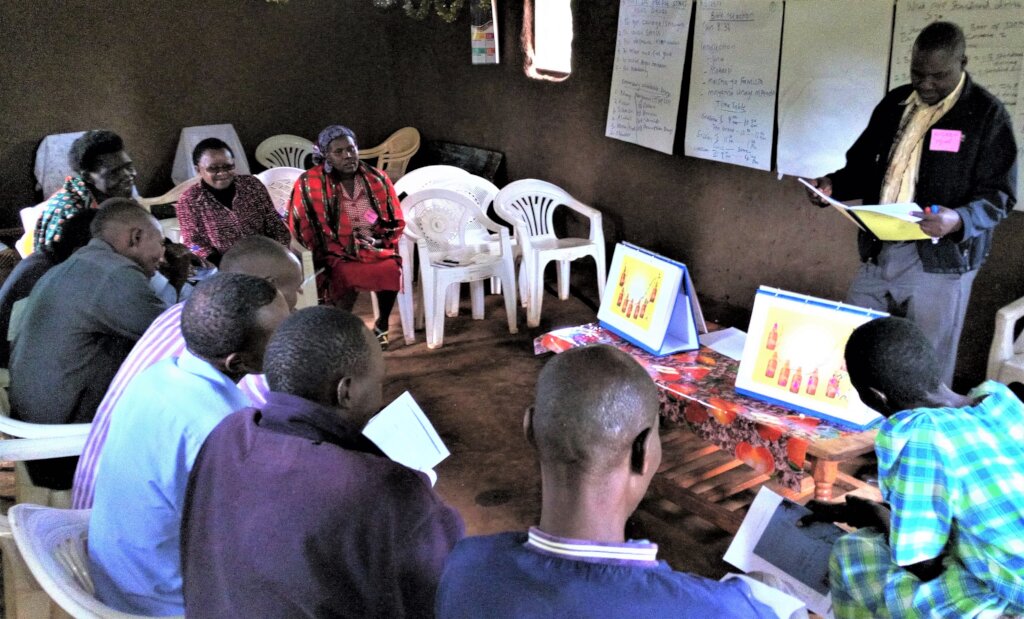
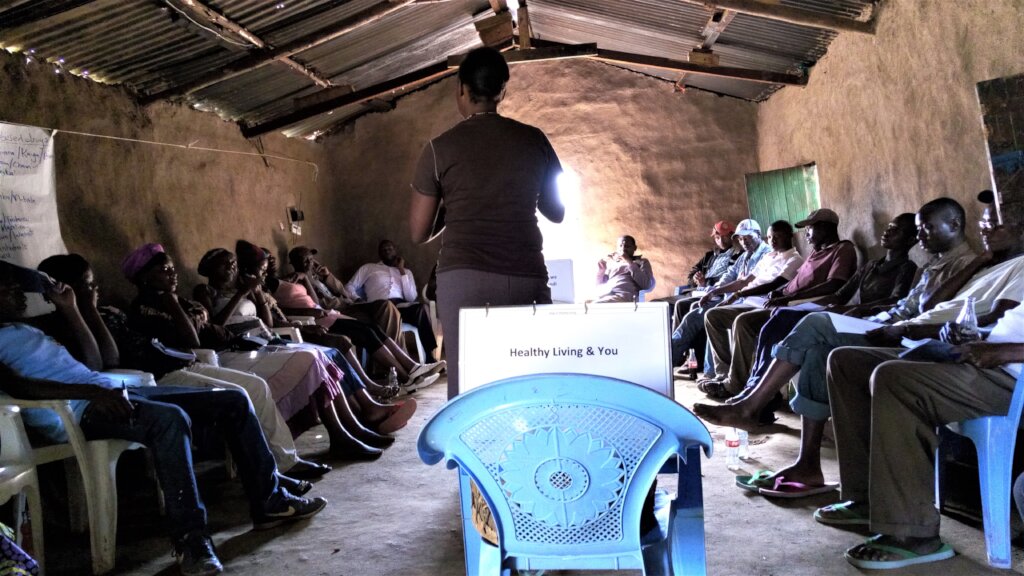
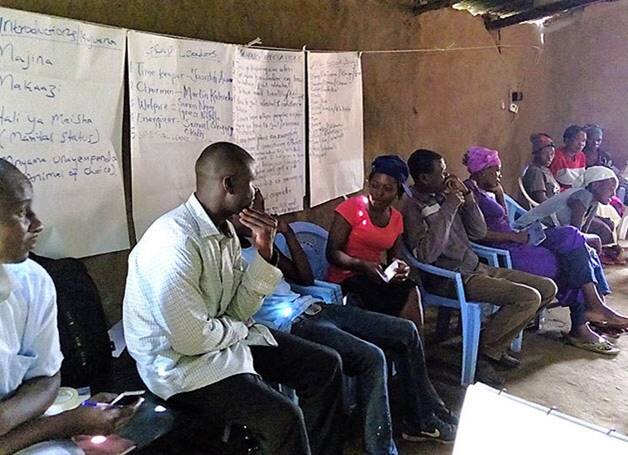
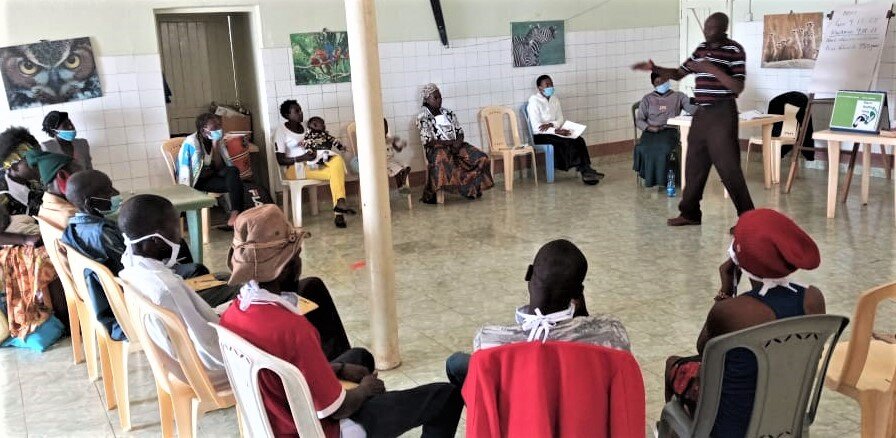
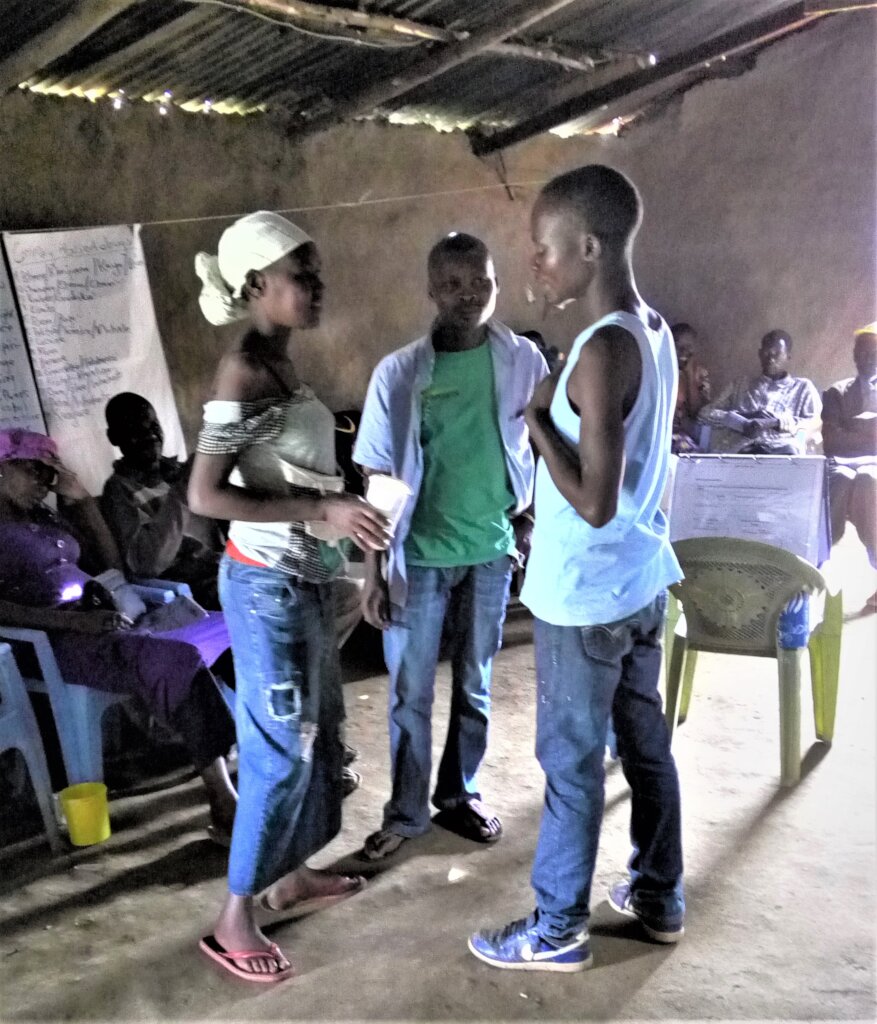
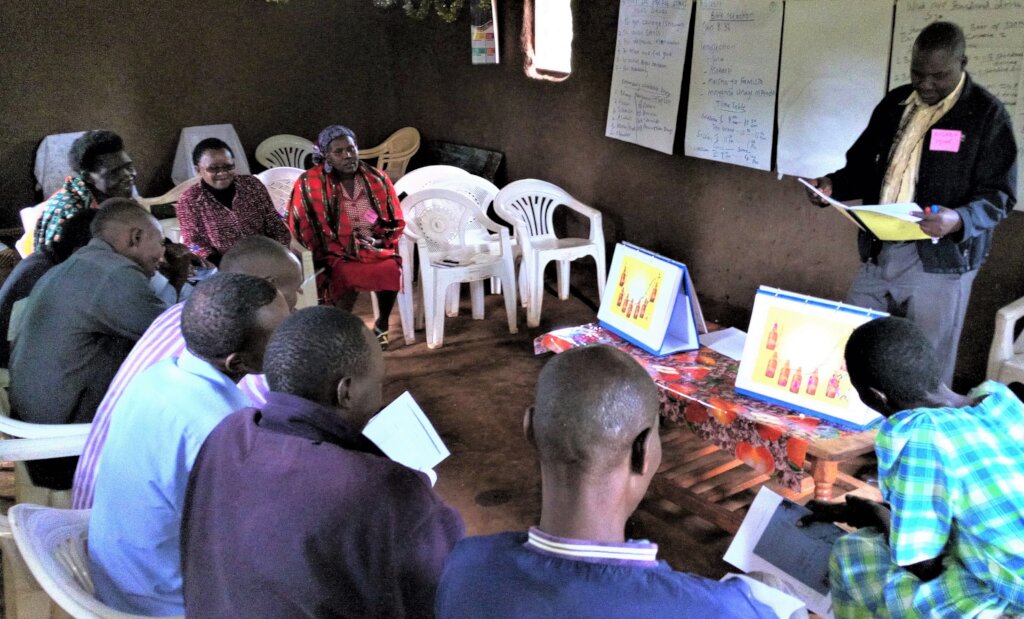
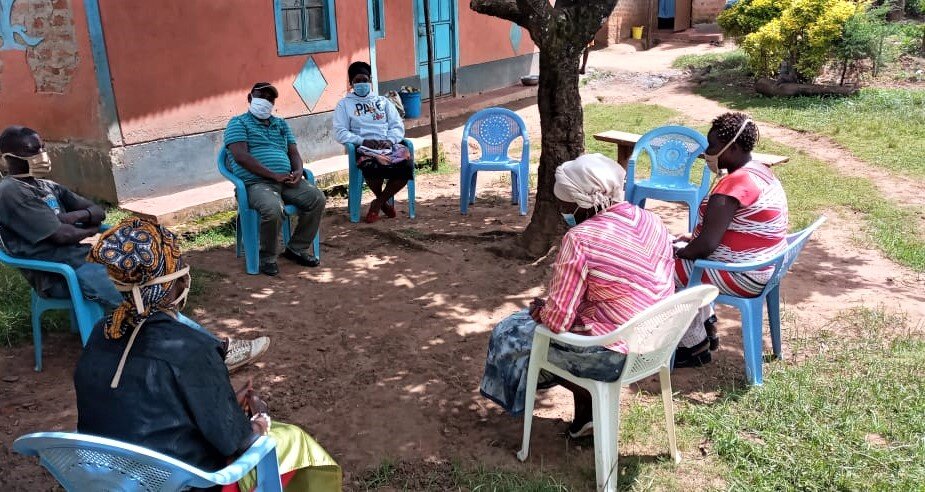
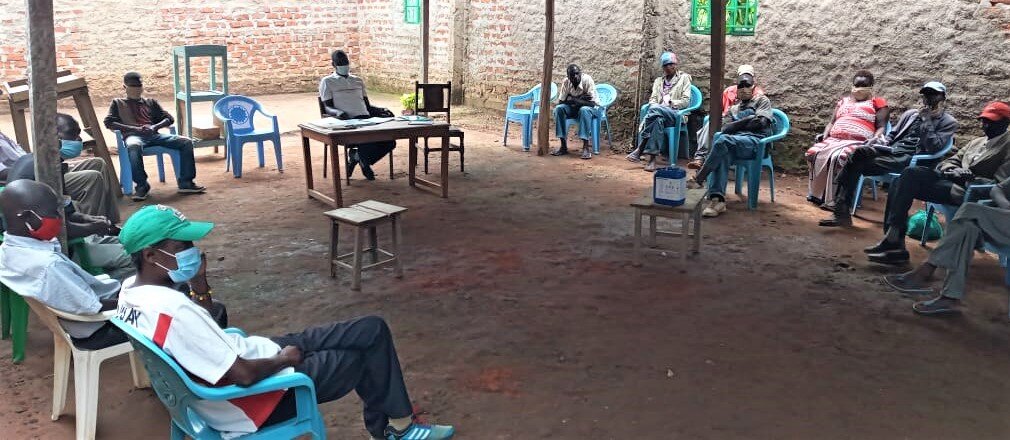
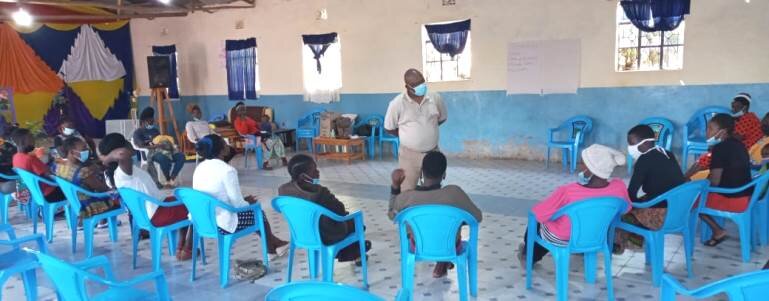
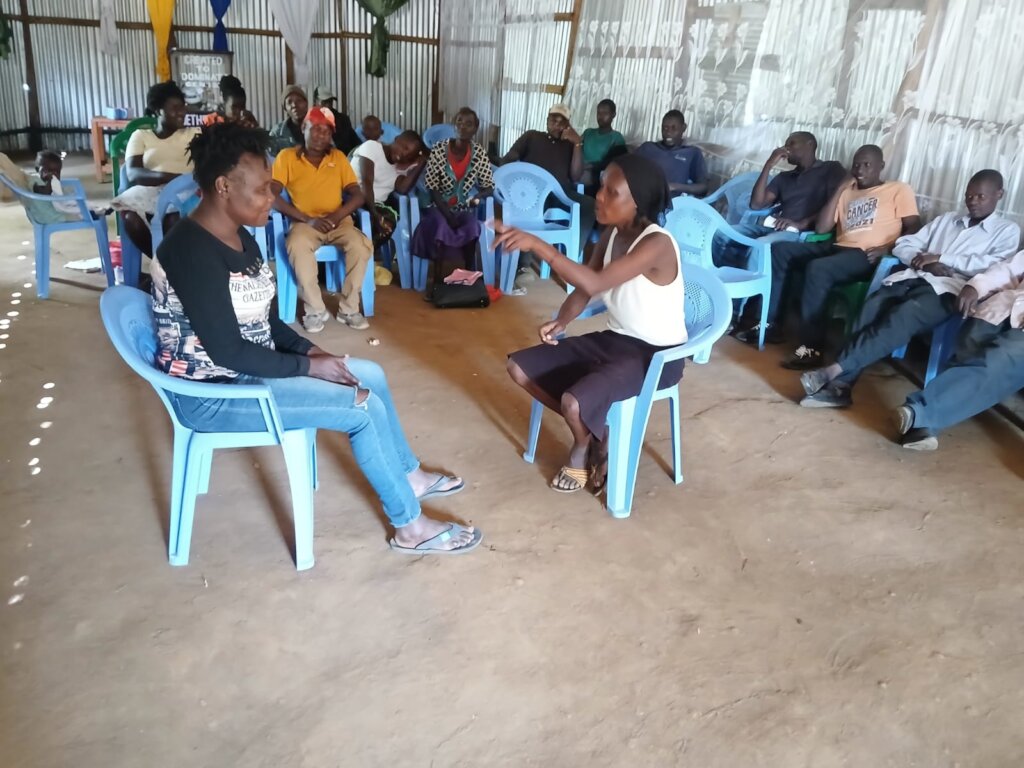
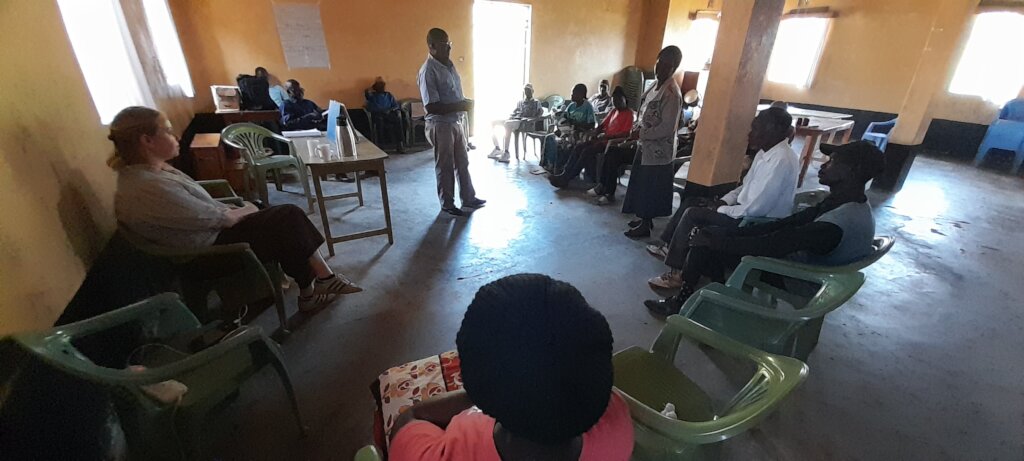
After joining the KAP program, things began to change. I participated in basic training, refresher workshops, home visits, recovery meetings, and family day meetings.
The support and guidance I received helped me gradually reduce my drinking until I eventually stopped completely. I have been sober for two years. My relationships with my children and in-laws have improved significantly. The conflicts and violence at home have also greatly reduced. I have restored a sense of peace and connection within my household. The church and KAP facilitators played an important role in supporting me, while my own self-discipline was key to sustaining this transformation.
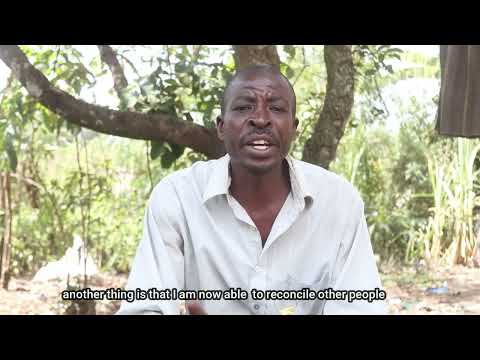
This change has had a broader impact on my community as well. My recovery inspired others to seek help, and I now advise community members about the dangers of alcohol abuse and risky behaviors, encouraging them to pursue guidance early. Personally, this change is significant because it has allowed me to live a sober, peaceful life connected to my family.
To sustain this progress, I hope to start a small business, continue attending KAP refresher courses, receive spiritual guidance, and support others facing similar challenges.
The lessons from my journey show that recovery is possible with discipline, community support, and consistent guidance, and sharing experiences can inspire others to make positive changes in their lives.
From: Appendix 4: Evaluation Case Stories (page 4)
February 2026
KITALE COMMUNITY ADVANCEMENT PROGRAMME (KAP) PROGRAMME EVALUATION REPORT
FINAL REPORT, FEBRUARY 2026
NB. The full report is available on request.
EXCERPTS RE. KAP's ADDICTION WORK
"KAP contracted Strategic Connections Ltd, Nairobi, to facilitate a program evaluation of its work for the period October 2023 to September 2025. The purpose of the evaluation was to assess the progress made by KAP in fulfilling its agreed objectives and to evaluate its continued relevance, efficiency and effectiveness, as well as to decipher lessons, and make recommendations that would inform the next strategic plan.
The review was undertaken between October and November 2025. Multiple techniques were used to collect data amongst them secondary data review, Key Informant Interviews (KII), Focus Group Discussions (FGDs), survey, case stories and observation. Data from these sources was synthesised and compiled into this report."
"Some key findings and conclusions of the study:
In terms of QUALITY OF DESIGN, KAP demonstrates a strong commitment to understanding and responding to its operational context.
With respect to RELEVANCE, KAP’s programmes are highly relevant and strongly grounded in the expressed needs of the communities it serves. 96% of beneficiaries reported that the services were very useful.
KAP’s work is well aligned with national and global development priorities.
As pertains EFFICIENCY, KAP exhibits strong value for money through exceptional cost-efficiency, community ownership, and strategic leveraging of non-financial resources.
KAP’s project delivery is firmly grounded in participatory, community-based professional counselling, psycho-education approaches and faith driven commitments that promote ownership, inclusion, and sustained impact.
KAP also demonstrates strong complementarity with other actors.
Further, as concerns EFFECTIVENESS, KAP’s programs demonstrate significant positive outcomes in behavior change, health, peacebuilding, youth empowerment, and community strengthening.
(...) evident in the following areas of impact:
1. Addiction Recovery & Behaviours Change: KAP's approach effectively fostered self-discipline and relapse management. 55% of clients achieved sustained sobriety, with 90% reporting improved addiction management and 96% adopting positive new strategies. Persistent knowledge gaps and environmental relapse risks highlight a need for reinforced education and systemic, root-cause interventions." (pages iii & iv)
"OVERVIEW OF KEY PROGRAMME EFFECTS (OUTCOMES, IMPACTS)
This section presents an overview of some of the key results of KAP over the review period. As so much has been realized over evaluation period, it is not possible to capture everything in such a review report.
Addiction recovery & behaviours change: KAP invested in among others promoting behaviour change by building clients’ self-discipline and personal responsibility; addressing substance abuse related health concerns; and promoting strategies for managing triggers; and curbing addiction. It was noted in this regards that behaviour change sessions say on self-reflection, and “confronting inner enemies” boosted morale, motivation, and long-term commitment, encouraging even former defaulters to return after witnessing positive transformations in peers. Supported clients were equally empowered to walk with other clients in return.
Through these initiatives, participants gained practical knowledge on alcohol and substance abuse. The support was noted for example to have nonetheless led to various positive outcomes, particularly improved recovery, reduced hallucinations, improved mental health, and reintegration of clients into productive daily life. About 55% of supported clients had attained sustained sobriety. Many recovered clients had resumed personal and family responsibilities and were often supporting other clients with similar challenges.
90% of the respondents rated their abilities to manage addiction and substance abuse post KAP support as excellent or good, with the rest rating this as fair (7%) and not applicable (1%). On the same breadth, 96% rated their adoption of new positive behavior and coping strategies as either very good or good, with the remaining 3% positing a ‘fair’ rating and 1% as not applicable. These responses align with KAP’s internal MEL reports that show STEPS clients’ dependency on alcohol and drugs having decreased from 95% at baseline (pre support) to 52% after one year, and further to 14% after the second year of support.
The above outcomes was exemplified by the assertion by one client that “through the addiction support group, I recovered, returned to my daily responsibilities, and started saving and running a small business. I am now sober, supporting my family, and living peacefully in my community.” Other quotes by clients that demonstrate these changes were that the support by KAP ‘helped me stop violent tendencies and improve self-control’, ‘enabled me become a positive example for others’, and ‘increased personal happiness and emotional stability’.
However, knowledge test during the evaluation shows that a number of respondents still had misconceptions or inaccurate information regarding certain aspects of drugs and substance abuse, for example that: one can get hooked to medicine or alcohol (41%); alcohol and drug use enhances sexual drive (59%); and that a drink is occasionally necessary to steady one’s nerves (34%)[1]. These results demonstrate a need for a reflection on KAPs approaches for specific groups to establish what if any, could be done differently for the knowledge shared to be better engrained and more important, be translated into practice.
The evaluation furthermore observed that at the start of rehabilitation, many clients faced poor health, had HIV or other infections, and had numerous unmet basic/ social needs, besides inaccessible treatments (cost). Further, individuals often return to environments that contributed to their addiction, including where the root causes are not fully addressed. These challenges occasionally result into relapse (though there was no precise data on percentage of relapse cases). These situations point the need to pay attention to root cause analysis and ToC approaches, among others to further consolidate systems oriented programing arrangements." (pages 16-17)
LASTLY, AMONGST SEVERAL OTHER CONCLUSIONS:
"KAP has done excellent work with communities with visible impact. Communities are highly enthusiastic about KAP’s work and are requesting its continuation.
Further, while visible improvements are observable regarding the internal capacity of KAP, more needs to be done as far as sustainability, leadership and staff development pertains (board development, leadership transition/succession planning, staffing levels/ staff development, systems strengthening etc.). Developing a clear sustainability plan and urgently expanding resource mobilization are essential to reduce dependence and ensure long-term organisational resilience. It is noteworthy that actualizing these elements (and other related recommendations) would need to be adequately resourced (budgets, time allocation, external expertise/ facilitation etc.)." (page 33)
Project reports on GlobalGiving are posted directly to globalgiving.org by Project Leaders as they are completed, generally every 3-4 months. To protect the integrity of these documents, GlobalGiving does not alter them; therefore you may find some language or formatting issues.
If you donate to this project or have donated to this project, you can receive an email when this project posts a report. You can also subscribe for reports without donating.



Support this important cause by creating a personalized fundraising page.
Start a Fundraiser