By Maria Elena Di Fazio | International development
Since the beginning of the pandemic Covid-19, Mission Bambini implemented emergency measures towards children and communities within their national networks. All the actions have been setup around the education needs stemming from the surge of new forms of poverty. Among the “new poor” we see that families with minors, women, and young people are increasing: these are among the categories most impacted by the crisis.
Looking at the school and with the start of the year 2020/2021, pre-adolescents and adolescents are mainly the ones who, having lived in total lockdown in spring 2020, still are at risk of being left behind with the school path; this was carried out in fits and starts or it started very late with live attendance, especially in high schools.
The intervention of Mission Bambini towards of early childhood services
Phase I e II of emergency (March – September 2020)
These are the first two actions during phase I and II of Covid emergency.
Afterwards Mission Bambini focused on the theme of LEAD (distance educational links) with the goal of providing specific competences to the social operators who work within the services 0-6:
In May 2020 during the second phase of lock down, when regulatory provisions lightened, we integrated the support offered by patapum with educational activities in person, laying the foundations for "hybrid" interventions in which digital education supplement (and does not temporarily replace) the activities of classical pedagogy.
4 initiatives are deployed:
This program has been implemented in 9 Italian cities: Marcheno, Milan, Rome, Naples, Lecce, Badolato, Sanluri, Palermo, Catania. Below are the numbers reached up to the beginning of September 2020
Phase III of the emergency (September – December 2020)
Mission Bambini continued with digitalization process of digital pedagogy by expanding the sections and multimedia contents of the platform pursuing the goal of creating an early childhood platform at national level.
Monitoring platform: in order to have constant control over the projects financed by the Foundation, a monitoring software has been created that will allow partner organizations not only to evaluate the results of educational paths in which children and families are involved, but in particular to professionalize the pedagogical approach of educators services.
Interventions for primary and secondary students and schools
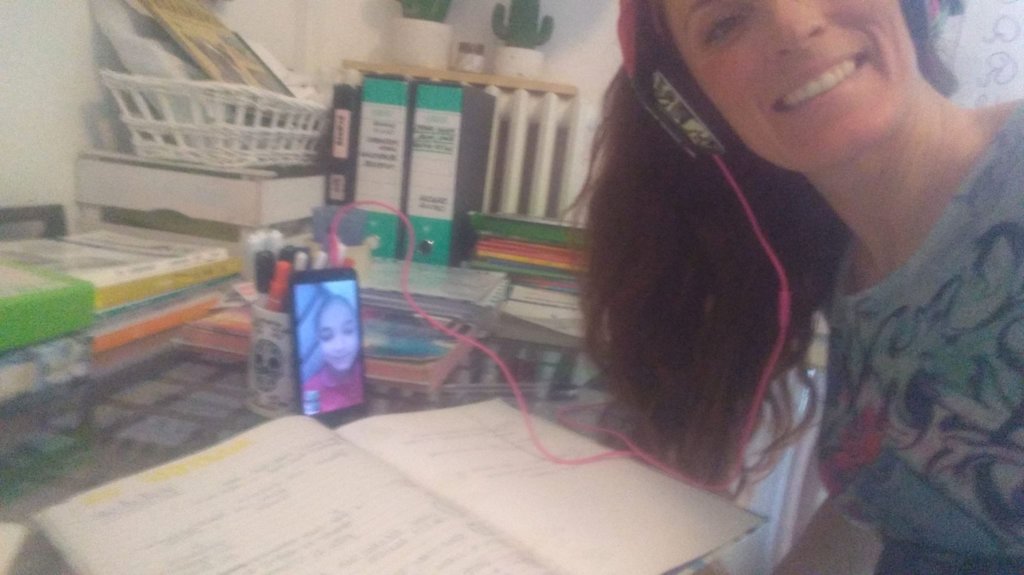
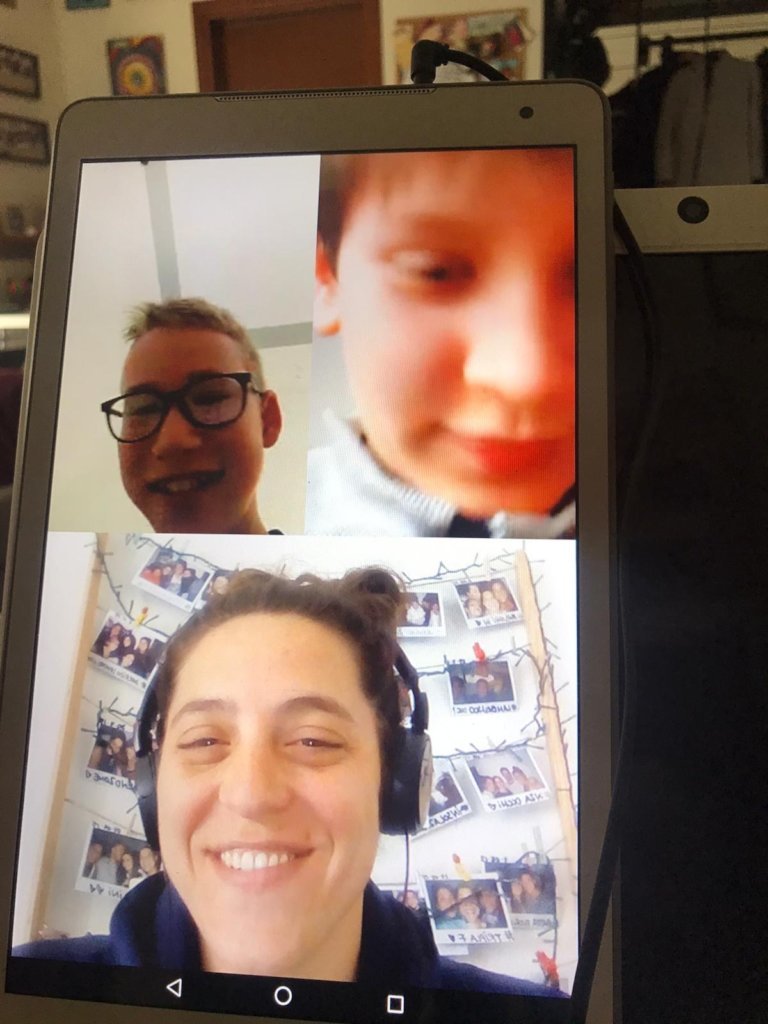
Since March 2020 we have donated devices for distance learning and guaranteed the continuity of educational relationships with families who face social and economic disadvantages. This intervention continues today, since, even during this school year, lower secondary school students or pupils in temporary quarantine classes have had to face more or less long periods of distance learning activities. Thanks to the equipment provided (see the detailed table below) we were able to make entire classes work at the same time, without leaving anyone behind, bridging as much as possible the technological gap that could have turned into an educational and above all social gap. The risk was to lose many future citizens and see the number of marginalized increase.
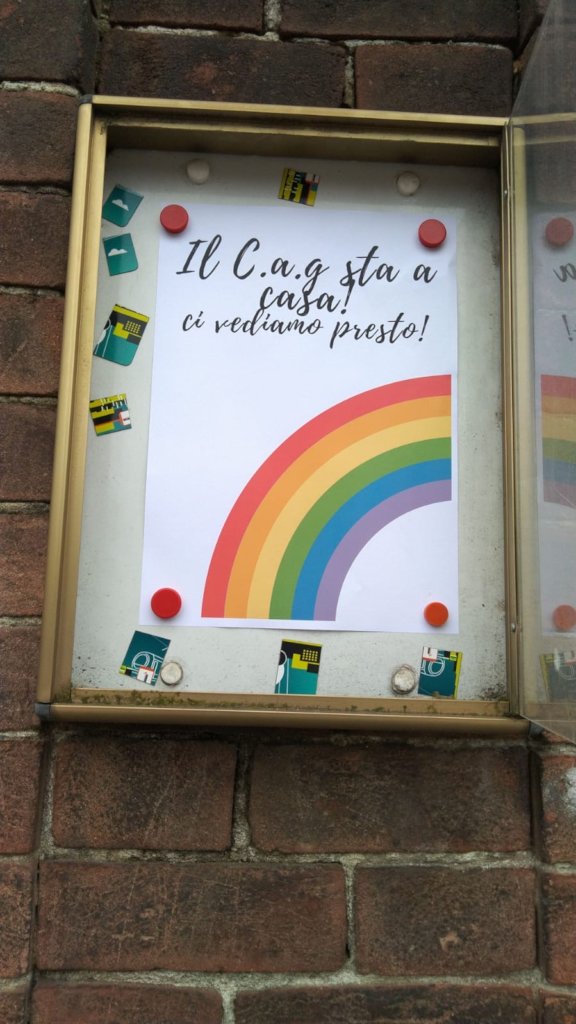
All the interventions carried out are the result of close collaboration with schools and after-school careers; we work with them on projects to reduce early school leaving and to create "open school" models for the development of educating communities. The criterion used by schools to notify us of cases of need was that of "class coverage": access to technology was guaranteed to pupils of the same class, in order to allow distance learning activities for the whole group.
All the devices were provided directly to the schools and after-school activities involved, who in turn gave them on free loan for use to the students in great difficulty. Once the emergency is over, these tools will be returned to schools and will become a common asset. In this way, the schools will be best equipped to deal with any future emergencies.
We have also offered concrete help to those students who, living in a condition of socio-economic hardship or with Special Educational Needs, have been particularly penalized by the emergency and are more at risk of dropping out of school. In fact, in collaboration with the after-school activities of our network, recovery programs have been organized for students who, at the end of the first quarter of the school year 2019-2020 had low grades and for all those pupils who need special attention.
Furthermore, Mission Bambini organizes a series of psychological support meetings in 4 schools in Milan (IC Candia, IC Confalonieri, IC Don Orione, and IC Olmi); they aim at offering students listening opportunities to face the alienation and the loneliness experienced during isolation and encourage the acceptance of a new model of socialization and interaction with others. Initially, priority was given to students in the first year of lower secondary school, who started a new cycle of studies without having completely finished the previous one due to the pandemic. On the recommendation of the teachers, other classes were also involved, particularly affected by the health emergency.
Project reports on GlobalGiving are posted directly to globalgiving.org by Project Leaders as they are completed, generally every 3-4 months. To protect the integrity of these documents, GlobalGiving does not alter them; therefore you may find some language or formatting issues.
If you donate to this project or have donated to this project, you can receive an email when this project posts a report. You can also subscribe for reports without donating.