By Lijimol | Program Manager
Introduction
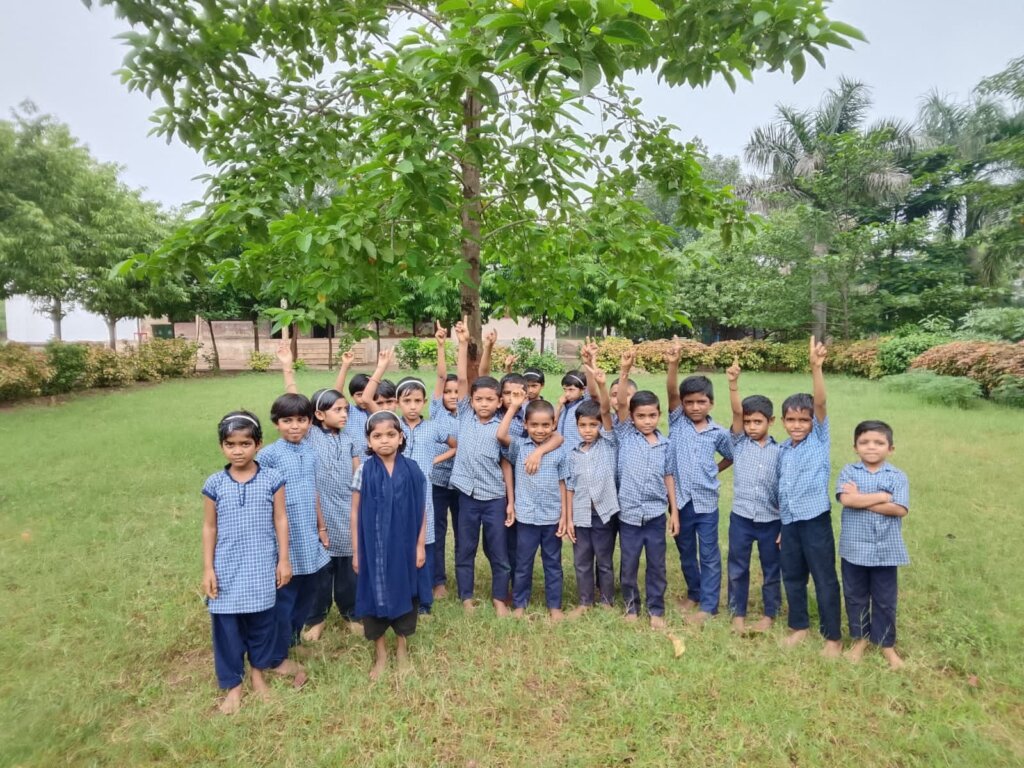
In July, we began field implementation of the much-awaited Baldost Fellowship Programme. A team of 9 fellows started working with children in 5 Aashramshalas and 2 villages, reaching 1,038 children aged 3-14.
During the six weeks of intensive residential and non-residential training and orientation which covered pedagogy, child development, life skills, visions of leadership, community engagement, child rights, teamwork, creative thinking, and designing safe learning spaces with children, fellows have begun putting their learnings to action.
The Fellowship Programme
Fellows visit their Aashramshala or village four times a week. They conduct sessions on language, numeracy, nature activities, and life skills, and set aside time for hands-on activities that build curiosity. Every week they also hold sessions with children in grades 5-8 on adolescent empowerment, child rights, life skills, and mental well-being.
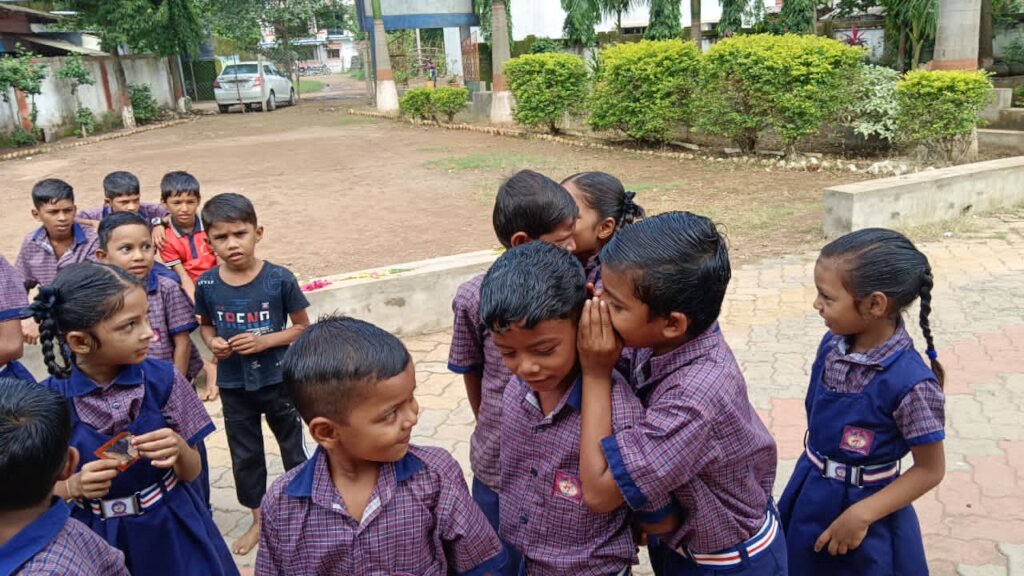
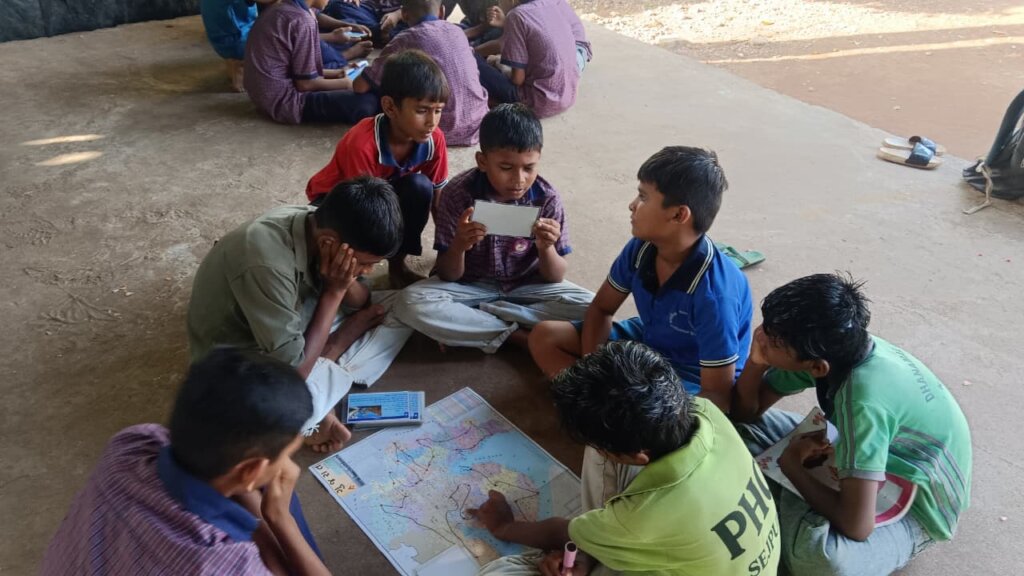
Balmelas: Fellows began their engagement in the Aashramshalas and villages through Balmelas, which focus on fun games, art, and hands-on activities. Children always enjoy them, and they gave fellows a good opportunity to build rapport. A total of 14 Balmelas were held with 444 girls and 446 boys.
We then made family groups with children and also made agreements with the. Children of grade 1-4 also actively participated in creation of agreements for their classroom.
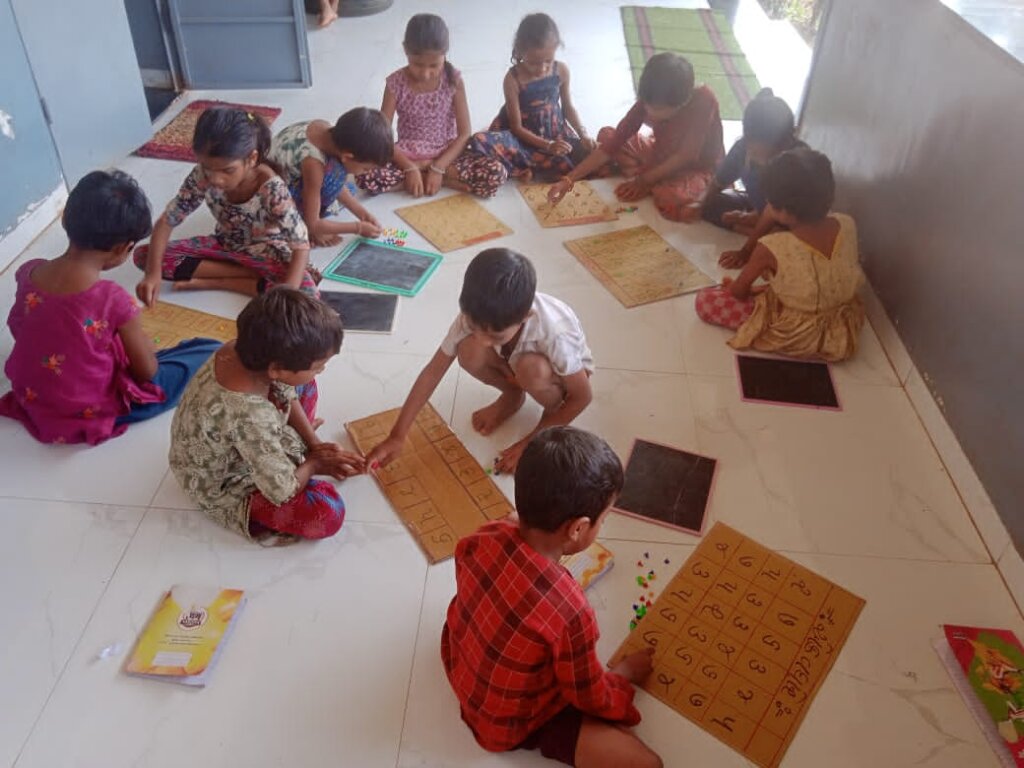
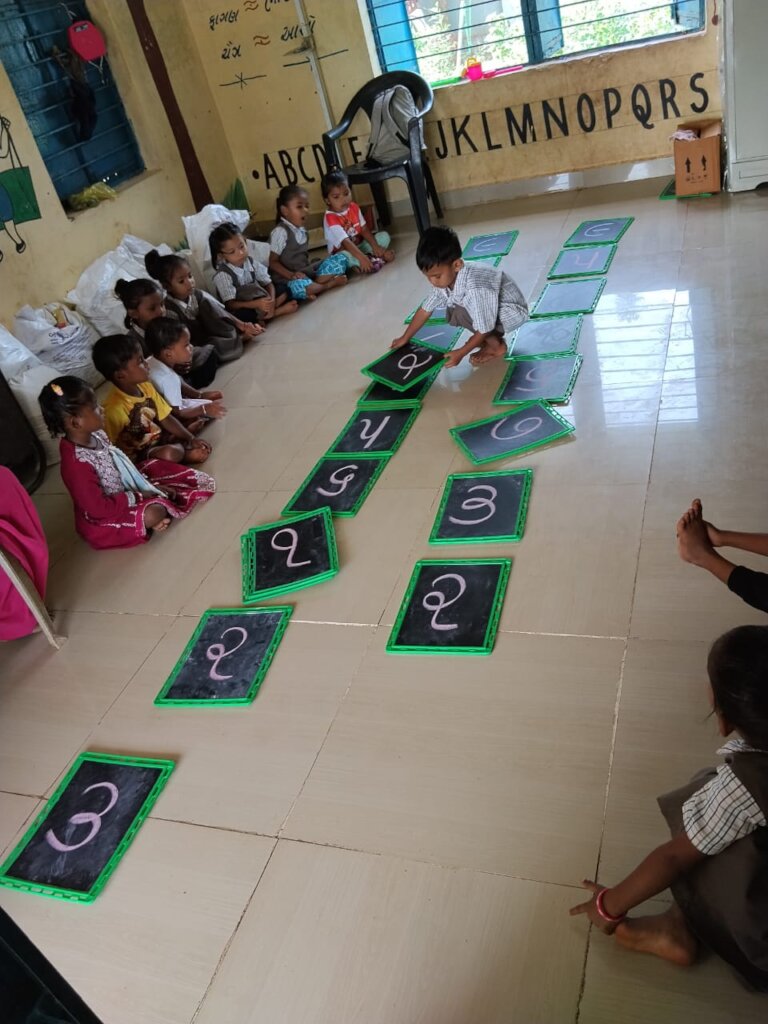
Foundational Language and Numeracy sessions: We started with songs, games, and drawing. Children became our friends. They asked when they did not understand and talked about themselves. We have completed 325 sessions on foundational language, mathematics, and environment with 296 children. Before starting routine sessions, we assessed every child in each grade on each learning outcome. We found in our baseline that children are still behind on 85% of the learning outcomes for their grade, as per the NCERT Learning Outcomes.
Adolescent sessions (grades 5-8): 133 sessions have been completed with 608 children on understanding emotions and mental well-being. We have also begun our gender sessions, starting with “Who is a Girl, Who is a Boy?”, and these are continuing.
Balghar (before- and after-school sessions): Balghar is a community learning space for children outside school hours. The fellowship gives great importance to community engagement and self-paced learning spaces, and these sessions are the first step towards that. Fellows run regular activities with children aged 6-14 before and after school, mostly educational, sports-based, and life-skills themed. 128 sessions have been held so far across both age groups on the major themes and 58 sports sessions.
Anganwadi sessions: In the villages, fellows also work with the youngest children. These sessions focus on storytelling, motor skills, sensory activities, and lots of songs and fun. The children and the Anganwadi workers are both pleased and excited to work with the fellows.
Leadership Camps: We also began leadership camps with a selected few children of grades 5-8 who exhibited leadership skills and sensitivity. Through the camps we are envisioning to create strong peer group in each Aashramshalas and village who can continue this learning journey ahead even in our absence. We did 6 leadership camps with 87 children.
Progress Observed
Children are eager to learn
Children trust us
Children now wait for us and ask what fellows will do today. After school holidays, they asked when fellows would return, and they were unhappy when sessions were missed. Children made friends with fellows through games. They treat them as older siblings, and they tell them openly when they are confused or not interested.
A class 8 girl who had never spoken to us, and whom her classmates said “did not understand anything”, began talking to fellows on her own , once fellows gave her time and attention.
At present 75% of children can recognise happiness, sadness, and anger, but not other emotions, which we will be working on the coming months.
Children are learning to work together
Anganwadi
Children wait for us every day. They spot the fellows from far away and call out that they have arrived. They ask what they will do today and ask to play.
In these months, most children attend regularly and take part. Many come forward to answer questions. Some children are very quiet and do not react when called by name. Many cannot yet name basic colours, body parts, and shapes. Many are still learning to eat on their own and to ask for what they need.
Stakeholder Support
Principals of each Aashramshalas and villages arranges classes and spaces for the fellows. Teachers helped settle the first sessions and now give us classes whenever fellows ask. Anganwadi workers help manage the young children.
Growing into Skilled Teachers
This cohort’s fellows had no prior experience working with children, but they bring a natural interest in children and a spirit of learning that is helping them grow into skilled pedagogues. In the early days, they were supported with lesson plans and training manuals. Over time, they received hand-holding support in designing effective lesson plans for their children’s levels.
Today, each fellow is designing better lesson plans for grades 1-4 that suit their children’s learning levels and needs.
What’s Next
In the coming days, fellows will hold sessions on mental well-being and adolescent health. Fellows also plan to take the Balghar activities to the next level, with project-based learning and further exploratory work for children.
Project reports on GlobalGiving are posted directly to globalgiving.org by Project Leaders as they are completed, generally every 3-4 months. To protect the integrity of these documents, GlobalGiving does not alter them; therefore you may find some language or formatting issues.
If you donate to this project or have donated to this project, you can receive an email when this project posts a report. You can also subscribe for reports without donating.


Support this important cause by creating a personalized fundraising page.
Start a Fundraiser