By Fernando Perez-Ordoyo | Head of International Corporates Partnerships
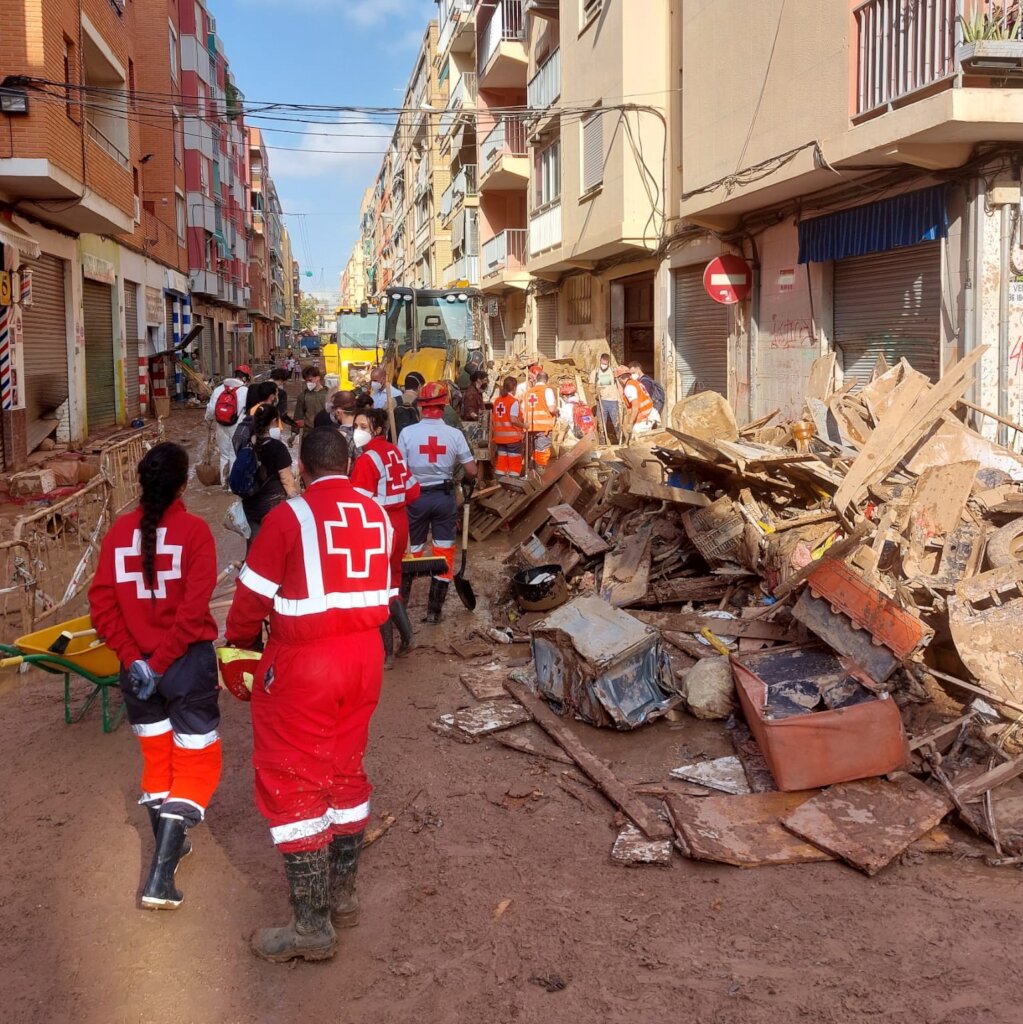
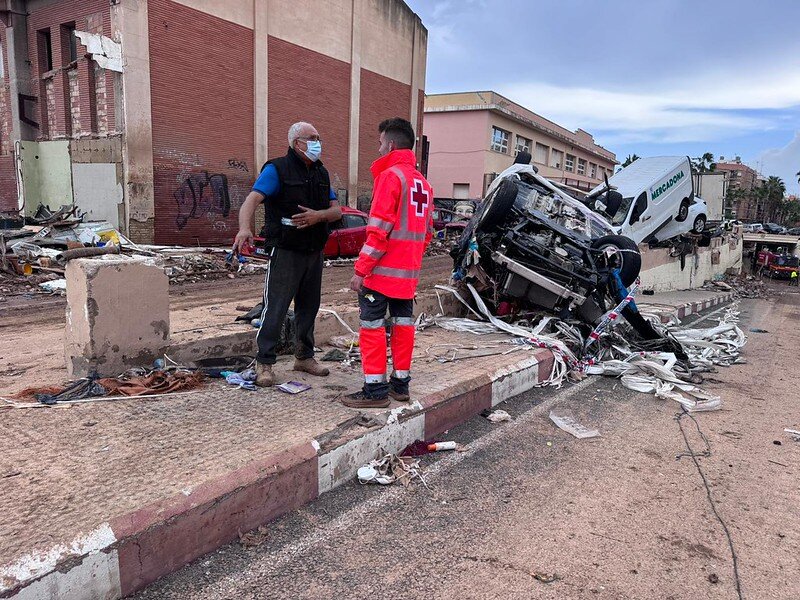
The DANA, that impacted the east and south of the Iberian Peninsula, has left serious consequences in the central area of the Valencian Community and the east of Castilla-La Mancha, severely affecting 78 municipalities (75 in Valencia; 2 in Castilla-La Mancha; 1 in Andalucía).
The DANA impacted the Valencian Community the most, being this region the hardest hit. Specifically, the municipalities of the regions of La Plana de Utiel-Requena, L’Hoya de Buñol, L’Horta Sud and L’Horta Nord, Ribera Alta, Ribera Baixa, El Camp del Túria, La Safor, Los Serranos and some distincts in the south of Valencia, where the floods have caused not only material damage but also human losses.
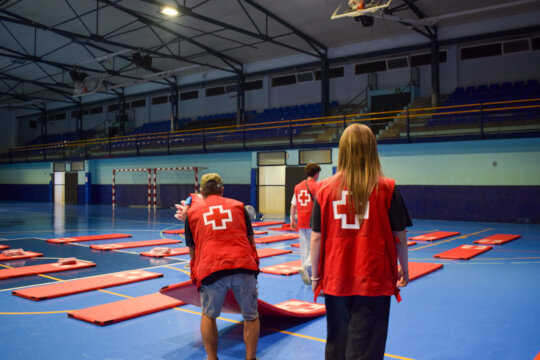
During the first few days, up to 40,000 people remained without electricity supply due to infrastructure damage and more than 3,000 people required emergency shelter.
The Ministry of Transport quantifies damage to 80km of roads and another 80km of missing railway tracks which will not be able to be put back into service in the short term. The population of the affected municipalities amounts to 845,000 people and it is estimated that 190,000 could be directly affected. Based on these figures, media sources have analysed that there could be at least 77,000 homes affected.
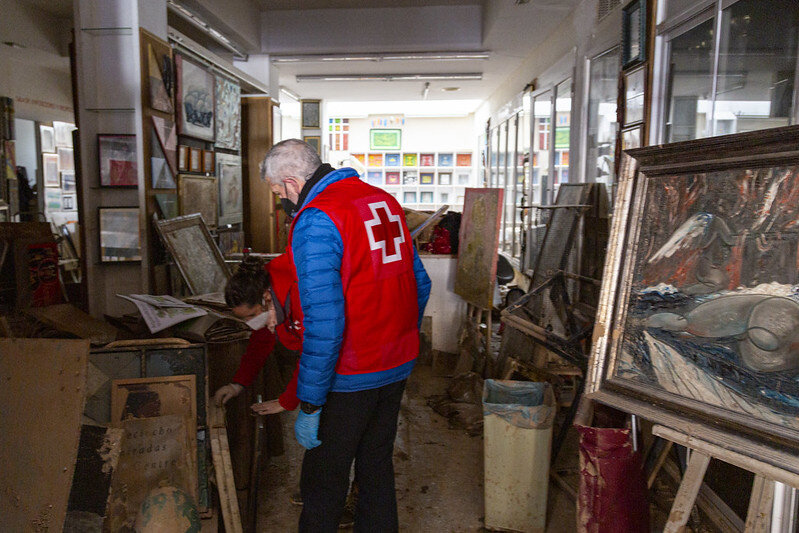
In agriculture, Agroseguro has reported that the DANA has seriously affected crops that are being harvested. In particular, persimmon, citrus fruit and vegetables in the region of Murcia; vegetables in the province of Albacete; and citrus fruit and vegetables, including those grown under plastic, in Almeria. In addition to damage to wood in woody crops and livestock farms. In terms of commercial activity, the Chamber of Commerce has estimated that some 4,500 shops in the province of Valencia have suffered damage and that some 1,800 of them have been destroyed.
All these circumstances have resulted in a large segment of the population facing sudden vulnerability, threatening both their lives and their assets and livelihoods. Additionally, those who were already in a situation of risk may have seen their vulnerability further exacerbated by the emergency.
To mitigate the effects of the DANA, a comprehensive response plan has been activated to address the most urgent needs of the affected individuals and communities. The RED CROSS PLAN TO THE EFFECTS OF THE DANA, aims to provide integrated and coordinated support for the recovery of those impacted in the affected areas, ensuring their physical, emotional, and social well-being.
The response plan has an initial duration of 36 months and follows a phased strategy that will unfold progressively, transitioning from the current emergency situation towards recovery and resilience. The plan is structured into three key phases: emergency / recovery / strengthening & resilience.
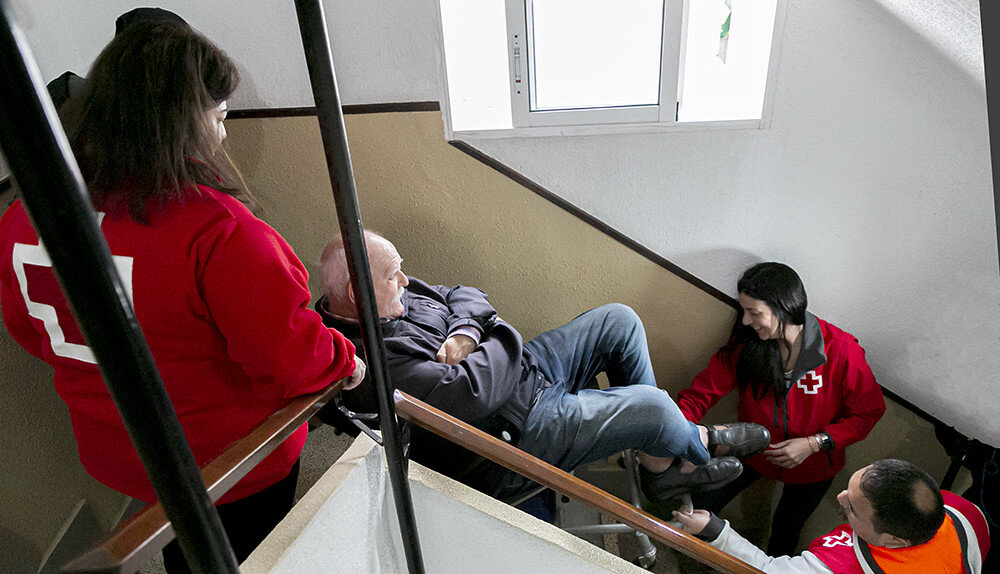
The Red Cross intervention will prioritize the most vulnerable and at-risk groups among those affected, addressing both urgent needs and those required in the medium and long term. Additionally, efforts will be made to strengthen the overall resilience and recovery capacity of communities, while also supporting the local and regional Red Cross branches impacted by the disaster by restoring and reinforcing their operational capacity for this and future events.
Therefore, the intervention will focus on three main groups:
1. People affected across different areas of the territory;
2. Communities impacted by the disaster; and
3. The Red Cross territorial network within the affected area.
Links:
Project reports on GlobalGiving are posted directly to globalgiving.org by Project Leaders as they are completed, generally every 3-4 months. To protect the integrity of these documents, GlobalGiving does not alter them; therefore you may find some language or formatting issues.
If you donate to this project or have donated to this project, you can receive an email when this project posts a report. You can also subscribe for reports without donating.