By Fernando Perez-Ordoyo | Head of International Corporate Alliances
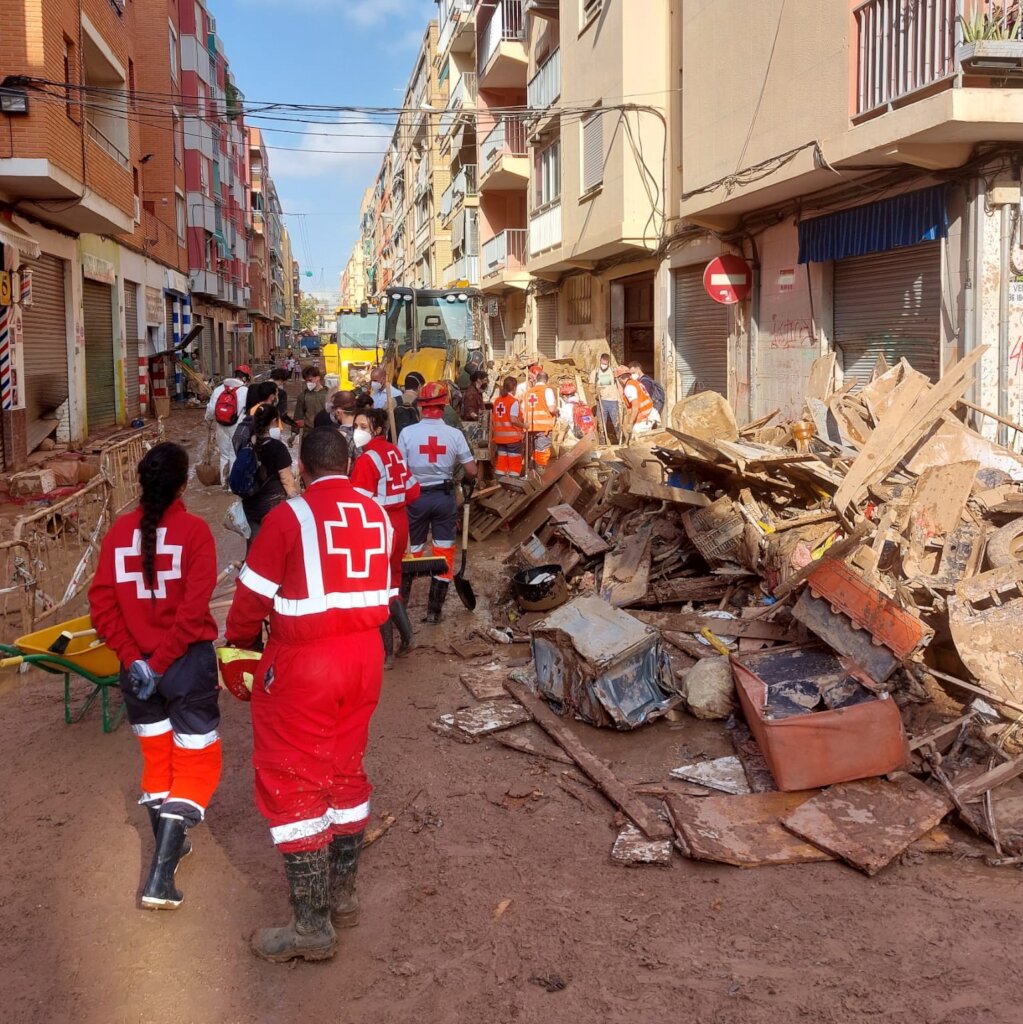
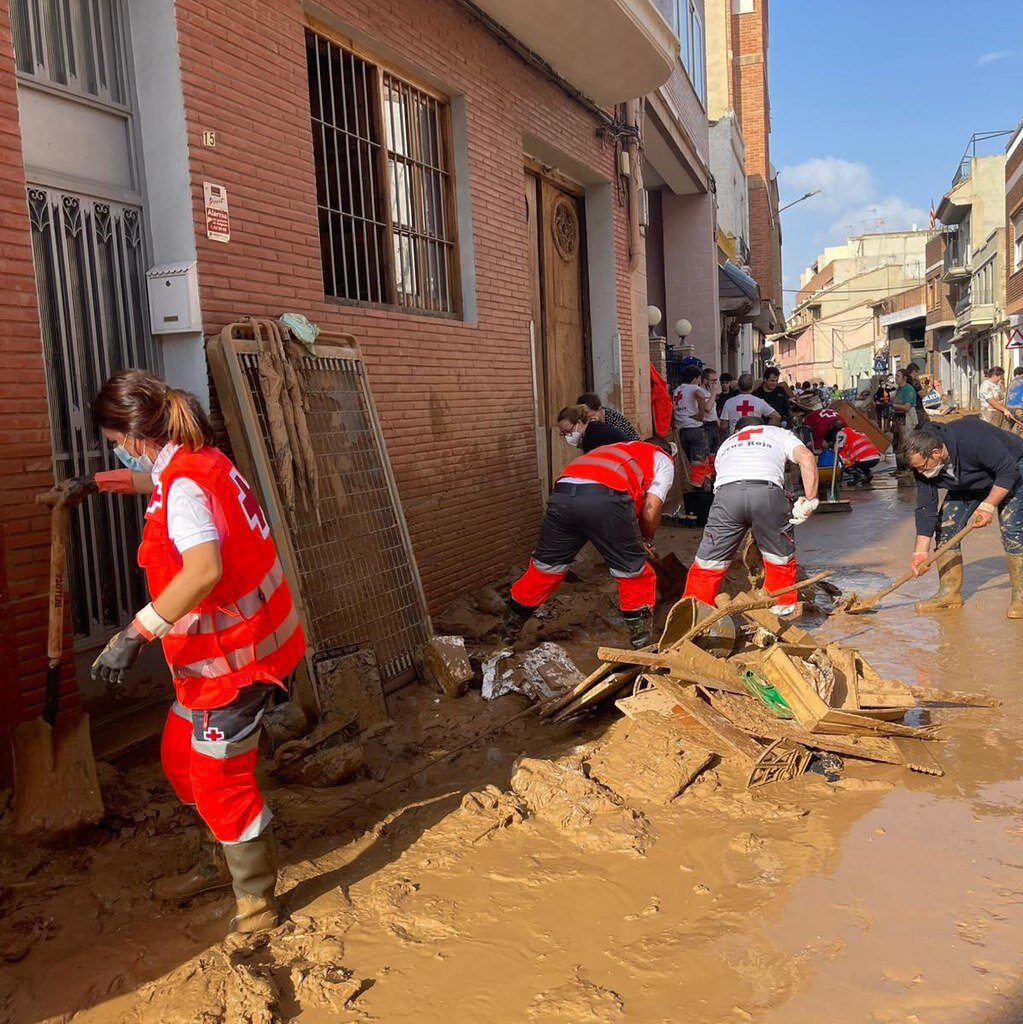
In the aftermath of the unprecedented DANA floods that struck the province of Valencia in 2025, the Spanish Red Cross undertook one of its most extensive humanitarian operations in recent history. The organization mobilized its full territorial, technical, and volunteer capacity to provide immediate relief and sustain a longterm recovery plan that continues to support thousands of individuals, families, and communities.
A Coordinated and Evolving ResponseFrom the onset of the emergency, the Red Cross activated a comprehensive Response Plan designed to adapt dynamically to emerging needs. Although the crisis demanded rapid action, the organization simultaneously began planning for medium and longterm recovery. This dual approach ensured that urgent humanitarian needs were met while also laying the groundwork for the complex reconstruction process that followed.
The Response Plan evolved over time, particularly as local Red Cross assemblies regained operational capacity. While the emergency phase centered on rapid mobilization and lifesaving support, the subsequent recovery phase addressed the profound social, economic, and infrastructural impacts left by the floods.
Restoring Infrastructure and Maintaining Community PresenceThe floods caused severe damage to seven Local Assemblies across Valencia, with four of them—Paiporta, Catarroja, Aldaia, and Algemesí—completely devastated. Recognizing that physical proximity is essential for effective humanitarian support, the Red Cross swiftly installed temporary service modules in the most affected municipalities. This ensured that no resident would be forced to travel long distances to obtain assistance.
Despite the extent of the destruction, several facilities—including those in Paiporta, Algemesí, and Valencia’s La Torre neighborhood—have already resumed operations, demonstrating the Red Cross’s commitment to restoring community-based humanitarian infrastructure as quickly as possible.
Cash Assistance and Household SupportOne of the most impactful components of the recovery effort has been the distribution of prepaid cards to affected families. Thanks to a coordinated effort with Caixa Popular, the Red Cross not only met but exceeded its initial target of assisting 25,000 households. A total of 26,865 families were identified, and nearly 24,000 cards have already been distributed—prioritizing the most vulnerable groups.
The flexibility of the cashassistance model allowed families to address their most immediate and personal recovery needs. This initiative was accompanied by the distribution of thousands of essential household goods, including rest kits, dehumidifiers, radiators, cleaning kits, food packages, and basic appliances. Such support restored dignity and stability to families whose homes had been severely damaged or rendered uninhabitable.
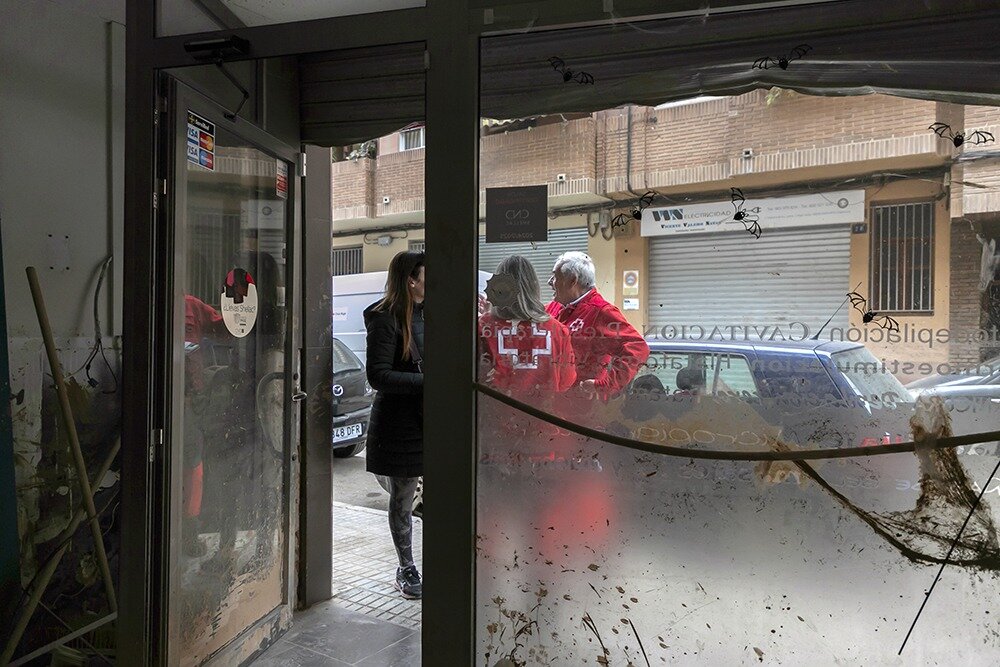
Support for Business and Livelihood RecoveryUnderstanding that community resilience depends not only on households but also on the viability of local businesses, the Red Cross deployed specialized teams to assess, accompany, and financially support affected livelihoods. More than 3,000 businesses were identified as eligible for support, and over 2,300 grants—amounting to €11.4 million—have already been disbursed.
These efforts helped small businesses rebuild, navigate complex administrative processes, recover equipment, and gradually restore economic activity in the hardest-hit towns.
Psychosocial and Mobility AssistanceThe emotional impact of the disaster was profound, and the Red Cross responded with more than 7,000 psychosocial interventions. These actions, grounded in a community-based approach, involved coordination with health services, local organizations, and educational institutions. Support ranged from emotional first aid to sustained followup for individuals facing traumatic losses.
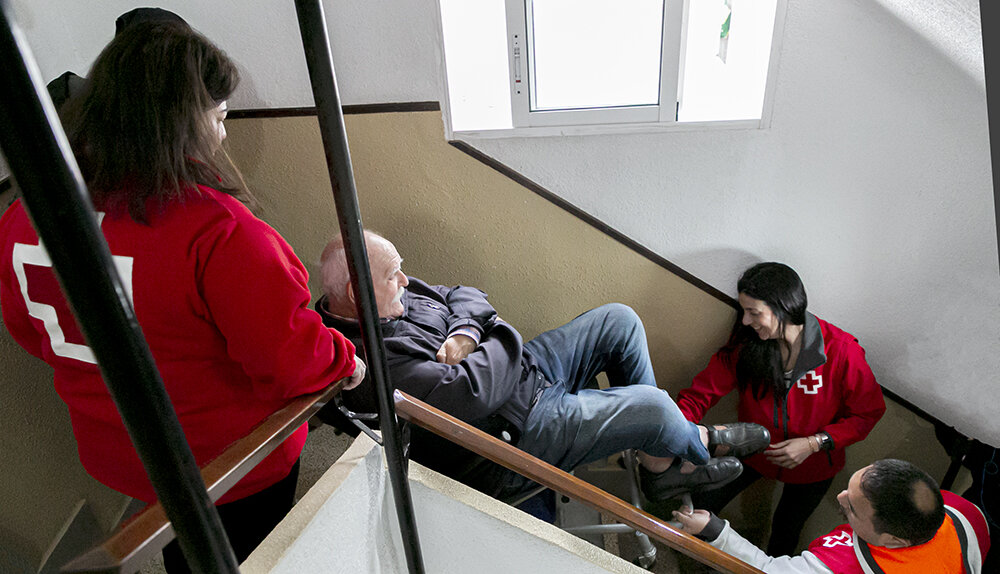
For people with reduced mobility, the flooding of elevators and entrances in many buildings presented serious risks. The Red Cross carried out more than 4,300 mobilizations using electric stairclimbing chairs, ensuring that elderly or dependent individuals could access medical services, day centers, and essential care. Home care services were also provided, totaling more than 11,000 hours for older residents in the most affected municipalities.
Educational, Community, and Environmental InitiativesRecovery went far beyond physical infrastructure. The Red Cross facilitated the rehabilitation of sports facilities, technological equipment, classroom materials, and community spaces, ensuring that schoolchildren, sports clubs, and adult education centers could return to normality.
Leisure and educational activities, traumaandresilience workshops, and youth engagement programs were organized throughout the province to help rebuild not only structures but social fabric.
In parallel, more than 195,000 hours of environmental intervention were carried out, making it one of the largest volunteer-driven environmental recovery efforts in the organization’s history.
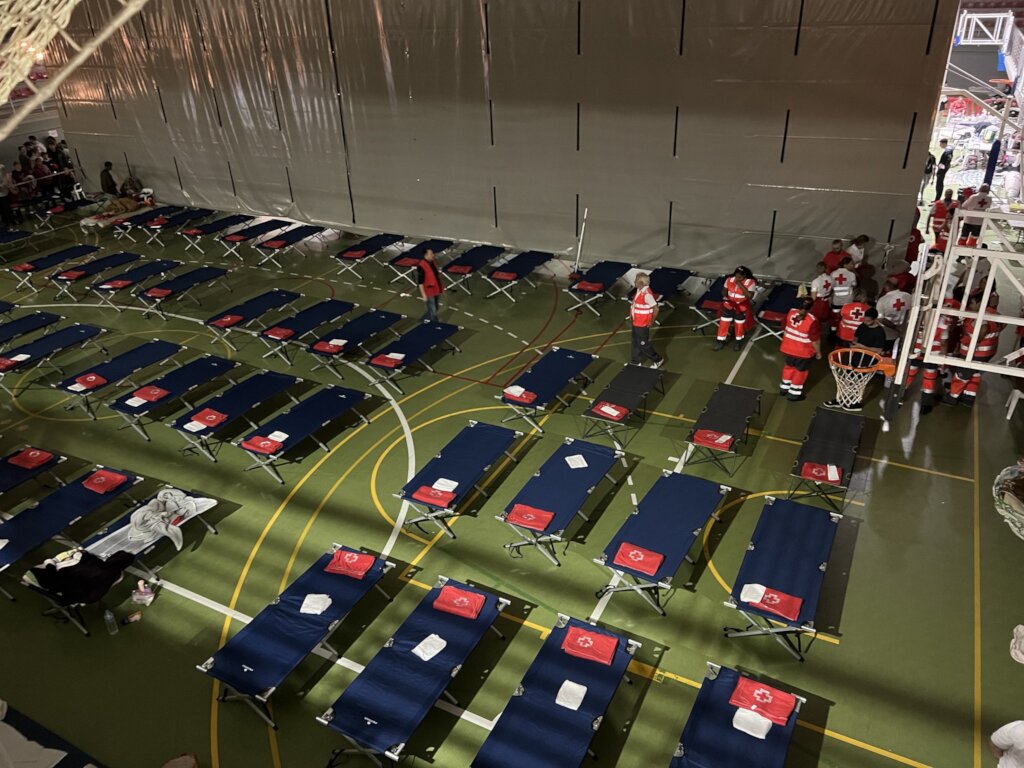
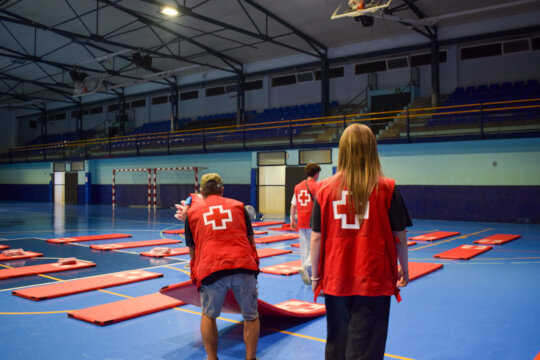
The Emergency Phase: Rapid Mobilization and Vital AssistanceDuring the critical early days of the disaster, the Red Cross mobilized more than 23,000 personnel operations involving volunteers and staff from every region of Spain. These teams provided healthcare assistance, temporary shelter, childcare, rescue services, psychosocial stabilization, community health interventions, and logistical support.
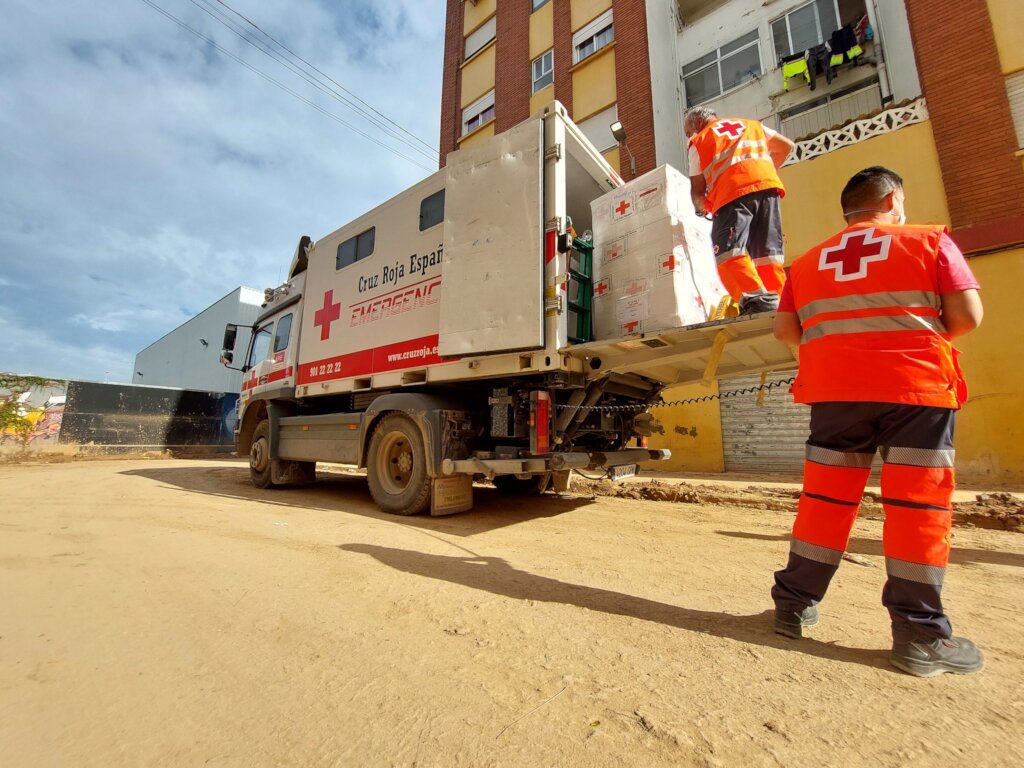
The creation of safe spaces, identification of urgent needs, and targeted protection for vulnerable groups defined this phase. Adapted vehicles ensured mobility for those isolated or unable to evacuate, while logistics operations at the Pinedo Command Post coordinated essential distributions until Local Assemblies regained capacity.
The Red Cross’s response to the DANA floods in Valencia stands as a testament to the organization’s unwavering commitment to humanitarian service. Its work was not only immediate and lifesaving during the emergency phase but also deeply transformative throughout the long recovery period. Through sustained dedication—spanning infrastructure reconstruction, financial aid, psychosocial support, community rebuilding, and environmental restoration—the Red Cross has played a pivotal role in helping the province of Valencia rebuild with dignity, resilience, and hope.
By Fernando Perez-Ordoyo | Head of International Corporate Alliances
By Fernando Perez-Ordoyo | Head of International Corporate Alliances
Project reports on GlobalGiving are posted directly to globalgiving.org by Project Leaders as they are completed, generally every 3-4 months. To protect the integrity of these documents, GlobalGiving does not alter them; therefore you may find some language or formatting issues.
If you donate to this project or have donated to this project, you can receive an email when this project posts a report. You can also subscribe for reports without donating.