By Fernando Perez-Ordoyo | Head of International Corporate Alliances
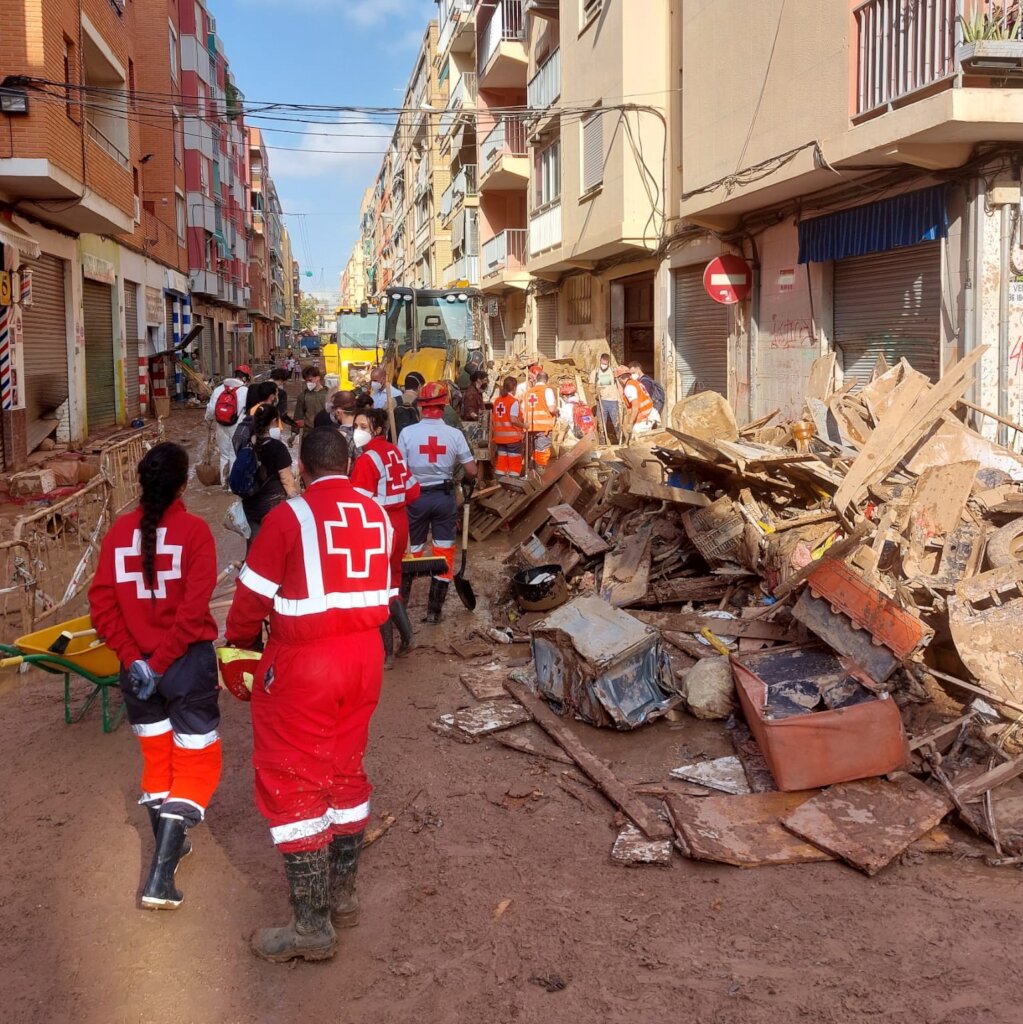
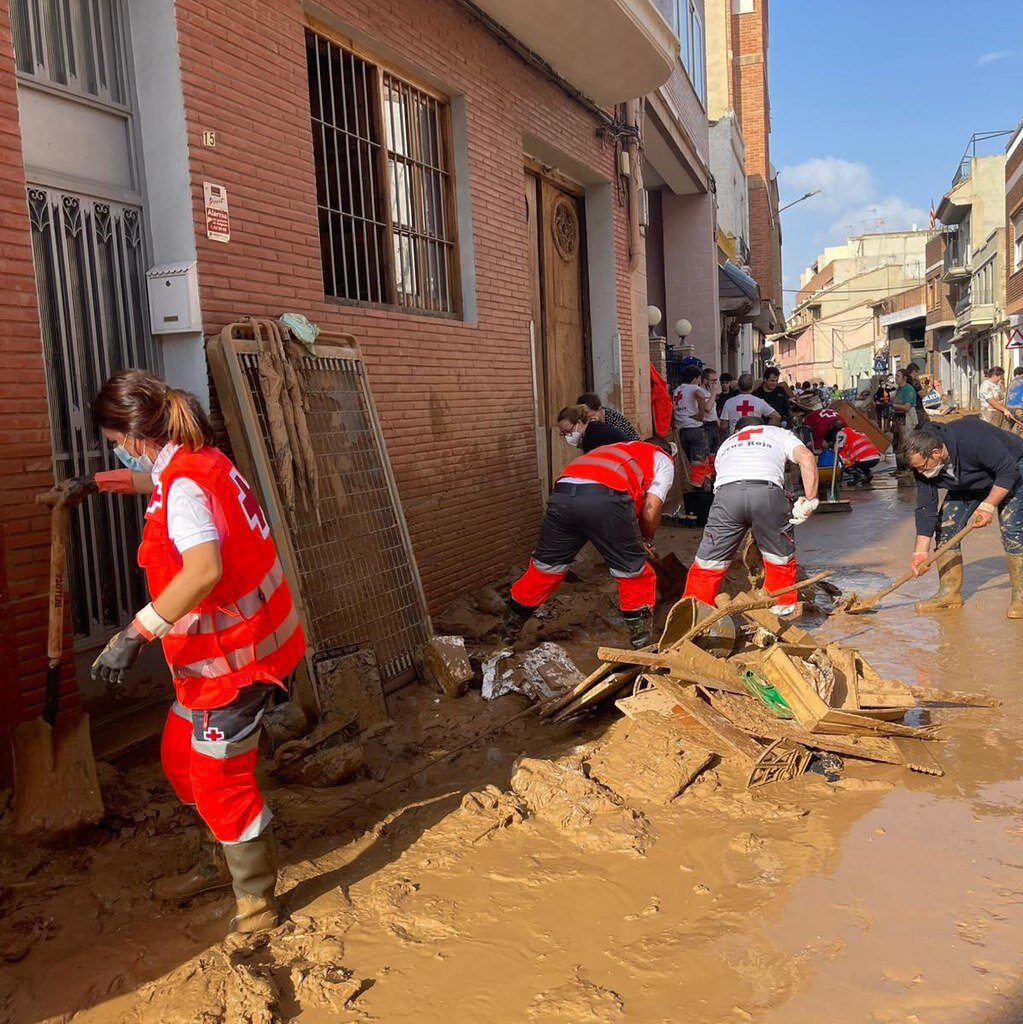
The DANA, that impacted the east and south of the Iberian Peninsula, has left serious consequences in the central area of the Valencian Community and the east of Castilla-La Mancha, severely affecting 78 municipalities (75 in Valencia; 2 in Castilla-La Mancha; 1 in Andalucía).
The DANA impacted the Valencian Community the most, being this region the hardest hit. Specifically, the municipalities of the regions of La Plana de Utiel-Requena, L’Hoya de Buñol, L’Horta Sud and L’Horta Nord, Ribera Alta, Ribera Baixa, El Camp del Túria, La Safor, Los Serranos and some distincts in the south of Valencia, where the floods have caused not only material damage but also human losses.
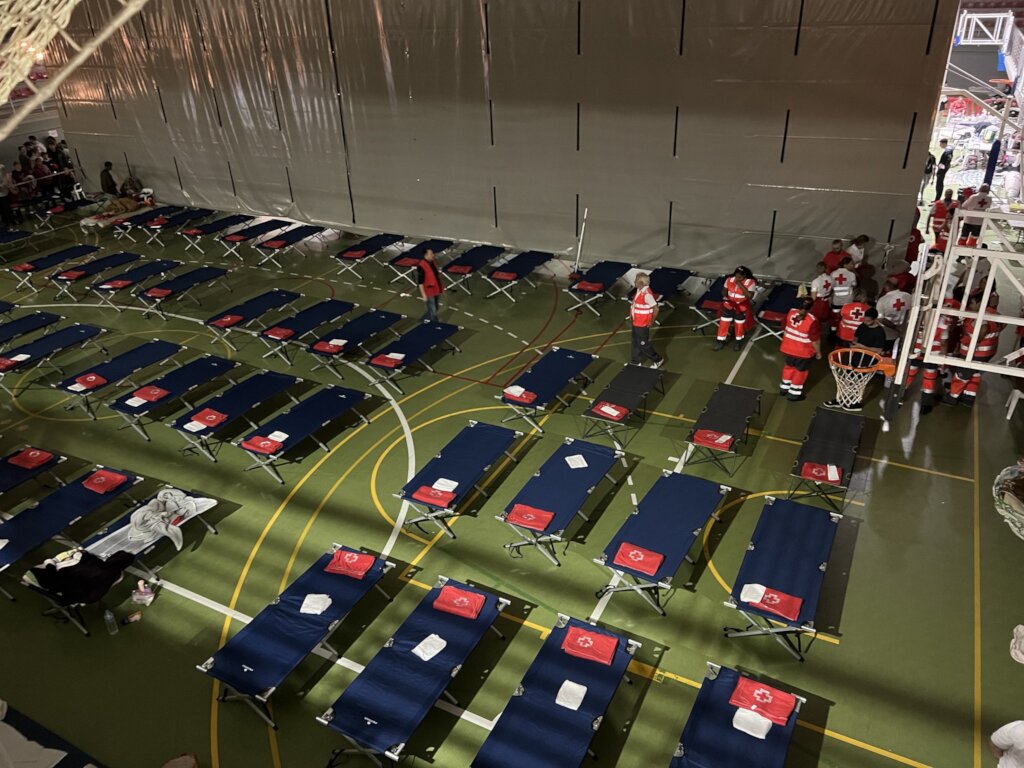
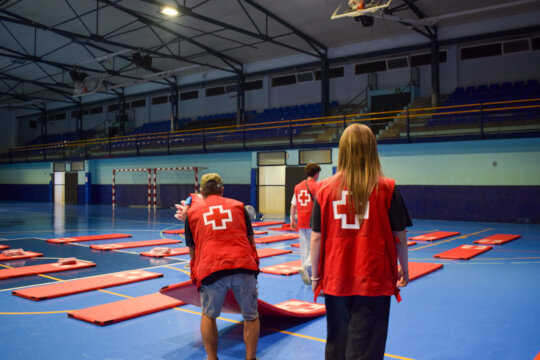
During the first few days, up to 40,000 people remained without electricity supply due to infrastructure damage and more than 3,000 people required emergency shelter.
To mitigate the effects of the DANA, a comprehensive response plan has been activated to address the most urgent needs of the affected individuals and communities. The RED CROSS PLAN TO THE EFFECTS OF THE DANA, aims to provide integrated and coordinated support for the recovery of those impacted in the affected areas, ensuring their physical, emotional, and social well-being.
The response plan has an initial duration of 36 months and follows a phased strategy that will unfold progressively, transitioning from the current emergency situation towards recovery and resilience.
The Red Cross intervention will prioritize the most vulnerable and at-risk groups among those affected, addressing both urgent needs and those required in the medium and long term. Additionally, efforts will be made to strengthen the overall resilience and recovery capacity of communities, while also supporting the local and regional Red Cross branches impacted by the disaster by restoring and reinforcing their operational capacity for this and future events.
Therefore, the intervention will focus on three main groups:
1. People affected across different areas of the territory;
2. Communities impacted by the disaster; and
3. The Red Cross territorial network within the affected area.
Within the emergency phase, the following actions continue to be carried out:
Distribution of food and non-food items
From the logistics hub in Pinedo, the distribution of small and medium-sized relief items continues, responding to the needs and requests of the affected population who have reached out to the Red Cross through the Regional Operations Center in Alicante.
To date, the following items have been delivered to households:
- 9,343 rest kits (complete beds of different sizes and bedding adapted to the sizes).
- 5,104 Dehumidifiers
- 3,387 electric radiators
- 951 cleaning kits
- 407 food kits
- 375 ceramic glass cooktops
Several teams dedicated to demand management, distribution, and logistics are actively participating in this work, ensuring volunteer involvement throughout the entire process—from making calls to coordinate deliveries to the administrative closure of each completed mission.
Psychosocial support activities
Needs continue to be identified among families and individuals who have suffered both human and material losses. Psychosocial support teams, composed of psychologists, social workers, and support responders, provide follow-up for those requiring intervention beyond the initial emotional ventilation offered during first contact. These teams coordinate with the network of local branches and the healthcare system to refer specific cases as needed.
In addition to the actions carried out by the 49 teams mobilized since the beginning as part of the Psychosocial Teams (ERIE), a total of 5,240 individual.
Mobilization activities
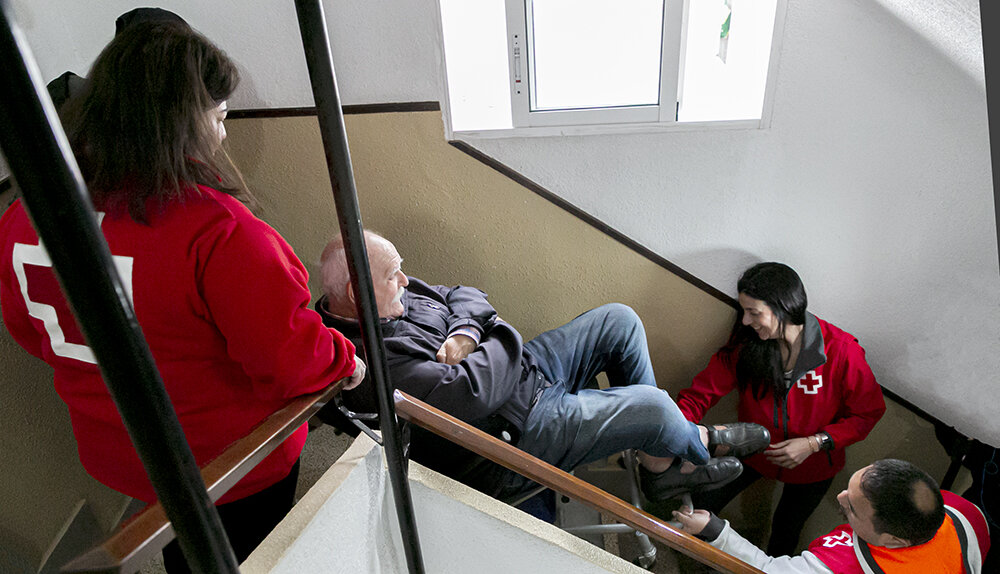
Since the beginning of the emergency, a total of 1,630 mobilizations have been carried out using electric stair climbers, enabling people with reduced mobility—who have been unable to use their building elevators due to flood damage—to access their daily activities, such as attending day care centers or medical appointments.
A total of 16,811 human resource1 deployments have been carried out since the beginning of the emergency, dispatched from all territorial levels.
Recovery Phase
As a result of the work carried out with the affected population, the response strategy continues to be adjusted based on the needs expressed and the lessons learned nearly three months after the onset of the emergency.
Cash assistance for basic needs
The distribution of prepaid cards2 (cash assistance) continues, in collaboration with Caixa Popular. This method allows individuals to decide, depending on the moment and their situation, how to spend the amount3. To date, the data regarding cash assistance is as follows:
Of the total applications processed, 16,267 cards have already been distributed to individuals whose homes have been affected, with priority given to the most vulnerable groups. To ensure this, the teams continue conducting initial assessments, which also help identify additional needs.
This distribution work is being carried out in collaboration with the Social Response teams, both in-person and remote.
Social Response Teams
Since the beginning of the emergency, 121 social response teams have been mobilized, consisting of a total of 303 people.
The designated functions of these teams are as follows:
• Contacting beneficiaries to schedule an appointment to address their request.
• Identifying available resources to be provided to beneficiaries during the appointment.
• Registering beneficiary information, if applicable.
• Distribution of prepaid cards or other necessary items based on identified needs.
• Psychosocial support to those who may require it.
• Carrying out any other tasks assigned by the local technical coordination.
These on-site teams deployed to Valencia are supported and complemented by remote assessment teams.
Business and livelihood recovery
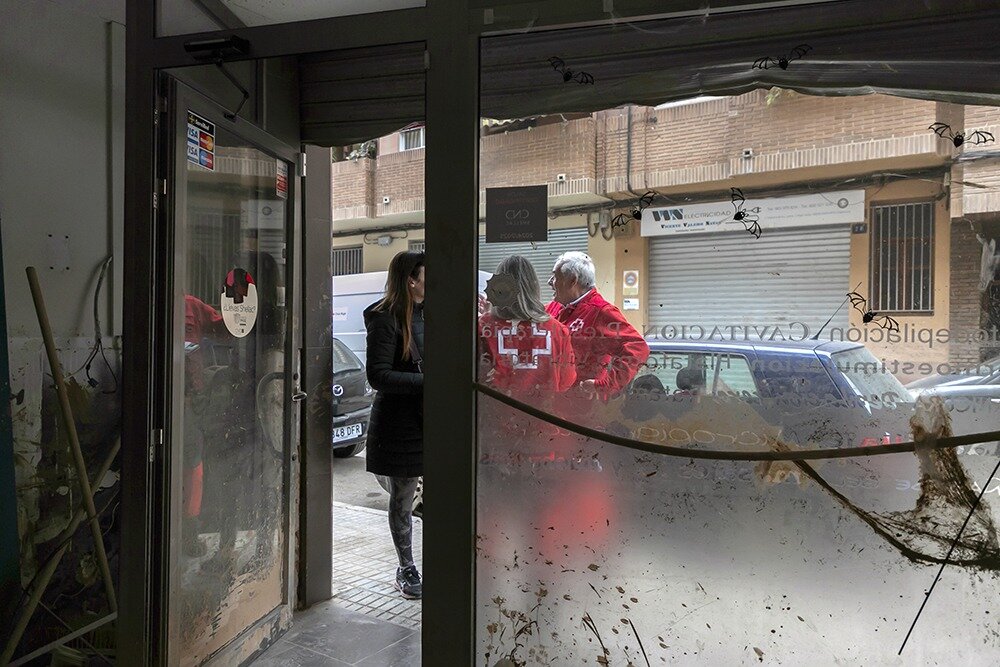
The identification of businesses and livelihoods significantly affected by the disaster continues, with visits being scheduled to inform them about direct assistance from the Red Cross. At the same time, other needs are being identified, such as support with administrative procedures for aid applications, assessment of business recovery viability, sudden unemployment of family members or employees, and other social, economic, and emotional needs arising from their situation.
A total of 2,161 businesses have been identified on-site as eligible for financial assistance of up to €5,000. So far, 926 grants have been distributed, amounting to a total of €4,600,000, and 1,147 applications are currently under review.
From now on, the intensity of business identification will be reduced, and the remote support teams will be reinforced for the review of applications and evaluation of grants.
Support teams for business and livelihood recovery
Since the beginning, nine on-site support teams, totaling 27 people, and 13 remote support teams, totaling 105 people, have been mobilized.
The on-site teams support and complement the Valencia employment team by conducting informational visits, identifying needs, managing schedules, reviewing case files, archiving documents, and recording activities.
The remote teams complement the on-site teams by strengthening the review and assessment of case files for businesses that have already been visited and have submitted the required documentation. At this stage, reinforcing these teams is a priority to ensure timely processing of applications so that those affected can receive assistance as soon as possible.
Rehabilitation actions and appliance distribution
Within the recovery phase, efforts are being made to rehabilitate homes and distribute household appliances.
A total of 277 housing rehabilitation requests have been received, with work already underway on eight of them, amounting to a total of 15,675€.
Regarding the distribution of household appliances, 6,319 requests have been received for appliance replacement. To date, 5,530 appliances have been delivered, totaling 1,106,012€.
The most requested appliances continue to be washing machines, refrigerators, ovens, ceramic cooktops, and kitchen stoves.
Other actions carried out in the recovery phase:
- Support items. A total of 134 technical aids have been processed, amounting to €111,541. Of these, 61 products have already been delivered, including:
o Adjustable beds with lifting mechanisms (90 cm and 105 cm).
o Viscoelastic mattresses of 90 and 105 cm.
o Self-propelling wheelchairs
o Electric wheelchairs.
o Walkers with four wheels and with two wheels and brakes.
o Anti-bedsore mattresses.
o Harnesses and safety belts for caterpillar chairs.
o Glasses.
o Hearing aids.
o Dental prostheses.
o Blood pressure monitors.
- Access to rights: since the start of the emergency, a total of 559 access to rights orientations have been provided. The most common concerns remain related to housing, insurance procedures, and applications for assistance.
- Activities for Children and Youth: for the next few weeks the activity ‘Social Circus’ is being organised for the children and young people of Algemesí, Alfafar, Paterna, Sedaví, Paiporta, Requena, Utiel, La Torre, Catarroja, Albal, Benetússer, l’Alcudia, Guadassuar, Torrent, Montroi, Aldaia, Xirivella, Chiva y Manises.
In educational centers, activities have been conducted for International Women's Day (March 8). Additionally, on March 13, the first pilot workshops on emotional management and resilience were held for students in 4th, 5th, and 6th grade at CEIP El Rajolar (Aldaia) and four 3rd-year groups at IES 25 de Abril (Alfafar).
- Actions with women: Follow-up calls are being made to assess the impact of recent heavy rains. Additionally, in coordination with other organizations, protocols have been established for the support and referral of women affected by the DANA who are in situations of prostitution and sexual exploitation.
- Actions with Older people and People with Disabilities: Through an emergency aid grant, the aim is to revitalize community and associative networks while also establishing collaboration channels with other organizations to assess and identify the needs of these groups.
Project reports on GlobalGiving are posted directly to globalgiving.org by Project Leaders as they are completed, generally every 3-4 months. To protect the integrity of these documents, GlobalGiving does not alter them; therefore you may find some language or formatting issues.
If you donate to this project or have donated to this project, you can receive an email when this project posts a report. You can also subscribe for reports without donating.